

Most retirement advice tells you what to buy and how much to save. This one goes the other way.
After years of watching people retire, the pattern is clear: the ones who feel free are not the ones with the most stuff. They are the ones who shed the right possessions at the right moment. And they did it before the stuff started costing them serious money.
Below are five things to sell, or stop doing, before you retire. They are ordered by financial impact, with the biggest one first. Each comes with the real numbers, the emotional catch, and what it actually frees up.
At the end you will find three questions and a test that keeps you from making a permanent decision you later regret.
Quick Tips Before You Start
List the carrying costs
Write down what each item costs you every year in insurance, storage, maintenance, and utilities. The total is usually higher than you think.
Run a trial first
Live without the item for 60 to 90 days before you list it. If you barely notice it is gone, you have your answer.
Talk to your spouse early
Separate the financial worry from the sentimental attachment before you bring in an appraiser or an agent.
Check the paperwork
Find the title, loan payoff, and purchase records before you set a price. A missing document can stall a sale for weeks.
Remember the time frame
At 60, you likely have fewer than 1,000 weeks of healthy, active time left. Spend them on purpose.
1. A Too-Big House Costs Equity and Time

Stand in the hallway of the house you raised your family in and count the doors you no longer open. That hallway is where this one bites. The house was sized for five people and now two of you are walking through rooms that exist mostly to collect dust and bills.
One couple in Illinois hit exactly that moment. They loved their walkable downtown, knew the park by name, but dreaded the winters. So they sold the oversized family home, bought a condo in the same town for summers, and added a smaller place in a warmer climate for winter. That single reshuffle freed $200,000 in equity and cut $15,000 a year from maintenance and utilities. Read those two numbers out loud and ask what else in your life produces that much cash flow by doing nothing.
The trade is real, so don't pretend it isn't. You get less space, and you get two-home logistics to manage. But the couple stopped being house managers and started being life managers, which is the whole point of the swap. Before you call a listing agent, split your feelings into two columns: what you love about the location and what you dislike about the climate. Otherwise, most people sell the wrong thing and then spend their winters exactly where they were.
💡 Tip: Walk your neighborhood once more and ask what you would miss if you moved 15 minutes away. If the answer is just the house itself, downsize.
| What to let go | What keeping it can cost | What letting go can free up | First move |
|---|---|---|---|
| Too-big house | $15,000 a year in maintenance and utilities | $200,000 in equity and hours of house management | List what you love about the location versus the climate |
| Supporting adult children | Three years of prime retirement time | Your own retirement timeline | Ask whether a loan or a smaller contribution would work |
| Classic cars and toys | $12,000 a year, or about $2,000 per drive | $180,000 in capital and less storage stress | Keep the first restoration, sell the rest to collectors |
| Second car | $3,000 a year in insurance, maintenance, registration | Travel money and garage space | Try one car for two months |
| Work title | Purpose tied to professional validation | Room to discover new roles and hobbies | Name two or three specific activities to try |
2. Supporting Adult Children Can Cost Retirement Years

The house was a possession you could put a number on. This next one isn't for sale at all – it's about stopping something, and it's the conversation almost nobody wants to have.
Some clients delayed their own retirement by three years so they could help their daughter buy a house. Generous, and they meant every dollar of it. But those were three fresh, healthy retirement years, and they don't grow back. Here's the reality: at 60, your planning frame is fewer than 1,000 weeks of healthy, active time. Your adult children, meanwhile, have decades to build wealth and bounce back from mistakes.
Loans exist for houses, cars, and education. There are no loans for retirement. That asymmetry is the whole argument in one sentence, and it's the one to hold on to when a child calls with a number too big for their budget.
So help if you can do it without denting your own security, and keep the support that costs you nothing you'll miss. Setting limits with grown children early makes that line easier to hold when requests keep coming. But let your kids solve the problems they can solve themselves – this isn't a rule to cut them off, it's a rule about which side of the ledger gets protected.
💡 Tip: If you want to help, offer a smaller fixed amount or cosign a conventional mortgage instead of draining your savings.
💡 PRO TIP
Keep the one that matters
The goal is not to sell everything you love. It is to stop keeping so much that you enjoy none of it. One well-loved car, one meaningful item, one hobby you actually do beats five that sit unused.
3. Toys and Spare Cars Cost More Than Joy
That support conversation tends to leave a room very quiet for a minute. Then people start thinking about the garage, the storage unit, the boat, the thing with a cover over it.
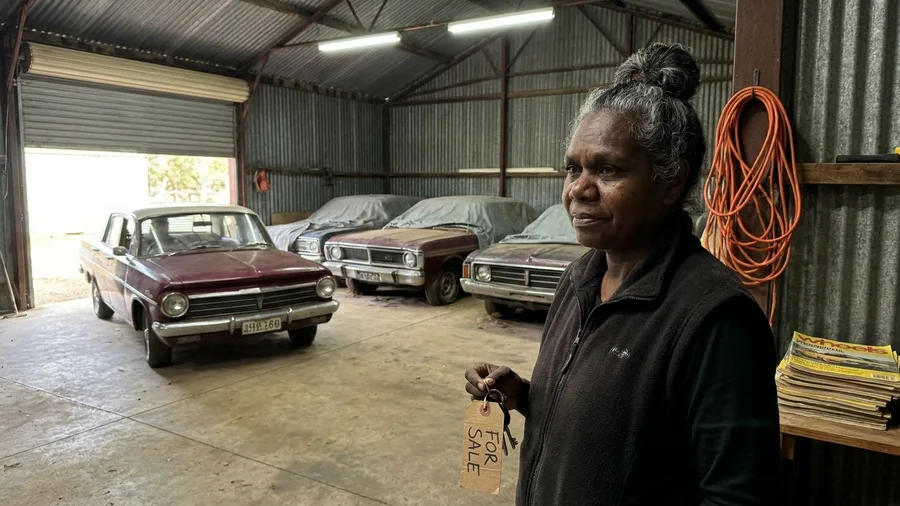
Tom spent 20 years restoring five classic cars to perfection. He loved them. But as retirement got close, storage alone ran about $8,000 a year, and the total annual cost passed $12,000. For a fuller picture of the line items that quietly drain a budget, real retirement budgets worth studying show what sinks other people. He drove them roughly six times a year. His wife did the math out loud: about $2,000 a drive. His first reaction was no – those cars were his life's work.
A year later he sold four of them to collectors who'd actually drive and show them. He kept the first restoration, the one with the real sentimental pull. That cut $9,000 a year in expenses and freed $180,000 in capital. He went from car collector to car enthusiast again, with his favorite still there for weekend drives.
Second vehicles follow the same logic. One couple tallied $3,000 a year in insurance, maintenance, and registration on their extra car, then pretended to have only one car for two months. It was easier than they expected. They sold it and pointed the money at travel instead of depreciation, which is what a sitting car is – a slow leak you keep filling.
So keep the one item that carries genuine sentimental value or that you actually use, and sell the rest to somebody who'll enjoy it. The math of cost per use is brutal, but it's honest, and it frees up both cash and attention for the things retirement is actually for.
💡 Tip: Run a 90-day test before you list, then set a sell-or-keep date so the test does not become indefinite storage.
🗓️ How the 90-Day Test Works
Pick one item
Choose a single possession or obligation you are considering selling.
Calculate its true cost
Add up insurance, maintenance, storage, and registration for one year.
Live without it
Spend 60 to 90 days as if it were already sold or the money were already invested.
Note what is missing
Write down what you actually missed and what you did not.
Set a decision date
On a fixed calendar date, decide to sell, keep, or compromise.
4. Your Work Title Is Not Your Retirement Identity

Your work title was what you did, not who you were. That sounds like a fridge magnet until it happens to you.
A surgeon retired after 30 years, financially ready and genuinely done with the operating room. Six months in, he felt lost. He'd been Dr. Michael Miller for so long that Michael Miller didn't know what to do on a Tuesday. So he volunteered at a free clinic, which looked like service but was mostly a way to hear Dr. again.
The turn came when he stopped trying to be the doctor and started being himself. He took up woodworking, mentored younger doctors, and leaned into being Grandpa Michael. All three had been buried under 50- and 60-hour weeks for decades. The job title was a role he played, not the whole person – and purpose carries on fine without the professional validation.
So don't go searching for a vague new identity. Pick two or three specific roles or activities to try in your first year – a regular volunteering slot, a class, a mentoring group – and expect the first few months to feel unsettled. That's not a sign you chose wrong. It's just what the gap feels like while it closes.
5. Run Three Questions and a 90-Day Test

If you've read this far, the obvious question is how to decide any of this without making a permanent mistake. Here's the framework, and it's three questions followed by one experiment.
First: does this serve your old life or your new life, and will you actually use it now? Second: what is it really costing you, and what is it worth? Count direct costs like insurance and storage, opportunity costs like what else that money could do, energy costs like the stress and time it eats, and space costs like whether it keeps you from living how you want. Third: if you let it go, what becomes possible?
That third question is the one that moves you, because it flips your brain from scarcity to possibility. Picture the trips, the simpler schedule, the money back in your account. Most people are surprised by how relieved they feel once they let themselves picture it.
Then run the 90-day test, one item at a time. Live 60 to 90 days as if it's already sold, or as if the money is already sitting in your retirement account, and note what's actually missing. Wondering about the RV? Go 90 days without using it and find out whether the trips really happen or the idea was the habit.
Two safeguards before you start: talk through anything shared with your spouse before the trial ends, and set a sell-or-keep date at the finish so the test doesn't quietly turn into indefinite storage. The point is a decision, not a delay.
Get Your Spouse on Board First
Here's the truth about downsizing fights: the argument is almost never about the house. Your spouse isn't clinging to a spare car or a garage full of toys. They're reacting to fear of change, a sentimental attachment, or a quiet money worry, and each one needs a completely different conversation.
So name which one you're facing before you say another word. If it's money, pull out the annual cost and look at it together. If it's sentiment, ask what the item actually represents, then ask whether the memory survives without the object. If it's fear, talk through what the first year looks like with the thing gone.
Then run the three questions separately. Each of you writes answers to old life versus new life, what it really costs, and what becomes possible. Compare notes before anyone discusses selling, because the gap between your two lists tells you where the real work is.
Still stuck? Agree on a trial or a smaller compromise. Keep one car instead of two. Keep the one meaningful toy instead of the collection. Bring in an appraiser, a financial planner, or a mediator if you need one, but don't let a listing agent push a decision you both haven't made.
Check the Tax and Paperwork Before You List
Even with the family on board, don't set a price on a house or a classic car until the paperwork is in one pile. For a home, pull the purchase records and every improvement receipt you can find, then ask a tax professional how the sale may be treated before you list. Improvement receipts can matter more than people expect.
For collectible cars or anything high-value, get a written appraisal and keep the sale records. Then confirm the reporting rules with a tax professional or the IRS rather than guessing, because a nice gain on a restored car can carry a bill people didn't plan for.
Confirm the boring stuff too: the title is clear, the loan payoff is known, and any joint owner is ready to sign before you accept an offer. A missing signature can kill a deal at the closing table.
And skip the buyer who says not to worry, or the online forum that swears you owe nothing. Verify with the official source or a qualified professional, and keep every document in one folder you can hand over.
Frequently Asked Questions
Should I sell my house before or after I retire?
Many people sell before retirement so the equity and lower expenses are part of the retirement budget from day one. Selling after retirement works too, but you may need to fund the gap in between. Run the numbers for both timelines before you list.
How do I know which classic car to keep?
Keep the one with the most sentimental value or the one you actually drive. For most collectors that is the first restoration or the car they take to shows. Sell the rest to people who will use them.
What if my spouse refuses to sell anything?
Separate the disagreement into financial worry, sentimental attachment, and fear of change. Then apply the three questions separately and compare answers. If you are still stuck, agree on a trial period or a smaller compromise and consider bringing in a mediator.
Do I need an appraisal before selling a collectible car?
Yes, get a written appraisal for a high-value or collectible vehicle. It protects you in the negotiation and gives you a record for tax reporting. Keep the appraisal and the sale paperwork together.
How long should the 90-day test last?
Sixty to ninety days is enough to reveal whether you actually miss the item. Set a calendar date to decide, and discuss shared possessions with your spouse before the test ends.
Pick One Item and Give It a Date
This list is a menu, not a checklist. You do not have to sell everything, and you probably should not. Pick the one item with the highest carrying cost, usually the house or the toys, and answer the three questions in writing.
Then run the 90-day test. Live as if it is already sold and the money is already working for you. Note what is actually missing.
If the answer is nothing, set a listing date. If the answer is everything, keep it and move to the next item on the list.
The happiest retirees are not the ones with the most stuff. They are the ones who learned the difference between what they own and what owns them.
Start with the carrying cost you can calculate tonight
Add up one year of insurance, storage, and maintenance on the item you are considering selling. If the number surprises you, you have found your first candidate.

Hello there! I’m Jesse Joe, the author and editor behind SolganGenius. I’m thrilled you’ve stopped by, and I can’t wait to share with you the essence of what this platform is all about.
I’m a writer, social media enthusiast, and a firm believer in the power of words. I’ve always been fascinated by how a simple phrase or slogan can capture an emotion, convey a message, and even change perspectives. Learn More