
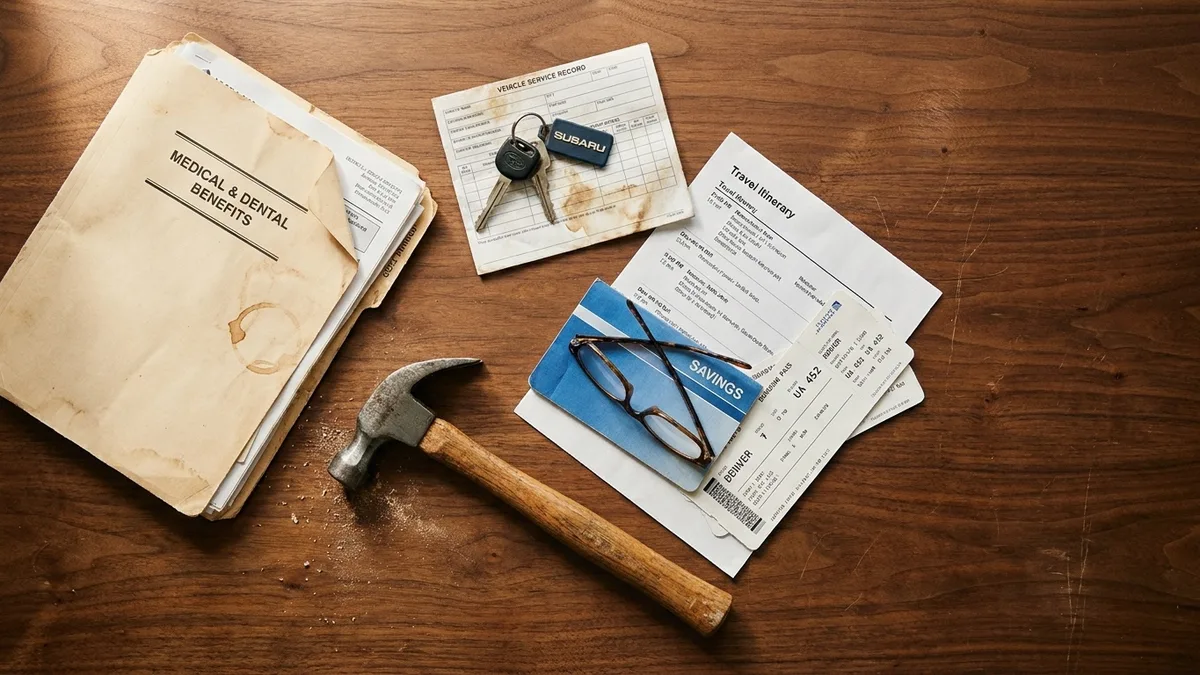
Here's the odd thing about money: spending it gets harder as you get older. It's not that you have less. Some days your accounts hold more than they ever did, yet your mind becomes a nervous bookkeeper, quietly asking what if it runs out?
You've saved diligently for decades. Then the paycheck stops and every purchase suddenly feels dangerous. People with pensions and healthy savings start convincing themselves they can't afford things they absolutely can afford.
So the trick is to buy the right things before you retire, while income is still coming in and your brain still feels safe enough to spend. What follows are ten purchases that will make your next thirty years comfortable and meaningful. Not frivolous stuff. The things that matter.
Get through them while you're still working. Trust me on this.
Quick Tips Before You Start
Make the list
Write down every purchase and appointment you've been postponing, then assign each a month.
Use your benefits
Max out dental, vision, and hearing coverage while you're still on the employer plan.
Get three quotes
For any repair or modification, collect three written estimates before you commit.
Book, don't plan
Turn intentions into reservations with dates. Paying early locks it in.
Ask for help
Line up a handyman, cleaner, and lawn service before you actually need them.
1. The health fixes your employer plan still covers

Once the paycheck stops, the health insurance changes too, and that's where the real accounting starts. So sit down and make a list of everything you've been putting off: the knee that complains on stairs, three years of squinting through old glasses, the tooth that's been sensitive since spring.
Book every one of them while your plan is still active. Medicare generally doesn't cover dental work, vision, or hearing aids, so read your own plan documents before you retire and see exactly where the gap opens, because it will open. Coverage can shift under you, so how to protect your Medicare walks through the notices and how to keep your doctors.
Vincent Duca had a good pension and good savings, and still he put off dental work for years. After he retired, crowns on a fixed income felt unaffordable, so he spent five years eating through pain rather than spend the money while his employer's plan would have covered most of it.
A crown runs about $1,200 to $1,800 out of pocket. Under your employer plan it's a fraction of that. And the quiet daily cost of eating badly because it hurts is higher than any co-pay.
💡 Tip: Schedule every checkup, test, and procedure you've been avoiding in the next 60 days. Your future self will thank you.
| Purchase | Typical cost | Best window | What it prevents |
|---|---|---|---|
| Dental, vision, hearing | $200–$1,800 out of pocket now vs. full price later | Before your plan ends | Years of pain and avoided meals |
| Roof, heating, appliances | $12,000 roof; $6,000 heating; $3,000 appliances | Before retirement | Emergency repairs at 3x the cost |
| Reliable car, paid off | $28,000 new sedan | Last three working years | Car payments on a fixed income |
| Downsize or relocate | Moving costs + mortgage fees | While you have W-2 income | Eight-month loan approval headaches |
| Prepaid trip | $6,500 two-week trip; $1,500 long weekend | Book 6–12 months before retiring | Never going at all |
| Hobby equipment | $600 sewing machine; $1,800 camera; $900 clubs | Before you stop working | Empty days and unused time |
| Mattress, chair, lighting, hearing aids | $400 mattress; $600 chair; $1,500–$3,000 per ear | Before retirement | Exhaustion and isolation |
| Grab bars, shower, railings | $300 per grab bar; $6,000 shower conversion | While you're still nimble | A fall you can't recover from |
| Cleaning, lawn, handyman | $180 per clean; $60 per mow; $95 per hour | Set up before retirement | Not knowing who to call |
| Experiences with people | $2,500 grandchild trip; $450 plane ticket | This year, not someday | Regret that never fades |
2. A house that won't fail on you
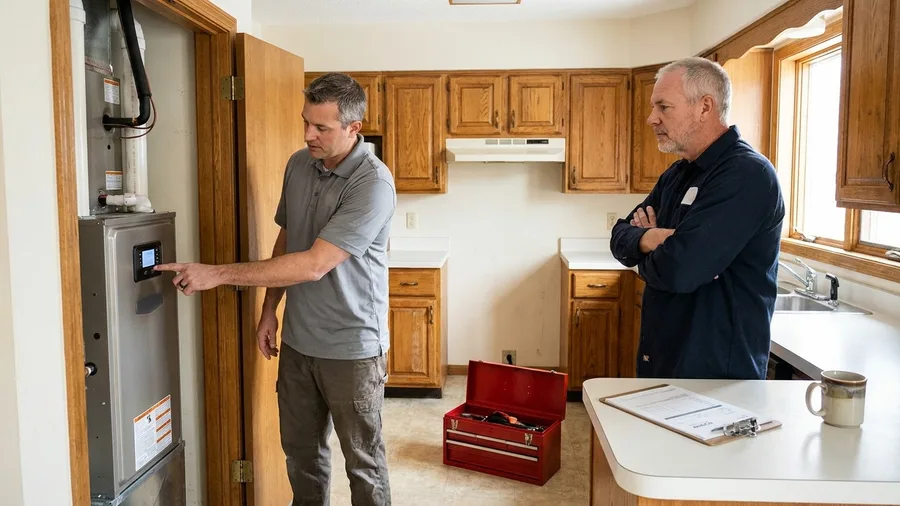
The roof, the plumbing, the heating, the windows, the appliances on their last cycle. Fix them now, while you're still working, because after retirement every quote starts to feel like a threat and the decision gets postponed until the house makes it for you.
One house built in 1923 still had its original heating system. That meant four winters of three sweaters indoors, crowding into the kitchen since that room held the most warmth. Then in February 1995 the pipes froze and burst and flooded the basement, and the emergency cleanup ran about $18,000.
That's triple the price of swapping it out on your own schedule, at roughly $6,000. So replace a roof once it's around 20 years old, about $12,000, and swap a dying kitchen appliance set while you're at it, about $3,000.
And if you've been dreaming of that kitchen remodel, about $45,000, do it now, while you have the income and the energy to live through the mess.
3. A paid-off, boringly reliable car
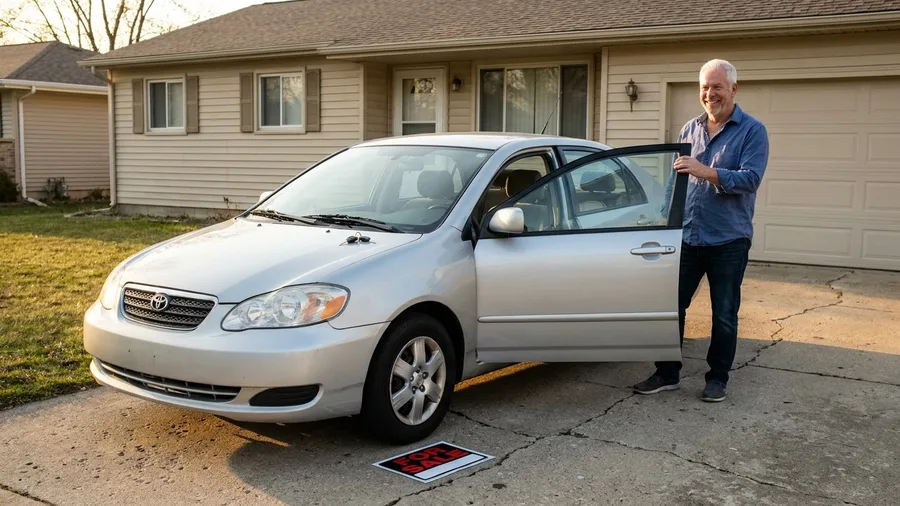
Picture the moment your car dies on the shoulder a year into retirement, with no paycheck coming and a tow truck on the way. You don't want that stress on a fixed income, so buy a car you trust and pay it off before you stop working.
A new reliable sedan runs about $28,000. Pay it off in three years and drive it for eighteen, the way one owner took a 1992 Honda Accord to the Grand Canyon, down Route 66, and back to North Carolina more times than he could count, without a single breakdown. The rule is plain: no car payment in retirement.
But if a car would bring you joy on every drive and you can afford it without touching money you need, maybe this is the time. A used cherry-red convertible for an 82-year-old who loved driving with the top down cost about $14,000 cash, and came only after the reliable car and the emergency fund were settled.
💡 Tip: The fun car comes after the reliable one and a fully funded emergency fund. Never instead of them.
4. The move, made while you still have a paycheck

It was easy because you had a paycheck, and the same logic rules a mortgage. If downsizing, moving closer to the grandchildren, or relocating somewhere warmer is in your plan, do it while you still have W-2s and pay stubs to show a lender.
One daughter and her husband wanted to downsize once he left his job at the garage. They had savings and a pension, but the bank wanted proof of current employment income, W-2s and pay stubs. Getting approved took eight months of resubmitting paperwork and a lot of headaches for a loan that would have taken about three weeks while he was still working. Retirement paperwork has a way of making big decisions look routine, so read the documents twice before you sign anything.
So shift the timeline earlier. Purchase the new home while you're still employed, sell the old one, get settled, and then retire into a home that already fits the next phase. The sequence matters more than the timing.
If your move is genuinely years away, sit down with a lender early and ask what documentation they accept from someone without a salary, rather than assuming it's impossible. But if you can do it now, do it now.
5. The trip booked and paid for in advance

That last one was about the roof over your head. This one is about the things you've been telling yourself you'll get to. Ahead of retirement, reserve the trips you've always wanted to take: pay the deposits, purchase the tickets, mark the dates on the calendar.
Why before? Because after retirement you'll have more time but not more courage. Your brain goes into scarcity mode, that trip to Italy starts to look irresponsible, and next summer repeats until your knees rule it out.
One couple talked about driving Route 66 for three years. Then one day in 1994 he booked the hotels and the car, nonrefundable, and his wife was furious at first. They went for two weeks in October, at about $6,500 all in, and it beat every other trip of a long life.
A smaller version counts exactly the same. A $1,500 long weekend booked and paid for does the identical job, because the decision is closed and your only remaining task is to arrive.
Spending gets harder after retirement, even when you have more than enough. So buy the right things while the paycheck still lands.
— The core lesson from a lifetime of watching retirements
6. The good tools for the thing you love
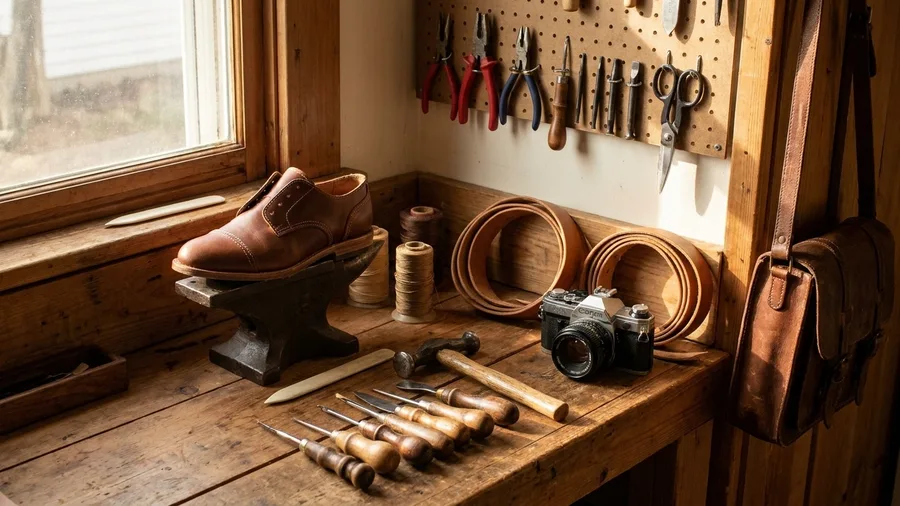
Buy the camera, the fishing rod, the sewing machine, the golf clubs now, while the paycheck is still landing, because retirement hands you the time and the gear is what turns that time into something to do.
A shoemaker kept his tools through ninety years of work and was still at the bench at 106, stitching for the plain reason that it made the days feel useful. His father's leather satchel, the awls, hammers and knives were still there because he never sold them.
After retirement the same purchase reads as frivolous, and the brain talks you out of it. So the time arrives and the equipment never does.
Buy the good version of the one tool you'll use weekly, go secondhand on the big items, and skip anything you haven't actually done in the last year. A decent camera kit runs about $1,800, a sewing machine about $600, golf clubs about $900.
7. Comfort you use every single day
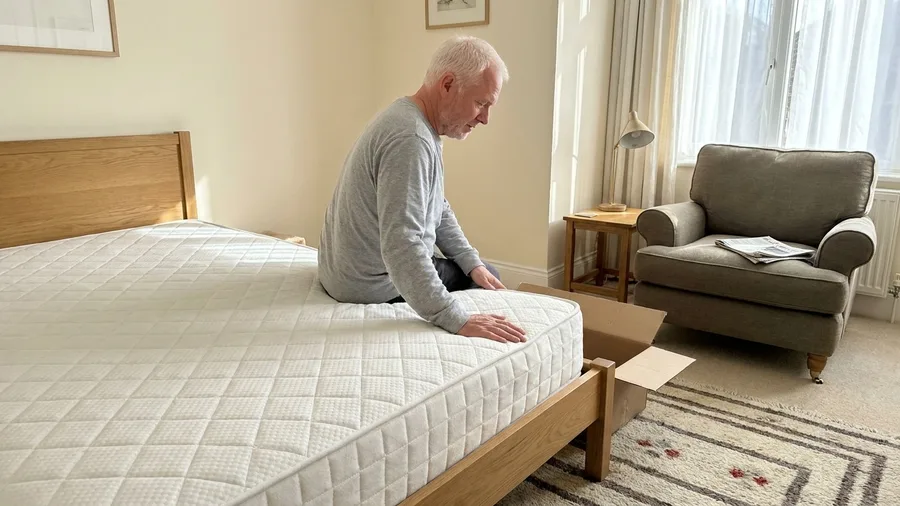
Picture the moment your head hits the pillow, or the chair you sink into with the morning paper, or the conversation you smile and nod through because you can't quite hear it. That's where retirement is quietly won or lost.
A decent mattress runs about $400, a good chair about $600, proper lighting around $300. Hearing aids are $1,500 to $3,000 an ear. A friend slept on the same mattress for 25 years because it still worked. It didn't. He woke with a sore back every morning and spent his retirement tired, all to save $400.
One man put off hearing aids until he was 98. Years of nodding and smiling at things he couldn't hear, and his own word for it later was stupid.
Do the math on the mornings instead of the price tag. Four hundred dollars across five years of nights is about 22 cents a night, which isn't a luxury line for a body that's put in 70 years of work.
Here's the catch: comfort is invisible, so it's always the line that gets cut. Buy it early and you get the mornings back.
⚠️ COMMON MISTAKE
Don't wait until you need it
Grab bars, shower seats, and railings feel unnecessary at 62. They won't at 85. Install them while you're still nimble and have the income to handle contractors.
8. A house built for your 80-year-old body
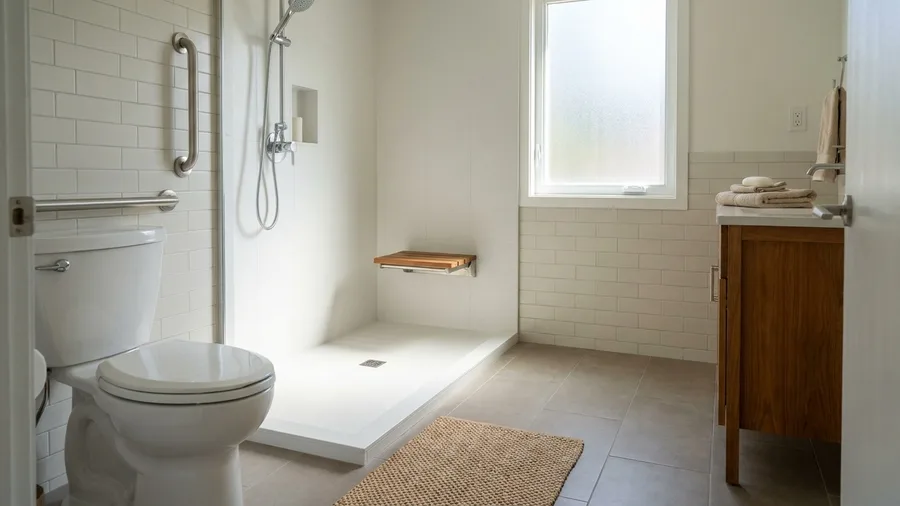
Where the roof protects the house, these protect the body you'll be living in, and they go in cheaply now and get impossible to arrange in a hurry later.
Grab bars in the bathroom at about $300 each installed. Swap the tub for a step-in shower, around $6,000. Railings on the porch steps, about $800. A bedroom on the main floor if the layout allows, roughly $15,000. At 62 it all seems ridiculous, until it isn't.
A wife was strong and walked everywhere at 62. By 85 she needed the grab bars, the railings and the shower seat that had gone in ten years earlier, just in case.
On a tight budget do the bathroom first, then the steps, then the bedroom, and get it done while you still have the patience for contractors.
💡 Tip: Do it while you still have the patience for contractors and the income to pay for it.
9. Help you've already hired and vetted
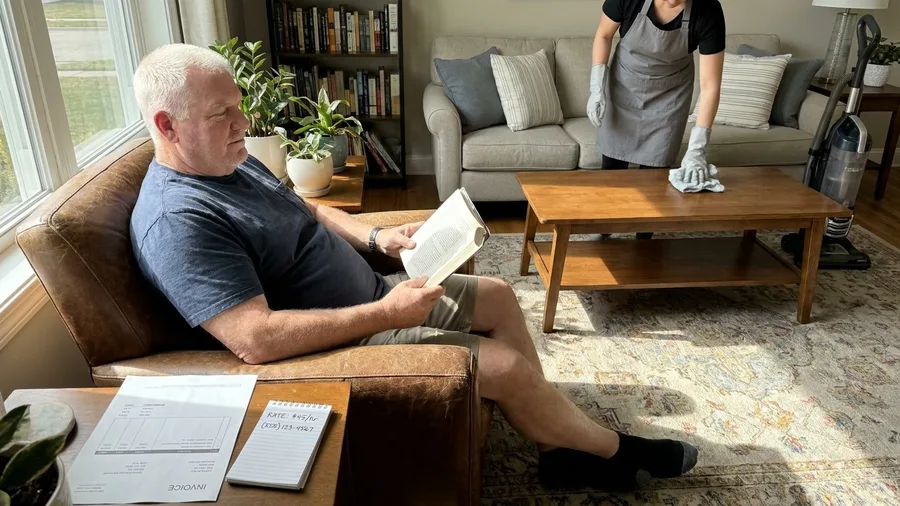
That future body will need hands other than yours, and the financial and psychological side of hiring help is far easier to set up while a paycheck still exists.
Line up a cleaning service at about $180 a visit twice a month, lawn care around $60 a cut, and a handyman at roughly $95 an hour. One man spent decades saying he could do it himself. By 89 he couldn't, and he had no idea who to call, what anything should cost, or how to ask.
Paying someone while you're still working normalises it, so it never feels like a defeat, and the catch is vagueness: pin down the rate, the schedule and the name of the person you call when something breaks at short notice.
Three mistakes that cancel the whole plan
10. Experiences with the people who won't wait

The answer is the whole point, and it means spending on people now, while the income makes it comfortable.
A trip with the grandchildren runs about $2,500. Take your spouse somewhere special, and buy the $450 plane ticket to the friend you haven't seen in years.
Waiting for 'when I have time' fails because people get sick, move on or die on their own schedule.
One man's deepest regret was never taking his son on a trip, just the two of them, before years of silence set in. He felt sure a memory shared only by the two of them would have given them a private anchor during rough stretches.
Put a date and a budget line on one of these this year, not after you retire. Money comes back. Time doesn't.
A short list when the money won't stretch
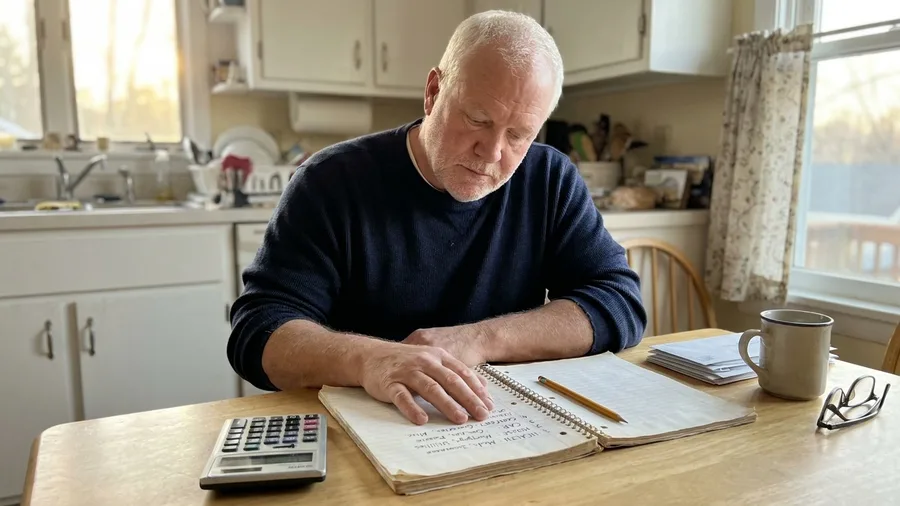
Not everyone gets to work through the whole list. If the money is tight and you have to choose, choose in this order: health first, then the repairs and modifications that stop emergencies, then the car, then comfort. Everything else can wait.
Health goes first because your employer plan is a closing window. Once you're off it, a crown at $1,200 to $1,800 and hearing aids at $1,500 to $3,000 an ear come out of your own pocket. Pain also makes every other plan harder, so fix it while the coverage is still there.
After that, deal with the house. A $300 grab bar or a $6,000 step-in shower conversion prevents a fall that could cost you far more than money. Then get the car paid off, and only then spend on comfort — the $400 mattress, the $600 chair — because those are hundreds, not thousands.
Here's the good news: you can economise without skipping anything outright. Buy the $900 golf clubs or the $600 sewing machine secondhand. Take the $1,500 long weekend instead of the $6,500 two-week trip. Fit one grab bar and a shower seat rather than rebuilding the whole bathroom.
How much is actually safe to spend? Nobody can hand you a percentage that fits your life. Take your own numbers to a fee-only fiduciary planner, or talk to your plan administrator, and get a real answer instead of a guess.
A staged plan makes it feel possible. In the last twelve months of work, do the health fixes, the house repairs, and the move. In year one of retirement, do the comfort items and hire the help. What cannot be deferred: your body, the roof over your head, and one trip with the people you love.
Questions to ask before you hire anyone
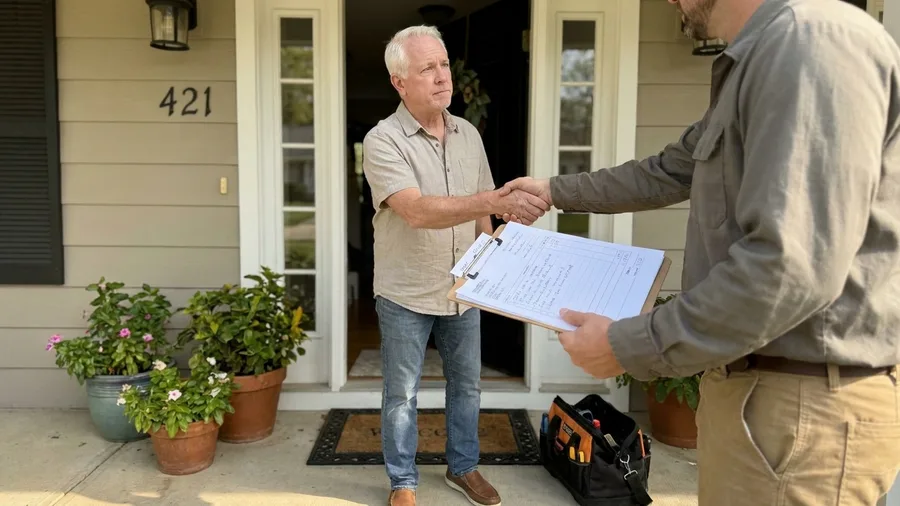
Once you start hiring, the quality of the help comes down to the questions you ask. Find good people by asking the same four things every single time, whether it's a cleaner, a handyman, or a lawn service.
Start with: are you licensed and insured for this work? Don't take a yes — check it with your state's licensing board yourself. Then ask whether the estimate will be in writing, and who exactly will be in your house on the day. Not the owner, the actual person.
The red flags are easy to spot once you know them. Cash only. A large deposit up front. No written contract. A price far below the other quotes. And anyone who pressures you to decide today. A fair price never disappears if you sleep on it.
Do your groundwork before the first call. Collect two or three quotes so you have something to compare. Ask neighbours and the local senior centre for names they trust. And know the going rate: about $95 an hour for a handyman, about $180 for a cleaning visit. If someone quotes half that, ask why.
Here's the move that saves you the most grief. With any cleaner, handyman, or lawn service, pay for one small job first. Watch how they work, whether they show up on time, and how they treat your home. Then decide about the ongoing arrangement.
It's a small step that costs you very little, and it tells you more than any reference ever will.
Your first week of action
Frequently Asked Questions
What are the most important things to buy before retirement if I'm on a tight budget?
Health first. Your employer plan is a closing window, and pain undermines everything else. Then the repairs and modifications that prevent emergencies, then a paid-off car, then comfort items that cost hundreds rather than thousands.
How do I find contractors, a handyman, or a cleaner I can trust?
Ask if they're licensed and insured and check with your state's licensing board. Get estimates in writing and know who will be in your house. Collect two or three quotes, ask neighbours and the local senior centre for names, and know the going rate before you call. Do a small paid job first.
Should I pay off my car before retiring or keep the monthly payments?
Pay it off. A fixed income has no room for a surprise transmission or a monthly payment. Buy a reliable car while you still have a paycheck and drive it for years.
Does it matter whether I move before or after I retire?
Yes. Lenders want W-2s and pay stubs, proof of current employment income. Without it, a loan that might take three weeks can take eight months. Buy the new place while you still have a job.
Why should I book travel before I retire instead of after?
After retirement, your brain goes into scarcity mode and the trip starts to look extravagant. When the money is already spent and the dates are set, you can't talk yourself out of going.
Is it worth buying hobby equipment before I retire?
Yes. Without the equipment, you won't do the hobby. Buy the good version of the one tool you'll use weekly, buy secondhand for big-ticket items, and skip anything you haven't done in the last year.
The three purchases to make first if you can't do all ten
If only three of these ten are affordable, choose the body, the house that keeps you safe, and the trip with the people. Everything else can wait behind those three.
And if you do nothing else this week, write down every health appointment you've been putting off and book the first one before your plan changes. That's the move that costs the least now and saves the most later.
Retirement planning is not only a matter of saving money. It is also about learning to deploy it well, at the right moment, toward the right goals. You've worked hard your whole life. You've earned this. Now stop hoarding and start living.
Make your list today
Open a note on your phone and write down every purchase and appointment you've been postponing. Then book the first one this week.

Hello there! I’m Jesse Joe, the author and editor behind SolganGenius. I’m thrilled you’ve stopped by, and I can’t wait to share with you the essence of what this platform is all about.
I’m a writer, social media enthusiast, and a firm believer in the power of words. I’ve always been fascinated by how a simple phrase or slogan can capture an emotion, convey a message, and even change perspectives. Learn More