
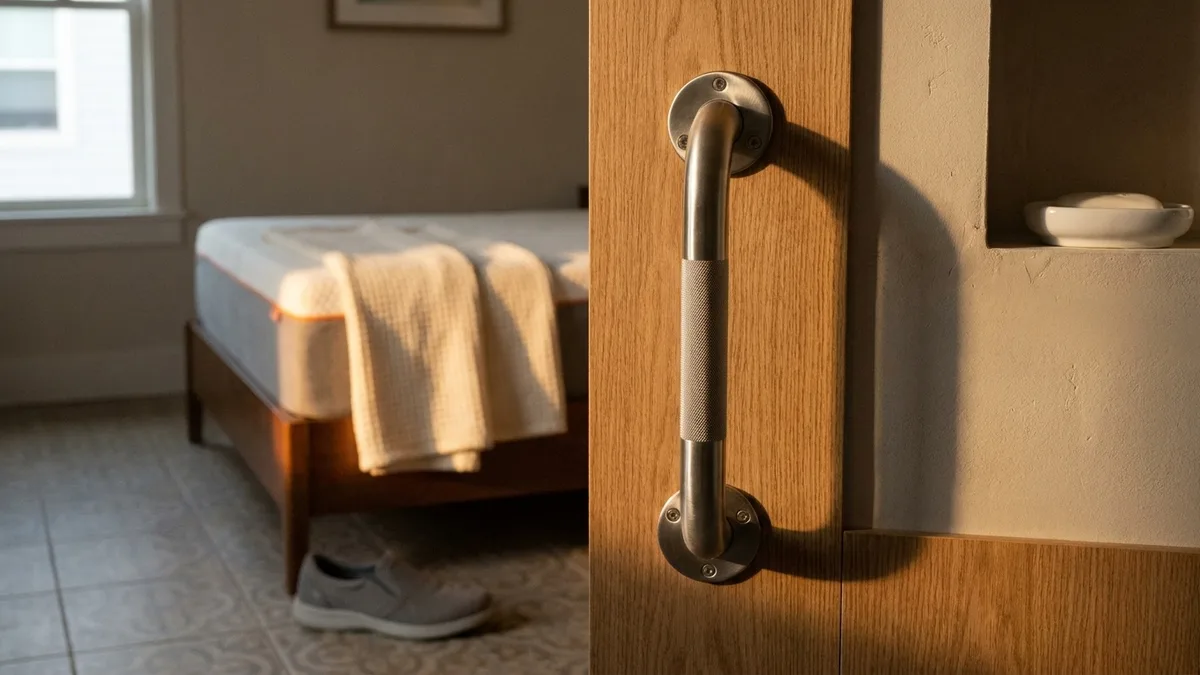
Ask people what they'd buy to make retirement better and you'll hear the same things: the convertible, the beach house, the golf clubs that cost more than a used car. Then ask people who've actually retired, and the list changes completely. It's mattresses, grab bars, internet routers, and a good pair of slip-on shoes.
The purchases that change retirement tend to be practical and surprisingly affordable. They improve how you sleep, how you move, how you stay connected, and how safely you stay in your own home. Most of them cost less than a single month of a luxury car payment.
Here are eight purchases retirees say made the biggest difference, with example costs so you can see what each one really asks of your budget. One of them, number six, is the one people most often wish they'd made years earlier.
Quick Tips Before You Start
Sleep first
If you're waking up achy or groggy, fix the mattress before you buy anything else.
Grab bars aren't optional
One fall can undo years of savings, so put bathroom safety near the top of your list.
Test the delivery habit
Before paying for a membership, check whether you actually order groceries or heavy items regularly.
Budget the trip, not the stuff
Set aside money for one meaningful trip each year instead of many small purchases.
Watch the annual cost
A monthly fee feels small until you multiply it by twelve; compare yearly totals.
1. A Better Mattress

A mattress costs a fraction of that car, and retirees say it changes more mornings than any car ever could. A bad mattress quietly chips away at your well-being, draining a little more from you each night as you sleep. So before you spend a dime on anything shiny, this is the purchase to think about first.
Upgrading to a supportive mattress is the purchase retirees mention first when they talk about waking up with more energy and fewer aches. A queen hybrid in this example runs about $1,400, and an adjustable base adds about $600. That's real money, but spread over the eight to ten years a mattress lasts, it lands around $15 to $20 a month for every year of use.
Sleep is foundational, and that's the whole reason this sits at the top. Mood, focus, and immune health all rest on how well you slept, so a mattress that leaves you stiff at 3 a.m. quietly taxes everything else you do. That's why people notice the change in their energy before they notice anything else.
Before you buy, try it in the store for at least ten minutes on your side and your back. Ask about the return window, often 90 to 120 nights, and check whether a restocking fee applies if you send it back. And if you're still groggy during the day after a few weeks on a better mattress, ask your doctor about a sleep-apnea test. Ruling that out can change your energy even more than the mattress did.
💡 Tip: A mattress protector keeps dust mites and sweat out and can add years to the foam.
| Purchase | Example cost | What it buys |
|---|---|---|
| Hybrid mattress and base | $1,400 + $600 | Better sleep, more morning energy |
| Gym or yoga membership | $45 to $70 per month | Mobility, strength, social contact |
| Fiber internet and tablet | $70 per month + $350 | Video calls, classes, telehealth |
| Bathroom and hall safety retrofit | $1,800 | Fewer falls, longer independence at home |
| Countertop convection oven | $250 | Easier cooking, less takeout |
| Amazon Prime or Walmart Plus | $139 or $98 per year | Delivery, auto-ship, fewer errands |
| Comprehensive health plan | About $650 per month | Protection from catastrophic bills |
| Bucket-list cruise for two | $3,000 | A memory that lasts decades |
2. Investments in Health, Not Things

Picture the morning after that better night's sleep: you're rested, the day is open, and what you do with those hours is where this next purchase comes in. These best buys aren't objects at all, they're gym memberships, fitness classes, a treadmill in the spare room, or sessions with a personal trainer. That first purchase improves your nights. This one changes your days.
In this example, a gym membership runs about $45 a month, a weekly yoga class about $70 a month, and a personal trainer about $70 per session. Meal delivery services cost roughly $10 to $12 per meal, a nutritionist session about $120, and supportive slip-on shoes with room for your toes, like OluKai, about $130.
Pick one health spend to start, not five. Commit to it for eight weeks, then ask yourself whether you used it at least six of those weeks. If you didn't, cancel it and put the money toward a different one that fits your actual routine.
One retiree's weekly yoga class did more than improve her balance. She made new friends there and gained something she looked forward to every week, and that loneliness fix is usually the part people don't expect.
💡 Tip: Buy shoes at the end of the day when your feet are largest, and walk a lap in the store before you commit.
Before and After the First $2,600
Example budget only; adjust to your own numbers.
3. Fast Internet and Updated Tech

Moving more naturally leads to wanting to stay in touch with the people who keep you moving, and that's where fast internet and updated devices come in. They buy more than streaming, because video calls with grandchildren, online classes, and telehealth appointments all depend on a connection that doesn't freeze mid-sentence. In this example, fiber internet runs about $70 a month, a mesh router about $150, a tablet about $350, and an online photography workshop about $150.
One retiree took those workshops during the pandemic and turned the hobby into a small income stream selling prints. That's the part people underestimate: connection and a little purpose can come through the same screen.
Test your current speed first. Run a free speed test on your phone next to the router, then again in the room where you actually use your computer or tablet. If the second number is much lower, a mesh router will fix more than a faster internet plan will.
Upgrade the device you use most before anything else. A tablet with a larger screen is often the better first buy if video calls are the goal, because faces are easier to see and captions are easier to read.
4. Home Safety and Accessibility Upgrades

Grab bars in the bathroom, brighter hallway lighting, non-slip flooring: none of it sounds exciting, but this is what keeps you in the house you love instead of moving because of a fall. Falls are one of the biggest harmless-looking habits that cost you everything older adults face, and the fixes are small and targeted.
In this example, grab bars run about $40 each plus $120 to install, motion-sensor hallway lights about $60, and non-slip bathroom flooring about $900. A typical bathroom-and-hall retrofit lands around $1,800 in total.
Walk your home room by room. Start in the bathroom, then the stairs and hallways, then the path from your bed to the bathroom at night, and anywhere you'd reach for a wall is where a grab bar belongs. That's accident prevention and longer independence bought with the same money.
💡 Tip: Install grab bars into studs or use heavy-duty toggle bolts; a bar that pulls out of drywall is worse than no bar.
The Real Cost of a Bathroom Fall
5. Quality Kitchen Appliances

Good tools make healthy home cooking cheaper and easy enough to become a weekly habit, because cooking at home only saves money if it isn't a chore.
In this example, a countertop convection oven runs about $250, an air fryer about $120, a quality pan set about $200, and a new stove about $900. One retiree's countertop oven sparked weekly bread baking that saved money and became a shared hobby with friends.
Match the appliance to the meals you actually cook. If you reheat and roast more than you bake, an air fryer or convection oven earns its counter space. If you're replacing a stove, measure the opening first and check whether the new model needs a different electrical circuit.
A good set of pans is the cheapest upgrade of the four and often the one that changes how food turns out. Heavy-bottomed stainless or cast iron will outlast any nonstick coating.
💡 PRO TIP
Check the counter clearance
Measure the space above your counter before buying a countertop oven. Many models need 4 to 6 inches of clearance for the door to open fully and for heat to escape.
6. Convenience Memberships That Pay Back

The kitchen upgrade makes cooking easier, but some days you'd rather someone else carry the groceries to your door. That's what a delivery membership buys, and it's the one people wish they'd set up years earlier. Amazon Prime runs about $139 a year and Walmart Plus about $98 in this example.
Both can bring same-day groceries, household appliances, and prescription medicines, and auto-delivery means heavy dog food and paper products show up before you run out. One retiree stopped worrying about running out of essentials entirely once the auto-delivery was set up.
The catch is simple: the fee only pays back if you actually use delivery and auto-delivery. Look at your last month of errands. If you made three or more trips for heavy or bulky items, a membership will likely earn its fee.
💡 Tip: Set auto-delivery for one heavy staple first, like dog food or paper towels, and see if the schedule fits your household before adding more.
Amazon Prime vs Walmart Plus for Retirees
Amazon Prime
- About $139 per year
- Broad shipping on almost everything
- Streaming included
- Good if you order a wide mix of items
Walmart Plus
- About $98 per year
- Grocery pickup and delivery from a nearby store
- Good if you shop groceries weekly
- Skip both if you rarely use delivery
7. The Right Health Coverage

Health coverage, and it's the purchase that never feels like one until the day you need it.
One unexpected hospital stay can run tens of thousands of dollars. The right plan covers those bills and keeps one bad month from wiping out the savings you spent forty years building. In this example, a solid plan runs about $650 a month, and retirees who chose carefully rank it among the wisest money moves they ever made.
Then there's concierge care, programs like MDVIP that add about $2,000 a year on top of your insurance. What you get for it is faster access: a doctor who sees you within days instead of weeks, longer appointments, and a care plan built around you rather than a fifteen-minute slot. That speed can catch problems while they're still small.
Before you switch anything, put the total annual cost side by side: premium, deductible, out-of-pocket maximum, and whether your current doctors are in the network. Check the official Medicare plan finder and read the plan's summary of benefits, because the cheapest headline premium isn't always the cheapest year.
💡 Tip: If you see specialists often, broad coverage matters more than concierge access. Pay for concierge only after core coverage is solid.
✈️ How to Budget for One Meaningful Trip
Pick the trip
Choose one destination that matters, not five small ones.
Price it
Get a real quote, including flights, lodging, and meals.
Divide by months
Split the total by the months until you go to set a monthly savings amount.
Book early
Reserve the cruise or flights once you have half saved to lock in the price.
Leave a cushion
Add 10 percent for extras and airport transfers.
8. Travel Experiences

Solid coverage buys you peace of mind, and that frees up something else: the money and the confidence to go places. If a trip sits last on this list, it's not because it matters least. The things you buy wear out. The trips you take don't.
Retirees rank travel among the most rewarding uses of money, and the reason is simple. Memories keep growing in value while possessions quietly depreciate. A cruise you plan for a year, a weekend with the grandkids, a fishing trip you've talked about for decades, each one pays you back every time it comes up in conversation.
The numbers are gentler than people expect. A big cruise runs about $3,000 for two in this example, a weekend family trip about $600, and a once-in-a-lifetime fishing trip about $2,500. Someone who took an Alaska fishing trip with their father back in 1985 still brings it up every month, more than forty years later. No appliance on this list has that kind of shelf life.
Here's the move that makes it work: budget for one meaningful trip rather than five small ones. A single $3,000 cruise you save for over a year and look forward to for months usually beats a string of $600 weekends you can barely tell apart afterward.
And plan the practical side early: book when you're still mobile enough to enjoy it, tell family the dates so they can join, and put the money aside monthly so the trip never lands on a credit card.
💡 Tip: Book travel insurance for any trip over $1,500; a cancelled cruise due to illness can cost you the whole fare without it.
Which Purchase First on a Tight Budget
When money is limited, not every purchase on this list can come first, and the order matters more than the total. Rank sleep and home safety at the top, because they protect your health and independence every single day. A better mattress and a few grab bars do more for your daily life than any convenience membership.
Put convenience memberships and kitchen upgrades after the essentials, unless they solve a daily problem. If carrying groceries up the stairs is already a struggle, a delivery membership belongs higher on your list.
Travel and concierge care are planned splurges, not the first move. Save for them after the basics are in place.
Here's a worked example with a $2,600 first-year budget: about $1,400 for a queen hybrid mattress, about $360 for grab bars and hallway lights, and the remaining $840 for a year of fiber internet at $70 a month. That covers sleep, safety, and connection before anything else.
How to Compare Medicare and Concierge Care
Knowing that coverage matters is one thing. Choosing it is where people get stuck, so start with the numbers. Put the premium, the deductible, and the out-of-pocket maximum side by side for every plan you're considering, and check whether your current doctors are in the network before you switch anything. A plan that saves $80 a month but drops your cardiologist isn't a saving.
Then set the concierge fee next to what it actually buys. About $2,000 a year gets you appointments within days rather than weeks and visits that run long enough to cover more than one concern. That's worth real money if you have a condition that needs frequent attention, and much less if you see a doctor twice a year and feel fine.
Before you enroll, use the official Medicare plan finder and read each plan's own summary of benefits. Those two documents tell you what's covered, what isn't, and what you'll pay when it counts. It's a dull hour that can save you a frightening one later.
Here's how to decide by situation. If you use specialists often, broad coverage usually beats paying for access, so put the money into the plan first. Concierge care makes sense only after your core coverage is solid and the extra fee genuinely fits your budget. In that order, both purchases do their job.
Amazon Prime vs Walmart Plus for Retirees
$139 a year against $98 a year. That's the first thing most people check, and it's the least useful thing they check, because both memberships only pay for themselves if the van actually pulls up at your door. So before the price matters, ask what you order in a normal month.
Prime earns its fee on breadth. A wide mix of items, two-day shipping, and streaming that a lot of retirees use more than they expected. If your shopping is scattered across electronics, books, gifts and the odd household item, that range is the value.
Walmart Plus plays a different game. It wins on groceries, because pickup and delivery from a nearby store suit a household that buys food every week. If most of your basket is milk, produce and bread, the store-down-the-road model fits you better than the warehouse in another state.
Both handle auto-delivery of heavy staples like dog food and paper products, which saves your back more than your wallet. Prescription delivery can tip the whole decision, so check which pharmacy your plan actually works with before you commit a year's fee.
And if you rarely use delivery? Skip both. Pay the fee only when you can honestly picture the deliveries arriving.
Frequently Asked Questions
What is the single most important purchase for retirement?
A supportive mattress tops most retirees' lists because sleep affects energy, mood, and health every day. Home safety upgrades run a close second, since preventing a fall protects your independence and your savings.
How much should I budget for home safety upgrades?
A typical bathroom-and-hall retrofit runs about $1,800 in this example. Grab bars cost about $40 each plus $120 to install, motion lights about $60, and non-slip bathroom flooring about $900.
Are Amazon Prime and Walmart Plus worth it for retirees?
They're worth it if you use delivery and auto-delivery regularly. Prime costs about $139 a year and Walmart Plus about $98. If you rarely order online or have groceries delivered, skip both.
Is a concierge doctor program worth the extra fee?
It can be, if you value faster appointments and longer visits and your core insurance is already solid. The fee runs about $2,000 a year on top of your plan, so compare that to how often you see a doctor and how long you wait.
How do I choose between a cruise and smaller trips?
Budget for one meaningful trip rather than many small ones. A bucket-list cruise for two runs about $3,000, while a weekend family trip costs about $600. A single planned trip usually creates a stronger memory.
The Order That Makes the Budget Work
Ranked by payoff, the mattress and the home safety retrofit come first, because they protect sleep and independence every day. Fast internet and health coverage come next, since they keep you connected and protected from big bills.
On a limited income, buy the mattress and the grab bars first, then the internet upgrade, then a membership if you actually use delivery. Defer the kitchen appliances and the concierge fee until the essentials are covered, and save for travel on purpose rather than hoping it fits.
Pick One Purchase This Month
Start with the item that fixes a daily problem, whether that's sleep, safety, or a connection that keeps dropping. Then add the next one when the budget allows.

Hello there! I’m Jesse Joe, the author and editor behind SolganGenius. I’m thrilled you’ve stopped by, and I can’t wait to share with you the essence of what this platform is all about.
I’m a writer, social media enthusiast, and a firm believer in the power of words. I’ve always been fascinated by how a simple phrase or slogan can capture an emotion, convey a message, and even change perspectives. Learn More