
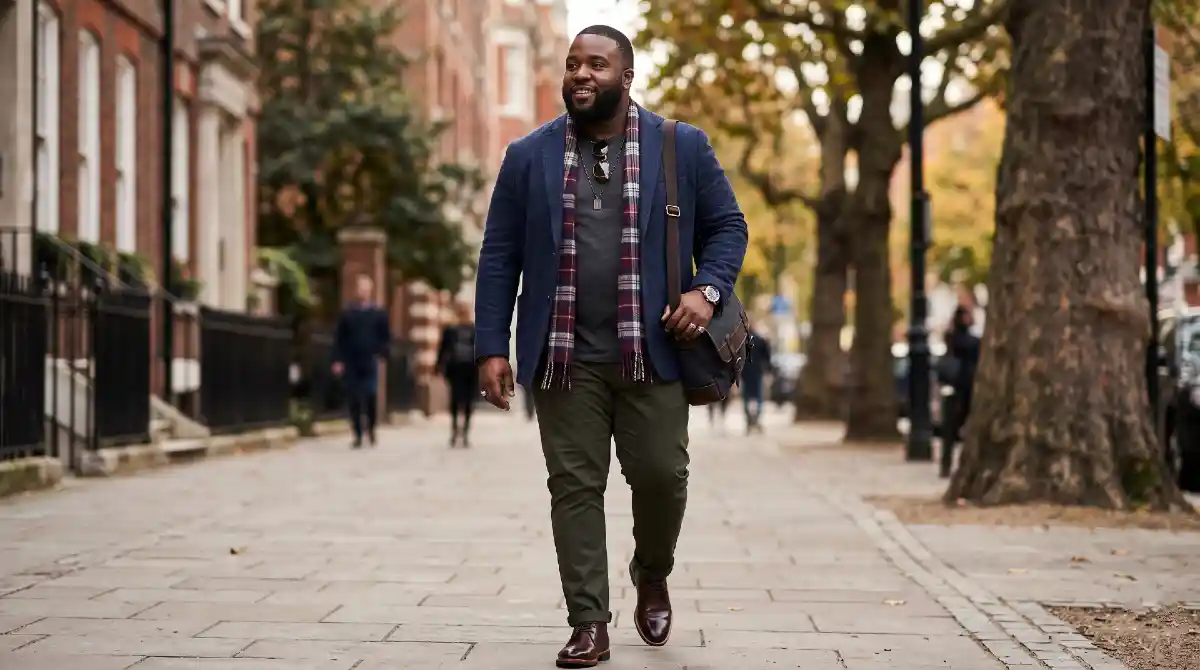
Most men on bigger frames skip accessories entirely or grab whatever fits and hope for the best.
That approach leaves a lot on the table. The right accessory does not just finish an outfit. It shifts proportion, creates length, and makes a well-fitted outfit look like an intentional one. The wrong size, the wrong placement, or the wrong scale does the opposite and most men never figure out why something feels off.
Nothing here is complicated. No obscure brands, no expensive overhauls. Just clear, practical rules for the pieces most men already own or are already thinking about buying.
Size, scale, and placement are doing most of the work. Get those three things right and every accessory you put on starts working for your frame instead of against it. Here is exactly how to do that one accessory at a time.
Elevate Your Frame
Mastering size, scale, and placement to make any outfit look intentional.
Optimize The Size
Don’t settle for whatever fits. Ensure accessories like watches and hats have the proper physical dimensions so they never pinch or look lost.
Match Your Scale
Shift proportions in your favor. Match the width of your ties and lapels to your frame to ensure a balanced, cohesive look.
Perfect Placement
Avoid slicing your torso in half. Wear bags, belts, and crossbody straps at the right structural points to create uninterrupted length.
Intentional Finish
Stop skipping the details. A well-chosen pocket square or scarf turns a simply “well-fitted” outfit into a highly intentional one.
Belts That Define Your Waist Instead of Cutting You in Half
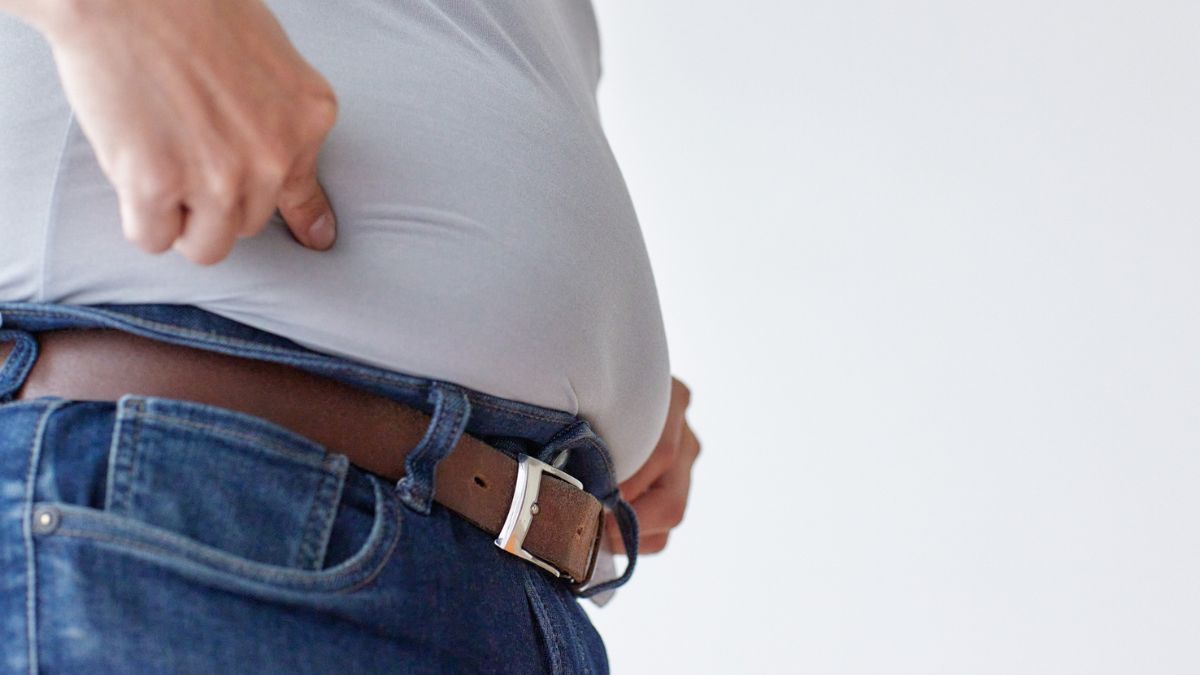
Most men on bigger frames wear their belt too tight and too low — and that one mistake turns a waistline into a shelf.
Your belt should sit at your natural waist, not ride down onto your hips where it gets buried under your belly. That higher placement creates a visual break between your torso and lower body, which is exactly what adds shape to a larger frame.
Width matters more than most men realize:
- Stick to 1.25 to 1.5 inches wide wide enough to read as intentional, narrow enough not to act as a dividing band across your midsection
- Avoid anything over 1.75 inches it shortens your torso visually and draws the eye horizontally
- Avoid anything under 1 inch — it disappears on a bigger frame and looks like an afterthought
Buckle rules that actually work:
- Choose a buckle that is proportional but not flashy medium-sized, flat, and simple
- Oversized western or statement buckles pull all attention to the center of your body, which is the last place you want it
- Matte finishes read cleaner than high-shine on most casual and smart-casual outfits
Color does quiet work:
- Match your belt to your shoes it grounds the outfit and stops the eye from bouncing
- Dark belts on dark trousers create a long, unbroken vertical line that lengthens your silhouette
Leather is your most reliable material. It holds its shape, sits flat, and does not stretch out or roll over the buckle the way fabric or braided styles often do on a fuller midsection.
Watches With the Right Case Diameter for a Broader Wrist
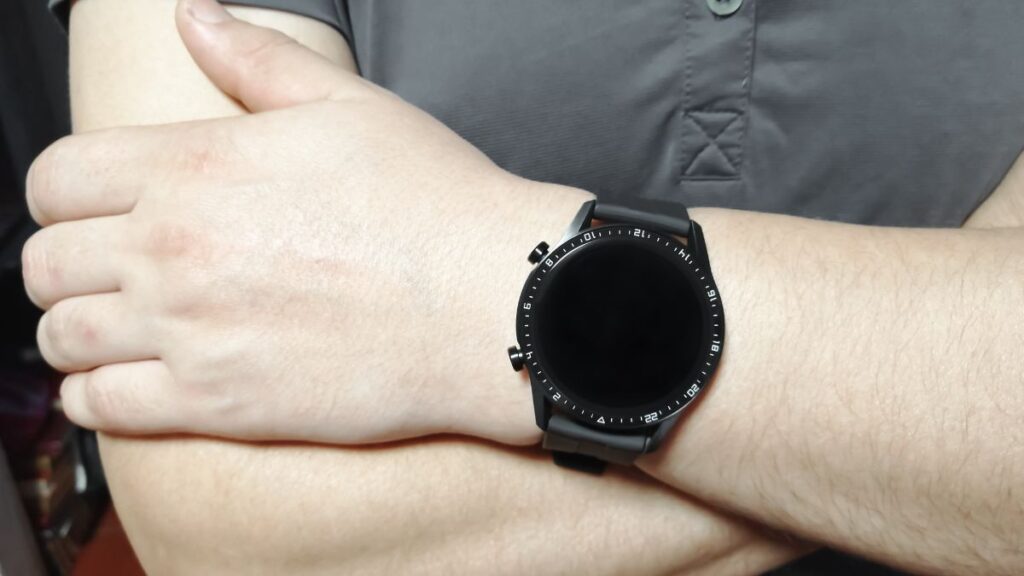
Putting a small watch on a broad wrist does not make the watch look elegant — it makes your wrist look bigger.
Case size is the number most men ignore when buying a watch. For broader wrists, a case diameter between 40mm and 46mm hits the right balance — large enough to look proportional, small enough to stay on the right side of costume jewelry.
What to look for in case size:
- 40–42mm works well for dress and smart-casual occasions without reading as oversized
- 44–46mm suits casual and sport styles where a bolder look is expected
- Anything under 38mm gets visually swallowed by a larger wrist
- Avoid going above 48mm — it crosses into novelty territory on most frames
Band material changes everything:
- A leather strap in brown or black keeps the watch grounded and versatile — it also sits flatter and feels lighter on the wrist
- Metal bracelets work well but only when properly sized; a loose bracelet slides and shifts, which draws attention rather than earning it
- Rubber and silicone bands are fine for sport contexts but read as too casual for most outfits
Lug-to-lug width matters too:
- This is the measurement across the top of the watch face from edge to edge
- Keep it within the width of your wrist so the watch does not hang over the sides
Dial color earns less attention than men think. Black, white, and dark blue dials read cleanly across most outfits. What actually pulls the look together is a watch that sits flush, stays still, and fits your wrist like it belongs there.
Scarves and How to Drape Them to Create Vertical Lines, Not Bulk

The way you drape a scarf matters more than the scarf itself.
Most bigger men avoid scarves entirely because every attempt ends up looking like a wrapped package too much fabric bunched around the neck and chest, adding width exactly where you don’t need it. Two draping methods fix this completely.
The open drape:
- Lay the scarf across the back of your neck and let both ends hang down the front equally
- Do not tuck, wrap, or cross it just let it fall
- This creates two parallel vertical lines down the center of your chest, which draws the eye downward and lengthens your torso visually
The long loop:
- Fold the scarf in half lengthwise, place the folded end at the front of your neck, and pull both loose ends through the loop
- Pull it down long do not cinch it tight against your throat
- Keeping it loose means the scarf hangs vertically rather than sitting horizontally across your chest
Fabric and length rules:
- Lightweight fabrics like wool blends, modal, or cotton work best they hang rather than puff
- Avoid chunky knits entirely; they add visual bulk around the widest part of your upper body
- Length matters. Shorter scarves force you into wrapping styles that add bulk. Choose scarves at least 60 inches long so you always have enough to drape properly
Pattern works in your favor here. A vertical stripe or a solid dark color reinforces the downward line the drape creates. Busy horizontal patterns undo the whole effect.
Hats That Match Your Face Shape and Frame Width, Not Just Your Outfit
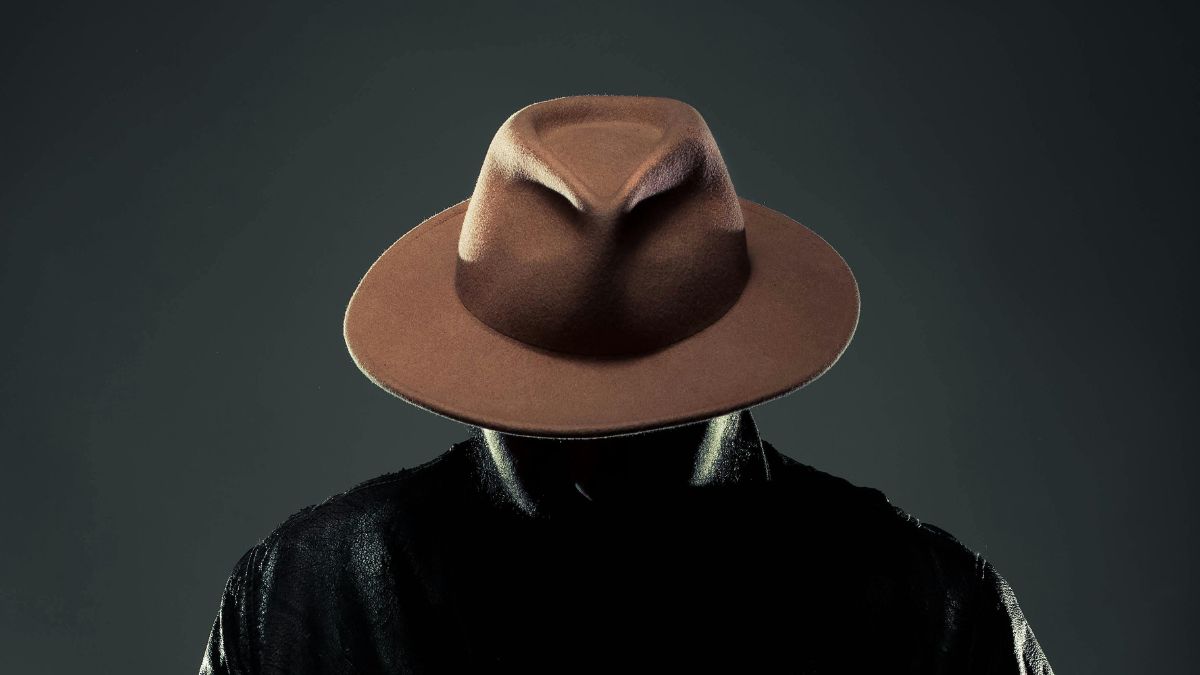
Fit is the first filter. Before color, before style, before anything else the hat has to match the scale of your head, face, and shoulders together as one unit.
Brim width relative to your shoulders:
- Broader shoulders need a wider brim to stay proportional a narrow brim on a wide frame looks pinched and unfinished
- A brim that extends close to or just past your shoulder line reads as intentional and balanced
- Baseball caps work differently go for a structured crown with a slightly longer bill rather than a flat, short-billed style that shrinks against a bigger head
Crown height for rounder or fuller faces:
- A taller crown adds vertical length to a round face, pulling the overall shape upward
- Avoid low, flat crowns they widen the face visually by cutting off height
- Fedoras, structured beanies worn high, and mid-crown bucket hats all work well here
Sizing details most men skip:
- Always check the interior measurement in inches or centimeters, not just S/M/L
- A hat that sits above your ears or perches on top of your head is too small full stop
- Adjustable straps help but are not a substitute for choosing the right base size
Dark, solid colors and simple textures keep the hat from competing with the rest of the outfit. Your hat should feel like it belongs on your head not like it landed there.
Explains how a short crossbody strap creates a horizontal band across the midsection and how adjusting drop length changes the entire silhouette; practical carry advice included.
Bags and Crossbody Straps Worn at the Right Length to Avoid Slicing Your Torso

A crossbody strap worn too short cuts straight across your midsection like a seatbelt and draws exactly the kind of horizontal line you want to avoid.
The strap length is the entire game with crossbody bags. When the bag sits at your hip or just below it, the strap runs diagonally across your torso rather than horizontally, and that diagonal line works with your silhouette instead of against it.
How to set the right strap length:
- Adjust until the bag sits at or just below your hip bone not at your waist, not bouncing at your thigh
- The strap should cross your chest at an angle steep enough to read as diagonal, not flat across the middle
- Most adjustable straps have enough length to get this right you just have to actually adjust them instead of leaving them where they came from the store
Bag size relative to your frame:
- Bigger frames need a bag with some actual size to it a tiny mini crossbody looks borrowed and draws attention to scale
- A medium messenger-style bag or a structured crossbody with a wider body sits proportionally and carries more practically
- Avoid bags that are wider than they are tall horizontal shapes add visual width
Material and color:
- Dark, solid-colored bags in leather or canvas disappear into the outfit
- Bright colors or large logos turn the bag into a focal point sitting right at your midsection
Wearing the bag on your back as a sling strap across the chest, bag resting behind your hip is another option that removes the horizontal line entirely.
Sunglasses Frame Widths That Are Proportional to a Fuller Face
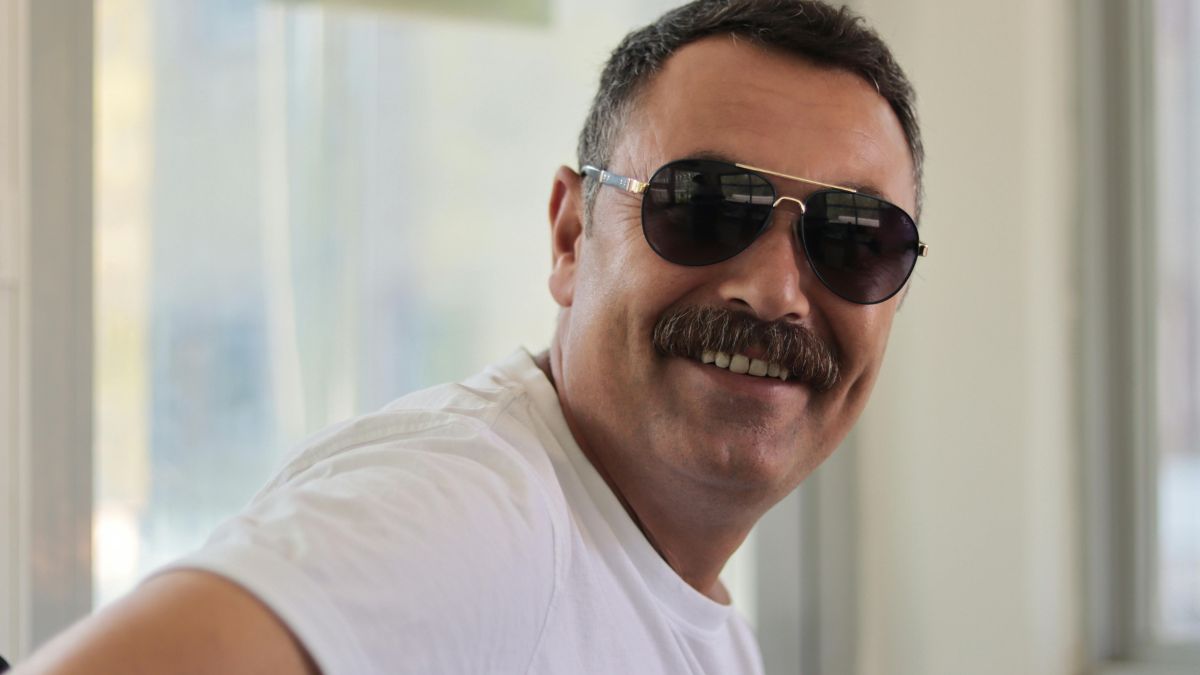
Wearing frames that are too narrow on a fuller face does not look understated it makes your face look wider by contrast.
The frame width should match or come very close to the widest part of your face. That single rule eliminates most of the wrong choices before you even think about style or color.
Frame width and fit:
- Look for frames labeled 140mm or wider most standard frames run 130–135mm and sit too narrow on a broader face
- The frame edge should not end before your face does when viewed straight on
- Temple arms that are too short will squeeze and bow outward, which signals the wrong size immediately
Silhouettes that work:
- Square and rectangular frames add structure and angles to a rounder face, which creates contrast and definition
- Aviators work well because the teardrop shape is naturally wider at the top, balancing a fuller cheek area below
- Wraparound styles follow the curve of your face cleanly without pinching at the temples practical and proportional
Silhouettes to avoid:
- Round frames echo the shape of a round face rather than contrasting it, which flattens everything
- Narrow cat-eye or tiny oval frames look undersized and call attention to the mismatch
Lens and frame color:
- Dark or tortoiseshell frames read as grounded and intentional on a bigger face
- Thin wire frames disappear and leave your face without any visual anchor
Ties and Pocket Squares Sized to a Bigger Chest and Wider Lapel

A skinny tie on a broad chest does not look modern it looks like you borrowed it from someone half your size.
Tie width has to match lapel width, and lapel width on suits cut for bigger frames is naturally wider. That means your tie should run 3 to 3.5 inches at its widest point as a minimum anything narrower gets visually swallowed by a wider lapel and a broader chest.
Tie width and knot size:
- Match your tie width to your lapel width they should be roughly equal at the point where they meet
- A Four-in-Hand knot is too small for a wider tie and broader frame use a Half Windsor or Full Windsor instead
- Bigger knots fill the collar gap properly and sit with authority rather than dangling loosely
Tie length for broader and taller torsos:
- Standard ties run 57–58 inches, which lands too short on taller or longer-torso frames
- Look for ties labeled “extra long” at 61–63 inches so the tip hits your waistband correctly
- A tie that ends mid-stomach instead of at the belt reads as an accident, not a style choice
Pocket squares do more than decorate:
- Placed correctly, a pocket square draws the eye upward toward your face and away from your midsection
- A simple flat fold or a single point fold keeps it clean and structured puffed styles add bulk to the chest
- Matching your pocket square exactly to your tie removes all visual tension from the upper half of your outfit
Jewelry and Chains Scaled to Your Frame So Nothing Looks Borrowed
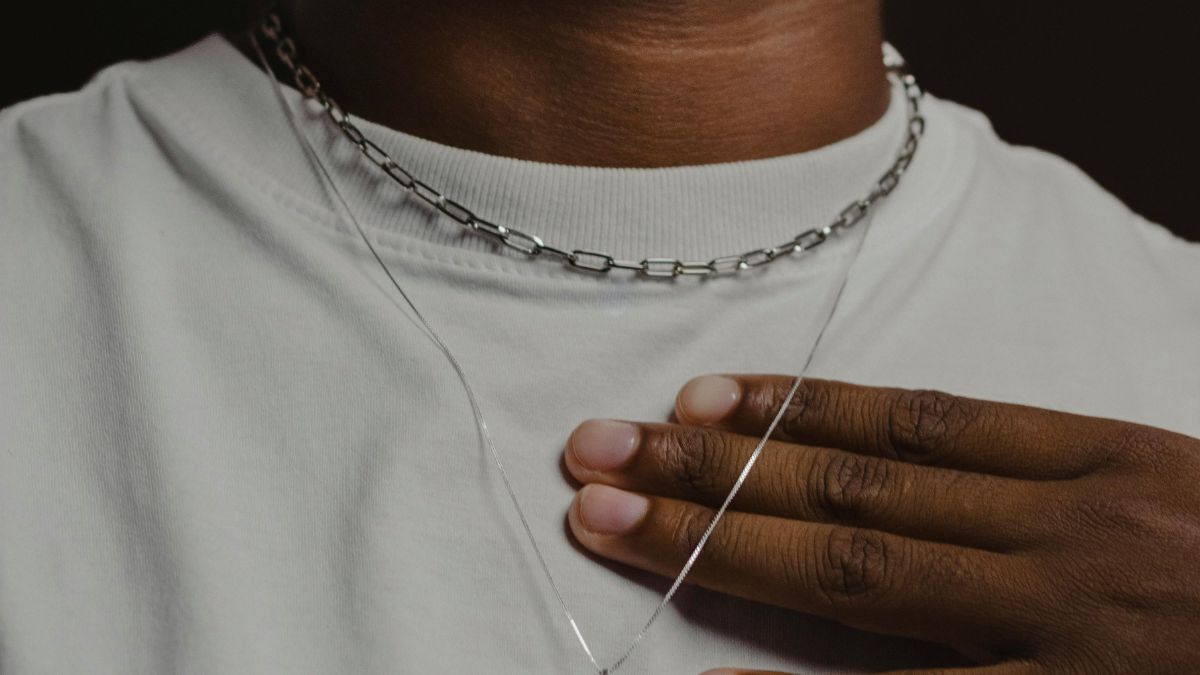
A thin chain on a broad neck does not look delicate it looks like it got lost.
Scale is the only rule that matters with jewelry on a bigger frame. Every piece you wear chain, ring, bracelet needs enough visual weight to hold its own against your natural size, without tipping into excess.
Chain length and thickness:
- Shorter chains at 18 inches sit at the base of the throat and get buried under a thicker neck go for 22 to 26 inches so the chain falls onto the chest where it can actually be seen
- Link thickness matters as much as length a 2mm box chain disappears on a broader chest; aim for 4mm to 6mm for a chain that reads clearly without looking overdone
- Pendant chains need even more length so the pendant lands mid-chest rather than choking up near the collar
Rings that fit the hand, not just the finger:
- Broader hands carry wider band rings better than thin stacking rings, which look undersized and slide around
- Signet rings and wide bands in silver, gold, or steel sit with proportion on larger fingers
- Always size properly a ring that fits but looks pinched because the band is too narrow is still the wrong ring
Bracelets and wrist wear:
- Rope bracelets and beaded styles work when sized generously a bracelet that slides to your knuckle every time you move your hand is too small
- Chain bracelets follow the same thickness rule as neck chains go heavier than you think you need to.
Shoe and Boot Choices That Ground the Outfit Without Making Feet Look
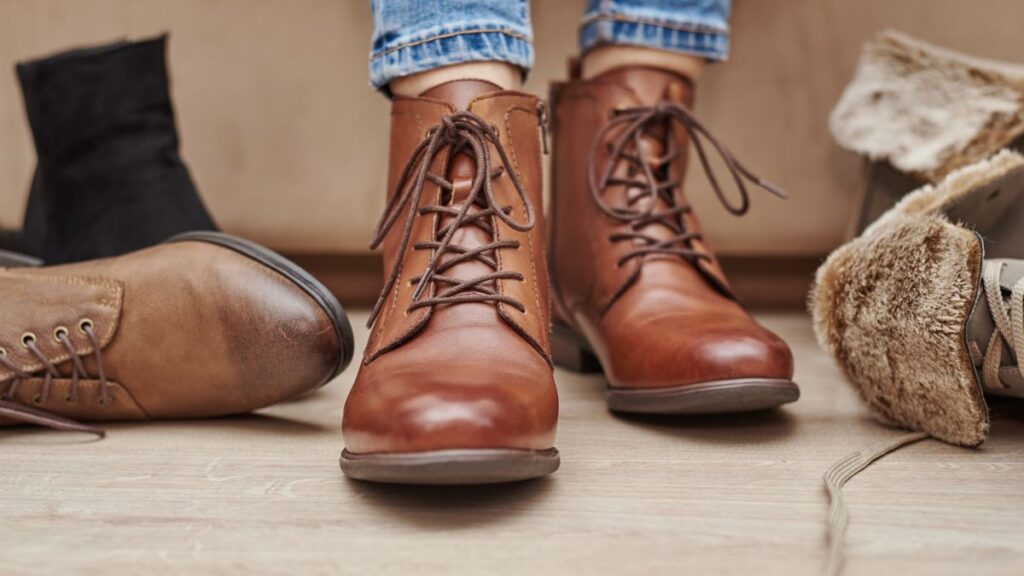
Chunky sole sneakers look proportional on a slim frame because the sole adds mass where there isn’t much. On a wider foot attached to a bigger frame, that same sole doubles down on mass that is already there.
The goal with footwear on a bigger frame is to look grounded solid and intentional without the foot becoming the first thing someone notices.
Toe shape does quiet work:
- A slightly squared or rounded toe in a medium width reads as clean and proportional on a wider foot
- Pointed toes create an uncomfortable contrast against a wider foot and broader leg they look pinched rather than sharp
- Avoid exaggerated round toes as well they add visual width at the bottom of the outfit where you least need it
Sole thickness and heel height:
- A moderate sole — roughly 1 to 1.5 inches grounds the outfit without adding bulk
- Thick platform soles and extreme lug soles widen the entire silhouette of the shoe, making the foot look larger than it is
- A small heel on a chelsea boot or dress boot actually helps it adds height rather than width, which lengthens the leg line
Silhouette and color:
- Dark shoes in black, dark brown, or navy visually shrink the foot and anchor the outfit cleanly
- A sleek leather derby, a clean chelsea boot, or a low-profile leather sneaker all work well across casual and dressed-up outfits
- Avoid high-contrast white soles on dark uppers that line draws the eye directly to the foot.

Hello there! I’m Jesse Joe, the author and editor behind SolganGenius. I’m thrilled you’ve stopped by, and I can’t wait to share with you the essence of what this platform is all about.
I’m a writer, social media enthusiast, and a firm believer in the power of words. I’ve always been fascinated by how a simple phrase or slogan can capture an emotion, convey a message, and even change perspectives. Learn More