
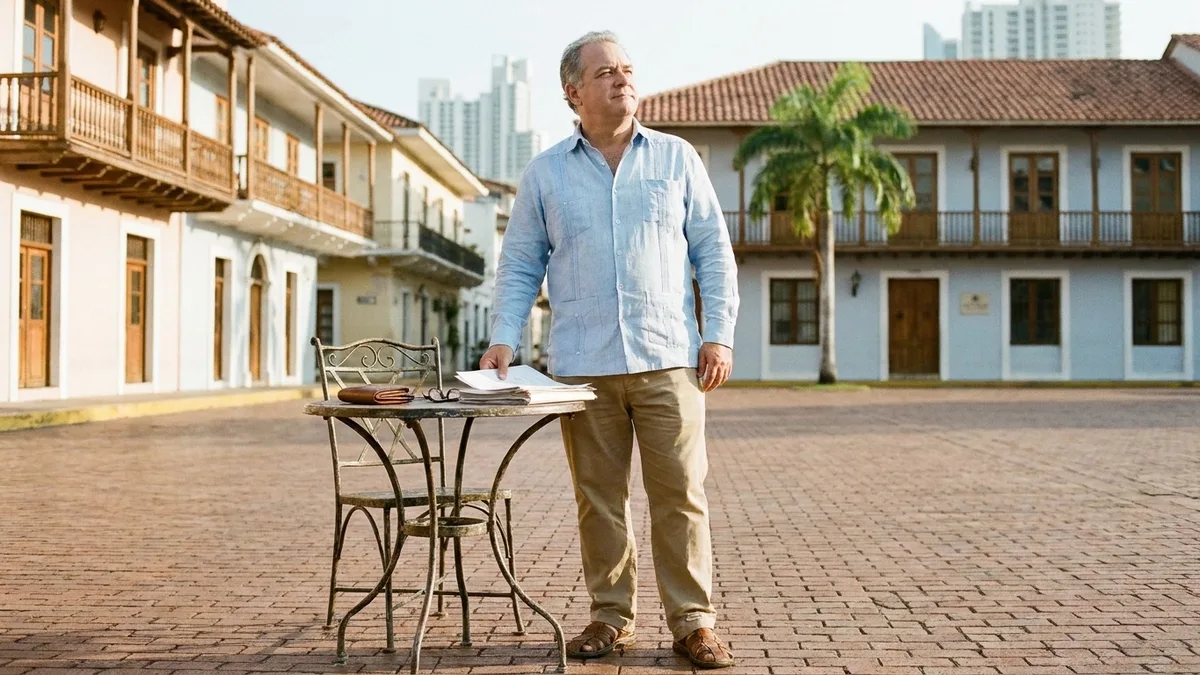
What if the country you retire in paid you back, with permanent residency for a $1,000 pension and discounts on everything from airfare to hospital bills? That is not a pitch. It is the actual rulebook in several places, and it is the opposite of the American math where medical bills can wipe out a lifetime of savings.
These ten programs are not identical. Some ask for a small monthly income and hand you residency for life. One sells you a passport. A couple have raised their thresholds recently and are no longer the bargain they were five years ago.
What follows is the order that matters: what each country asks for, what a month actually costs, and the one catch that most articles skip. You will also get the official-source checks, tax rules and insurance questions that decide whether the move works or becomes an expensive experiment.
| Country | Program | Income or Investment | Monthly Living Cost | Healthcare Note | Best For |
|---|---|---|---|---|---|
| Panama | Pensionado | $1,000/mo income | $1,200-$2,000 | Specialist about $40 | Lowest income, permanent residency |
| Thailand | Retirement visa | $2,000/mo or $24,000 bank | $1,200-$2,500 | Doctor visit about $15 | Warm climate, low daily costs |
| Portugal | D7 | About $760-$825/mo income | $2,500-$3,000 couple | Private insurance about $600/yr | EU path and mild winters |
| St. Lucia | Citizenship by investment | $100,000 investment | Varies by lifestyle | Public and private options | Second passport, no residency |
| Ecuador | Pensioner visa | $1,275/mo income | $1,200-$1,800 | Many US-trained doctors | Stretching a small pension |
| Mexico | Temporary resident | $2,600/mo or $45,000 savings | $1,300-$1,900 | Cheap care, US-trained doctors | Proximity to the US |
| Belize | Qualified Retirement Program | $2,000/mo, age 45+ | $1,500-$2,500 | Adequate, public and private | English-speaking, easy settle-in |
| Malaysia | MM2H | About $88,000/yr or 100,000 deposit | $1,500-$2,500 | Excellent and affordable | Modern infrastructure, 10-year visa |
| Argentina | Pensionado | $1,100/mo income | Varies with exchange rate | Good, internationally trained | Currency advantage, wine country |
| Panama (repeat) | Pensionado | $1,000/mo or $100,000 property | $1,200-$2,000 | Specialist about $40 | Age 18+ and property route |
1. Panama Grants Permanent Residency for $1,000 Income
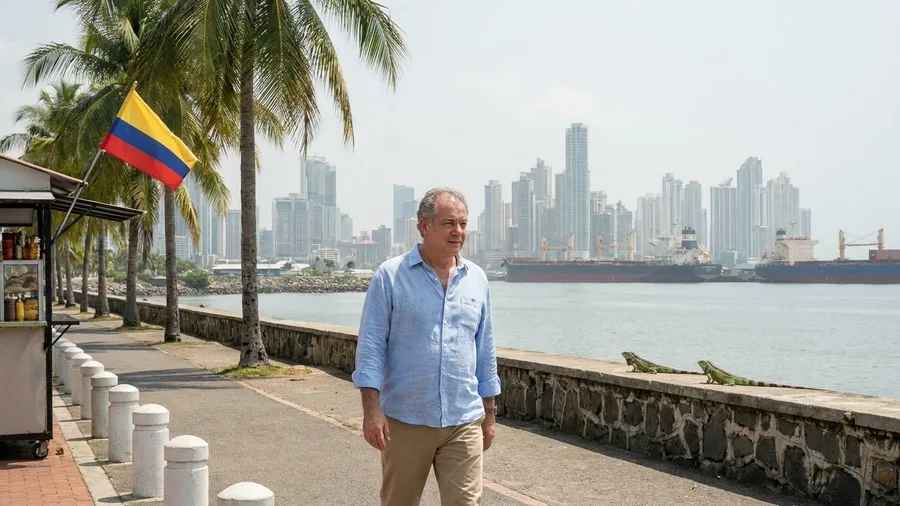
Here is the program almost every other cheap-retirement conversation points back to. Panama's Pensionado visa turns proof of $1,000 a month in lifetime income into permanent residency, and you do not need to buy property or renew it every year.
The currency is the US dollar, so no exchange-rate guesswork eats your check. Panama sits outside the hurricane zone, holds around 77 to 88°F, and the Pensionado program stacks discounts on top: 25% off airfare, half-price cinema seats, a fifth off doctor visits and 15% off hospital charges. A specialist visit runs about $40.
Beachfront condos in Coronado and Boquete start around $155,000, which is why plenty of retirees use the property route instead of the straight-income one. Run a real example: $1,000 in Social Security, $40 for the specialist, a discounted movie and a flight home at 25% off, and the month still balances.
The catch sits in the fine print. Verify current Pensionado rules and discount eligibility with Panama's official immigration source before you budget around a single one of them.
💡 Tip: If your pension falls between $750 and $1,000, the property route (a $100,000 local purchase) can still get you in.
⚠️ COMMON MISTAKE
Don't Budget Around Discounts
The 25% airfare and 50% movie discounts are real, but they are not income. Build your monthly budget on rent, food, insurance and utilities first, then treat the discounts as a bonus.
2. Thailand Retirees Live on $1,200 to $2,500

Because Panama's number is so low, it is tempting to assume every country here is that cheap. Thailand is not, but it is close enough to matter.
You need to be 50 or older and show either $24,000 sitting in a local bank or $2,000 in monthly income, and the visa renews annually, so local agents often handle the paperwork for you.
Day-to-day costs run $1,200 to $2,500 a month, a doctor visit is about $15, and street meals go for $1 to $2. The climate averages 77 to 95°F year-round, and the popular bases are Bangkok, Chiang Mai, Hua Hin and the islands.
The catch is that cheap care is pay-as-you-go or insurance-dependent. Price a policy and the renewal fees, not just rent and rice.
💡 Tip: Local agents handle the bureaucracy for a fee. Budget for that fee each year.
3. Portugal Opens EU Path on About $825 Monthly

Picture deciding on a Tuesday that next winter belongs in Portugal. That is the moment the D7 visa stops being a brochure and becomes a checklist.
The income threshold is about $760 to $825 a month for residency, which sounds almost too easy, and a couple can live on $2,500 to $3,000 a month once housing and insurance are added in. Private health insurance runs around $600 a year, and after five years of residency you can apply for EU citizenship, which lets you live and work anywhere in Europe.
Winters along the coast hover around 60°F, summers sit in the 80s, and the Algarve, Lisbon and smaller towns get more than 300 days of sunshine a year.
Residency income is not the same as your total budget. Add housing, insurance, visa fees and tax advice, and check the D7 document list with the Portuguese consulate before you pack a single box.
4. St. Lucia Sells Citizenship for $100,000 Investment
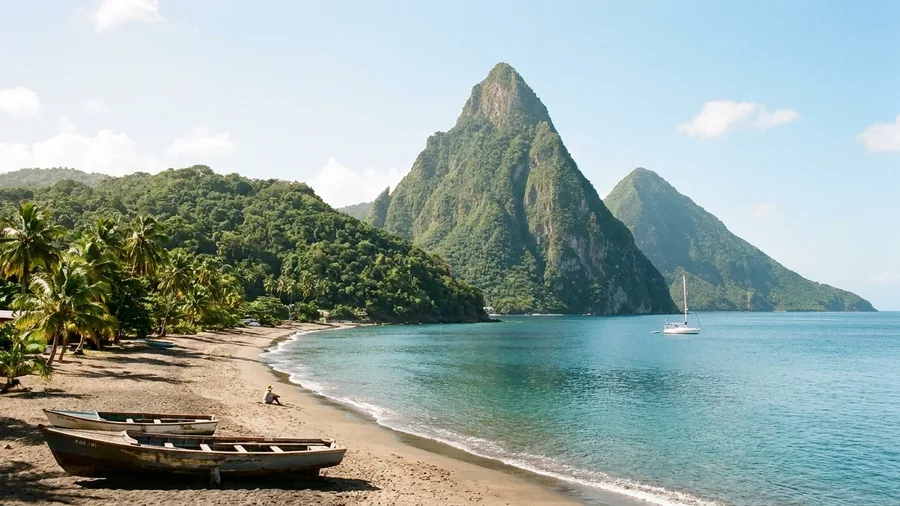
St. Lucia does not sell residency at all. Invest $100,000 in an approved project and you get citizenship, a passport, not a visa, which makes it the odd one out on this list.
The process takes three to four months and there is no residency requirement to keep it. The passport opens visa-free travel to more than 140 countries, the climate runs 25 to 30°C with steady trade winds, and healthcare splits between public and private options.
So why would a retiree look at this instead of a pensioner visa? Because it buys mobility rather than a monthly budget. A couple could spend winters in St. Lucia and summers in Europe without touching a residence card, which is a different purchase entirely.
Treat it as investment migration, not a retirement visa. Source-of-funds paperwork and due diligence matter, and the $100,000 is rarely the whole bill once government fees are counted in. Ask the official citizenship unit for the approved project list and the total cost before writing a check.
💡 Tip: The $100,000 is the investment minimum. Government fees and due diligence costs sit on top of it.
From Inquiry to Second Passport
5. Ecuador Pensioner Visa Needs Only $1,275 Monthly
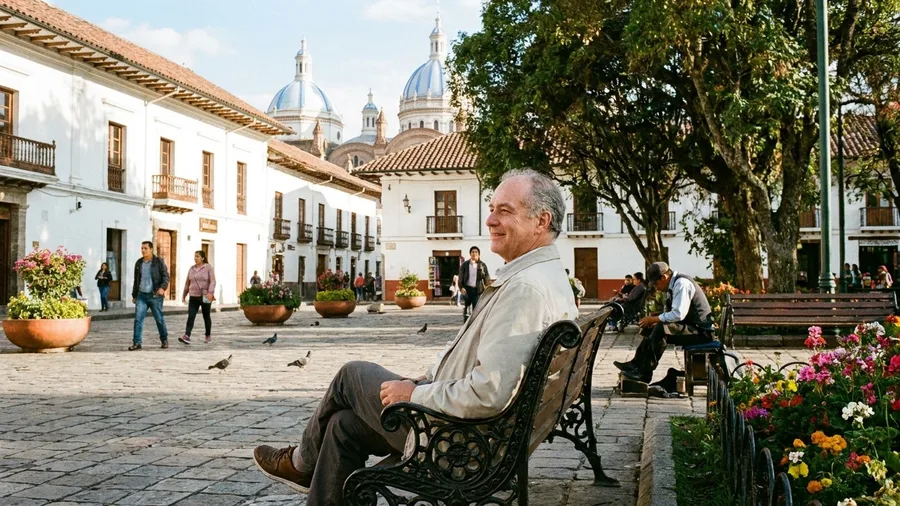
If the St. Lucia price tag felt out of reach, where do you go the other way? Ecuador, where the entry bar is low and the currency is familiar.
Prove $1,275 in monthly income and you qualify for the pensioner visa. Ecuador uses the US dollar, so there is no exchange-rate gamble on your check, and living costs run $1,200 to $1,800 a month including rent, food and entertainment.
Many doctors there are US-trained, and once you turn 65 the senior discounts kick in: 50% off transportation, utilities and entertainment. Cuenca, Salinas and Quito are the popular bases, each with a noticeably different climate.
Price private insurance first, and confirm whether each discount applies automatically or needs local enrollment. A discount you never signed up for is just a rumor.
💡 Tip: Ask the utility company directly about the senior discount. Some require in-person registration.
Income Route vs. Property Route
Straight Income
- $1,000/mo lifetime income (Panama)
- $750-$1,000 pension also works
- No property purchase needed
- Faster to file
- Lower upfront cash
Property Purchase
- $100,000 local property (Panama)
- Useful if pension is under $1,000
- Ties up capital in local real estate
- Adds due diligence on title
- Slower to close
6. Mexico Converts Temporary Residency After Four Years
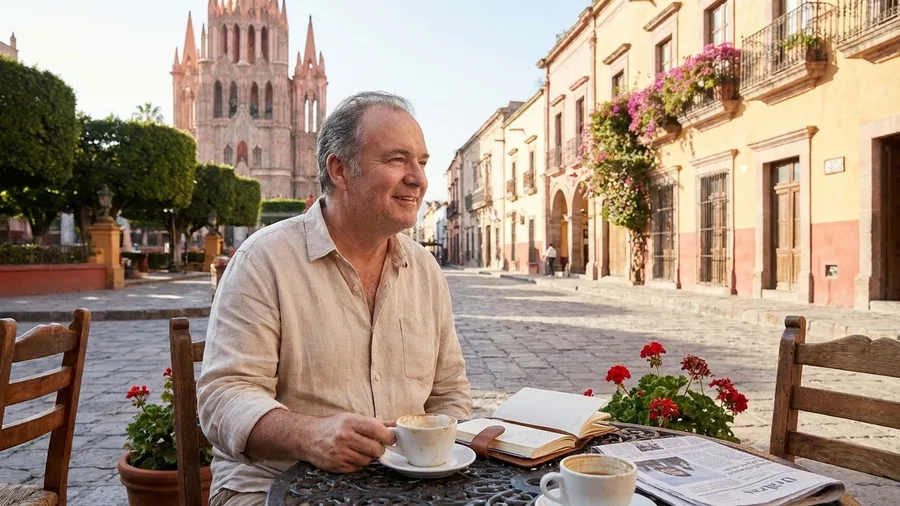
Ecuador is gentle on the wallet, but that flight home is long. Mexico trades a little more money for a lot more convenience, and for most people that trade is worth it.
The temporary resident visa asks for $2,600 a month in income or $45,000 in savings, and here is the part that makes it stick: after four years you can convert to permanent residency. That is a real runway, not a rolling renewal you have to fight for every year.
Living costs run $1,300 to $1,900 a month, healthcare is cheap, and plenty of the doctors trained in the US, so you are not starting over on trust. Where you land decides your weather. Puerto Vallarta gives you the coast, San Miguel de Allende gives you colonial charm, and Lake Chapala gives you mountain-lake living with a big expat crowd.
The catch: proximity and familiar services are real, but don't assume the US-style convenience carries into the paperwork. Insurance, car import rules and visa renewals all still need checking with the Mexican consulate, preferably before you book the one-way flight.
Say a couple is spending $1,600 a month on rent, food and utilities in Lake Chapala. That leaves room in a $2,600 budget for private insurance and the occasional trip north, which is exactly the cushion Ecuador's cheaper rent doesn't buy you when family is a nine-hour flight away.
💡 PRO TIP
The Four-Year Clock
Mexico's temporary residency only converts to permanent after four years of continuous status. Plan your renewals so you do not break the chain.
7. Belize QRP Adds Tax Breaks and Duty-Free Imports
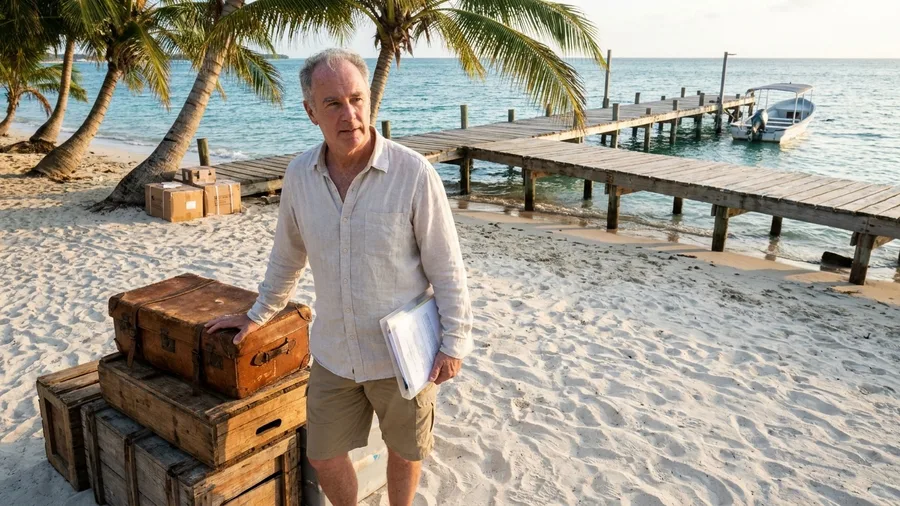
Mexico asks you to wait out four years for permanence. Belize skips that entirely, and it does it in a language you already speak.
The Qualified Retirement Program wants you at 45 or older with $2,000 a month in income, no property required, and it hands over tax exemptions plus first-year duty-free import of your personal goods and vehicles.
That duty-free window is the detail people underestimate. Shipping a container of furniture and a car is normally where the bills pile up, so getting that waived in year one can genuinely move the math. English is official, the time zone matches the US, and living runs $1,500 to $2,500 a month depending on whether you pick Placencia for beach, San Ignacio for jungle or Ambergris Caye for island.
One thing to be clear on: those tax breaks are local, not a pass from the IRS. Confirm the duty-free limits and residency terms with Belize's official QRP office before you ship anything.
💡 Tip: The first-year import window is the single biggest savings in this program. Time your move around it.
Belize QRP: The Fine Print
📄 Income proof
Pension or fixed income, verified monthly
🚢 Duty-free window
One shipment of household goods + one vehicle, first year only
🔁 Renewal
Annual re-qualification; keep income evidence current
🧾 Tax scope
Belize-sourced income exempt; US tax still applies
👨👩👧 Dependents
Spouse and children under 18 (or in school) included
🚫 Skip if
You need to work locally for income
Application route
Submit through Belize's official QRP office; get written approval before shipping.
8. Malaysia's 10-Year Visa Now Costs More to Enter

Belize hands you English and a short flight home. Malaysia hands you a 10-year renewable visa and first-world infrastructure, but the entry bar has climbed recently and that changes who it's for.
You now need about $88,000 in annual income or a 100,000 local-bank deposit, and daily life runs $1,500 to $2,500 a month for something genuinely luxurious. English is widely spoken, and Kuala Lumpur and Penang are the established expat bases.
Before you plan anything, pull the current ringgit deposit and income threshold straight from the official MM2H site, because the old numbers floating around online are out of date.
9. Argentina Stretches Dollars Despite Economic Swings

Argentina is the mirror image, because here the math changes when the currency does, not when the government does.
The Pensionado visa needs just $1,100 a month in income, and a favorable exchange rate can stretch US dollars further than the official figures suggest. Mendoza gives you four-season wine country, Buenos Aires gives you cosmopolitan city living, and healthcare is good and affordable with internationally trained doctors.
The catch is volatility. Exchange-rate rules and inflation can shift the numbers fast, sometimes within a single trip, so keep a dollar buffer and verify current currency and residency rules with official sources rather than a forum post from three years ago.
A pensioner drawing $1,500 a month might live comfortably one season and tighten up the next without spending any differently, which is why the buffer matters more here than anywhere else on this list.
💡 Tip: Do not lock your entire pension into the local currency. Keep the buffer in dollars.
What Your Argentina Budget Rests On
From nice-to-have at the top to foundation at the bottom
10. Panama Returns as Top $1,000 Income Pick
Panama, and it earns the top spot again.
Anyone 18 or older can apply with $1,000 in monthly lifetime income, and if your pension lands between $750 and $1,000, you can still qualify by buying local property worth $100,000. That property route is the part most people miss.
Add tax exemptions on household goods, discounts on utilities, medical exams and transportation, a dollar currency, and a large expat community, and it's hard to argue with. Choose the straight-income route if your pension clears $1,000, and the property route if it doesn't.
📋 Checklist Before You File Anywhere
Confirm the program on the official site
Start at the country's immigration or consulate page, not a social-media agent.
Gather your documents
Passport, proof of income or pension, police clearance, apostilles and certified translations.
Price insurance and renewals
Add private health insurance and annual visa fees to your monthly budget.
Check your US tax filing duties
Worldwide income still needs reporting. Confirm FBAR and FATCA rules with a cross-border tax pro.
Test a long stay first
Rent for three months before committing to a property purchase.
Apply Through Official Channels, Not Agents
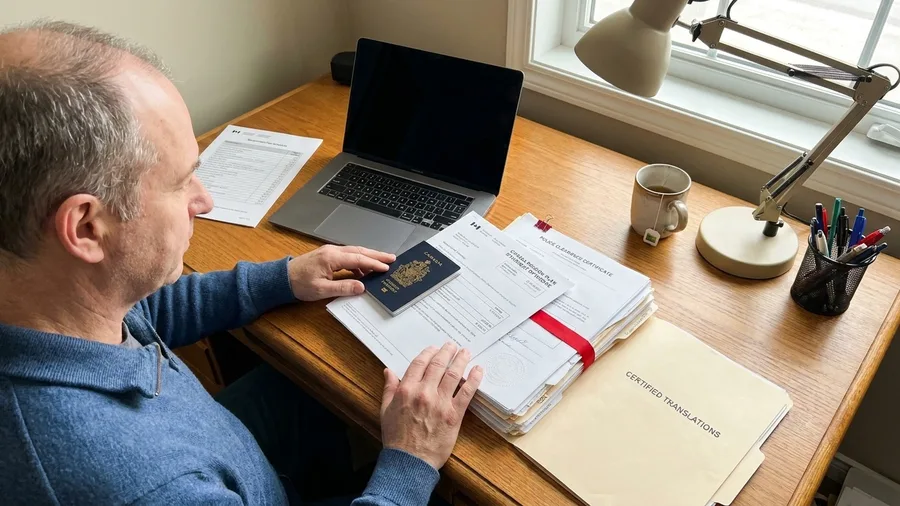
Now that you know which programs fit your income, the next thing that decides whether this goes smoothly or turns expensive is who you trust to file the paperwork. If you take nothing else from this whole list, take this: apply through official channels, not the smooth-talking agent in your feed.
Before you pay anybody a cent, gather the same core document set nearly every program wants. Passport, proof of income or pension, a police clearance, apostilles where required, and certified translations. Having that folder ready means you can read any program's requirements and see instantly whether you actually qualify, instead of guessing.
Then point your browser at each country's official immigration or consulate site. Yes, the government one with the dull design. Social-media agents are not the source of truth, no matter how polished their videos look.
Here's where retirees lose the most money: fees paid up front before anyone has confirmed the program, the document list and the filing route. Once that money is gone, the 'agent' gets hard to reach. Legitimate help exists, but you should know the rules yourself before you buy any.
On timing, St. Lucia states three to four months for its citizenship process, and other programs vary by country and even by consulate. So ask the consulate directly rather than trusting a forum post from 2019.
One easy test before you commit: if an agent can't point you to the official fee schedule the government publishes, walk away.
US Taxes Follow You Overseas
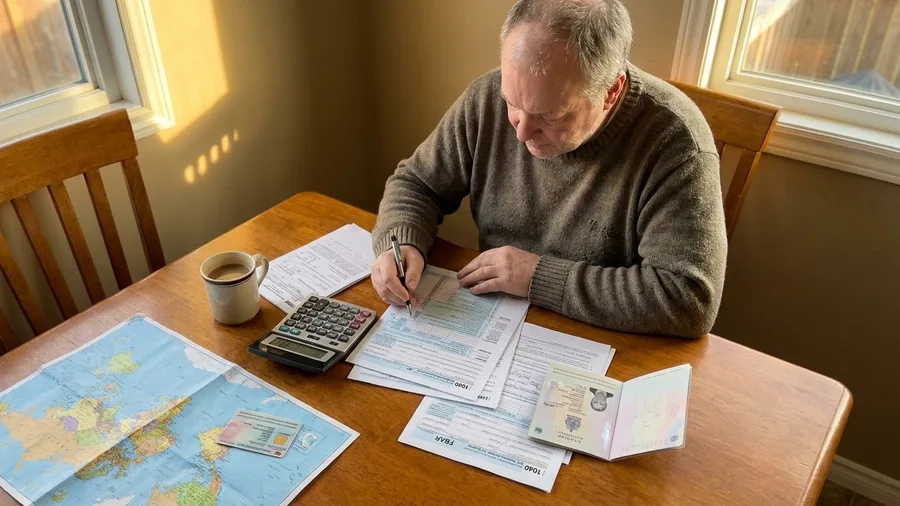
A residency card feels like a clean break, but it isn't a tax break, at least not from the US side. Here's the kicker: that foreign residency card does not switch off your US filing duties.
As a US citizen you're generally taxed on your worldwide income no matter where you sleep at night. So you still file, every year, and you still report foreign bank and financial accounts under the FBAR and FATCA rules once they cross the thresholds. A pension deposited in a Panamanian or Portuguese bank still shows up on your radar.
Will you pay twice? Maybe, maybe not. Foreign tax credits or a tax treaty can reduce the double hit, but that's a personal ruling based on your income sources and where it's taxed. It is not something you copy from a blog.
Do two things before you pack. First, confirm your Social Security payment rules directly with the Social Security Administration, because not every country treats your check the same way. Then take your specific situation to the IRS and a cross-border tax professional.
One appointment with someone who does this for a living costs far less than a penalty letter three years in. Sort it before the move, not after.
Budget for Insurance, Currency and Bureaucracy
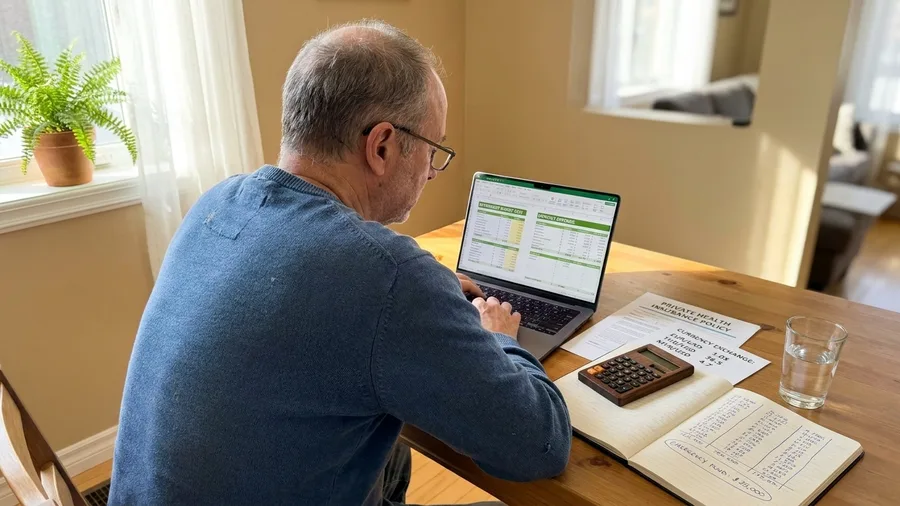
Even with the paperwork clean and the taxes sorted, the number on the visa form is not your budget. Treat it as the entry ticket, not the monthly reality.
Price private health insurance before you pick a country, and ask straight out how pre-existing conditions are handled. A cheap-feeling program can turn expensive fast if your coverage excludes the one thing you actually need.
Then there's currency. If you settle somewhere outside a dollarized economy, Portugal, Thailand and Malaysia included, what happens to your Social Security swings with the exchange rate, and local inflation quietly eats it over the years. A comfortable first year can feel tighter by year five without a single change on your side.
And don't forget the softer stuff, the things nobody puts on a brochure. Safety, language barriers and slow bureaucracy are real quality-of-life downsides, so test a long stay first. A three-month trial before you sell the house beats a three-year regret.
Last, build an emergency buffer beyond the visa minimum. Spending right up to the income threshold is exactly how a dream move turns into a monthly squeeze. Give yourself room, and the whole thing stays fun.
Frequently Asked Questions
Do I still pay US taxes if I get residency abroad?
Generally yes. US citizens are taxed on worldwide income, so a foreign residency card does not stop your filing duties. Foreign account reporting under FBAR and FATCA still applies, and foreign tax credits may help. Confirm your situation with a cross-border tax professional.
Can I qualify for Panama's Pensionado visa with less than $1,000 a month?
Yes, if your pension falls between $750 and $1,000, you can qualify by buying local property worth $100,000. The straight-income route requires the full $1,000. Verify current rules with Panama's official immigration source.
What documents will I need for these retirement visas?
Expect a passport, proof of income or pension, police clearance, apostilles and certified translations. Each country adds its own forms. Check the official consulate site for the exact list before you pay an agent.
Is St. Lucia's program a retirement visa?
No. It is a citizenship-by-investment program. You invest $100,000 in an approved project, the process takes three to four months, and there is no residency requirement to keep citizenship.
How much should I budget beyond the visa income minimum?
Price private health insurance, annual visa renewals, currency swings and an emergency buffer. Spending right up to the income threshold leaves no room for a medical bill or a bad exchange-rate year.
Match the Program to Your Pension, Then Verify It
The lowest income requirement on this list belongs to Panama at $1,000 a month, with the property route covering pensions down to $750. The fastest second passport is St. Lucia at three to four months. The easiest healthcare access for a US retiree is Mexico, where care is cheap and many doctors are US-trained.
Pick the country that matches your pension size first, then your healthcare needs, then your timeline. Before you pay any agent, open the official immigration site for that country and confirm the income threshold, the document list and the fees yourself.
That one check is what separates a real move from an expensive mistake.

Hello there! I’m Jesse Joe, the author and editor behind SolganGenius. I’m thrilled you’ve stopped by, and I can’t wait to share with you the essence of what this platform is all about.
I’m a writer, social media enthusiast, and a firm believer in the power of words. I’ve always been fascinated by how a simple phrase or slogan can capture an emotion, convey a message, and even change perspectives. Learn More