

Retirement advice usually tells you what to do. This one tells you what not to buy, because that is where the money quietly goes.
The mortgage is paid, the kids are done with college, and suddenly there is a million-dollar IRA staring back at you. That is the lottery effect, and it makes everything look affordable.
You start thinking about the good life: a week at a resort every year, a boat on the lake, helping a nephew with his business, a little place in Florida. All of it sounds reasonable until you price the second year.
Here are four purchases that regularly turn a comfortable retirement into a tight one. The first one will get a standing ovation. For the rest, read the numbers before you sign anything.
Quick Tips Before You Start
Price the second year
Ask what this costs annually, not just what it costs to buy.
Rent before you buy
Use a place or a boat for a season before committing.
Gift, don't lend
If you would not give it away, do not call it a loan.
Check the resale
Look up what the same item sells for used before you buy new.
Run the drawdown
See how the yearly cost fits against your planned withdrawal.
1. A timeshare's $25,000 price hides endless fees

A lot. That number is the smallest part of the deal, and the reason it feels approachable is that the salesperson badly wants you to focus on it.
The average initial purchase price runs around $25,000, which is just low enough to feel like a manageable splurge. What the contract does not lead with is the maintenance fee and the annual fee, usually running into the thousands of dollars every single year. Then come the blackout dates, the weeks you can't actually use the thing you bought. So you paid $25,000 for a week that is only available in the shoulder season, and you owe four figures a year whether you go or not.
And here is the catch most people find out too late: the unit itself is often not the one in the glossy brochure. You sign for a resort, you end up in a studio at the back of the property, a solid 20-minute walk from the pool. That is the difference between the dream shown on a screen and the room key in your hand.
The sales mechanics are built to wear you down, and they work. A free meal, a small hot room, a heat lamp cranking, and hours of pressure until the only thought left in your head is 'I just want this to stop.' That sentence has cost more retirees $25,000 than any market crash. A study from the University of Central Florida found 85% of owners who signed a contract regretted it. Run the maths on a $1.5 million portfolio drawing, say, $60,000 a year: a $3,000 annual fee is 5% of your whole income, gone, every year, for a room you can barely book.
One check before you ever sit down: ask for the annual fee schedule in writing. If the salesperson will not hand it over, you have your answer. Don't sit through the meal to find out.
💡 Tip: If you already own one and want out, contact a licensed resale broker and expect to sell for a fraction of what you paid. Never pay an upfront fee to a company promising to take it off your hands.
| Purchase | Typical upfront cost | Ongoing yearly cost | How hard it is to undo |
|---|---|---|---|
| Timeshare | About $25,000 | Thousands in maintenance and annual fees | Very hard: resale market is thin |
| New boat | $50,000–$60,000 typical; up to $200,000 for a ski boat | Dock or storage fees, insurance, fuel, maintenance | Hard: depreciation and storage costs |
| Family loan | $20,000–$50,000 typical | The relationship, if it goes wrong | Permanent: money rarely comes back |
| Couple-only Florida home | Six figures plus closing costs | Second property tax, HOA, hurricane insurance, upkeep | Hard: selling takes months and costs 6–10% |
2. A boat costs six figures before it floats

Boats look like pure family fun right up until you total the numbers. A new Ski Nautique, Malibu or MasterCraft runs around $200,000. A pontoon party barge can hit $100,000. The typical boat sits between $50,000 and $60,000, and every one of those prices is before taxes.
Then come the costs nobody budgets for. Dock fees, storage, insurance, fuel and maintenance keep arriving every season, long after the purchase is forgotten. Skip the marina and you're parking it in the driveway, which your neighbours will absolutely love.
The first family outing is where the dream usually cracks. It's 85 degrees, there's no shade, and nobody actually skis or wakeboards. Everyone is hot, thirsty and hungry because the picnic was packed for a boat with a refrigerator. Then watch a first-timer try to back a trailer down the ramp and you'll see the other side of boat ownership.
Here's who gets a pass: if you already spend every summer on the water, ski, fish or live near the coast, a boat can make sense. Everyone else should charter first. A half-day wake boat charter runs about $700, and a local boat club costs roughly $5,000 a year all-in, fuel extra. Try one full season of that against a $1.5 million, $60,000-a-year draw. A marina bill alone can eat a big chunk of your annual income, and the club tells you honestly whether you'll actually go.
💡 Tip: Add up dock fees, insurance and maintenance for one year, then divide by the number of days you would realistically use the boat. That is your true cost per outing.
🧮 How to test a big retirement purchase in four steps
Price the annual cost
Add dock or storage, insurance, fuel, maintenance and taxes. Budget the worst year, not the average one.
Compare it to your draw
A $50,000 boat on a $60,000 draw eats 83% of it. If one purchase tops a quarter of your annual draw, walk away.
Rent or charter once
Book a full season before owning: about $700 a half-day charter or $5,000 a year for a boat club, fuel extra. Repeat it a second season only if you went out regularly.
Check the exit
Boats depreciate 10-20% in year one and resell slowly; timeshares often cannot be given away. Check resale value and time-to-sell before signing.
3. A family loan costs you the relationship

That same sudden freedom that makes a timeshare pitch feel affordable has a second act: once you have money, people around you start having great business ideas. A nephew needs $20,000. A son needs $50,000 for a startup. It feels good to help, and it feels even better to believe in them.
But run the bank test. If the idea were truly fundable, a bank would already be on the hook for it. Banks don't lend on enthusiasm. When the money doesn't come back, the loss isn't just financial, it's shame, anger, misunderstanding and one very awkward holiday. A survey found 60% of people who lent money to a friend or covered a group expense had a bad experience. That is worse than a coin flip.
When the answer has to be no, say it plainly and offer something else: help with a business plan, an introduction, or a smaller gift you can afford to never see again. If you do hand over money, make it a gift from day one. Don't call it a loan unless you're prepared to lose both the money and the relationship.
💡 Tip: Ask yourself one question before writing the check: if this never comes back, will I still be fine and still want them at Thanksgiving?
🌱 GROWING TIP
Do the drawdown math first
On a $1.5 million portfolio with a planned 4% annual draw, that is $60,000 a year. A timeshare's yearly fees plus a boat's dock and maintenance can eat $20,000 of that before you have booked a single trip. Price the annual cost, not the sticker.
4. A couple-only Florida home doubles the work
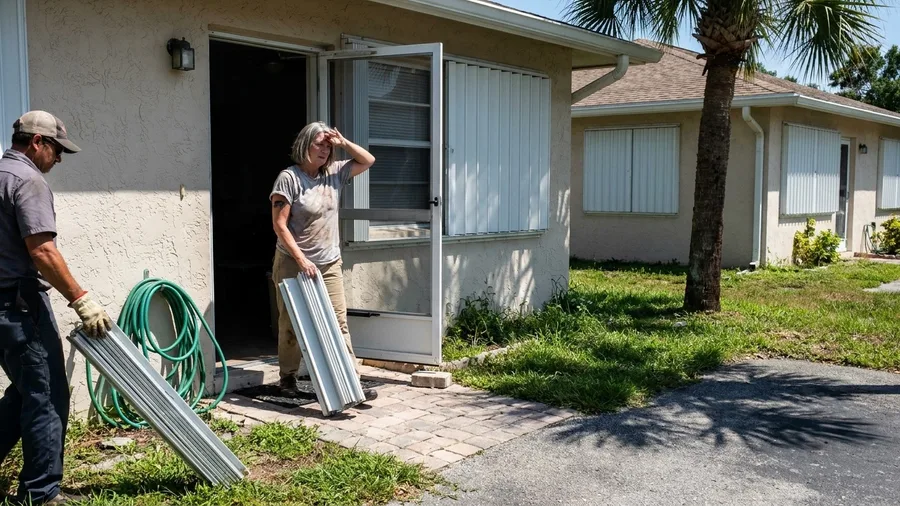
That is where this purchase starts, and it is the one most couples talk themselves into before they have done a single sum.
Now you own two of everything. Two property tax bills, two HOAs, two insurance policies, and one house sits a thousand miles from the other. Hurricane insurance in Florida is its own budget line, and upkeep doesn't care that you're only there three months a year. Add it beside a $60,000 annual draw from a $1.5 million portfolio and the true cost of the second set of bills gets very loud.
The guilt is the part nobody warns you about. You start saying 'we have to get down there' because you have to get your money's worth. Meanwhile your grandchildren are playing sports back home and your friends are still there. You end up in the sunshine, away from the people you actually retired to be near.
Renting wins more often than it loses. You pick a month or two, pay a set cost, book it once a year, and you can move along the Gulf Coast. Love a spot? Go back two seasons running. No HOA, no insurance, no hurricane shutters. The exception worth naming: a family gathering place the whole family uses several times a year can be worthwhile. The warning is about a place for the couple alone.
💡 Tip: Before you buy, rent in the same town for a full month in August, not February. If you still love it in the heat and the humidity, you have your answer.
5. The family loan and the couple-only condo are the quiet ones
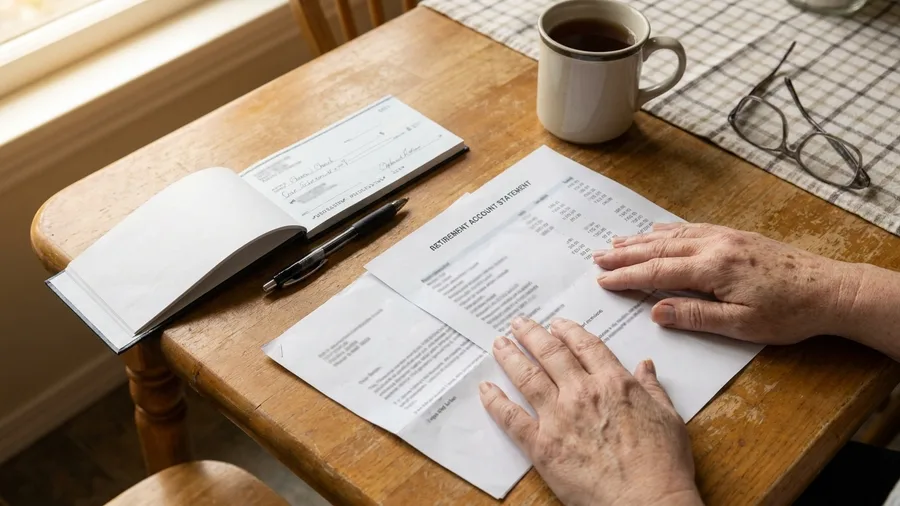
Notice what just happened. You would not catch anyone at the marina or the sales pitch with a finger raised, and yet the family loan and the couple-only Florida condo do something more expensive in their own quiet way. The first two purchases get the eye roll from every friend and family member. These two get a nod of approval, because on paper they look like love and generosity. Nobody puts a red flag on a brochure that says "helping your kid" or "winter where it's warm." That is the whole trick: the purchases that look like virtue are often the ones to question hardest.
People report losing $20,000 and $50,000 on these loans, but that is the smaller number. The real damage is shame, anger, a misunderstanding over what "loan" ever meant, an awkward holiday where nobody mentions it. And a survey on group expenses found the odds are worse than lenders expect: 60% of people who lent money to a friend or covered a group expense had a bad experience. So apply the bank test. If the business idea were really fundable, a bank would already be on the hook for it. If the bank passed, ask yourself why you should be the fallback.
When the answer has to be no, say less than you think. "I can't lend that, but I can help you with X" is a full sentence. And this whole warning does not apply to a gift small enough that you will never see it again, given as a gift from day one. That is not a loan. That is generosity with no invoice attached, and it belongs in a retirement budget as a line item, not a hope.
Frequently Asked Questions
What not to buy in retirement if I want to keep things simple?
Start with anything that carries annual fees you cannot cancel. Timeshares and boats top the list because the ongoing costs keep coming whether you use them or not. A second home in a hurricane zone comes next. If you want a rule, avoid any purchase that requires a yearly payment you cannot easily stop.
Is a timeshare ever worth it?
Rarely. The upfront cost is around $25,000, and maintenance fees run into the thousands every year. The resale market is thin, so getting out is hard. If you want a resort week, book it as a rental. You get the same room without the contract.
How much does boat ownership really cost per year?
Beyond the purchase price, budget for dock or storage fees, insurance, fuel, maintenance and winterizing. For a $50,000 to $60,000 boat, those costs can easily add 10% or more of the boat's value each year. A boat club at around $5,000 a year all-in is a cheaper way to test whether you actually use it.
Should I lend money to my adult child for a business?
Treat it as a gift. If the business idea were bankable, a bank would already be involved. When you lend, you risk both the money and the relationship. If you can afford to give a smaller amount with no strings, do that instead.
Is buying a second home in Florida a bad idea?
It depends on who uses it. A place the whole family gathers at several times a year can be worthwhile. A place for the couple alone often becomes a source of guilt and expense, especially when grandchildren and friends are back home. Rent for a month or two first and see how it feels in the off-season.
The decision rule: price the annual cost, not the sticker
Walk away outright from the timeshare and the couple-only Florida condo. Both carry fees, restrictions and exit costs that rarely justify the price of admission.
The boat and the family loan have legitimate versions. If you are already on the water every summer, a boat can make sense, but charter first. If you want to help a family member, give a gift you can afford to lose instead of a loan you expect back.
The one thing to do before any deposit: add up the annual cost, not the sticker price, and see how it fits against your planned withdrawal. That single number will tell you more than any sales pitch.
Run the annual cost before you sign
Take the purchase you are considering and write down every yearly fee, tax, insurance bill and maintenance cost. If the total is more than 10% of your planned annual draw, walk away.

Hello there! I’m Jesse Joe, the author and editor behind SolganGenius. I’m thrilled you’ve stopped by, and I can’t wait to share with you the essence of what this platform is all about.
I’m a writer, social media enthusiast, and a firm believer in the power of words. I’ve always been fascinated by how a simple phrase or slogan can capture an emotion, convey a message, and even change perspectives. Learn More