
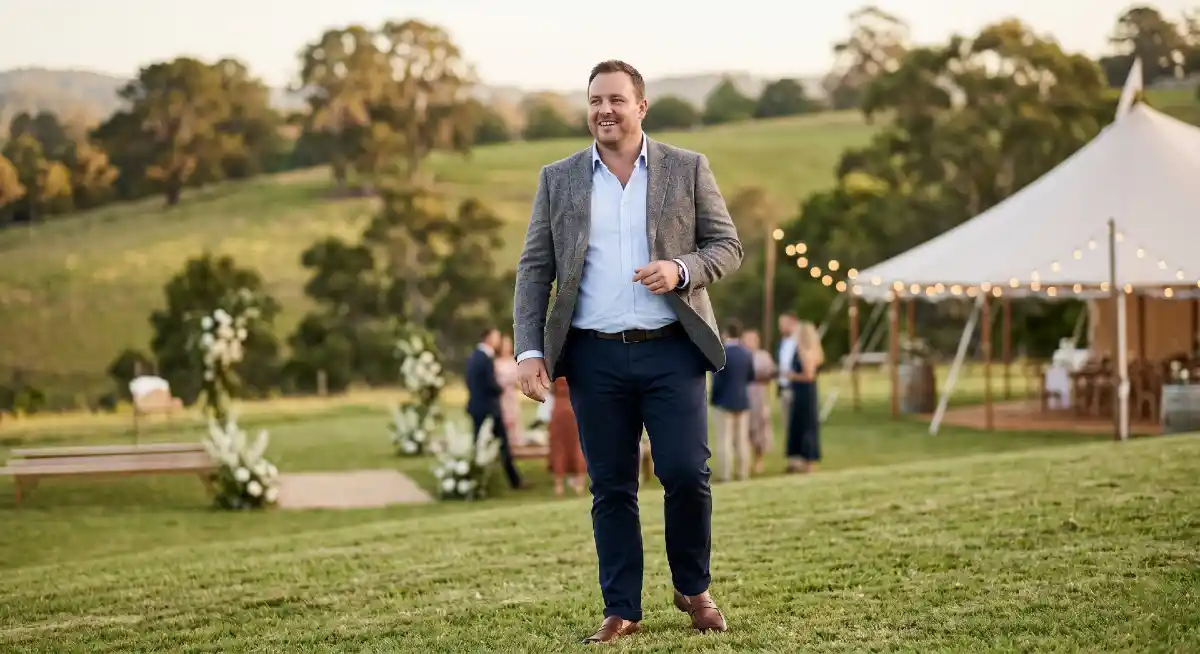
Most wedding style guides were written for a 34-inch waist and a slim-cut suit. They assume fit is easy, options are obvious, and the hardest decision is choosing between navy and charcoal. For plus-size men, the real questions go much deeper than that.
Getting it right matters. Show up underdressed and you feel self-conscious all day. Overdressed and you stick out for the wrong reasons. The goal is to walk in looking like you made intentional choices not like you grabbed whatever fit.
Good news: this is completely achievable without a custom wardrobe or a huge budget. It just requires knowing a few things that standard style advice never bothers to explain for bigger frames.
What actually works from reading the dress code correctly to finding shoes that won’t destroy your feet before the reception even starts.
Read the Dress Code Like a Plus Size Man, Not Like Everyone Else
Dress codes were written for a default body that isn’t yours. “Cocktail attire” on a slim man means a slim-cut suit and he’s done. On a bigger frame, the same words require more decisions fabric weight, jacket structure, trouser rise because fit does more of the work than the outfit itself.
Bigger bodies show formality differently. A well-fitted dark chino and blazer on a plus-size man can read more polished than an ill-fitting suit on anyone. So before you stress about what to wear, focus on what the dress code actually demands from your body type:
- Black tie means a tuxedo but skip the off-the-rack rental. Find one that fits across the shoulders and chest, even if the legs need tailoring.
- Formal or white tie is rare at weddings, but if it appears, a dark, well-structured suit is your floor not your ceiling.
- Cocktail attire gives you room. A suit or a blazer with dress trousers both work. Fit decides which one wins.
- Semi-formal is where most plus-size men overthink it. A blazer, dress shirt, and tailored trousers hit the mark without overshooting.
- Smart casual means no tie required, but structure still matters. A clean, fitted button-down and dark trousers beat a collared shirt every time.
Fabric matters more than label. Heavy, cheap fabric bunches and pulls on any body, but especially on a larger frame where movement stresses seams more. The goal isn’t matching what everyone else wears. It’s hitting the right level of formality in clothes that actually fit you.
The Dark Suit Is Not Always the Safe Choice
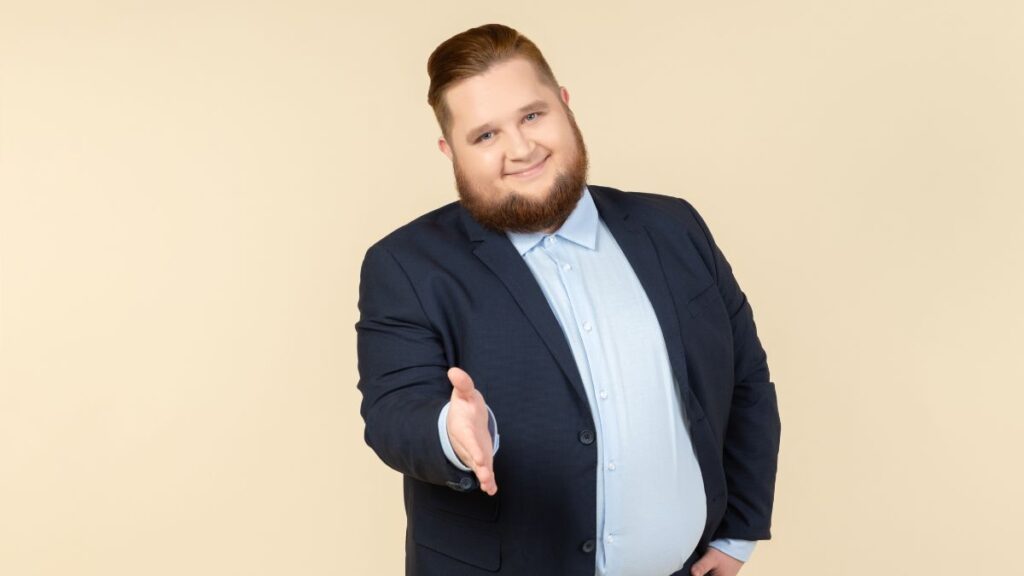
Black absorbs light but it also flattens shape. On a plus-size frame, a head-to-toe dark suit with no contrast can merge your jacket, trousers, and shirt into one heavy block, making your silhouette harder to read rather than cleaner.
Most men reach for navy or black because it feels like the least risky option. That logic works on slimmer frames where the suit’s cut does the visual work. Your frame needs contrast and structure to create shape, not just darkness to hide behind.
Mid-tone suits actually perform better for bigger bodies:
- Charcoal grey gives you the formality of black without the flattening effect it still reads serious and polished
- Medium navy with a lighter shirt underneath creates a contrast line that breaks up the torso and adds definition
- Warm grey or slate reflects light slightly, which helps separate your jacket from your trousers and adds dimension
- Tan or camel works beautifully at outdoor or daytime weddings lighter tones create a relaxed but deliberate look
Structure matters just as much as colour. A suit with a defined shoulder seam and a jacket that closes cleanly at the chest creates shape. Soft, unstructured blazers in dark colours do the opposite they drape heavily and add visual weight where you don’t want it.
Contrast is your tool. A mid-tone suit with a white or light-blue shirt immediately builds a frame that darker, flatter combinations simply don’t.
The Dress Shirt That Actually Lies Flat at the Collar and Stomach
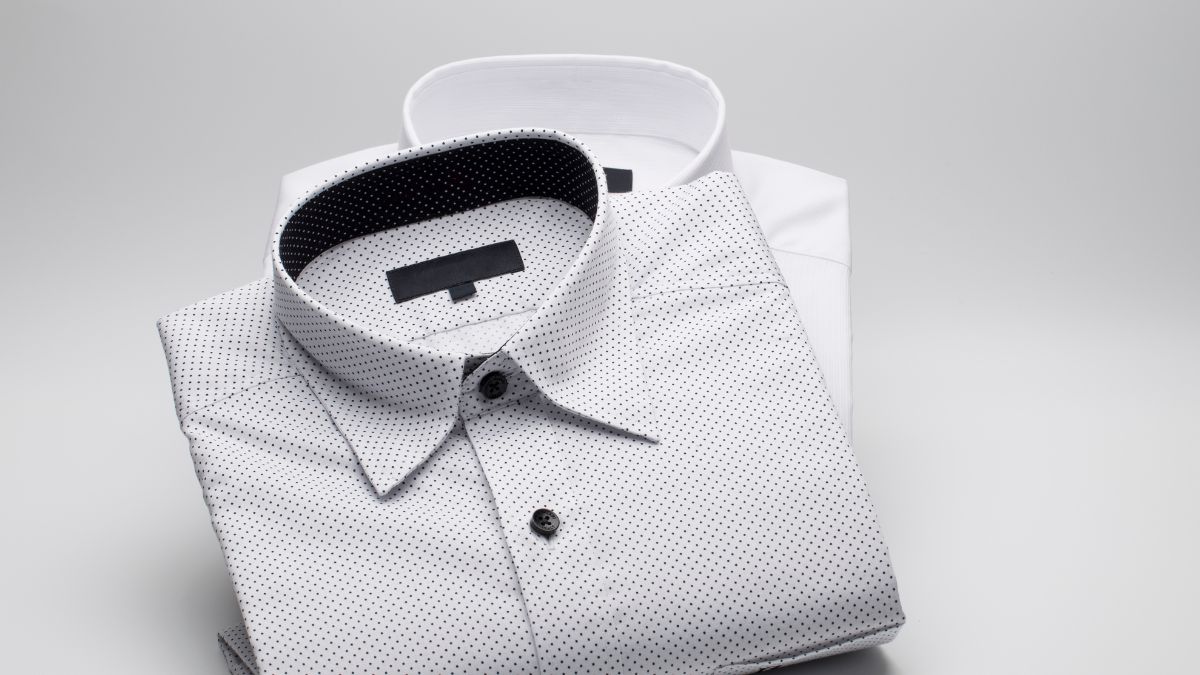
Pulling buttons at the stomach are not a size problem. They’re a cut problem. Most dress shirts are designed with a straight body that doesn’t account for a larger midsection, which means buying your neck size leaves no room at the chest, and sizing up for the chest leaves you drowning at the collar.
Three cuts exist and only one is likely right for you:
- Big & tall cut adds length and width through the torso, which solves the untucked hem problem and stops the shirt pulling open at the stomach — this is the most common fix for plus-size men
- Athletic fit is cut wider at the chest and tapered slightly at the waist, which works if your shoulders are broad but your midsection is proportional
- Tailored fit runs slim through the body and almost never works off the rack for a plus-size frame without alterations
Before buying, check three things specifically:
- Button stance at the stomach button the shirt fully and look for any pulling or gaping between buttons
- Collar gap close the top button and check that the collar sits flat against your neck without bowing forward or choking
- Shirt length untucked shirts at a wedding look unfinished, so the hem needs to reach at least mid-seat when tucked
Fabric helps too. Stretch-cotton blends hold their shape under a jacket far better than pure cotton, which creases and pulls more with movement. One good-fitting shirt beats three average ones every time.
Suit Trousers With the Right Rise Keep Everything Looking Intentional
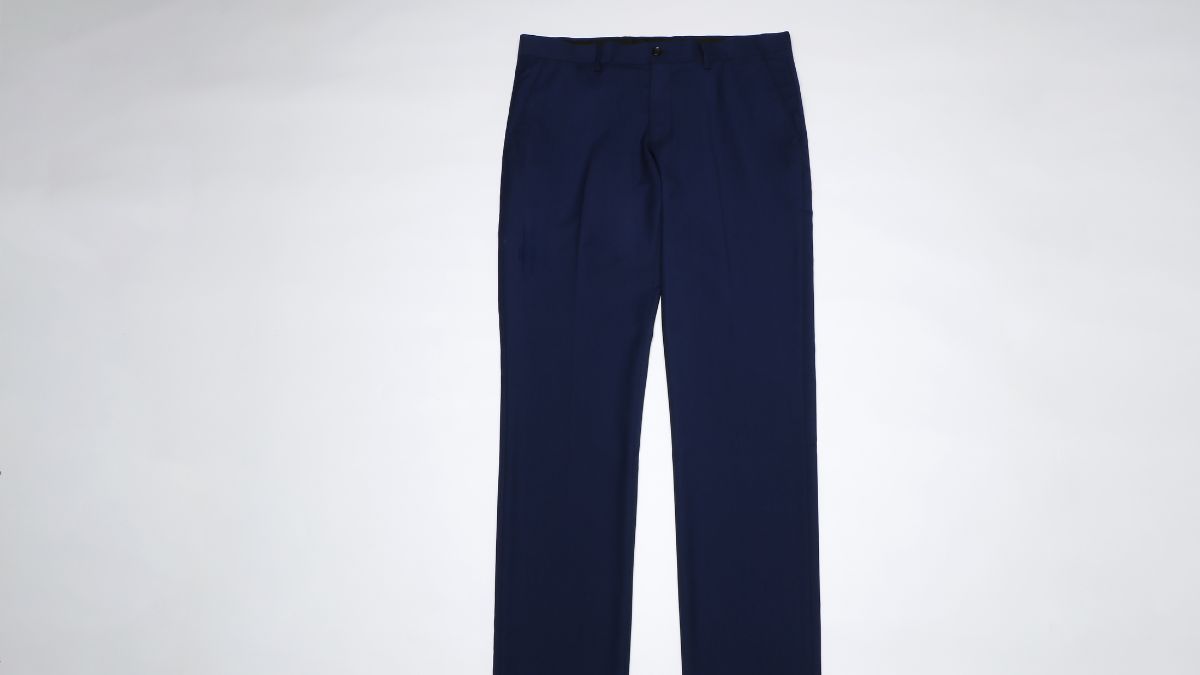
Low-rise trousers cut your torso in half. On a plus-size frame, the waistband sitting below your natural waist pushes fabric down and out, creating bunching at the front and a visual break that makes your legs look shorter and your midsection look wider than it is.
Rise is the distance from the crotch seam to the waistband. Most men never check it. Getting it right changes your entire silhouette without changing a single other thing you’re wearing.
Here’s what each rise actually does on a bigger frame:
- Low rise (below natural waist) drags the eye downward, shortens the torso visually, and almost always causes the shirt to untuck during the day
- Mid rise (at or just below the natural waist) sits cleanly, holds the trouser in place, and creates a smooth line from jacket hem to shoe — this is the minimum you should be looking for
- High rise (at the natural waist) elongates the legs, keeps everything tucked and flat, and works especially well under a suit jacket where the waistband is mostly hidden anyway
Two other trouser details that matter alongside rise:
- Seat room — trousers that pull across the seat create horizontal lines that draw attention; you need enough room to sit and stand comfortably without fabric stretching
- Thigh width — slim-cut trousers through the thigh restrict movement and bunch at the knee on fuller legs; a straight or slightly tapered leg from thigh to hem looks cleaner
Trousers that fit through the rise, seat, and thigh make the jacket look better too — because the whole outfit moves as one piece instead of fighting itself.
The Blazer or Suit Jacket Shoulder Seam Is the Only Measurement That Cannot Be Faked
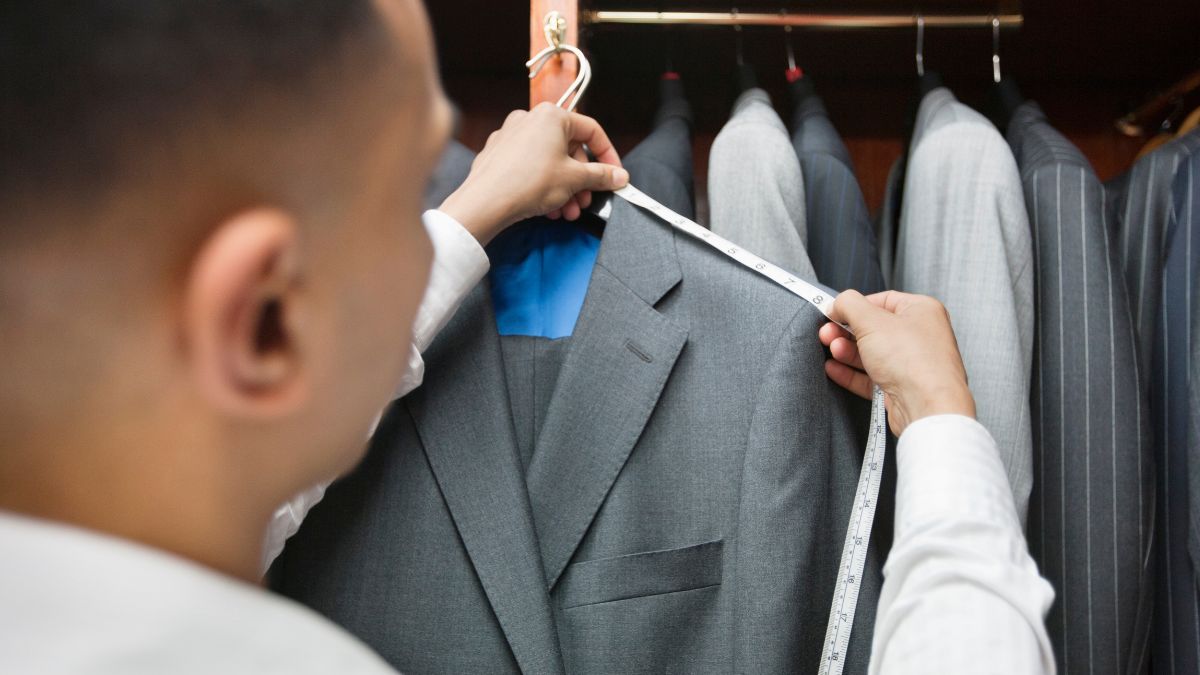
Every other part of a jacket can be altered by a tailor. The shoulders cannot at least not without a full rebuild that costs more than most jackets are worth. Getting the shoulder wrong means no amount of tailoring downstream will fix how the jacket sits on your body.
The seam where the sleeve meets the jacket should land exactly at the edge of your shoulder bone. That’s the only rule. When it droops past that point, the sleeve hangs wrong, the chest looks collapsed, and the whole jacket reads too big which on a plus-size frame adds visual bulk instead of removing it.
Most bigger men buy jackets large to feel covered. That instinct works against you:
- Excess fabric across the back creates horizontal rolls that draw the eye exactly where you don’t want it
- Dropped shoulder seams make your arms look shorter and your chest look sunken, not broader
- A jacket that’s too wide at the chest hangs open and billows instead of creating a clean vertical line
- Oversized lapels on an oversized jacket double the visual weight across your upper body
Finding the right shoulder fit means trying jackets by chest size first, then assessing the shoulder seam before anything else not after. Chest, sleeves, and body length can all be adjusted. Shoulders set the foundation that every other alteration builds on.
Stand straight, roll your shoulders back once, and look at where that seam lands. Too far in means the jacket is too small. Too far out and no tailor can save it.
The Tie, Pocket Square, and Lapel Pin: Which One to Wear Based on the Wedding Type
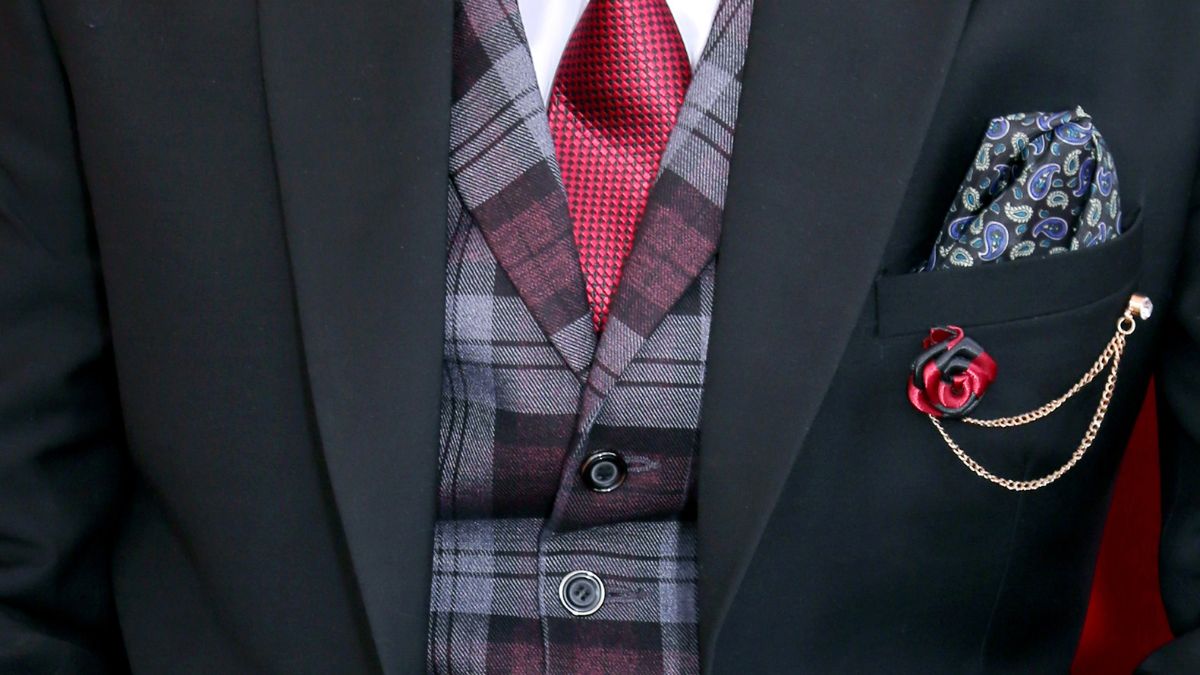
Wearing all three at once is almost always too much. One well-chosen accessory finishes a look. Three competing ones make it look like you tried too hard — and on a plus-size frame, extra visual noise around the chest and lapel area adds clutter where you want clean lines.
Match the accessory to the wedding, not to what you think looks most formal:
Black-tie or formal wedding:
- A tie is expected — a classic silk tie in a solid or subtle pattern is the standard
- Add a pocket square if you want, but keep it simple: a white flat fold beats an elaborate puff every time
- Skip the lapel pin entirely — it competes with the tie and reads overdone at this level
Semi-formal or cocktail wedding:
- A tie works but isn’t required — a pocket square alone can carry the look and signals effort without formality
- Lapel pins work well here if the rest of the outfit is clean and simple
- Wearing all three at this level tips into overdressed territory
Outdoor, garden, or casual reception:
- Drop the tie completely — it reads stiff against a relaxed setting
- One lapel pin or a pocket square keeps the look intentional without overdoing it
- Both together at a casual wedding is one accessory too many
Proportion matters on a bigger chest. Wide ties visually expand the torso — a medium-width tie between 2.75 and 3.25 inches balances a larger frame without dominating the outfit. Pocket squares should sit low in the pocket, not puffed high where they add bulk at the breast.
Dress Shoes That Match the Outfit Without Destroying Your Feet at a Four-Hour Event
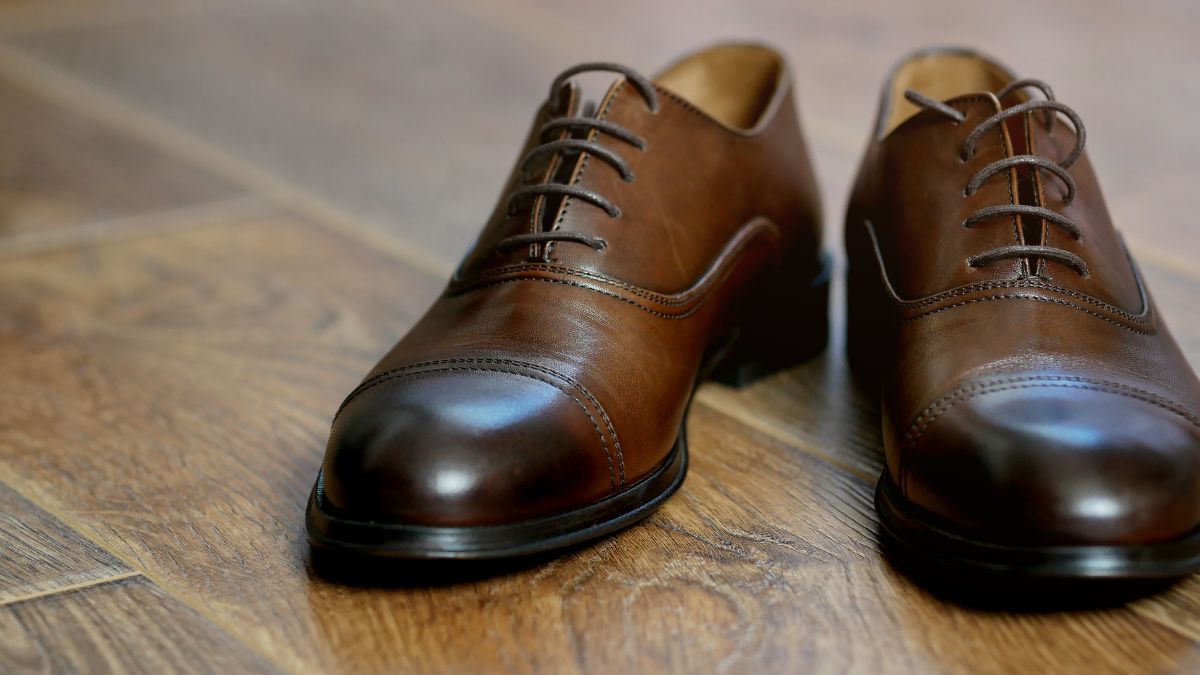
Comfort and formality are not opposites but you have to choose the right shoe from the start, because no amount of breaking in at the venue fixes a shoe that was wrong before you arrived. Most men focus entirely on colour and ignore width, which is where the real problem lives.
Shoe style by dress code level:
- Oxfords (closed lacing) are the most formal option and suit black-tie or formal weddings — look for a wider fit if your feet are broader, as standard Oxfords run narrow
- Derbies (open lacing) are slightly less formal but significantly more comfortable for wider feet because the open lacing adjusts more easily across the instep
- Loafers work well at semi-formal, casual, or outdoor weddings a leather loafer in tan or dark brown reads polished without being stiff
Colour matching keeps it simple:
- Black shoes pair with charcoal, black, or dark navy trousers
- Brown or tan shoes work with grey, light navy, or earth-tone suits and read warmer and more relaxed
- Avoid black shoes with lighter suits the contrast breaks the line at the ankle and shortens the leg visually
Two practical things most men skip:
- Width fitting many brands offer wide or extra-wide fits; buying the right width prevents the bunching and pressure that causes blisters before the first dance
- A thin cushioned insole dropped into any dress shoe adds meaningful comfort across four-plus hours of standing without changing how the shoe looks
Buy shoes at least a week before the wedding. Wear them at home first.
What to Do If Nothing Fits Off the Rack Before the Wedding
Alterations fix more than most men realise and they cost less than buying a second outfit that still doesn’t fit right. The mistake is waiting until three days before the wedding, when no tailor has room in their schedule and you have no backup plan.
What a tailor can fix quickly and cheaply:
- Trouser length is the fastest and cheapest alteration most tailors turn this around in a few days for a small cost
- Trouser waist can be taken in or let out by an inch or two depending on the existing seam allowance
- Jacket sleeve length is straightforward and common a good tailor handles this in under a week
- Shirt sleeve length is simple and inexpensive at most alterations shops
What a tailor cannot reasonably fix in time:
- Jacket shoulders as covered earlier, this is a full rebuild and not worth attempting before a single event
- Jacket chest restructuring if the chest is more than two sizes off, alterations won’t save it; find a different jacket
Realistic lead time: book a tailor at least three weeks before the wedding. Two weeks is tight. One week is a gamble.
Brands that carry structured occasion wear in plus and big & tall sizing include ASOS Plus, Bonobos (extended sizes), DXL (Destination XL), and Marks & Spencer’s big & tall range all carry suit separates, which means buying jacket and trousers in different sizes to match your actual body rather than compromising on both.
Separates solve more fit problems faster than any alteration can.

Hello there! I’m Jesse Joe, the author and editor behind SolganGenius. I’m thrilled you’ve stopped by, and I can’t wait to share with you the essence of what this platform is all about.
I’m a writer, social media enthusiast, and a firm believer in the power of words. I’ve always been fascinated by how a simple phrase or slogan can capture an emotion, convey a message, and even change perspectives. Learn More