
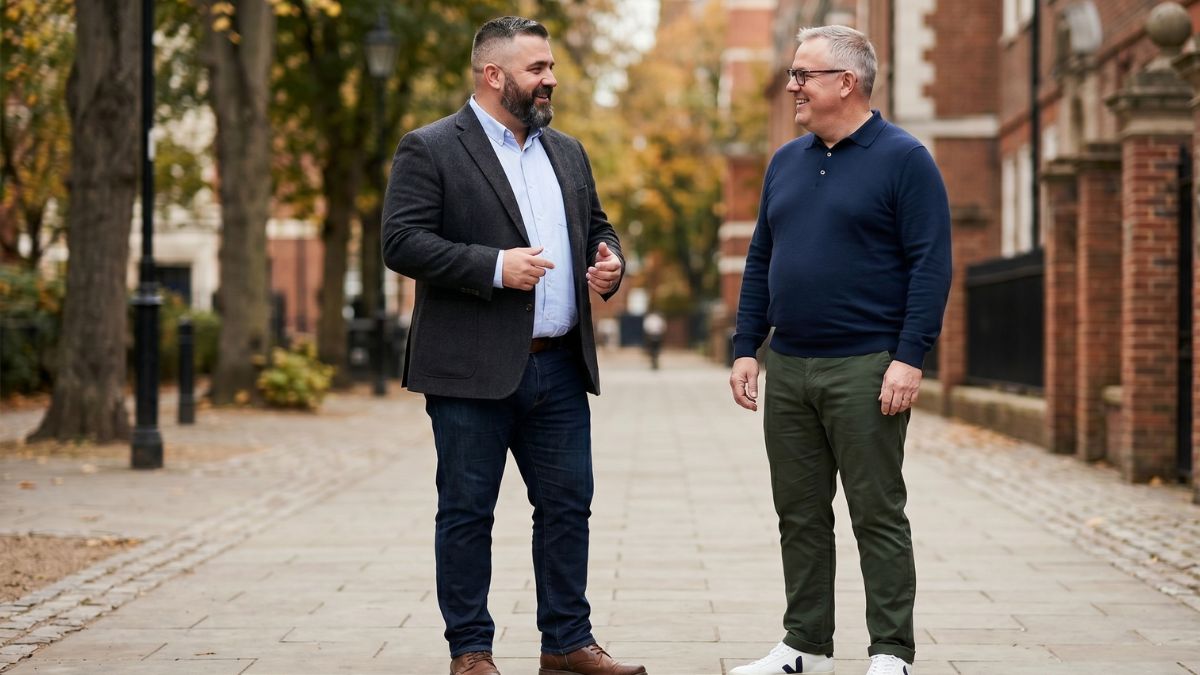
Looking sharp after 40 has less to do with trends and more to do with knowing what actually works for your body. Most plus size men reach a point where oversized shirts, baggy jeans, and loud styles stop feeling comfortable or confident. Fit matters more now. So does comfort. Nobody wants clothes that feel tight by dinner or outfits that make you look older than you are.
Good style at this age feels cleaner, simpler, and more natural. A well-fitting polo can look better than a closet full of trendy pieces. Dark jeans, solid layers, and proper shoes suddenly make a huge difference without trying too hard. Small upgrades change everything.
Confidence shows up differently in your 40s. You stop dressing to impress strangers and start dressing like a man who knows himself. That’s where real style starts, and these tips make it much easier to get there.
The Advice You’ve Been Given Is Built for a Different Body

Most men’s style guides were written with one body in mind. Slim shoulders. Flat stomach. A 32-inch waist. If that’s not you, following that advice doesn’t just fail it actively makes you look worse.
You’ve probably tried it. Picked up a “dress better” article, followed the rules, and walked away feeling like style simply wasn’t for you. That’s not a you problem. That’s a source problem.
Here’s what those guides got wrong for your body:
- Wear fitted clothes written for someone whose fitted and your fitted are completely different shapes
- Tuck in your shirt works on a flat stomach, creates a shelf on a rounded one
- Invest in basics navy and grey basics styled for a trim frame look shapeless on a larger one
- A slim-cut blazer elevates any outfit not when the buttons pull and the shoulders swim
Nothing in this guide assumes you’re working toward a different body. Every recommendation starts from where you actually are your proportions, your frame, your life. Sharp dressing at your size is completely achievable. It just needs different rules.
Why Fit Is the Only Rule That Actually Matters (And What It Means for Your Body)
Bigger clothes don’t hide weight. They add it visually. A shirt with six extra inches of fabric bunching at your sides tells the eye there’s something being concealed. Fitted clothes that skim your body without pulling or billowing tell the eye nothing except that you know how to dress.
Two traps catch most plus-size men:
- Buying too big the hide it instinct. Extra fabric pools, bunches, and makes you look larger than you are
- Buying too small the aspirational buy. Buttons pull, fabric stretches across the chest, and the whole outfit looks strained
- Ignoring the shoulders the most common miss. If your jacket’s shoulder seam droops past your shoulder bone, no other part of that outfit works
- Skipping the tailor off-the-rack sizing is built for an average body. Yours isn’t average. That’s not a flaw it’s just math
Here’s what correct fit actually looks like on a larger frame:
- Shoulder seam sits exactly at the edge of your shoulder bone not over it, not short of it
- Shirt fabric skims your torso. One finger of ease across the chest. No pulling, no tent
- Trouser waistband sits at your natural waist without a belt doing all the work
- Jacket button closes without the front pulling open
A tailor is not a luxury. Spending $20 to take in a $40 shirt makes it look like a $120 shirt. That’s the whole game.
The “Dark Colors Are Slimming” Myth Is Holding Your Wardrobe Hostage
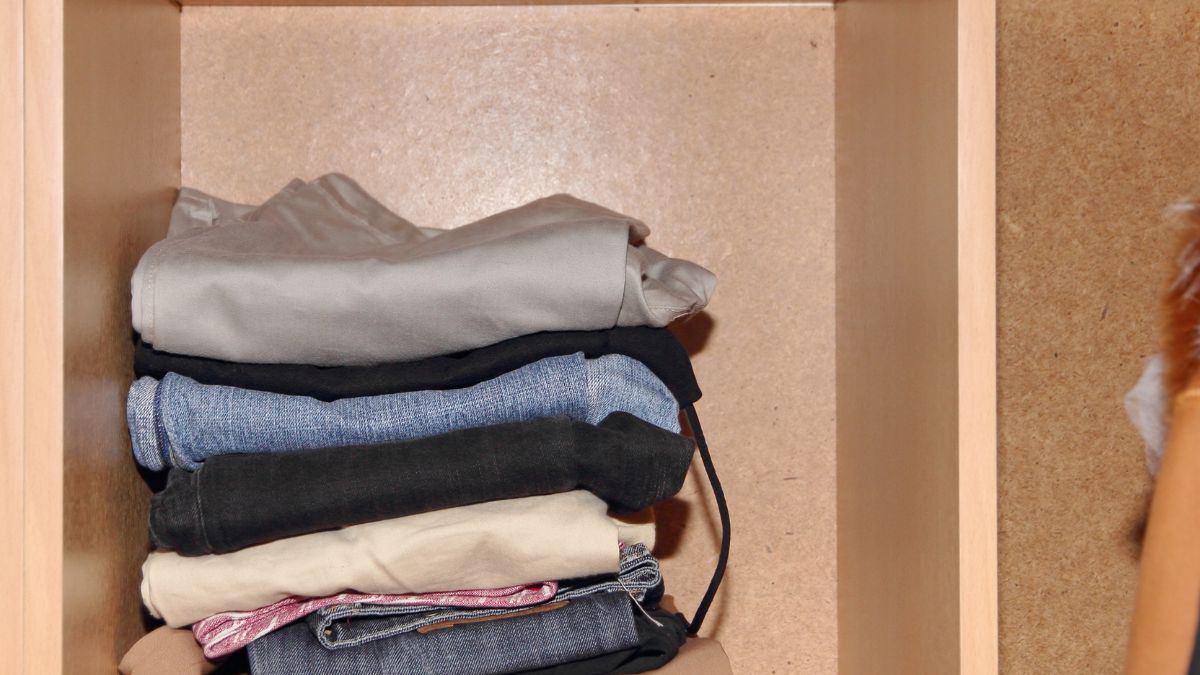
Black does not make you look slimmer. Head-to-toe dark outfits flatten your shape, remove all definition, and especially after 40 add years to how you look. Yet most plus-size men own a wardrobe that’s 80% black, navy, and charcoal. Safe. Invisible. Boring.
The real principle isn’t darkness it’s contrast and placement.
What actually works for your silhouette:
- Darker on the bottom, mid-tone on top draws the eye upward, creates a natural visual balance, and makes your upper body look broader and more structured
- Solid mid-tones on top burgundy, olive, slate blue, forest green. These colors add dimension without demanding attention
- Vertical structure in patterns a subtle pinstripe or thin vertical texture lengthens the body. The eye follows the line up and down, not side to side
- Medium-scale patterns a small-to-medium check or texture on a shirt works well. It adds interest without overwhelming your frame
What makes things worse:
- Large horizontal prints wide stripes or bold chest-level graphics push the eye outward, widening an already wide area
- All-over busy patterns loud prints with no structure just add visual noise and bulk
- Matching darks head to toe creates one unbroken dark mass with no definition anywhere
Color isn’t the enemy. Wearing the wrong colors in the wrong places is. One mid-tone shirt worn over dark chinos will do more for your silhouette than any all-black outfit ever will.
The 5 Wardrobe Pieces Every Plus Size Man Over 40 Should Own
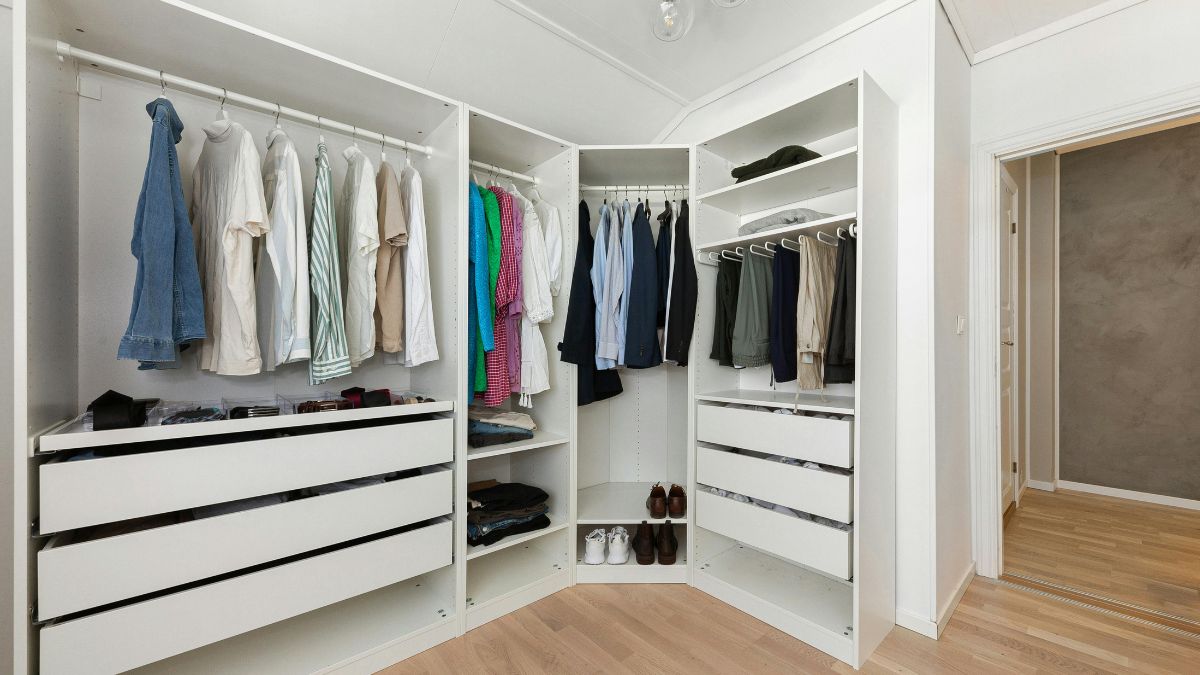
Forget building a “capsule wardrobe.” That advice usually means ten minimalist pieces that photograph well on a slim model and look shapeless on everyone else. These five pieces are chosen specifically because they perform on a larger frame they hold their shape, respond well to tailoring, and work across multiple situations.
1. A Structured Blazer Single highest-return piece in your wardrobe. A well-fitted blazer adds shoulder definition, creates a vertical line down your torso, and instantly lifts any outfit beneath it.
- Shoulder seam must sit at the bone non-negotiable
- One button closure, mid-weight fabric avoid double-breasted on a rounder stomach
- Navy, charcoal, or olive all work. Avoid black (too formal, too flat)
2. Dark Slim-Straight Chinos Not jeans — too casual and the waistband fights a rounded stomach. Not slacks — too stiff. Chinos sit at the natural waist, hold a clean line, and taper without clinging.
- Look for flat front, no pleats pleats add bulk at exactly the wrong place
- Dark navy or slate — not black, not khaki
3. An OCBD or Linen Shirt in a Non-Neutral Color Burgundy, olive, slate blue not white, not grey. Structure at the collar frames your face and draws the eye upward.
- Avoid oversized fits extra fabric adds width, not comfort
4. Chelsea or Derby Boots Footwear that ends at the ankle in a clean, unbroken line elongates the leg visually. Chunky trainers cut the leg short and add visual weight at the bottom.
- Clean leather or suede tan, brown, or cognac
5. A Crewneck Sweater in a Mid-Tone Layering piece that skims the torso without adding bulk. Crewneck not V-neck, which can look costumey after 40 sits cleanly under a blazer or alone.
- Medium weight, fitted through the chest not boxy
How to Shop for Fit When the Size Tags Lie
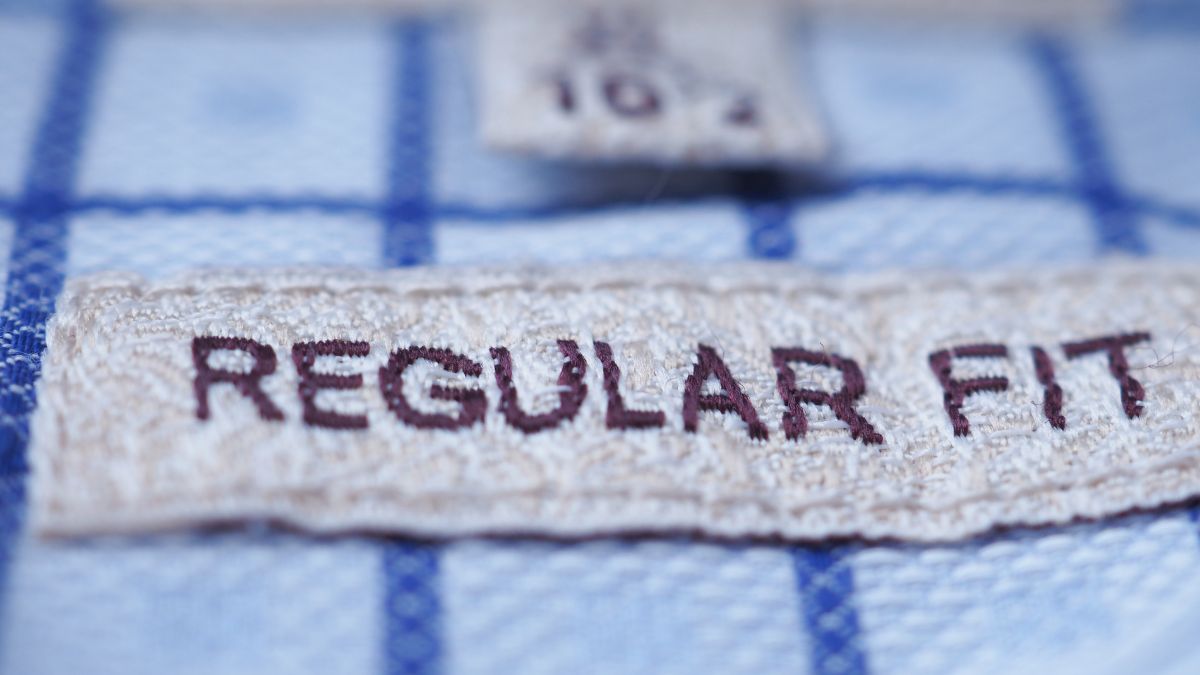
A size XL at one brand is a size L at another and a 2XL at a third. Chasing the number is a waste of time and the reason most fitting room sessions end in frustration. Stop shopping by label. Start shopping by measurement.
The three numbers that actually matter:
- Chest measured around the fullest part, tape parallel to the floor. This is your anchor number for shirts, blazers, and sweaters
- Waist measured at your natural waist, not where your trousers currently sit. One inch of ease on top of this number is what you’re looking for in chinos
- Inseam inside leg from crotch to ankle. Retailers list this. Most men never check it and end up with trousers that bunch at the foot
How to use a size chart correctly: Most men skip straight to S/M/L/XL. Scroll past that. Every decent retailer has a measurement-based size chart match your numbers to theirs, not their label to your memory of what you usually wear.
Retailers worth knowing for larger frames:
- ASOS Plus wide range, measurement-based sizing, generous returns for fit testing
- Bonobos extended sizing in cuts actually designed for the size, not stretched slim fits
- Marks & Spencer consistent sizing, good chino and shirt range in larger fits
- Ralph Lauren Big & Tall structured pieces that hold their shape at larger sizes
- Uniqlo size up one, then tailor. Affordable base pieces that respond well to alterations
One fitting room rule: if you’re pulling, tugging, or sucking in to close a button put it back. The right size needs no negotiation.
The Fit Fixes a Tailor Can Do in Under an Hour (And What They Cost)
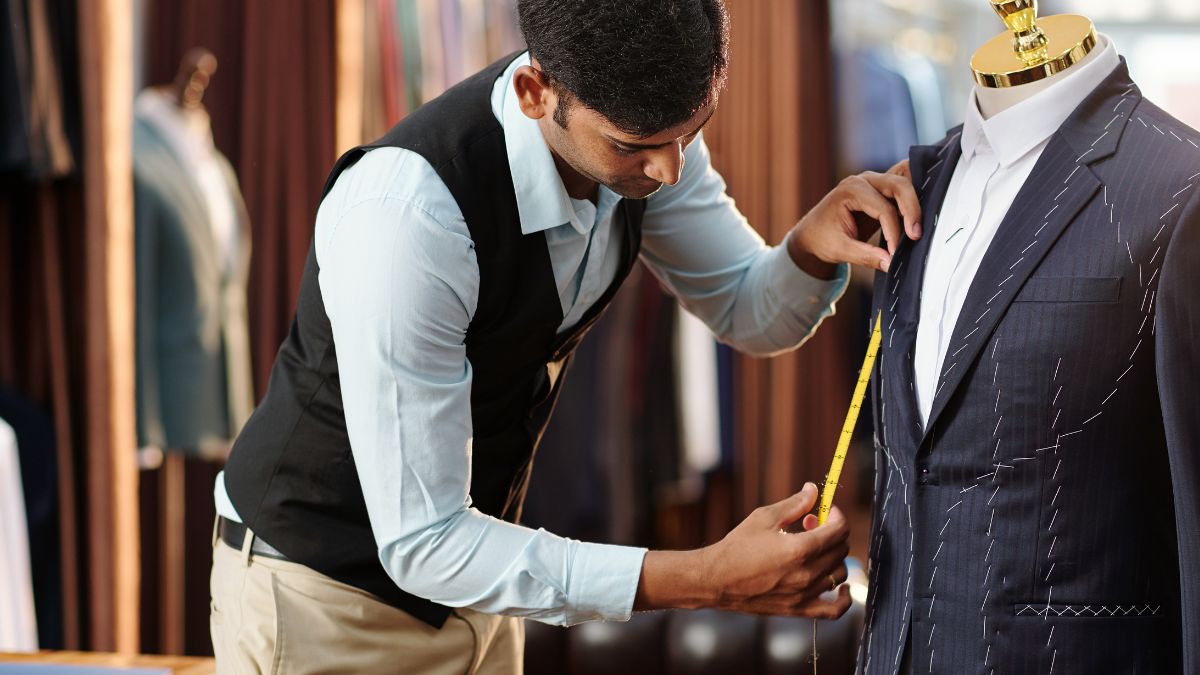
Tailoring is not just for suits. It is not expensive. Most men avoid it because it feels like a luxury step something you do after you’ve “arrived.” In reality, a $20 tailor visit on a $35 shirt makes it look like a $100 shirt. That’s the most cost-effective style move available to you.
The four alterations that matter most for plus-size men:
- Taking in the waist on a shirt off-the-rack shirts sized for your chest leave 4–6 inches of extra fabric at the sides. A tailor takes that in so the shirt skims your torso instead of billowing. Cost: $15–$25
- Hemming trousers to the right break too long and trousers bunch at the ankle, adding visual weight at the worst spot. A clean half-break or no-break hem fixes this instantly. Cost: $10–$20
- Tapering a jacket or blazer through the waist structured blazers often fit the shoulders correctly but hang straight down from there, creating a boxy silhouette. Taking in the waist creates shape. Cost: $40–$60
- Shortening sleeves shirt or jacket sleeves that hang past the wrist look sloppy and make the whole outfit read as “too big.” This is a fast, inexpensive fix most men never bother with. Cost: $15–$30
How to find a tailor worth trusting:
- Ask at a local dry cleaner most have an in-house tailor or a reliable referral
- Bring one low-stakes piece first a shirt, not a blazer to test their work before committing to anything expensive
- Show them a photo of what you’re going for, not just the garment. Context helps them make the right call
Tailoring is not the final step. It’s the step that makes everything else work.
Build Outfits That Work, Not Just Pieces That Fit

Having the right pieces is half the job. Knowing how to combine them is the other half and it’s where most men stall. The formula below removes the guesswork entirely.
The proportion formula: One fitted layer + one structured layer + one clean bottom
That’s it. Every outfit that works on a larger frame follows this structure. The fitted layer skims your torso. The structured layer adds shape and definition. The clean bottom creates a long, unbroken line from waist to shoe.
Three complete outfits using the five core pieces:
Outfit 1 — Casual
- Olive crewneck sweater (fitted layer)
- Dark navy chinos (clean bottom)
- Tan Chelsea boots
- No blazer needed the sweater does enough on its own at this level
Outfit 2 — Smart Casual
- Slate blue OCBD shirt (fitted layer)
- Navy structured blazer (structured layer)
- Dark chinos (clean bottom)
- Brown Derby boots
- This is the most versatile combination in the rotation works for dinner, meetings, or weekend events
Outfit 3 — Dressed Up
- Burgundy OCBD shirt (fitted layer)
- Charcoal blazer (structured layer)
- Dark slim-straight chinos (clean bottom)
- Clean cognac Chelsea boots
- Add a simple leather belt that matches the boots one less decision, one cleaner look
Why this formula works for larger frames specifically:
- Layering creates vertical lines the eye travels up and down, not across
- Structure at the top a blazer defines your shoulders, which anchors the whole silhouette
- Clean bottoms no cargo pockets, no distressed details, no break at the ankle. All of these add visual noise at the wrong places
Three outfits. One formula. No more standing in front of the wardrobe at 7am making it up as you go.
Your Starting Point: The One-Week Wardrobe Audit
Reading about style is easy. Acting on it is where most men stop. This audit takes under an hour and gives you a clear picture of exactly where you stand and what one move to make next. Not a full overhaul. Just a starting point.
The 3-step audit:
Step 1 Pull everything out Every shirt, trouser, blazer, and sweater comes out of the wardrobe and goes on the bed. All of it. Seeing everything at once breaks the habit of defaulting to the same three outfits because they’re at the front.
Step 2 Keep only what fits correctly right now Not what fit two years ago. Not what will fit after you lose weight. Apply the fit rules from earlier in this guide:
- Shoulder seams sitting at the bone
- Fabric skimming not pulling, not billowing
- Waistband sitting at the natural waist without a belt doing all the work
Anything that doesn’t pass goes in a separate pile. Donate it or repurpose it but get it out of the rotation.
Step 3 Identify what’s missing from the core five
- Structured blazer
- Dark slim-straight chinos
- OCBD or linen shirt in a non-neutral color
- Chelsea or Derby boots
- Crewneck sweater in a mid-tone
Circle the one or two pieces you don’t have. That’s your shopping list not a wishlist, not an overhaul. One or two pieces.
Your one action this week:
Pick one item from your keep pile that almost fits a shirt that’s slightly too boxy, trousers that are slightly too long. Book a tailor appointment. Spend $15–$25. See what it looks like afterward.
That single experience will do more for how you think about getting dressed than any amount of reading. Style at your size is not about buying more. It’s about making what you have work correctly and building from there.

Hello there! I’m Jesse Joe, the author and editor behind SolganGenius. I’m thrilled you’ve stopped by, and I can’t wait to share with you the essence of what this platform is all about.
I’m a writer, social media enthusiast, and a firm believer in the power of words. I’ve always been fascinated by how a simple phrase or slogan can capture an emotion, convey a message, and even change perspectives. Learn More