

You probably already know Florida skips the tax on your pension. That part is not news. But there is a state with a full income tax that charges retirees $0 on Social Security, pensions, 401(k) withdrawals, and IRA distributions. No cap. No phase-out. Most people have never put it on a shortlist.
This is where the retirement map gets useful. Over the next few sections you will see the three states that take the biggest bite out of retirement income and the five that protect it best for 2026. You will also see the numbers behind each spot, including the costs that never show up on an income-tax line.
Because the headline rate is only one part of the bill. Property taxes, homeowner's insurance, sales tax, and estate taxes can erase the savings from a so-called tax-free state. By the end, you will have a clear ranking and a way to match it to your own income, health, and housing plans.
The numbers that decide the move
What a retiree actually pays in each state
Vermont taxes Social Security early and pensions hard
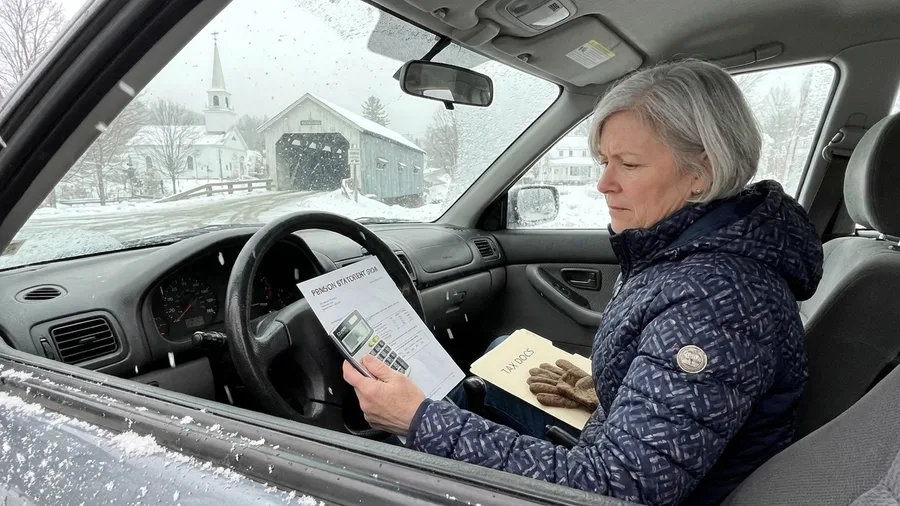
Vermont is one of the worst states for retirement taxes because it starts taxing Social Security at $50,000 of income for single filers, the lowest trigger in the country, and it does not let up after that.
Pensions and 401(k) withdrawals get hit at rates up to 8.75%. There is also a flat 16% estate tax, so the state follows the money past the grave.
Put real numbers on it. Take someone drawing a $50,000 pension plus $25,000 in Social Security benefits — that person can expect to pay somewhere between $3,000 and $4,000 a year in state income tax. That is a car payment, every month, forever, and you never see a bill for it because it comes out before you do.
Then you add property taxes that rank among the highest in the Northeast. This is the part people miss when they picture a farmhouse and a covered bridge.
And here is who gets hurt first. Not the wealthy. It is retirees with modest pension income who assumed a smaller state would be gentler. The couple with $75,000 in combined retirement income is exactly the household this tax structure was never designed to spare.
Vermont is beautiful, and nobody is arguing otherwise. But run the numbers on your actual retirement income before you fall in love with the scenery, because the state will want its cut of it.
Minnesota's high rates and estate tax bite

Minnesota is a bad retirement-tax state because it taxes pensions, 401(k), and IRA withdrawals at a top rate of 9.85%, even though its hospitals are excellent.
Social Security gets taxed too once your income climbs above roughly $84,000. The estate tax kicks in at $3 million, so if leaving something behind matters to you, that line lands too.
Take someone drawing a $65,000 pension plus $25,000 in Social Security benefits — that person pays about $4,500 a year. Let me put a dollar amount on that the way it actually feels: $375 a month. Every month. For as long as you live there. It comes out of the retirement check before anything else gets paid.
Now, and I know what you are thinking, Mayo Clinic-level care is worth a lot. It really is. But it does not offset a recurring tax bill if you are on a fixed budget, and that is the trade-off nobody spells out. You can live near world-class medicine and still be the household that has to budget around the tax line.
That is the double charge. Great healthcare is not free, and Minnesota makes you pay for it twice: once for the care, and once more for the privilege of being taxed at 9.85% while you live there.
California's top rate makes it the worst overall
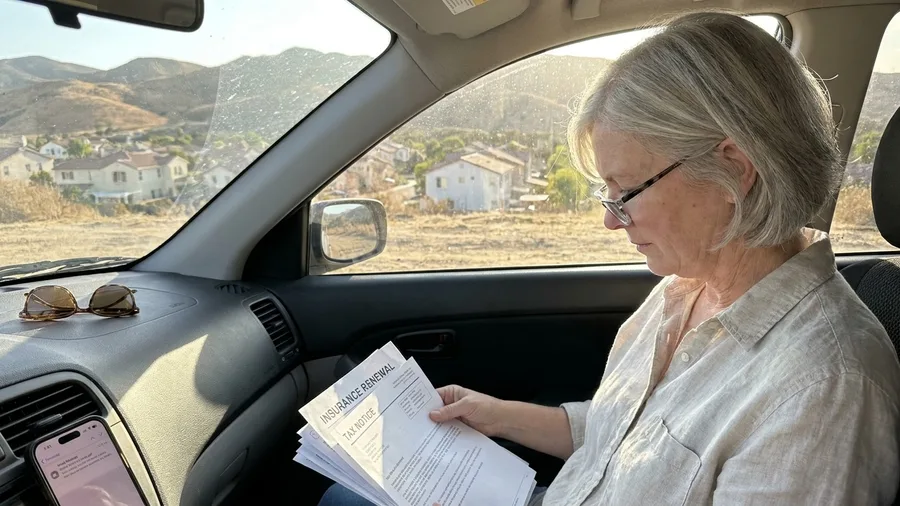
California ranks worst for retirees because its top income tax rate is 13.3%, the highest in the country, and it taxes almost every dollar of retirement income except Social Security.
The Social Security exemption is real. Here is the thing, though: that is the one bright spot, and it does not cover much. Pensions, 401(k) withdrawals, IRA distributions, and annuity income are all fully taxed with no exclusion and no deduction.
Take someone with $60,000 of pension income plus $30,000 coming out of an IRA — that person pays about $5,400 a year in state income tax. That is not a rounding error. That is a used car, every year, for the rest of your life.
And that is before you get to the housing. The median home price is $869,000, and wildfire insurance premiums have doubled in five years. The tax bill is only the first line on a long list of things that cost more.
If you are moving to California for family, or for the weather, or for the ocean, go in with your eyes open. It is a great state. It is also a state that will take its cut.
No income tax can still cost more

A no-income-tax state is not automatically cheaper for retirees, because states still need revenue, and they get it from property taxes, sales taxes, insurance costs, and rising HOA fees.
There is a trap here, and it catches a lot of people. Say you move to a state with no income tax and save $3,000 a year. Then homeowner's insurance runs $5,600 more than it did back home. You did not win. You lost $2,600 and got worse weather.
That happens more often than people care to admit. Hurricane and wildfire risk drive premiums, and those premiums do not show up on the income-tax line at all. That gap between sticker price and real cost is why cheap places to retire deserve a second look after hidden costs. Neither do HOA increases, and neither does an estate tax, if the state has one.
So compare total annual costs, not one line. Add up income tax, property tax, insurance, sales tax on the things you actually buy, and HOA dues. Five columns on a spreadsheet, one number at the bottom.
The state with the lowest income tax is not always the winner. Honestly, it is not even always in the running.
| State | Rank | Retirement income tax | Property tax / housing | Estate or inheritance tax | Other costs to check |
|---|---|---|---|---|---|
| Vermont | Worst | Social Security taxed above $50k single; pensions up to 8.75% | Among highest in Northeast | 16% flat estate tax | High property tax burden |
| Minnesota | Worst | Top rate 9.85% on pensions, 401(k), IRA; Social Security taxed above ~$84k | Moderate to high | Estate tax starts at $3M | $375/month for example retiree |
| California | Worst | Top rate 13.3%; Social Security exempt, all else taxed | Median home $869k; wildfire insurance doubled in 5 years | None | High housing and insurance |
| Iowa | 5th best | Retirement income exempt from age 55 | ~1% property tax | Inheritance tax eliminated 2025 | Cold winters; thin healthcare outside metros |
| Nevada | 4th best | No income tax | 0.47% property tax; $400k home ~$1,880/yr | None | Healthcare ranks 35th; ~188 doctors per 100k |
| Pennsylvania | 3rd best | 100% exempt Social Security, pensions, 401(k), IRA; 3.07% on other income | Suburban Philadelphia $6k–$9k; median ~$6,300 | Inheritance tax 4.5% to children, 12% to siblings | $921 tax on $60k pension + $30k investment income |
| Tennessee | 2nd best | No income tax | 0.56% property tax | None | ~9.6% combined sales tax; groceries taxed 4% |
| Florida | Best | No income tax in constitution | Homestead cap 3%; insurance avg $7,136/yr | None | Coastal insurance $10k+; flood insurance extra |
Five categories drive the state ranking

The best and worst states were chosen by scoring all 50 across five categories, not by looking at income tax alone.
Those categories are how each state treats retirement income, what property taxes and housing cost, whether healthcare is easy to reach, lifestyle and logistics, and hidden costs like insurance and estate taxes.
A single tax headline cannot capture the trade-offs, and that is the whole point. A state can be generous on income tax and brutal on insurance. Another can tax investment income and still leave you with a lower total bill.
Here is why that matters for you. Two retirees with the same savings can get completely different answers, depending on whether their money sits in a pension, an IRA, or their house. The category that decides their ranking is not the same one.
So keep the five categories in mind as you read each state. The one that matters most to you may not be the one that decided the order.
Iowa exempts retirement income from age 55
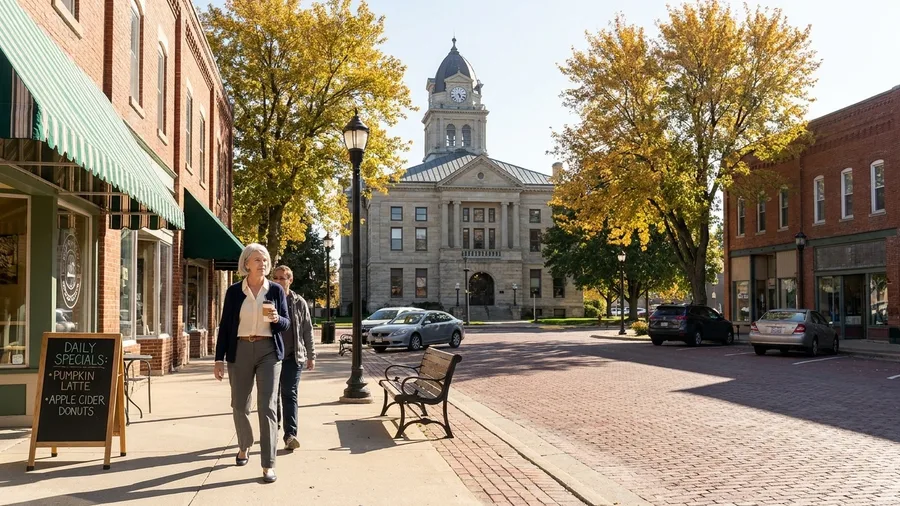
Iowa cracks the top five for one reason: it stops taxing retirement income at 55, which is earlier than most states that offer any kind of break. Social Security, pensions, 401(k) withdrawals, IRA distributions – all of it comes out tax-free at the state level once you hit that age.
That age-55 trigger is the part people miss. A lot of states exempt retirement income only when you reach the federal retirement age or when you start taking required withdrawals, which can be years later. Iowa lets you plan around it sooner, and if you retire early, that matters.
The state also killed its inheritance tax in 2025, so what you leave behind passes to your heirs without Iowa taking a slice. Even with breaks like these, filers still miss tax breaks retirees forget to claim year after year. The flat income tax rate is on its way down to 3.9%, but honestly, retirees living on retirement income won't feel that rate anyway.
Here's the catch, and it's not small. Winters are cold, and outside Des Moines the metro amenities thin out fast. Property taxes run around 1%, and healthcare access outside the bigger cities is limited – so if you need a specialist on every corner, Iowa will frustrate you.
Iowa suits retirees who'll trade climate and big-city convenience for tax protection. If you can handle January and your health needs are modest, it's absolutely worth a look.
Nevada wins on taxes but loses on doctors

Nevada is a great retirement state on paper for taxes and a risky one on healthcare, and that trade-off is the whole story. There's no state income tax, no estate tax, and no inheritance tax, which is about as clean a tax picture as you'll find anywhere.
Property taxes are the quiet bonus. Nevada ranks third lowest in the country at 0.47%, so a $400,000 house around Las Vegas runs about $1,880 a year. Compare that to a Northeast suburb and the savings are real money, every year.
Now the part that catches people. Nevada ranks 35th nationally for healthcare, with roughly 188 doctors per 100,000 residents. Pennsylvania has about 280. That gap isn't abstract – it's how long you wait for an appointment and how far you drive to see someone good.
Nevada suits healthy retirees who don't need regular specialists and mostly want low taxes and sunshine. If you're planning for 15 or 20 years and expect to lean on doctors more, that thin bench matters more than the tax bill.
So before you pack, check the physician supply in the specific metro you're eyeing, not just the state average. It's the number that decides whether the tax savings feel worth it.
💡 PRO TIP
Run the insurance quote first
Before you fall for a low-tax state, get a homeowner's insurance quote for the specific address. A $3,000 income-tax saving can disappear fast against a $7,000 premium.
Pennsylvania zeroes out retirement income

Pennsylvania beats no-income-tax states because it exempts 100% of Social Security, public and private pensions, 401(k) withdrawals, and IRA distributions, with no income cap and no phase-out. Not a deduction – an exemption. The retirement income simply isn't taxed.
The 3.07% flat rate only touches earned income, investment income, and capital gains. So run the math: someone drawing $60,000 of pension income plus $30,000 of investment income pays about $921 in Pennsylvania. The same profile in California runs about $5,400.
And here's the number that surprises people. You'd need to take in more than $183,000 a year from non-retirement investments before Pennsylvania's rate costs you more than Florida's extra insurance premiums alone. Most retirees are nowhere near that line.
For a Northeast retiree living on a pension and Social Security, the state income tax bill is effectively zero. That's why it competes with Florida despite having an income tax on the books.
One habit worth building: separate your retirement income from your investment income when you estimate. Only the second bucket gets taxed, and that's the figure to budget for.
Pennsylvania property and inheritance taxes keep it from #1
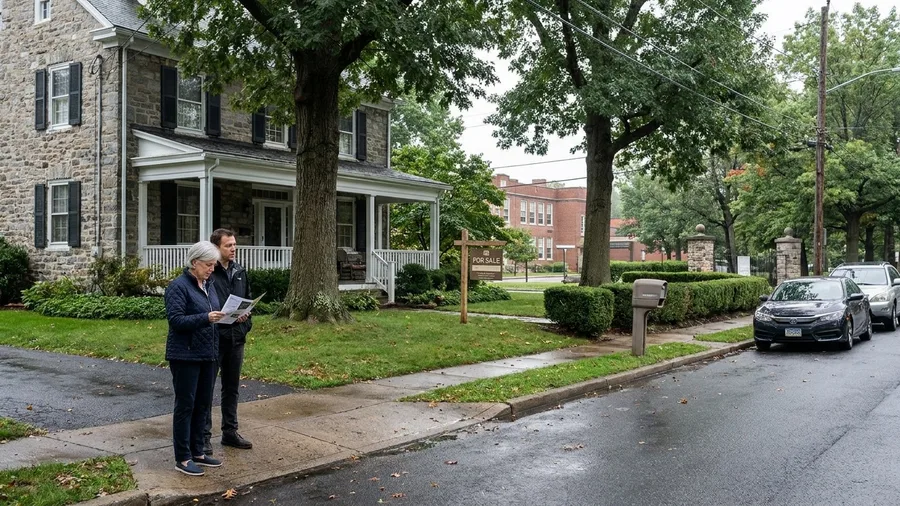
What keeps Pennsylvania at third instead of first is property taxes and an inheritance tax that can take a real bite out of what you leave behind. The retirement-income exemption is excellent, but these two costs drag it down.
In the Philadelphia suburbs, property taxes run $6,000 to $9,000 a year on the kind of house most retirees buy. Across Bucks, Montgomery, Chester, and Delaware counties, the median bill is about $6,300 on homes priced $400,000 to $600,000.
Delaware County pushes the median to nearly $7,900, and towns like Media or Newtown can clear $8,000. School district levies drive most of that – you're paying for the schools whether or not you have kids in them.
Then there's the inheritance tax: 4.5% to children and 12% to siblings. On a $1 million estate passed to your kids, that's roughly $45,000. Not a rounding error.
So Pennsylvania rewards the income side and charges you on the property and estate side. Worth checking the millage rate in the specific school district before you buy – it varies more than the state average suggests.
How insurance flipped a Florida move to Pennsylvania

Insurance costs can absolutely flip which state is cheaper, and one north Jersey couple is the clearest example of it. He had just retired with a $72,000 pension, she was drawing Social Security, and they'd set their hearts on Sarasota.
Then they pulled the average homeowner's insurance for that part of Florida: over $6,800 a year, and much higher in some coastal ZIP codes. They both went quiet, and he started doing the math on his phone right there in the kitchen.
They bought in Doylestown instead. Their insurance is $1,400 a year, Pennsylvania taxes their pension and Social Security at zero, and the numbers suddenly worked in a state they hadn't even considered.
The clincher wasn't financial. Doylestown Hospital joined Penn Medicine, and her mother, who already sees a Penn cardiologist, is 20 minutes away. That last part tipped it.
The lesson is simple: price the insurance before you fall for the sunshine. A low tax bill means nothing if the policy eats the difference.
Philadelphia suburbs add top hospitals and walkable towns

The suburbs around Philadelphia add hospitals and walkable downtowns on top of the tax break, and for some retirees that combination matters more than a smaller tax line.
Penn Medicine, ranked 13th nationally, is 20 to 40 minutes from your door. Jefferson Health is right there too, and Main Line Health runs 5 hospitals with more than 150 locations across the region. If your eyes are the concern, Wills Eye ranks 2nd in the country for ophthalmology.
That kind of access changes how a move feels once you are actually living it. A cardiologist appointment is a 25-minute drive, not a flight back to your old city.
The towns hold up their end too. Media, Doylestown, West Chester, and Newtown all have real downtowns, with restaurants, sidewalks, and places you can walk to on a Tuesday afternoon. Doylestown in particular has become a favorite for retirees who want a main street they can use without a car.
You can also get to family in New Jersey or New York for a visit without ever boarding a plane, which quietly solves a problem a lot of Sun Belt moves create.
if you stop driving, a grid of sidewalks is worth real money.
So run the math both ways. Add up what the tax savings actually are, then ask what the hospitals and the downtown are worth to you. For plenty of retirees in the Northeast, that answer pushes Pennsylvania ahead of a warmer state.
Tennessee's low taxes hide a high sales tax

Tennessee is second rather than first because the state has no income tax, no estate tax, and no inheritance tax, and property taxes average just 0.56%, but its sales tax is the highest in the country.
Nashville has strong hospitals, including Vanderbilt, and everyday costs there are about 7% under the national average. That part earns the ranking honestly, and it is why the state keeps showing up on lists like this one.
Then you get to the register. The combined sales tax rate is roughly 9.6%, and groceries are taxed at 4%. Someone spending $50,000 a year on taxable goods pays close to $4,800 in sales tax. That is $400 a month, every month, for as long as you live there.
That $400 never shows up on a no-income-tax list, which is exactly why it catches people off guard. They budget around the missing income tax and forget that the state still collects, just on a different line.
Pennsylvania, by comparison, exempts groceries and clothing entirely, and its income tax only hits what is left after retirement income is excluded. So the two states trade places depending on how you spend. Someone with a large pension and modest shopping habits comes out ahead in Tennessee. Someone who spends heavily on everyday goods may not.
Over a 20-year retirement, the gap adds up fast. Run your own spending through both states before you pack, because the sales tax rate is the number that does not announce itself.
Florida ranks #1 but insurance is the catch
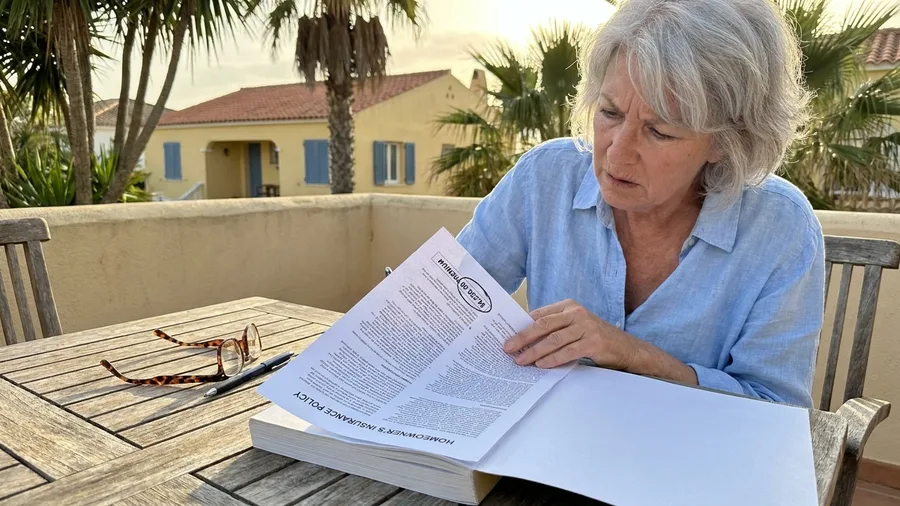
Florida still ranks first for retirees, and yes, it is still worth it for a lot of people, but only once you have priced the insurance.
The tax side is as strong as it gets. There is no state income tax written into the constitution, so it is not something a future legislature can quietly undo. There is no estate tax and no inheritance tax either.
The retiree infrastructure is unmatched too: senior communities, geriatric specialists, and airports almost everywhere. The homestead exemption also caps property-tax assessment increases at 3% a year, which protects you as values climb.
But homeowner's insurance averages $7,136 a year, the highest in the nation. Coastal counties can exceed $10,000, and flood insurance comes on top of that. Those premiums have been climbing, not falling.
Saving $3,000 on income tax while spending $5,600 more on insurance means you lost money on the move. That is the whole calculation in one line, and it is the one people skip.
So Florida still works, but the whole picture has to add up. Get an insurance quote for the exact address before you make an offer, not after. The tax break is real. Just make sure the insurance bill does not eat it.
Where the tax burden lands
Key rates that drive the ranking
There is no single best state for everyone
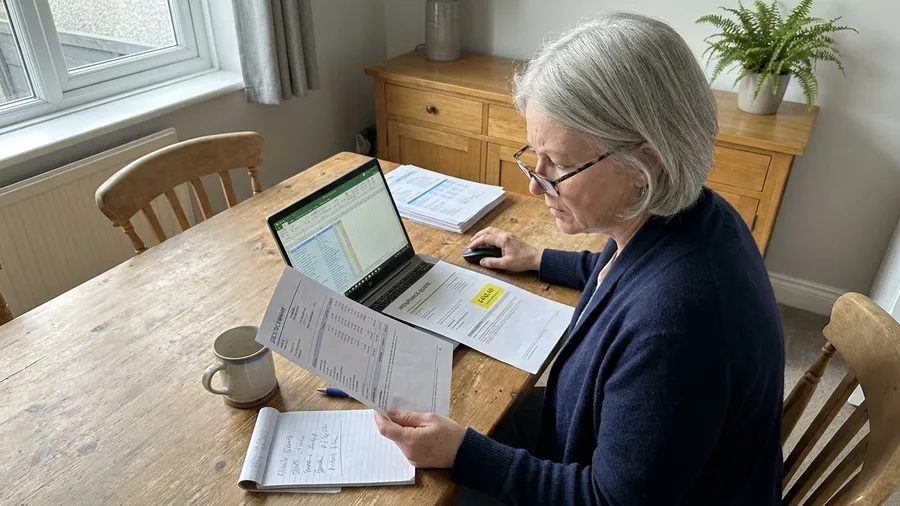
There is no single best state for retirement, because the right one depends entirely on which costs matter most to you and which you can live with.
Florida wins if warm weather and zero income tax top your list, as long as you can absorb the insurance bill. Tennessee wins if low property taxes and a low cost of living matter most, and you can handle the sales tax at the register.
Nevada wins on simplicity and low housing costs, with no income tax and property taxes around 0.47%. Pennsylvania wins for Northeast retirees who want $0 tax on retirement income and top-15 hospitals within driving distance, even with the property tax bill that comes with the suburbs.
Notice that each answer comes with a caveat. That is the point. The state that looks best on paper can lose once insurance, property tax, and sales tax are added in.
So run your own numbers rather than chasing a headline. Write down your pension, your Social Security, your investment income, and what you actually spend in a year on goods and housing. Then price insurance for the exact address you are considering.
The state that survives that exercise is your answer. It might not be the one at the top of any list, and that is fine, because the list is not paying your bills.
Frequently Asked Questions
Which state is really the best for retirement taxes in 2026?
Florida ranks first overall because it has no state income tax in its constitution and no estate or inheritance tax. But the best state for you depends on insurance costs, property taxes, and healthcare needs, so run the full numbers before you commit.
Does Pennsylvania really have no tax on retirement income?
Pennsylvania exempts 100% of Social Security, public and private pensions, 401(k) withdrawals, and IRA distributions with no income cap. The flat 3.07% rate applies only to earned income, investment income, and capital gains.
Is Nevada a good choice if I need doctors?
Nevada has no income, estate, or inheritance tax and very low property taxes, but it ranks 35th nationally for healthcare access with about 188 doctors per 100,000 residents. It suits healthy retirees who do not need regular specialists.
Why is Tennessee not ranked first if it has no income tax?
Tennessee has no income tax and low property taxes, but its combined sales tax rate is roughly 9.6%, the highest in the country, and groceries are taxed at 4%. A retiree spending $50,000 on taxable goods pays close to $4,800 a year in sales tax.
How much does Florida homeowner's insurance cost?
Florida homeowner's insurance averages $7,136 a year, the highest in the nation. In coastal counties, it can exceed $10,000, and flood insurance is extra. Get a quote for the specific address before you decide.
Pick your states, then get three local quotes
Start by picking two or three candidate states. Then weight the five categories by your own health, income, and family needs, because the state that wins on taxes can lose on doctors or insurance.
Before you commit, get three local quotes: an income-tax estimate, a property-tax bill for a specific address, and a homeowner's or flood insurance quote. That is the math that decides the move.
Run the numbers before you move
Pick your top three states and request an insurance quote for a real address in each. The difference may change your shortlist.

Hello there! I’m Jesse Joe, the author and editor behind SolganGenius. I’m thrilled you’ve stopped by, and I can’t wait to share with you the essence of what this platform is all about.
I’m a writer, social media enthusiast, and a firm believer in the power of words. I’ve always been fascinated by how a simple phrase or slogan can capture an emotion, convey a message, and even change perspectives. Learn More