

Three weeks in, you were doing everything right. Then the scale stopped moving, your knees started aching, and every fitness video you found starred someone built nothing like you.
Most advice wasn’t written for your body. That’s not an excuse it’s just true, and pretending otherwise wastes your time.
What follows is built around how plus size men actually move, recover, and progress. No filler phases. Nothing that assumes you’re already halfway fit. Just an honest plan starting with the one thing most guys track wrong from day one.
Every “Beginner” Program You’ve Tried Was Designed for Someone 80 Pounds Lighter

Most “beginner” fitness programs are not actually for beginners. They’re built for someone who is already somewhat active, around 180 pounds, and can drop into a squat without their knees screaming.
Sound familiar? That is not a flaw in you it’s a flaw in the program.
What those programs quietly assume you can already do:
- Get down to the floor and back up without needing to hold onto something
- Complete 10 push-ups with full range of motion and no wrist or shoulder pain
- Jog for 20 minutes straight without joint pain stopping you first
- Hold a plank for 30 seconds without your lower back giving out
- Sit into a deep squat below parallel without your knees caving inward
If two or three of those felt impossible, the program was never built for your starting point. You did not fail it.
Fitness content is written for the “average” person and in fitness marketing, that person weighs around 160 pounds and has never been seriously out of shape. Your body carries more load on every joint, needs more recovery time, and moves differently than that template assumes.
Recognizing this is not an excuse. It is the exact reason why a different starting point will get you further than trying the same programs again with more willpower.
Walk 20 Minutes a Day — But Use This Exact Pace and Weekly Progression to Actually See Results

Walking gets dismissed as “not real exercise.” Ignore that. For plus size men starting out, a consistent 20-minute walk does more for your joints, heart, and long-term momentum than any intense workout you quit after day four.
The mistake most people make is going too hard too fast. They push on day one, feel destroyed by day three, and stop completely by the end of week one.
Here is what actually works instead:
Pace Rule The Conversation Test:
- You should be able to speak a full sentence without gasping
- Slight breathlessness is fine fighting for air is not
- Humming or singing means you are going too slow; push slightly harder
Why this pace works specifically for plus size men: Carrying extra weight means your heart and joints are already working harder than a lighter person at the same speed. Slowing down is not laziness it is smart load management that keeps you moving for weeks instead of days.
Your 4-Week Walking Progression
| Week | Duration | Days/Week | Pace Target | Focus |
|---|---|---|---|---|
| Week 1 | 15 mins | 3 days | Full conversation, fully comfortable | Build the habit |
| Week 2 | 20 mins | 4 days | Slight breathlessness is okay | Build endurance |
| Week 3 | 25 mins | 5 days | Short sentences only | Build pace |
| Week 4 | 30 mins | 5 days | Push harder for the last 5 minutes | Build stamina |
Two non-negotiable rules:
- Stop immediately if your knees or hips hurt pain at this stage is a signal, not something to push through
- Stick to flat surfaces in weeks 1 and 2 before adding any incline
These 4 Exercises Build Real Strength Without Destroying Your Knees or Lower Back

Standard beginner programs put you on the floor immediately. Push-ups, burpees, mountain climbers all movements that force you down and back up repeatedly, loading your wrists, knees, and lower back before you’ve built any strength to support that weight.
These four exercises skip that problem entirely.
1. Wall Push-Ups
- Stand an arm’s length from a wall, hands flat at chest height, slightly wider than your shoulders
- Lower your chest toward the wall slowly, then push back to start
- Works your chest, shoulders, and triceps with zero floor or wrist pressure
- Why it works: Your bodyweight stays on your feet not distributed across joints that aren’t ready yet
2. Seated Resistance Band Rows
- Anchor a resistance band at chest height in a doorway, sit in a sturdy chair
- Pull both handles toward your chest, squeeze shoulder blades together for 1 second
- Why it works: Builds the upper back muscles that reduce shoulder and neck pain over time all while seated, no spinal compression
3. Step-Ups on a Low Step (6–8 inches only)
- Place one foot fully on the step, drive through that heel to bring your body up
- Alternate legs for each rep
- Why it works: Builds real leg strength without the deep knee bend that causes pain in traditional squats
4. Box Squat to a Chair
- Stand in front of a firm chair, feet shoulder-width apart, toes slightly turned out
- Lower slowly until you lightly touch the seat then stand back up controlled
- Why it works: The chair sets a safe depth limit, stopping your knees before they travel past your toes
Weekly Starting Volume
| Exercise | Sets | Reps | Rest Between Sets |
|---|---|---|---|
| Wall Push-Ups | 2 | 10 | 60 seconds |
| Seated Band Rows | 2 | 12 | 60 seconds |
| Step-Ups | 2 | 8 per leg | 90 seconds |
| Box Squats to Chair | 2 | 10 | 90 seconds |
Run this twice a week. Always keep at least one full rest day between sessions recovery is where your body actually gets stronger.
Your Joints Are Not the Problem — These Simple Modifications Fix the Exercises That Keep Hurting You

“Push through the pain” is the worst advice ever given in a gym. Pain during exercise is your body flagging a real problem not a test of your toughness. For plus size men, ignoring joint pain does not build strength. It builds injuries that keep you off your feet for weeks.
Your joints are not weak. They are managing more load than most exercise programs were ever designed to handle. The fix is not pushing harder it is swapping the movement for one that trains the same muscles with far less joint stress.
The wrong belief: Pain means you need to toughen up and keep going. The truth: Pain means you need a smarter version of the same exercise.
There are 4 direct swaps that work:
- Floor push-ups hurt your wrists or shoulders → Switch to incline push-ups with hands on a sturdy countertop at hip height. Same chest and shoulder work without loading your wrists at a painful angle
- Treadmill running hurts your knees → Use a recumbent or stationary bike instead. Your knees move in a controlled range with zero impact force hitting the joint on every stride
- Deep squats cause knee pain → Squat only to chair height. Stop the moment your thighs reach parallel never go lower until you have 8 solid weeks of strength built
- Floor crunches hurt your lower back → Do seated torso rotations with a light resistance band anchored at chest height. Full core engagement, zero spinal compression
Know the Difference Pain vs. Normal Effort
| What You Feel | What It Means | What To Do |
|---|---|---|
| Muscle burn during reps | Normal training effort | Keep going |
| Sharp knee or hip pain | Joint stress signal | Stop swap the exercise |
| Lower back ache mid-movement | Too much range or load | Reduce depth or resistance |
| Soreness 24–48 hrs after workout | Normal muscle recovery | Rest, then continue |
Discomfort from hard work is normal. Pain in a joint is not. Treat that difference seriously and you will stay in this far longer than anyone who just gritted their teeth and kept going.
Train 2 Days a Week First, Not 5 — Here’s the Science Behind Why More Is Working Against You Right Now

Every fitness influencer tells you to train five or six days a week. More sessions, more results — that is the message. But for someone starting at a higher body weight with no recent training history, five days a week in month one does not accelerate progress. It accelerates quitting.
Here is why. Muscles break down during exercise and rebuild during rest. That rebuilding process takes longer when your body is carrying more weight and adapting to movements it has not done in years. Skipping rest days does not make you tougher it means your body never finishes recovering before you break it down again.
What most people do:
- Start a 5-day program on pure motivation
- Feel completely wiped out by day 3
- Skip days 4 and 5, promising to restart Monday
- Never actually restart
What actually works:
- Train exactly 2 full days per week for your first 6 weeks
- Space sessions at least 2 days apart Monday and Thursday works well
- Fill rest days with your 20-minute walks, not extra training
- After 6 consecutive weeks with zero missed sessions, add a third training day not before
Your starter weekly structure:
- Monday Strength session (4 exercises, 2 sets each)
- Tuesday 20-minute walk only
- Wednesday Full rest or light walk
- Thursday Strength session
- Friday–Sunday Walking days or complete rest
Six weeks of two consistent sessions beats six weeks of missed five-day attempts every single time. Consistency at a lower frequency builds the habit first and the habit is what every result grows from.
Eat More Protein at Every Meal Before You Count a Single Calorie

Most nutrition advice for men who want to lose weight starts with one word: subtract. Drop the carbs. Skip meals. Eliminate entire food groups. That approach lasts about 11 days before hunger takes over and everything resets back to exactly where you started.
Forget all of that. Start with one addition instead.
Get 30–40 grams of protein at every meal. This single change without counting a calorie or cutting out any food reduces hunger between meals, protects the muscle you are building through exercise, and keeps your energy steady throughout the day.
Why protein matters more for plus size men specifically:
- Your body already burns more energy just carrying its current weight protein supports that demand
- Building muscle requires protein as the raw material; without enough, your body steals it from muscle tissue instead
- Higher protein intake reduces cravings in the evening, which is when most men undo a full day of good eating
What 30–40g of protein looks like per meal zero cooking skills needed:
- Breakfast: 3 whole eggs + 1 cup Greek yogurt = ≈ 35g protein
- Lunch: 1 can of tuna + 2 slices whole wheat bread = ≈ 32g protein
- Dinner: 6 oz grilled chicken breast or 90% lean ground beef = ≈ 38g protein
- Fast option: 2 scoops whey protein mixed in water or milk = ≈ 40g protein
What you do NOT need to do right now:
- Count every calorie or track macros in an app
- Cut out bread, rice, or pasta completely
- Follow a rigid meal plan with no flexibility
- Buy expensive supplements beyond a basic protein powder
Hit your protein target at each meal first. Everything else portions, meal timing, food quality gets refined later once this one habit is locked in and consistent.
Stop Stepping on the Scale Every Morning — Track These 3 Things Instead
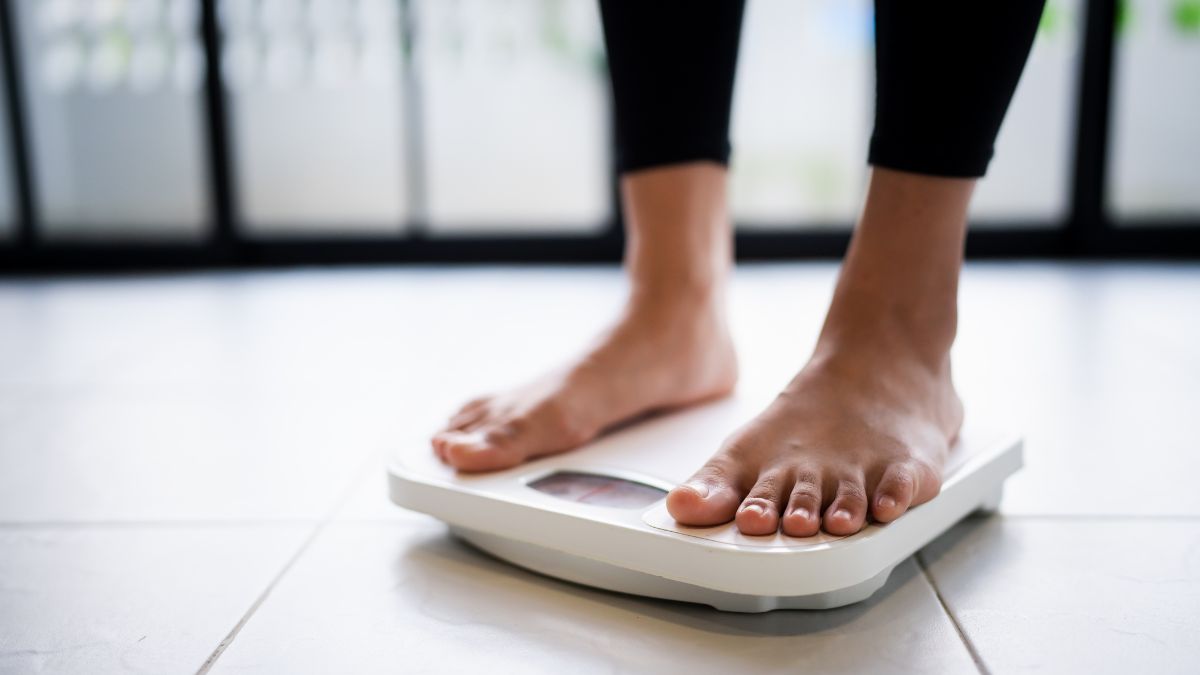
Here’s what nobody tells you: the scale will lie to you in weeks 2 through 4. Almost every time. Your body is building muscle, shifting water, and adjusting all at once. That number going sideways doesn’t mean you failed. It means your body is doing exactly what it’s supposed to do.
Most guys quit right here. Don’t be that guy.
Throw out the daily weigh-ins. Track these three things instead:
- Reps completed per workout. Write down how many push-ups or rows you finish each session. When that number goes from 8 to 12, your body got stronger whether the scale moved or not.
- How far you walk before getting winded. Not total steps. The exact moment you feel that tightness in your chest. When that moment keeps arriving later and later, your heart and lungs are winning.
- Waist measurement every 30 days. Use a soft tape measure, same spot, same time of morning. Belly fat drops before weight does for most plus size men, because your body burns stored fat around the midsection during sustained cardio. The tape will show progress the scale hides.
Progress that isn’t measured gets ignored. Measure the right things, and you’ll have real reasons to keep going even when the number on the floor doesn’t budge.
The 30-Minute Gym Routine That Avoids Crowded Machines and Doesn’t Require Any Equipment That’s Hard to Use

Forget the barbell. Seriously. Most gym advice points plus size men straight toward the squat rack and bench press the two most crowded, most watched spots in any gym. That’s a setup for anxiety, not results.
Cable machines and resistance bands are where the real work happens. They move with your body instead of forcing your body into a fixed position, which matters a lot when you’re carrying extra weight through your joints.
Arrive between 6–8 AM or after 7 PM. Foot traffic drops by more than half. Fewer eyes, more open equipment.
Stick to 4 movements per session nothing more:
| Movement | Equipment | Why It Works for You |
|---|---|---|
| Seated cable row | Cable machine | Builds back strength without loading your spine |
| Resistance band press | Band anchored to door | Shoulder and chest work with zero spotter needed |
| Sit-to-stand squat | Bench or chair | Trains your exact bodyweight through a safe range |
| Farmer carry | Two dumbbells | Burns calories while building grip and core stability |
Skipping the gym entirely? Here’s your home version:
- Wall push-ups (3 sets of 10)
- Resistance band rows anchored to a door handle
- Slow sit-to-stands from your couch 3 seconds down, stand back up
- Walk your block twice without stopping
Twenty minutes at home beats zero minutes at the gym. Every single time.
Your Exact 12-Week Plan: What to Do in Week 1, Weeks 2–4, and Weeks 5–12
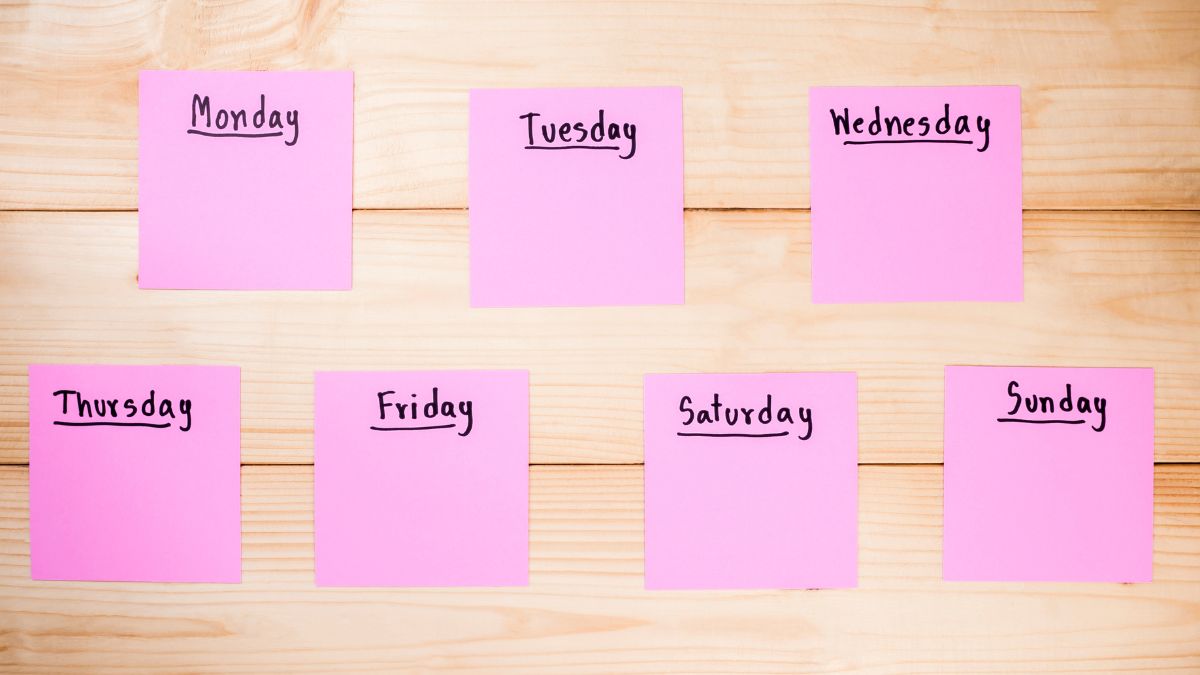
Most plans hand you a full workout schedule on day one. That’s exactly why most people quit by day ten. Your joints, lungs, and habits all need time to catch up and for plus size men, starting too hard too fast leads to knee pain, exhaustion, and a reason to stop.
Here’s the honest version. Three phases. No guesswork.
| Phase | Weeks | What You Do | Why This Order |
|---|---|---|---|
| Foundation | Week 1 | Walk 20 minutes daily. Nothing else. | Builds the habit loop before adding load |
| Build | Weeks 2–4 | Walk 3x + 2 strength sessions per week | Muscles adapt before you push them harder |
| Progress | Weeks 5–12 | Add 1 rep or 5 lbs every two weeks | Progressive overload without burning out |
Inside each phase, here’s exactly what changes:
- Week 1: Walk at a pace where you can talk but feel slightly warm. Same time every day builds the habit faster than motivation ever will.
- Weeks 2–4: Add your 4-movement routine (from the previous section) twice a week. Keep walks going. Expect soreness days 2 and 3 that’s normal repair, not damage.
- Weeks 5–12: Every two weeks, add one rep to each movement or increase resistance slightly. Small increases compound fast over eight weeks.
Start today. Not Monday. Today’s walk can be ten minutes around your block. That single step puts you ahead of every plan you never started.

Hello there! I’m Jesse Joe, the author and editor behind SolganGenius. I’m thrilled you’ve stopped by, and I can’t wait to share with you the essence of what this platform is all about.
I’m a writer, social media enthusiast, and a firm believer in the power of words. I’ve always been fascinated by how a simple phrase or slogan can capture an emotion, convey a message, and even change perspectives. Learn More