

You can reach 70, 75, or even 80 and still feel much like yourself. Then small things start changing. Getting out of a low chair takes more effort. Dinner with friends happens less often. The television gets louder. A sore knee slowly changes where you go and what you do.
The trouble is that many changes after 70 arrive so gradually that they are easy to excuse. You adjust your routine instead of asking why the routine suddenly needs changing.
Some changes are part of normal aging. Others can be improved, treated, or slowed. And some deserve medical attention.
None of the 8 changes below happens to every older adult. Your health, activity, medicines, genes, environment, and medical conditions all matter. But recognizing these quiet shifts early can give you more options for protecting your strength, confidence, and independence.
1. Your Social World Can Shrink Before You Feel Lonely

Loneliness does not always begin with sitting alone and feeling miserable. Sometimes it begins with one canceled lunch, one friend who moves away, or one evening when staying home seems easier.
Then the smaller social life starts feeling normal.
The National Institute on Aging says loneliness and social isolation are associated with higher risks of depression, heart disease, cognitive decline, and other health problems.
Older adults can become especially vulnerable as friends die, family members move, mobility changes, or hearing problems make conversation harder.
Living alone is not automatically a problem. Some people genuinely enjoy a great deal of solitude. The more useful question is whether you still have the amount and quality of connection you want.
Pay attention if you stop calling people because it feels like work. Notice if entire weeks pass without a meaningful conversation. Also notice when hearing, pain, driving concerns, or embarrassment start keeping you home.
What You Can Do Before Isolation Becomes Your New Routine
Do not depend entirely on spontaneous plans.
Create one or two recurring points of contact. It could be Tuesday coffee, a weekly family call, a walking group, a faith community, volunteering, a class, or lunch with the same neighbor.
A regular plan removes the need to start from zero each week.
NIA also reports research linking loneliness with dementia risk, although an association does not prove that loneliness alone causes dementia. Social activity is still one useful part of protecting overall brain and emotional health.
If getting out has become difficult, solve the barrier as well as the loneliness. Transportation help, hearing treatment, pain care, mobility support, or a community with regular activities may make social contact easier again.
2. Losing Interest in Things You Love Is Not Something to Dismiss

A quiet mood change can be easy to miss after 70.
You may not feel obviously sad. You may simply stop caring about gardening. Meals feel less enjoyable. Calling friends seems pointless. Getting dressed and going somewhere feels like too much trouble.
It is tempting to say, “I am just slowing down.”
But depression is not a normal part of aging.
The National Institute on Aging says depression in older adults can appear as loss of interest, low energy, trouble concentrating, sleep changes, irritability, hopelessness, or even physical complaints. Sadness may not be the most noticeable symptom.
That distinction matters because a person can look independent while slowly losing pleasure and purpose.
Watch the Direction, Not Just the Bad Day
Everyone has quiet days.
The concern is a pattern that continues and begins changing normal life. Maybe you repeatedly turn down invitations. Perhaps you stop doing tasks that once mattered to you. Maybe mornings start feeling empty rather than peaceful.
Purpose does not need to mean running a business or changing the community.
It can be helping a grandchild with homework, caring for a garden, volunteering, preparing Sunday lunch, joining a club, looking after a pet, learning something, or being the person who calls an old friend every Thursday.
If low mood, loss of interest, sleep changes, hopelessness, or withdrawal continues, bring it up with a health professional. Depression can be treated, and NIA notes that treatments such as counseling and medication can help.
3. Chronic Pain Can Quietly Rewrite Your Entire Day
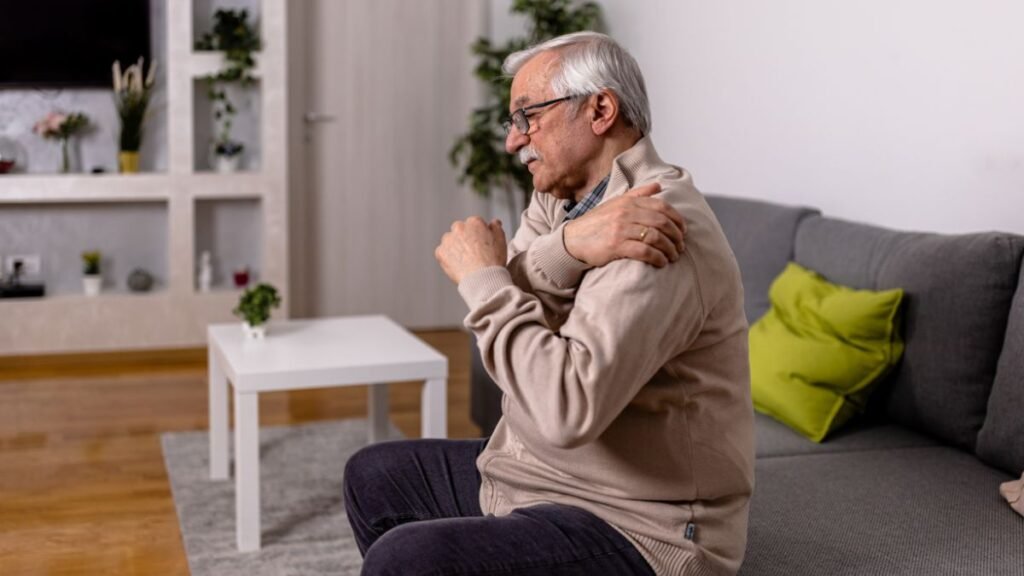
Pain rarely announces that it is about to change your lifestyle.
Instead, you stop taking the stairs.
Then you stop walking around the store.
Then dinner across town feels like too much trouble.
Eventually the original problem may be a painful hip or back, but the result is less movement, fewer outings, poorer sleep, and less contact with other people.
CDC data from 2023 found that 36% of adults age 65 and older reported chronic pain during the previous three months. About 13.5% reported chronic pain that frequently limited life or work activities.
That makes persistent pain common, but common does not mean it should simply be accepted.
Treat the Limitation as Seriously as the Pain
Ask yourself what pain has made you stop doing during the past six months.
That answer can be more useful than giving your pain a number from one to ten.
Maybe you can no longer walk as far. Perhaps you avoid driving because turning your neck hurts. You may sleep in a chair because lying flat is uncomfortable.
Tell your clinician about those changes.
Treatment depends on the cause. It may involve physical therapy, activity changes, medicine, weight management, assistive equipment, treatment of an underlying condition, or a combination of approaches.
Physical activity is still possible for many people with chronic conditions. NIA advises building activity gradually and discussing an appropriate plan with a clinician when medical conditions affect exercise.
The goal is not to pretend pain is absent. It is to stop pain from quietly taking pieces of your life.
4. Muscle Loss May Show Up First in Chairs, Stairs, and Grocery Bags

You do not need a mirror to notice declining muscle strength.
Look at ordinary tasks.
Can you rise from a chair without pushing hard on the arms? Can you carry groceries inside? Does climbing a flight of stairs feel much harder than it did a year ago?
Age related muscle loss is called sarcopenia. Cleveland Clinic describes it as a gradual decline in muscle mass, strength, and physical performance that can make everyday tasks harder and increase the risk of falls and loss of independence.
The encouraging part is that muscle responds to use even in later life.
The National Institute on Aging says strength training can help older adults maintain muscle and mobility. Its current exercise guidance includes resistance bands, hand weights, weight machines, body weight movements, carrying objects, and some forms of gardening as muscle strengthening activity.
Start With Strength You Actually Need
You do not have to train like an athlete.
Focus on movements that support daily life. Getting up from a sturdy chair, carrying a light bag, pushing, pulling, and safely stepping up are practical examples.
NIA guidance for older adults includes aerobic activity, muscle strengthening activity, and balance work. It also emphasizes that starting later in life can still provide benefits.
If you have serious heart, joint, balance, neurological, or other medical problems, ask a clinician or physical therapist how to begin safely.
A physical therapist can be especially useful when you already struggle with stairs, chair rises, walking, or falls.
Do not wait until weakness becomes severe enough to force a lifestyle change. Difficulty with ordinary movements is information.
| Quiet Sign | What It May Look Like in Daily Life | Useful First Step |
|---|---|---|
| Leg weakness | Pushing hard to rise from a chair | Ask about safe strength exercises |
| Reduced grip | Jars and bags feel harder to handle | Mention the change at a checkup |
| Lower endurance | Normal errands require more breaks | Review activity, sleep, pain, and health |
| Poor balance | Holding furniture while walking | Request a fall risk or balance assessment |
| Less activity | Leaving home less because movement feels hard | Start with appropriate, gradual activity |
5. Nutrition Problems Can Appear Even When You Still Eat Every Day

Nutrition can change quietly after 70 because eating itself may change.
Food may taste different. Cooking for one can feel pointless. Dental problems can make some foods difficult. Medicines can affect appetite. Medical conditions can affect what you eat or how nutrients are absorbed.
That does not mean every person over 70 needs a drawer full of supplements.
It means changes in appetite, weight, diet, or symptoms deserve attention.
Vitamin B12 is one example. The NIH Office of Dietary Supplements says vitamin B12 deficiency affects an estimated 3% to 43% of older adults, depending on the population and definition used. Absorption can become more difficult for some people as they age.
NIH guidance also notes that adults over 50 are advised to obtain much of their recommended B12 from fortified foods or supplements because the vitamin in those forms does not need to be separated from food protein before absorption.
Do Not Turn Nutrition Into Guesswork
A broad vitamin panel is not automatically necessary for every healthy person, and more supplement is not always better.
Tell your clinician about unexplained fatigue, weakness, appetite loss, numbness, major diet changes, digestive problems, unexplained weight loss, or medicines that may affect nutrient status.
Testing can then be chosen based on your actual risk.
The same rule applies to supplements. Calcium, iron, vitamin D, magnesium, B12, and other nutrients all have specific roles, but taking large amounts without a reason can create problems or interact with medicines.
Food still matters.
Try to make each meal earn its place by including useful sources of protein, vegetables or fruit, whole grains or other nutrient rich carbohydrates, and foods that fit your medical needs.
If eating enough has become difficult, a registered dietitian can help create a simpler plan.
6. Balance Can Decline Long Before the First Serious Fall

You may notice balance changes without ever falling.
Perhaps you reach for the wall when putting on trousers. You feel uncertain on stairs. You avoid uneven ground. You stop carrying things while walking because you want both hands free.
Those are clues worth noticing.
CDC data updated in 2026 say more than 14 million adults age 65 and older, roughly one in four, report falling each year. Falls are the leading cause of injury in this age group.
Yet falling should not be treated as an unavoidable part of getting older.
CDC and NIA prevention guidance points to several factors that can be addressed, including strength, balance, vision, medicines, footwear, and hazards around the home.
Look for the Near Misses
A fall is obvious. A near fall is easier to forget.
Pay attention when you stumble but catch yourself. Notice if you suddenly avoid the shower without holding something. Watch for dizziness when standing.
Mention these events before an injury happens.
Medication review can also matter because some drugs or combinations of drugs may contribute to dizziness, sleepiness, or low blood pressure.
Vision matters too. CDC notes that vision impairment can raise fall risk among older adults.
At home, improve lighting, keep walking paths clear, deal with loose rugs and cords, and make frequently used areas easy to reach.
Then work on the body itself.
Strength and balance training can reduce fall risk, and CDC notes that regular physical activity helps balance and coordination in adults 65 and older.
7. Hearing Loss Can Look Like Withdrawal or Even Memory Trouble
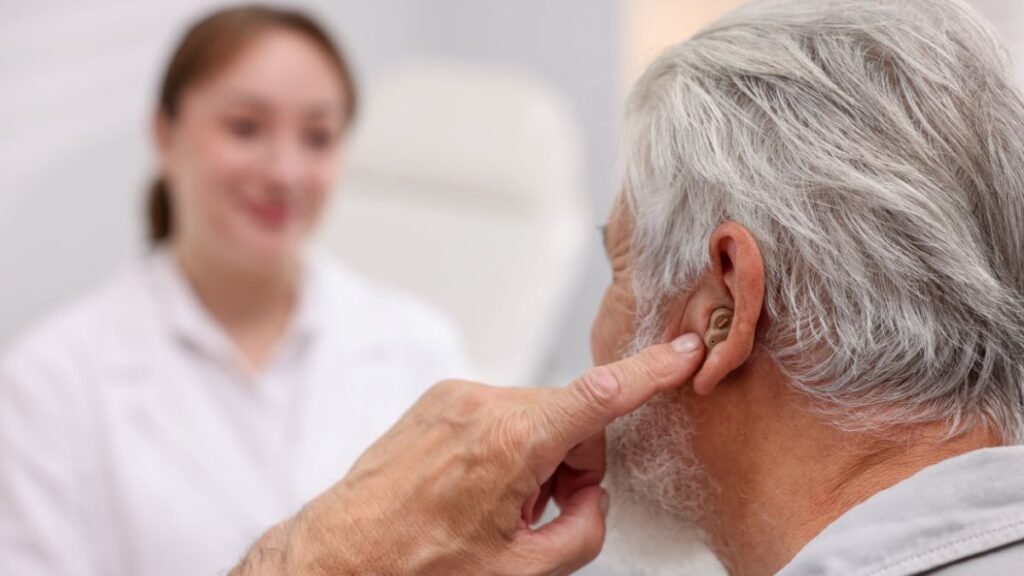
Hearing often fades so gradually that the people around you notice first.
You may think everyone mumbles.
Restaurants become exhausting because several voices blend together. Television volume creeps upward. Phone calls become harder, so you make fewer of them.
Eventually you may participate less in conversations because following them takes too much effort.
The National Institute on Aging describes hearing loss as a common problem in older adults and notes research linking hearing loss with a greater risk of dementia compared with normal hearing. That link does not mean hearing loss guarantees dementia.
It does mean hearing deserves more attention than simply turning the television louder.
Get the Hearing Checked Before You Change Your Social Life
A formal hearing evaluation can tell you what is happening.
Treatment may involve hearing aids, other listening devices, communication strategies, medical treatment for certain causes, or simple changes in how conversations happen.
One major NIA supported trial offers an important example of why individual risk matters. Across all participants, hearing treatment did not significantly change cognitive decline.
But among participants who already had higher dementia risk, those receiving hearing aids experienced a slower rate of cognitive decline than the comparison group.
That result should not be turned into a promise that hearing aids prevent dementia.
The clearer benefit is immediate: hearing people better can make conversation, appointments, family gatherings, and everyday communication easier.
If your social life has shrunk because conversation feels tiring or embarrassing, hearing may be part of the problem.
8. Sleep Changes With Age, but Constant Exhaustion Is Not Something to Ignore
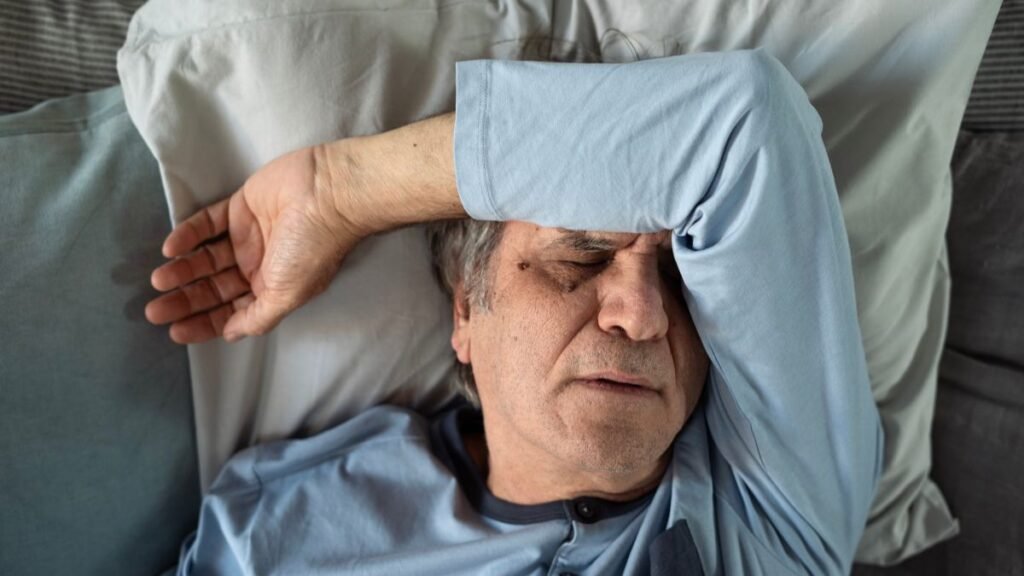
Sleep at 75 may not look exactly like sleep at 35.
The National Institute on Aging says older adults tend to go to sleep earlier and wake earlier. Sleep may become lighter and shorter, and waking during the night can become more common.
That is different from saying poor sleep no longer matters.
Repeated nights of bad sleep can affect daytime energy, mood, attention, and willingness to be active.
Sleep trouble can also be connected with pain, depression, medical conditions, medicines, alcohol, nighttime urination, restless legs, or sleep disorders.
Ask What Changed Instead of Assuming It Is Your Age
Start with the pattern.
Are you having trouble falling asleep, staying asleep, or staying awake during the day? Do you snore heavily? Has someone noticed pauses in your breathing? Did sleep change after starting a medicine?
Write it down for a week or two.
Also look at daytime habits. Regular activity, a steady sleep schedule, daylight exposure, and limiting late naps may help some people. The correct approach depends on what is disrupting your sleep.
If sleep problems continue, talk with your clinician rather than simply accepting permanent exhaustion.
The biggest clue is often what happens during the day. If poor sleep leaves you too tired to drive safely, exercise, think clearly, socialize, or complete normal tasks, it deserves attention.
Which Changes Should You Mention at Your Next Checkup?
Small changes become easier to explain when you describe what they have changed in your life.
| Instead of Saying | Give Your Clinician This Detail |
| “I feel weaker.” | “I now need both hands to stand from my chair.” |
| “My balance is bad.” | “I nearly fell twice while dressing this month.” |
| “I am tired.” | “I wake four times most nights and nap every afternoon.” |
| “My hearing is worse.” | “I cannot follow conversation when several people are talking.” |
| “My knee hurts.” | “I stopped taking my daily walk because of the pain.” |
| “I am less social.” | “Some weeks I speak to nobody in person.” |
| “I have no appetite.” | “I have been skipping dinner and losing weight.” |
| “I feel different.” | “I no longer enjoy activities I used to look forward to.” |
Specific examples give your health professional something useful to investigate.
They also help separate a temporary bad week from a trend that has been building for months.
I’m Austin Becker, an advocate for living life with intention and resilience. I write for men who are actively navigating life’s major transitions, tackling the realities of reinvention and finding renewed purpose with grit and honesty. I believe that personal growth doesn’t have a deadline it’s about continuously gearing up for the chapters that matter most.
Through my work, I aim to strip away the clichés of modern manhood, offering practical, no-nonsense insights on health, mindset, and legacy for those who want to move forward with strength and clarity.