
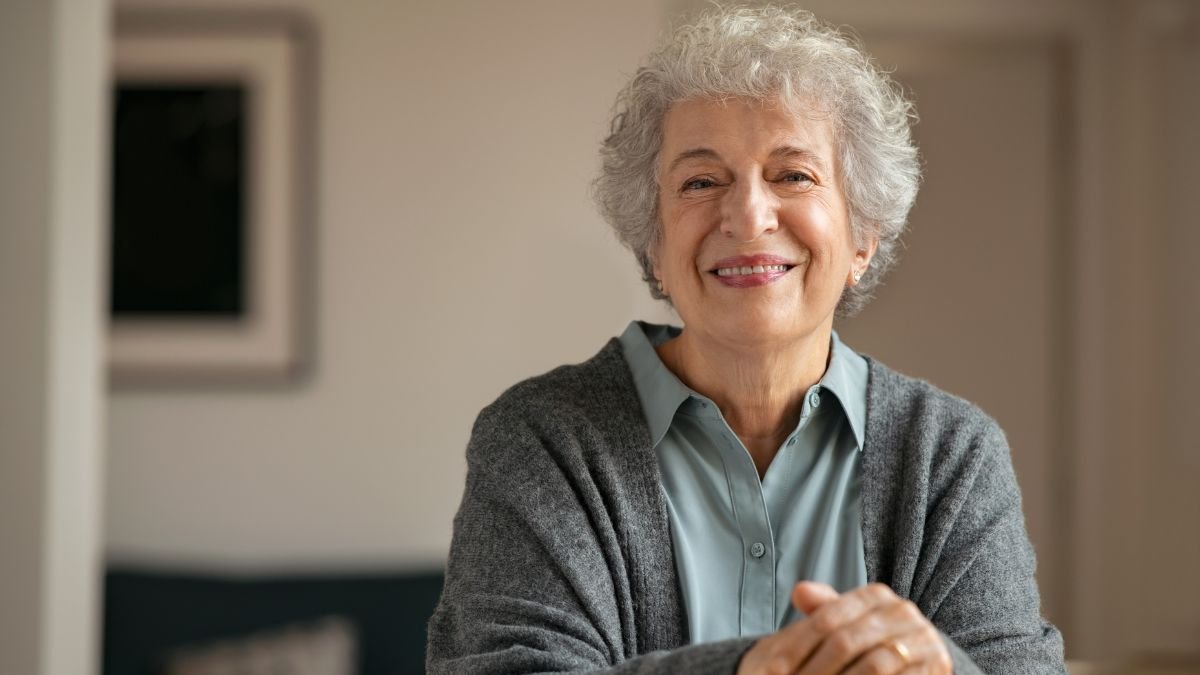
At 60, it is easy to believe there is plenty of time left. That belief can make important choices feel safe to postpone, from building strength to repairing relationships.
Then health changes, friends disappear, retirement arrives, and choices that once seemed easy can become much harder. Lorraine Castello is 92, and her greatest regret is not getting older.
It is assuming the healthy years would last longer than they did. Her life lessons after 60 are simple: prepare while choices are still yours, protect the people who matter, and stop saving ordinary happiness for some better year that may never arrive.
1. Build Strength Now Because Daily Independence Depends on It

At 62, Lorraine could walk several miles, carry grocery bags upstairs, kneel beside her grandchildren, and stand back up without thinking about how her body managed it. Because those things had always been easy, she treated them as if they would remain easy.
Age taught her otherwise. Strength, balance, mobility, and stamina can change over time, but that does not mean physical decline must simply be accepted without a fight.
The National Institute on Aging says physical activity can help older adults maintain strength and physical function. Current CDC guidance recommends that adults 65 and older get at least 150 minutes of moderate physical activity each week, strengthen muscles on at least two days, and include activities that improve balance.
That matters because falls become a serious threat to independence later in life. CDC reported in February 2026 that more than 14 million adults age 65 and older report falling each year.
Lorraine wishes someone had explained that exercise in her 60s was about much more than weight or appearance. Stronger legs could mean getting off the toilet without help. Better balance could mean walking across an uneven yard with more confidence.
A stronger upper body could make carrying groceries or pushing up from a chair easier. Those ordinary movements become precious when they are no longer automatic.
What Someone in Their 50s or 60s Can Do Now
- Walk regularly at a pace appropriate for current health.
- Add strength exercises at least twice a week when medically appropriate.
- Practice safe balance activities.
- Keep moving throughout the day instead of saving all activity for one workout.
- Ask a doctor or physical therapist for guidance when pain, dizziness, weakness, or medical conditions make exercise uncertain.
There is one important correction to Lorraine’s original belief. Muscle lost with age is not simply gone forever. Older adults can benefit from strength and physical activity, which is exactly why starting now still matters.
| If You Can Do This Now | Why It May Matter Later |
|---|---|
| Rise from a chair easily | Leg strength supports daily independence |
| Carry shopping bags | Upper body strength helps with ordinary tasks |
| Walk outside confidently | Endurance supports community life |
| Use stairs safely | Strength and balance help with changing levels |
| Get down and stand again | Mobility makes daily life easier |
Lorraine’s lesson is therefore not to panic about getting older. It is to stop wasting the physical ability that is available today.
2. Make New Friends Before Your Social Circle Gets Smaller

For almost forty years, Lorraine had three women she could count on. Barbara, Eileen, Margaret, and Lorraine called themselves the Tuesday Girls because lunch together was part of nearly every Tuesday.
They knew each other’s marriages, children, parents, mistakes, successes, and old stories. Lorraine believed that group would somehow remain intact because it had already survived so much.
It did not.
One friend died. Then another died. Eventually Lorraine became the last member of the Tuesday Girls.
Her mistake was assuming long friendships removed the need to build new ones. During her 60s, she rarely tried to widen her social circle because she already felt socially full.
Years later, that decision mattered.
Children and grandchildren can provide love, but they cannot always provide the same kind of relationship as a peer. A daughter may love her mother deeply without remembering what that mother was like at 35.
Social connection also matters for healthy aging. The National Institute on Aging includes staying connected among the steps that may support cognitive health, while current AARP research continues to track loneliness as an important issue among older adults.
The lesson is not to collect people like insurance policies. It is to keep participating in life even when the current circle feels sufficient.
That could mean attending the same exercise class each week, volunteering, returning to a faith community, joining a reading group, helping at a local organization, or simply becoming the person who regularly invites someone for coffee.
Age diversity can help too. Friends do not all need to have the same birthday, childhood references, or retirement date.
| A Narrow Social Circle | A More Resilient Social Life |
| Depends on two or three people | Includes several kinds of relationships |
| Relies mainly on family | Includes family, friends, neighbors, and groups |
| Rarely creates new connections | Continues meeting people |
| Waits for invitations | Sometimes makes the invitation |
| Socializes only for special events | Builds regular contact into the week |
Lorraine cannot replace Barbara, Eileen, or Margaret. That is exactly the point.
New friends do not erase old friendships. They keep life from becoming smaller after loss.
3. Discuss Money, Medical Wishes, and Death Before a Crisis

Lorraine learned this lesson through her mother.
After a serious stroke left her mother unable to communicate clearly, the family faced questions nobody wanted to answer. What medical care would she have wanted? Who should make decisions? Where were the important papers?
Those questions became much harder because the person who knew the answers could no longer explain them.
The National Institute on Aging describes advance care planning as preparing for future medical decisions in case someone becomes seriously ill or cannot communicate. It emphasizes conversations with loved ones and also explains the role of documents such as advance directives.
A living will can record medical preferences. A durable power of attorney for health care can name a person to make health decisions when someone cannot make or communicate those decisions personally.
The exact legal documents differ by location, so professional legal advice may be needed. Still, the family conversation does not need to wait for a lawyer’s office.
Someone in their 50s or 60s can begin with questions such as these:
- Who should speak for that person during a medical crisis?
- Where are important financial and legal records kept?
- Who needs access to essential accounts and contacts?
- What kinds of medical care matter most to that person?
- What does comfort, dignity, or acceptable quality of life mean to them?
- Who should be contacted first during an emergency?
The NIA also provides advance care planning worksheets designed to help people think through values, care preferences, and future decisions.
Lorraine eventually had these conversations with her adult children. Her regret was waiting.
Talking about death does not cause death. It gives the people left in a crisis fewer painful guesses to make.
4. Build an Identity That Can Survive Retirement
For 38 years, Lorraine was Mrs. Castello, the guidance counselor.
People needed her judgment. Her schedule had structure, her days had deadlines, and hundreds of students knew exactly why she was in the building.
Then retirement removed the building.
Lorraine had dreamed about free mornings, books, gardening, and travel. What she had not planned for was the strange question waiting underneath all that freedom.
Who was she when nobody needed Mrs. Castello anymore?
AARP notes that retirement can involve a major change in identity as well as income. The emotional adjustment can be significant when a career has supplied purpose, routine, friendship, and status for decades.
Lorraine eventually found pleasure in watercolor painting, library volunteering, family lunches, and ordinary days that did not need to produce anything. She simply wishes she had started creating that life earlier.
If work is still taking most of your time, try building one part of retired life before retirement arrives.
It might be a volunteer role. It might be gardening, woodworking, painting, walking with friends, caring for grandchildren, studying local history, or helping at a community group.
The goal is not to fill every hour. Retirement should leave room for rest.
The goal is to make sure Monday morning still contains reasons to get dressed when the office no longer expects you.
Try the Empty Tuesday Test
Look at an ordinary Tuesday after retirement and remove work completely.
Then ask what remains.
If the answer is almost nothing besides errands and television, Lorraine would consider that useful information. It means life outside work needs attention before the retirement party happens.
5. Use Healthy Years With Your Partner While You Have Them

Lorraine and Anthony were married for 63 years. On paper, that sounds like almost unlimited time.
Living those years felt very different.
Some years were consumed by children. Others went to work, bills, family problems, home repairs, and the ordinary demands that make couples say, “Maybe next year.”
By their later years, health began deciding more of what they could do.
That changed Lorraine’s view of postponement. The trip that seems simple at 63 may be tiring at 73 and unrealistic at 83.
This lesson does not mean every couple should empty a savings account and start traveling. Financial limits, disability, caregiving, and personal preference are real.
The deeper lesson is much cheaper.
Stop treating enjoyable time together as something that belongs mainly to the future.
Go to breakfast on an ordinary Wednesday. Sit outside after dinner. Visit the friend who keeps inviting you. Take the short trip if the long trip costs too much.
Ask the questions that keep getting postponed because daily life feels busy.
Most couples will never know which year will be the last year when both people can easily walk through an airport, sleep comfortably away from home, drive for six hours, or spend a full day with grandchildren.
Lorraine wishes she and Anthony had treated those ordinary healthy years as the limited resource they were.
6. Decide Which Grudges Are Really Worth Keeping
Lorraine lost eight years with her brother Frank.
The original disagreement involved family care, money, and old resentment. Both believed the other person should apologize first.
Then the silence became normal.
Frank eventually died before that silence ended.
Lorraine cannot change what happened, but she can question the price they both paid for being right.
That does not mean every broken relationship should be restored. Abuse, manipulation, repeated cruelty, addiction, or unsafe behavior can make distance necessary.
Forgiveness also does not require trusting someone again.
But many family conflicts are different. Sometimes two people are separated by pride, an old argument, a misunderstanding, or years of waiting for the other person to make the first move.
For those situations, Lorraine has a simple test.
Ask what will hurt more if that person dies tomorrow: making the call or knowing the call will never be possible again.
Reconciliation may begin with a short message. It may begin with acknowledging one person’s part without demanding that the other person immediately do the same.
The relationship might never return to what it was. That possibility has to be accepted.
Still, there is a major difference between choosing healthy distance and allowing pride to consume years that neither person can recover.
Lorraine learned the difference too late with Frank.
7. Give Adult Children More Presence and Less Advice

Lorraine had spent decades helping teenagers make difficult choices. Giving guidance was part of her professional identity.
Then her children became adults, and she continued doing the same thing at home.
Career problem? Lorraine had a suggestion.
Marriage trouble? Lorraine saw the answer.
Parenting decision? Lorraine knew what she would have done.
She believed constant advice proved that she cared. Her children sometimes experienced it as a lack of trust.
That distinction changed her relationship with them.
Adult children may still ask a parent for advice. When they do, decades of experience can be valuable.
But there is a simple question Lorraine wishes she had learned earlier:
“Do you want ideas, or do you just need someone to listen?”
That question gives the adult child control over the conversation.
Sometimes a 45 year old daughter does not need a solution. She needs her mother to hear that work has been awful.
Sometimes a son does not want his father to solve his marriage. He wants to eat dinner without explaining himself.
Grandchildren create another chance to practice the same restraint. Their parents may choose routines, schools, discipline, food, or family traditions differently.
Disagreement does not automatically create an emergency.
A parent’s role changes as children grow. Presence gradually becomes more valuable than supervision.
Lorraine eventually learned to ask questions, listen longer, and fix less. She wishes she had done it while her children were younger adults.
8. Record the Family Stories Nobody Else Can Replace
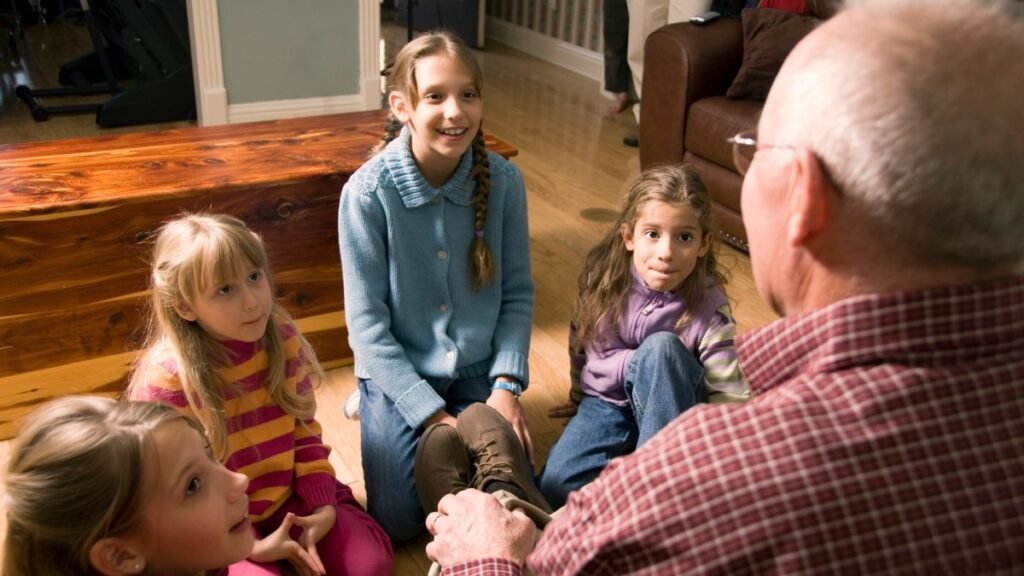
Lorraine can still remember some parts of childhood with startling detail. She remembers the smell of her mother’s kitchen and the sound her father made when a joke caught him by surprise.
Other memories are harder to reach.
That made her realize how much family history can disappear with one person.
The National Institute on Aging notes that some changes in thinking can occur with age, while cognitive problems can also have many causes. Staying physically active, engaged, and socially connected is among the healthy habits NIA discusses for cognitive health.
A journal cannot guarantee that memory will remain unchanged. What it can do is preserve information outside the brain.
Start with the details nobody else can supply.
Write down what grandparents were like. Label old photographs with names, places, and approximate dates.
Record the story behind a family recipe. Explain how couples met, why families moved, what jobs people held, and which ordinary traditions mattered.
Voice recordings can be useful too. A grandchild may someday value hearing the sound of a grandparent telling a familiar story far more than that grandparent expects.
Lorraine’s Memory List
| Record This | Why It Matters |
| Names on old photographs | Future relatives may not recognize the faces |
| Family recipes | Ingredients alone may miss family methods |
| Childhood memories | Some stories exist in one person’s memory |
| Major family events | Dates and context disappear surprisingly easily |
| Funny family stories | Personality is part of family history |
| Personal beliefs and lessons | Descendants may want more than names and dates |
Forgetting an occasional name or appointment does not automatically mean dementia. Persistent or worsening memory problems that interfere with normal daily life deserve medical attention rather than being dismissed as “just getting old.”
NIA provides information for older adults concerned about cognitive health.
Lorraine began writing regularly much later than she wishes she had. Her advice is simple.
Do not wait until a memory becomes difficult to retrieve before deciding it was worth preserving.
9. Prepare for Fear Instead of Pretending It Will Never Come

Lorraine feared widowhood long before Anthony died.
She feared a stroke. She feared dependence. She feared becoming the person who needed help with things that had once been private and easy.
For years, her strategy was to avoid thinking about those possibilities.
Avoidance felt comforting because planning sounded pessimistic. In reality, avoiding a problem and preventing a problem are very different things.
A better approach is to turn fear into a question.
If walking becomes difficult, who can help?
If driving becomes unsafe, how will groceries arrive?
If one partner dies, does the surviving partner know how bills, insurance, accounts, and household tasks work?
If living alone stops being safe, what choices would be acceptable?
Those conversations can feel uncomfortable, but they turn a vague fear into several smaller decisions.
Lorraine also learned that sadness and fear should not simply be dismissed because someone is older. The National Institute on Aging specifically notes that depression is not a normal part of aging. Persistent symptoms deserve proper attention and care.
Preparation cannot prevent every loss.
It can, however, reduce the number of decisions that must be invented during the worst week of someone’s life.
Lorraine eventually experienced several events she had feared. They changed her life, but life still contained coffee in the morning, family visits, jokes, photographs, and reasons to care about tomorrow.
Courage did not mean Lorraine stopped being afraid. It meant fear no longer got to make every decision.
10. Treat Time as Limited Even When Life Feels Ordinary
Lorraine remembers 60 feeling surprisingly young.
Her body still worked well. Her thoughts were clear. The family was busy. There seemed to be decades available for anything that did not happen that year.
At 92, those decades look much smaller from the other side.
That does not require believing that everyone will experience time in exactly the same way. Lorraine’s point is personal rather than scientific.
She simply wishes she had paid more attention while ordinary life was happening.
People often wait for the dramatic experiences they believe will make a year memorable. Yet much of what Lorraine misses about Anthony has nothing to do with vacations or anniversaries.
She misses him being in the kitchen.
She misses a familiar voice from another room.
She misses someone knowing the background to a story without needing an explanation.
That is why her advice about time is practical rather than poetic.
Call the person.
Have lunch with the friend.
Use the good dishes if you enjoy them.
Visit the grandchildren while sitting on the floor with them is still comfortable.
Take the picture, but also put the phone away sometimes.
There will always be chores and unfinished plans. No age removes them.
The mistake is assuming life will finally begin once everything inconvenient has been completed.
Ordinary life is the part Lorraine wishes she had noticed more carefully.
11. Prepare Your Home Before Independence Gets Harder

Lorraine spent years thinking about retirement savings without spending nearly as much time thinking about stairs, bathrooms, lighting, or what would happen if walking became difficult.
A health crisis made those questions urgent.
That is a common reason home planning deserves a place among these life lessons after 60.
CDC fall prevention resources encourage older adults to address fall risks and remain active. Its STEADI materials also include home safety resources and exercises aimed at maintaining strength and independence.
AARP research also shows that many adults want to remain in their homes and communities as they age. Among women age 50 and older in one recent survey, nearly half said their homes would need changes if physical assistance became necessary.
That does not mean turning a comfortable home into a hospital.
It means looking at the house through the eyes of a future resident who may have weaker legs, poorer vision, slower reactions, or difficulty carrying things.
Check the stairs.
Look at bathroom access.
Fix weak lighting.
Remove obvious trip hazards.
Consider how someone would enter the home if stairs became difficult.
Think about where a bedroom and full bathroom are located.
A handrail, better light, safer flooring, or accessible shower can feel unnecessary when everyone is healthy. After a fall or stroke, the same change can suddenly become urgent.
There should also be a backup plan.
Could family help temporarily? Would home care be possible? Is downsizing acceptable? Which relative understands the person’s preferences?
Nobody can predict exactly what will happen at 82.
The point is to make choices at 62 while they are still choices instead of emergency decisions.
What Lorraine Wishes Every Person in Their 50s and 60s Would Do
Lorraine does not believe aging can be controlled if someone follows enough rules. Bodies still change, people still die, marriages still face loss, and plans still fail.
Her eleven lessons are useful precisely because they do not promise control.
They create preparation.
| Area | Do Something Now |
| Strength | Build a regular strength, balance, and walking routine appropriate for your health |
| Friends | Create at least one relationship outside your oldest circle |
| Medical planning | Discuss future care preferences and decision makers |
| Money | Organize essential financial information |
| Retirement | Develop purpose and routines outside work |
| Marriage | Stop postponing all enjoyable time together |
| Family conflict | Reconsider grudges that no longer seem worth their cost |
| Adult children | Listen before offering solutions |
| Memories | Record family stories while they are clear |
| Fear | Turn vague worries into specific backup plans |
| Home | Review how safely the house could work with limited mobility |
The purpose is not to complete everything this weekend. The better goal is to choose the area that has been postponed longest and take one concrete step.
The Lesson at 92 Is Surprisingly Simple
At 92, Lorraine would not tell her 60 year old self to fear old age. She would tell her to stop assuming that health, mobility, friendship, marriage, memory, and independence would always look the way they did at that moment.
That is the heart of these life lessons after 60. Prepare before preparation becomes an emergency, love people before a goodbye makes the decision for you, and use the abilities that exist now instead of saving life for some future season.
There may be thirty good years ahead. There may be far fewer. Lorraine’s lesson is that nobody needs to know the number before deciding that today deserves more attention.
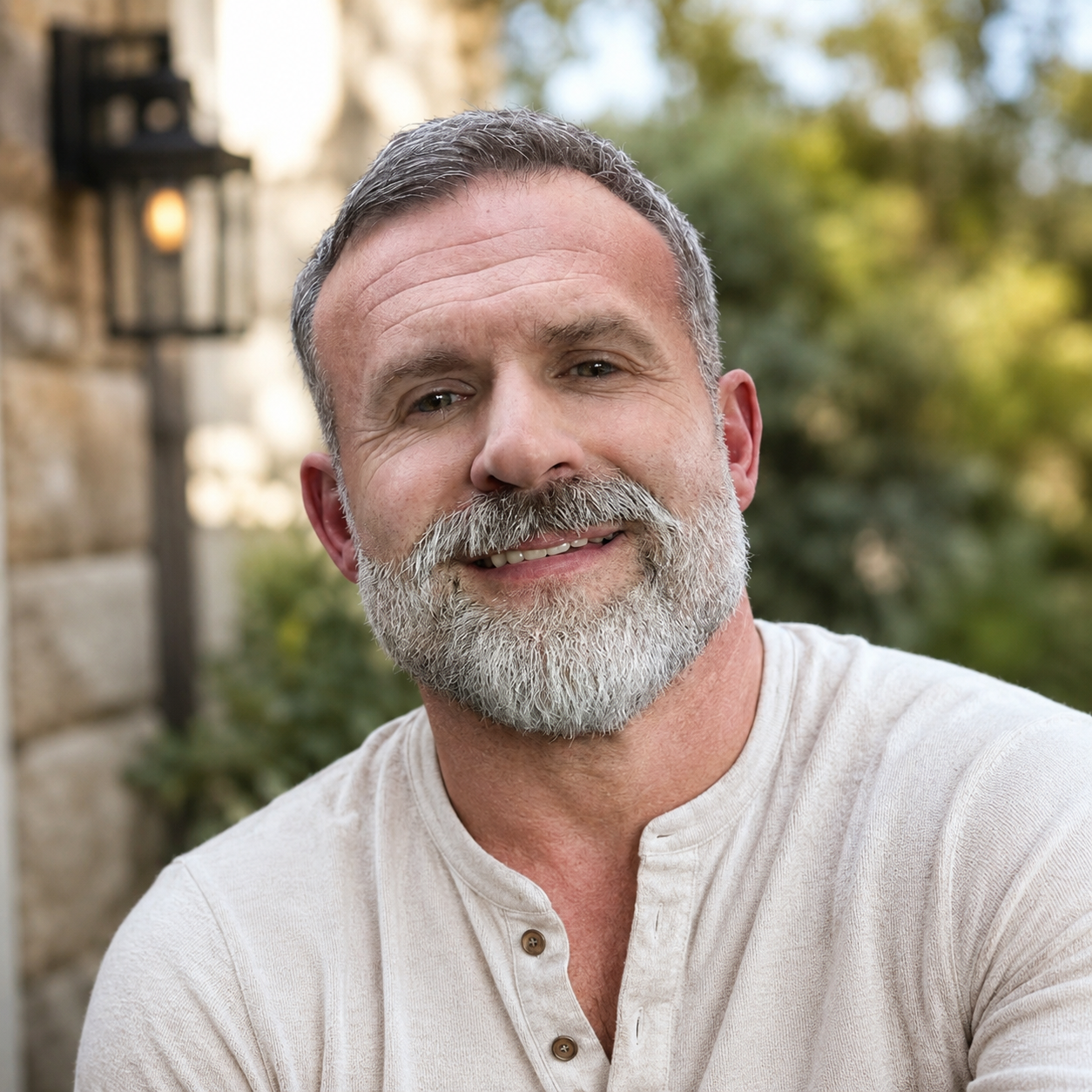
I’m Austin Becker, an advocate for living life with intention and resilience. I write for men who are actively navigating life’s major transitions, tackling the realities of reinvention and finding renewed purpose with grit and honesty. I believe that personal growth doesn’t have a deadline it’s about continuously gearing up for the chapters that matter most.
Through my work, I aim to strip away the clichés of modern manhood, offering practical, no-nonsense insights on health, mindset, and legacy for those who want to move forward with strength and clarity.