
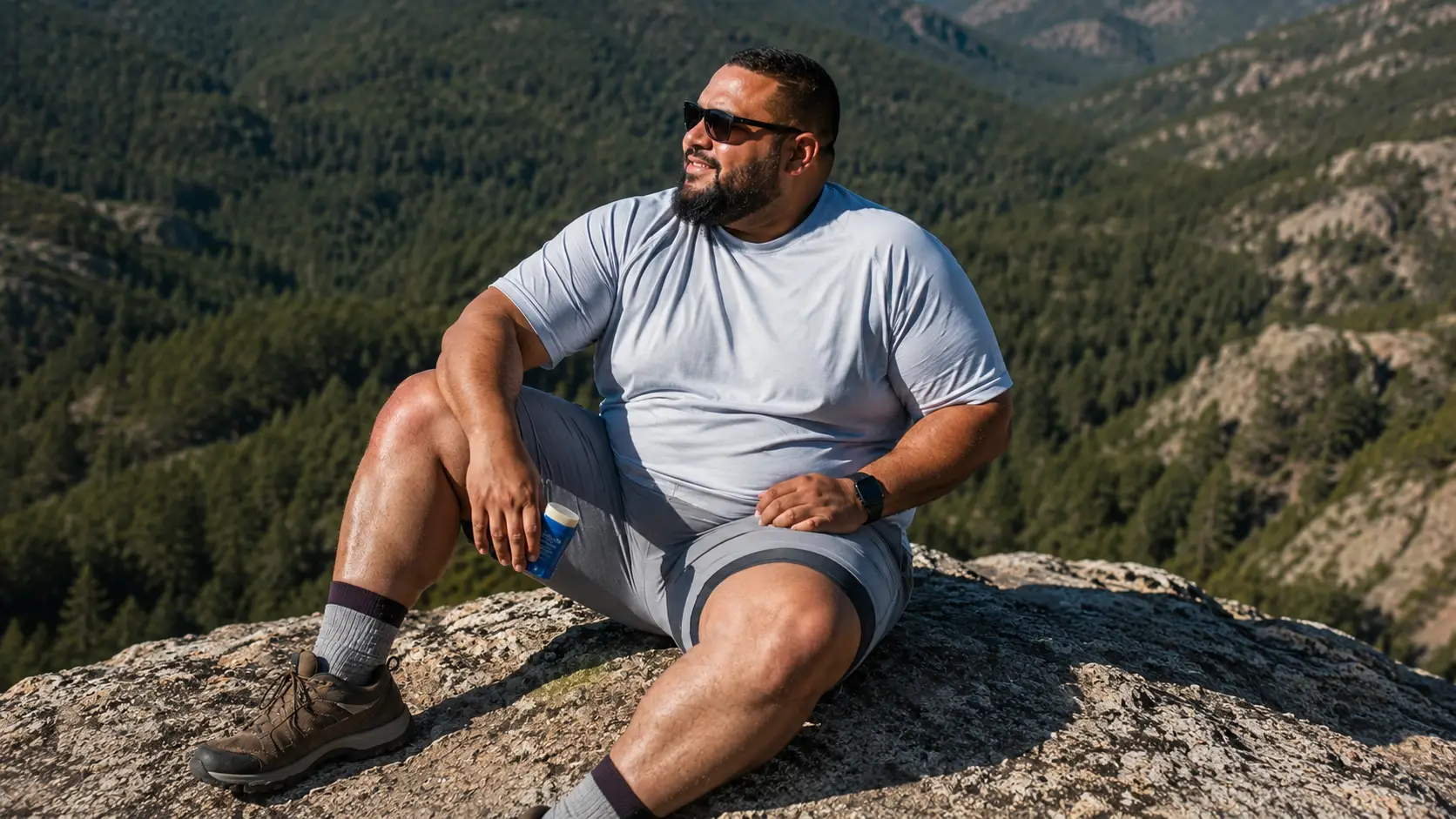
By mid-morning, your thighs are already burning. You shift your walk, slow your pace, and start counting the steps back to your car. Sound familiar?
Most advice out there treats chafing like a minor inconvenience. Throw on some powder, grab a stick of Body Glide, done. But for bigger guys who sweat more and carry more weight through every step, that advice runs out fast. Usually before lunch.
Chafing for plus size men is not just a moisture problem. It is a friction problem, a fit problem, and sometimes a skin breakdown problem all happening at once. Fixing it means understanding which one you are actually dealing with.
This article breaks down what is really causing your chafing, why your current fix keeps failing, and what a system that actually holds up through a full day looks like.
Why Your Current Fix Keeps Failing by Afternoon
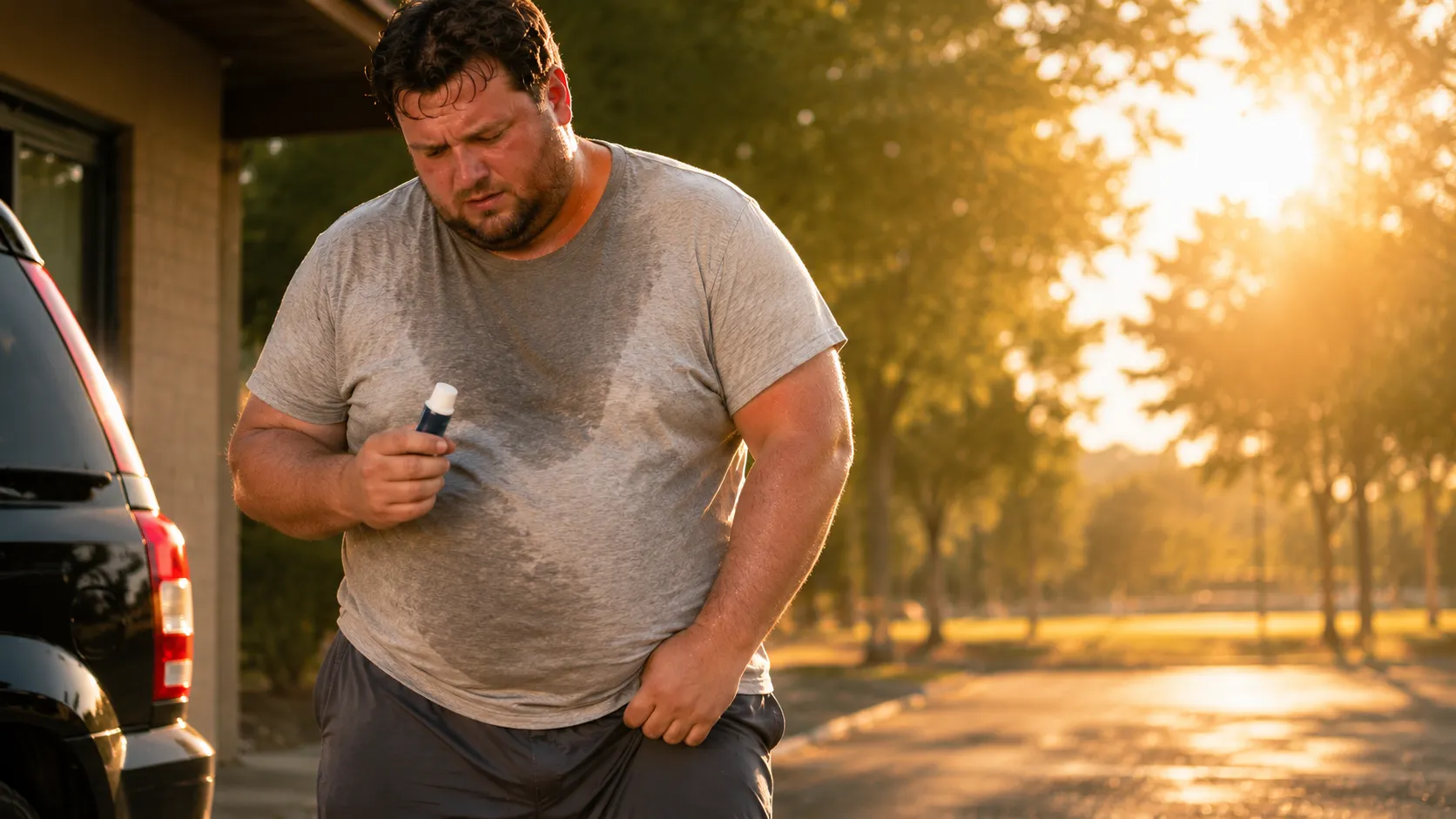
Most anti-chafe products feel like they work. They do, for a while. The problem is not the product. It is that your skin turns against it in stages, and by early afternoon, all three stages have already happened.
Heat comes first. When your thighs or underarms warm up from walking or even sitting in a warm room, friction increases. Skin swells slightly, surfaces press harder against each other, and movement that felt fine at 9am starts pulling by noon.
Sweat hits second. Body sprays, powders, and balms are designed for dry skin. Once moisture builds up, they thin out, wash away, or clump. The layer you applied this morning is mostly gone.
Then your skin pH shifts. Sweat is acidic. Prolonged contact breaks down the outer skin barrier faster than dry friction alone. Raw patches sting more sharply, inflame quicker, and stay sore longer because the surface protection is already compromised.
Single products fail because they only address one part of this. A powder handles moisture but not friction. A balm handles friction but not pH. Fixing chafing for a full day means covering all three stages, not finding a better version of what you already use.
The Difference Between a Moisture Problem and a Friction Problem (Most Men Treat the Wrong One)
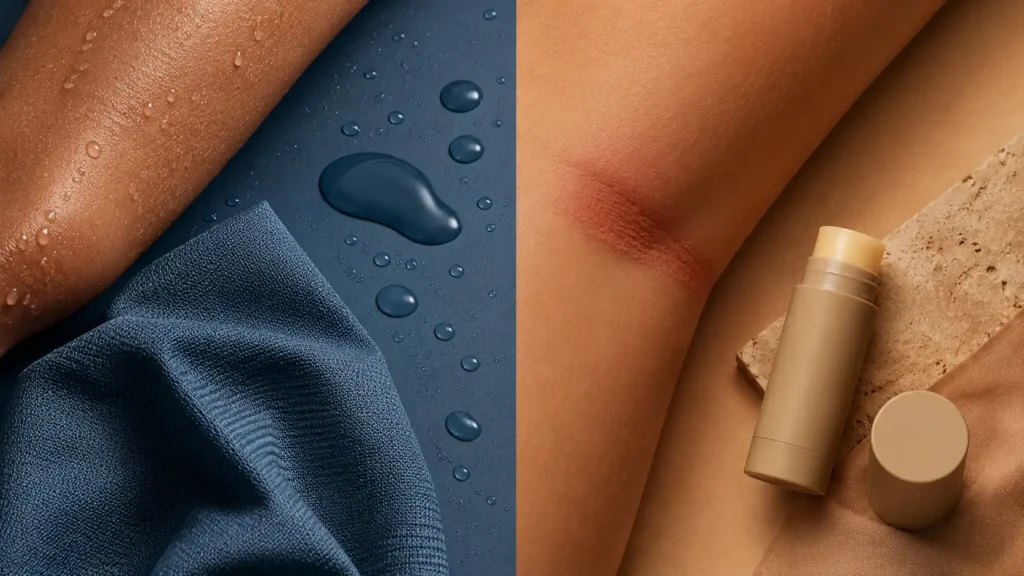
Most anti-chafe products solve only half the problem. That is why you can do everything right and still end up raw by mile two. Skin chafes for two different reasons, and they need two different fixes.
Wet skin loses its surface grip. When sweat builds up between your thighs or under your arms, the outer skin layer softens and turns slippery. That soft, slick surface tears more easily under repeated movement. Anti-chafe balms work well here because they add a protective layer between two wet surfaces.
| Condition | What’s Happening | What Works | What Fails |
|---|---|---|---|
| Hot + Humid / Heavy Sweat | Skin softens, loses grip, tears easily | Anti-chafe balm, body glide | Moisture-wicking alone |
| Hot + Dry / Low Sweat | Skin gets sticky, fabric drags harder | Moisture-wicking fabric, powder | Balm (absorbs/wears off fast) |
| Both (Heat + Sweat) | Maximum friction risk | Balm + wicking combo | Single-solution products |
Dry, hot skin behaves the opposite way. High heat without heavy sweat creates a stickier skin surface. Fabric drags harder against it. Balms often absorb or wear off faster in dry heat, leaving you unprotected right when friction peaks.
Moisture-wicking fabric pulls sweat away but does nothing to reduce drag on hot dry skin. A balm cushions friction but can break down fast on a high-sweat day. Neither product was designed to handle both conditions at once.
Before you grab anything off the shelf, figure out which situation you are actually in. Heavy sweater on a humid day? Your skin needs a barrier that holds up through moisture. Dry summer heat with moderate activity? You need something that reduces drag without washing off.
The Clothing Problem Nobody Talks About — Fit and Fabric Before Any Product
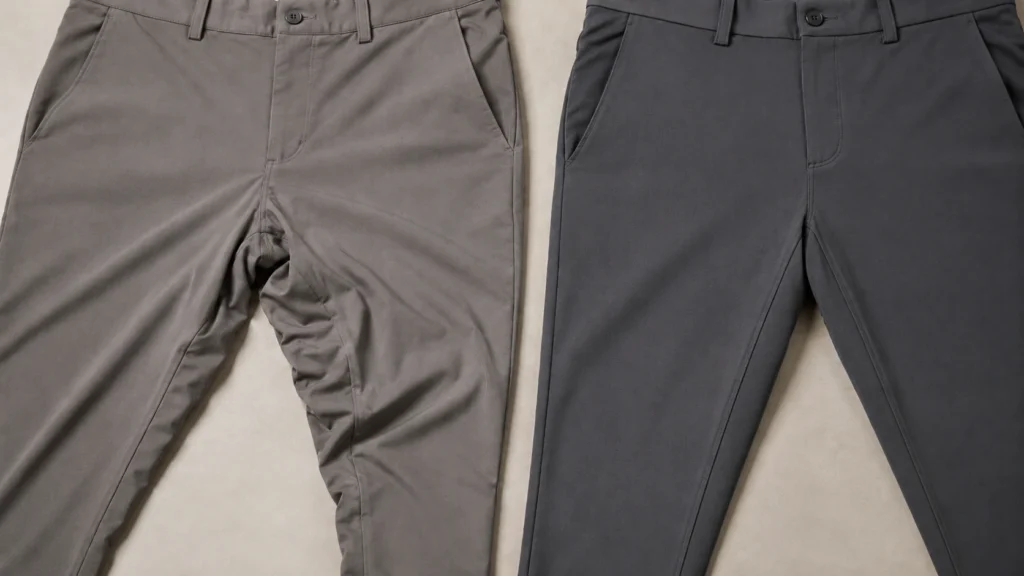
Most chafing starts before you ever reach for a balm. The real problem is mechanical: fabric folding, stacking, and grinding against skin with every step you take.
Pants that don’t fit your thighs properly are the main culprit. When the inseam has too much extra fabric, it has nowhere to go. It folds. Then it presses into the skin. Then it moves back and forth for thousands of steps.
Bigger thighs create a specific fit challenge most brands ignore. Standard cuts leave extra fabric that bunches right at the upper inner thigh, which is exactly where friction damage happens. No anti-chafe product can undo what bad fit keeps creating all day.
The fix starts at the cut. Look for pants designed with a higher rise and a wider thigh opening. Athletic or “athletic fit” trousers, and some workwear styles cut for tradesmen, often build in the thigh room you need without looking sloppy through the seat.
Fabric matters just as much as cut. Four-way stretch material moves with your leg instead of resisting it. That resistance is what causes grinding. Flat seams keep the inner thigh surface smooth, so there is no raised ridge pressing into skin.
Stay away from pants with inner thigh gathering or decorative stitching along the inseam. That detailing adds texture right where your thighs contact. Moisture-wicking fabrics also help by keeping the skin drier, which reduces how aggressively surfaces stick and drag against each other.
How to Pick the Right Compression Short Without Making Things Worse
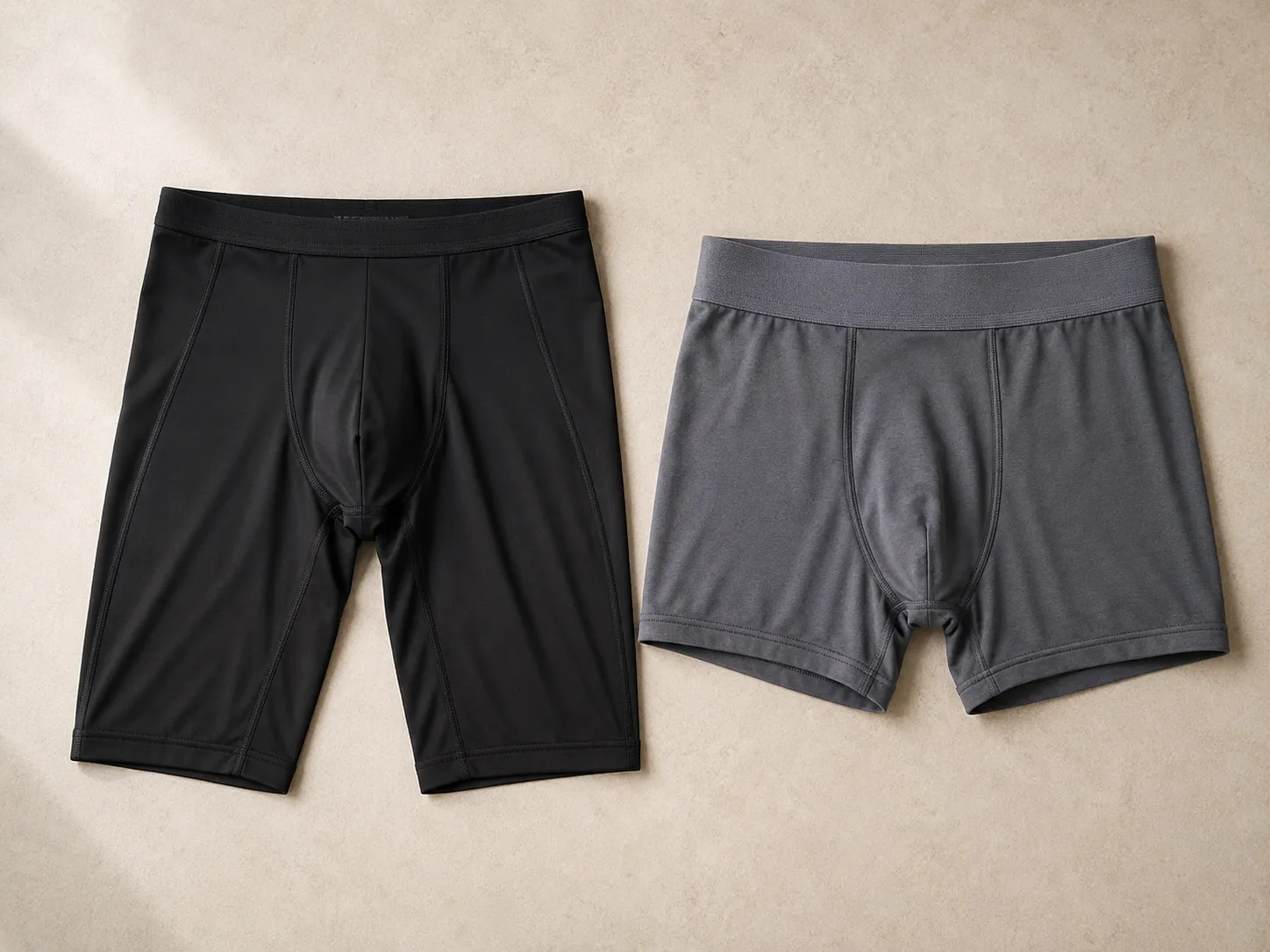
Too tight is the most common mistake. When fabric compresses skin beyond its natural range, it creates a rubbing edge rather than a smooth barrier, and that edge is what tears skin during a long walk or a humid afternoon.
Waistband roll-down is the other problem. A waistband that folds over mid-activity loses its hold, bunches up, and creates a thick ridge right where friction already wants to build. If yours rolls, the short is either the wrong size or cut for a leaner torso profile.
Fit should feel firm but never restrictive. You want the fabric to move with your skin, not against it.
Inseam length matters more than most guides admit. For everyday wear or light walking, a 7 to 9 inch inseam covers the inner thigh without getting in the way. For longer walks, cycling, or anything that involves extended leg movement, go 9 to 11 inches so the hem does not ride up and leave exposed skin to rub.
Athletic compression shorts are built for muscle support and tend to use firmer, denser fabric. Anti-chafe liner shorts are designed specifically for friction prevention and use softer, smoother fabric with less structure. Both work, but the liner style is usually more comfortable for all-day wear when your goal is protection rather than performance.
Check that the fabric is moisture-wicking. Cotton holds sweat against your skin, and wet skin chafes faster than dry skin, regardless of what you are wearing over it.
Anti-Chafe Products Ranked by Sweat Level — Not All Days Are the Same
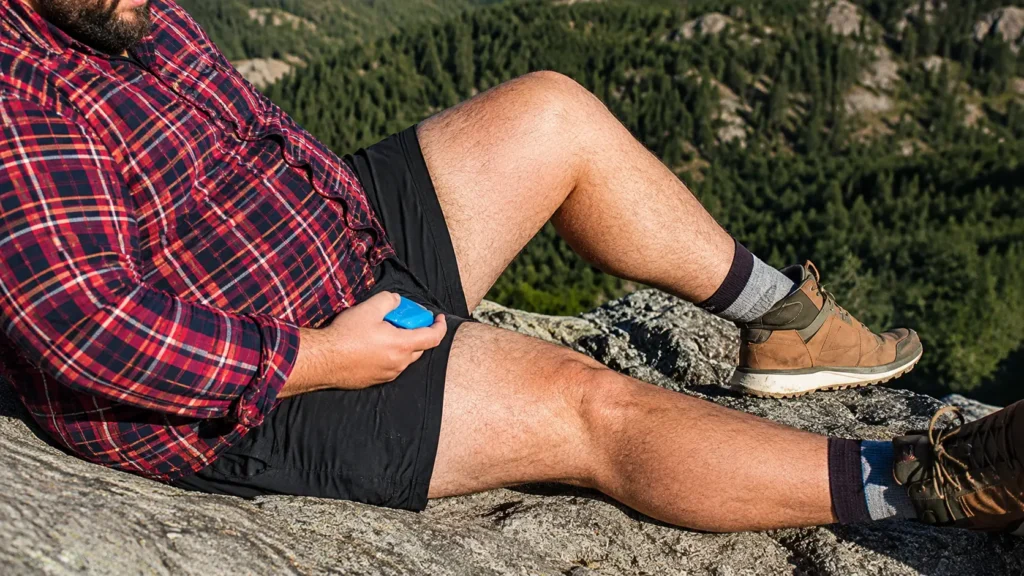
Not every day needs the same product. Using a heavy silicone-based formula on a cool, dry day is overkill. Using a light powder on a 90-degree walk is a mistake you will feel by hour two.
On low-sweat days, a balm stick does the job. Body Glide, Megan Rapinoe’s Gold Bond Friction Defense, and similar wax-based sticks glide on dry, stay put through light activity, and do not stain clothes. Easy choice for office days or short errands.
High humidity changes everything. Powder absorbs moisture but breaks down once you are fully sweating. That is where silicone-based products like Squirrel’s Nut Butter or anti-chafe creams earn their place. They create a slicker barrier that holds up when things get wet.
| Sweat Level | Condition | Best Product Type | Example Format |
|---|---|---|---|
| Low | Cool, dry, short errands | Balm stick | Wax-based stick |
| Medium | Warm, moderate activity | Silicone-based cream | Anti-chafe balm |
| High | Hot, humid, heavy sweating | Silicone or athlete cream | Chamois-style balm |
| All-day | Long walks, travel days | Long-wear athlete formula | Thick balm or cream |
| Irritated skin | Already raw or red | Skip barrier products | Aloe or healing ointment |
All-day trips need long-wear formats. Bike chamois creams and anti-chafe balms designed for athletes tend to last longer than stick formulas built for casual use.
Here is what most people miss: putting any product on already-raw or irritated skin makes it worse. The friction has already done damage. Barrier products protect healthy skin. Once you have a hot spot, switch to a gentle healing approach first, like aloe or a fragrance-free healing ointment, and let the skin recover before reapplying.
What to Do When You’re Already Raw and Still Have to Move
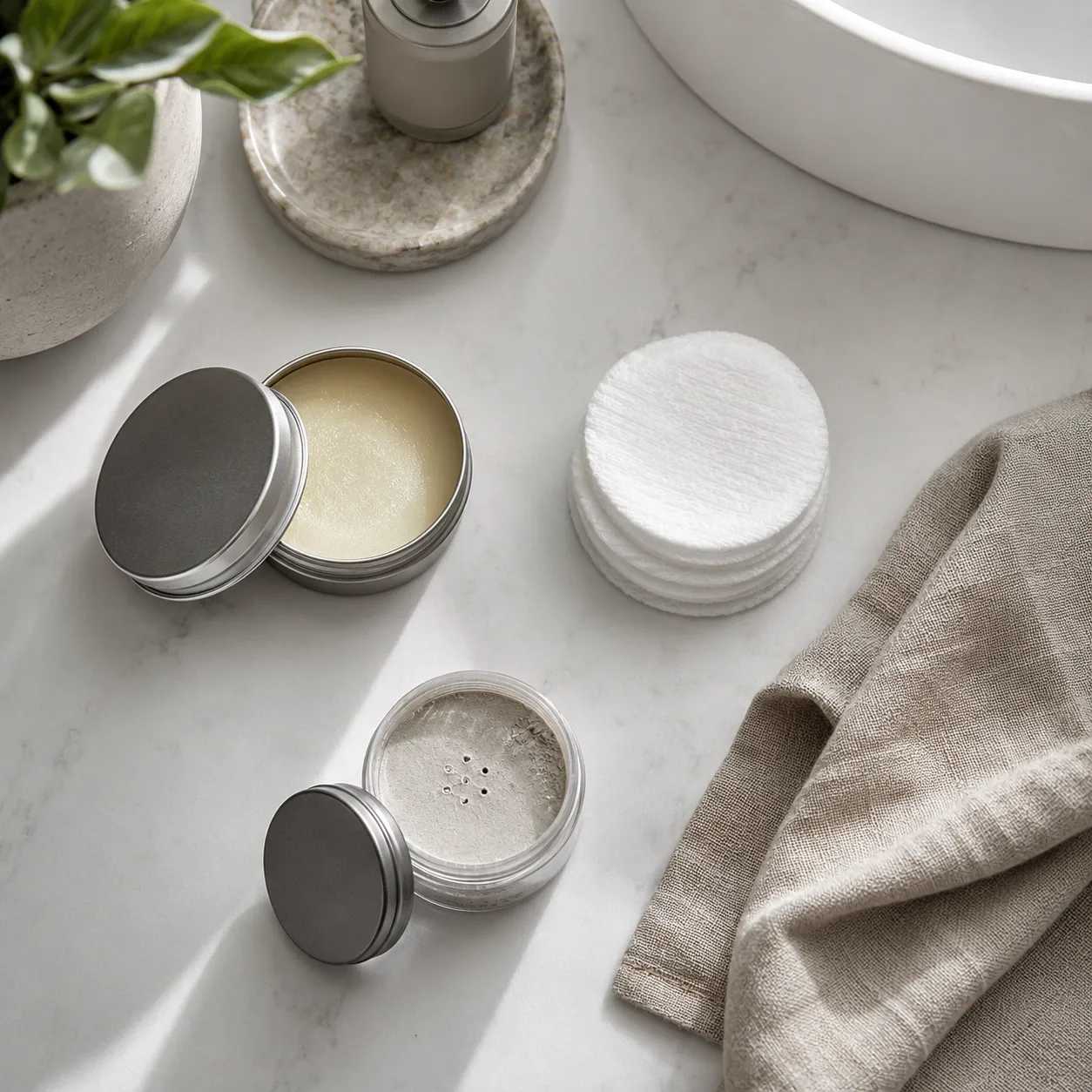
Broken skin changes everything. Products that were fine on intact skin can burn, seal in bacteria, or make the damage worse. Your first move is to gently blot the area dry with a clean cloth or soft tissue. Do not rub. Rubbing tears the top layer further and delays healing by hours.
Once the skin is dry, you need a barrier product made for compromised skin. Plain petroleum jelly works here. So does a zinc oxide cream or a zinc-based diaper rash product. Both coat raw tissue, reduce friction on contact, and do not sting the way alcohol-based balms or fragranced products will.
Avoid applying cornstarch-based powders directly to open or weeping skin. Powder on a dry inner thigh is useful. On raw skin, it clumps, binds to moisture, and increases friction rather than reducing it.
What you can carry without it being obvious: a small tin of petroleum jelly, a travel-size zinc cream, and a few folded cotton pads in a zip bag. The whole kit fits in a jacket pocket or a bag side pocket.
If the rawness spreads past a small patch, or if you see swelling or warmth that goes beyond surface irritation, that is your signal to stop for the day and let the skin recover before the next outing.
The Overnight Skin Repair Routine That Cuts Recovery from Days to Hours
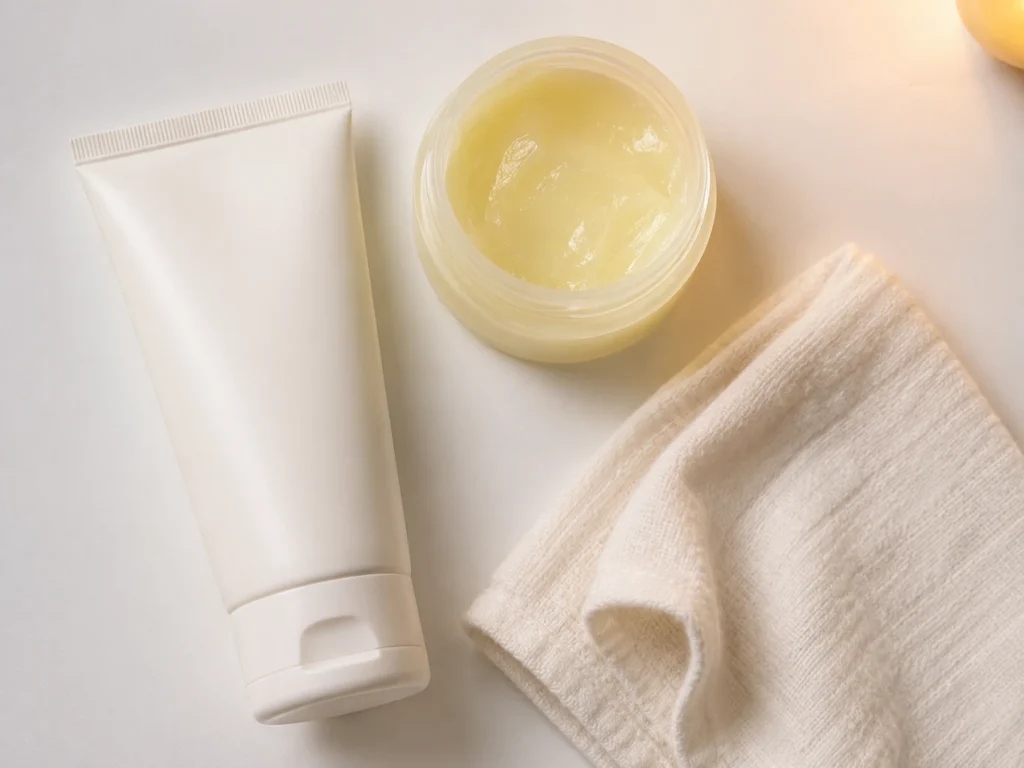
Zinc oxide is the ingredient that separates fast healing from slow. You find it in diaper rash creams like Desitin, and it works just as well on chafed adult skin. Apply a thick layer over the raw area before bed and it creates a breathable barrier while actively calming inflammation overnight.
Skip the powder at night. Powders absorb moisture during the day, but on broken or raw skin they dry things out further and slow repair.
Petroleum jelly is your second tool. It seals moisture into the damaged skin so cells can actually rebuild. Use it on areas that are irritated but not broken open.
Wash the affected skin gently before applying anything. Soap residue or sweat left on the area will work against whatever you put on top.
Skin that gets consistent overnight care starts to toughen up in the right way. The outer layer gradually becomes more resilient, which means the next hot day does less damage. Most men skip this step once the pain fades. That is exactly when it matters most.

Hello there! I’m Jesse Joe, the author and editor behind SolganGenius. I’m thrilled you’ve stopped by, and I can’t wait to share with you the essence of what this platform is all about.
I’m a writer, social media enthusiast, and a firm believer in the power of words. I’ve always been fascinated by how a simple phrase or slogan can capture an emotion, convey a message, and even change perspectives. Learn More