
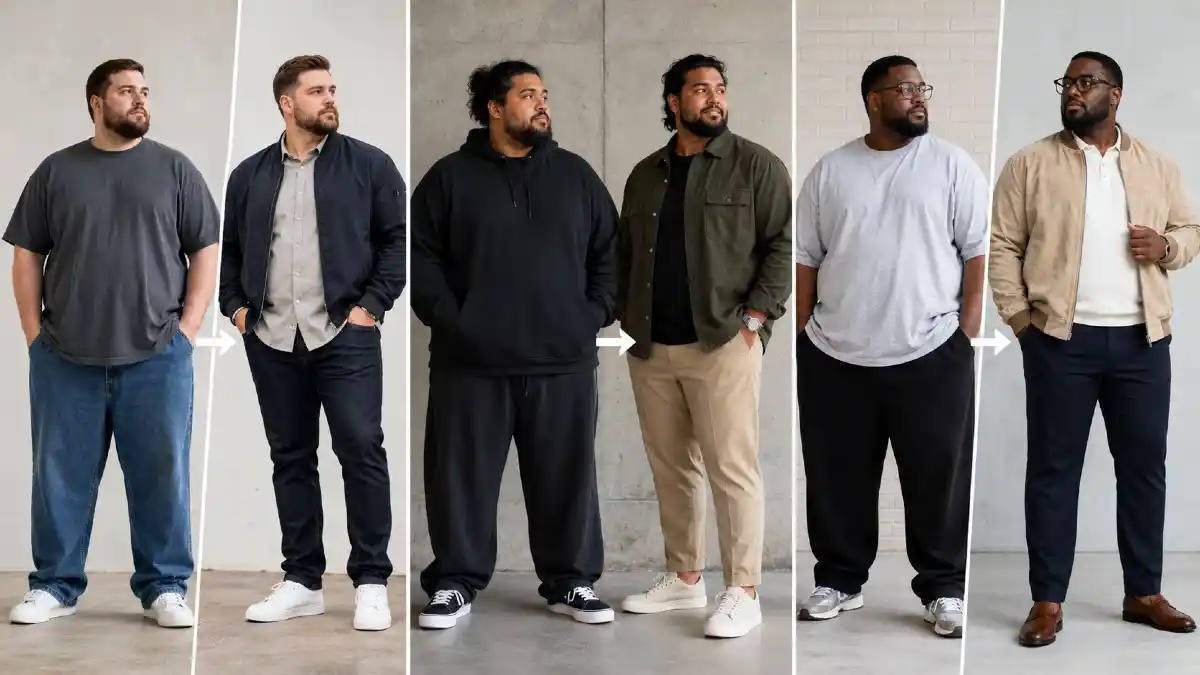
Getting dressed shouldn’t feel like damage control. For a lot of bigger men, that’s exactly what it becomes grab what fits, stick to dark colors, stay comfortable, stay invisible. The result is a wardrobe full of clothes that cover your body without doing anything for it.
Nobody taught you how to dress for your actual size. Most style advice is written for a 32-inch waist and assumes everything else is a deviation from the norm. That leaves heavier men defaulting to whatever feels safe.
Safe doesn’t look good. It just feels less risky. The men in this article didn’t lose weight to look better. They made different choices about fit, fabric, color, and where to shop. Same body. Completely different outcome.
The Real Problem Isn’t Your Body — It’s That You’ve Been Dressing to Disappear
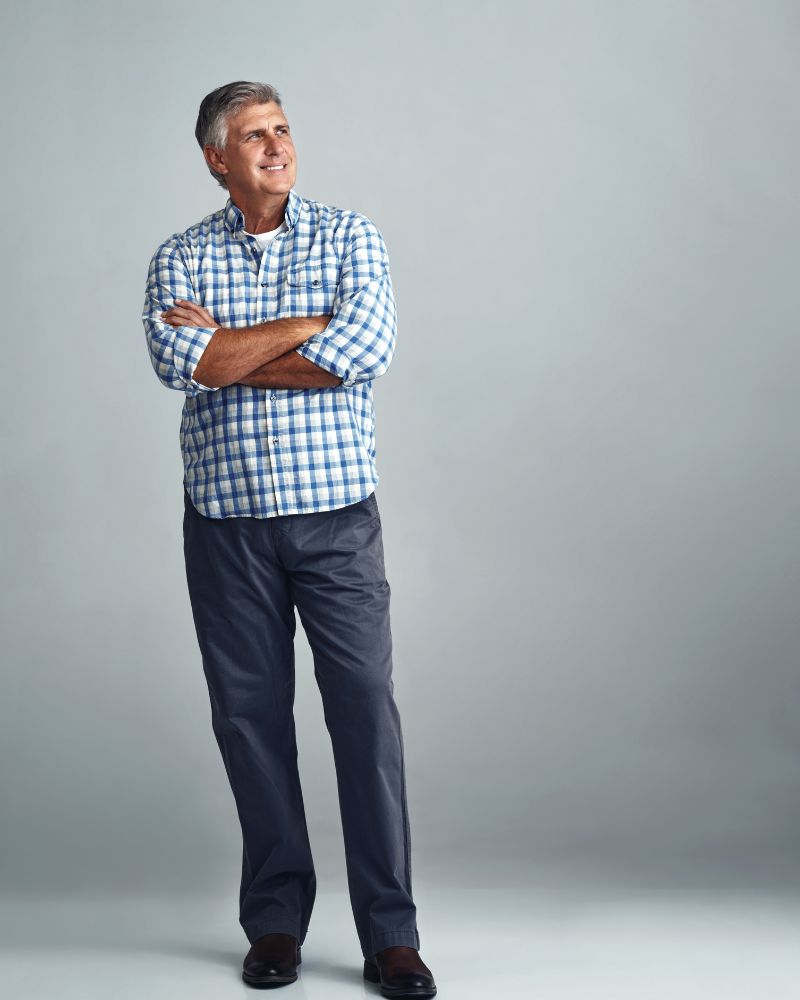
Most men don’t realize they’re doing it. Somewhere along the way, getting dressed became less about looking good and more about not being noticed darker colors, looser fits, safer choices. That shift feels protective. Over time, it becomes a habit so ingrained you stop questioning it.
This is the actual problem. Not your size.
The invisible wardrobe signs you’ve been dressing to disappear:
- Everything in your closet is black, navy, or dark grey
- Your shirts are one or two sizes bigger than they need to be “more comfortable” is the reason you give
- You wear the same three outfits on rotation because they feel “safe”
- Patterns, fitted cuts, and brighter colors feel like they’re “not for you”
- Shopping feels like damage control, not an opportunity
The thing nobody says out loud: dressing to minimize yourself doesn’t make you less visible. Shapeless, ill-fitting clothes actually draw more attention to size not less. A baggy shirt creates bulk. A too-long hem shortens your legs. Clothes that don’t fit your actual shape tell the eye something is off, even if no one can name exactly what.
Style isn’t about pretending to have a different body.
It’s about working with the one you already have and that starts with deciding to stop hiding inside your clothes.
What Actually Changed for These Men (Hint: Nothing Below the Neck)
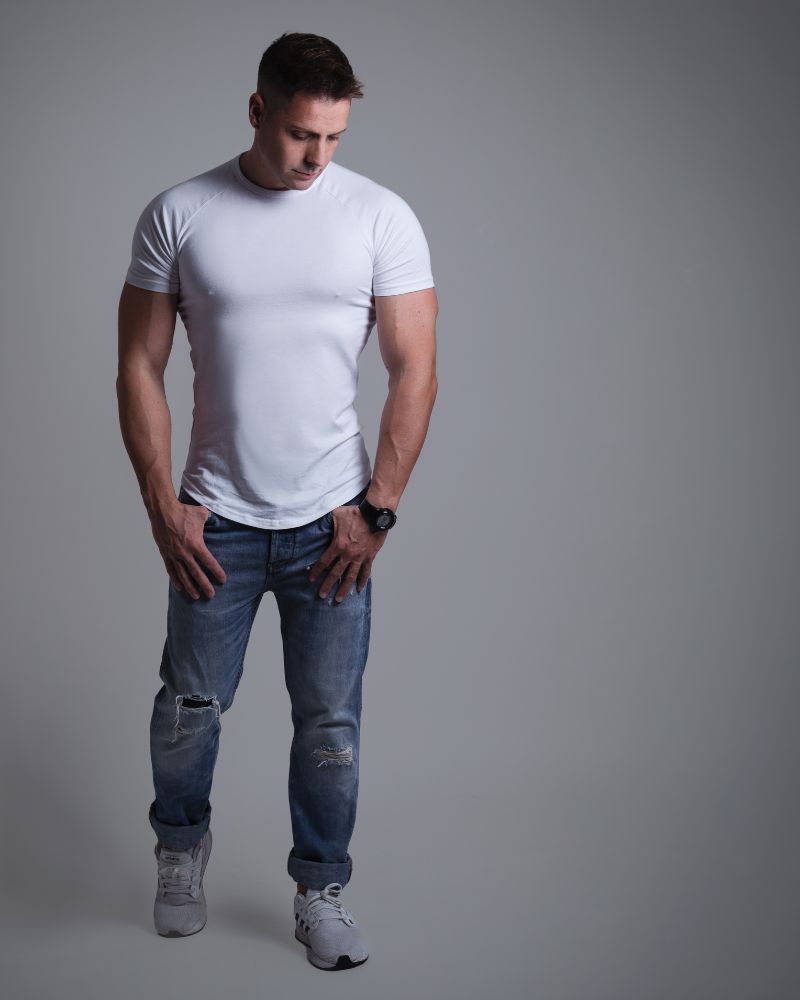
Kelvin Davis was a teacher before he became a model. Same body, same size what changed was the decision to stop waiting until he looked a certain way before caring about how he dressed. Zach Miko built a career in front of cameras at a size most agencies wouldn’t look at twice. Neither of them lost weight to get there. They changed their relationship with clothes.
That’s the shift. Not a before-and-after transformation. A before-and-after decision.
What these men actually changed:
- They stopped buying clothes that “almost fit” and started finding pieces built for their proportions
- Dark, shapeless basics got replaced with structured cuts in colors that worked for them, not against them
- Accessories watches, belts, clean shoes were added intentionally, not as an afterthought
- They started dressing for where they wanted to go, not just where they were comfortable being seen
Everyday men are doing the same thing without a platform or a camera. A well-fitted Oxford shirt on a bigger frame looks sharper than a designer tee that hangs wrong. Confidence in how you look comes from making deliberate choices not from reaching a number on a scale first.
Your body isn’t the project.
Your wardrobe is.
The One Fit Rule That Overrides Everything Else for Plus-Size Men
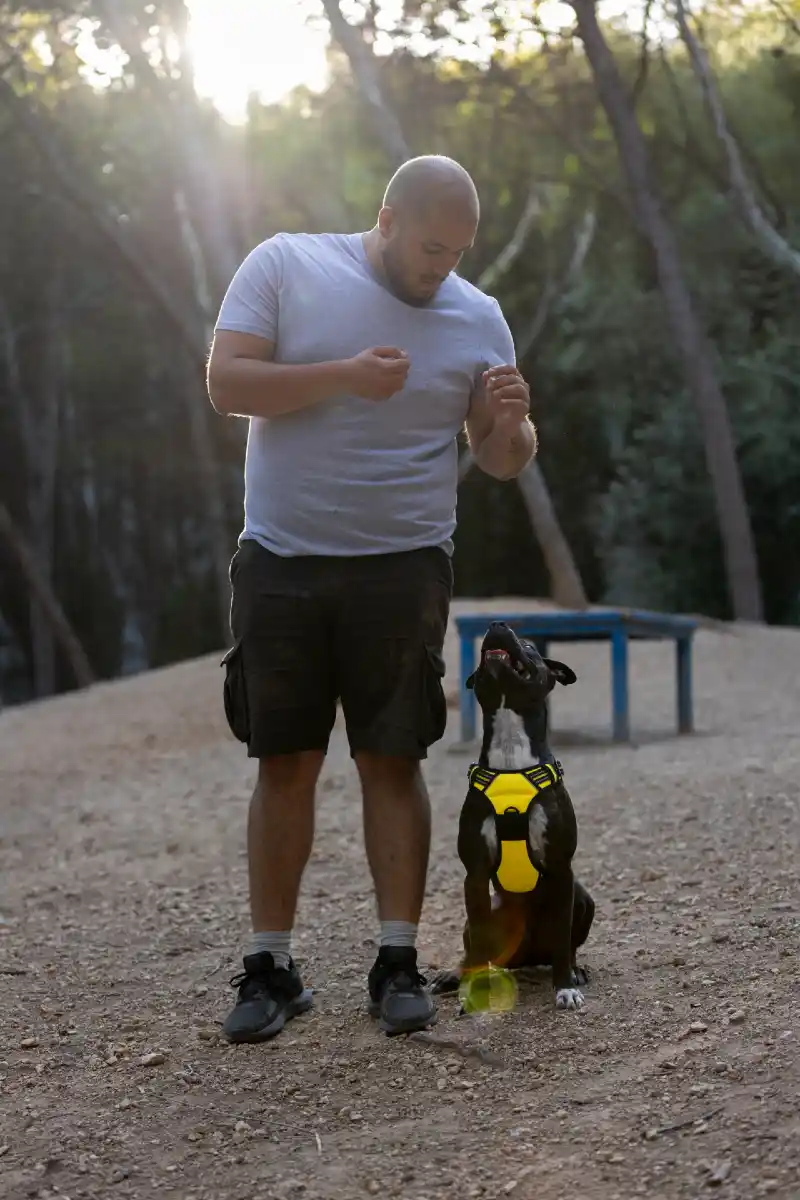
Spending more money won’t fix it. Neither will finding the right brand, the right color, or the right style. Every styling decision falls apart if the clothes don’t fit your actual body and for most plus-size men, fit is where things go wrong before they even leave the house.
Going bigger to feel comfortable is the trap. Oversized clothes don’t hide size they advertise it by creating shapeless bulk where your actual shape should be.
The most common fit mistakes plus-size men make:
- Shoulder seams that fall past the shoulder makes the whole upper body look collapsed
- Chest fabric that pulls open or bunches at the buttons signals the shirt is fighting your body
- Trouser crotch that drops too low shortens your legs and adds bulk around the hips
- Shirt length so long it can’t be worn untucked without looking like a smock
- Sleeves that cover the wrist entirely throws off your whole silhouette
What right fit actually looks like on a fuller frame:
| Garment | What to look for | What to avoid |
|---|---|---|
| Shirts | Shoulder seam sits at shoulder edge | Seam drooping past shoulder |
| Trousers | Fabric skims the thigh without gripping | Excess fabric bunching at crotch |
| Jackets | Chest lies flat when buttoned | Pulling or gaping at the button |
| Tees | Hem hits mid-hip, sleeves end mid-bicep | Boxy cut with no shape at the waist |
Tailoring exists for this exact reason. Getting a shirt taken in at the sides or a trouser hemmed costs less than most people think and it does more for your appearance than buying something entirely new.
One well-fitted outfit beats ten mediocre ones.
Colors and Patterns Most Plus-Size Men Avoid — But Shouldn’t
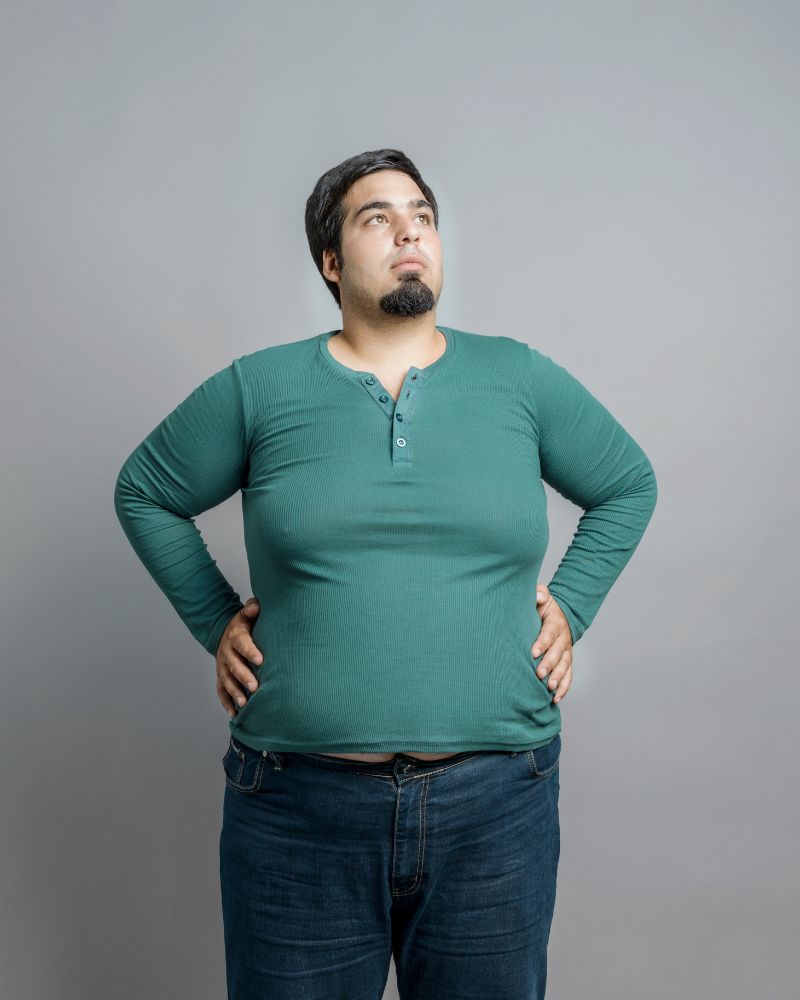
Black is not slimming. It’s just safe and safe is another word for invisible. The idea that plus-size men should stick to dark solids is one of the most repeated pieces of style advice out there, and it has kept a lot of men dressed in a way that communicates nothing except “I didn’t want to be noticed.”
Color builds presence. Presence is what makes an outfit work.
Patterns that actually work on a fuller frame:
- Medium-scale checks and plaids small prints get lost, large prints overwhelm; mid-size hits the sweet spot
- Vertical stripes draw the eye up and down rather than across, which lengthens the silhouette
- Tonal patterns same color family, different shades —dd visual interest without loud contrast
- Subtle textures like linen weave or Oxford cloth these read as pattern without the risk
What kills a pattern on a bigger body isn’t the pattern itself it’s these mistakes:
- Wearing a bold print head to toe at the same time
- Choosing thin, clingy fabric that stretches the pattern out of shape
- Picking prints so large they get distorted across a wider chest
Rich, medium-depth colors burgundy, forest green, rust, camel, cobalt do more for a fuller frame than black ever will. These tones create contrast with skin, define your shape against a background, and signal that you made an intentional choice.
Wearing color isn’t a risk.
Blending into every room you walk into is.
How Fabric Choice Is Silently Ruining Your Outfits (And What to Ask For Instead)
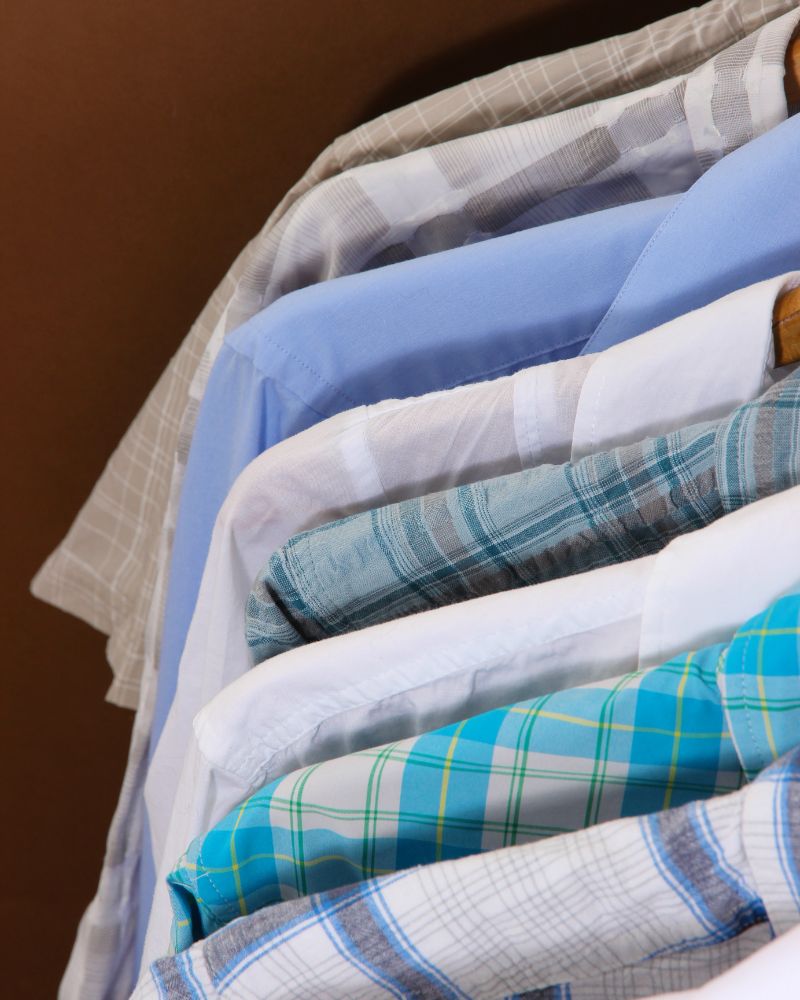
Two shirts. Same fit. Same color. One looks sharp the other looks like you just rolled out of bed. The only difference is fabric, and most men never think to check it before they buy.
Cheap fabric doesn’t just feel bad. It behaves badly clinging where it shouldn’t, pulling across the chest, bunching at the waist, and going transparent under light in ways that make everything you’ve done with fit and color completely pointless.
Fabrics that work against a fuller body:
- Thin jersey knit stretches and clings, maps every contour without structure
- 100% polyester traps heat, bunches at stress points, looks shiny under light
- Lightweight cotton with no stretch pulls open at buttons, distorts across a wider chest
- Viscose or rayon blends drape unevenly and wrinkle fast, creating a sloppy silhouette
Fabrics that actually hold their shape:
- Mid-weight cotton twill structured enough to skim rather than cling
- Cotton-elastane blends (with 2–5% elastane) moves with your body without stretching out of shape
- Ponte fabric firm, smooth, and holds structure across the chest and shoulders
- Linen and linen blends breathable, naturally textured, drapes cleanly on a bigger frame
Checking the fabric label takes ten seconds. Look for mid-weight, structured materials with a small percentage of stretch that combination gives you comfort without the cling.
Feel the fabric before you buy.
If it stretches aggressively in your hands in the store, it will do the same thing on your body.
The Three Outfits Every Plus-Size Man Should Own Before Anything Else
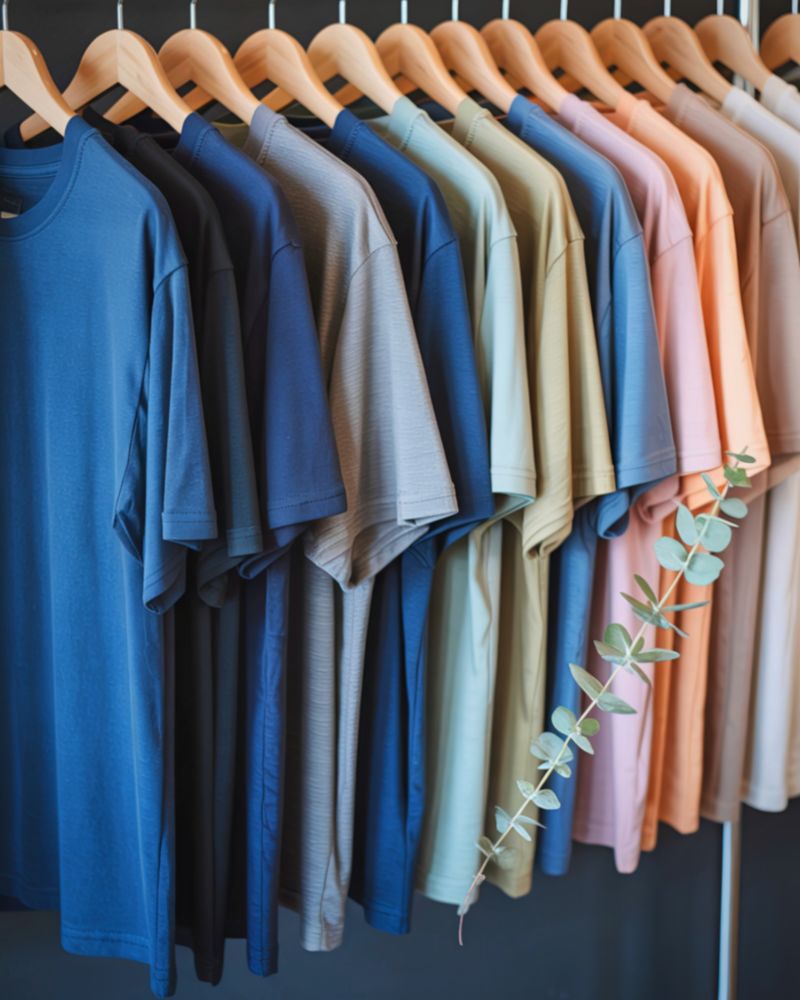
Before building a full wardrobe, build three outfits. That’s it. Most men get overwhelmed trying to overhaul everything at once — then buy nothing, change nothing, and end up back in the same rotation of safe clothes that weren’t working before.
Three outfits cover most of your life. Start there.
Outfit 1 — Casual daytime:
- Well-fitted dark or mid-wash jeans (straight or tapered leg, not relaxed)
- Structured cotton tee or Henley in a solid mid-depth color burgundy, navy, forest green
- Clean leather or suede sneakers white, tan, or black
Outfit 2 — Smart casual (the most useful outfit you’ll own):
- Chinos in tan, olive, or charcoal slim but not tight through the thigh
- A well-fitted Oxford button-down shirt in a solid or subtle check tucked or half-tucked
- Leather loafers or clean Derby shoes this single swap from sneakers elevates the whole look instantly
Outfit 3 — Going out:
- Dark trousers with a clean drape wool-blend or ponte fabric
- A structured fitted shirt or lightweight merino rollneck in a rich color
- Chelsea boots or leather lace-ups dark sole, minimal detailing
None of these outfits require a designer label or a big budget. What they require is that every piece fits correctly and the fabric holds its shape which is everything covered in the sections above.
Wearing one of these well beats owning thirty pieces worn badly.
Start with outfit two. It works everywhere.
Where to Actually Shop When You’re Done Settling for Whatever Fits
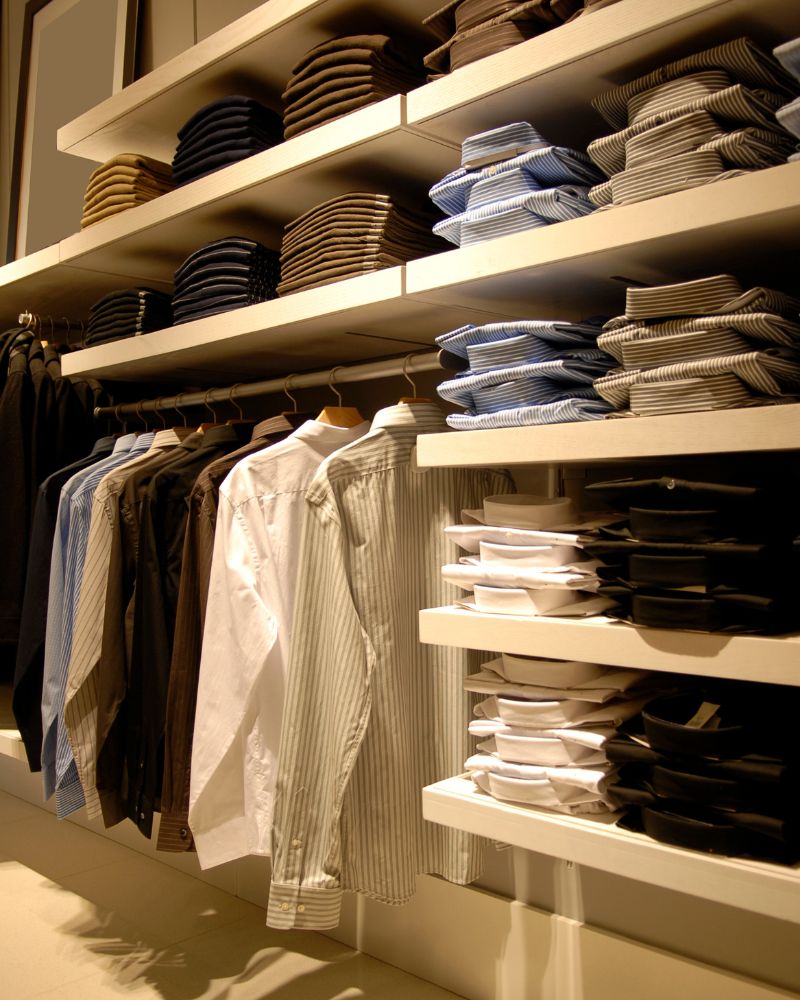
Most big-and-tall sections exist to solve a problem, not create a look. Rows of shapeless polos, elastic-waist trousers, and logo tees in extended sizes technically they fit, but they weren’t designed with style in mind. Finding clothes that actually work requires knowing where to look specifically.
Good news. The options have grown significantly.
Online retailers worth knowing:
- ASOS extended sizing up to 4XL with genuinely styled pieces, not just scaled-up basics; filter by size from the start
- Bonobos well-cut chinos and shirts in extended sizes, known for fit-focused design
- Uniqlo not a dedicated plus retailer but carries XL–3XL in structured basics like Oxford shirts, chinos, and merino knits that hold shape well
- Charles Tyrwhitt shirts in larger neck and chest sizes with proper tailored cuts, good for smart-casual and occasion wear
- Marks & Spencer reliable mid-budget option for structured trousers, knitwear, and shirts in extended sizing
What to look for on any site:
- A dedicated size filter not a separate “big and tall” tab buried in a corner
- Model photos showing the garment on a fuller body, not just scaled-up flat lays
- Fabric composition listed clearly in the product description
Thrift stores and secondhand platforms like Depop or eBay are genuinely worth checking too extended sizes move slower, which means better finds sit longer.
Try things on. Sizing varies wildly between brands, and fit always matters more than the number on the label.

Hello there! I’m Jesse Joe, the author and editor behind SolganGenius. I’m thrilled you’ve stopped by, and I can’t wait to share with you the essence of what this platform is all about.
I’m a writer, social media enthusiast, and a firm believer in the power of words. I’ve always been fascinated by how a simple phrase or slogan can capture an emotion, convey a message, and even change perspectives. Learn More