

I need to say something out loud that I avoided for years: I retired with no savings. No 401(k). No investments. No cushion.
The first time I typed that sentence into a notebook, my hands were shaking. It felt like a confession, because it is one. I had always pictured retirement as something that happened to people who started early and had their lives together. I did not start early, and my life was not together.
But here is the part I did not expect: I am happy. My life has meaning. I am at peace. That does not mean it is easy, and it does not mean everyone can do what I did. It means a late start is not the same thing as a failed life.
I want to show you what my days actually look like, the exact numbers I live on, and the small habits that turn a fixed income into a life you can stand to wake up to.
| Category | Monthly amount | What it covers |
|---|---|---|
| Housing | $610 | Property tax, insurance and upkeep on a paid-off small house |
| Utilities | $190 | Electricity, water, gas |
| Food | $300 | Groceries and household supplies |
| Car, insurance, gas | $210 | Fuel, insurance and basic upkeep |
| Medical | $170 | Premiums and co-pays |
| Phone and internet | $95 | Home phone and internet |
| Personal | $65 | Toiletries, haircuts, small wants |
| Emergency savings | $50 | Transferred to a separate credit union account |
| Left for repairs | $130 | What remains after everything above |
I retired with no 401(k) or cushion
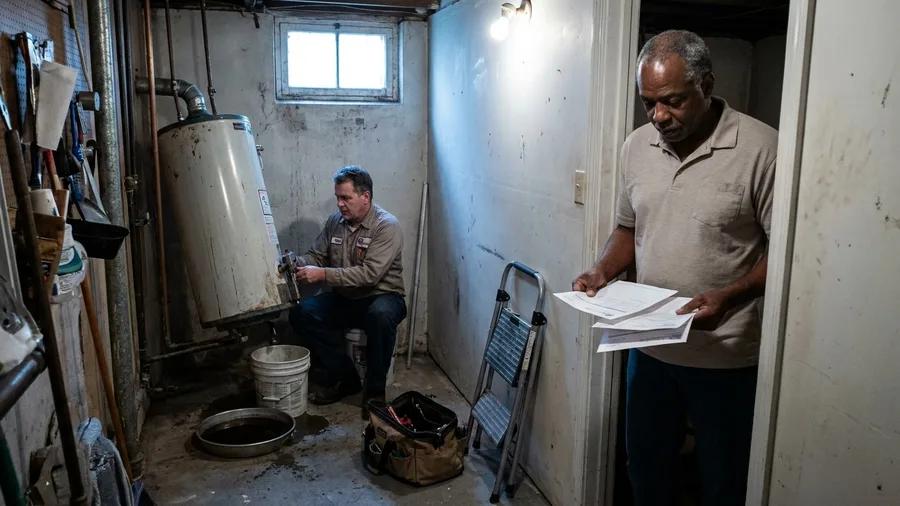
Retirement with no savings looks like a fixed income, a written budget, and a water heater that has to come out of this month, not out of some fund. That is the whole difference, and it is bigger than it sounds.
I retired at 66 with no 401(k) at all. No investments, no cushion saved up. The money that had once sat in a retirement account went to down payments on two homes years earlier, back when the kids needed roofs over their heads more than I needed a balance sheet. By the time I stopped working, there was no dependable savings account waiting for me.
People hear "no cushion" and picture someone standing at the edge of a cliff. For me, the truth is more boring than that. I have a fixed income, a budget I actually write down each month, and a small emergency fund I touch only for essential repairs, replacements, or medical needs.
When my water heater went out two springs ago, I got three written quotes before I agreed to anything. The first came in at $1,150 installed. The other two were $1,375 and $1,490. I took the $1,150 and paid for it with a mix of money I had set aside plus a short, careful delay on a smaller repair.
That is how a no-savings retirement actually runs. Not dramatic. Not glamorous. Just careful. Every repair has a month attached to it, and every month has a number.
The thing I want you to take from this: a cushion is not the only way to be ready. A quote in triplicate, a written budget, and the willingness to wait on the small stuff can carry you a long way. If you are facing a repair this month, get three quotes in writing before you sign anything, and check what the same job costs through a local trade school or a licensed handyman before you accept the first number.
🧪 Test retirement before you stop working
Pull your official Social Security statement
Log in at ssa.gov and verify your benefit estimate with Social Security directly, not from hearsay.
Track three months of spending
Write down every outgoing dollar for three full months so you know what your life actually costs.
Run one test month on $1,820
Live for a full month on the projected income, including a cushion of $500 to $900 for what breaks.
Price housing, medical, car and food at the new income
Check each big bill against the test month and adjust before you stop working.
Talk to the people affected
Tell your partner or dependents what will change and ask what they can take on.
Weigh part-time work or a later date
If the test month does not work, consider part-time hours or a later retirement date while your health allows.
My life is happy without the savings
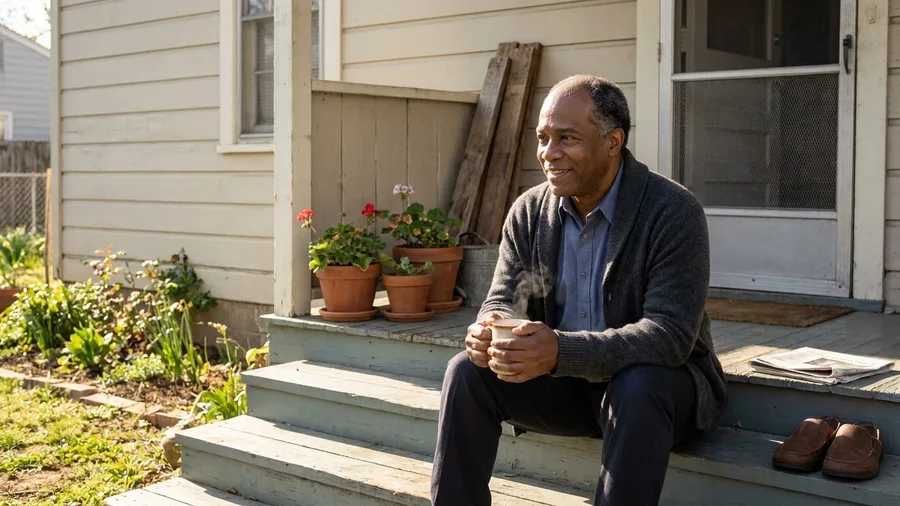
You can be calm inside a small retirement. I am, and I want to be honest about why, because there is a version of this story that would be a lie.
Retirement turned out unlike anything I had imagined, drawn up, or expected. I pictured a different ending. What I got instead is a life that is happy, that has meaning, and that gives me peace most days. Those three things are not the same as money, and I did not understand that until I stopped chasing the number.
You should hear the honesty in that. I am not telling you retiring with nothing is easy for everyone, or that warm feelings pay the electric bill. They do not. My $1,820 Social Security check covers the bills because the budget is written down and I stick to it. Peace without a plan is just worry with better lighting.
So here is what is true. With housing at $610, food at $300, and $50 a month going into a savings account at the credit union, my life is not fancy. It is also not anxious.
There is a quiet relief in that, and it surprises people. It surprised me. What it comes down to is this: if you are near retirement with little saved, start by writing down what actually comes in and what actually goes out. One page, one pen. The calm you are looking for usually starts there, not in a portfolio.
I assumed retirement needed a perfect life

I did not save because I believed retirement was something you start early, and it only happened to people who had their life together. My life never felt together, so saving stayed an idea I could postpone.
That is how it worked in my head. I would say to myself, "I will deal with that when things settle down." Things never quite settled. There was always a bill, a school thing, a car repair, a reason to wait one more month.
That belief delayed me for years without ever lifting a finger to help me. It did not feel like blame at the time. It felt like comfort. It felt like permission to not look at the math.
Looking back, it was not a plan at all. It was a story I told myself so I would not have to face the numbers.
If you recognize that story, here is the small thing that breaks it: open a savings account this week, even at a credit union, and set up an automatic transfer of $25 on payday. You are not trying to get rich. You are trying to stop being a person who has not looked. Once the account exists, the math stops being scary and starts being a number you can work with.
Single parenting left no room to save

I got to retirement age without savings because I was raising two children alone on one income, and getting by every single month felt like winning.
I want to describe that life without a violin in the background. I always had a home. I paid my bills. I had a car. I fed, clothed, and schooled two children. None of that was easy, and none of it looked like poverty from the outside.
As long as the kids were okay, I felt fine. I did not think about being poor. I did not think about saving. I thought about the next thing they needed and the next thing on the calendar.
That is the trap of being comfortable enough. When you are getting by, the missing future plan is very quiet. It does not send a bill. It waits.
Hindsight shows me the cost. I was living a life that felt full in the present and left nothing for the part of me that would one day stop working. If you are in that season right now, with kids at home and no room to spare, do not wait for room. Try $20 a paycheck into a separate account. Twenty dollars will not fund a retirement, but it keeps the habit alive so that when the kids leave, the saving does not have to start from nothing.
Retirement arrived after the kids grew up
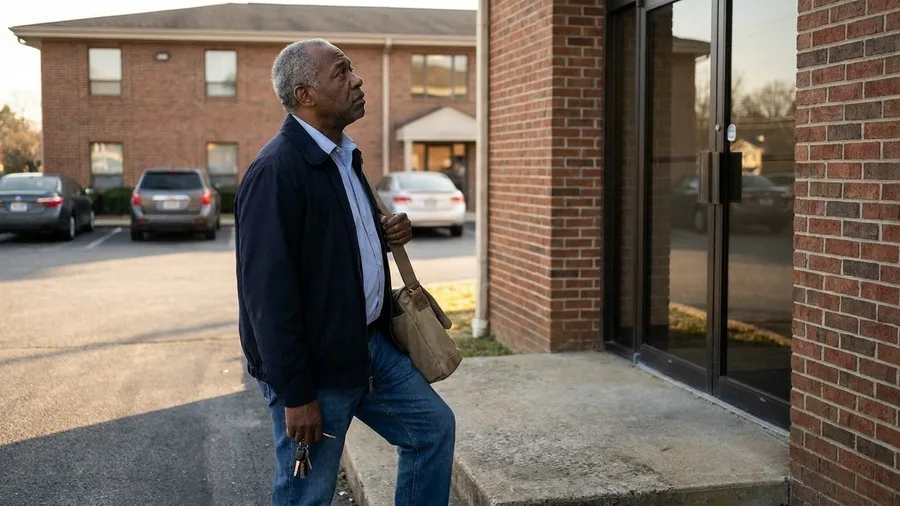
Retirement became real for me only after my children were adults, when physical issues started making work harder, and by then the savings were long gone.
For years retirement was a word that belonged to other people. Then the kids were grown, my body started setting the timetable instead of my plans, and I looked up and realized the working years were behind me.
The 401(k) money I once had went to down payments on other homes. There was no dependable retirement savings left when my body wrote the date for me.
I do not tell you that to make you feel sorry for me. I tell you because the timing matters. Retirement is not always chosen. Sometimes it arrives early, and sometimes it arrives because you are hurt or tired or both.
That is not a comfortable reality, but it is a common one.
If you are still working and still able, even part-time, the next right move is small and boring: check your Social Security statement online at ssa.gov, look at what your monthly benefit would be if you claimed at 62, at 66, and at 70, and write those three numbers on a sticky note. Knowing the gap now is a hundred times kinder than discovering it later.
At first I felt like a failure

I felt ashamed because I had spent my whole adult life being the one who managed, and now I looked like the one who had not. The first year of retirement, I compared myself to people I knew who seemed to have it together. I asked myself how they did it and why I could not.
The sentence I said to myself back then was blunt. I know how to care for others; I did not know how to care for myself.
That sentence is true, and it is also a trap. It sounds like honesty, but it is really just a way of standing still while the shame does the talking. Shame feels like an answer. It is not a plan.
It does not pay for a new roof. It does not replace the tires on the car. And it does not change the number in the account.
So I let it sit there for a while. I am not going to pretend I shook it off in a week. Then I had to get up and make a budget, because the water heater does not wait for you to finish feeling bad. The repair still comes, and the feeling does not pay for it.
If you are there right now, hear this: the embarrassment is real, and it is not evidence. It is just discomfort wearing a serious face. The budget is what moves you.
I stopped when I saw I wasn't alone

You are not the only person who retired with nothing. I stopped feeling sorry for myself when I saw that I was not the only one in this phase of life with no financial backing.
There are millions of people who retire with no savings. Many of them never talk about it. They never mention the repairs they cannot pay for, or the things that need fixing and simply are not fixed.
I am not special, and I am not a rare case. I am one of many. That realization broke the spell of self-pity.
It did not, however, replace a budget. That work still had to be done. Seeing that the shame was common made it easier to put down, but it did not put money in the account.
Here is what I would say to anyone still hiding in it. The quiet is the problem. When nobody says it out loud, every person in it thinks they are the only one, and that isolation costs more than the missing savings.
Once I stopped measuring myself against people who seemed to have it together, I had energy for the actual work. The budget came next. The shame had been taking up the whole room.
⚠️ COMMON MISTAKE
The mistake that cost me the most
I used to go out to dinner once or twice a week, order fast food without checking my account, and buy things because they were the latest trend. That habit is what made a small income feel even smaller.
A budget changed paycheck to paycheck
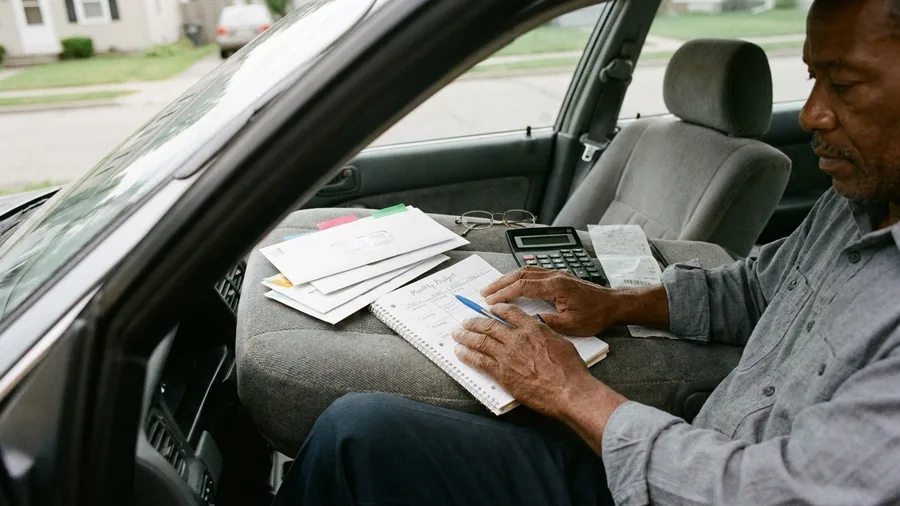
You manage it by getting a real budget on paper before anything else. Not a vague one. A written month: how much comes in, how much goes out, and what fits.
My income is $1,820 from Social Security. No pension and no regular part-time pay. I had to downsize to make my expenses fit that number instead of the other way around.
Today the month looks like this: housing $610, utilities $190, food $300, car and insurance and gas $210, medical $170, phone and internet $95, personal $65, and $50 into emergency savings. Seeing real retirement budgets line by line shows which categories quietly sink a month. That is $1,690, leaving about $130 for repairs and replacements.
When I told my son that my bank account is fuller today than it was during my working years, he laughed. It is true. I still live paycheck to paycheck, but now I know what every check is for.
The catch is that the budget only works because I cut the expenses to fit. The budget is not magic. It is the result of choices, and the choices came first.
Every dollar now has a purpose

Living without big savings means every dollar I spend has a job. I am no longer careless, and the change did not come from willpower. It came from the fact that there is no cushion to absorb a careless week.
The old version of me would buy things I had no need for just because they were the current trend. I bought to feel current. I bought to feel like I was keeping up, which is a strange thing to pay for.
I do have a small emergency savings account. It is $900 in a separate credit union account, and it is only for essential repairs, replacements or medical needs. Once I use it, I refill it at $50 a month.
That is not a big sum. Nobody would call it security. But it is enough to keep me from reaching for a credit card when the refrigerator starts making a sound it should not make.
The discipline is not deprivation. It is knowing exactly where my money goes and why. There is a plain kind of peace in that, and I did not expect to find it here.
I ask if I really need it

It is not a poetic question. It is the one that saves the most money.
Need is water, electricity, gas, housing, clothing, food. Want is a beautiful shirt, a nice pair of shoes, a purse. Want is not bad. It is simply not the same as need.
I ask before I check out, not after. You probably know how different those two moments feel. After, the question is just guilt with a receipt attached.
If the answer is no, I put it back and I do not negotiate with myself about it. The negotiation is where the money goes. That has saved me thousands over a year, and it costs nothing to ask.
Try it on the next thing you pick up. Just the question, nothing else.
Need vs. want: the line I use at checkout
Need
- Water, electricity, gas
- Housing and property tax
- Clothing that keeps you warm
- Food for the week
- Medical care and prescriptions
Want
- A beautiful shirt already on the rack
- A purse that matches the season
- A second pair of shoes you admire
- Dinner out because everyone is going
- Anything bought to keep up
Joy without savings costs almost nothing

The best day I had this week cost me nothing at all. A walk through the park, and then a loop around my own neighborhood. That was it.
It gives me exercise, which my doctor likes, and it gives me a mood I could not buy at a store. It does not touch the budget. Not one dollar.
Cooking at home has turned into a real pleasure, and I mean that. Restaurant food never felt like this. When I make a pot of soup that lasts three days, I feel like I beat the system. One of the best things I do all week is talk with my children. We do not need a table with a view. We need the phone and a half hour.
Last month there was a small festival in town, the kind with folding tables and a band that was a little too loud. I paid for parking and a coffee. That was the whole bill.
Here is what I have learned. We are sold the idea that good times come with a price tag attached. They do not. Joy does not need a big price tag. It needs a little attention.
So try this: pick one thing this weekend that costs under five dollars, or nothing, and treat it like an event. Go on purpose. Notice it. That is not a consolation prize, either. It is the actual texture of my days, and I would not trade it.
Finding joy in retirement without savings does not need a big price tag. It needs you to show up.
I regret wasting youth on keeping up
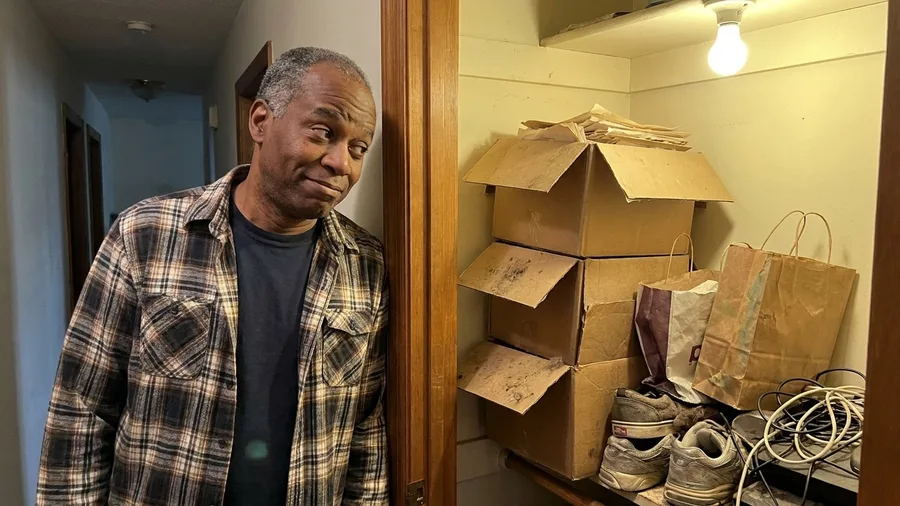
My biggest regret is how much of my youth I spent buying things I did not need, just to have what everyone else had. Nobody made me do it. I did it to myself.
Dinner out once or twice a week. Fast food on the way home because I was tired. Impulse shopping as a hobby, which is really a polite word for a habit. I never thought of any of it as a choice that would cost me later. It just felt like living.
Now I look back and I can see the pattern. It was not about the food or the things. It was about keeping up. I wanted to look like I was doing fine, and the dinners and the bags were how I proved it.
Today I buy only what I need. That regret has turned into a rule I use at the checkout, and that rule is the only useful thing I can do with it now. Wanting something is not the same as needing it. So I wait a few days and ask myself the question again. Most of the time the answer is no.
You cannot go back and undo those years. I have made my peace with that. But you can stop making the same choice tomorrow, and that is not nothing.
What I used to believe vs. what I live now
Being resourceful removed the deprivation

Being resourceful has been one of the biggest gifts of my retirement, and it is what ended the feeling of being deprived. I asked myself, do you ever feel deprived? Honestly, I can say not anymore.
Here is how it works in practice. I repair before I replace. I cook at home instead of grabbing takeout. I use the free things in my town, the library and the park and the walking trail. None of that is dramatic. All of it turns a small income into a life that works.
Deprivation is usually about comparison, not about the number in your account. When I compared my life to other people's, that $1,820 felt tiny. Once I stopped comparing, the number stopped feeling small. Same money, different frame.
So when someone asks me how I do it, I tell them resourcefulness is not a personality trait you are born with. It is a decision you make every week, sometimes every day. Repair it. Cook it. Borrow it. Walk to it.
That decision has given me something I did not expect. Not just a budget that balances, but a quiet pride in what I can make work.
Retirement freed me from others' opinions
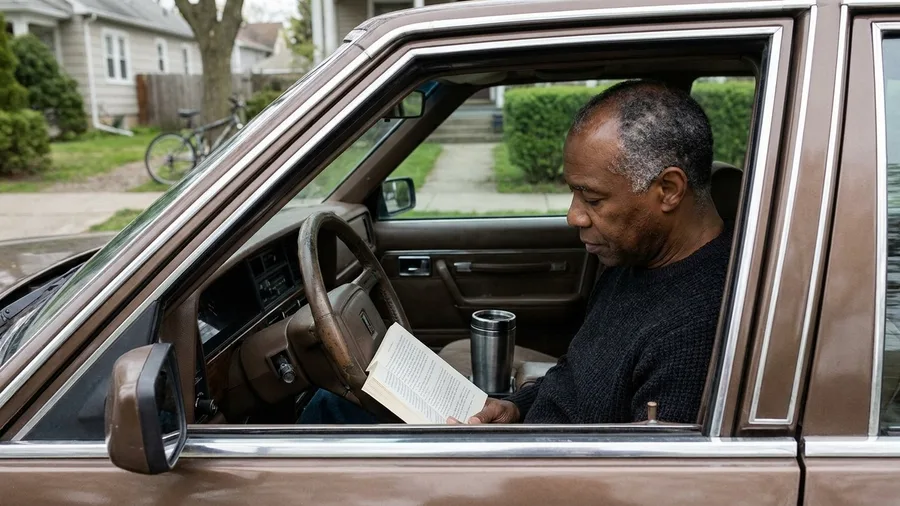
Retirement changed my whole lifestyle, and one of the best changes is that the opinions of others no longer weigh on me. That worry was a heavier bill than any I pay now.
Nobody else is paying my bills, so their opinion does not get a vote in my budget. That sounds simple, and it is. But it was not always true for me. I used to go along with plans I did not really want, just to stay in the loop. Dinners I could not afford, gifts I could not afford, because saying no felt like dropping out.
The peace came when I stopped attending to other people's ideas of how I should live. Some of them mean well. They picture a retirement with trips and a nicer car, and when I tell them about my $1,690 monthly budget they go quiet. I let them.
Now when a neighbor raises an eyebrow at my old car, I feel nothing. The car is paid for. The house is paid for. My $900 emergency fund sits in a separate account at the credit union, and it is there for the water heater, not for approval.
It is a quieter life than the one I imagined. It is also mine, and that turns out to matter more than the eyebrow.
No savings did not make life miserable
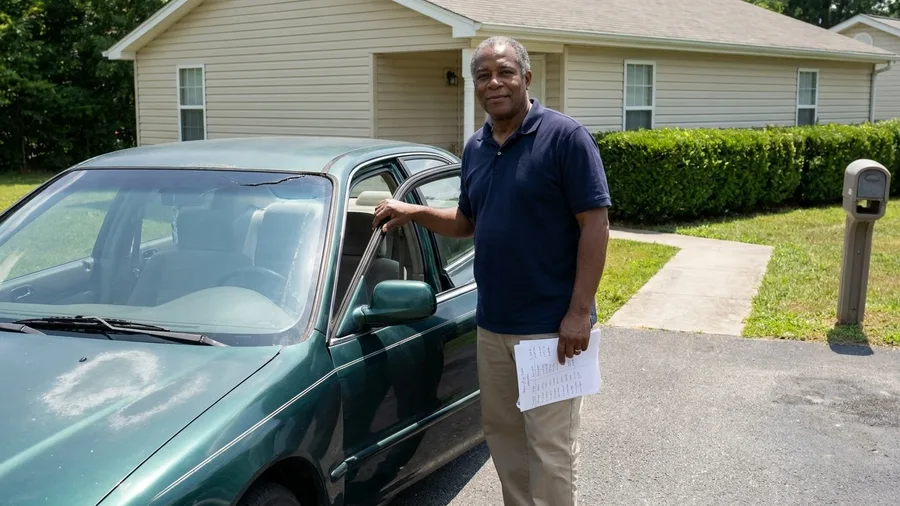
Retiring with no savings did not hurt me, and it has not made my life miserable. I will say that plainly, because I know how it sounds. But I do not want to sell you a story that leaves out the catch.
The reason it did not hurt me is that I put myself on a written budget. That is the one thing that really helped. Housing $610, utilities $190, food $300, car and gas $210, medical $170, phone and internet $95, personal $65, and $50 into emergency savings. That adds up to $1,690 of my $1,820, and the last $130 is what I hold back for repairs or replacements.
Without the budget, this story would be different. Without the small emergency fund, a repair would have gone on a credit card, and then I would be paying interest on no savings. Without the discipline, the same $1,820 would vanish every month and I would have nothing to show for it.
So please hear the caution in what I am saying. Savings are not unnecessary. A budget is not as good as a nest egg. If you are still working, learn when to stop saving so the transition is planned. But a budget is what carries the weight here, and it is something you can start this month with a pencil and an honest list of what comes in and what goes out.
That is the real answer to whether you can survive this. Not a miracle. A budget.
Contentment beats chasing what I missed
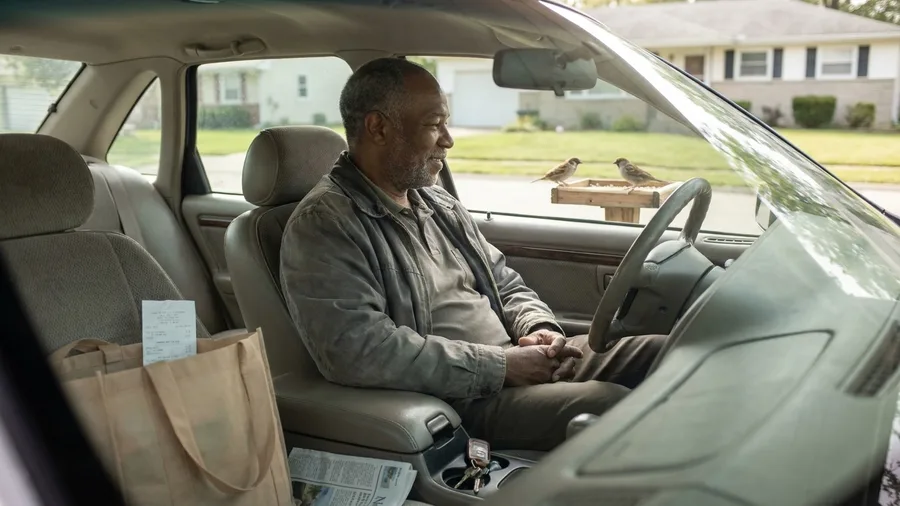
Contentment is not a number I hit in a bank account. It is something I do on purpose, every single day, even when the numbers are small.
A lot of people around me seem to lack it. They run from one thing to the next trying to catch up on everything they think they missed, and they are always tired. I know that tired. I lived it for years, chasing the next purchase or the next dinner out like it would close some gap.
What changed for me was not my income. It was where I put my attention. I practice gratitude for what is already here. The quiet house in the morning. The birds outside the window. My children's voices on the phone. A meal I cooked myself, eaten at my own table.
None of that costs a dollar, and all of it is mine.
contentment is a practice, not a sum in the bank. You do not arrive at it once and stay. You do it again the next day. Some mornings I have to do it twice before breakfast.
When I catch myself looking at someone else's vacations or their new car, I ask a plain question. Would I trade my quiet mornings for that? Most days the answer is no, and I mean it. That is the best return I know on something that costs nothing.
Luxury is in the eye of the beholder
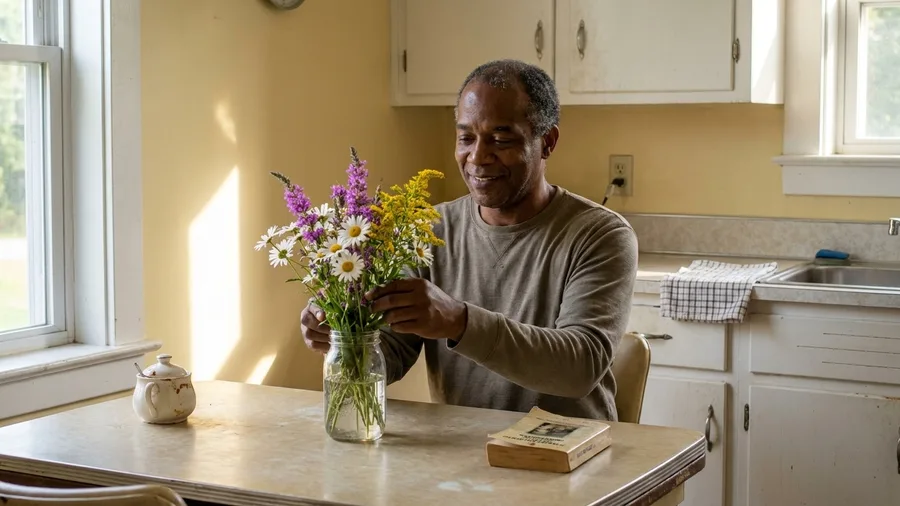
Someone could stand in my little living room, look around, and laugh. I would not mind. I see a glamorous life in the same four walls.
That is the thing about luxury. Like beauty, it sits in the eye of the beholder. To a person with a big house and new cars, my paid-off home with the older furniture might look plain. To me it is a gift. I own it.
There is no mortgage payment on the back of that. My housing line in the budget is $610 a month, and that covers property tax, insurance, and upkeep on a small house I actually hold the deed to. Plenty of people with far larger bank accounts cannot say that.
People think luxury means a cruise or a new car every few years. I think luxury is a Sunday morning with coffee on the porch and nowhere I have to be. It is a kitchen that smells like something I made instead of something I ordered.
That is fine. Someone else's laugh does not change one line of my budget or one quiet evening in my home.
Your worth is not measured by your finances. That sentence matters more than any account balance. You are not a failure, and you are not behind. You are living your own story, and that story still has a purpose.
If you are reading this and feeling small because of a number on a statement, try a simple exercise. Write down three things in your life this week that cost nothing and made you glad. Then ask whether the person with the bigger savings has more of those than you do. The answer might surprise you.
Each morning still brings something new
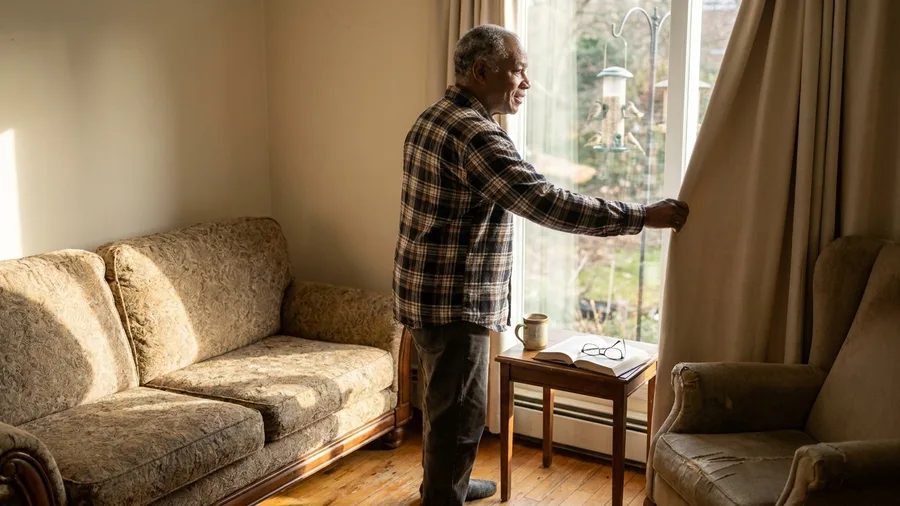
Every morning I wake up excited, and it is not because something big is on the calendar. It is because the day is happening at all.
The birds are out there before I finish my coffee. I learn something new most days, sometimes from a library book, sometimes from a neighbor. I laugh. I make memories with my family, even if it is just a phone call that runs long.
There is always another chance to encourage someone else going through this same life. That is a big part of why I share my story instead of hiding it. When I was first retired with nothing saved, I felt like the only person in the room. I was not, and neither are you.
That is the thing about not seeing or hearing anyone in your situation. It starts to feel like you are the only one doing it wrong. You are not.
So here is a small thing you can do today. Tell one person the truth about your retirement. Not the polished version. The real one. You will be surprised how often they say, me too.
You have not failed if content

If your life is happy and you feel content, you have not failed. That is the one sentence I want you to keep.
It does not matter whether you are living on a fixed income, starting over after an illness or a layoff or a divorce, or trying to make retirement work without the savings you were sure you should have. None of those things mean you failed. They mean you are still here.
Retirement did not hand me a clean runway. I raised two kids on one income, and what savings I had went into down payments on two homes so we could have a place. By the time 66 came around, there was no 401(k) and no cushion.
And yet here I am, with $1,820 a month from Social Security and a written budget that adds up to $1,690, with about $130 left for repairs. That is not a story of failure. It is a story of figuring it out.
None of us do this alone. There are others in the same spot, and we learn from each other. A person trying to make retirement work without the expected savings is not weak. They are resourceful, and that is a thing to be proud of.
So be proud of yourself for still being here. You are still making the trip, still getting up, still finding something new in each morning. If contentment is where you land, you have already won.
What a no-savings month costs
Emergency fund stands at $900 and is refilled at $50 a month after use.
Frequently Asked Questions
Can you really live on Social Security alone?
Some people do, but not without a written budget. My $1,820 covers housing at $610, utilities at $190, food at $300, car at $210, medical at $170, phone and internet at $95, personal at $65, and $50 to savings. It leaves about $130 a month for repairs, which is why the budget matters.
How much emergency savings do I need with no retirement savings?
I keep $900 in a separate credit union account, used only for essential repairs, replacements or medical needs, and I refill it at $50 a month. It is not a big cushion, but it keeps a broken appliance off a credit card. Start with whatever you can automate as a monthly transfer.
What is the first thing to do if retirement is coming with no savings?
Get a written budget before anything else. Pull your official Social Security statement from ssa.gov, track three months of spending, then run one full test month on the projected income. If the test month breaks, look at part-time work or a later retirement date while your health allows.
Does retiring with no savings make you a failure?
No. Your financial situation does not determine your worth. Millions of people retire with little financial backing and keep quiet about it, which makes it feel rarer than it is. As long as you are happy and content, you have not failed.
How do you stop feeling deprived on a small fixed income?
Resourcefulness does most of the work. I repair before replacing, cook at home, use free activities like park walks and local festivals, and ask 'Do I really need this?' before any purchase. The feeling of deprivation faded once I stopped comparing my life to other people's.
The first move is a statement and a test month
If you are staring at retirement with less than you expected, the first move is not a big decision. It is a small, concrete one: pull your official Social Security statement from ssa.gov and verify the number.
Then run one full test month on that income, including housing, medical, car, food, and a cushion of $500 to $900. Write it down. Compare what breaks with what you can change.
A late start is still a plan, not a verdict. You are not behind. You are living your own story, and it still has plenty of pages left.
Start with the number, not the worry
Pull your Social Security statement today, then live one test month on it before you decide anything else. A written month is the cheapest kind of preparation there is.

Hello there! I’m Jesse Joe, the author and editor behind SolganGenius. I’m thrilled you’ve stopped by, and I can’t wait to share with you the essence of what this platform is all about.
I’m a writer, social media enthusiast, and a firm believer in the power of words. I’ve always been fascinated by how a simple phrase or slogan can capture an emotion, convey a message, and even change perspectives. Learn More