
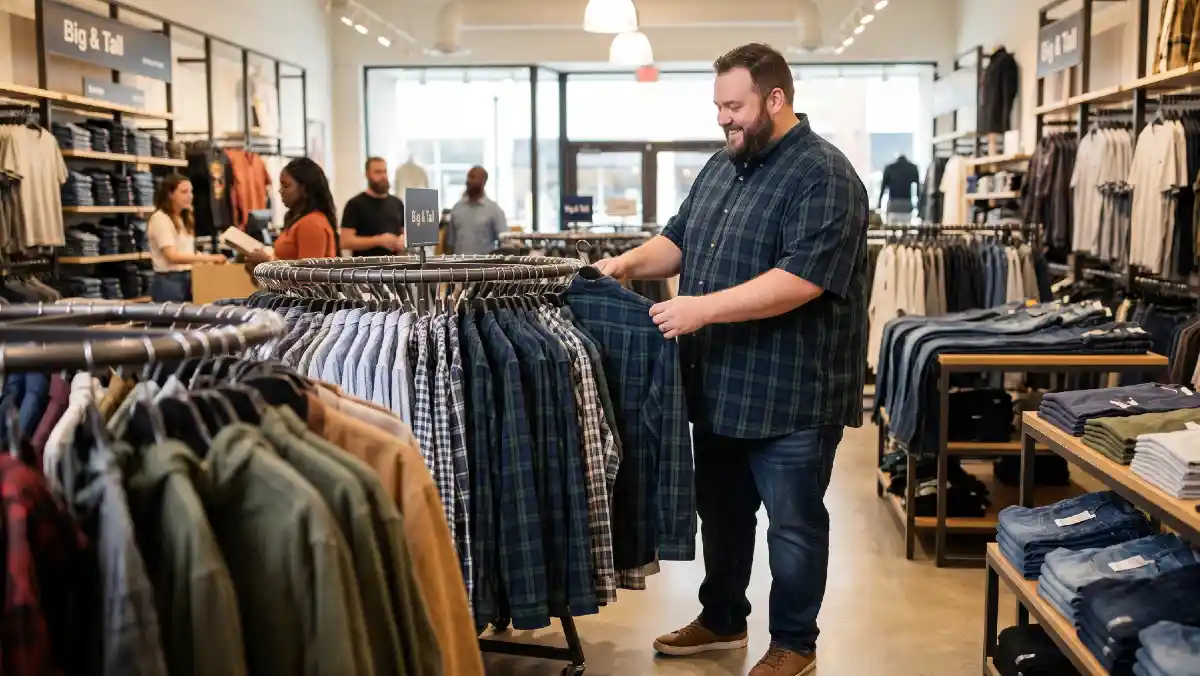
Finding clothes that fit well shouldn’t mean settling for poor quality or paying more than everyone else. Bigger guys know the struggle. One brand fits perfectly but falls apart after a few washes. Another looks great online, then arrives feeling stiff, thin, or completely different from the photos.
Good clothing comes down to more than size. Fabric matters. So does comfort, durability, and how a piece actually looks on your body. The best brands understand that bigger men want the same things everyone else wantclothes that fit right, feel good, and last longer than a season.
Some options deliver serious value on a tight budget. Others cost more but earn their price through better materials and construction. No matter what you’re looking to spend, there are solid choices worth your attention. Below, you’ll find the best quality plus size men’s clothing brands ranked by price point, so you can shop smarter and get more for your money.
You’re Not Hard to Fit You’re Shopping the Wrong Brands
You found something in your size, ordered it, and it showed up looking like a garbage bag with buttons. Or worse it pulled across the chest, gaped at the collar, and bunched in all the wrong places. So you figured your body was the problem.
It’s not.
What’s actually happening:
- Most brands don’t design for plus-size men. They design one pattern for a medium-sized body, then mathematically scale it up. More fabric gets added but in all the same proportions. The result fits nobody well.
- Scaling up is not the same as re-grading. A properly graded plus-size garment accounts for how a larger body actually carries weight wider shoulders, a fuller chest, a longer torso rise. Lazy sizing ignores all of that.
- The price tag doesn’t fix this. A $90 shirt from a brand that doesn’t re-grade its patterns will fit worse than a $35 shirt from one that does.
This is a sourcing problem. Full stop.
Some brands have done the work they build patterns from the ground up for bigger bodies, reinforce seams where stress actually hits, and cut fabric that moves with you rather than against you. Those brands exist at every price point. Most people just don’t know which ones they are.
That’s exactly what this article tells you. By the end, you’ll know which brands are worth your money at every budget — and which ones are just adding fabric and calling it a day.
The 3 Signs a Brand Actually Builds for Plus Size Bodies (vs. Just Scaling Up)
More size options on a website doesn’t mean a brand knows how to dress you. Plenty of retailers slap a 3X tag on a scaled-up medium pattern and call it inclusive. Learning to spot the difference before you buy saves you money, return shipping headaches, and the specific frustration of something that looked great on the model and arrived looking nothing like that.
Three things that separate a brand that’s done the work from one that hasn’t:
- Proportional pattern grading. A brand that builds for plus-size men redraws the pattern at each size adjusting shoulder width, chest depth, sleeve pitch, and torso length independently. One that doesn’t just adds the same amount of fabric in every direction. You can spot lazy grading fast: if the armhole sits low and droopy, or the shoulder seam hangs past your actual shoulder bone, the pattern was never built for your body.
- Fabric weight that holds its shape. Lighter fabrics expose every fit flaw. They cling, pull, and distort under tension. Brands serious about plus sizing choose fabrics with enough weight and recovery to drape cleanly typically at least 200 GSM for cotton basics. Thin fabric on a larger garment looks cheap because it is.
- Reinforced seams at stress points. Check the underarm, seat, and inner thigh. Those areas take the most strain on a plus-size garment. Double-stitched or flat-felled seams in those spots signal a brand that understands where construction actually matters.
Every brand ranked below was evaluated against all three of these.
Under $40 The Only Budget Brands That Don’t Fall Apart After a Month
Cheap plus-size clothing has a reputation for good reason. Most of it pills after three washes, splits at the seams by month two, and fits like a paper bag from day one. That said, writing off the entire budget tier is a mistake because a few brands at this price point actually get the basics right.
What’s worth your money under $40:
- DXL Essentials (Destination XL) Basic Tees and Joggers. Built specifically for plus-size men, not adapted from straight sizes. Their crew-neck tees use a longer torso cut that doesn’t ride up, and the shoulder seams land where they should. Stick to basics here their sub-$30 tees and $35 joggers are solid. Skip their budget dress shirts at this tier; the fabric is too thin to drape well.
- Amazon Essentials Extended Size. Surprisingly consistent for knit basics specifically their fleece sweatshirts and chino-style joggers. The fabric weight is decent for the price (around 200 GSM on the fleece). Sizing runs true. Avoid their button-downs and anything with structure — the construction isn’t there yet at this price.
- Target All in Motion Plus. Best budget option for activewear. Waistbands don’t roll, inseams hold up through real movement, and the fit accounts for fuller thighs without going baggy everywhere else. Not a lifestyle brand. Use it only for workout and casual wear.
Expect durability, not longevity. Budget tier done right means 12–18 months of regular wear not a wardrobe staple you pass down.
$40–$80 The Mid-Range Picks That Outperform Brands Twice the Price
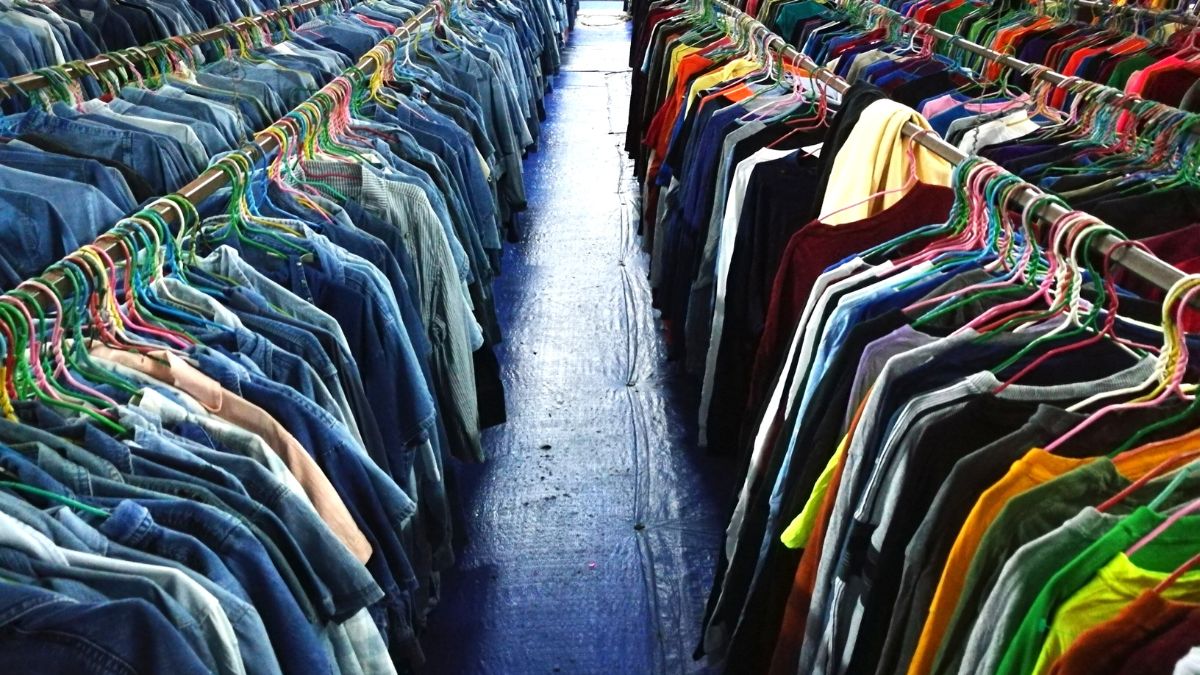
This tier is where most men get burned. Spending $60 on a shirt feels responsible not too cheap, not extravagant. But plenty of brands charge mid-range prices while delivering budget-grade construction. The name on the label goes up. The pattern grading doesn’t.
What actually over-delivers between $40 and $80:
- Carhartt Extended Size Workwear Shirts and Pants ($45–$70). Built for men who actually move in their clothes. Carhartt’s plus-size line uses triple-stitched seams at the seat and thigh the exact stress points that blow out first on cheaper workwear. Their relaxed-fit duck canvas pants hold their shape after repeated washing in a way that $120 “premium” options often don’t. Size up one in the waist for comfortable movement.
- Old Navy Lived-In Stretch Chinos Extended Sizes ($45–$55). The stretch fabric is the reason these work. Most chinos at this price use rigid cotton that pulls across the seat and thighs on a plus-size body. Old Navy’s four-way stretch version moves with you and recovers its shape. Solid for casual Fridays or weekend wear. Avoid their non-stretch chinos — completely different fit experience.
- DXL Gronk Collection Button-Downs ($55–$80). Designed with a wider chest taper and longer shirt tail that stays tucked. Most button-downs at this price gap between buttons across the chest. These don’t. Wear one open over a tee for casual or buttoned up for a going-out look that actually looks intentional.
Mid-range done right means paying for construction not a logo.
$80–$150 When It’s Actually Worth Spending More (And What You’re Paying For)
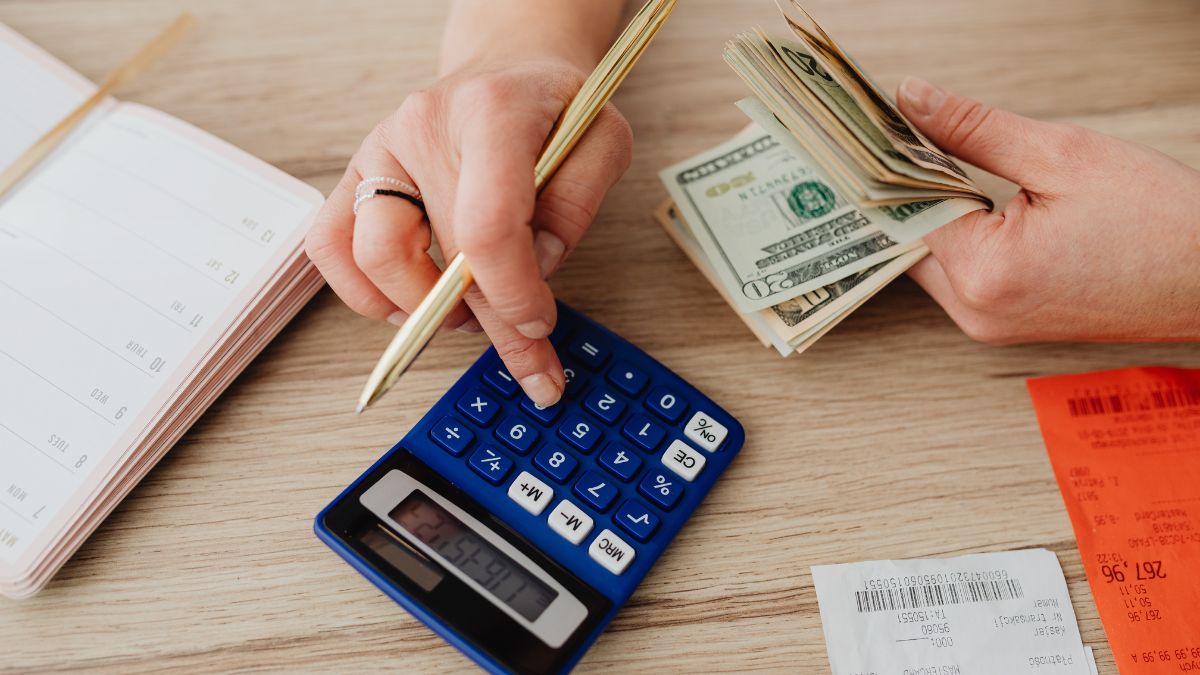
Spending more doesn’t automatically mean fitting better. Plenty of men have dropped $120 on a dress shirt from a “premium” brand and received something that still gaps at the chest and bunches at the back. Price is not the same as intention. What separates this tier from the ones below isn’t the label it’s where the money actually goes.
At $80 and above, three things genuinely change:
- Fabric sourcing improves. Heavier, more structured materials hold their shape across a fuller frame instead of distorting under tension. You stop tugging. The garment does its job.
- Fit systems get more specific. Better brands at this tier offer distinct fits not just sizes. That matters because plus-size bodies aren’t uniform.
- Construction details add up. Fused vs. floating chest pieces in blazers, functioning buttons, properly set sleeves small things that make a garment look intentional rather than approximate.
Here’s where that investment pays off:
- Bonobos Extended Sizes Dress Shirts and Chinos ($90–$130). Best for men with an athletic plus build — broader shoulders relative to the waist. Their shirts are cut with more room through the chest and shoulder without going boxy through the midsection. Shoulder seams land correctly. Chest doesn’t pull.
- Ralph Lauren Big & Tall Blazers and Outerwear ($110–$150). Longer torso cuts work well for taller plus-size men. Structure holds through the chest and shoulders in a way budget blazers simply can’t replicate. Buy outerwear here. Skip the basics not worth the jump from mid-range.
Spend up on structured pieces. Save down on everything else.
The Brands That Claim Plus Sizes But Run Deliberately Small

Seeing a 3XL on the size chart feels like a green light. Most men assume that if a brand lists their size, the brand has actually thought about their body. That assumption has cost a lot of people a lot of money in non-refundable shipping fees.
Some brands list extended sizes without actually regrading their patterns. Here’s why it happens: regrading costs money. It requires a separate pattern block, fit testing on real bodies at that size, and adjusted construction specs. Skipping all of that and just adding an inch to the existing pattern is faster and cheaper. The brand gets to market itself as size-inclusive. You get a shirt that fits like a sausage casing.
Watch for these specific warning signs:
- The armhole sits too low and too tight simultaneously. That’s a scaling problem the hole got bigger but not repositioned for a different shoulder structure.
- The chest fits but the shoulders hang past your shoulder bone. Means the pattern was widened uniformly instead of adjusted proportionally.
- Their XL and 3XL look identical in shape just different volumes. No real regrading happened between those sizes.
Brands that consistently draw complaints for this pattern include fast-fashion retailers extending into plus sizing as a marketing move think H&M extended, Zara’s occasional larger sizes, and certain ASOS own-brand lines. Their core customer is a straight-size body. Plus sizing is an afterthought.
Knowing why it happens means you can spot new offenders without needing a list. Pattern grading costs money. Brands that cut corners on cost cut corners here first.
How to Read a Size Chart So You Stop Ordering the Wrong Size
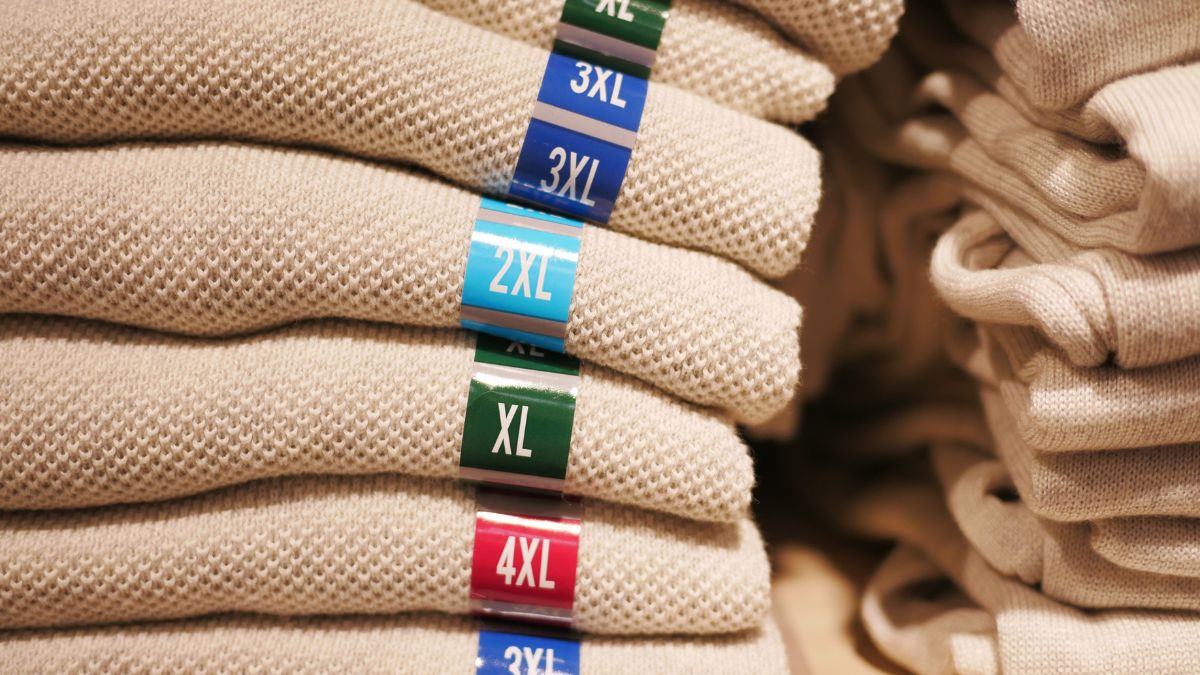
Most men measure themselves once, find their size on a chart, and order with confidence. Then the package arrives and nothing fits. The assumption was that size charts are standardized. They are not especially for plus sizes, where a 2XL at one brand can be a full four inches narrower in the chest than a 2XL at another.
Start with three measurements taken correctly:
- Chest: Wrap the tape around the fullest part across your shoulder blades at the back, across your nipple line at the front. Keep it level. Don’t suck in. The number you get is your body measurement, not your size.
- Waist: Measure at your natural waist the narrowest point of your torso, usually an inch above your navel. Most men measure at their belt line instead. Those are different numbers, sometimes by three or four inches.
- Seat: Stand with feet together and measure around the fullest part of your hips and backside. Skipping this one is why trousers fit the waist but split across the seat.
Now compare those numbers against the brand’s size chart not the size name. Then look for two more things most men ignore:
- Ease allowance. Quality charts show finished garment measurements, not just body measurements. A chest listed at 48 inches on a size chart means the garment itself measures 48 inches leaving zero room to move. Good brands build in two to four inches of ease. Check which measurement type the chart shows.
- Stretch percentage on knit fabrics. Listings that say “four-way stretch” without a percentage are vague on purpose. Look for brands that specify 15% stretch means something. “Stretchy” means nothing.
Your measurements don’t change. Brand sizing does. Always compare numbers, never names.
The Final Ranked List Best Quality Plus Size Men’s Clothing by Price Tier

Everything covered above comes down to this. No filler, no hedging just the clearest answer to which brands are worth your money and which tier they belong in.
Under $40 Best for Basics
| Brand | Best Item | Verdict |
|---|---|---|
| DXL Essentials | Crew-neck tees, joggers | Best budget fit architecture for plus bodies |
| Amazon Essentials | Fleece sweatshirts, stretch joggers | Consistent sizing, decent fabric weight |
| Target All in Motion | Activewear bottoms | Best budget option for movement and durability |
$40–$80 Best Value Overall
| Brand | Best Item | Verdict |
|---|---|---|
| Carhartt Extended | Work pants, flannel shirts | Best workwear construction at any price near this |
| Old Navy Lived-In Stretch | Chinos | Four-way stretch solves the seat-and-thigh problem |
| DXL Gronk Collection | Button-down shirts | Stays tucked, doesn’t gap at the chest |
$80–$150 Best for Structured Pieces
| Brand | Best Item | Verdict |
|---|---|---|
| Bonobos Extended | Dress shirts, chinos | Best for athletic plus builds with broader shoulders |
| Ralph Lauren Big & Tall | Blazers, outerwear | Best long-torso fit and structured construction |
One rule applies across every tier: buy the brand that re-grades, not the one that just re-sizes. Spend up on structured pieces blazers, outerwear, trousers. Save on basics. Your body isn’t the variable here. The brand’s construction standards are.

Hello there! I’m Jesse Joe, the author and editor behind SolganGenius. I’m thrilled you’ve stopped by, and I can’t wait to share with you the essence of what this platform is all about.
I’m a writer, social media enthusiast, and a firm believer in the power of words. I’ve always been fascinated by how a simple phrase or slogan can capture an emotion, convey a message, and even change perspectives. Learn More