
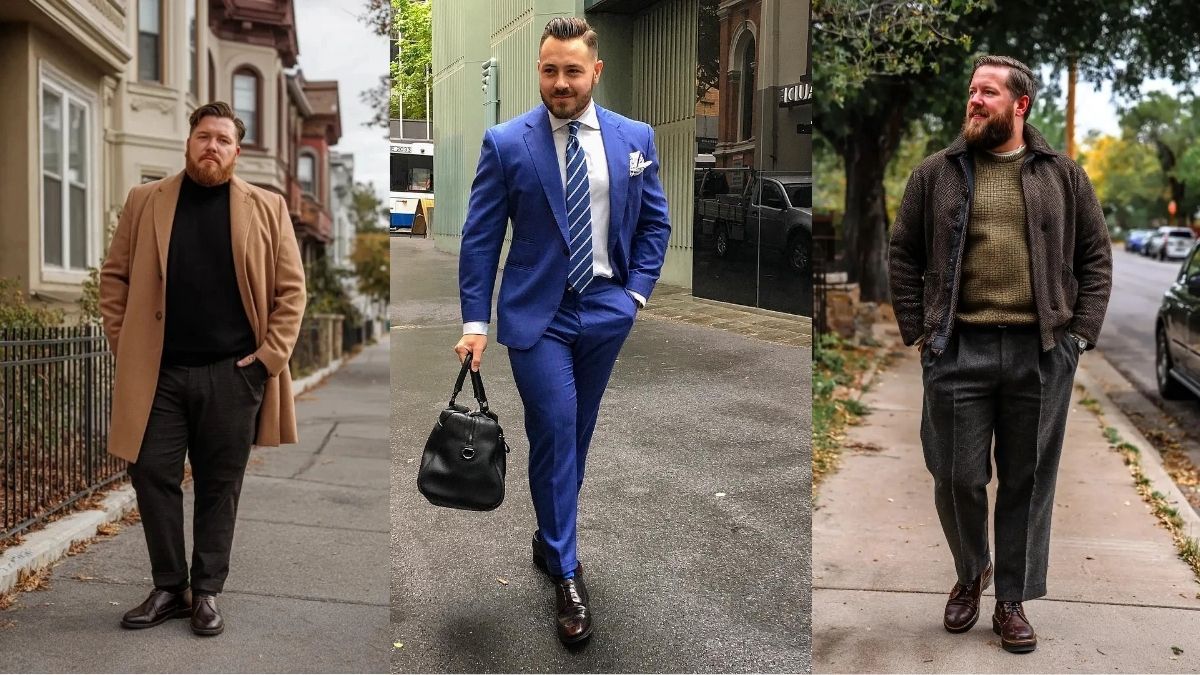
Pants that fit your thighs never fit your ankles. The ones that fit your ankles won’t clear your thighs at all. Most men in this situation just buy whatever comes closest and stop thinking about it.
Dressing well with this body type is not complicated but it does require knowing two or three specific things that generic men’s style advice never covers. What follows is exactly that: the pant silhouette that actually works, how to get a proper fit without spending a fortune, and the shoe choices that make the whole thing land.
Your Body Has Two Different Fit Problems Happening at Once
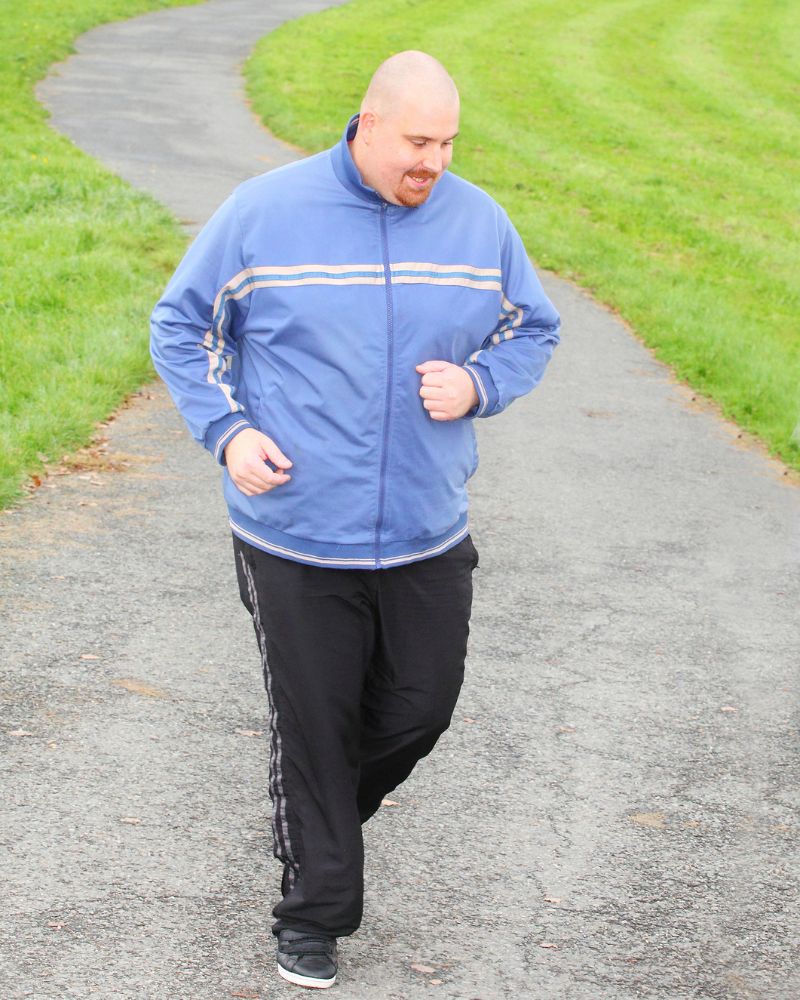
Off the rack, pants are built for one body problem at a time. Yours has two.
Your thighs carry the most width, which means you need a larger size to get the fabric over them. But that same larger size gives you a waist that gapes, a calf that swims in extra fabric, and an ankle opening wide enough to fit two of yours. The pants technically fit they just look wrong everywhere below the thigh.
Buying bigger is not the fix. It never was.
| Where the fit breaks | What actually happens |
|---|---|
| Thigh | Needs a larger size to pull up at all |
| Knee | Excess fabric bunches and sags |
| Calf | Billows outward, adding fake visual width |
| Ankle | Wide opening makes slim ankles disappear |
Most men respond by sizing up again, hoping more room solves it. That just creates more fabric with nowhere to go.
What actually needs to happen:
- Fit the pant to your thighs first that measurement drives everything
- Accept that the knee, calf, and ankle will need correction through cut or tailoring
- Choose a silhouette that naturally narrows as it goes down, so the extra fabric tapers instead of hangs
Your legs are not the problem. The pants being designed for a body that tapers evenly from waist to ankle which almost no real man has is the problem. Once you stop trying to hide your legs and start dressing for how they actually taper, the whole thing gets easier.
The One Pant Silhouette That Works (and Why Straight Leg Is Not It)
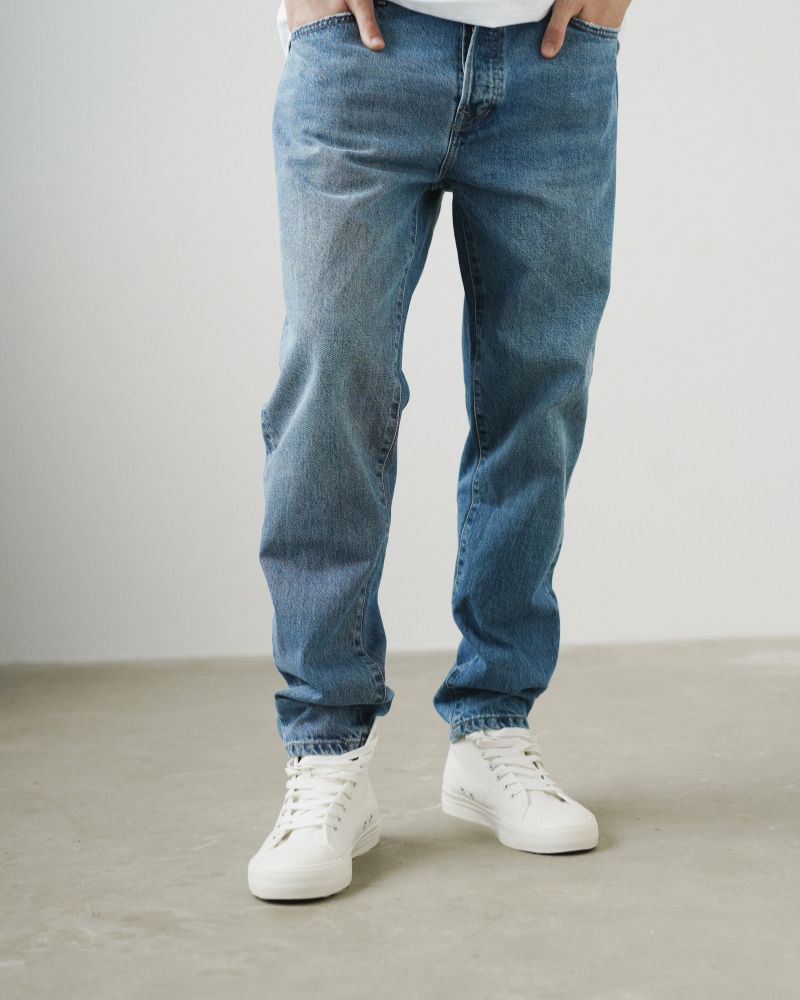
Tapered pants are the only silhouette doing real work for this body type. Every other option either ignores the problem or makes it worse.
Here’s why the taper works: it starts wide at the thigh where you need the room and gradually narrows toward the ankle. That gradual narrowing mirrors the natural direction your leg already goes. The eye reads it as intentional, not disproportionate.
Why the other silhouettes fail:
- Wide leg adds bulk everywhere, making both thighs and calves look shapeless, and the slim ankle vanishes completely under excess fabric
- Straight leg holds the same width from knee to ankle, so when the fabric reaches your slim calf, there’s a visible gap of air between fabric and leg that draws the eye straight to the contrast
- Slim fit fits the ankle but won’t clear the thigh; you end up sizing up anyway and losing the slim effect entirely
| Silhouette | Thigh fit | Ankle result | Works for this body? |
|---|---|---|---|
| Tapered | Roomier at top | Narrows gradually | ✓ Yes |
| Straight leg | Medium | Same width throughout | ✗ No |
| Wide leg | Very roomy | Even wider at hem | ✗ No |
| Slim fit | Too tight | Fitted ankle | ✗ No |
Straight leg is the most common mistake. Men choose it because it sounds neutral — not too baggy, not too tight. But neutral on a body with a thigh-to-ankle contrast just means the contrast sits there fully exposed, with nothing pulling the eye away from it.
Tapered does not mean skinny. Most major retailers carry tapered fits in extended sizes. Look for that exact word on the label “tapered” not “slim tapered,” which usually runs too narrow through the thigh to be useful here.
How to Actually Get Pants to Fit When Your Thighs and Ankles Are Two Different Sizes
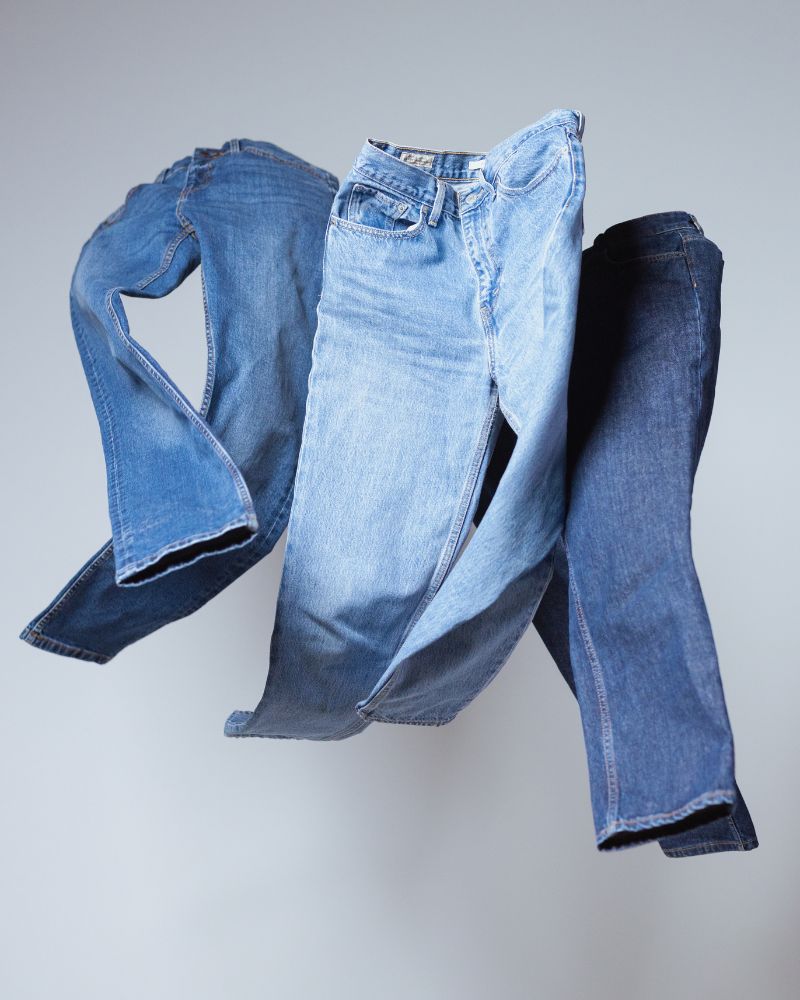
Always buy to fit your thighs. That is the rule, and everything else works around it.
Your thighs are the widest point and the hardest measurement to alter. A tailor can take in an ankle opening in under ten minutes for a few dollars. Nobody can add fabric to a thigh seam that was never there. So buy the size that clears your thighs comfortably, accept that the lower leg will be loose, and plan for a minor alteration at the ankle.
What to tell the tailor:
- “Take in the ankle opening to [your measurement] inches” measure your ankle bone width and add half an inch of ease
- “Taper from the knee down” this gives a gradual narrowing rather than a sudden pinch at the hem
- “Leave the thigh and seat untouched” alterations above the knee get expensive fast; avoid them
Fabrics that hold a taper without adding bulk:
- Cotton chino structured enough to hold shape, doesn’t cling or sag
- Ponte or stretch twill moves with the thigh without pulling, tapers cleanly
- Wool blend drapes well and holds a clean line at the altered ankle
Avoid fabrics like linen or lightweight chambray for this body type. They’re too soft to hold structure, so the extra fabric in the thigh and knee just collapses and wrinkles rather than hanging cleanly.
One alteration on a well-chosen tapered pant costs less than buying three pairs that almost fit.
Cuffing Your Pants Changes the Entire Visual Weight of Your Leg
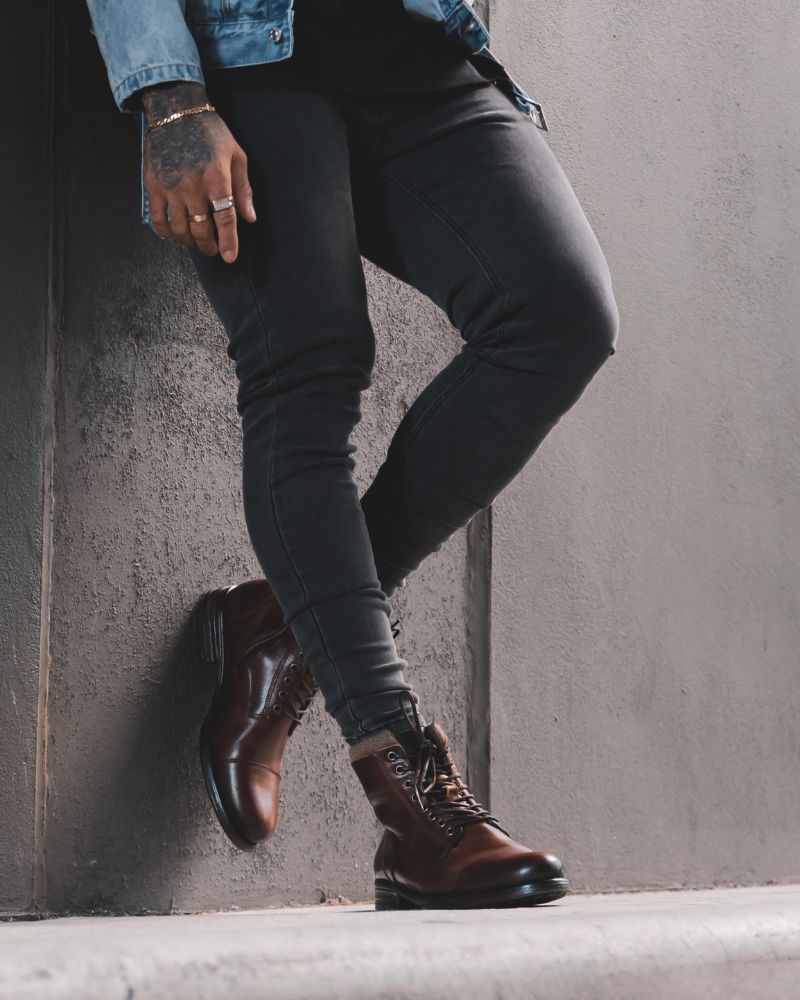
A cuff at the ankle adds visual mass where you have the least of it. That one detail shifts the entire read of your leg from “disproportionate” to “deliberate.”
Without a cuff, a tapered pant just ends. The hem sits near a slim ankle with nothing to anchor it, and the eye notices the thinness because there’s no visual stop point. Adding a cuff creates that stop — a horizontal band of fabric that adds width and weight right where the leg is narrowest.
How to cuff correctly for this body type:
- Cuff width: 1.5 to 2 inches is the range that adds visible weight without looking costume-y; anything under 1 inch reads as an accident
- Break point: The hem should sit just above the ankle bone with no fabric pooling a clean, no-break hem before the cuff folds up
- Single cuff only: One fold. A double cuff adds too much height and compresses the visual length of the leg
- Pinned or sewn: A tailor can press and tack the cuff in place for a few dollars so it holds its shape through washing and wear
Cuffing works especially well with chinos and wool trousers. Denim can be cuffed but the heavier fabric makes the fold thicker, so keep denim cuffs to one clean roll rather than a pressed tailored fold.
The effect is not subtle. Side by side, the same tapered pant with and without a cuff looks like two different outfits one finished, one not.
Shoes That Add Visual Weight to Slim Ankles Without Looking Clunky
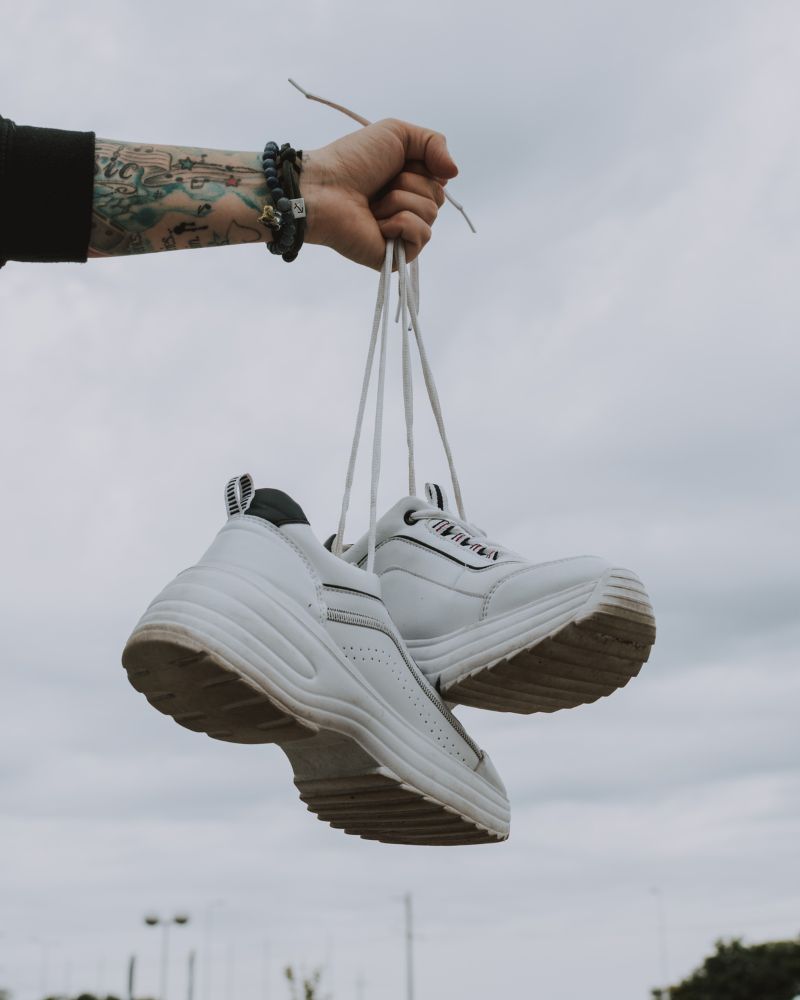
The shoe is the base of the entire outfit. Get it wrong and even a perfectly fitted tapered pant with a clean cuff looks unfinished.
Slim ankles need visual mass at the foot level not from the pant, but from the shoe itself. A chunky sole, a wide toe box, or a boot shaft that covers the ankle all add that mass without requiring any extra fabric. The shoe does the work the leg cannot.
Shoe features that add the right kind of weight:
- Thick or lug sole adds height and base width under the foot; the sole itself becomes a visual anchor even on a simple sneaker or boot
- Square or round toe box widens the front profile of the shoe, making the transition from slim ankle to foot look proportional rather than sudden
- Ankle-height or above shaft covers the narrowest part of the leg entirely, so the eye lands on the shoe rather than the ankle
What to avoid:
- Slim low-profile sneakers they disappear under the hem and leave the ankle fully exposed with nothing beneath it
- Pointed toe shoes draw the silhouette to a sharp narrow tip, which visually echoes and amplifies the thinness of the ankle above it
- Thin dress shoes same problem; the silhouette narrows at exactly the wrong moment
Derby shoes, Chelsea boots, and chunky-soled sneakers like those with thick rubber outsoles all work well here. None of them look clunky in isolation they only read as proportional or heavy relative to what’s above them, and above them you have a tapered pant that already does its job.
Why Ankle Boots Are the Most Forgiving Shoe for This Body Type
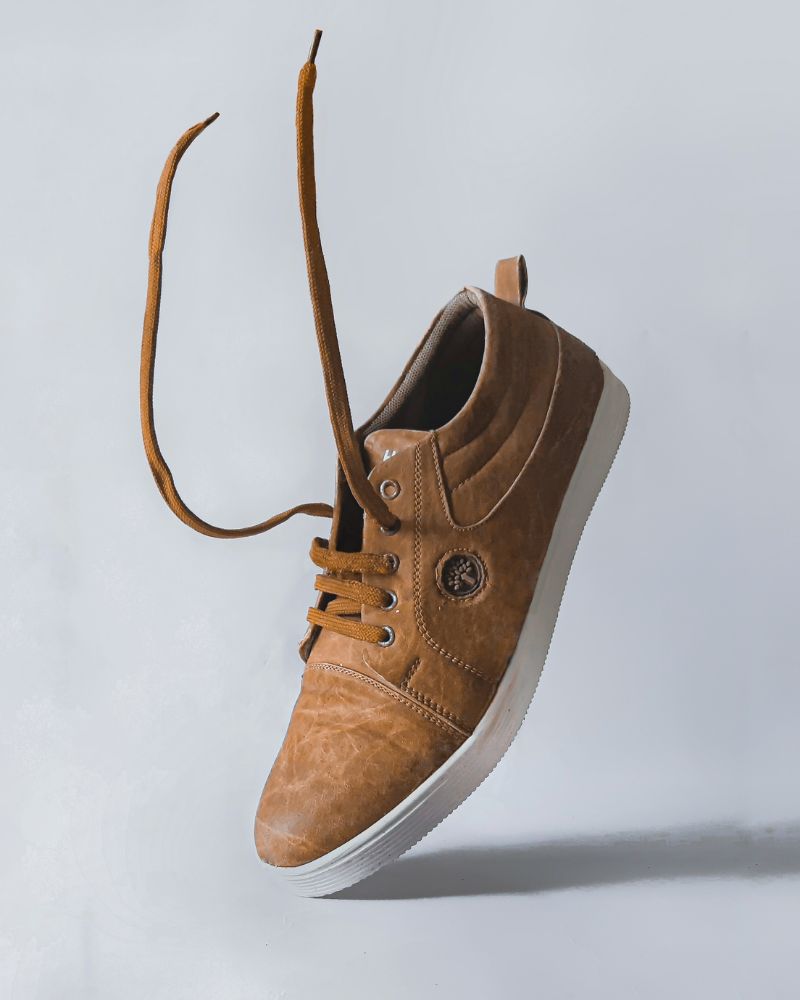
No other shoe solves as many problems at once. The ankle boot covers the narrowest part of your leg, adds visual mass at the base, and creates a clean horizontal line where the pant meets the foot all without any tailoring or styling tricks required.
The shaft is what makes it work. A boot that hits right at or just above the ankle bone covers the area that draws the most attention on this body type. Below that point and you’re back to exposing the slim ankle. Above it starts to read as a different boot category entirely.
How the main ankle boot styles compare:
- Chelsea boot clean elastic sides, no lacing bulk, sits flush against the leg; the sleekest option and easiest to wear under a tapered pant hem
- Chukka boot two-eyelet lace-up that hits at the ankle; slightly more casual, works well with chinos and heavier fabrics
- Lace-up ankle boot more visual texture and bulk than a Chelsea, which actually helps add weight; good with denim or twill
What to avoid in the boot category:
- Boots with a shaft that stops below the ankle bone they frame the ankle rather than cover it
- Very pointed-toe ankle boots the toe narrows the base when you need the opposite
- Thin leather dress boots with minimal sole not enough base mass to anchor a heavier upper body
Pair any of these with your cuffed tapered pant and let the boot shaft sit just inside or just below the cuff fold. That small overlap between boot and pant hem closes the visual gap completely.
The Pant-to-Shoe Hem Rule That Ties the Whole Look Together
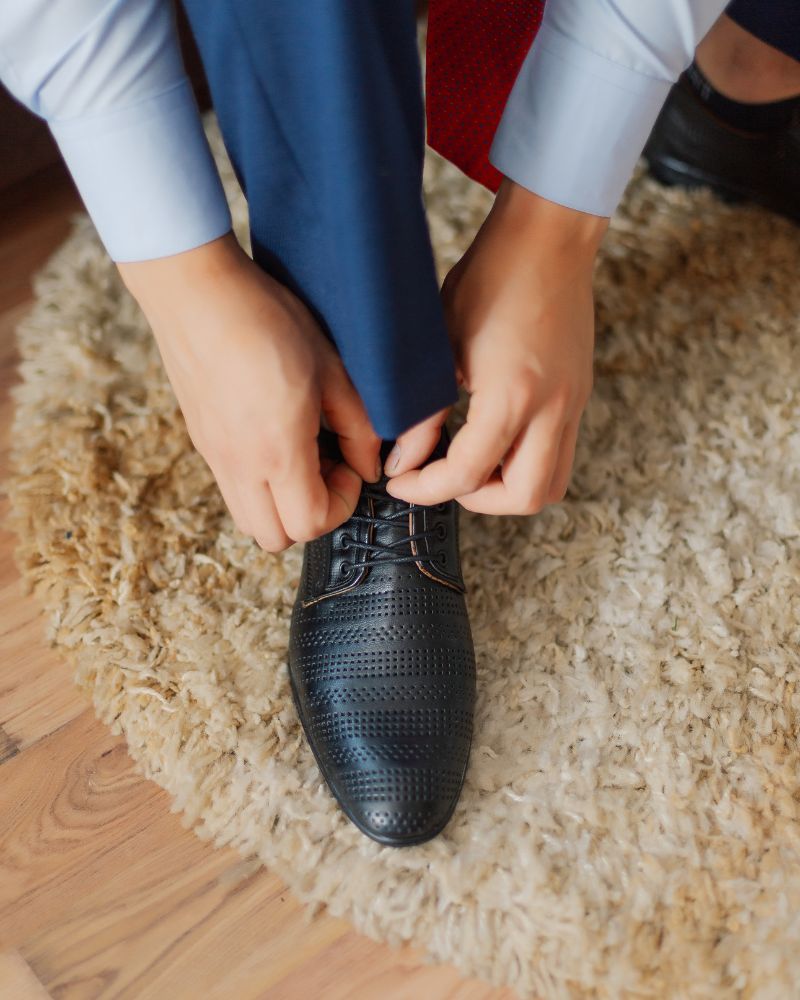
Most men never think about where exactly the pant ends and the shoe begins. That transition point is doing more visual work than almost anything else in the outfit.
The rule is simple: no break. For this body type, the pant hem should sit clean touching the top of the shoe with zero fabric pooling on top of it. Any excess fabric piling onto the shoe creates a collapsed, heavy look right at the base, which is the opposite of what a tapered pant and solid shoe are trying to achieve together.
How the hem should land depending on what you’re wearing:
- With a cuff: The cuff fold sits just above the ankle bone, the boot or shoe shaft meets the bottom edge of the cuff no gap, no overlap of loose fabric
- With ankle boots: The pant hem grazes the top of the shaft; if it dips inside the boot opening, the length is too long
- With chunky sneakers: The hem sits level with the top of the sole unit not draping over the laces or tongue
What breaks the look:
- Too much length causes the hem to stack, which visually widens the ankle area
- Too short exposes the ankle between hem and shoe exactly the gap you’re trying to eliminate
- Uneven hemming front to back makes the whole base look unbalanced
Getting the hem length right costs one tailor visit. Bring the shoes you plan to wear most when you go hem length changes depending on sole height, so what works with a lug-sole boot may be too long on a flat sneaker.
That single adjustment the right length, the right shoe, a clean meeting point between the two pulls every other decision in this article together into one proportional, finished look.

Hello there! I’m Jesse Joe, the author and editor behind SolganGenius. I’m thrilled you’ve stopped by, and I can’t wait to share with you the essence of what this platform is all about.
I’m a writer, social media enthusiast, and a firm believer in the power of words. I’ve always been fascinated by how a simple phrase or slogan can capture an emotion, convey a message, and even change perspectives. Learn More