

Nobody tells a plus-size man that being likable is its own trap. You get along with everyone, the office respects you and somehow that never translates into being taken seriously when leadership is on the table.
That’s not a talent problem. People decide who leads and who supports based on signals, not skill. Walking into a room a certain way.
Holding your ground when challenged. Wearing clothes that look chosen, not just worn. Real authority is projected through specific, learnable behaviors and once you know what they are, none of this is hard.
Your Size Is Not the Problem — Your Apology for It Is

Weight doesn’t cost you authority. The habit of apologizing for it does and most men don’t realize they’re doing it.
These behaviors develop quietly over years. Every time someone looked uncomfortable, you made a joke to ease the tension and silently confirmed that your presence needed softening. Each time you took up space in a room, you felt like you owed an explanation. This reflex feels polite. To everyone watching, it reads as insecurity.
Watch for these three patterns in yourself:
- Starting sentences with “I might be wrong, but…” Pre-apologizing for your own opinion before anyone has challenged it. Drop the qualifier. Make the point.
- Laughing off your own ideas When you pitch something and immediately undercut it with a joke, you’re signaling the room that your idea doesn’t deserve a serious response. Let it land first.
- Physically retreating when challenged Leaning away or stepping back when someone pushes back tells the room that disagreement rattles you. Hold your position. Stay still.
Replacing these doesn’t mean becoming aggressive or rigid it means responding to professional situations from a place of calm rather than a constant need for pre-emptive approval. Neutral is the target. That version of you already exists it’s just buried under habits you originally picked up for self-protection.
How to Use Clothing Construction to Project Authority (Not Just “Dress Well”)
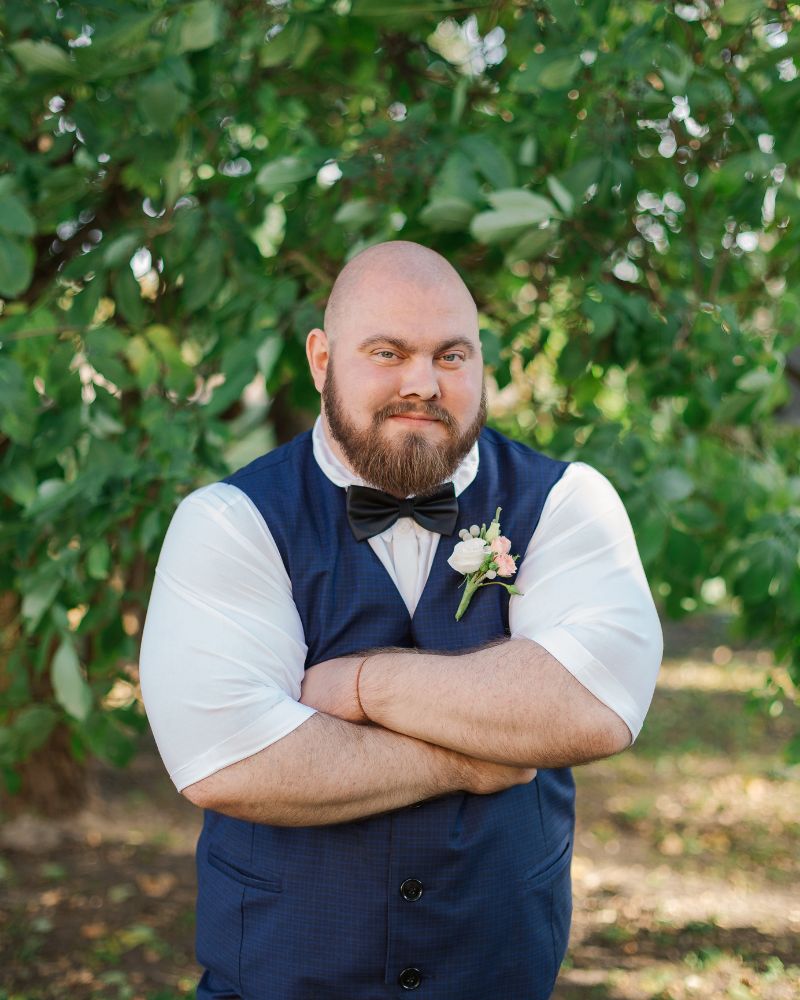
Most clothing advice for plus-size men stops at “wear darker colors and make sure it fits.” That’s the floor, not the ceiling. What actually signals authority is garment construction the specific structural details that make a silhouette look deliberate and powerful before you’ve said a word.
Start with the shoulder seam. On any jacket or blazer, that seam should land exactly at the edge of your shoulder bone not past it, not short of it. Too wide reads as shapeless. Anything short of the bone looks like you’re straining. Either way, the message is careless.
From there, these details do the real work:
- Lapel width Medium-wide lapels (3–3.5 inches) balance a broader chest. Narrow lapels do the opposite — they make the chest look wider by contrast, which fragments the silhouette rather than framing it.
- Single-button jacket stance One button at the waist creates a clean V-line and elongates the torso. Double-breasted and two-button styles close higher and cut the body in half visually. Single-button is the most authority-signaling cut for a plus-size frame.
- Trouser break A slight break where the trouser meets the shoe keeps the leg line clean. Full stacking of fabric at the ankle makes the lower half look heavy and unfinished.
- Fabric over pattern Solid structured fabrics wool, ponte, thick cotton hold their shape and photograph as intentional. Busy patterns break up the silhouette and scatter the eye.
Fit alone is just comfortable clothes. These details are what move you from dressed to authoritative.
How You Enter a Room Determines Your Rank Before You Speak

Before you introduce yourself, shake a hand, or say a single word, the room has already formed an impression. That 8-second window when you walk through the door is the highest-leverage moment in your entire workday and most men spend it apologizing with their body language without realizing it.
Pace is the first signal. Rushing reads as nervous or guilty. Slowing your entry by even a step or two communicates that you belong in that room and had no reason to be anxious about arriving.
Use these mechanics deliberately every time you walk into a professional space:
- Slow your entry pace Deliberate movement reads as calm authority. Fast entry reads as eager or flustered. Own the walk.
- Scan before you sit One calm sweep of the room signals you’re taking stock, not scrambling for a corner. It communicates ownership without a word.
- Choose your seat with intention At a rectangular table, a third-point position (away from both the head and the exact middle) keeps you visible without appearing to demand the spotlight.
- Plant both feet flat immediately Crossing your legs or ankles the moment you sit signals withdrawal. Feet flat, slight forward lean reads as engaged and present.
- Open with a statement, not a question Asking “Where should I sit?” or apologizing for being late immediately positions you as someone seeking permission. A direct greeting keeps your status intact.
None of this requires performance or rehearsal. Small, deliberate adjustments to how you move through a space compound quickly into how people read your presence over time.
How the Speed of Your Voice Is Telling the Room How to Treat You

Speeding up when you talk is not a confidence problem. It’s a space problem the unconscious belief that you’re already taking up more than your share of the room, so the least you can do is get your point out fast. Every plus-size man who has ever rushed through a point just to stop being the center of attention knows exactly this feeling.
People listening don’t hear speed as efficiency. They read it as anxiety. Deliberate pacing with actual pauses between ideas signals that you expect to be heard and aren’t rushing to justify the time you’re taking.
Three specific habits to build into how you speak:
- Pause after your main point A beat of silence after making a statement lets it land. Filling that pause immediately teaches the room your ideas need defending before anyone has even pushed back.
- Slow down before key information Dropping your pace slightly before an important point signals that what follows matters. Going faster buries your best ideas inside a blur of words.
- Cut the filler sign-offs Phrases like “if that makes sense” and “does that sound okay” chip away at authority in real time. End the sentence. Let it stand.
Your voice is a tool. Used deliberately, it tells the room you’re someone worth listening to before your content even gets a chance to prove it.

Hello there! I’m Jesse Joe, the author and editor behind SolganGenius. I’m thrilled you’ve stopped by, and I can’t wait to share with you the essence of what this platform is all about.
I’m a writer, social media enthusiast, and a firm believer in the power of words. I’ve always been fascinated by how a simple phrase or slogan can capture an emotion, convey a message, and even change perspectives. Learn More