
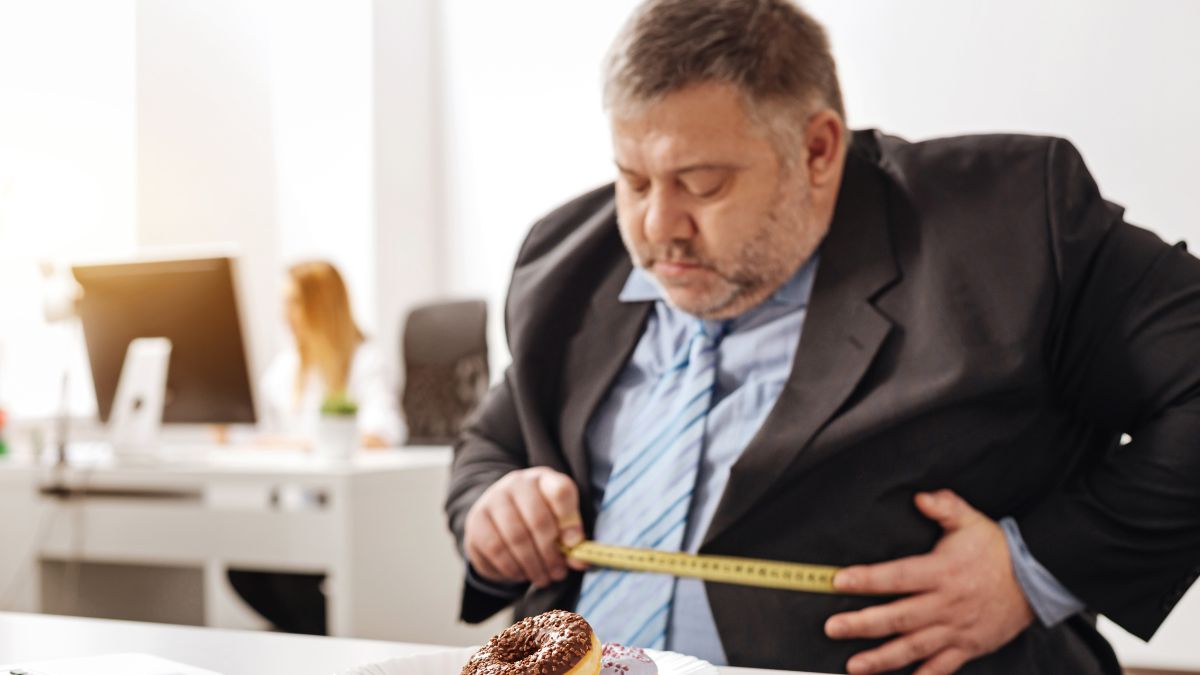
Your body isn’t the problem. The way you’ve been taught to dress for it is.
Most plus size men spend years buying bigger sizes and hoping something finally looks right. It rarely does not because the clothes are wrong, but because size and fit are two completely different things, and nobody ever explained the difference.
Style at any size comes down to proportion, structure, and knowing which rules actually apply to your frame. Not generic advice recycled from mainstream men’s fashion. Not “just wear black.” Practical decisions that change how you look in photos, in person, and in the mirror without changing your body at all.
These men figured it out. Same weight, same height, completely different presence. Here’s exactly what shifted and how you can apply every part of it starting with what’s already in your closet.
The Real Problem Isn’t Your Body — It’s That You’ve Been Buying for Size, Not for Proportion
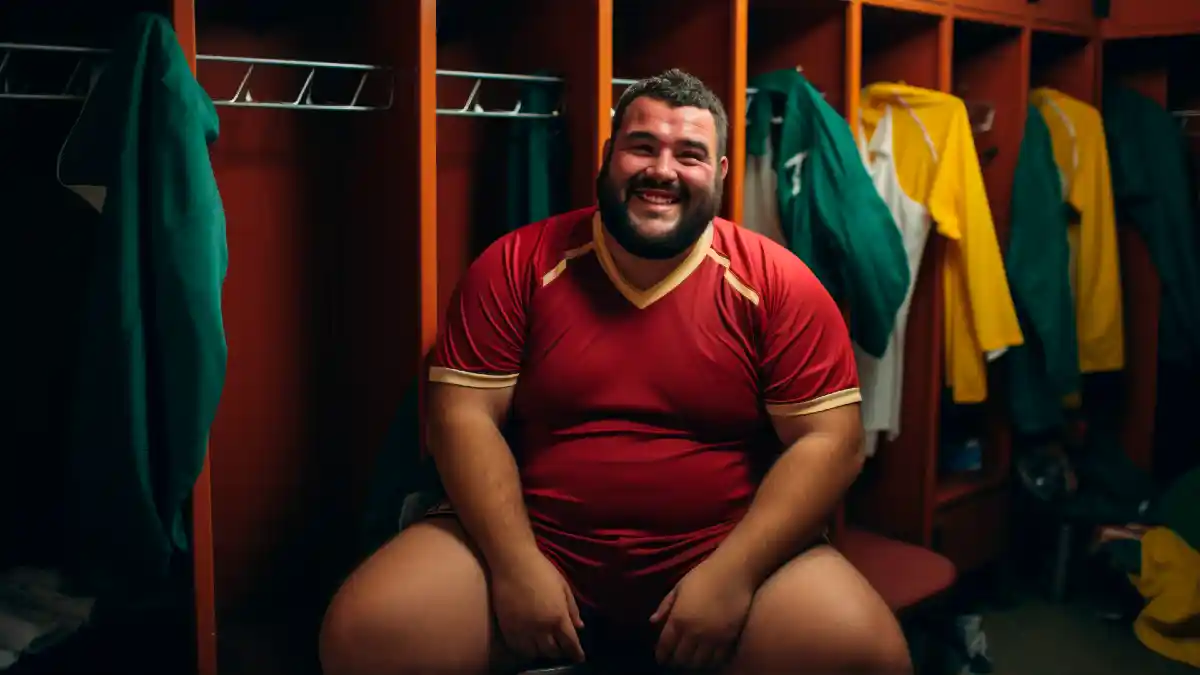
Fit isn’t the same thing as proportion and that single difference explains why most plus size men feel stuck.
You can buy the right size and still look off. Shirts that technically button but bunch at the shoulders. Pants that clear your waist but collapse at the leg. The garment fits your body. It just doesn’t work on your body.
What’s actually happening:
- Clothing brands size for volume they’re making room for a bigger body, not shaping one
- A larger size adds fabric everywhere, even where you don’t need it
- Extra fabric creates visual bulk, which makes you look bigger than you are
- Nothing is designed around your specific proportions shoulder width, torso length, where your weight sits
That’s the real problem. Not your body. The assumption that bigger size equals better fit.
Proportion is about visual balance how your shoulders relate to your hips, how your shirt length hits against your legs, how much fabric gathers versus drapes. These are variables you can actually control, regardless of your size or budget.
Size tells a garment how much space to take up. Proportion tells it how to look.
Why Oversized Clothes Don’t Hide Anything (And What They Actually Do)
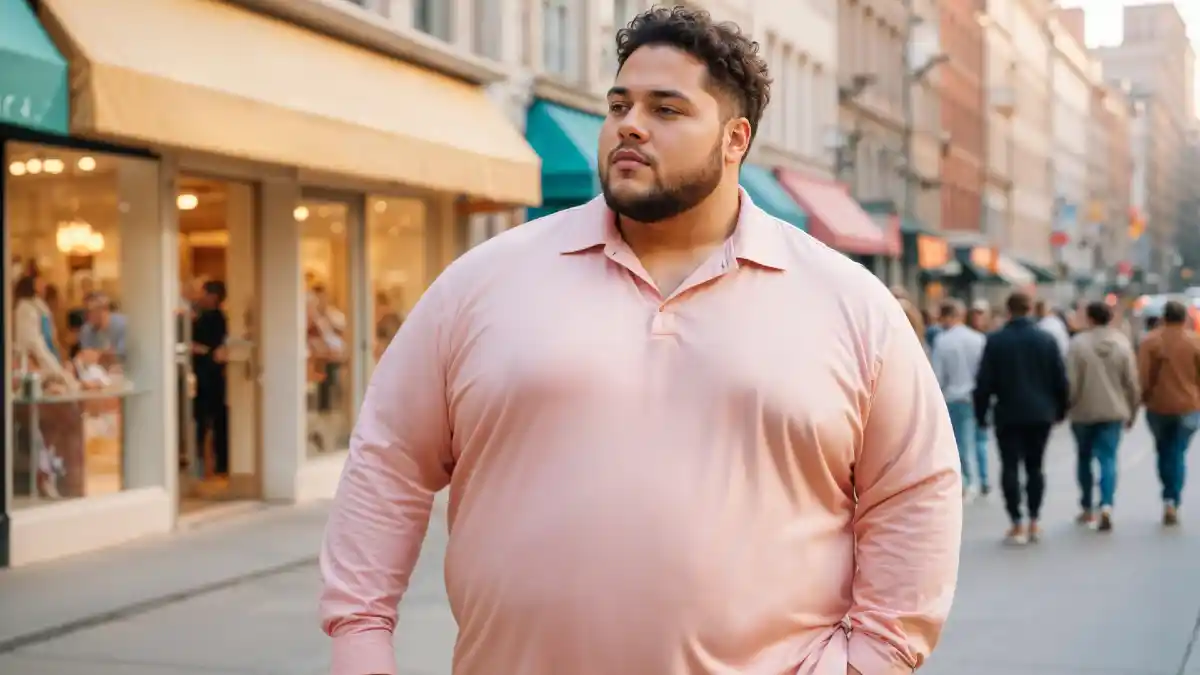
Loose fabric doesn’t hide your body. It hides your shape and those are completely different things.
When a shirt swallows your frame, the eye has nothing to land on. No shoulder line. No waist. No structure. What the viewer registers instead is a wall of fabric, which reads as more mass, not less. Oversized clothing doesn’t make you look smaller it makes you look undefined, and undefined always photographs bigger than reality.
What oversized clothes actually do:
- Remove every visual reference point the eye uses to read a body
- Push fabric outward at the widest points, adding perceived bulk exactly where you don’t want it
- Signal to anyone looking including a camera that the fit wasn’t intentional
- Flatten your silhouette so nothing separates your chest, waist, or hips
Photos make this worse. A camera compresses depth, so the only information it captures is outline. Baggy clothes give you the worst possible outline wide, formless, and shapeless from every angle.
Clothes that skim your body follow its shape without gripping it. They create a clean edge. That edge is what makes a person look put-together, leaner, and intentional not the size on the tag, and not how much fabric is involved.
Structure is the thing doing the work. Always has been.
The Fit Rule That Changes Everything: Your Clothes Should Follow Your Body, Not Fight It
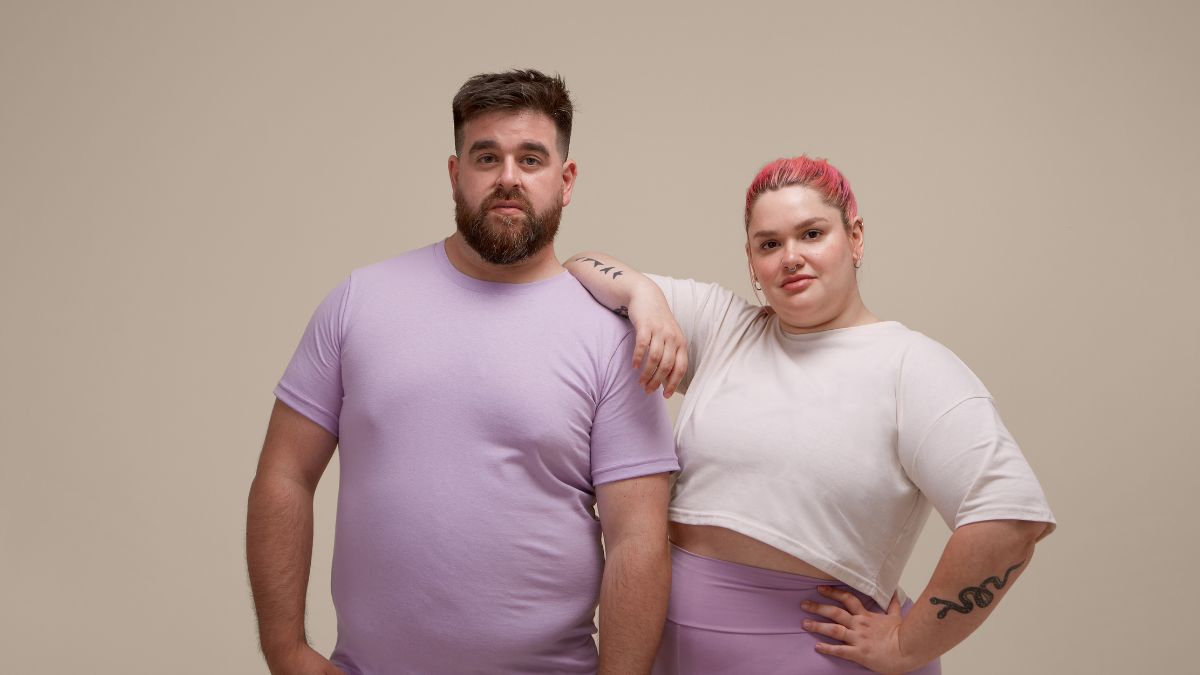
Shoulder seams are the single most important thing to check and most plus size men get them wrong every time.
That seam where your sleeve meets your shirt should sit right at the edge of your shoulder bone. Not halfway down your arm. Not creeping toward your neck. When it lands in the wrong place, everything else falls apart the chest bunches, the sleeve hangs crooked, and the whole shirt looks borrowed.
Three fit zones to check before you buy anything:
- Shoulders: Seam sits exactly at the shoulder’s edge this cannot be tailored easily, so get it right off the rack
- Chest: Fabric should lie flat with no pulling across the buttons or pecs one finger of ease is functional, a fist of fabric is sloppy
- Thighs: Pants need room to move without the fabric wrapping around your leg or creating horizontal pull lines across the front
Pulling means the garment is fighting your body. Draping means it’s following it. Those two things look completely different on camera, in a mirror, and in real life.
Good fit doesn’t mean tight. Clothes should skim your body with just enough room to move naturally, without excess fabric collecting in folds or pockets anywhere.
Check those three zones in every fitting room. Everything else is fixable.
Build a Visual Line From Collar to Toe: How Vertical Pathways Reshape Your Silhouette

Your eye doesn’t see a body first it follows lines. Dress with that in mind and your whole silhouette changes.
Every outfit either guides the eye downward or stops it. Stopped eyes read width. Moving eyes read height. This is why two men the same size can look completely different in photos one is creating a vertical path, the other is cutting himself in half.
What creates a vertical line:
- Button plackets: A row of buttons down the center of a shirt draws the eye straight down one of the easiest vertical lines you can wear
- V-necks vs. crew necks: A V-neck opens the collar into a downward point that lengthens your neck and chest; a crew neck creates a horizontal band that widens both
- Trouser break: Chinos with a clean, slight break at the ankle keep the line moving; joggers with a thick cuffed hem stop it cold
- Color contrast placement: Wearing a darker top over lighter bottoms or vice versa creates a hard horizontal cut; matching tones top to bottom keeps the line unbroken
Vertical lines don’t require special clothes. An open collar on a button-down, a fitted trouser instead of a wide-leg pant, a single darker shade head to toe these are small decisions that stack up visually into something that looks deliberate and lean.
Direction is everything. Give the eye somewhere to go.
How Your Clothes Look in Photos vs. In Person — and Why It Matters More in Your 20s
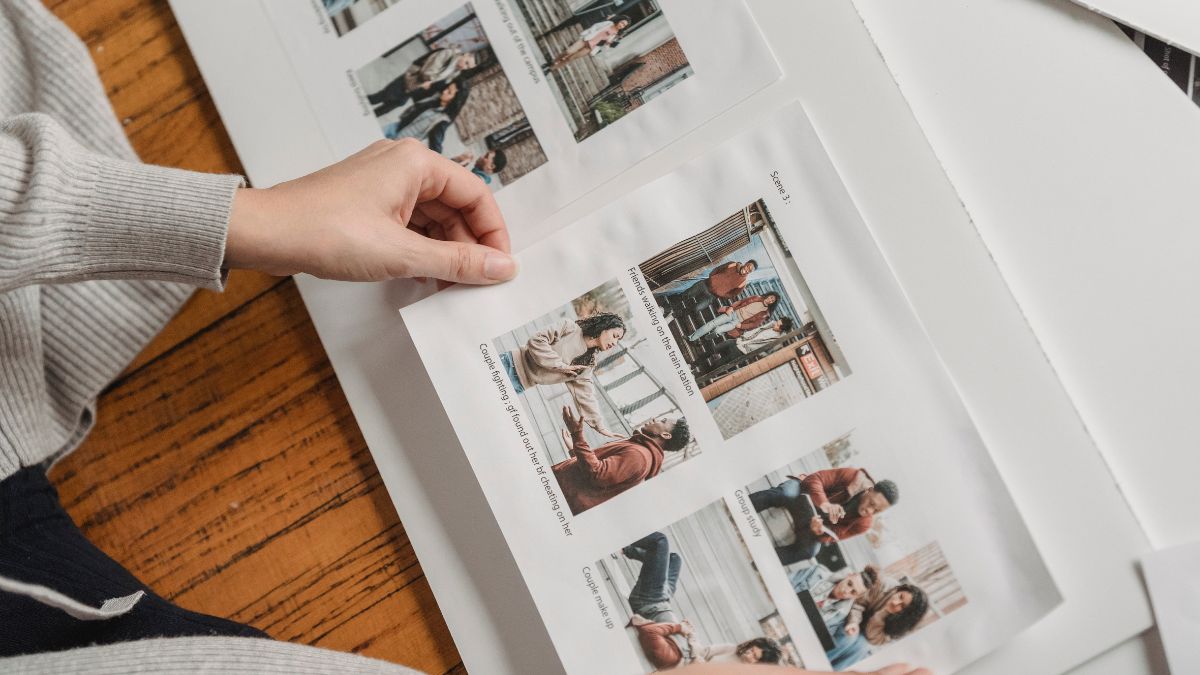
A phone camera flattens everything and that changes how your clothes read in ways a mirror never shows you.
Most men dress for the mirror. But if you’re in your 20s, you’re being photographed constantly group shots, dating profiles, casual videos, work headshots. What looks sharp in person can fall completely flat on a screen, and the difference usually comes down to three things: pattern scale, color saturation, and fabric weight.
How clothing translates differently on camera:
- Dark colors: Compress on camera and read as slimmer and more defined they perform better in photos than almost any other choice
- Bold patterns: Large checks, wide stripes, and busy prints expand visually on screen and draw attention to width rather than shape
- Stiff or structured fabric: Reads as confident and intentional in person but can photograph as boxy or rigid if the fit isn’t precise
- Bright saturated colors: Tend to bloom slightly on phone cameras, making that area of the outfit feel larger than it is
Softer fabric in a well-fitted cut tends to photograph the most naturally it moves with your body and doesn’t create hard edges the camera exaggerates.
Dressing for both isn’t complicated. Solid medium-to-dark tones, clean fits, and minimal large-scale pattern cover you in person and on screen without having to think twice about which version of yourself is showing up.
The camera isn’t lying. It’s just telling a different truth.
The 5 Items Worth Spending Money On (And the 3 You Should Stop Buying Entirely)

Most plus size men aren’t underspending they’re spending in the wrong places and getting nothing back for it.
Quality matters most where structure matters most. On a larger frame, a well-constructed garment holds its shape across the chest and shoulders in a way that cheaper fabric simply won’t. That difference is visible immediately, and it’s what separates a put-together look from one that just technically covers you.
Worth spending real money on:
- Structured blazer: Instantly defines your shoulders and creates a clean outer edge the single highest-impact item in this list
- Well-cut chinos: Fitted through the thigh with a clean break at the ankle; these replace three other less-useful items
- Dark straight-leg jeans: No taper, no distressing, no fade a flat dark wash elongates the leg and works with almost everything
- White Oxford button-down (OCBD): Soft enough to wear untucked, structured enough to wear tucked endlessly useful
- Leather belt: Matches your shoes, fits your actual waist size, and ties every outfit together without trying
Stop buying these:
- Oversized graphic tees: Add width, remove shape, and communicate that fit wasn’t a consideration
- Athletic joggers worn casually: The tapered ankle and elastic waist cut your leg line horizontally in two places at once
- Shapeless hoodies as outerwear: No structure means no silhouette fine at home, actively damaging outside it
Five things in. Three things out. Your wardrobe gets sharper immediately.
Where to Actually Shop When Standard Sizing Stops at XL
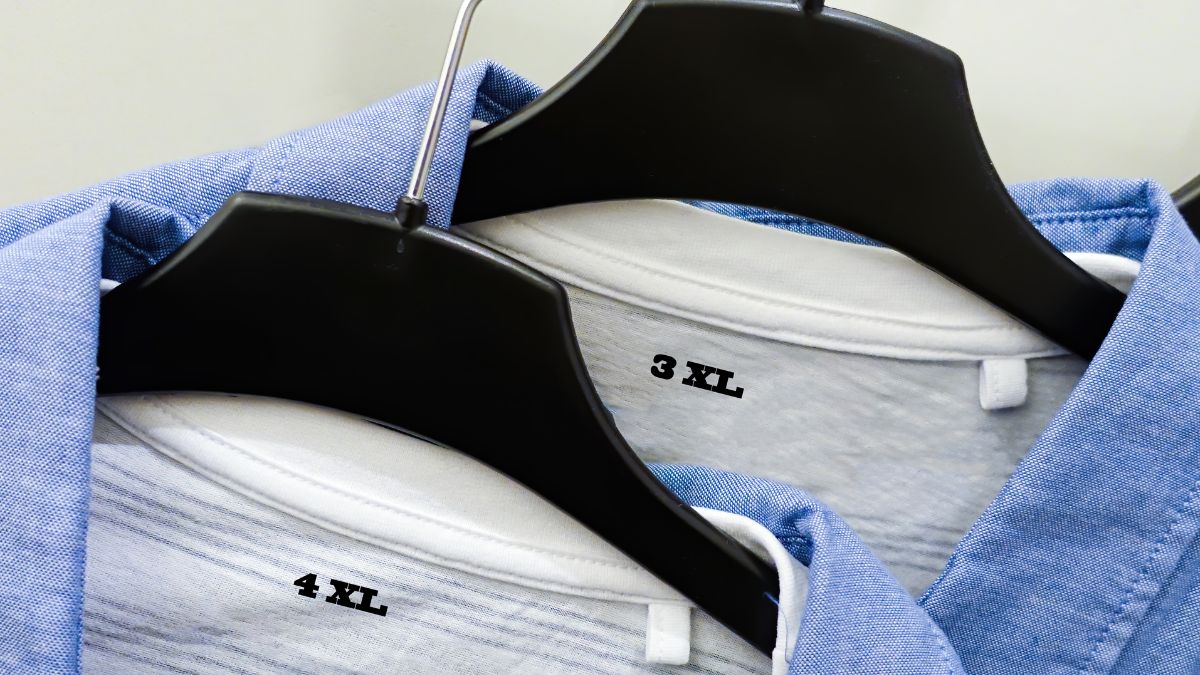
Most brands that claim to do extended sizing are just stretching a standard pattern. The shoulders get wider, the body gets longer, and the proportions fall apart entirely.
There’s a real difference between a brand that designs for a plus size body from the start and one that grades up from a medium and calls it inclusive. You can feel it immediately in a fitting room and see it in every photo you take wearing it.
Brands worth checking at mid-range and budget price points:
- ASOS Plus: Wide selection, genuine style variety, and sizing that actually follows plus proportions rather than just adding fabric
- Marks & Spencer (Big & Tall): Consistent sizing, solid construction, and basics that don’t look like basics
- Bonobos Extended Sizes: Cut for real bodies with attention to thigh and seat their chinos in particular fit differently than most
- Old Navy: Budget-friendly extended sizing with enough variety to build a functional wardrobe without overspending
- Uniqlo (up to 3XL): Simple, well-constructed basics in clean cuts limited upper size range but excellent quality where it reaches
Two things to filter for when shopping online: check whether the brand has a dedicated plus or big & tall section with its own fit notes, and read reviews specifically from buyers at your size not the average rating.
Tailoring closes the gap everywhere else. Even a $40 shirt becomes a different garment after a $15 sleeve and hem alteration.
Fit is findable. It just requires knowing where to look.

Hello there! I’m Jesse Joe, the author and editor behind SolganGenius. I’m thrilled you’ve stopped by, and I can’t wait to share with you the essence of what this platform is all about.
I’m a writer, social media enthusiast, and a firm believer in the power of words. I’ve always been fascinated by how a simple phrase or slogan can capture an emotion, convey a message, and even change perspectives. Learn More