

You are not cheap for wanting to stop overpaying. You are just done handing over money out of habit.
For years you probably paid full price for everything because nobody told you there was another price. After 55 the rules quietly change. Stores, banks, restaurants and parks all have a lower rate tucked away, and they are not going to announce it. You have to ask.
There are 12 things on this list you can stop paying full price for. Most are not charity and they are not coupons. They are discounts that begin at 50 or 55 if you speak up. You earned them just by getting here.
Quick Tips Before You Start
Ask once, kindly
The worst answer is no. Half the time it is yes.
Bring your ID
A driver's license or state ID proves your age on the spot.
Call ahead
Ask the store or bank what account or discount name they use.
Keep a list
Write down which places said yes so you do not forget the day.
Carry your library card
It is free and it lends much more than books.
1. Senior discount day saves 5-10%
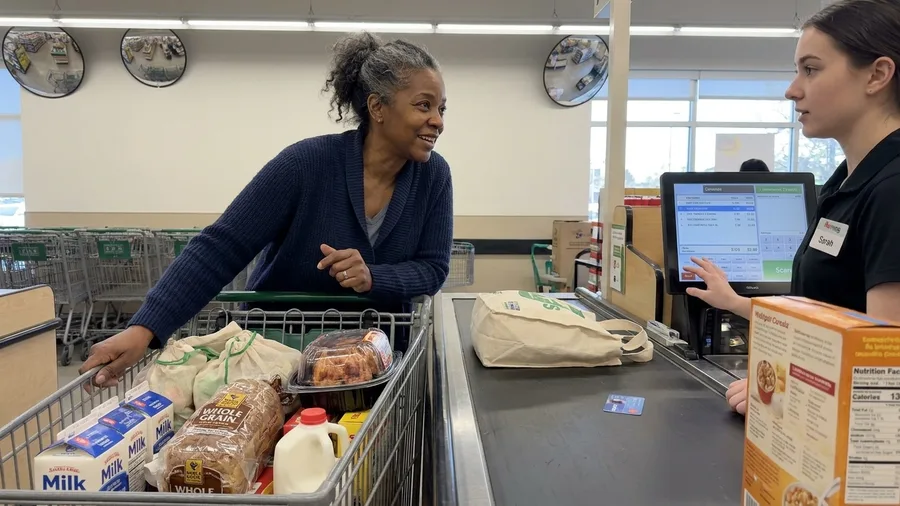
Usually yes, and you get it by asking at the register, not by hunting for a sign.
Plenty of grocery and retail chains discount purchases by 5 or 10% on a fixed day each week or month, and many begin that at 55. They rarely advertise it where you would notice, which is exactly why so many places retirees forget to ask let carts go through at full price.
Use the senior day for your big weekly shop so the percentage lands on a full cart instead of a pint of milk. A $120 cart at a 10% senior day saves $12, and that repeats every month, so it adds up to real money over a year.
The clerk hears that question constantly and nobody blinks. Ask once, learn which day it falls on, and put it in your calendar.
| Bill or purchase | What to ask | What to have ready or check |
|---|---|---|
| Grocery and retail | "Is there a senior discount day?" | Your ID and the store's senior day |
| Restaurant meal | "Do you have a senior menu or discount?" | Ask your server before ordering |
| Bank monthly fee | "Is there a senior or mature checking account?" | Any balance or direct-deposit rule |
| Pharmacy | "Is there a generic, and is there a cheaper cash price?" | Ask the pharmacist to run it both ways |
| Tax return | "Where is the free tax help near me?" | Confirm eligibility with AARP or IRS |
| Museum, zoo, garden | "Do you lend passes?" | Your free library card |
| Transit and parks | "Is there a reduced fare or lifetime pass?" | Your card and current park pass price |
| Phone and TV | "What is your loyalty or 55+ rate?" | A note that you are comparing offers |
| Gym and classes | "Does my Medicare plan include a gym?" | Your plan details and the community center schedule |
| College class | "Can I audit as an older adult?" | The registrar's age rule and form |
| Any counter | "Is there a discount?" | Nothing — just the question |
| The show | Nothing to ask — just stop | A decision you make for yourself |
2. Restaurant senior menus cut the bill quietly

The grocery discount was hiding at the checkout, and the restaurant version is hiding on a menu you were never handed.
Many restaurants keep a senior menu or a flat senior discount that never appears on the main menu. It means smaller portions for less money, or a straight percentage off the check, and plenty of places start it around 55. You find out by asking the server, quietly, before you order.
the senior portion is often exactly how much you actually want to eat. So the bill drops and you stop carrying home a box you will forget in the fridge.
A $38 check at the full menu can come down to about $29 with a senior portion or discount. That is $9 back and less waste.
One practical note before you sit down: it varies by location, even within the same chain, so the answer at one branch does not guarantee the next. Ask anyway. It costs one sentence.
Avoid These Mistakes
3. No-fee senior checking ends monthly charges
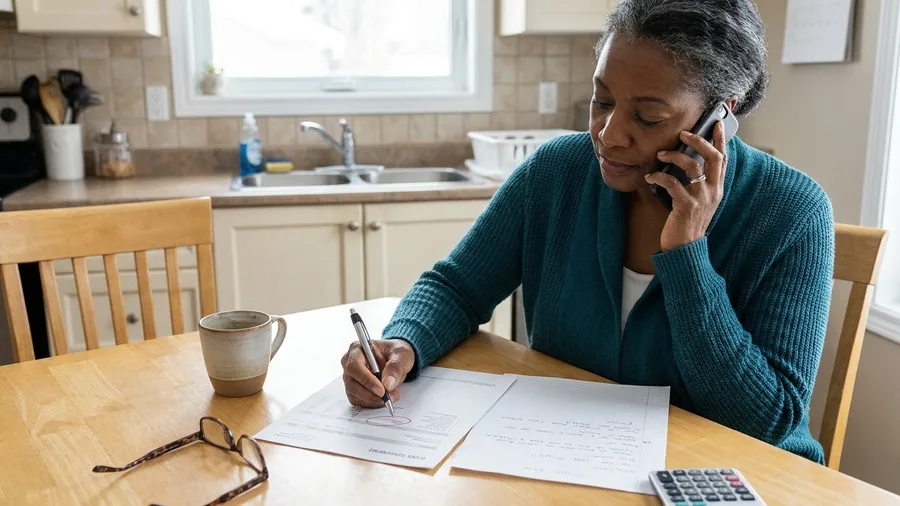
Unlike the grocery discount, which changes what you pay for something you were buying anyway, this one is money your own bank has been quietly taking for years just to hold your money.
A few dollars a month sounds small until you stack a year of it. At $8 a month that is $96 a year, gone, and for nothing. Most banks have a senior or mature checking account with no monthly fee at all, and often they will switch you over in a single phone call.
That call is the whole job. When you make it, ask for the exact account name so you can look it up yourself, and ask about any balance minimum or direct-deposit rule before you agree, so there are no surprises a month later.
💡 Tip: If the first person on the phone does not know about the account, ask for a supervisor. The name is usually something like senior checking or mature account.
Which discount to chase first?
4. Two pharmacy questions can beat sticker price

Free discount cards exist, and generic versions of many prescriptions do the same job for less. Have the pharmacist run the cash price both ways, with the card and without, and compare it to what you were paying. Occasionally paying cash alongside a free card wins out, sometimes by a lot.
One caution: not every drug has a cheaper path, and the cheapest route can change with your plan. If the numbers are close, ask the pharmacist to walk you through it.
What to have ready — At a Glance
🪪 Proof of age
Driver's license or state ID
📚 Library card
Free to join, lends passes
💳 Bank details
Account name and rules
📄 Tax papers
Book a free volunteer slot
🎫 Transit card
Show it for reduced fare
One folder, everything
Keep your ID, library card and program papers together so you can ask on the spot.
5. Free tax help replaces a paid preparer
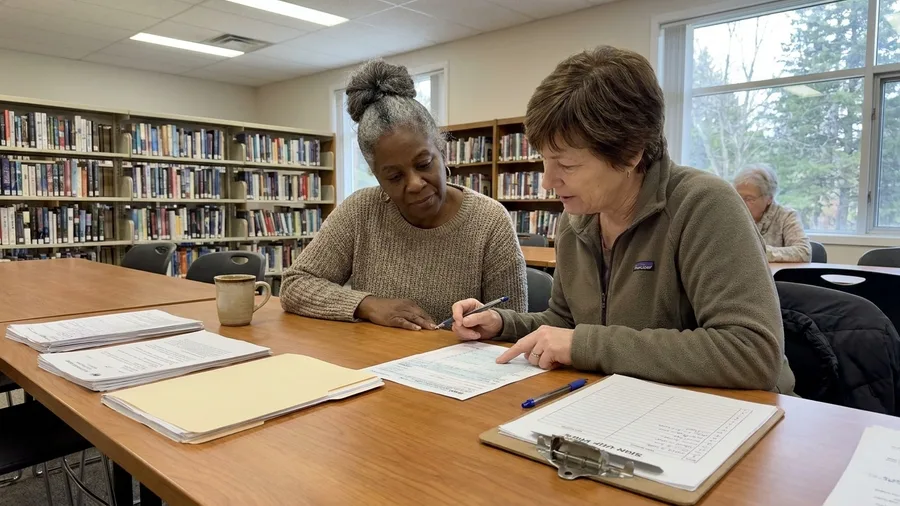
The moment tax season rolls around, the biggest unnecessary bill on this list is already sitting on a paid preparer's desk with your name on it.
Both the AARP Foundation and the IRS offer free tax assistance designed for older adults, staffed by trained volunteers at libraries and community centers. For a straightforward return, that is money you never need to hand over again.
The how is simple: book a slot in the new year, because appointments fill, and bring your papers, your ID and last year's return. Volunteer programs handle the common forms; the more complicated your situation, the more you should check whether they can take it.
And confirm the current income and eligibility rules with the official program directly, not from a friend's guess. Rules move, and one phone call or a look at the program's site settles it.
6. Library passes make museum days free
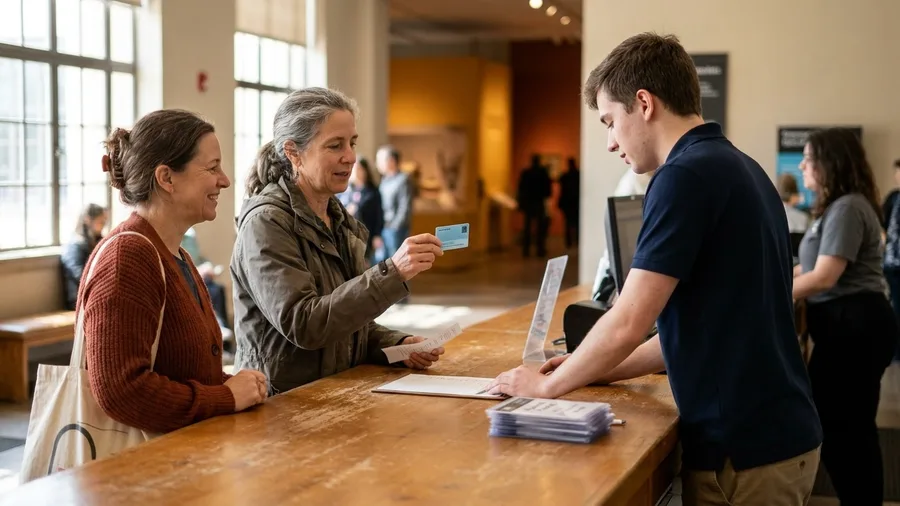
That card you already carry for books does a second job nobody mentions at the counter. Most libraries lend out museum, zoo and garden passes the same way they lend novels, and memberships cost nothing to join.
Seniors usually get a cheaper admission rate at those places anyway, so stack the two and the day turns into pocket change. You reserve the pass, print or download it, and walk in.
passes are limited and popular ones book out weeks ahead, so reserve early and check whether the pass covers one adult or the whole household. A $40 museum day becomes just the drive over.
7. Reduced transit fares and a lifetime parks pass
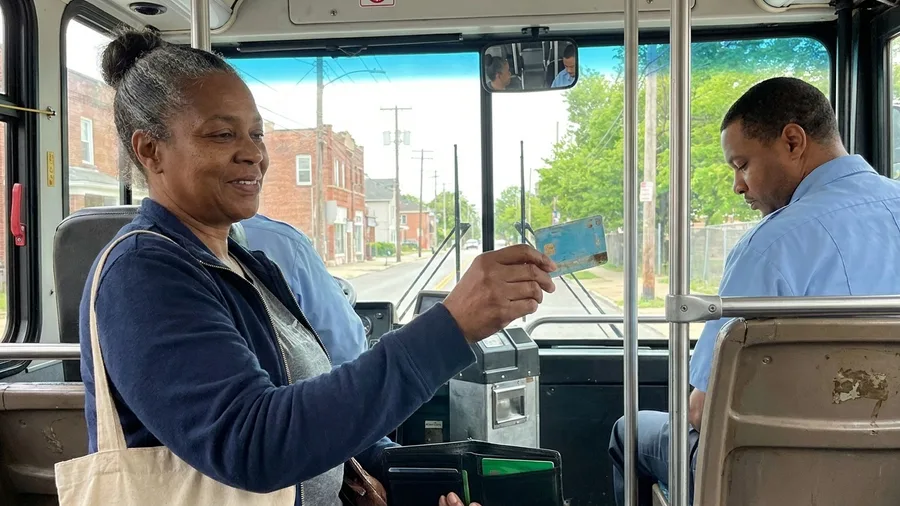
The moment you step up to the fare box on a local bus, or pull into a national park entrance with the window down, is when this one shows up.
Seniors ride local transit at a reduced fare just by showing a card, and it is built into the system, not a favor you have to argue for. Ask the transit agency which card it wants and whether you apply once or show ID each time, because it varies by city. Then there is the parks pass: a low-cost lifetime pass for older adults that gets you into every national park for the rest of your life.
Keep it in the glove box so it lives where the trips start. A weekend park entry can run $35 a car, and the pass pays for itself in a couple of visits.
One thing to be clear on: the pass is cheap, not free and not automatic. Check the current price and the exact age rule with the park service before you count on it, and bring proof of age when you buy.
Pay Full Price vs. Ask First
When you pay full price
- Grocery cart rings up the same total every week
- Bank takes a fee just to hold your money
- Restaurant bill is $9 higher than it needs to be
- Museum day costs $40 at the gate
- Streaming you never watch renews quietly
When you ask first
- 5-10% comes off on the store's senior day
- No-fee senior checking, $96 a year back
- Senior portion trims the check and the waste
- Library pass makes the day just the drive
- You cancel what you don't use and keep the rest
8. Trim phone, TV and streaming to actual use
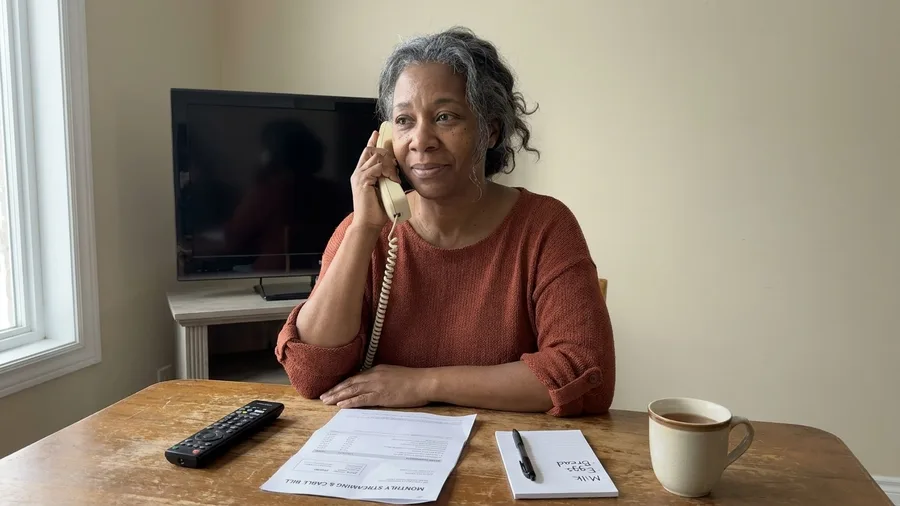
Because nobody ever called to shrink it.
Some carriers offer plans to those 55 and older with a smaller monthly bill, so ask yours. For everything else, call, say you are thinking of leaving, and ask for the loyalty or retention price. Then cancel the streaming services you never open.
Ten minutes on hold once a year beats the same old bill every month.
9. Free gym and classes beat a costly membership

Once the easy bills are trimmed, the next leak is the gym you skip. The cost there is both the fee and the guilt, and both can go.
A lot of Medicare plans throw in a gym membership at no additional charge once you qualify, so call the number on your plan card and ask what is covered and which local gyms take it. Libraries and parks also run free classes for your age group, and a gentle community-center class can cost nothing while giving you company and movement.
Confirm the gym benefit with your specific plan before you cancel anything, because the details differ. One phone call, then a walk to the class.
10. Audit college classes without paying tuition

Colleges are the quietest freebie on this list. Many allow older adults to audit classes with no charge or a token fee, which means you sit in, you learn, and you skip the tests and the tuition.
The how matters: each school sets its own age rule and its own steps, so call the registrar and ask two things, what age qualifies and whether you register before or after the paying students. Some schools let you in only if a seat is left, so have a second class in mind.
A one-hour-a-week history class is enough to feel the benefit, and there is no exam waiting at the end of it. If the campus route does not work out, the library adds free online courses on almost any subject.
Curiosity never retires, and as it happens, it needn't be costly either.
Staying well after 55, cheapest at the base
11. Asking 'Is there a discount?' unlocks the rest
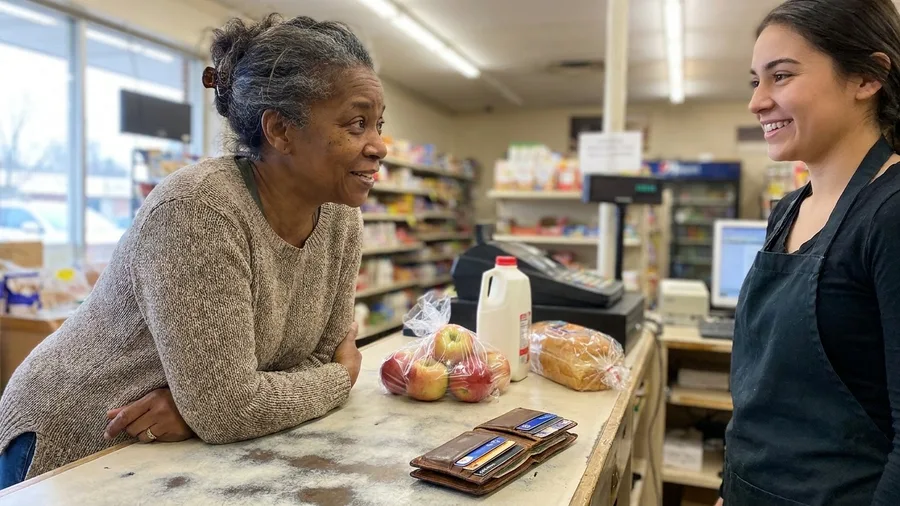
The other ten discounts on this list are useless sitting in a drawer, because none of them happen until you open your mouth. That is why asking is the one that makes all the rest work.
The senior rate, the loyalty rate and the cash price often stay hidden until someone asks for them. So ask plainly and without shame: is there a senior discount? The worst answer you get is no, and plenty of the time it is yes.
Have a calm follow-up ready for the no. Something like, 'Is there a loyalty price or a better day to come?' treats the answer as information, not rejection.
Asking costs nothing, and it has saved more than any coupon ever did. A 10% senior day on a $120 grocery cart is $12 back, and all it took was one sentence at the register.
12. Stop paying for other people's good opinion
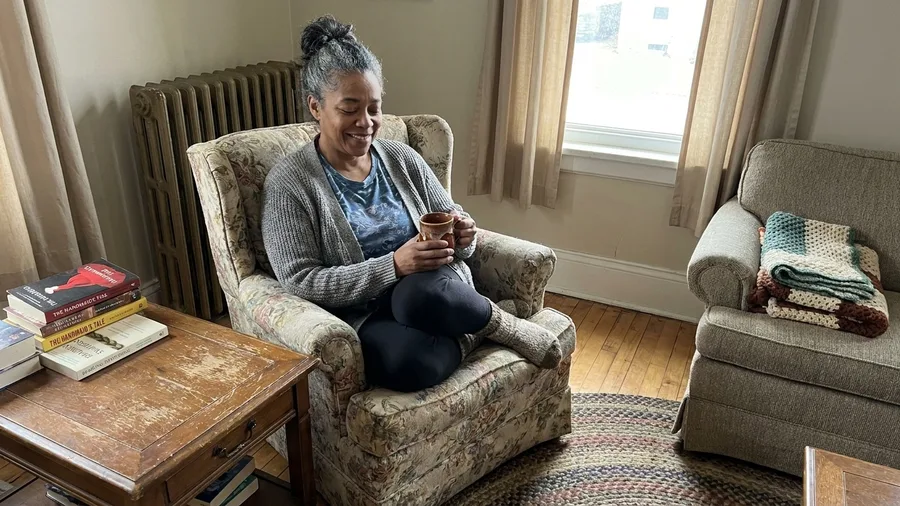
Run back through every discount on this list and the biggest bill was never on a receipt at all. It was other people's good opinion.
That bill gets paid with clothes you did not need and a house kept up only for visitors. A plain, warm home like a grandmother's can feel richer than a showy one, and nobody who sits at that table ever feels poor.
After 55, dropping that bill is the biggest savings on the list, and the one that actually buys peace.
Know the age cutoff and bring proof
there is no single senior age. The cutoff can be 50, 55 or 65, and it changes by store, bank, transit agency and parks program.
So a shop's senior day might start at 55 while the bank wants 62 and the national parks pass has its own age rule. Assume nothing, because one number does not fit every discount.
Bring a driver's license or state ID, and ask what proof that specific place accepts. Some want a membership card or a sign-up first, and knowing that saves you a wasted second trip.
Call ahead for the exact rule before you make the drive. Two minutes on the phone beats standing at a counter being told you are three years too early.
Then check the fine print where it matters most. For library passes and parks passes, ask whether you need to apply in advance, and confirm the current price and age rule with the program itself rather than guessing. A quick call settles it.
Caregivers under 55 can sometimes ask too
If you are the one driving your mother to the museum or sitting with your father at the pharmacy, this next bit is for you. You are under 55, and you are doing the work.
Rules vary, so ask whether the discount covers the older adult only or a caregiver coming along. Some places let the caregiver in at the same rate, and some do not, so the answer is worth having before you pay.
Bring your relative's ID and any program card when you ask in person. For tax help and gym benefits, check with the program or the Medicare plan directly, not just the front desk.
And do not claim a senior rate you do not qualify for. Ask for the caregiver exception instead, and let the answer be the answer.
It is the same principle as everything else here: the question is free, and the worst you get is a no. Half the time, though, you walk in together at one price.
Frequently Asked Questions
Is the senior discount at grocery stores automatic?
No. You usually have to ask at the register on the store's set senior day. Many chains take 5 or 10% off, often from 55 up, but they rarely announce it.
Do I need to be 65 to get these discounts?
Not always. Some stores, banks and restaurants start at 50 or 55, while others wait until 65. Call ahead and ask the exact age and what proof they accept.
Is the national parks pass really free?
No. A low-cost lifetime pass exists once you qualify, but it is not free. Check the current price and age rule with the park service before you count on it.
Can my library card get me into museums for free?
Many libraries lend passes to museums, zoos and gardens. Membership itself is free, and a day that once cost about $40 can become just the drive.
I'm under 55 but care for my mom. Can I use her discounts?
Ask the place directly. Some allow a caregiver accompanying the older adult, and some limit the rate to the older adult only. Bring your relative's ID and any program card.
What if they say no when I ask for a discount?
Treat it as information, not rejection. The worst answer is no, and half the time it is yes. Ask kindly, then move on to the next place on the list.
Pick the smallest bill and ask this week
All 12 of these come down to one habit: ask, and keep the answer. The freedom from impressing anyone is the biggest saving, but it starts with a small, practical move.
Pick the smallest bill on the list this week. The bank fee or the grocery run is a good start. Ask the question, write down the answer, and do it again next month.
Frame it as collecting what you earned, not charity. You paid into these systems for years, and now you are simply asking for the rate that was always yours.
Start with one question this week
Choose the smallest bill on the list, ask this week, and keep the answer. Then work down the rest, one call at a time.

Hello there! I’m Jesse Joe, the author and editor behind SolganGenius. I’m thrilled you’ve stopped by, and I can’t wait to share with you the essence of what this platform is all about.
I’m a writer, social media enthusiast, and a firm believer in the power of words. I’ve always been fascinated by how a simple phrase or slogan can capture an emotion, convey a message, and even change perspectives. Learn More