

The typical senior homeowner's property tax bill came to $4,271 during the past year.
And 92% of them paid more than they legally owed. Not because they did anything wrong — because a single form exists that lowers the bill, and nobody sends it to you. It is not mailed with your tax bill, it is not mentioned when you turn 65, and the county assessor's office does not advertise it.
The numbers behind that gap come from the AARP Foundation: 9.3 million older adults are eligible for a property tax reduction, and only 8% have ever applied. The other 92% overpay every year, quietly, on time, without complaint.
This piece walks you through exactly what the form is, what it is worth in different states, the two mistakes that get qualified applicants denied, and whether you can claim back years you missed. By the end you will know whether you qualify and the five steps to file before this year's deadline passes.
92% Never Filed and Keep Overpaying
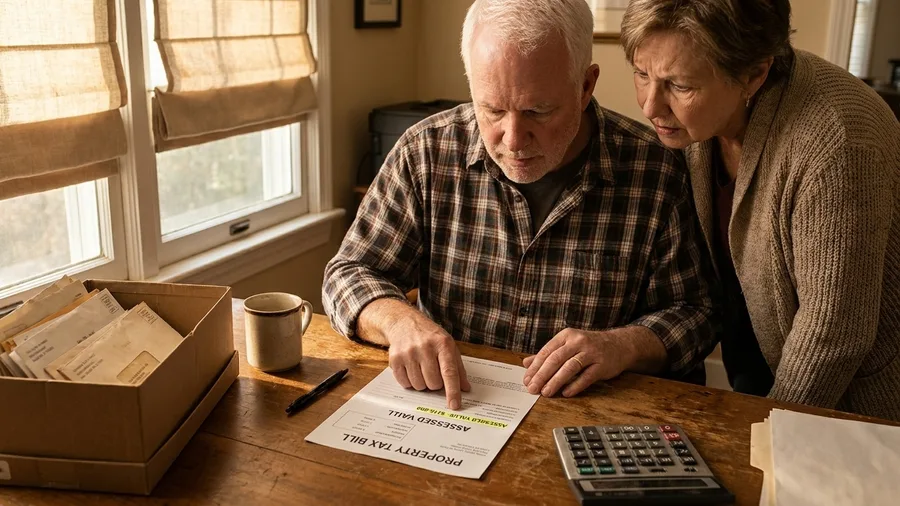
The average senior homeowner's property tax bill is $4,271 a year. Nearly 9.3 million older adults qualify for relief on that bill, and only about 8% have ever applied. That means roughly 92% of eligible seniors have never filed the form.
The gap isn't about the tax rate. It's about who knows the programme exists.
Here's what the benefit is worth in a sentence: the senior homestead exemption takes a slice of your home's assessed value off the top before the tax is calculated, and it does that every single year you own the home and stay eligible. In states with a freeze, it stops the taxable value from rising at all. Either way, the saving repeats.
Why does the gap exist? Because nothing in the system flags you when you turn 65. No agency checks your birthday against your property record. No letter shows up in the mailbox. You're simply expected to know a programme is there, one that some states have had on the books for decades.
That's the shape of it: a quiet, legal, recurring discount nobody hands you. And knowing that, the next question is why people who do find the form still end up paying.
| State | Program | How it works | Typical value | Filing deadline | Retroactive years |
|---|---|---|---|---|---|
| New Jersey | Senior freeze | Locks the taxable value at the amount on filing day | Up to $6,500 a year | Check county.gov site | Check with assessor |
| Texas | Senior homestead exemption | Extra $60,000 off assessed value for age 65+ | About $938 a year in school district taxes | April 30 | Up to 2 prior tax years |
| New York | Local senior exemption (2026 law) | Localities may exempt up to 65% of assessed value | Varies by locality | March 15 (NYC) | Check with assessor |
| Illinois | Senior assessment freeze / senior citizens homestead exemption | Freezes assessed value permanently; exemption lowers it further | Compounds each year the market rises | Check county.gov site | Up to 3 prior tax years |
| Florida | Additional senior exemption | Requires household income below $36,000 | Varies by county | March 1 | Check with assessor |
| Colorado | Senior exemption | Reduces assessed value for eligible seniors | Varies by county | As late as July 15 | Check with assessor |
The County Denies Instead of Correcting
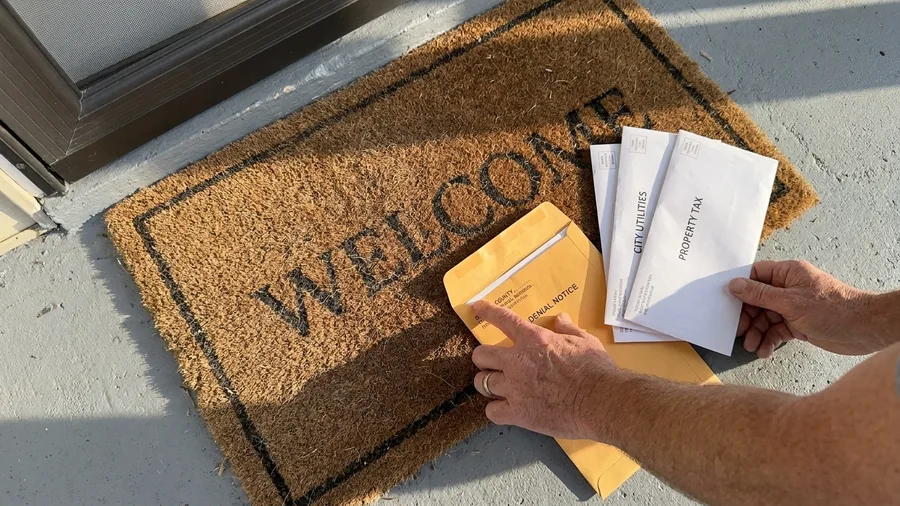
An incomplete application gets denied and closed, not sent back for you to fix. That's the fact that catches qualified people off guard.
You file. You wait. Weeks later a letter arrives saying you didn't qualify. Except you did.
The window then shuts until the next filing cycle. A full year lost, another year of overpaying, and the file is closed rather than paused. Nobody calls to ask what you meant.
Two culprits do most of the damage here, the same recurring retiree tax return mistakes a CPA sees: filing the wrong form among several similar programmes, and leaving out proof of income when your state sets an income limit. Both are paperwork problems, not verdicts on whether you deserve the relief.
The distinction to hold onto is this – being eligible is not the same as being approved. The county processes what you submit, not what you meant to submit. Knowing that changes how you prepare before the envelope goes out.
⚠️ COMMON MISTAKE
Eligible Is Not Approved
Most counties will not call you, redirect your paperwork or ask for the missing page. An incomplete application is denied and closed. Gather every document before you open the form.
What the Senior Homestead Exemption Does
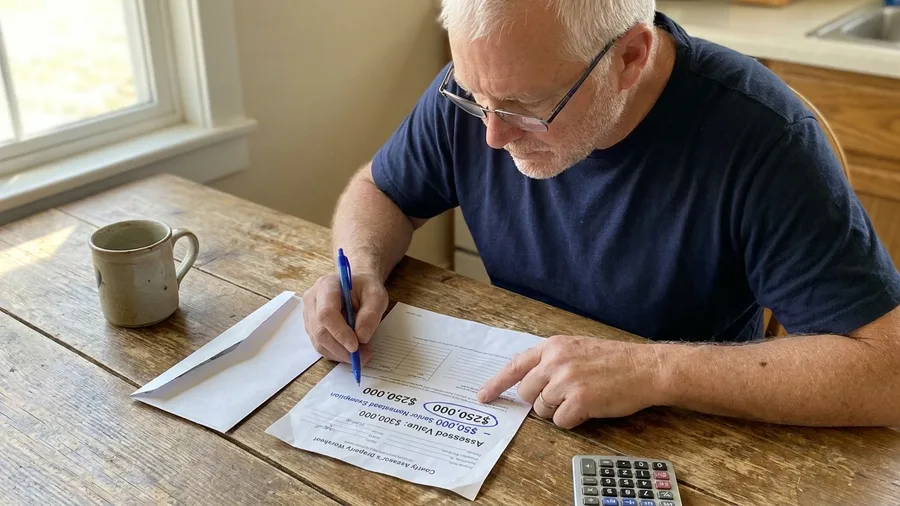
The form is known as the senior homestead exemption. In some states it goes by senior property tax exemption, and Illinois calls it the senior citizens homestead exemption. Different names, same purpose.
Your county works out property tax from your home's assessed value. The exemption lowers that value before the tax is applied, so you're taxed on less. A home assessed at $300,000 with a $50,000 senior exemption is taxed on $250,000. Same house, lower number, smaller bill.
And it keeps working. The reduction renews annually provided you still own the home and remain eligible, so the saving repeats rather than landing once.
Notice what it does not do: it doesn't cut your tax rate. It cuts the number the rate is applied to. That matters, because it means the same exemption is worth more in dollars where local rates are higher.
Your first move is to find your state's exact name for the programme. Look up your county name alongside senior homestead exemption and make sure you're reading the assessor's own page.
Senior Homestead Exemption — At a Glance
📊 Typical bill
$4,271 average; 8% of 9.3M have applied
💵 Top dollar values
NJ freeze max $6,500/yr; TX +$60k saves ~$938/yr
⏪ Retroactive years
TX up to 2; IL up to 3
💰 Income limits
IL $65,000; NYC $58,399; FL below $36,000
📅 Key deadlines
FL Mar 1; NYC Mar 15; TX Apr 30; CO Jul 15
The detail most people miss
Illinois case: home assessed $310k, $7,400 bill, eligible 2021, filed 2024 with 3 retroactive applications — those past years can still pay out.
The Freeze That Stops Your Bill Rising
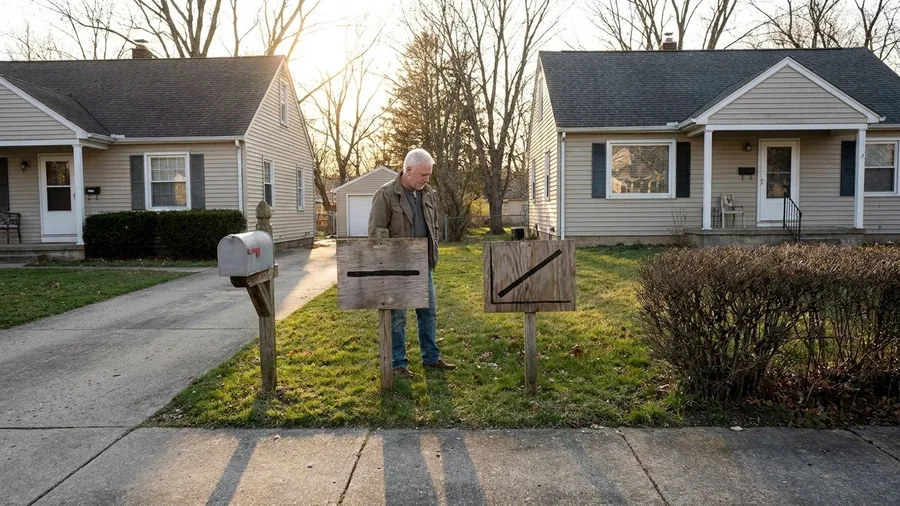
A freeze is not the same thing as an exemption, and in some states you can have both. The exemption lowers the value you're taxed on. The freeze stops that value from moving at all.
When you file, your home's taxable value gets locked at that figure, permanently, whatever the market does afterwards. Your neighbour's bill climbs each year as prices rise. Yours sits still.
Picture the Illinois case: a home assessed at $310,000 with the freeze in place stays at $310,000 on the tax roll while the surrounding market moves up. Every year the gap between what you pay and what your neighbour pays widens. Over a decade that compounds into serious money.
So check what your state actually offers – the exemption, the freeze, or both. In most counties that have both, they are separate applications, and assuming one form covers everything is exactly how people leave money on the table.
What the Savings Look Like by State
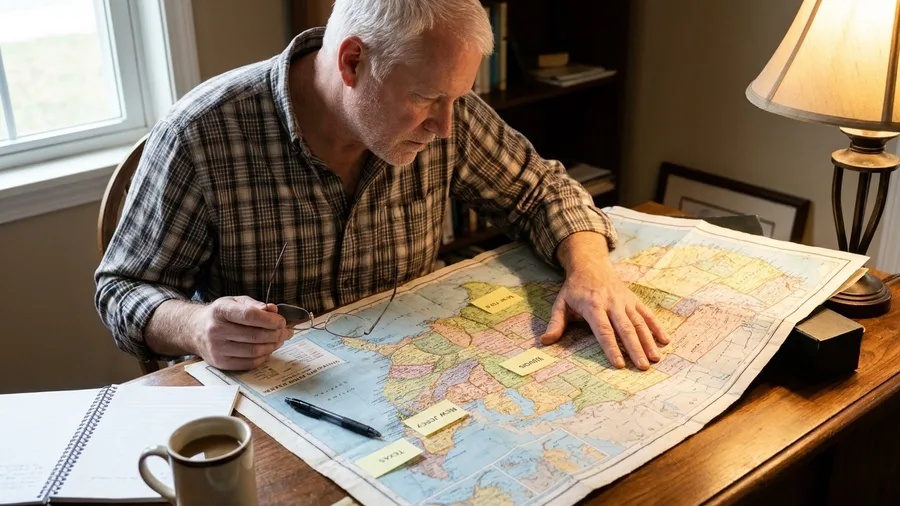
The dollars swing widely depending on where the home sits, from a few hundred a year to several thousand. New Jersey's senior freeze programme tops out at $6,500 a year. Texas gives homeowners 65 and older an additional $60,000 exemption, worth roughly $938 a year in school district taxes alone.
New York is the newest lever: a 2026 law lets localities exempt up to 65% of a home's assessed value. Illinois locks the assessment permanently the moment you file, and Florida's additional senior exemption applies below a $36,000 household income limit.
Now run the ten-year math. A New Jersey senior who files and stays put keeps roughly $65,000 that would have gone to tax bills. In Texas, close to $10,000. In Illinois, with values rising the way they have, the freeze saving grows every year it holds.
If none of those are your state, look up your own programme the same way – county name plus senior homestead exemption – and check whether an income limit applies to you. These figures are illustrative, but the pattern holds: the saving repeats, and in freeze states it grows.
Where the Biggest Savings Land
Figures reflect published programme rules and are illustrative, not a quote for your property.
Some States Let You Claim Past Years
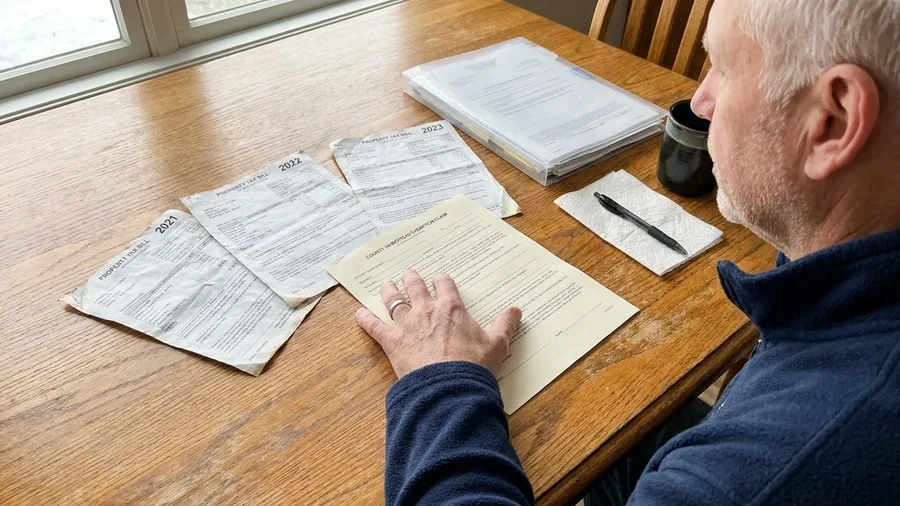
In some states you can still claim the years you missed. That is the part almost nobody mentions, and it is the reason filing late is not the same as filing never.
The rules differ by state, but the direction is the same. Texas lets you reach back up to two prior tax years. Illinois goes further and allows up to three.
Take a homeowner eligible from 2021 who only found out in 2024. That is three retroactive applications, not one. In that example the county processed all three, which is the closest thing in the property tax system to money already owed to you. No new investment, no financial product, no attorney.
But this is where you have to slow down. Retroactive rules are set state by state, and some counties read them their own way. Confirm with your assessor before you assume a past-year claim will be accepted. Ask the specific question: does one application cover several years, or does each year need its own form?
That answer changes how you file. Get it wrong and you may bundle three years onto a form meant for one.
There is a second reason to act now even if the past is fuzzy. Filing this year stops the clock. Chasing the back years is a separate conversation you can have once the current one is safe.
What Filing Early Buys You vs. Waiting
File this cycle
- Taxable value locks at today's assessment in freeze states
- Saving repeats every year you stay eligible
- Opens the door to retroactive years where allowed
- One paperwork pass, one deadline met
Wait another year
- A full cycle of overpayment is gone
- Any rise in your assessment is baked into the freeze
- Retroactive windows narrow or close
- The same form must be filed later anyway
Nobody Tells You When You Turn 65

Letter comes when you turn 65, and no agency quietly flags your property record. Whatever you qualify for, you have to find it yourself.
The Illinois senior citizens homestead exemption has been on the books since 1994. That is 32 years, and the state has never once mailed a qualifying homeowner to say it existed. Not one letter.
Here is the odd part. The county assessor runs the programme. They are the office that knows your birthday is on your deed. They simply do not advertise it. Finding it, filing it and hitting the deadline all land on you.
You can see how big that gap is in the volunteer effort to close it. Tax-relief programmes staffed by volunteers recovered nearly $10 million over five years. That figure tells you the size of the yearly shortfall in people left out.
None of this is a conspiracy. It is an administrative gap: a benefit that exists on paper and depends on you knowing to ask.
So ask. One call to your assessor can tell you today whether you qualify, what form it takes, and what you have been missing since you hit 65.
Deadlines Nobody Mails to Your House
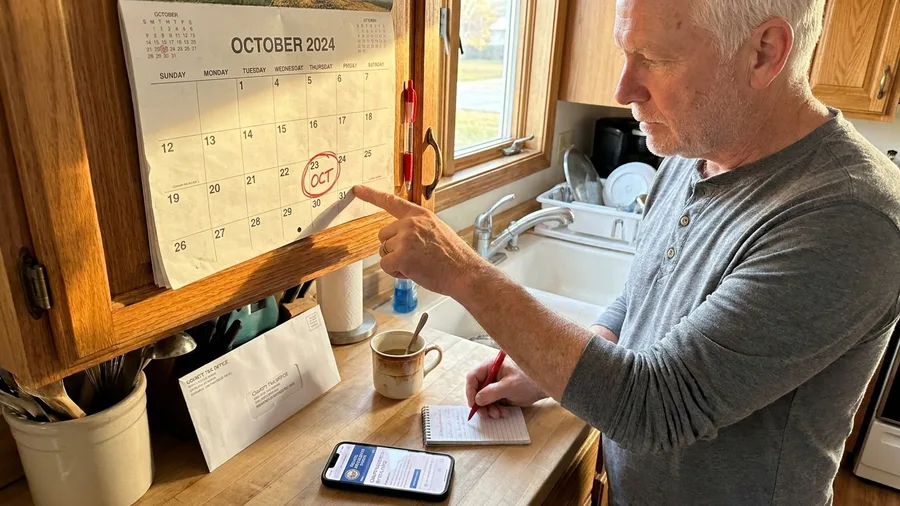
The deadline in your county is on no tax bill, no envelope and no notice mailed to your house. That is why timing, not eligibility, is what sinks most people.
The dates vary widely and they are worth knowing. Florida's additional senior exemption closes March 1. New York City closes March 15. Texas closes April 30. Colorado runs as late as July 15.
Each state slices its window differently. What they share is that if you do not already know to look for the date, the window shuts without a sound and you wait a full year.
Do this today. Look up your county name alongside property tax exemption deadline 2026. Write the date down somewhere you will actually see it, not in a browser tab you close by dinner.
If your county's page is unclear, call the assessor's office and ask them to confirm the date in writing. A two-minute call beats twelve months of overpaying.
You also have a built-in reminder here: file early. Filing weeks before the deadline gives you room to fix a missing document, and it removes the one reason most people give for missing the window.
Filing the Wrong Form Ends the Same Way
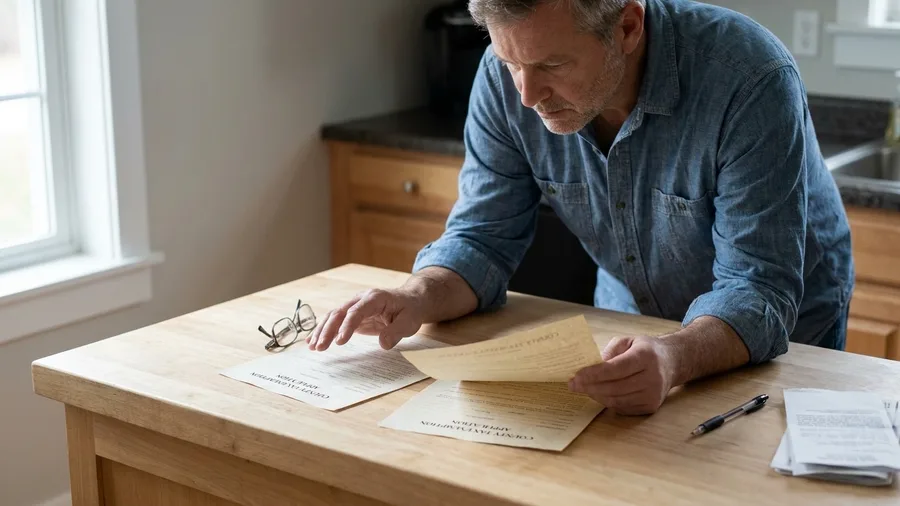
You are probably supposed to file one specific form among several that look alike. Counties run four programmes side by side, each with its own rules, its own deadline and its own paperwork.
The four are the senior homestead exemption, the senior assessment freeze, the circuit breaker credit, and the standard homestead exemption that any homeowner can claim regardless of age. Different names, different fine print, same office.
Here is the part that gets people. File the wrong one and you get no rerouting from the county. Nobody phones you. The application goes in as submitted, comes back denied, and closes. Weeks later a letter says you did not qualify.
So identify the right programme before you submit. Read the eligibility line on each form: the age threshold, the income limit, whether it freezes or exempts, and whether it is open to all homeowners. Match those to your actual situation, not to whichever name sounded right.
If two forms look plausible, call the assessor and ask which one applies to you. That call is free and it saves a year.
Read the form's name against your situation and you are already ahead of most people who file.
Will Your Application Survive Review?
Each 'warn' row is the kind of gap that turns into a denial rather than a correction request.
The Section That Gets Applications Denied
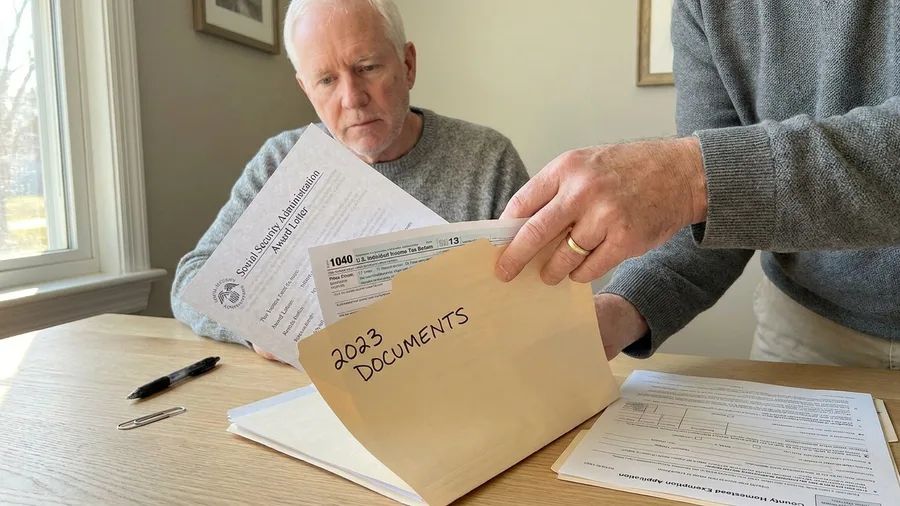
It is almost always the income documentation. Most states that offer the exemption set a household income limit, and the proof of that income is the section that quietly sinks qualified applications.
The numbers are tight and specific. Illinois sets the limit at $65,000. New York City sets it at $58,399. Florida's additional senior exemption caps income at under $36,000.
Now the trap. Submit without attaching proof of income and the application is not reviewed and returned for correction. It is automatically denied. One missing document, one denial, one more year of overpaying.
So attach the prior-year tax return or your Social Security award letter. If you do not file a return, call the assessor and ask which alternative they accept. Benefit or pension statements often work, but the county decides.
Assemble the documents before you open the form. The same missing-page problem will close the file for the year, and no one will chase you for it.
Do not assume the office will follow up. They will not. The file just closes, and the benefit waits for next year's paperwork.
Money Already Owed, One Form Away
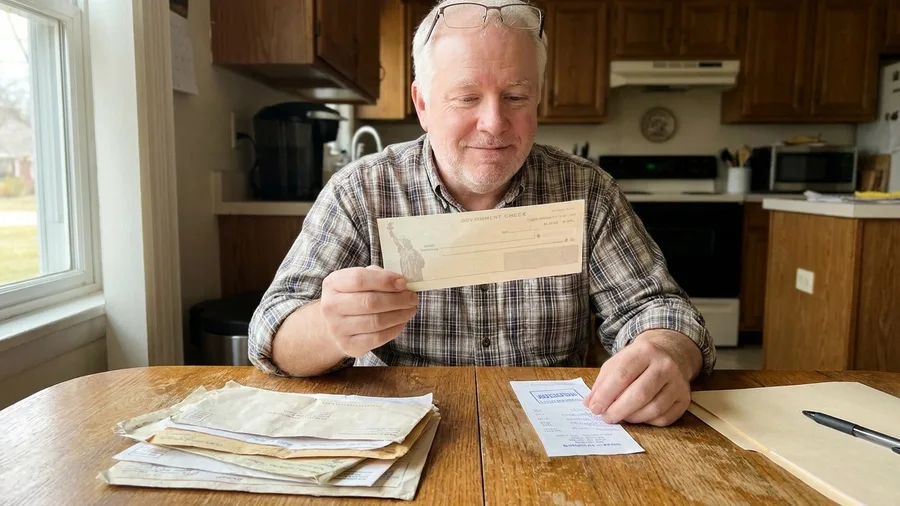
Claiming past years is not complicated and it does not cost you anything.
In Illinois, retroactive applications can cover as many as three prior tax years. In the worked example, the county processed all three. No pushback, no audit, no letter asking you to explain yourself. Three years of overpayment, returned on the strength of paperwork.
There is no attorney involved, no financial product and no new investment. It is a form.
One thing worth asking before you file: does one application cover several years, or does each year need its own? Counties differ on this. Some bundle the back years into a single submission. Others want a separate application stacked for each tax year, and if you send one form expecting three years back, you may get exactly one. A two-minute call to the assessor's office settles it.
The money arrives as a credit against your bill or as a refund. Not as a product anyone sells you. So be wary of any service that offers to 'recover' it for a fee. The form is free, and the county office is the only place it goes.
If you qualified in past years and simply never knew, this is about as close as the tax system gets to handing back money you already paid.
📋 How to File It, Step by Step
Confirm eligibility
Age 65 or older, primary residence ownership, and household income under your state's threshold where one applies.
Find the county form
Search '[county name] senior homestead exemption application 2026' on the assessor's .gov site and avoid third-party sites.
Gather documents
Proof of age (driver's licence or birth certificate), proof of ownership (deed or recent mortgage statement), proof of income (prior-year return or Social Security award letter).
Write down the deadline
Find your county's 2026 exemption deadline and put it somewhere visible before you do anything else.
Submit to the county
Send or deliver the packet to the county office with every document attached — nothing left for them to request.
How to File It, Step by Step
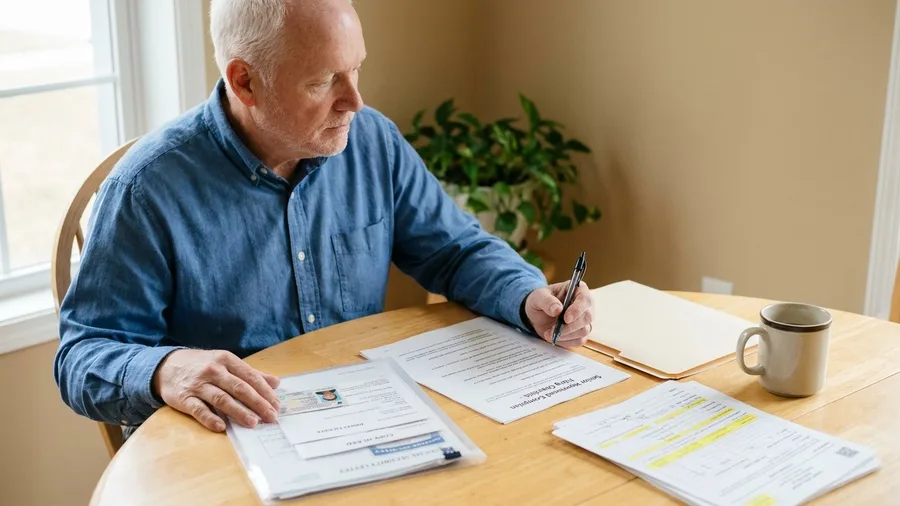
There are five steps, and they go in this order: confirm you qualify, find the county's own form, gather your documents, pin down the deadline, submit.
Step one is eligibility. Age 65 or older, ownership of your primary residence, and in many states household income under a set threshold. Check your state's rule before you spend an afternoon on the form.
Step two is finding the right form. Go directly to your county assessor's official .gov site and search '[county name] senior homestead exemption application 2026'. Skip the third-party sites that offer to file for a fee; they are not the county and they do not speed anything up.
Step three is the document pack. Proof of age, like a driver's licence or passport. Proof of ownership, like your deed or most recent mortgage statement. And proof of income where required, like a prior-year return or Social Security award letter. Put all of it in one folder before you open the application, because a missing document is how files stall.
Steps four and five: find your county's 2026 deadline first, then submit everything to the county office with each document attached.
Once it is in, keep a dated copy of exactly what you sent. That copy is your evidence if the file is ever questioned.
Frequently Asked Questions
Is the senior homestead exemption the same as a senior property tax exemption?
Yes — the names vary by state. Illinois calls it the senior citizens homestead exemption, other states use senior property tax exemption, and the mechanism is the same: a slice of your assessed value is removed before the tax is calculated. Always search your county's own page for the exact name they use.
Can I get the exemption and the freeze at the same time?
In some states yes, and they are usually separate applications. The exemption lowers the assessed value; the freeze stops the taxable value from moving. Check with your county assessor to see which ones your state offers and whether you can hold both.
What if I never filed a tax return — does that disqualify me?
Not automatically. A missing document is a paperwork problem, not a verdict. Call the assessor's office before the deadline and ask which alternative proof of income they accept; benefit or pension statements often work in place of a return.
How far back can I claim?
It depends on your state. Texas allows up to two prior tax years and Illinois up to three. Confirm the rule with your assessor before assuming a past-year claim will be processed, and ask whether one application covers several years.
Does filing cost anything?
No. Filing the senior homestead exemption is paperwork and time, not a fee to a company. Avoid any service that charges to 'recover' the benefit for you — the form goes to the county office and the relief arrives as a credit or refund.
What if my application was already denied?
Ask the assessor why it was denied and whether you can refile in the same cycle. Often the reason is a missing document or the wrong form, both of which can be fixed. If the window has closed, mark next year's deadline and assemble the pack early.
The One Search That Starts the Refund
Today, search your county assessor's .gov site for the senior homestead exemption and this year's deadline. Ask about retroactive years in the same contact — one email or one phone call covers both questions.
If the form feels like a lot, bring in an adult child or a volunteer tax counsellor to sit with you while you assemble the packet. If you have your deed, your licence and your Social Security award letter, you can safely file alone — the county office is the only place it goes.
The saving repeats every year you stay eligible. The only thing that stops it is a deadline you did not know about.
Find Your County Deadline Today
Search your county name plus 'property tax exemption deadline 2026' on the assessor's .gov site and write the date down before you do anything else.

Hello there! I’m Jesse Joe, the author and editor behind SolganGenius. I’m thrilled you’ve stopped by, and I can’t wait to share with you the essence of what this platform is all about.
I’m a writer, social media enthusiast, and a firm believer in the power of words. I’ve always been fascinated by how a simple phrase or slogan can capture an emotion, convey a message, and even change perspectives. Learn More