

Eleanor is 78, widowed, independent, and finally comfortable in her quiet apartment. Yet friends keep telling her that living alone must mean she is lonely, and that finding a boyfriend would make life safer, warmer, and more complete.
That pressure sounds caring, but it can hide a costly mistake.
After decades of raising children, working, caregiving, and adjusting to other people, Eleanor knows companionship can bring joy. It can also bring new duties, money problems, lost privacy, and emotional strain.
1. Make Sure Companionship Does Not Turn Into Caregiving

Eleanor once met a 72 year old widow named Brenda at the local market. Brenda had been dating a 79 year old man for only three weeks, yet she was already cooking his meals, buying things he needed, and arranging much of her afternoon around his routine.
None of those actions is automatically wrong. Caring for someone can be one of the warmest parts of a relationship when both people willingly support each other and neither person treats that care as an obligation.
The problem begins when dating quietly becomes an unpaid caregiving position. AARP and the National Alliance for Caregiving reported in 2025 that about 63 million Americans provided family care, and their research documented real financial and health strain among many caregivers.
Eleanor had already spent years caring for her husband during serious illness. She had also raised children and worked as a nurse, so at 78 she knew she did not want another relationship built mainly around someone else’s medical and household needs.
Before getting serious, pay attention to what the other person expects from you. A partner should be able to manage most of his own daily responsibilities while also caring about your comfort, energy, and needs.
Ask yourself whether he cooks when you are tired, keeps track of his own appointments, manages his medications, and handles basic household tasks. A boyfriend should be a partner, not another full time responsibility.
2. Protect the Freedom You Worked Decades to Get

One of Eleanor’s favorite pleasures was almost laughably small. She could buy an expensive peach at the market without explaining to anyone why she had spent four dollars on a piece of fruit.
That little choice represented something much larger. For perhaps the first time in decades, her time, money, home, and daily routine belonged completely to her.
A new relationship changes some of that. Dinner time becomes a discussion, weekends involve two schedules, television choices get shared, and even the thermostat may suddenly become something two people debate.
None of those things makes relationships bad. Good relationships require compromise, but the important question is whether both people are doing some of the bending.
If you always change your dinner hour, cancel plans with friends, alter your home, lower the television, or give up small pleasures to keep someone else comfortable, companionship may start costing more than it gives.
Healthy dating after 70 should expand your life rather than slowly shrink it. The right partner should bring something good into the life you already built without expecting you to surrender every routine that makes your days enjoyable.
3. Do Not Confuse Living Alone With Being Lonely

Friends sometimes looked at Eleanor’s apartment and saw an empty chair. Eleanor looked at the same room and saw peace, privacy, and the freedom to spend an afternoon exactly as she pleased.
That difference matters because living alone and loneliness are not the same thing. The National Institute on Aging explains that a person can live alone without feeling lonely, while someone surrounded by other people can still feel deeply disconnected.
A boyfriend is therefore not automatically the solution to loneliness. A woman may have friends, children, neighbors, volunteer work, hobbies, clubs, and regular social contact while happily keeping her own home.
Another woman may share every evening with a romantic partner and still feel ignored. What matters is the quality of the connection, not simply whether another person’s shoes are sitting by the front door.
| Living Situation | What It May Feel Like | What Could Help |
|---|---|---|
| Living alone by choice | Peaceful and independent | Keep meaningful social connections |
| Living alone and wanting more contact | Isolated or disconnected | Build friendships and regular activities |
| Dating a supportive partner | Connected and respected | Protect healthy independence |
| Dating but feeling ignored | Lonely despite companionship | Address the relationship problem directly |
The National Institute on Aging also warns that unwanted loneliness and social isolation can affect health. The goal is meaningful human connection, not obtaining a relationship simply because other people feel uncomfortable seeing you single.
4. Watch What Happens to Your Time
Eleanor loved reading for hours without anyone asking when lunch would be ready. She liked slow morning walks and the freedom to decide at noon that absolutely nothing needed to happen that afternoon.
A relationship can quickly fill those empty spaces. At first, the dinners, phone calls, drives, family introductions, weekend plans, and evening conversations may feel exciting and fresh.
Then something subtle can happen. His calendar slowly becomes your calendar, especially when age or health issues make him depend on another person for transportation, planning, or company.
If he no longer drives at night, you may become the driver. If he has an appointment, you may be expected to attend, and if he wants every Saturday together, your own Saturday plans can slowly disappear.
Relationships require generosity, but your remaining years are valuable too. A healthy partner respects the fact that you already have friendships, routines, hobbies, and days you enjoy spending alone.
Keep the people and activities that were important before the relationship began. Love should have a place in your calendar, but it should not become the entire calendar.
5. Keep Your Money Separate Until Trust Is Earned

Romance can make sensible people lower financial boundaries faster than they normally would. That becomes especially risky when someone has retirement savings, investments, a paid home, or money intended for children.
The Federal Trade Commission continues to warn older adults about romance scams in which someone builds emotional trust before asking for money. The Consumer Financial Protection Bureau also warns that financial exploitation can involve people the older adult already knows and trusts.
That means financial caution is useful even when the relationship feels real. Eleanor follows a simple rule because she spent decades building what she has and does not intend to risk it after a few months of companionship.
Affection does not automatically create financial access.
Avoid rushing into major decisions such as:
- Adding a new partner to your bank account.
- Cosigning one of his loans.
- Paying off his large debts.
- Adding his name to your home.
- Changing beneficiaries under pressure.
- Sharing online banking passwords.
- Funding a business or investment he recommends.
A trustworthy partner will understand why you are careful with your retirement money. Someone who becomes angry because you protect your savings is giving you important information about how he views your boundaries.
6. Being Needed Is Not the Same as Being Loved

Brenda said something that stayed with Eleanor after their conversation at the market. She liked feeling needed again, and that feeling was part of what made caring for Harold seem rewarding.
Feeling useful can be powerful after retirement, widowhood, or years without children living at home. Someone suddenly wants your cooking, needs a ride, asks for help finding his glasses, or wants you sitting beside him during a medical appointment.
Being useful can feel a lot like being important. But usefulness and love are not the same thing, especially when nearly all the practical work starts moving in one direction.
A relationship becomes unbalanced when one person provides the cooking, cleaning, emotional comfort, transportation, appointment management, and daily organization while the other mostly receives those things.
| Healthy Support | Growing Dependency |
| Both people help each other | One person handles nearly everything |
| Help is appreciated | Help becomes expected |
| Each person manages basic responsibilities | One partner becomes the manager |
| Both lives remain important | One person’s needs dominate |
| Saying no is respected | Saying no creates guilt or anger |
AARP’s caregiving research shows why that distinction matters. Caregiving can affect a person’s energy, finances, health, work, and ability to care for herself.
Try asking what would happen if you stopped doing all the helpful things for one week. If affection, conversation, interest, and respect would disappear with the errands, that relationship may be built more around service than companionship.
7. Your Home Does Not Have to Become His Home
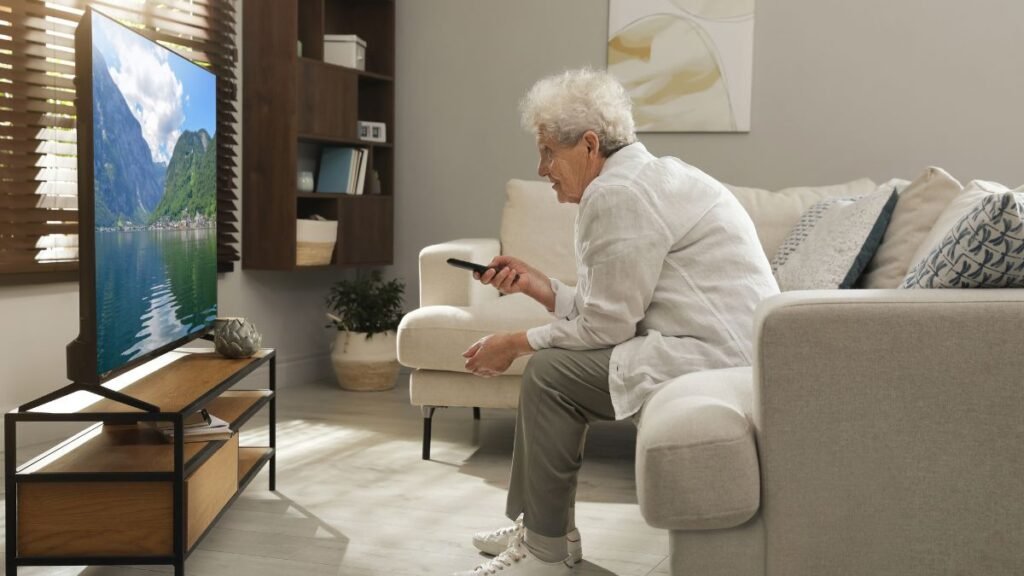
Dating later in life does not have to follow the same path people expected at 25. A couple can care deeply about each other without immediately merging homes, furniture, bills, possessions, and every part of their daily routine.
For Eleanor, her apartment represented much more than shelter. It represented control after decades spent working around the needs, schedules, and preferences of other people.
She chose the temperature, the television program, and when visitors went home. She could read at three in the morning, eat dinner at seven, leave dishes until breakfast, or spend a whole Sunday without talking.
Giving another person a key changes that space. That may be wonderful with the right partner, but it should never happen simply because moving in together feels like the expected next step.
Moving in together should make life easier for both people rather than create several new problems.
Before sharing a home, discuss practical questions. Talk about household expenses, cleaning, overnight guests, visits from adult children, ownership, caregiving expectations, privacy, and what would happen if the relationship ended.
Some older couples find that separate homes give them the closeness they want without sacrificing the independence they value. Dating does not automatically require handing someone your front door key.
8. Marriage Can Change More Than Your Relationship Status
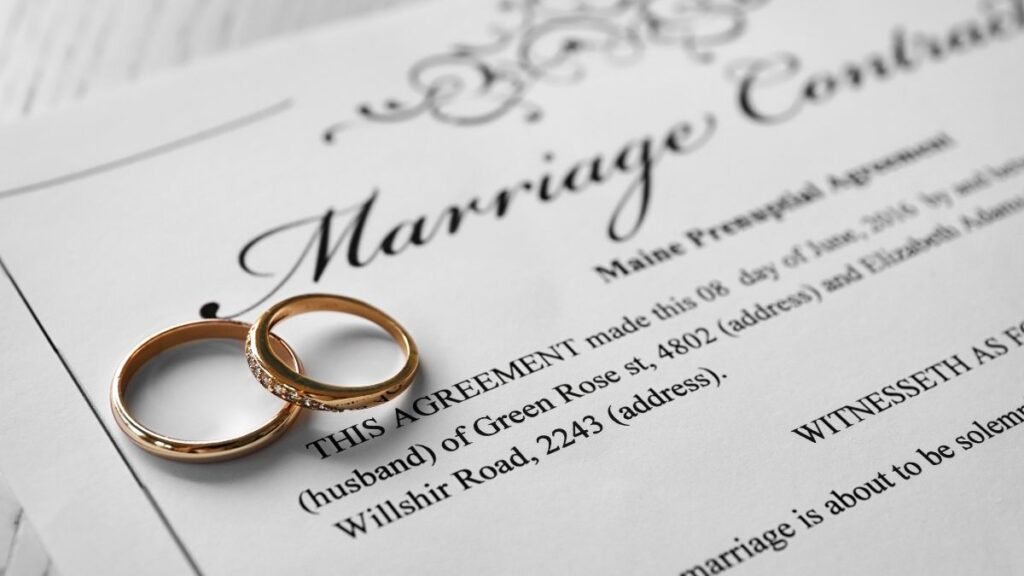
At 78, marriage involves far more than deciding who sits beside you at dinner. There may already be retirement accounts, adult children, property, survivor benefits, wills, insurance policies, healthcare documents, and inheritance plans in place.
Those details deserve attention before a wedding. Ignoring them because discussing money feels unromantic can create much larger problems later.
The Social Security Administration explains that remarriage rules can affect certain benefits depending on age and personal circumstances. For example, remarriage after age 60 generally does not prevent a widow or widower from potentially receiving survivor benefits based on a deceased spouse’s record.
Other benefit situations can work differently. That is why someone considering remarriage should check the exact rules that apply to her rather than relying on advice from friends.
Before marrying, consider reviewing:
- Bank and investment accounts.
- Property ownership.
- Beneficiary designations.
- Wills and trusts.
- Powers of attorney.
- Insurance policies.
- Social Security benefits.
- Future housing plans.
Adult children may also have concerns about inheritance, housing, or who will make medical decisions. Those conversations can be uncomfortable, but avoiding them does not make the issues disappear.
For major legal or financial changes, personal advice from a qualified professional is useful because everyone’s situation is different. Romance is emotional, but marriage is emotional and legal.
9. Physical Intimacy Still Requires Adult Conversations
Dating after 70 does not mean physical attraction disappears. Many older adults continue to want affection and intimacy, which means sexual health conversations remain important when a new relationship begins.
Age does not remove the need to discuss sexual history, protection, testing, medications, physical limitations, and personal boundaries. The CDC includes factors such as new sexual partners when discussing STI screening recommendations for adults.
Screening needs are different for each person. They can depend on sexual history, type of contact, medical history, and other personal risk factors.
Do not assume age makes testing irrelevant. Do not assume someone’s appearance tells you anything useful about sexual history, and do not assume exclusivity until both people have clearly discussed it.
The conversation may feel awkward for a few minutes. That is still better than ignoring an important health question because talking openly about sex feels uncomfortable.
A doctor or another qualified healthcare professional can help determine what testing or protection makes sense for an individual’s situation. Mature relationships should make honest conversations easier, not unnecessary.
10. A Relationship Should Make You Bigger, Not Smaller

Eleanor noticed a pattern among women she had known for decades. Some began changing almost everything about themselves once a man entered their lives, even when nobody had directly asked them to do it.
They stopped choosing the restaurants they liked, played less of their own music, skipped gatherings because their partner preferred staying home, and softened opinions to prevent disagreements.
Each individual change looked small. Added together, those tiny compromises could slowly erase the life and personality that existed before the relationship.
Compromise is normal in any healthy relationship. Constant self erasure is something very different.
| Ask Yourself | Healthy Sign | Warning Sign |
| Can you disagree? | Your opinion is respected | You stay quiet to keep him calm |
| Can you see friends alone? | He supports your friendships | He complains whenever you leave |
| Can you spend your own money? | Reasonable independence remains | He wants control over spending |
| Can you enjoy your own interests? | You keep hobbies and routines | His preferences replace yours |
| Can you say no? | Your boundary is accepted | You face pressure or guilt |
A useful test is to compare your life before the relationship with your life several months later. Look at your friendships, routines, spending, hobbies, opinions, and time alone.
The goal is not to get your way in every disagreement. The goal is to remain recognizable to yourself while building something with another person.
At 78, Eleanor had spent too many years learning how to occupy her own space to become small again simply because society considered being partnered more respectable than being single.
11. Staying Single Can Be a Complete Life
Perhaps the harshest truth about dating after 70 has very little to do with men. You do not have to date at all simply because other people think you should.
Some women genuinely want romance. They enjoy affection, intimacy, shared dinners, travel, conversation, and the experience of building a new relationship later in life.
That is a good reason to date. Fear, pity, and social pressure are much weaker reasons.
Dating because friends worry about your empty house is not enough. Dating because your adult children think a man would make you safer is not enough, and dating because people keep asking when you will meet someone is not enough either.
The National Institute on Aging encourages older adults to maintain meaningful social connections because unwanted isolation can affect well being. Those connections can come from romantic partners, but they can also come from friends, relatives, neighbors, community groups, volunteering, hobbies, and regular social activities.
Eleanor has people in her life, and she also has silence. She has friends she can call and mornings when nobody calls at all, and she enjoys both.
She has books, walks, market trips, family conversations, favorite meals, and complete control of her home. She does not view those things as prizes people receive when romance fails.
She sees them as a good life.
If a man eventually enters that life, he will need to make it better rather than simply make it appear less empty to people watching from the outside.
What Eleanor Would Ask Before Saying Yes

Before committing to another relationship, Eleanor would ignore society’s checklist and use her own. She would look at daily behavior rather than romantic promises because ordinary routines often reveal far more about a relationship.
These questions can help you do the same. No single answer proves a relationship is good or bad, but the overall pattern can show whether companionship is protecting your freedom or slowly taking it away.
- Does being around him make you feel relaxed or responsible?
- Can he manage his own home, money, health, and appointments?
- Does he respect your friends and routines?
- Can you disagree without being punished emotionally?
- Does he give as freely as he receives?
- Does he respect your financial boundaries?
- Do you still have enough time alone?
- Is he pushing quickly for marriage or cohabitation?
- Can you talk openly about health and intimacy?
- Are you dating because you want him or because you fear being alone?
- Is your life becoming larger or smaller?
A healthy relationship will never be free of compromise. But it should still leave you feeling like an adult with choices, a private life, personal interests, and the ability to say no.

I’m Austin Becker, an advocate for living life with intention and resilience. I write for men who are actively navigating life’s major transitions, tackling the realities of reinvention and finding renewed purpose with grit and honesty. I believe that personal growth doesn’t have a deadline it’s about continuously gearing up for the chapters that matter most.
Through my work, I aim to strip away the clichés of modern manhood, offering practical, no-nonsense insights on health, mindset, and legacy for those who want to move forward with strength and clarity.