

Retirement can solve one problem and create another.
You finally escape the alarm clock, meetings, traffic, and pressure. At first, the open calendar feels wonderful. Then the weeks begin to blur. You may miss having a reason to get dressed, people who expect you, and tasks that prove you still have something useful to give.
That does not mean retirement was a mistake. It means work gave you more than income.
Some of the happiest retirees respond by keeping a small amount of meaningful work in their lives. They tutor, mentor, volunteer, consult, teach, repair, organize, or help run local groups. They are not trying to rebuild the career they left.
Why Full Retirement Can Feel Empty After the First Few Months

Most retirement plans focus on money.
You calculate Social Security, savings, taxes, health costs, and monthly spending. Those numbers matter. But a spreadsheet cannot show what Tuesday morning will feel like when nobody needs you anywhere.
A job often provides five things at once:
- A daily routine
- Regular contact with other people
- Problems to solve
- A clear role
- Proof that your effort matters
Retirement may remove all five on the same day.
AARP notes that retirement can cause a major shift in identity as well as income. Someone who spent decades being known as a teacher, manager, nurse, builder, or business owner may struggle when that role ends.
Research published in The Journals of Gerontology found that retirement can change a person’s sense of purpose. The effect is not the same for everyone. Leaving a draining job may bring relief, while leaving valued work may create a gap that must be filled in another way.
This is why boredom is rarely just a shortage of entertainment. You can have television, travel, hobbies, and a comfortable home yet still feel that something is missing.
The missing part may be contribution.
Working in Retirement Restores a Reason to Get Up

Purpose sounds like a big word, but it can be simple.
It means having something that needs your care, skill, or effort. You know why you are doing it, and you can see that it matters.
Research on older adults commonly defines purpose as having goals, direction, and a sense that life has meaning. Studies have found links between stronger purpose and several positive health measures. These studies show associations, so they do not prove that purpose alone causes better health.
You do not need a grand mission.
Purpose can come from:
- Helping one student improve at reading
- Guiding a new business owner
- Caring for a community garden
- Organizing supplies at a food pantry
- Repairing items for neighbors
- Teaching a weekly class
- Supporting a local museum
- Helping a charity keep its records
The task may look small from the outside. That does not make it unimportant.
A good retirement role gives you a reason to say, “I need to be there because my part matters.”
And here is why that feels different from a hobby. A hobby is usually done for your own interest. Meaningful work often helps someone else as well.
Both belong in retirement. They meet different needs.
The Right Work Protects Social Contact Without Filling Every Day

Retirement can shrink your social circle faster than expected.
During a career, you may talk with coworkers, customers, patients, suppliers, or students every day. Some of those relationships are close. Others are brief. Both types of contact help a day feel connected.
Once work ends, those conversations may disappear.
A 2025 AARP survey found that 95 percent of adults considered friends essential. That does not mean every retiree is lonely. It does show how highly people value regular connection.
Recent research also warns against assuming that retirement automatically creates loneliness.
A 2026 study found no clear increase in loneliness among newly retired adults and reported a small reduction in social isolation soon after retirement. People may gain more time for hobbies, family, and social activities.
The real question is what happens later.
Do you continue building relationships, or do your days slowly become more isolated?
A light work role can provide steady contact without taking over your week. You might spend one morning helping at a library or two afternoons working at a local shop.
Repeated contact matters. Seeing the same people each week allows trust and friendship to grow naturally.
The goal is not to fill every empty hour. It is to create enough contact that your life still feels connected.
Flexible Work Gives Your Week a Helpful Shape

Total freedom sounds perfect until every day starts feeling like Sunday.
Without any fixed plans, it becomes easy to sleep late, put off exercise, delay chores, and lose track of the week. Free time may feel less special because there is so much of it.
A small work commitment can give the week a useful shape.
For example:
- Tutoring on Tuesday and Thursday
- Helping at a museum every Wednesday morning
- Consulting for one client each month
- Working at a garden center during spring
- Preparing tax returns during tax season
- Leading one class at a community center
These commitments create natural starting points.
You know when to get up. You prepare the night before. You leave the house. You interact with people. Then you return home with much of the day or week still open.
That balance matters.
A systematic review of research on working later in life found mixed results because job quality, health, control, and working conditions vary.
Some studies in the review linked a move to part time work with better health outcomes than several other work patterns. This does not mean part time work is healthy for every person, but it supports the value of choice and reduced hours.
Structure helps when you control it. It becomes a burden when it controls you.
Using Old Skills Builds Confidence Without Rebuilding a Career

Retirement does not erase what you learned over 30 or 40 years.
You still know how to solve problems, calm people, teach a process, plan a project, manage a budget, repair equipment, or spot mistakes before they become expensive.
The difference is that you can now use those skills without chasing a title.
A retired accountant might help a small charity prepare its records. A former manager might mentor a young business owner. A nurse might teach basic health classes. A carpenter might help a community group with repairs.
These roles offer a clear benefit. You get to feel capable without carrying the full weight of your old career.
That can be deeply satisfying.
Many people assume they must choose between full retirement and a serious job. There is a large middle ground.
You might offer:
- Two hours of mentoring each week
- One project every few months
- Short seasonal support
- A monthly workshop
- Limited consulting for one former client
- Help during a local group’s busiest period
Be careful, though. Former employers may try to pull you back into your old workload.
Set your terms before saying yes. Decide your hours, duties, response time, and end date. Put those limits in writing when money is involved.
Your experience is valuable. Your freedom is valuable too.
Learning a New Skill Can Make Retirement Work More Exciting

Your retirement role does not have to resemble your old career.
In fact, starting something new may be more refreshing.
A former office worker may train as a garden guide. A retired engineer may help children with science projects. A former teacher may learn basic bookkeeping for a charity. Someone who worked indoors for years may prefer a role at a park.
Being a beginner creates progress.
You learn names, tools, systems, and new ways to solve problems. That sense of improvement can make the week feel active without bringing back career pressure.
Start with low cost options:
- Library workshops
- Community college classes
- Volunteer training
- Senior learning programs
- Local club lessons
- Free online courses
- Job shadowing with a friend
Avoid spending a large amount on training before you know whether you enjoy the work.
Test the setting first. Talk with people doing the role. Volunteer for one event. Take an introductory class.
Curiosity should lead the decision, not fear that you must build a second career.
Volunteering Can Provide the Best Parts of a Job
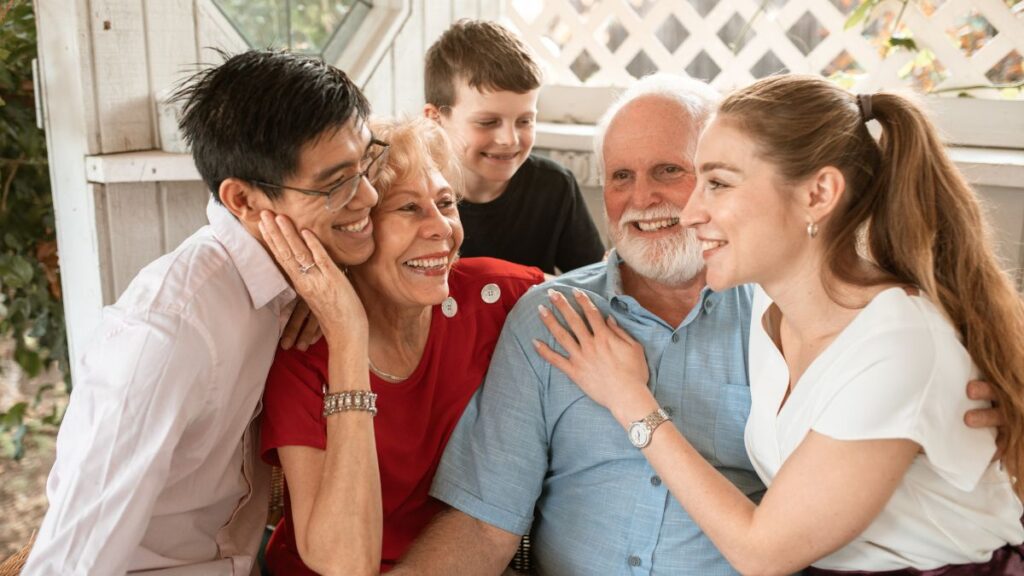
Work does not require a paycheck.
Volunteering can provide responsibility, teamwork, deadlines, learning, and visible results. It can also give you more control over your schedule than paid employment.
A large study published in the American Journal of Preventive Medicine followed adults over age 50. Regular volunteering was linked with several positive measures, including stronger purpose, more social contact, and better reported well being.
Since the study was observational, it cannot prove that volunteering caused every benefit.
That detail matters. Healthy and socially active people may be more likely to volunteer in the first place.
Still, the practical value is clear. Volunteering gives many retirees a place to contribute.
Good options include:
- Reading with children
- Delivering meals
- Supporting an animal shelter
- Helping at a hospital
- Maintaining trails
- Serving at a food bank
- Guiding museum visitors
- Coaching job seekers
- Joining a community repair group
- Helping a nonprofit with office work
Choose a cause you care about, but also study the actual duties.
Loving animals does not mean you will enjoy cleaning kennels. Caring about children does not mean a noisy classroom will suit you. Supporting a museum does not mean you want to stand for four hours.
Ask to try one short shift before agreeing to a regular schedule.
Volunteer burnout is real. Free work still needs clear limits.
How Much Work Is Enough for a Happy Retirement?
There is no perfect number of hours.
Ten hours may feel energizing to one person and exhausting to another. Health, travel, caregiving, sleep, and the type of work all affect the answer.
The best measure is how you feel after the work is done.
Does the role give you energy, or does it use up the energy you wanted for the rest of your life?
| Your Main Goal | A Good Starting Schedule | Work Ideas |
|---|---|---|
| More social contact | Two short shifts each week | Library helper, shop assistant, museum guide |
| A stronger sense of purpose | One regular weekly role | Tutor, mentor, food pantry volunteer |
| Intellectual challenge | One project each month | Consulting, research support, bookkeeping |
| More movement | Two mornings each week | Garden center, park program, trail group |
| A creative outlet | One class or event each week | Workshop leader, craft teacher, theater helper |
| Extra spending money | Five to ten hours each week | Seasonal work, pet care, tutoring, local retail |
Begin below your expected limit.
A person who thinks 15 hours sounds easy may be happier starting with six. It is simpler to add a shift than to escape a role that has already become dependent on you.
Review the arrangement after four to six weeks.
Ask yourself:
- Do I look forward to going?
- Do I feel useful while I am there?
- Do I recover quickly afterward?
- Do I still have time for family and friends?
- Can I take a break without guilt?
- Would I keep some version of this role without the money?
Your answers matter more than the title or hourly rate.

Hello there! I’m Jesse Joe, the author and editor behind SolganGenius. I’m thrilled you’ve stopped by, and I can’t wait to share with you the essence of what this platform is all about.
I’m a writer, social media enthusiast, and a firm believer in the power of words. I’ve always been fascinated by how a simple phrase or slogan can capture an emotion, convey a message, and even change perspectives. Learn More