
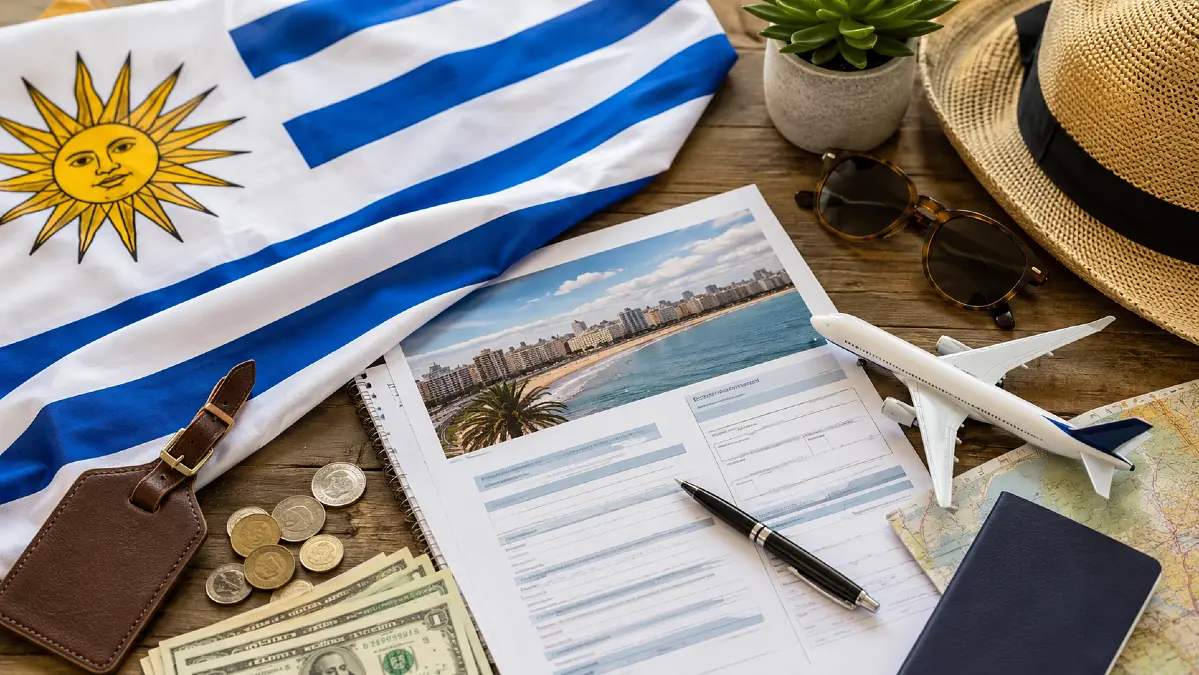
If you are thinking about retiring abroad, you have probably heard the same names again and again. Portugal, Mexico, Costa Rica, and Panama usually dominate the conversation.
The strange part is its size compared with its population. Uruguay recorded 3,499,451 residents in the 2023 Census, yet it occupies a large stretch of fertile land between Argentina and Brazil.
That does not mean Uruguay is some forgotten bargain where everything is cheap and crime barely exists. Some popular retirement claims about the country go too far.
Why Does Uruguay Have Only About 3.5 Million People?
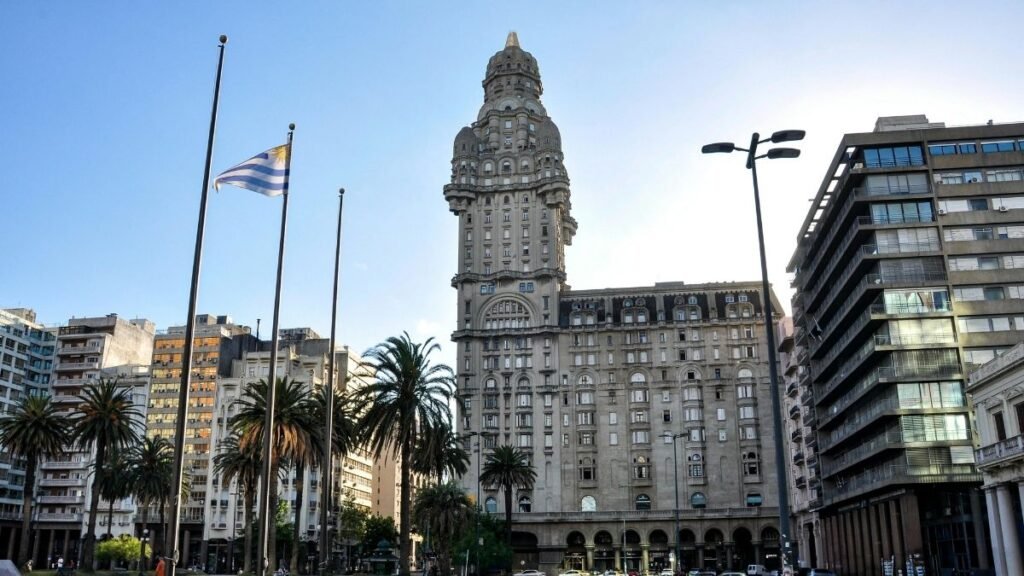
Look at Uruguay on a map and the population seems surprisingly small. The country is larger than England and Greece by land area, yet it has fewer people than many major metropolitan areas.
The latest full census counted 3,499,451 people in 2023. Montevideo accounted for 1,302,950 of them, leaving roughly 2.2 million people spread across the rest of the country.
Several forces created that pattern.
Uruguay never developed the huge inland population centers found in Brazil or Argentina. Its economy grew around its port, livestock, agriculture, and a relatively small domestic market. Later, falling birth rates and an aging population kept national growth slow.
That combination matters more than any one explanation. Uruguay is not empty because its land cannot support people. Much of it is gentle grassland with a temperate climate.
It is lightly populated because its history never produced the same pressure for giant inland cities.
| Population snapshot | Latest verified figure |
|---|---|
| Uruguay, 2023 Census | 3,499,451 |
| Montevideo | 1,302,950 |
| Rest of Uruguay | 2,196,501 |
| Births in 2023 | 31,385 |
| Life expectancy in 2023 | 78.49 years |
Source: Uruguay National Statistics Institute.
Why Montevideo Became the Center of Almost Everything

To see why Uruguay feels empty, start with Montevideo.
The city sits on the Río de la Plata and developed around one of the region’s most important ports. Trade, government, finance, education, shipping, and industry became concentrated around the capital.
Then immigration reinforced that pattern.
European newcomers arriving during Uruguay’s growth years often settled where the jobs, port activity, government offices, schools, and businesses already existed. That meant Montevideo attracted even more investment and more residents.
The pattern never fully reversed.
Today, Montevideo is still the country’s main business, university, healthcare, cultural, and government center. If you retire in Uruguay and want specialist doctors, theaters, restaurants, major shopping areas, and the widest range of services, the capital remains the easiest choice.
Move inland and the population thins quickly.
You find smaller departmental capitals, agricultural communities, ranches, and large areas of open countryside. For some retirees that is exactly the appeal. For others, it can feel too quiet.
How Cattle Helped Keep Uruguay’s Interior Thinly Populated
Uruguay’s countryside is remarkably well suited to livestock.
Its rolling grasslands became the foundation of a huge cattle and sheep economy. Instead of breaking much of the interior into dense networks of small farming villages, large properties became common.
Livestock also changes how many workers an area needs.
A large cattle property can remain productive without the population density required by labor intensive crops or manufacturing. That means an area can generate considerable economic value while still looking almost empty.
Uruguay’s Ministry of Livestock, Agriculture and Fisheries continues to track livestock numbers through its national DICOSE system, and its latest 2025 dataset confirms the enormous importance of ranching across the country.
So when you drive through the interior and see grassland stretching toward the horizon, you are not necessarily looking at unused land. Much of it is working land.
It simply does not need millions of people living on it.
Uruguay Got Older Before Much of Latin America
There is another reason the population never grew as quickly as you might expect.
Uruguay developed many features associated with older, more urban societies relatively early. Family sizes fell, the population aged, and birth numbers weakened.
The latest census data shows the pattern clearly.
Uruguay registered 34,603 births in 2021. That fell to 32,301 in 2022 and 31,385 in 2023.
Fewer births mean slower natural population growth.
You can see the result when comparing Uruguay with faster growing Latin American countries. Uruguay often feels demographically closer to parts of Southern Europe than to countries with very young populations.
For retirees, this has a practical side.
An older population means the country already has many social systems built around older adults. It also means Uruguay faces its own long term challenge of supporting an aging society with fewer young workers.
The quiet population map is therefore partly economic and partly demographic.
Why Retirees Are Starting to Look at Uruguay

The strongest reason to retire in Uruguay is not that it is dirt cheap.
It is stability.
Freedom House gave Uruguay 97 out of 100 in its 2026 Freedom in the World report and described the country as having strong democratic institutions and a long record of protecting political rights and civil liberties.
For someone moving abroad in retirement, that matters.
You are trusting another country with your housing, healthcare, banking, residency paperwork, property rights, and daily security. Predictable institutions can matter more than saving another $200 a month.
Uruguay also offers a lifestyle that appeals to retirees who do not want a giant resort community.
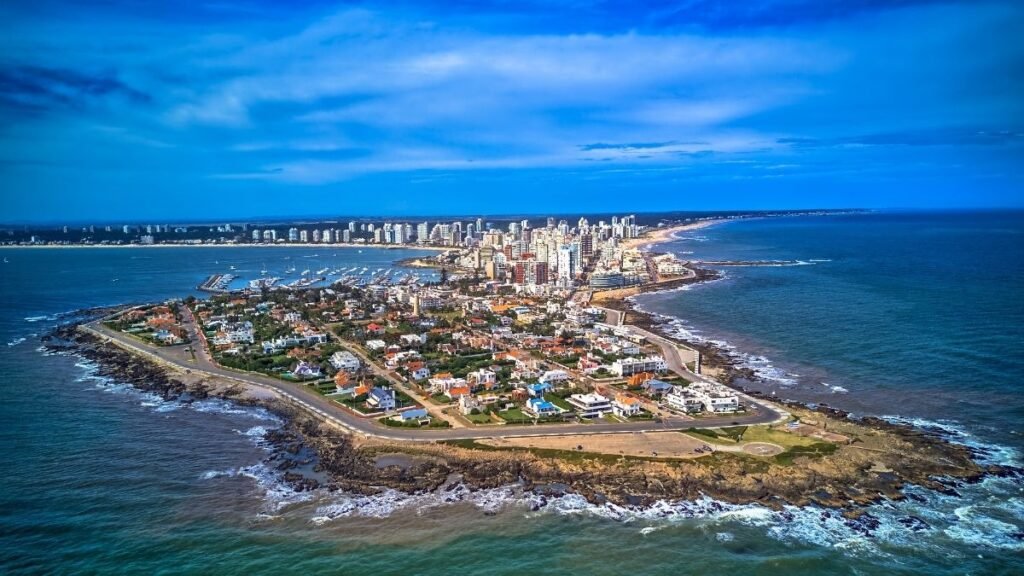
Montevideo has long waterfront promenades, established residential neighborhoods, cafes, restaurants, parks, theaters, and beaches along the Río de la Plata. Punta del Este offers a more polished coastal setting. Smaller Atlantic towns provide even more space.
There is also less pressure to build your retirement around tourist attractions.
You can live more like a resident.
That said, Uruguay should not be described as nearly crime free.
The Interior Ministry recorded 369 homicides in 2025. During the first six months of 2026, Uruguay recorded 195 intentional homicides, up from 183 during the same period of 2025.
Property crimes declined in several categories, but violent crime remains a real issue, especially in parts of Montevideo and Canelones.
So the attraction is stability and quality of daily life, not some promise that crime does not exist.
What Does It Really Cost to Live in Montevideo?

You will often see articles claiming you can live comfortably in Montevideo for $1,300 a month.
That may be possible for someone with very low housing costs and a careful budget, but it is not a safe general estimate for a new American retiree.
Uruguay can be expensive compared with much of Latin America.
Numbeo’s June 2026 user reported data put the average rent for a one bedroom apartment in central Montevideo at about UYU 28,872 per month. Outside the center, the average was about UYU 22,465.
Your real number will depend heavily on neighborhood, apartment quality, exchange rates, building fees, and whether the unit is furnished.
Imported products can also feel expensive. Electronics, cars, clothing, and some packaged foods may cost more than an American retiree expects.
Local life can be easier on the budget.
Neighborhood produce, bakeries, public transportation, local restaurants, and domestic goods can keep everyday expenses manageable.
A More Realistic Retirement Budget Framework
| Expense | What to plan for |
| Rent | One of your largest costs, especially in Pocitos, Punta Carretas or coastal areas |
| Building fees | Often separate from advertised rent |
| Food | Local foods can be reasonable, imports may be costly |
| Healthcare | Depends on provider, age and coverage |
| Transportation | Public transit can reduce the need for a car |
| Utilities | Electricity use can make a noticeable difference |
| Dining | Local cafes and neighborhood restaurants vary widely |
| Travel insurance | Useful during your transition period |
The important lesson is simple.
Do not choose Uruguay because you expect Southeast Asian prices. Choose it because its mix of stability, coast, healthcare, culture, and residency rules fits the life you want.
Montevideo, Colonia or the Coast: Where Should You Live?
Uruguay is small enough that several retirement lifestyles sit within a few hours of one another.
But they feel very different.
Montevideo Works Best If You Want Convenience
Montevideo gives you the country’s largest concentration of hospitals, specialists, private clinics, restaurants, cultural events, shopping, government offices, and international services.
Pocitos is popular because of its apartment buildings, beach, waterfront path, shops, and restaurants. Punta Carretas offers a similar urban coastal lifestyle.
Carrasco feels more residential and spacious but can be considerably more expensive.
If medical access is one of your top retirement concerns, Montevideo has a major advantage.
Colonia del Sacramento Works Best If You Want History
Colonia is famous for its historic quarter, which is a UNESCO World Heritage Site.
Its cobblestone streets, older architecture, river views, cafes, and slower rhythm create a very different daily experience from Montevideo.
It also has another advantage.
Buenos Aires sits across the Río de la Plata and can be reached by ferry services, making the Argentine capital unusually accessible for a smaller Uruguayan city.
The tradeoff is fewer major city services.
Punta del Este Works Best If You Want Polished Coastal Life
Punta del Este is Uruguay’s best known beach destination.
You get modern apartments, beaches, restaurants, marinas, and a much larger international presence than in most Uruguayan towns.
Summer is busy.
Winter is calmer, and some businesses operate more seasonally.
Housing costs can rise sharply in desirable locations, so it is worth visiting during both high and low seasons before signing a long lease.
La Paloma and Rocha Work Best If You Want Quiet
Move farther east and the Atlantic coast becomes less urban.
La Paloma and other towns in Rocha appeal to retirees who care more about beaches, nature, and peace than nightlife or big city services.
That quiet comes with a price.
Specialist medical care, major shopping, and some government services may require a longer trip.
| Location | Best for | Main strength | Main drawback |
| Montevideo | Full time city living | Healthcare and services | Higher costs and urban crime |
| Colonia | History and slower living | Charm and Buenos Aires access | Fewer big city services |
| Punta del Este | Coastal comfort | Beaches and international community | Higher seasonal prices |
| La Paloma and Rocha | Peace and nature | Quiet Atlantic lifestyle | Fewer specialist services |
What Retirees Should Know About Healthcare in Uruguay

Healthcare is one of Uruguay’s strongest practical attractions, but the system deserves a better explanation than “private healthcare costs $100 a month.”
Uruguay operates a National Integrated Health System that includes public providers and private collective medical institutions commonly known as mutualistas.
The Ministry of Public Health regulates many charges, membership fees, medical tickets, tests, and other costs. It continued publishing updated price rules in July 2026.
What you personally pay can vary by institution, age, residency situation, employment status, plan, and added services.
That means you should ask individual providers for written quotes before moving.
Montevideo offers the widest choice of specialists and larger medical institutions. Smaller cities can meet many routine needs, but complicated care may require travel to the capital.
For retirees with existing medical needs, that should influence where you rent.
A beautiful isolated beach house may lose its charm if every specialist visit requires hours on the road.
Residency Is Friendlier Than Many People Expect

One of the most useful facts for American retirees is that Uruguay allows foreigners to apply for permanent legal residency.
You do not have to complete three years of temporary residency first.
The National Migration Directorate states that permanent residency is available to foreigners who intend to reside permanently in Uruguay. Applicants must provide documents such as valid identification and criminal background certificates.
The rules specifically address people receiving foreign retirement or pension income.
A foreign retiree or pensioner can provide notarized documentation showing the nature of the pension or income, its monthly amount, and how that money is received in Uruguay.
That is much more useful than a vague claim that “Social Security automatically qualifies you.”
Your documents still matter.
Foreign documents may need apostilles, legalization, or Spanish translation. Requirements can change, and immigration officials can request additional information when permitted under the rules.
There is also no official promise that every application will finish within three to six months.
Plan for paperwork rather than a fixed timeline.
The Tax Story Is Attractive but More Complicated Than It Sounds

This is where many retirement articles about Uruguay become misleading.
You may hear that Uruguay has a territorial tax system and therefore “does not touch foreign retirement income.”
That statement is too broad.
Uruguay generally uses source based rules, but some foreign income can fall within its personal income tax system. The treatment depends on what kind of income you receive, when you became a tax resident, and which tax option you qualify for.
There are valuable incentives.
Uruguay’s DGI has a special regime for new tax residents covering certain foreign capital income.
PwC’s March 2026 summary notes that people who become tax residents from January 1, 2026 may qualify for an optional tax holiday covering certain foreign passive income and capital gains during the year residency is established and the following ten tax years, subject to the applicable conditions.
But that does not mean every dollar you receive from abroad is automatically tax free.
A pension is different from a dividend. A Social Security benefit is different from interest. A retirement account withdrawal can raise another set of questions.
And American citizens generally remain subject to U.S. federal tax filing rules even while living abroad.
Before becoming a Uruguayan tax resident, talk with a tax professional who works with both U.S. and Uruguayan rules.
That conversation could save far more money than choosing a slightly cheaper apartment.
Can You Still Receive U.S. Social Security in Uruguay?

For many retirees, yes.
The U.S. Social Security Administration lists Uruguay among countries where eligible U.S. citizens can continue receiving benefits while living outside the United States. The United States and Uruguay also have a Social Security agreement.
Your individual situation still matters.
Dependent benefits, survivor benefits, citizenship, work history, and other circumstances can affect payment rules.
Before moving, use the Social Security Administration’s Payments Abroad Screening Tool and check your specific benefit.
The key point is that moving to Uruguay does not automatically mean giving up your Social Security.
Citizenship Takes Longer Than Residency
Residency and citizenship are not the same thing.
This distinction matters because many guides say you simply wait five years and automatically receive a Uruguayan passport.
Uruguay’s 2026 citizenship rules are more specific.
Foreigners with qualifying family ties in Uruguay may be eligible to seek legal citizenship after three years of habitual residence if they meet the constitutional requirements. Those without family established in Uruguay generally need five years of habitual residence.
Applicants must also prove their residence and means of life.
Long absences can matter. Uruguay’s Electoral Court states that if an applicant leaves Uruguay for more than six consecutive months, the required residence period can restart.
Spanish ability is also relevant.
The 2026 government guidance says applicants whose first language is not Spanish must be able to understand and express themselves in Spanish.
So citizenship can be realistic, but it is not automatic.
Uruguay’s Renewable Electricity Is a Genuine Standout
Some claims about Uruguay sound exaggerated until you check them.
Its electricity system is one of them.
Uruguay’s Ministry of Industry, Energy and Mining reported that 98 percent of electricity generated in 2025 came from renewable sources. Hydropower supplied 46 percent, wind 34 percent, biomass 14 percent, and solar 4 percent.
Only 2 percent came from fossil fuel sources.
For retirees, that does not automatically mean electricity is cheap. Energy prices and the source of power are separate issues.
But it does show how seriously Uruguay has invested in a reliable modern electricity system.
That matters if you expect to spend retirement streaming television, making video calls with family, working online, or managing finances from home.
Is Uruguay Actually Safe?
Uruguay deserves credit for political stability.
Crime is a different question.
The Interior Ministry reported that total recorded crimes fell 4.7 percent in 2025 compared with 2024. Robberies, thefts, and vehicle thefts all declined.
Yet Uruguay still recorded 369 homicides during 2025.
During January through June 2026, total recorded crime declined another 3.7 percent compared with the same period of 2025, but intentional homicides increased from 183 to 195.
That is why phrases such as “one of the safest capitals in the Western Hemisphere” should be treated carefully.
A retiree can certainly live comfortably in Uruguay.
But you should still research neighborhoods, use normal city precautions, pay attention to property crime, and avoid assuming that political stability means no personal safety risks.
I’m Austin Becker, an advocate for living life with intention and resilience. I write for men who are actively navigating life’s major transitions, tackling the realities of reinvention and finding renewed purpose with grit and honesty. I believe that personal growth doesn’t have a deadline it’s about continuously gearing up for the chapters that matter most.
Through my work, I aim to strip away the clichés of modern manhood, offering practical, no-nonsense insights on health, mindset, and legacy for those who want to move forward with strength and clarity.