
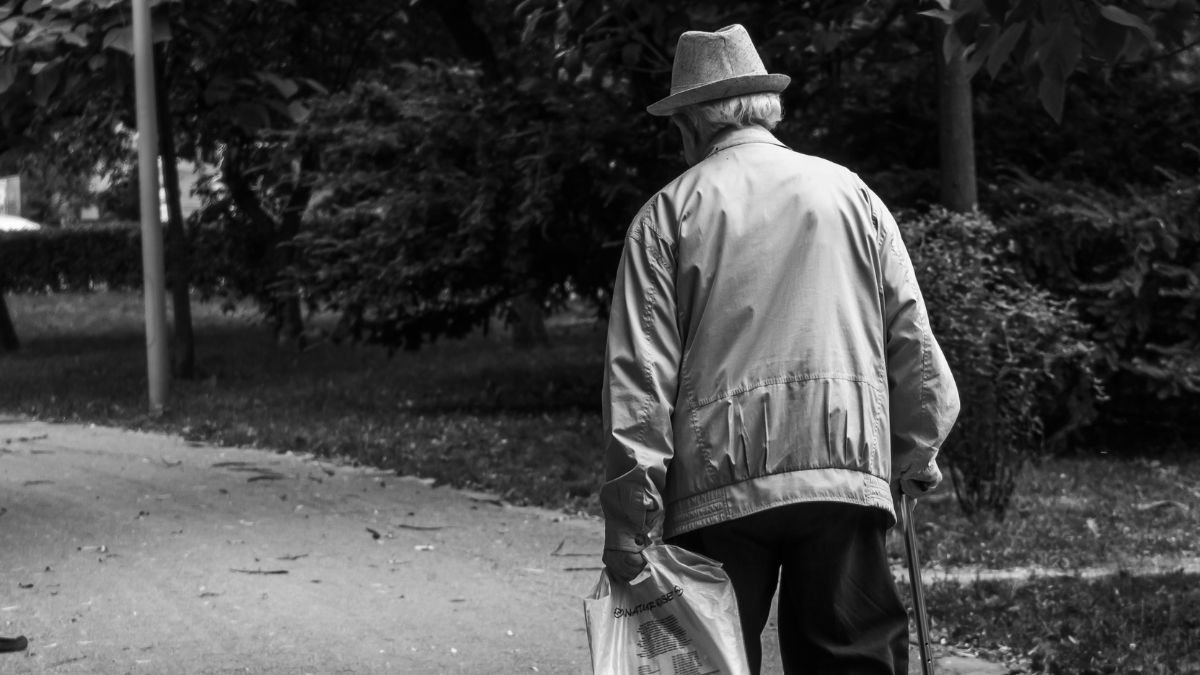
Nobody tells you how strange life can feel somewhere between 65 and 75.
People talk about retirement savings. They talk about blood pressure, medications, Medicare, and doctor visits. They may ask if you plan to travel.
But there is another side of aging that receives much less attention.
Ordinary life can begin asking more from you.
Getting out of the house may take more thought. Friendships may require more effort. A quiet afternoon can feel peaceful one day and painfully empty the next.
Work may be gone, the children may need you less, and your body may suddenly make you think twice about things you once did without a second thought.
1. Your Days Can Become Too Similar Without You Noticing

Routine can be wonderful.
After decades of alarms, deadlines, traffic, school schedules, and responsibilities, having nowhere urgent to be can feel like freedom.
Then something strange can happen.
Monday starts looking like Tuesday. Tuesday looks like Wednesday. The same breakfast appears. The same chair gets used. The same television programs fill the same hours.
Nothing is terribly wrong.
But nothing feels especially memorable either.
Retirement can remove many of the small changes that used to happen automatically. A different coworker stopped at your desk. A meeting changed your schedule. Someone asked you to solve a problem.
Once those things disappear, curiosity may require more effort.
The answer is not constant excitement.
You do not need to climb mountains at 72 or book a flight every month.
Small changes are enough.
Try:
- Walking a different route
- Visiting a park you have never entered
- Reading an author you normally ignore
- Cooking one unfamiliar meal
- Taking a library class
- Sitting somewhere different for morning coffee
- Learning to use a new piece of technology
- Calling someone you have not spoken with recently
The National Institute on Aging says research suggests that meaningful activities can support happiness and resilience. Mentally stimulating activities may also have positive effects on thinking and memory. Variety appears useful too.
That does not mean a new hobby will prevent dementia.
It means your later years still benefit from curiosity, activity, and engagement.
Try one unfamiliar thing every week.
It can be tiny.
Sometimes a different street is enough to make a day feel like a day again instead of another copy of yesterday.
2. Your Social Circle May Shrink Faster Than Expected
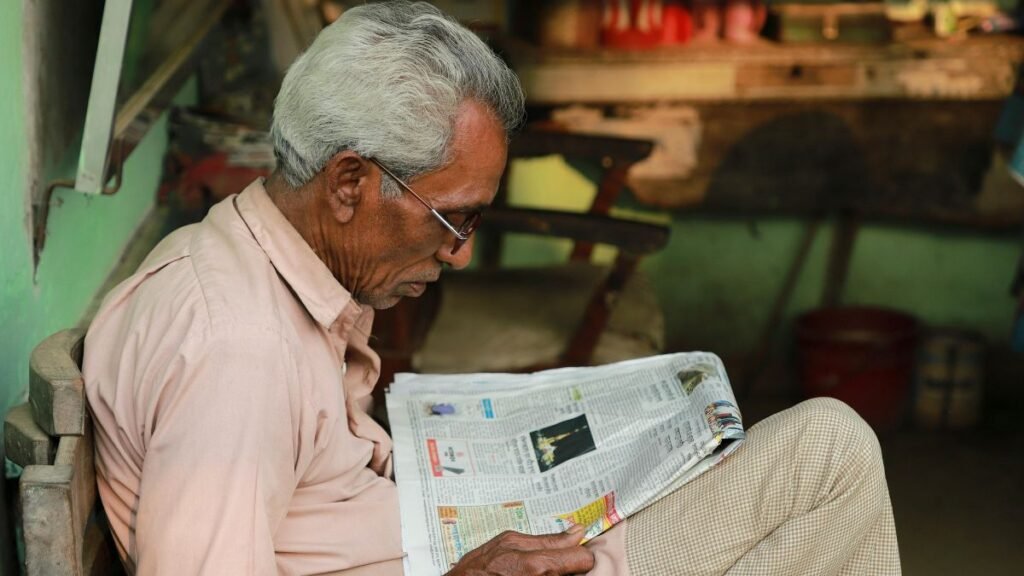
A social life rarely disappears overnight.
It gets smaller one decision at a time.
You stop seeing coworkers after retirement.
Someone moves.
Another friend develops health problems.
A spouse dies.
Driving after dark becomes less appealing.
You decline one invitation because you are tired. Then another. Soon, staying home becomes the automatic choice.
The silence can grow so slowly that you hardly notice it.
This is one reason the challenges of aging after 65 are not always obvious from the outside.
WHO says roughly 11.8 percent of older people experience loneliness. Another WHO resource estimates that around one quarter of older people experience social isolation.
The National Institute on Aging says changes involving mobility, disability, health, memory, hearing, vision, and the loss of family and friends can all make social connection harder in later life.
And there is an important difference between being alone and feeling lonely.
Sitting beside a window with coffee and enjoying silence can be deeply satisfying.
That is solitude.
Sitting in the same room wishing someone would call can feel completely different.
That is loneliness.
The solution is not collecting dozens of friends.
Regular small connections count.
A conversation with a neighbor matters.
So does chatting with someone at the library, joining a walking group, attending a weekly class, calling a sibling every Sunday, or volunteering somewhere people know your name.
WHO says meaningful social activities, community groups, volunteering programs, creative activities, and other forms of connection can support mental health and quality of life in older adults.
The important part is not waiting until you feel social.
Sometimes action has to come first.
Put on the shoes.
Make the call.
Walk outside.
The desire to connect may appear after you begin.
3. Accepting Help Can Feel Harder Than Needing It

For much of adulthood, independence is treated as proof that life is going well.
You drove yourself.
You fixed things.
You carried the groceries.
You handled the bills.
You climbed the ladder.
You looked after everyone else.
Then aging may start asking a difficult question.
Can you accept help before you absolutely need it?
That can sting.
For someone who spent 50 years taking care of other people, asking a daughter for a ride or letting a neighbor carry something heavy can feel like losing ground.
But there is another way to see it.
Help can protect independence.
Suppose climbing onto a roof has become unsafe. Hiring someone does not mean you can no longer run your own life.
It means you want to remain healthy enough to keep running it.
The same logic applies to:
- Heavy yard work
- Difficult home repairs
- Transportation at night
- Medication organization
- Carrying large objects
- Reaching high shelves
- Driving in difficult conditions
Falls provide a powerful example.
CDC reported in February 2026 that more than 14 million adults aged 65 and older in the United States report falling each year. Falls are the leading cause of injury in this age group.
That does not mean older adults should become afraid of movement.
Quite the opposite.
It means risks deserve respect before a crisis happens.
CDC specifically says falls are preventable and encourages older adults to discuss fall risk, medications, vision, balance, and other factors with health professionals.
Accepting small amounts of help early can leave you with more choices later.
Independence does not have to mean doing everything alone.
It can mean deciding wisely what deserves your energy.
4. Your Body Starts Asking You to Think Before You Move

One of the stranger parts of aging is the pause.
You stand at the bottom of the stairs and think before climbing.
You look at a heavy box and reconsider lifting it.
You get out of a low chair more carefully.
You see an icy sidewalk and decide another route might be smarter.
That pause can be useful.
Your body is giving you information.
The danger begins when caution slowly becomes avoidance.
You walk less because your knees hurt.
Then the shorter walk becomes normal.
You stop taking the stairs.
You stop carrying groceries.
You stop going somewhere because parking is too far away.
Your physical life slowly gets smaller.
Physical activity remains important during these years.
Current federal guidance for older adults still recommends at least 150 minutes of moderate aerobic activity each week when possible, muscle strengthening activity at least two days each week, plus activity that improves balance.
But there is an important part people sometimes miss.
Federal guidance also says that if the full recommendation feels out of reach, start slowly and do what you can. Even small amounts of movement provide health benefits.
That makes the goal much less intimidating.
You might begin with:
- A five minute walk
- Standing up from a chair several times
- Simple strength work recommended for your ability
- Balance exercises that are appropriate for you
- Walking while talking with a friend
- A beginner activity class
CDC also recommends exercises that strengthen the legs and improve balance as part of fall prevention.
Your doctor or physical therapist can help determine what is appropriate if you have pain, balance trouble, heart problems, previous falls, or another health condition.
The goal at 70 is not to prove that your body still works exactly as it did at 40.
It probably does not.
The goal is to keep participating in your own life as safely as you can.
Consistency matters more than trying to prove something.
5. Grief Begins Appearing in Ordinary Moments
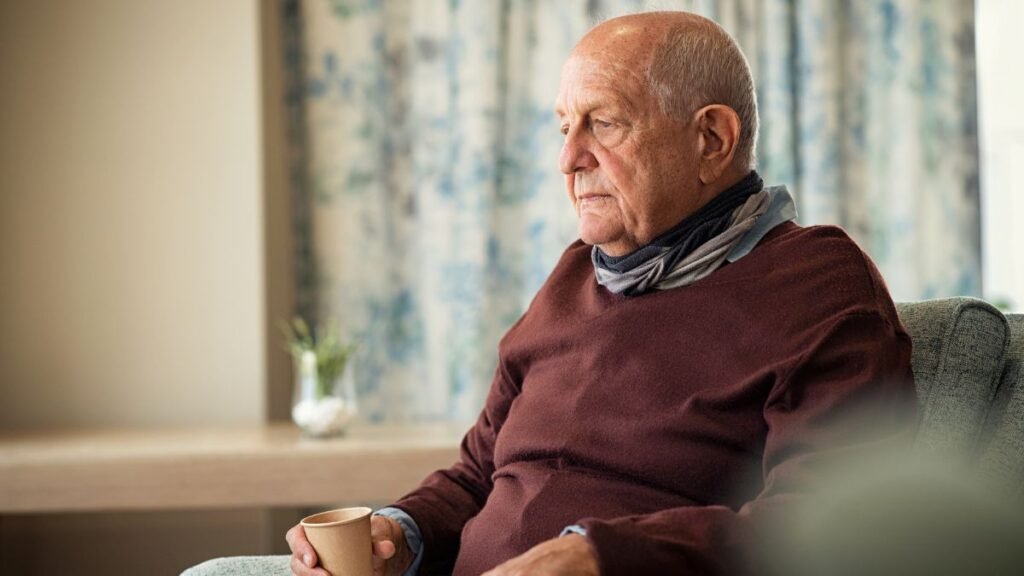
By the time someone reaches their 70s, life may contain more empty chairs than it once did.
A parent may be long gone.
Then a brother dies.
A close friend becomes ill.
A spouse is lost.
But grief is not limited to death.
You can miss the house where your children grew up.
You can miss a neighborhood that has changed.
You can miss the coworkers you spent decades beside.
You can even miss an earlier version of yourself.
That is one reason grief in later life can feel strange.
It becomes mixed with ordinary moments.
A song plays in a store and suddenly someone is standing beside you again in your memory.
You find handwriting on an old birthday card.
You cook something your spouse loved.
For a few seconds, the past feels close enough to touch.
There is no simple timetable for those feelings.
The National Institute on Aging maintains specific resources for people coping with the death of a spouse or another loved one, including information about bereavement counseling and support groups.
Grief does not mean you are doing aging incorrectly.
But grief can become a problem when sorrow turns into long term withdrawal from everything that still gives life meaning.
Remembering someone and continuing to live are not opposites.
You can tell their stories.
Keep their photographs.
Cook their recipes.
Miss them.
And still laugh tomorrow.
If grief begins making daily life feel impossible, or if sadness becomes severe or persistent, talking with a doctor, counselor, grief specialist, or trusted support person is a sensible next step.
You do not have to erase grief.
You need room for life beside it.
6. Retirement Can Take Away the Role That Defined You

Retirement gives you time.
That sounds wonderful until you realize work gave you something besides a paycheck.
It gave your week a shape.
People called.
Problems needed solving.
Monday meant something different from Saturday.
Someone expected you to arrive.
Parenthood can work the same way.
For decades, children need meals, rides, advice, money, attention, and help.
Then they build lives of their own.
Suddenly the question changes from:
What does everyone need from me today?
to:
What do I want my days to mean now?
That question can be uncomfortable.
Especially for people who built their identity around being useful.
The answer does not have to be another job.
Purpose after 65 can look surprisingly ordinary.
It may be:
- Helping grandchildren with homework
- Growing vegetables
- Mentoring someone younger
- Volunteering twice a month
- Caring for animals
- Learning history
- Painting
- Joining a faith community
- Fixing things for neighbors
- Cooking Sunday dinner
- Supporting another person who lives alone
- Taking care of a garden
- Becoming very good at something simply because you enjoy it
The National Institute on Aging notes that older adults who participate in activities they find meaningful often report feeling happier and healthier. Its review also points to research connecting purpose, life satisfaction, resilience, and positive outcomes later in life.
WHO’s July 2026 mental health guidance for older adults also highlights meaningful social activities, creative groups, education, volunteering, and social support.
Purpose does not need applause.
It does not need a salary.
And it does not need to impress anyone.
Sometimes purpose is simply having one good reason to get dressed in the morning.
7. Six Small Choices Can Make Ages 65 to 75 Feel Less Heavy
None of the problems above requires you to rebuild your entire life.
Start smaller.
1. Add one new thing every week
Change your walking route.
Try a new recipe.
Visit a different library.
Read about something unfamiliar.
Keep giving your mind something to notice.
2. Put connection on the calendar
Do not depend entirely on spontaneous invitations.
Schedule Tuesday coffee.
Call someone every Sunday.
Attend the same class each week.
Repeated contact builds relationships.
3. Accept help before you are desperate
Let someone carry the heavy box.
Hire help for dangerous repairs.
Ask for the ride.
Making one task easier can preserve energy for ten others.
4. Keep moving at a level that suits you
Walking, strength work, balance practice, and other appropriate activities can help maintain physical function.
Start where you are.
If you have medical concerns or significant mobility problems, ask a qualified health professional what is safe for you.
5. Make room for grief and living
Speak the names of people you miss.
Tell their stories.
Keep meaningful traditions.
But keep making new memories too.
6. Give tomorrow a reason to matter
Make plans.
Grow something.
Help someone.
Learn something.
Create something.
Purpose often returns through action rather than appearing while you sit and wait for it.
Life Between 65 and 75 Is Different, Not Finished

Maybe the hardest part of life between 65 and 75 is realizing that many of the rules that worked for decades no longer work quite the same way.
Your body may need more care.
Relationships may need more effort.
Help may need to be accepted.
Loss may sit closer to the surface.
And purpose may need to be built again.
But there is another side to these years.
There can still be curiosity.
There can still be friendship.
There can still be laughter, usefulness, learning, love, and deeply satisfying quiet.
The goal is not to pretend you are 40.
It is to stay involved in the life you have now.
So choose one thing this week.
Take the walk. Call the friend. Accept the help. Try the unfamiliar place. Start the small project.
A meaningful later life is often built from choices that look very small from the outside.
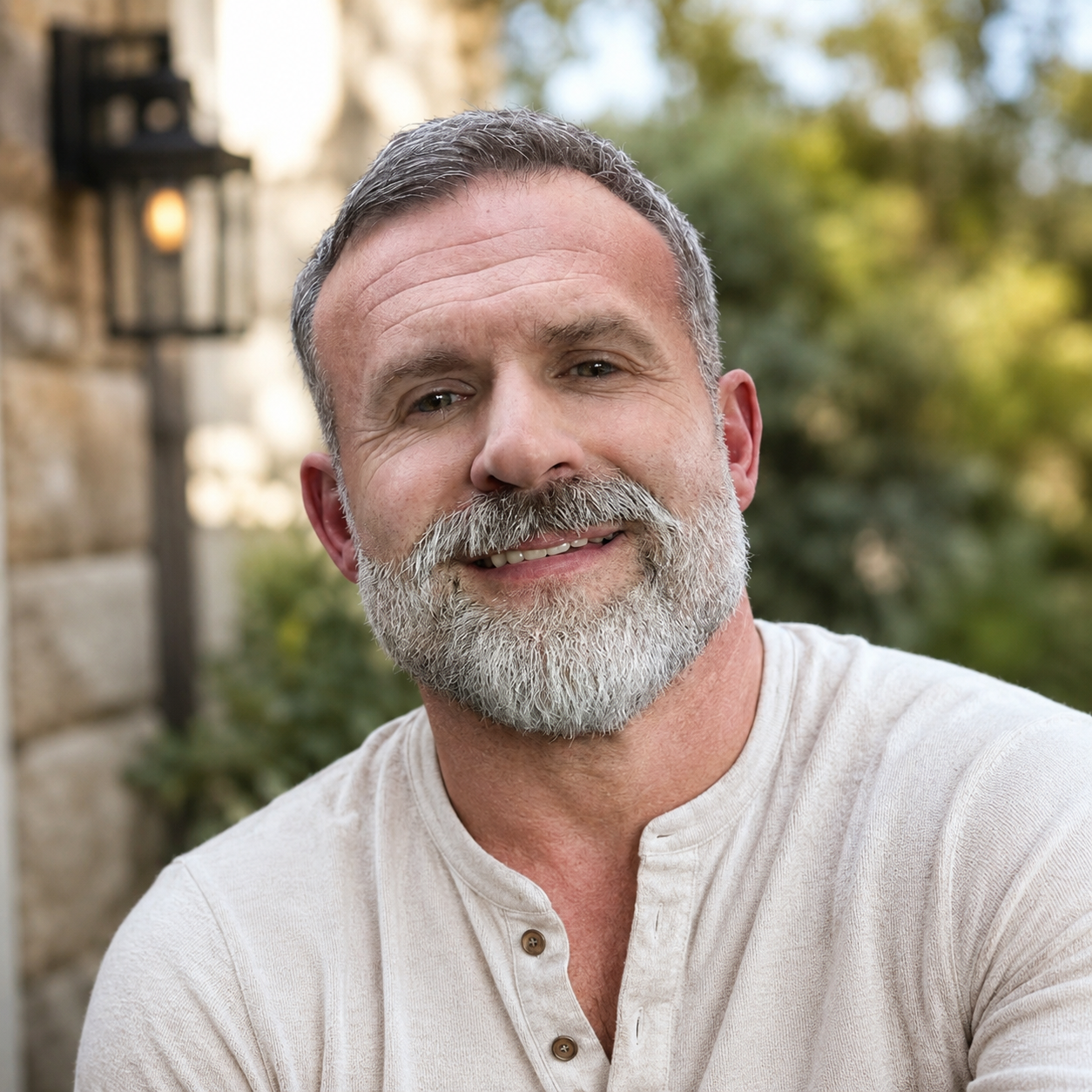
I’m Austin Becker, an advocate for living life with intention and resilience. I write for men who are actively navigating life’s major transitions, tackling the realities of reinvention and finding renewed purpose with grit and honesty. I believe that personal growth doesn’t have a deadline it’s about continuously gearing up for the chapters that matter most.
Through my work, I aim to strip away the clichés of modern manhood, offering practical, no-nonsense insights on health, mindset, and legacy for those who want to move forward with strength and clarity.