Retirement money rarely disappears in one dramatic moment. It often leaks away through small choices that feel harmless.
A few upgrades become a new lifestyle. A gift to an adult child turns into monthly support. A cheap subscription stays active for years.
Then prices rise, the market falls, or a medical bill arrives. Suddenly, the budget has no room left.
The good news is that these money temptations in retirement can be stopped. You can enjoy your savings without letting quiet habits control your future.
This article offers general financial education. Retirement decisions depend on your income, taxes, health, savings, and personal goals.
Use This Quick Test Before Spending Retirement Money
Source: Canva
A purchase is not automatically bad because it is fun. Retirement savings are meant to support your life.
The problem begins when a treat becomes a fixed expense. Fixed costs are harder to cut when your income is limited.
Before spending, ask four questions:
What will this cost over a full year?
Will it create insurance, repair, tax, or membership costs?
Can I stop paying for it easily?
Would I still buy it after waiting seven days?
Fidelity suggests separating essential expenses, optional spending, short term goals, and retirement savings. Its guidelines are starting points rather than rules for every household.
Spending type
Harmless version
Dangerous version
Travel
Planned trip paid from a travel fund
Trips charged without checking annual spending
Family help
One gift with a clear limit
Open ended monthly support
Car purchase
Reliable car within the budget
Large payment plus higher insurance
Subscriptions
A few services used often
Many automatic charges rarely reviewed
Home upgrade
Repair that prevents damage
Remodel funded by retirement withdrawals
1. Treating Every Retirement Day Like a Vacation
Source: Canva
After decades of work, retirement can feel like a long reward. That feeling may lead to frequent meals out, shopping trips, tickets, and weekend travel.
One expensive month may fit your budget. Repeating that month twelve times may not.
The real temptation is believing that retirement spending will naturally slow down later. It might, but health care, home help, and transportation costs can rise as you age.
Create a yearly fun budget before booking trips or events. Divide it into monthly amounts, but allow yourself to save several months for a larger experience.
2. Helping Adult Children Without a Firm Limit
Source: Canva
Helping family can be meaningful. It can also become one of the hardest retirement spending mistakes to stop.
A parent may pay a bill during an emergency. Soon, that help becomes rent support, car payments, school costs, or repeated loans that are never repaid.
The danger is not one gift. It is support with no end date or total limit.
Before giving money, decide:
The highest amount you can afford
Whether the money is a gift or loan
Whether more requests will be accepted
Which account will fund the help
What you will do if the problem continues
Never give money that is needed for housing, food, health care, taxes, or emergency savings.
A firm limit is not a lack of love. It protects your ability to remain independent later.
3. Buying a Dream Home With Nightmare Costs
Source: Canva
A new home can look affordable when you focus on the purchase price. The true cost includes property taxes, insurance, repairs, heating, cooling, furnishing, and travel.
A larger house may also need paid cleaning, lawn care, or future changes for easier movement.
This is why downsizing does not always reduce spending. A newer home in a costly area could have higher taxes and service fees than the old one.
Before moving, compare five years of estimated costs for both homes.
Housing cost
Current home
New home
Mortgage or rent
Add amount
Add amount
Property tax
Add amount
Add amount
Insurance
Add amount
Add amount
Repairs and upkeep
Add amount
Add amount
Community fees
Add amount
Add amount
Utilities
Add amount
Add amount
Transportation
Add amount
Add amount
The Consumer Financial Protection Bureau warns that more older consumers are carrying debt into retirement. Housing debt deserves special attention because it can take a large share of fixed income.
4. Replacing a Reliable Car With a Luxury Model
Source: Canva
A new car promises comfort, safety features, and fewer repair worries. The temptation often begins with the monthly payment.
But the payment is only part of the cost. A more expensive car can bring higher insurance premiums, registration fees, repair bills, and fuel costs.
A six year loan can also follow you through a large part of retirement.
Compare the yearly cost of keeping your current car with the yearly cost of buying the new one. Include expected repairs on the old car.
Replacing an unsafe or unreliable car can be sensible. Buying extra status at the cost of monthly freedom is a different choice.
Simple rule: Do not discuss monthly payments until you know the full purchase price and total interest cost.
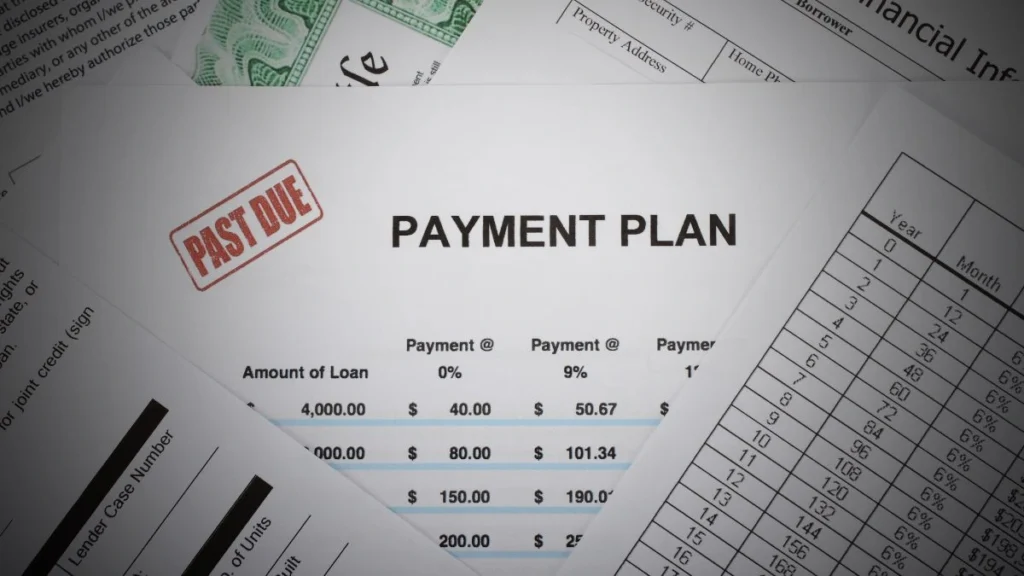
5. Saying Yes to Every Easy Payment Plan
Source: Canva
A small monthly payment makes almost anything seem affordable.
Furniture, phones, appliances, vacations, and medical services may all be sold through payment plans. Each payment looks manageable on its own.
The trouble appears when several plans overlap. Your future income is already promised before the month begins.
Easy financing may also encourage you to spend more than you planned. A product can feel cheaper when the price is split into many pieces.
Keep a list of every payment plan, its remaining balance, interest rate, and final payment date.
Do not add a new plan without checking the total monthly amount already committed.
Warning sign: You know the payment amount but cannot remember the full purchase price.
6. Keeping Subscriptions You Barely Use
Source: Canva
Subscriptions are quiet because they do not require a new decision each month.
Streaming services, cloud storage, meal plans, software, fitness apps, delivery clubs, and premium memberships can stay active for years.
A charge of $12 may seem too small to worry about. Ten charges near that amount can cost more than $1,400 a year.
Review bank and credit card statements every three months. Mark each repeating charge.
Sort subscriptions into three groups:
Use often
Use sometimes
Forgot about it
Cancel the third group first. Pause the second group for one month when possible.
A subscription is worth keeping when it improves your life and gets used. Automatic billing should never replace an active choice.
7. Letting Convenience Spending Become the Default
Source: Canva
Delivery fees, prepared meals, rides, cleaning services, and other conveniences can make retirement easier.
Some may be worth every dollar. This is especially true when a service supports health, safety, or mobility.
The temptation is paying for convenience without checking whether it still solves a real problem.
A delivered meal may prevent food waste and help you eat well. Daily restaurant delivery because cooking feels boring is a different expense.
Review convenience costs by purpose.
Ask whether each one protects your health, saves meaningful time, or simply removes a small effort.
You do not need to remove every comfort. Keep the services that give clear value. Reduce the ones that became habits without your notice.
8. Chasing Hot Investments and Fast Returns
Source: Canva
A slow retirement plan can feel boring when friends or online creators talk about rapid gains.
That is the temptation.
You may start with a small trade. A win can create confidence. A loss can lead to larger bets as you try to recover.
Retirement money has less time to recover from major mistakes. Losses can be more harmful when you are also withdrawing money for living costs.
Be careful with investments that involve:
Pressure to act quickly
Guaranteed high returns
Secret methods
Unlicensed sellers
Requests for wire transfers
Advice based mainly on online excitement
Vanguard identifies poor market returns early in retirement as a serious risk because withdrawals can leave less money available for a later recovery.
Keep money needed within the next few years out of speculative bets. Discuss major changes with a qualified professional who does not earn more for selling you a specific product.
9. Treating Withdrawals Like Free Money
Source: Canva
A tax refund, pension payout, inherited sum, or large retirement withdrawal can feel separate from normal income.
It is still your money.
Large balances can make spending feel less painful because the effect is not visible in your checking account right away. You see a new kitchen, car, or vacation. You do not see the future income that the withdrawn money could have supported.
Withdrawals from some retirement accounts can also create a tax bill. A large withdrawal may affect other parts of your financial plan.
Before taking money out, write down:
The amount you need
Estimated taxes
The account it will come from
How the withdrawal affects future income
Whether a smaller option could solve the problem
Wait at least seven days before making an optional large withdrawal.
10. Ignoring Small Home Problems Until They Become Expensive
Source: Canva
Avoiding a repair can feel like saving money.
A slow leak, damaged roof tile, cracked seal, clogged drain, or failing appliance may seem minor. Delay can allow water, mold, rot, or electrical damage to spread.
The temptation here is choosing a pleasant purchase instead of an unexciting repair.
Create a home repair fund that is separate from your normal spending account. Inspect the home each spring and autumn.
Focus first on problems involving:
Water
Electricity
Heating and cooling
Roof damage
Safety
Structural movement
A repair fund may reduce the need to make a large retirement withdrawal during an emergency.
The best home upgrade is sometimes the one that prevents a much larger bill.
11. Paying Extra for Status During Every Trip
Source: Canva
Retirement travel can be deeply rewarding. It can also grow far beyond the original budget.
A room upgrade leads to premium seats. Premium seats lead to private transfers, extra tours, and expensive meals.
None of these choices is automatically wrong. The danger is upgrading every part of the trip.
Choose one or two features that matter most. Spend less on the rest.
For example, you might pay more for a central hotel because walking long distances is difficult. You could then choose standard seats and simple breakfasts.
Travel choice
Lower cost option
When paying more may help
Flight
Standard seat
Extra space supports comfort or mobility
Hotel
Clean room outside the center
Central location cuts transport and walking
Meals
Mix cafes and groceries
One planned special dinner
Tours
Free walking route
Guided access adds safety or context
Transport
Public transport
Private ride for late arrival or mobility needs
A good trip should fit your life after you return. It should not create months of financial stress.
12. Responding to an Urgent Money Request
Source: Canva
Scammers want you to act before you think.
They may pretend to be a bank worker, government agent, romantic partner, technical support worker, family member, or investment professional.
Artificial intelligence has made fake voices, messages, and videos more convincing. AARP warns that criminals use these tools to create realistic impersonations and pressure people into sending money.
A 2026 AARP survey found that 41 percent of adults age 50 and older said they had lost money to fraud at some point.
Use a strict pause rule:
End the call or stop replying.
Contact the person or company through a trusted number.
Tell someone you trust.
Never move money to protect it from supposed danger.
Never share a security code sent to your phone.
Real banks and government agencies do not need gift cards or cryptocurrency to solve an urgent account problem.
13. Refusing to Cut Spending After the Market Falls
Source: Canva
Many retirees set a spending amount and increase it each year. That can work during normal conditions.
The problem comes when investments fall sharply and spending continues without review.
Selling more investments during a weak market can reduce the amount left to benefit from a recovery. This is known as sequence risk.
Vanguard has reported that flexible spending can improve retirement outcomes. One example in its research found that a modest spending reduction during poor markets could improve the chance of portfolio success.
A spending cut does not need to affect food, medicine, or housing.
Start with flexible areas:
Optional travel
Home upgrades
Gifts
New vehicles
Entertainment
Large restaurant bills
Review your withdrawal rate at least once a year. Review it sooner after a major market decline or major change in household income.
Which Money Temptations Can Cause the Most Damage?
Some mistakes are easy to reverse. Others can reshape your entire retirement budget.
A streaming service can be canceled in minutes. A large mortgage, luxury car loan, or promise of family support may last for years.
Use this order when reviewing your spending:
Priority
Type of temptation
Why it matters
1
Fraud and risky investments
Money may be impossible to recover
2
Large debt and housing costs
Creates long term fixed payments
3
Open ended family support
Has no clear final cost
4
Excessive withdrawals
Reduces future income and growth
5
Travel and lifestyle upgrades
Can become a costly routine
6
Subscriptions and small charges
Easy to fix but costly when ignored
Do not focus only on cutting small pleasures. One large fixed cost can matter more than dozens of cups of coffee.
You do not need a complicated new system. Use three focused ten-minute
blocks to see where money is going, protect reliable income, and create
household rules before the next spending decision.
Three ten-minute decisions can reveal the whole picture
30Minutes total
0–10Find Quiet Charges
Review statements and cancel one low-value expense.
10–20Protect Future Income
Compare essential costs with reliable monthly income.
20–30Set Three Guardrails
Write simple rules the household can follow.
Find · compare · protect
Your three-part spending reset
First 10 Minutes
Find the Quiet Charges
Open the last three months of bank and credit-card statements.
Mark subscriptions, payment plans, delivery fees, family transfers,
and repeat purchases. Finish this section by
canceling one charge that gives little value.
Total housing, food, insurance, health care, transport, and taxes.
Compare that number with reliable monthly income such as Social
Security, pensions, and annuity payments. The goal is to see
how much of the essential budget is already covered.
HousingFoodHealth careTransportTaxes
Final 10 Minutes
Set Three Spending Guardrails
Choose three rules that are specific enough to follow and simple
enough to remember. Write them where both members of the household
can see them so the rules become
shared decisions rather than private intentions.
Choose three rulesWrite them downReview together
Guardrail ideas to choose from
Wait seven days before an optional purchase over $500.
Give family help only from a fixed yearly fund.
Review investment withdrawals after a market decline.
Check every subscription once every three months.
Verify every urgent money request with another person.
Discuss large unplanned expenses before paying them.
The Goal Is Clarity, Not Perfect Budgeting
Thirty focused minutes can reveal hidden spending, show whether
reliable income covers the basics, and create rules that prevent
avoidable mistakes. End the reset with
one canceled charge and three written guardrails.
Broad retirement-income replacement estimates are only starting
points. Actual spending needs depend on housing, taxes, health costs,
debt, family obligations, lifestyle choices, and available income.
Retirement Should Be Enjoyed, Not Put on Autopilot
You worked for your retirement savings. You should be able to use them for comfort, family, travel, hobbies, and a good life.
But enjoyment needs a plan.
The most dangerous money temptations in retirement often look small, kind, convenient, or deserved. They become harmful when they repeat without limits.
Choose the three temptations that sound most familiar. Review their yearly cost. Then make one change this week.
A small decision today can protect years of freedom later.
I’m Austin Becker, an advocate for living life with intention and resilience. I write for men who are actively navigating life’s major transitions, tackling the realities of reinvention and finding renewed purpose with grit and honesty. I believe that personal growth doesn’t have a deadline it’s about continuously gearing up for the chapters that matter most.
Through my work, I aim to strip away the clichés of modern manhood, offering practical, no-nonsense insights on health, mindset, and legacy for those who want to move forward with strength and clarity.