
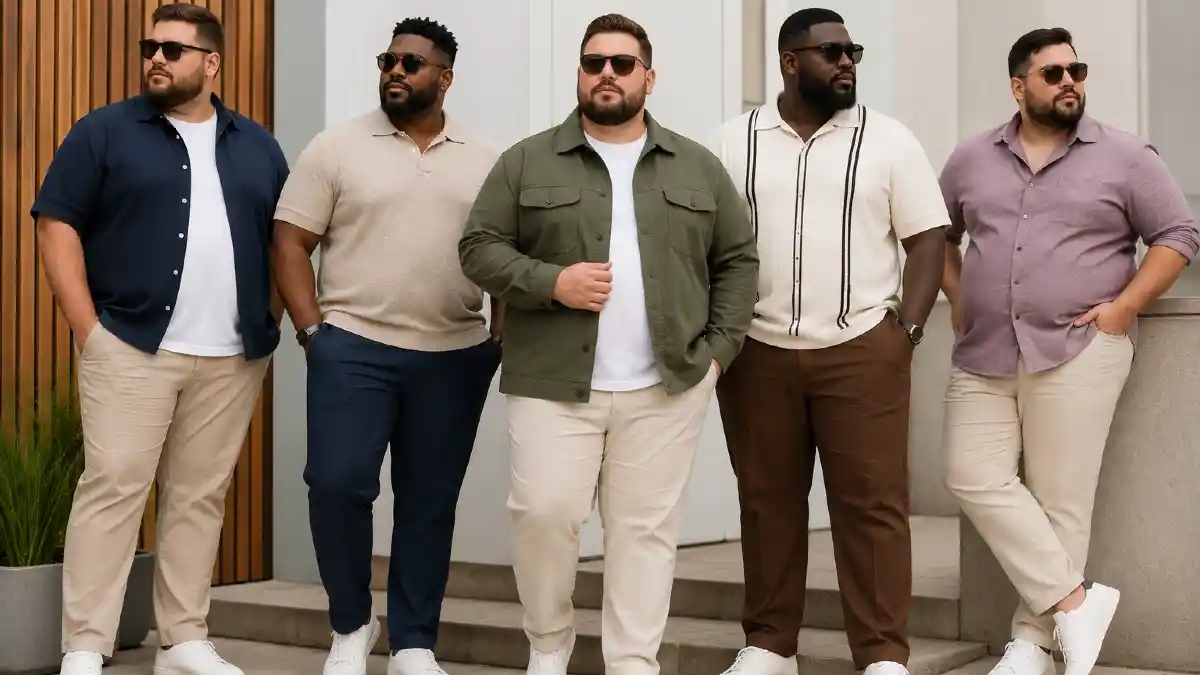
Plus size men’s fashion in 2026 is finally catching up to real life. Clothes are getting easier to wear, better to move in, and sharper without feeling stiff. Bigger guys no longer have to choose between hiding in plain basics or forcing trends that were never made with their bodies in mind.
The best looks now focus on clean fits, soft layers, smart stretch, strong colors, and outfits that work from casual days to better nights out. Comfort still matters. So does looking put together.
Modern style is less about chasing every loud trend and more about knowing what makes you feel steady, confident, and dressed with purpose. From relaxed tailoring to upgraded streetwear, these are the plus size men fashion trends in 2026 worth paying attention to right now.
2026 Is the First Year the Menswear Silhouette Shift Has Put Plus-Size Men in the Sweet Spot

For the past decade, menswear had one default silhouette. Narrow shoulders. Tapered legs. Everything pulled tight against the body a template built for slim frames, which meant that if you didn’t have one, every trend cycle required you to hunt for adaptations that kind of worked rather than pieces that were actually made for you.
That changed.
Streetwear, athletic wear, and workwear-inspired dressing spent years pushing menswear toward looser, more structured fits and by 2026 that shift became the mainstream standard, not the exception. The result is a dominant silhouette that works with volume rather than fighting it.
What that looks like in real terms:
- Trousers are wide-leg and relaxed not tapered toward the ankle
- Jackets and overshirts sit away from the body, structured rather than fitted
- Layering is now built into the trends themselves, which naturally creates visual proportion on a bigger frame
- Heavier, stiffer fabrics hold their shape regardless of body type and those are the fabrics leading the season
You’re no longer looking for the version of a trend that “works for your size.” Right now, the trend itself is already built that way.
Three 2026 Trends That Look Better on a Heavier Frame Than a Slim One and Why
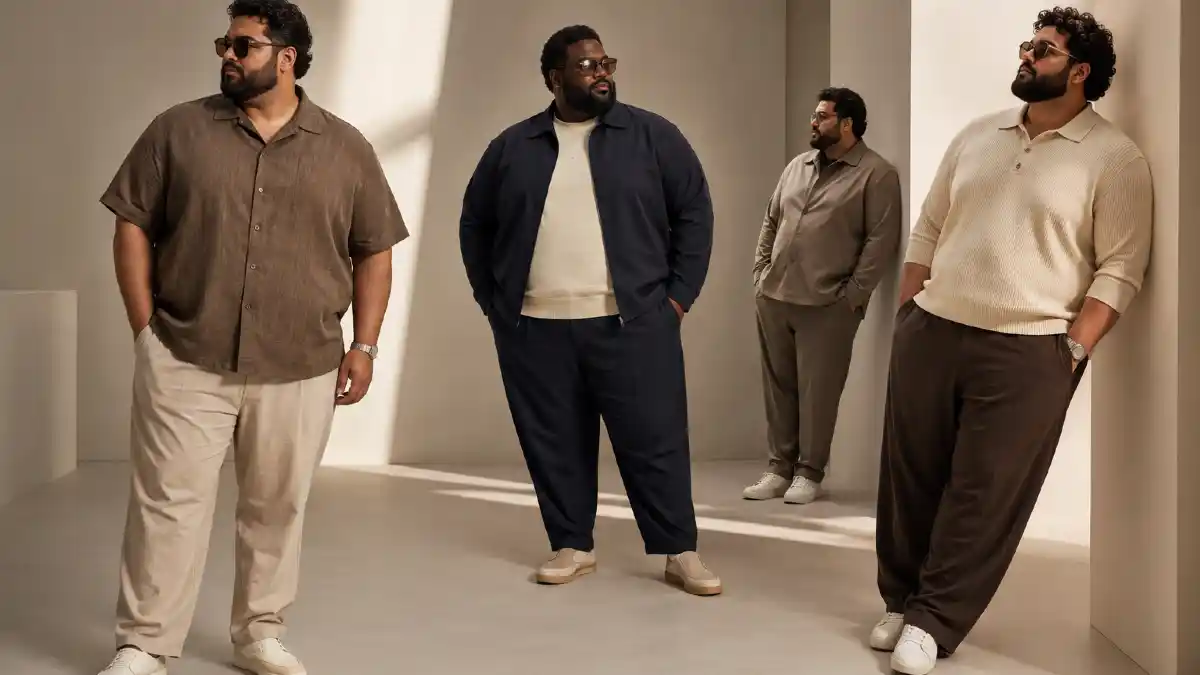
Some trends need a bigger body to work. Not in the “it’s acceptable on you too” way in the way that the look falls flat without real physical presence behind it.
Utility workwear is one. Carpenter pants, overshirts with chest pockets, structured bomber jackets this aesthetic is built on the idea of a body that looks like it does things. Slim frames can wear it, but the boxy, layered, functional look reads better when there’s weight and width to fill out the structure. This isn’t borrowing a trend. You’re wearing it the way it was meant to land.
Wide-leg trousers work the same way. The whole point is a strong, grounded silhouette and that requires something to anchor it. Paired with a clean top and a solid shoe, wide-leg trousers on a bigger frame create exactly the kind of proportion that slimmer men have to work much harder to fake.
Tonal dressing wearing one color family head to toe rewards presence. It creates a long, unified line instead of breaking your frame into sections. On a heavier build, that unbroken look reads as deliberate, not accidental.
A few specifics worth knowing:
- Utility pieces choose structured fabrics like canvas or heavy cotton; they hold shape instead of collapsing against the body
- Trouser length aim for just above the shoe, not pooling at the floor; the break at the ankle is what makes the silhouette work
- Tonal dressing varying shades of the same color family read better than trying to match pieces exactly
Why Copying What Slim Influencers Wear Gets You the Wrong Result and How to Translate Instead
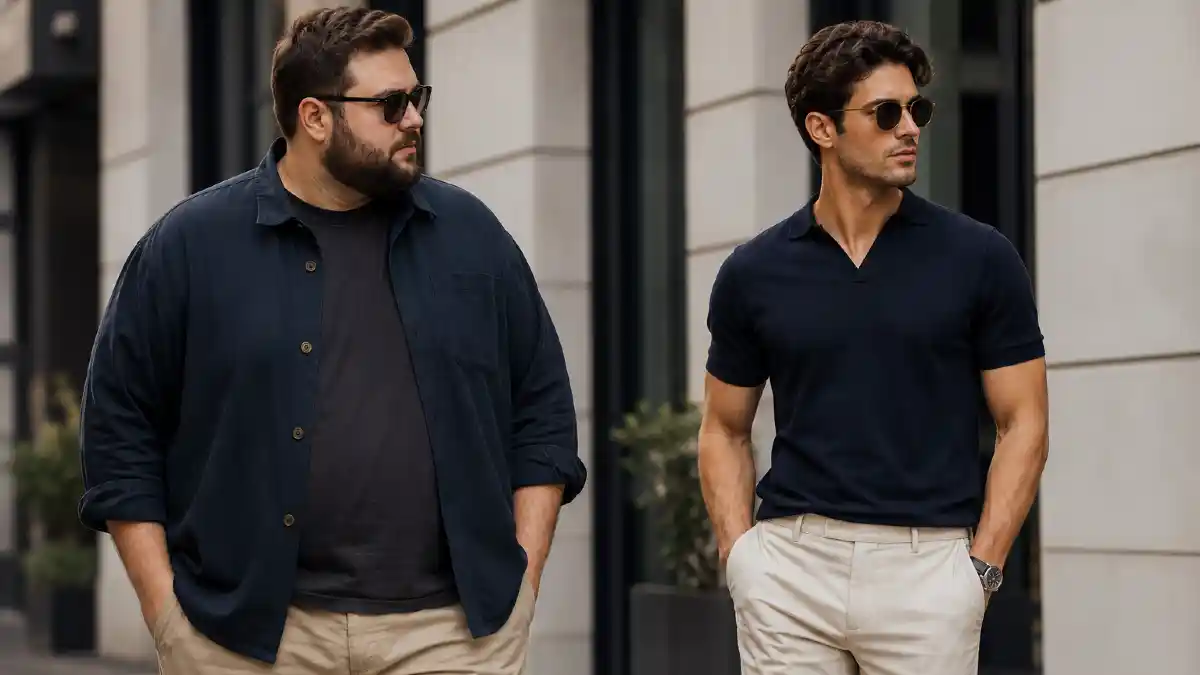
Seeing a fit you like on someone tells you the direction. Not the destination. When a slim influencer wears an oversized utility jacket over straight-leg trousers, the trend isn’t the specific jacket or the specific trousers it’s the feeling of structure, weight, and intention. Your job is different.
Bodies change how clothes behave. A jacket that looks intentionally oversized on a slimmer frame might just look fitted on yours, which means getting the same visual effect requires thinking about the pieces differently, not copying them directly.
How to translate the major 2026 trends:
- Utility workwear size up one, not two. You want structured, not swamped. The shoulder seam should still sit at your actual shoulder
- Wide-leg trousers look for a mid-rise cut. Low-rise wide-leg creates the wrong proportion on a bigger frame; mid-rise makes the line look longer
- Tonal dressing anchor with your darkest shade on the bottom. It grounds the look and pulls the eye upward
- Layering one structured piece over one simple base. Adding a third layer adds bulk instead of dimension
Translating means asking what the trend is trying to look like then figuring out how your body gets there.
The 2026 Trends Worth Skipping and the Alternative That Hits the Same Aesthetic Note
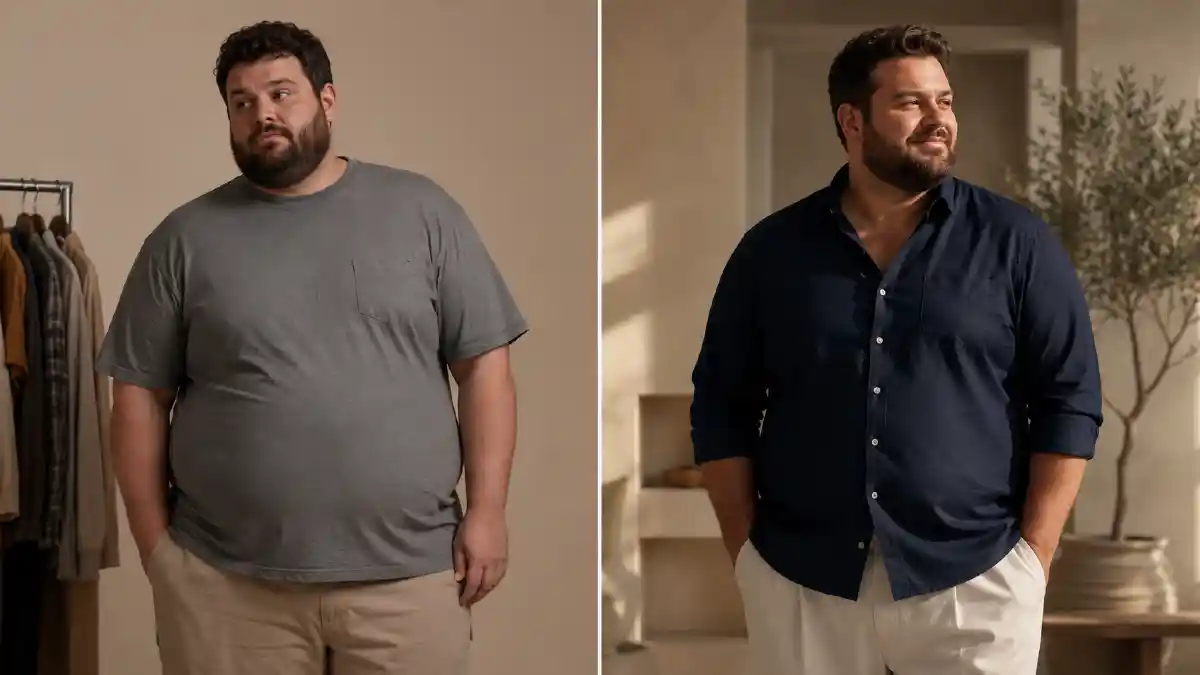
Not every trend deserves your money. Three popular ones in 2026 actively work against a bigger frame and knowing which ones before you shop saves you from purchases that disappoint in person.
- Micro-layering Stacking multiple thin pieces close to the body adds visual bulk without structure. Multiple thin layers just look shapeless. Wear instead: One quality overshirt over a single base layer does more work with far less noise.
- Slim-cut suiting revivals Tapered trousers paired with a fitted jacket fight directly against your frame. The taper pulls toward the narrowest part of the silhouette, which a heavier body simply doesn’t have. Wear instead: Relaxed tailoring with a wider trouser and a softer shoulder. Same sharp energy, completely different result.
- Shrunken outerwear Cropped jackets and short bombers cut your body at its widest horizontal point, which shortens and widens the silhouette at the same time. Wear instead: A hip-length structured jacket hits the same clean, minimal outerwear note without the proportion problem.
Skipping a trend isn’t playing it safe. Choosing the right alternative is how you stay current without working against your own body.
How to Tell Whether a Brand Actually Designed for Your Body or Just Upsized Its Slim Clothes
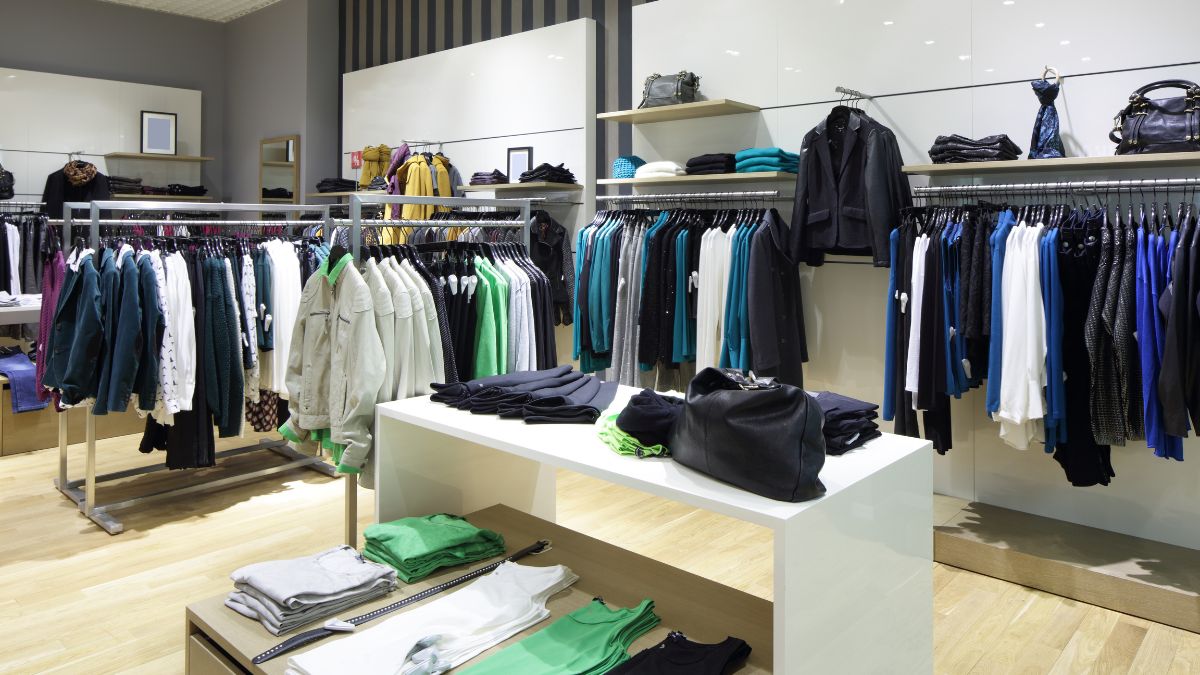
There’s one question worth asking before you buy anything: did this brand design for your body, or did it just make its regular clothes bigger?
Look at how the brand presents its extended sizes online. Brands that genuinely design for plus-size bodies show them on models that actually fill out the clothes and those photos tell you almost everything before anything ships. Drooping shoulder seams, excess fabric pooling across the chest, and sleeves sitting too far down the arm all mean the same thing: a slim pattern was scaled up, not rebuilt for a different frame.
That matters beyond just the shoulders. When a brand redesigns for a plus-size body, it builds more room through the chest and upper back without adding the same width everywhere because bigger frames carry their volume differently than slim ones do.
What to check in product photos or when the item arrives:
- Shoulder seam should land at the edge of your actual shoulder, not sliding down toward your arm
- Chest-to-waist shaping a well-designed piece tapers slightly at the waist; a scaled-up slim piece stays equally wide all the way down
- Model presentation extended sizes shown only on a mannequin or a slim model is a signal worth noting
- Measurements listed real plus-size brands publish actual chest, waist, and hip numbers per size, not just “3XL”
Confident brands show their fit. Vague sizing says something too.
The Exact Pieces to Add to Your Wardrobe Right Now, Broken Down by Budget
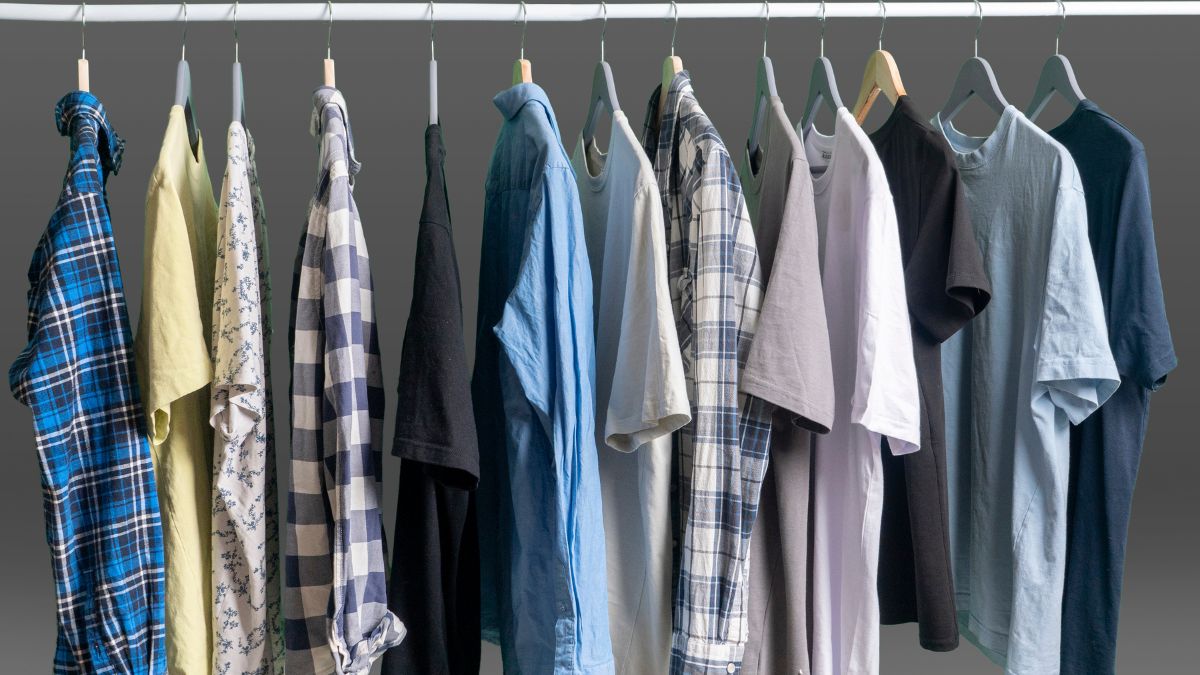
Three pieces matter most right now. One structured overshirt, one pair of wide-leg or relaxed trousers, and one neutral base layer you own in more than one color. Those three cover every trend in this article.
Where to find them, by budget:
Budget (under $50)
- Old Navy goes up to 4XL in most categories; look for “relaxed straight” or “wide leg” in the Men’s section for trousers that fit the current direction
- Dickies workwear staples in extended sizes; carpenter pants and work shirts that hit the utility trend without inflated pricing
- Amazon Essentials search “flannel overshirt” or “relaxed chino” for solid entry pieces across a wide range of extended sizes
Mid-range ($50–$120)
- ASOS Plus Men’s the widest trend-forward plus-size selection available online; filter new arrivals directly in the Plus Men’s section and prioritize structured overshirts and wide-leg trousers
- Carhartt built for real bodies and available in extended and tall sizes; the benchmark for utility dressing done right
Investment ($120+)
- Destination XL (DXL) one of the only retailers that actually recuts patterns for bigger frames rather than scaling up slim ones; worth it for trousers and structured outerwear specifically
Start with one piece. Don’t try to replace everything at once. Even one well-chosen overshirt from any of these tiers changes how everything else you already own reads when you put it on.

Hello there! I’m Jesse Joe, the author and editor behind SolganGenius. I’m thrilled you’ve stopped by, and I can’t wait to share with you the essence of what this platform is all about.
I’m a writer, social media enthusiast, and a firm believer in the power of words. I’ve always been fascinated by how a simple phrase or slogan can capture an emotion, convey a message, and even change perspectives. Learn More