

Federal Reserve data shows nearly half of American adults under 65 are terrified they will run out of money.
People think wealth requires a massive inheritance or a lucky crypto run. They waste years following bad financial advice that drains their bank accounts.
Financial researcher David tracked 60 wealthy retirees to uncover the truth. He used data from the National Study of Millionaires and Harvard Business School to reveal exact behaviors that build wealth.
1. Pay Yourself First and Automate the Process

To build wealth in retirement, automation removes human error. Treat your savings as a fixed bill that you pay before anything else. Do not wait to see what is left at the end of the month.
The Vanguard 2026 How America Saves report proves this works. It shows 61 percent of employer plans now use auto enrollment. People who automate their savings end up with up to 16 percent higher balances.
Automating savings forces you to live on less money without thinking about it. You never miss the cash because you never see it in your checking account.
2. Cap Lifestyle Creep at 70 Percent of Income

As income goes up, spending usually follows. This cycle traps high earners in the middle class. Wealthy retirees stop this cycle by living on 70 to 80 percent of what they make. They take the rest of their money and buy investments.
The Employee Benefit Research Institute 2026 survey highlights this danger. The survey shows that overspending early in a career destroys late stage wealth accumulation.
Buying expensive clothes and fancy dinners steals money from your future self. You must cap your spending when you get a raise at work.
3. Drive Used Non Luxury Vehicles into the Ground

If you want to spot a millionaire in the grocery store parking lot, do not look for the Mercedes. Look for the ten year old Toyota. These everyday millionaire habits keep cash free.
Wealthy people do not tie up money in depreciating assets. A car gets you from point A to point B. It is not a status symbol.
The Ramsey Solutions study of 10,000 millionaires shows 31 percent drive standard Toyotas and Hondas. Meanwhile, the 2026 average new car payment is $745 at 6.7 percent interest. Is that $745 car payment really worth pushing your retirement back five years?
| Fake Rich Habits | Actual Rich Habits |
| Lease a new luxury SUV | Drive a paid off Honda |
| Carry credit card debt | Max out a Roth IRA |
| Stress about monthly bills | Sleep well at night |
While avoiding a hefty car payment keeps cash in your pocket, what you do with that cash is what actually builds the wealth. That brings us to the retirement plan.
4. Maximize the Boring Employer Retirement Plan

Skip the day trading and flashy stock picking. The employer 401k and Roth IRA are the most reliable tools to build wealth in retirement. They offer company matches and huge tax breaks that fast track your success. A company match is literal free money added to your paycheck.
The data makes this very clear. Eight out of 10 everyday millionaires list their employer sponsored retirement plan as their primary wealth building vehicle.
They do not chase hot stock tips. They invest in boring index funds month after month. Compound interest is like rolling a snowball down a hill. It gets bigger and faster over time.
5. Eradicate High Interest Consumer Debt

You cannot out invest 24 percent credit card interest. Wealthy people pay their statement balances in full every single month. They refuse to pay banks extra money for things they already bought.
Credit card interest rates average 21 to 24 percent in 2026. A Talker Research survey finds that 72 percent of older Americans carry debt they feel overwhelmed by.
Inflation has made life expensive lately. That is exactly why protecting your cash from bank fees is vital. High interest debt doubles quickly and eats your monthly cash flow.
6. Build Multiple Streams of Income

Relying solely on a single W2 paycheck is risky. Wealthy retirees diversify their cash flow during their working years. They build safety nets so a job loss does not ruin their life.
Thomas Corley conducted a five year Rich Habits study on self made millionaires. He found that 65 percent of them had at least three streams of income before making their first million. Multiple income streams speed up the wealth building process.
| Income Stream | How It Works for You |
| Dividend Stocks | Getting paid a share of company profits |
| Real Estate | Collecting monthly rent from tenants |
| Side Business | Selling skills or products outside of work |
7. Optimize for Active Over Passive Leisure

How retirees spend their free time dictates their mental health and financial retention. Millionaires do not just sit on the couch watching screens all day. They stay busy with purpose and movement.
A Harvard Business School study shows millionaires spend 30 more minutes a day on active leisure. This includes volunteering and exercising.
They spend 40 fewer minutes on passive leisure like watching TV compared to the general population. Active hobbies keep your mind sharp. Sharp minds make better financial choices.
8. Read Voraciously to Continually Learn

Financial literacy does not stop when you clock out of work. Millionaires consume non fiction books to better their lives and investments. They actively seek out new information to protect their money.
Corley’s research shows 85 percent of self made millionaires read at least two books a month. They read specifically for education. They study history, taxes, and leadership. They skip the entertainment books. Learning new skills directly increases your earning power over time.
9. Prioritize Physical Health as a Financial Strategy

Healthcare is the biggest expense in retirement. Staying healthy is a direct wealth preservation tactic. Smart retirement planning 2026 must include a serious fitness routine. A major health issue can wipe out a million dollar portfolio in a few years.
Creative Planning insights from 2026 show rising healthcare costs eating into retirement savings. The data shows 76 percent of wealthy individuals exercise at least 30 minutes a day, four days a week. They view the gym as a financial investment.
10. Stay Invested Through Market Volatility

Emotional selling destroys investment portfolios. Wealthy retirees know that the stock market has bad years. They hold their investments for the long term and ignore the daily news panics.
The S and P 500 showed wild volatility in early 2026. Yet it still yielded long term gains for patient investors. Pulling cash out during a market correction locks in your losses. You must leave the money alone. Market crashes are normal and temporary.
11. Meet Regularly With a Fiduciary Financial Advisor

Wealthy people do not do it all alone. They hire experts to spot blind spots and handle complicated tax rules. You need a trusted guide to help you keep more of what you make.
A Financial Planning Association survey shows retirees who use a financial advisor have 15 percent higher savings on average than those who do it themselves. A fiduciary is legally required to act in your best interest.
| Strategy | Average Result |
| DIY Retirement | Often misses tax breaks and triggers emotional selling |
| Fiduciary Advisor | Averages 15 percent higher savings and tax optimization |
Action step: Search for a fee only fiduciary advisor in your area and schedule a free consultation.
Conclusion
Becoming a millionaire is not about hitting the lottery. It is about time, compound interest, avoiding consumer debt, and taking consistent actions over decades.
Boldin 2026 data shows the top 10 percent of retirees have roughly $3 million in net worth. They built this wealth on ordinary incomes as teachers, accountants, and engineers.
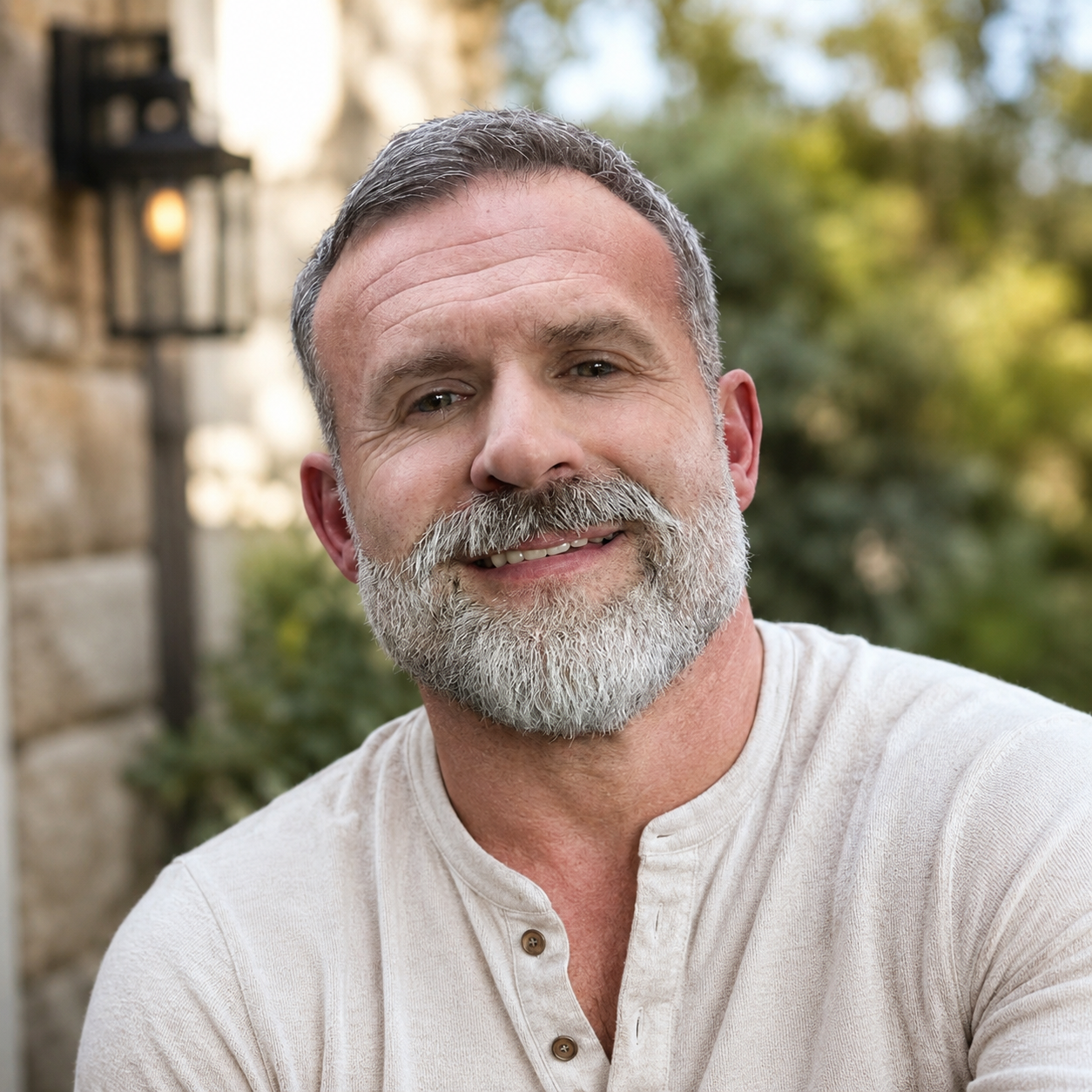
I’m Austin Becker, an advocate for living life with intention and resilience. I write for men who are actively navigating life’s major transitions, tackling the realities of reinvention and finding renewed purpose with grit and honesty. I believe that personal growth doesn’t have a deadline it’s about continuously gearing up for the chapters that matter most.
Through my work, I aim to strip away the clichés of modern manhood, offering practical, no-nonsense insights on health, mindset, and legacy for those who want to move forward with strength and clarity.