
Older adults lose money to fraud every day, yet families often blame poor judgment. That reaction makes the problem worse. It can cause shame, silence, and another payment before anyone steps in.
Harry reviewed 40 publicly documented elder fraud cases to identify repeated elder fraud warning signs. The cases involved imposter calls, romance scams, investment fraud, technology support schemes, and financial abuse by trusted people.
The victims were not foolish. Many were careful, independent adults. But the scammers created pressure, fear, trust, and isolation at the same time.
9 patterns appeared again and again. Each one offers a chance to stop the loss.
What Harry’s Review Can and Cannot Prove

Harry examined 40 case summaries, government warnings, complaints, and public fraud reports involving older adults.
This was an editorial review. It was not a scientific study, and the cases were not chosen to represent every fraud victim. The review cannot prove that every older victim shares these nine traits.
It can show which situations appeared repeatedly.
That difference matters. A list of patterns should never become a list of reasons to blame a victim. Scammers often spend days or weeks building a believable story. Some impersonate banks, government agencies, police officers, relatives, or technology companies.
Others use real names, account details, home addresses, and personal facts. Having that information can make a false story seem real.
The nine patterns are best treated as points where a scam can be interrupted. A family may notice an urgent call. A bank may question an unusual transfer. A friend may hear a request for secrecy.
One pause can be enough to expose the lie.
Elder Fraud Losses Have Reached Billions

The financial damage reported by older adults is large and growing.
The FBI’s 2025 Internet Crime Complaint Center report recorded 201,266 complaints from people age 60 and older. Those complaints involved about $7.75 billion in reported losses. The average reported loss was $38,500, and 12,444 complainants reported losing more than $100,000.
These numbers cover complaints submitted to the FBI. They do not represent every crime.
Many victims never report what happened. Some feel embarrassed. Others do not know where to call. A person may also believe the scammer’s story for weeks after sending money.
FTC data show another important point. Older adults do not always report losing money more often than younger adults. But when an older adult does lose money, the loss can be much larger.
In 2024, older adults reported $2.4 billion in fraud losses to the FTC. Reports involving losses above $100,000 made up only 5 percent of older adults’ loss reports, but they accounted for 68 percent of the total money reported lost by that age group.
What the Latest Federal Data Shows
| Measure | Reported finding |
| FBI complaints from people age 60 and older in 2025 | 201,266 |
| FBI reported losses among that group | $7.75 billion |
| FBI average reported loss | $38,500 |
| Complainants reporting losses above $100,000 | 12,444 |
| FTC losses reported by older adults in 2024 | $2.4 billion |
| Share of FTC older adult losses tied to reports above $100,000 | 68 percent |
The figures come from different reporting systems, so they should not be added together. They do, however, show the serious size of the problem.
The 9 Elder Fraud Warning Signs Harry Found
The victims did not share one personality type. Some lived alone, while others had active families. Some used technology every day. Others preferred phone calls and paper statements.
The repeated conditions were more practical.
| Common pattern | Why it increased the risk | Protective response |
| Unexpected contact | The victim could not confirm who started the conversation | End contact and call back through an official number |
| A sudden crisis | Fear reduced the time available for checking facts | Use a required pause period |
| A demand for secrecy | Family, friends, and bank staff could not question the story | Tell one trusted person before paying |
| Trust in a familiar name | A known company or agency made the story seem safe | Verify the identity independently |
| Fast access to money | Large amounts could leave an account quickly | Add alerts and payment limits |
| Hard to reverse payment | Money became difficult to recover | Refuse unusual payment methods |
| Isolation during the decision | No second person heard the scam story | Require a second reviewer |
| Shame after paying | The victim delayed asking for help | Respond without blame |
| No fraud response plan | Stress made the next step unclear | Keep a written action list |
Several patterns often appeared in the same case. That combination allowed the scammer to control both the story and the payment.
1. They Responded to Unexpected Contact
Many cases began with an ordinary interruption.
It could be a phone call from a supposed bank employee. It could be a text about a delivery, an email about an account, or a computer pop up claiming that a device had been infected.
The first message did not always ask for money. It often asked the person to call a number, click a link, confirm an account, or speak with a security worker.
That small action moved the victim into the scammer’s controlled setting.
A displayed phone number is not proof of identity. Scammers can make caller identification show the name of a bank, police department, government office, or local business. An email can also copy a real logo and use language taken from an official website.
The safest response is simple:
- End the unexpected contact.
- Do not click the supplied link.
- Do not call the number in the message.
- Find the official number on a bank card, statement, or government website.
- Ask whether the original contact was real.
FTC data show that phone calls remain an important starting point for major imposter losses. Among older adults who reported losing at least $10,000 to a business or government imposter in 2024, 41 percent said the scam started with a phone call. Another 15 percent pointed to an online advertisement or pop up, while 13 percent said it began with an email.
Unexpected contact should never lead directly to payment.
2. They Were Told a Crisis Had Already Started
Scammers do not want a person to sit quietly and check the facts.
They may claim that a bank account has been hacked. They may say a Social Security number was found at a crime scene. Other stories involve an arrested grandchild, an unpaid tax bill, a computer attack, or a package connected to illegal activity.
The details change. The emotional goal stays the same.
The person must feel that waiting will make the situation worse.
This pressure can make a careful adult act outside normal habits. The victim may transfer money without calling a family member because the caller says the account will be frozen within an hour.
A practical family rule can interrupt this pattern:
No money moves during the first conversation.
The person can hang up, wait at least 20 minutes, and speak with someone trusted. For large transfers, the pause should last until the claim has been checked through a separate source.
The Department of Justice warns that common scam signs include pressure to make a decision quickly and instructions not to contact anyone else.
Real banks and government offices can be contacted through public numbers. A legitimate investigation does not depend on keeping a frightened person on the phone while money is moved.
3. They Were Told to Keep the Situation Secret

Secrecy was one of the strongest repeating patterns in Harry’s review.
The scammer might say that bank workers cannot be trusted. A fake police officer may claim that speaking to family could damage an investigation. A romance scammer may say relatives are trying to ruin the relationship.
Some victims are even coached on what to tell a bank teller.
They may be told to describe a large withdrawal as a home repair, family gift, car purchase, or personal investment. This coaching is meant to defeat the bank’s fraud checks.
A request for secrecy should end the transaction.
Older adults can protect their independence by choosing one or two people who may hear about unusual financial requests. That person does not need control over the account. The role is simply to listen and ask questions.
A useful rule is:
Any stranger who says not to tell the bank, police, family, or a trusted friend is creating danger, not safety.
Scammers isolate victims because another person may spot a broken part of the story. The bank name may be wrong. The agency may not collect payments that way. The claimed relative may answer a direct call.
Secrecy keeps those checks from happening.
4. They Trusted a Familiar Name
The caller rarely introduced himself as a thief.
He claimed to represent a name the victim already knew. Common choices included banks, Microsoft, Apple, Amazon, Social Security, Medicare, local police, the IRS, and the Federal Trade Commission.
In other cases, the scammer pretended to be a relative, romantic partner, lawyer, financial adviser, or investment professional.
Familiarity lowers doubt.
The scammer may know the victim’s full name, former employer, family members, or part of an account number. Those details can come from stolen data, social media, public records, earlier scams, or information purchased from criminals.
Knowing personal facts does not prove identity.
A legitimate looking badge number does not prove identity either. The same is true for an official logo, local phone number, or professional email signature.
Verification must happen outside the original conversation.
| Caller’s claim | Safe way to check it |
| “This is the bank fraud team” | Call the number printed on the bank card |
| “A relative is in jail” | Call the relative or another close family member |
| “This is Social Security” | Contact the agency through its official public number |
| “Microsoft found a virus” | Close the message and contact a known local technician |
| “The police need a payment” | Call the police department’s public number |
| “An adviser found a guaranteed investment” | Check registration and speak with an independent adviser |
Families can also create a private safe word for real emergencies. A caller who claims to be a grandchild should be able to answer a family question or provide the agreed word.
5. They Had Money That Could Be Moved Quickly

Money does not cause fraud. Easy access, however, can increase the size of a loss.
Several cases involved high checking balances, retirement savings, available credit, certificates that could be closed, or home equity that could be reached quickly.
The scammer often tested the victim first.
An early payment might be a few hundred dollars. When that worked, the next demand became larger. The scammer learned that the victim had access to money and was willing to follow instructions.
Families can reduce the damage without removing the older adult’s independence.
Useful safeguards include:
- Alerts for withdrawals and transfers
- Notifications when contact details change
- Lower daily transfer limits
- A trusted contact on investment accounts
- Separate accounts for bills and long term savings
- A second review before a large wire transfer
- Paper or electronic statements checked each month
The FTC found that bank transfers produced the highest combined reported fraud losses among older adults in 2024. Cryptocurrency transfers ranked second. Credit cards and gift cards were the payment methods reported most often.
A large checking balance may be convenient, but it can also allow a scammer to request a major transfer in one step. Keeping long term savings in a separate account can create an extra pause.
That pause gives the bank, account owner, or trusted contact time to question the payment.
6. They Used Payments That Were Hard to Reverse
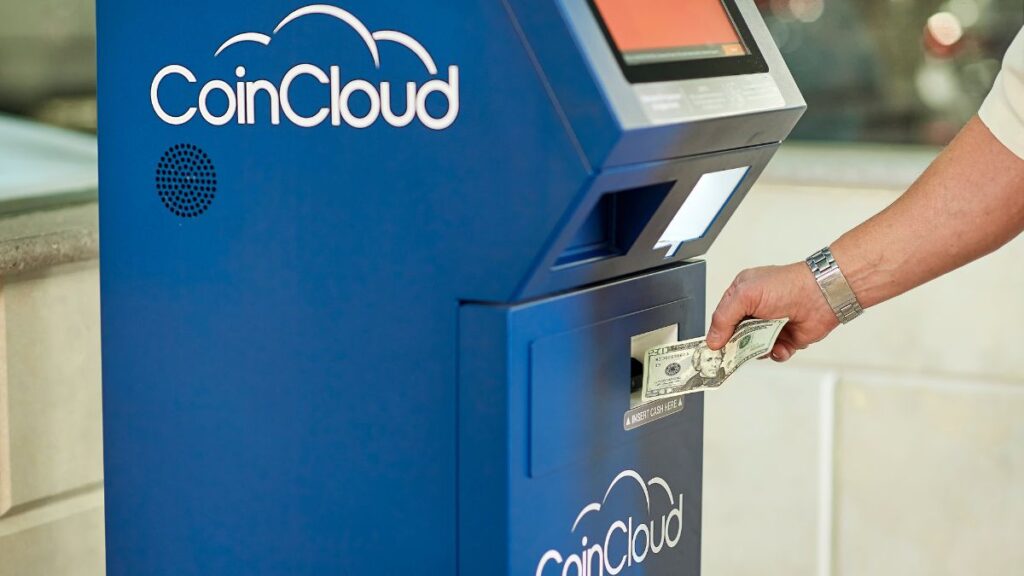
A payment method can be a warning sign by itself.
Scammers often request money through:
- Cryptocurrency ATMs
- Bank wires
- Cash withdrawals
- Gold or other valuable metals
- Gift cards
- Payment applications
- Money transfer services
These payments may move quickly and offer little buyer protection. Once the money reaches a scammer, recovery can be difficult.
In 2024, cryptocurrency was the payment method reported by 33 percent of older adults who lost at least $10,000 to business or government imposter scams. Bank transfers accounted for 20 percent, and cash accounted for 16 percent. Gold appeared in about 21 percent of reports involving losses above $100,000.
No government office asks a person to protect money by placing cash into a Bitcoin ATM. A bank does not tell a customer to buy gold and hand it to a courier. Police do not demand gift card numbers to cancel an arrest warrant.
The words “safe account” are also dangerous when they come from an unexpected caller.
The FTC has received reports in which scammers told older adults to move savings into a protected account. The supposed protection was the theft itself. Some victims lost hundreds of thousands of dollars and drained retirement accounts.
When an unusual payment has already been made, the victim or family should call the bank or payment company at once. Speed matters.
7. They Were Alone When the Decision Was Made

Many independent older adults live alone and manage money well.
The problem is not the living arrangement. The risk grows when an urgent financial decision happens without a second person hearing the story.
Scammers work hard to keep control of the conversation. They may stay on the phone while the person drives to a bank, buys gift cards, or visits a cryptocurrency ATM.
One victim may receive calls for several hours. Another may speak with the same fake agent each day for weeks.
That contact can feel like help, friendship, authority, or protection.
Regular check ins can create a safer gap without treating the older person like a child. A family might agree to discuss any new investment, unexpected government demand, large transfer, or request from an online friend.
The check can be simple:
- Who made the first contact?
- How was the person’s identity confirmed?
- Why must the payment happen now?
- Why is that payment method required?
- Has anyone asked for secrecy?
- Can the claim be checked through another source?
A caring question works better than an accusation.
Saying, “That sounds unusual, so let’s check it together,” is more helpful than saying, “How could anyone believe that?”
Respect keeps the conversation open.
8. They Felt Too Embarrassed to Report the First Loss
The first payment did not always end the scam.
A criminal may claim that another fee is needed to release money, complete a refund, recover an investment, or finish an investigation. The victim may send more because admitting the first loss feels painful.
This is sometimes called sunk cost pressure. The earlier payment cannot be recovered by making another payment to the same stranger.
Shame helps the scammer.
Families should make it safe to report a mistake. Anger, ridicule, and lectures can push the victim back toward the person who appears calm and supportive.
A better response starts with:
- “This happens to many capable people.”
- “The priority is stopping the next payment.”
- “The family will handle the reporting together.”
- “No one needs to solve everything today.”
The Department of Justice says many fraud crimes go unreported because victims feel scared, embarrassed, or unsure about where to seek help. Its National Elder Fraud Hotline provides free case support for fraud involving people age 60 and older.
Reporting may also help authorities connect one victim’s complaint to a larger criminal operation.
9. They Had No Written Plan for a Fraud Emergency

Knowing that scams exist is not the same as having a response ready.
During a frightening call, a person may forget advice that seemed obvious before. A short written plan reduces the number of decisions that must be made under pressure.
A useful plan has four words:
Pause
No payment or account access is provided during unexpected contact.
Verify
The person ends the conversation and contacts the company, agency, or relative through a separate trusted method.
Discuss
One trusted person hears the full story before money moves.
Report
The bank and relevant authorities are contacted as soon as fraud is suspected.
The plan should include:
- The bank’s official fraud number
- Contact details for one or two trusted people
- The investment firm’s official number
- Instructions for freezing credit
- The FBI complaint website
- The FTC fraud reporting service
- The National Elder Fraud Hotline number
- The local police non emergency number
- The local Adult Protective Services contact
The Department of Justice also recommends credit freezes as a way to stop criminals from opening new credit accounts in another person’s name. A freeze must generally be placed with each of the three major credit reporting companies.
The written plan should be kept near the phone and reviewed twice a year.

I’m Austin Becker, an advocate for living life with intention and resilience. I write for men who are actively navigating life’s major transitions, tackling the realities of reinvention and finding renewed purpose with grit and honesty. I believe that personal growth doesn’t have a deadline it’s about continuously gearing up for the chapters that matter most.
Through my work, I aim to strip away the clichés of modern manhood, offering practical, no-nonsense insights on health, mindset, and legacy for those who want to move forward with strength and clarity.