

Leaving work sounds wonderful when every Monday feels heavy. Then the real worries begin. What happens to income, health insurance, daily purpose, and the people who have filled each week for decades?
That tension kept Daniel from choosing one sudden retirement date. Instead, he used a phased retirement plan. He moved from five workdays to four, then three, and finally two before leaving completely.
The slower exit did solve several problems. It also created surprises he had never expected. Here are the 11 lessons his three year transition revealed.
Note: Daniel is an illustrative composite used to explain common phased retirement experiences. His story is not presented as a verified personal case study.
What Phased Retirement Looked Like Over 3 Years
Daniel did not simply ask to “work less.” He proposed a clear schedule with defined duties, deadlines, and review dates.
| Transition year | Weekly schedule | Main purpose |
|---|---|---|
| Year one | Four days | Test whether reduced hours eased stress |
| Year two | Three days | Transfer key duties and test retirement spending |
| Year three | Two days | Complete handovers and build a full life outside work |
| Full retirement | No regular workdays | Leave with finances and routines already tested |
Formal phased retirement programs remain uncommon in the United States. The Government Accountability Office found that such arrangements are more common in large organizations and professional fields. Many workers therefore create informal agreements directly with their employer.
That meant Daniel’s plan depended on trust, written limits, and a manager who believed the arrangement would still support the team.
1. The First Schedule Cut Gave Him the Biggest Relief

Daniel expected the final workday to produce the greatest sense of freedom. It did not.
The largest change came when he moved from five days to four. For the first time, one weekday belonged to him. Appointments no longer took over his lunch break. Home repairs stopped piling up until Saturday.
A three day weekend also changed how work felt. Sunday evening no longer seemed like the end of all personal time.
This matters because a phased retirement does not need to begin with a major pay cut. A small schedule change may be enough to show whether reduced work improves daily life.
Workers considering the same move should ask:
• Which day would create the most useful break?
• Which duties cause stress outside normal work hours?
• Could those duties be removed before hours are reduced?
• Will the employer expect five days of output in four days?
The final question is vital. Fewer paid hours do not help when the workload remains unchanged.
Older adults are already using part time work as one path through later life. Bureau of Labor Statistics data show that 38.3 percent of employed Americans aged 65 and older worked part time in 2024.
2. Working Fewer Hours Did Not Make Him Less Committed

Daniel worried that a shorter schedule would make him look checked out.
The opposite happened during the first year. He became more careful about meetings. He stopped accepting tasks simply because no one else wanted them. He spent more time on work that required his experience.
His value became easier to see because his role became more focused.
That result was not automatic. Daniel and his manager agreed on three points:
- Which projects he still owned
- When coworkers could reach him
- Which duties would move to other employees
Without those rules, a reduced schedule could have failed quickly. Coworkers might have continued calling on his days off. Managers might have judged him against his old workload.
A useful phased retirement agreement should measure results rather than visible hours. It should also name the person who will handle urgent work when the retiring employee is away.
The GAO has found that informal arrangements are an important part of phased retirement because many employers do not offer a broad written program.
That gives some workers room to negotiate. It also means the details must be clear.
3. His Income Fell More Than His Lifestyle Did

Daniel’s salary dropped when his hours fell. Yet his daily life did not shrink by the same amount.
He spent less on commuting, lunches near the office, work clothing, parking, and small convenience purchases. He also had more time to cook, compare prices, and handle basic home tasks himself.
That does not mean reduced work always saves money. People who use every free day for shopping, travel, or paid activities may spend more.
Daniel learned to compare his change in take home income with his change in total spending. Comparing old and new salaries alone would have given him the wrong picture.
| Monthly change | Amount to calculate |
| Lost take home pay | Reduced net salary |
| Lower work costs | Travel, meals, clothing and parking |
| New free time costs | Hobbies, trips and social activities |
| Retirement contributions | Employee contribution plus employer match |
| True monthly difference | Lost income minus savings and added costs |
Continuing to work also allowed Daniel to keep contributing to his retirement plan.
For 2026, the basic employee contribution limit for many 401(k), 403(b), and governmental 457 plans is $24,500. Workers aged 50 and older may be allowed an additional $8,000 contribution.
Employees who turn 60, 61, 62, or 63 during 2026 may have a higher catch up limit of $11,250 when their plan permits it.
Daniel therefore had to ask a surprising question: Would he be better off reducing hours while keeping retirement contributions high?
The answer depended on his pay, tax situation, employer match, and cash needs. A tax or financial professional could check the details before he changed payroll deductions.
4. Health Insurance Controlled the Schedule More Than Salary

Daniel thought salary would determine how quickly he reduced his hours. Health coverage had more power.
His employer required a minimum number of weekly hours for full benefits. Dropping below that level too soon would have ended his coverage before he was ready for Medicare.
This is one of the first facts every worker should confirm. Benefit rules vary by employer. A manager may approve a three day week without knowing that the schedule makes the employee ineligible for the health plan.
Daniel asked the benefits office for written answers to five questions:
• How many hours are required for medical coverage?
• Will dental and vision coverage follow the same rule?
• Will reduced hours change the employer premium contribution?
• Does the plan count as active employer coverage for Medicare?
• What happens to a health savings account after Medicare enrollment?
People who work past age 65 may be able to delay Medicare Part B without a late penalty when they have qualifying coverage through their own current employment or a spouse’s current employment. The exact result depends on the employer and plan.
When that employment or coverage ends, Medicare generally provides an eight month Special Enrollment Period for Part B.
COBRA needs special care. Medicare explains that choosing COBRA does not extend the Part B enrollment window created by active employment. The eight month period begins when work or qualifying employer coverage ends, whichever occurs first.
Daniel learned that the safest order was:
- Confirm the employer plan rules.
- Confirm Medicare deadlines.
- Price every available option.
- Change the work schedule only after the coverage plan was clear.
5. Free Time Felt Strange Before It Felt Valuable
Daniel had spent years saying he needed more time. When he received it, he did not always know what to do with it.
During his first free weekday, he checked work email several times. He completed errands quickly and then felt guilty for sitting down.
That reaction showed him that retirement required more than removing work. He needed to build a replacement structure.
He began giving each free day a loose purpose:
• One morning for exercise
• One block for household tasks
• One lunch or call with another person
• One activity that was enjoyable rather than productive
• One period with no planned task
This small routine helped him learn which activities he truly liked. It also stopped him from placing every dream on a future retirement list.
Many workers expect to remain employed longer than retirees actually do. The 2026 EBRI Retirement Confidence Survey found a median expected retirement age of 65 among workers, while retirees reported a median actual retirement age of 62. It also found that 39 percent of workers expected to retire at 70 or later, or never retire, compared with 10 percent of retirees who said that happened.
A retirement life should therefore be tested before it is urgently needed.
6. Coworkers Began Treating Him Differently

Daniel remained part of the team, but his place inside it changed.
Some small decisions happened on his days off. Coworkers stopped adding him to meetings that affected long term plans. New employees began asking younger managers for approval.
None of this was openly cruel. The company was adjusting to a future without him.
At first, Daniel took it personally. Then he saw the practical value. The team needed to stop depending on one person who planned to leave.
He changed his focus from being the person who solved every issue to being the person who taught others how to solve it.
That meant:
• Writing down processes that had lived in his memory
• Giving coworkers control before his final year
• Allowing them to make small mistakes
• Explaining why a process worked, not simply what to do
• Creating a list of contacts, deadlines, and common problems
This shift gave Daniel a clear role during the later stages of phased retirement. He was no longer fighting to remain central. He was helping the team operate without him.
The downside was real. Mentoring felt meaningful, but losing influence still hurt.
7. His Job Identity Faded in Small Pieces
Daniel had never introduced himself by saying only where he worked. Still, his job shaped how other people saw him.
It gave him expertise, status, stories, and a quick answer when someone asked what he did.
A gradual retirement allowed that identity to fade slowly. On his free days, he began developing other answers. He became a regular volunteer, a more available grandfather, a dependable neighbor, and a beginner at a hobby he had postponed.
None of those roles replaced his career overnight.
That was the lesson. A new identity was built through repeated action, not through a retirement party.
People planning a phased exit can begin by asking:
• Who needs their time outside work?
• Which skills still feel enjoyable?
• Where could those skills help without becoming another full time job?
• Which relationships have been neglected?
• What activity would still matter without praise or pay?
Money can make retirement possible. It cannot decide how a person will feel on an ordinary Tuesday.
Daniel’s phased retirement gave him room to face that issue while some familiar work structure remained.
8. Social Security Became More Complicated Than Expected

Daniel initially treated retirement and Social Security as one decision. He later learned that they were separate decisions.
A person can stop working without claiming Social Security. A person can also claim benefits and continue working.
However, earnings can affect current payments when benefits are claimed before full retirement age.
For 2026, the Social Security earnings limit is $24,480 for someone who remains below full retirement age for the entire year. Social Security generally withholds $1 in benefits for every $2 earned above that limit.
For someone reaching full retirement age during 2026, the higher limit is $65,160 for earnings received before the month full retirement age is reached. Social Security generally withholds $1 for every $3 above that amount.
Starting with the month a person reaches full retirement age, the earnings test no longer limits benefits.
| 2026 situation | Earnings limit | General withholding rule |
| Under full retirement age all year | $24,480 | $1 withheld for each $2 above the limit |
| Reaching full retirement age in 2026 | $65,160 before that month | $1 withheld for each $3 above the limit |
| At or above full retirement age | No earnings limit | No earnings test withholding |
Benefits withheld under the earnings test are not simply erased forever. Social Security later adjusts the benefit calculation at full retirement age to account for months in which benefits were withheld.
Still, the cash flow effect can surprise someone who claims early and continues earning a strong part time income.
Daniel used the Social Security Administration’s earnings test calculator rather than guessing how his schedule would affect payments.
9. Three Years Gave Him a Real Retirement Budget Test
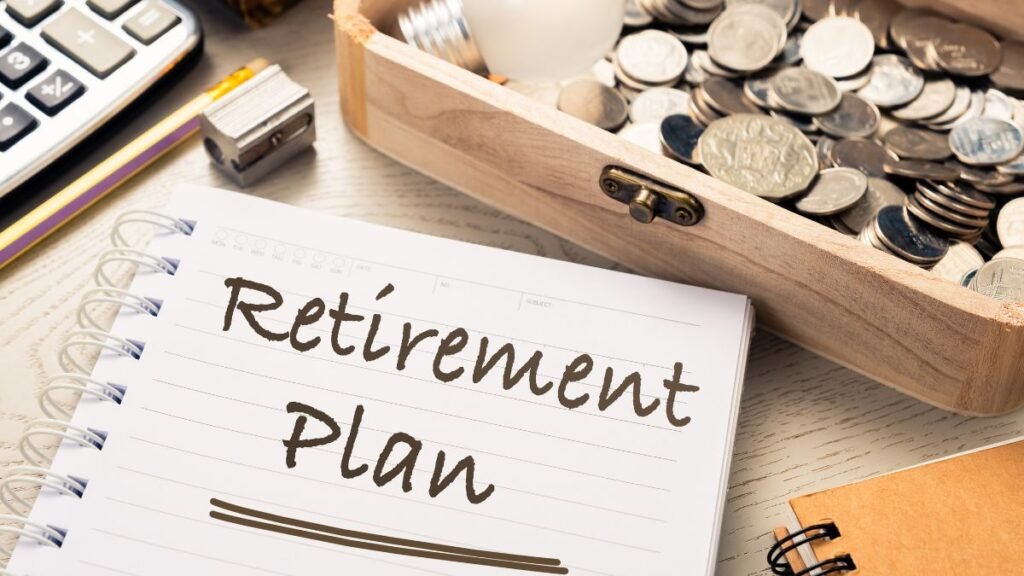
Daniel had created retirement budgets before reducing his hours. Those budgets were based on estimates.
Phased retirement produced real numbers.
He learned how much he spent when he had more weekday freedom. He found that groceries fell because he cooked more. Travel spending rose because short trips became easier. Medical costs became more important each year.
He also discovered expenses that had little connection to work:
• Property taxes
• Home insurance
• Major repairs
• Family support
• Vehicle replacement
• Dental care
• Travel to see relatives
During the second year, Daniel directed part of each paycheck into savings and tried to live on the amount his retirement plan could provide.
This was more useful than asking whether he could survive on a certain percentage of his old salary. Retirement spending does not fall in one smooth line.
Some costs decline. Others rise. Large bills arrive in uneven years.
Daniel’s budget test included three figures:
- Basic monthly spending
- Comfortable monthly spending
- One year of irregular expenses
The final figure protected him from building a plan that worked only when the roof, car, teeth, and family all behaved perfectly.
10. His Final Workday Felt Smaller Than He Expected
Daniel once pictured his final day as a sharp dividing line between two lives.
By the third year, most of the separation had already happened. His coworkers owned the projects. His calendar contained fewer meetings. His home routine no longer depended on weekends.
The final day still mattered. It simply did not carry the full emotional weight of leaving a career in one afternoon.
That was a benefit.
Daniel did not leave with a desk full of unfinished work. He did not wake the next morning with an empty week. He had already tested both the practical and personal sides of retirement.
Research has long described bridge jobs as work that comes after a main career position and before full retirement. One Center for Retirement Research study found that about two thirds of workers making a transition from full time career employment used a bridge job.
A reduced role with the same employer can serve a similar purpose. It creates a bridge between career life and full retirement.
Daniel still marked his final day. He met former coworkers for lunch and wrote down what the career had given him.
A quieter exit did not make the work less meaningful.
11. The Plan Helped, but Daniel Never Fully Controlled It

Phased retirement can look neat on paper. Real life may ignore the schedule.
An employer can reorganize. A manager can leave. A reduced role can disappear. Health problems or caregiving duties can force a worker to stop sooner than planned.
Formal phased retirement programs also remain limited. The GAO reported that employers may face concerns about pension rules, discrimination laws, benefits, and deciding which employees can participate.
That means many workers depend on a personal agreement that may change with business needs.
Daniel protected himself by keeping two plans:
Plan A: Reduce work over three years.
Plan B: Be financially and practically ready to leave within six months.
His backup plan included an emergency fund, a health coverage option, updated account information, and a list of unfinished personal tasks.
That preparation mattered because retirement dates often change. The gap between expected and actual retirement ages in EBRI’s research shows that workers cannot assume they will control the timing.
Some retirees later return to employment. AARP reported in February 2026 that 7 percent of surveyed retirees had returned to the labor force during the previous six months. Among that group, 48 percent named money as their main reason.
Phased retirement lowered Daniel’s risk. It did not remove uncertainty.
Is Phased Retirement a Good Fit?
A gradual exit may work well when an employee has useful skills, a flexible employer, and enough financial room to accept lower pay.
It may be less useful when the job is physically unsafe, emotionally harmful, or impossible to perform with reduced hours.
| Phased retirement may fit when | A faster exit may be safer when |
| The employer supports reduced hours | Work is damaging physical or mental health |
| Benefits remain affordable | Reduced hours remove essential health coverage |
| Duties can be divided clearly | The workload cannot be reduced |
| The worker wants more planning time | Caregiving needs require immediate availability |
| Savings improve with another working year | The position may soon be eliminated |
| Outside routines still need testing | Retirement income is already secure and life outside work is established |
No worker should remain in a harmful job merely to create a perfect three year transition.
The goal is not to stretch employment as long as possible. The goal is to create a safer change when doing so improves life.

I’m Austin Becker, an advocate for living life with intention and resilience. I write for men who are actively navigating life’s major transitions, tackling the realities of reinvention and finding renewed purpose with grit and honesty. I believe that personal growth doesn’t have a deadline it’s about continuously gearing up for the chapters that matter most.
Through my work, I aim to strip away the clichés of modern manhood, offering practical, no-nonsense insights on health, mindset, and legacy for those who want to move forward with strength and clarity.