

Nine years in the Philippines and let me be honest: returning to America isn't something I'm able to do. It's not a matter of won't. Can't.
That's a strange sentence to say out loud at 71, and until now I've never written it down. When I got on the plane in 2015 I wasn't immigrating anywhere. I came to put my toe in the water, see if I liked the temperature, and go home if I didn't. Then a year passed. Then three. Then nine.
So here's the honest version of what changed – the Social Security arithmetic, the credit history that quietly evaporated, the friends who moved or passed away, and the wife and neighbors and ordinary Tuesday nights that now make up my actual life. If you're weighing a permanent move overseas, or wondering whether you could still afford to come back, this is the part nobody tells you before you book the flight.
I'll show you the numbers I actually use and the traps I walked into, so you can test your own move before it stops being a test.
| Cost or factor | Back in the U.S. | In the Philippines |
|---|---|---|
| Monthly housing | About $1,500 for an average-city apartment; roughly $400 for a rented room | Rent covered inside one Social Security check |
| Car and insurance | An old beater plus liability coverage, bought from zero | No U.S. car to replace; local transport and a scooter in the budget |
| Credit check | One active card, decade-old history, likely rejected by landlords | Not part of daily life |
| Income | Media income dries up on departure | Media income continues while I stay |
| Social circle | Friends moved, passed away or lost touch | Wife, friends, birthdays, quiet nights at home |
| Civic status | Full citizen, full vote | No vote, no citizen rights |
Nine Years Later, the Boat Is Gone

I came here on a one-year trial, telling anyone who asked that I was just putting my toe in the water. I had no intention of immigrating permanently.
That year turned into three. Then three slid into nine, and somewhere in there I stopped being a visitor testing a country and became a man who lives in one. The odd part is that I never sat down and decided it.
Here's how a trial move turns permanent: it never announces itself. You extend a tourist visa six months because the rainy season is starting and you'd rather not move mid-storm. You sign a twelve-month lease because month-to-month costs more. You meet someone. You buy a decent mattress.
Each one is a small, sensible choice that a reasonable person would make. Stack nine years of them and you've got a life with roots in it, and pulling those roots out stops being a logistics problem and turns into a demolition.
The moment I realized it wasn't a lightning bolt. It was arithmetic, plus the slow recognition that my daily routine no longer had a slot in the country I came from.
People call that being stuck. From the inside, it feels more like the tide going out while you were busy doing something else.
⚠️ COMMON MISTAKE
The trial move that never ends
If you tell yourself the move is temporary, put a real decision date on the calendar – eighteen months out, written down. Without a date, the default outcome is that you stay, because staying is always the easier option this month.
My Social Security Goes Far Here

My Social Security lands at $2,233 a month after Medicare Part B comes out, and that number behaves completely differently depending on which side of the Pacific I spend it on.
Here it covers the rent, the groceries, the electric and water, gas for the scooter, a night out, my wife's needs, and a little left over for the rainy-day jar. Not luxury. But nothing is being deferred, and I'm not watching the calendar for the deposit to hit.
Now run the same check against an American city that isn't Manhattan or Beverly Hills. Average apartment rent runs around $1,400 to $1,600 a month – call it $1,500. Subtract that from $2,233 and you have $733 left before a car, car insurance, groceries, utilities, a phone, a haircut, or a single dinner out.
The supplemental income I earn from writing and recording is tied to where I live. It exists because I'm here, in this time zone, with this audience. Move me to Kansas and I'd bet heavily it dries up inside a year.
So the real comparison isn't $2,233 here versus $2,233 there. It's a full life here versus a rent payment and a prayer there.
Would the U.S. math survive my check?
Back Home, I'd Start From Zero
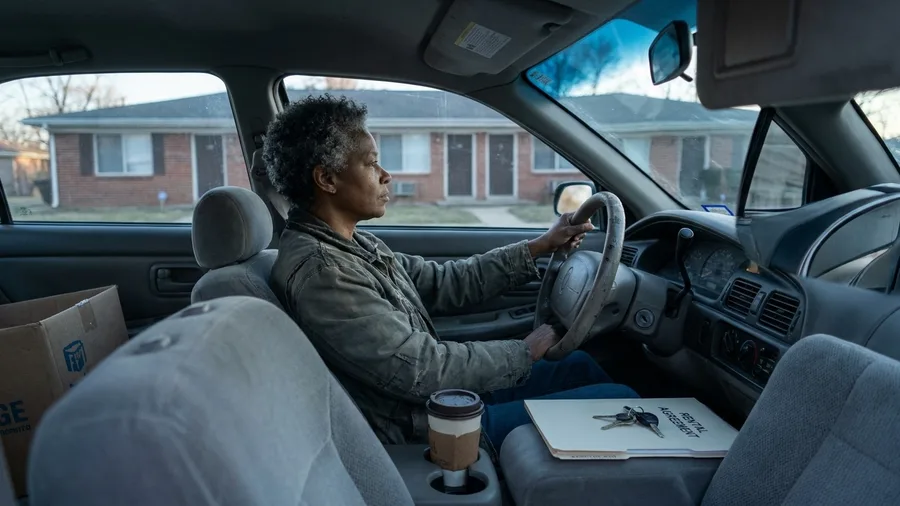
There's no condo waiting for me in the States and no car either, so a return would mean starting at ground zero on housing and transport.
I sold or let go of all of it. I've been gone almost a decade, which means the America I'd land in isn't the one I left.
The credit history is the part that surprised me. Credit doesn't sit patiently while you live abroad – it atrophies. I have one active card left, and I honestly don't know what a landlord's screening would make of it. At 71, I also know exactly how a hiring manager looks at a candidate who's been out of the country ten years.
Picture the practical sequence: apply for an apartment, get screened, get asked for a double deposit or declined outright. Buy a used car at whatever the market is charging, then insure it at rates I hear have climbed hard. None of that is impossible. All of it costs money I'd need before the first grocery run.
A $400 room and a beater with liability coverage is the fallback plan. I did that at 19 and it was an adventure. Doing it at 71, with no furniture, no deposit history and no local income, is just arithmetic with worse margins.
The same life, priced on two sides of the Pacific
Staying in the Philippines
- $2,233 covers rent, food, utilities and savings
- Supplemental income keeps flowing
- Wife, friends and a routine already in place
- No credit check, no car purchase, no deposits
Returning to the U.S.
- $1,500 rent leaves $733 for everything else
- Media income likely stops on departure
- Friends moved, passed or drifted away
- Rental screening and a car from zero at 71
The Cheap Room Comes With No Friends
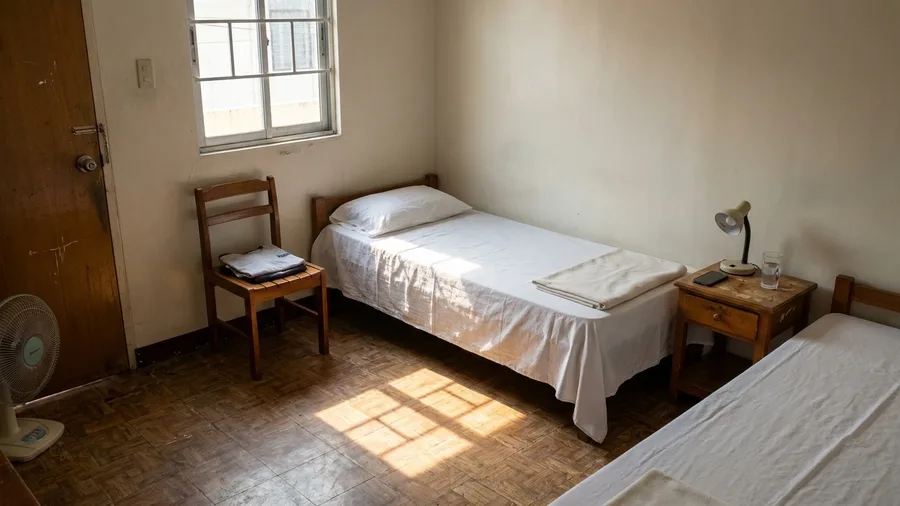
Say I found that $400 room in a walkable town and made the money work. I'd still be sitting in it alone on a Saturday night, because the people I knew in America have moved away, passed away, or drifted out of touch over nine years.
Nobody hands you back your social life at customs. There's no slot with your name on it that you pull into and resume as usual. That slot closed the day the plane took off, and I filled the years since with people who are now nine years deep in my life on this side of the ocean.
When I was 19 and broke, half a dozen friends were in the same leaky boat, and we were all too young to notice how thin the floor was. That shared poverty is real social glue. It doesn't come back at 71 – everybody my age is settled, and nobody's looking for a roommate to split a pizza with.
Cheap housing buys you a roof. It doesn't buy you a birthday party to go to.
💡 PRO TIP
Test the social side, not the rent
Before you commit to a permanent move, spend one full month in the target city doing nothing touristy – join a club, volunteer, attend a regular class. The rent is easy to research online. Whether anyone saves you a seat is not.
My Real Life Is Here With My Wife

What I'd actually be giving up isn't a budget line – it's my wife, our friends, the birthday parties, the gatherings, and the ordinary nights when we do absolutely nothing and veg out on the couch like a couple of potatoes.
I savor those evenings as much as the loud ones. That's the part a spreadsheet cannot price. Back in America on a thin budget, I doubt I could even afford a bowling league, let alone the gas to get to it.
This is where expat planning usually goes wrong. People compare rent in Manila to rent in Ohio and call it a decision. The daily texture – who you eat dinner with, who notices when you've been sick – is what makes a place livable, and it doesn't transfer with your luggage.
So if you're planning a permanent move, budget the social life explicitly. A club membership, a regular class, a standing weekly dinner. Do it in month one, not year five, because the days you're buying are mostly quiet ones, and a quiet day with people beats a quiet day without them every time.
Other Expats Are Quietly in the Same Boat

I doubt I'm the only one. Plenty of long-term guys over here are in exactly this position, and most of us have never said it out loud. Me included, until now.
Why the silence? Pride plays a part. So does family back home who'd worry, and the fear of looking like a failed experiment. Nobody wants to be the guy who moved to paradise and then had to explain why it wasn't one. It's easier to post a photo of the beach than to admit you're doing the math on a rented room in Ohio.
I want to be careful here, though. This is my read on the people around me, not a survey. Some expats here have pensions that would buy a house in Florida and a return ticket whenever they want. The ones who feel the trap closing are usually the ones whose income is fixed, modest and tied to staying put. That's the quiet club I'm talking about.
So if you know an expat, ask them the question nobody asks: what happens if you get sick? You'll learn more in five minutes than in five years of Facebook posts. And if you're the expat, answer it honestly, even just to yourself. That one question tells you whether the boat is still there or already gone.
🌱 GROWING TIP
Build the safety net first
Whatever country you land in, keep enough cash for a return flight and three months of U.S. living costs in an account you can reach from abroad. That single buffer turns a trap into a choice.
I'm Making My Stand in the Philippines

At 71, I ask myself a blunt question: how many future years do I actually have, and do I want to spend them fighting for a foothold in a country that no longer has a slot for me? The answer, for me, is no. So I'm making my stand here in the Philippines.
That's not a dramatic gesture, and it isn't giving up either. It's a decision to spend the remaining time where my money works, where my people are and where the days are good rather than exhausting. Back home, on $2,233 a month after Medicare Part B, I'd be renting a $400 room and driving a beater. Here, that same money covers rent, groceries, utilities, gas, a night out, my wife's needs and a bit of savings.
What it does require is maintenance. I keep the budget tight, I save what I can each month, I stay active and I pay attention to health coverage and paperwork instead of assuming it'll sort itself out. Making a stand in one place means making it livable, not just declaring it.
If you're deciding the same thing, the move is to write down what your remaining years cost in each place, and then pick the one you can still afford when you're older and less mobile than you are today. That's the whole test, honestly. Not which place looks better on a postcard – which one still works when you're 80.
A Man Without a Country

You can't fully belong in both places at once – I've learned that the hard way. I can't vote in the Philippines. I don't have the rights and privileges of a citizen, and I don't get to help decide the things that affect my neighborhood. That's the legal side of belonging, and it doesn't budge just because you've lived somewhere nine years.
Emotionally I'm split. I love America. I'm proud to be an American. And yet there's nothing left in America that I could call home to return to. I love the Philippines, and I don't fully fit here either – I'm the guy who showed up one day, and to some people I'll always be that.
Keep those two things separate when you plan: emotional belonging and legal standing. Belonging is what makes a place feel like home. Legal standing is what decides whether you can stay, work, vote or be treated when you can't. They don't arrive together, and one never delivers the other.
So plan for both. Build the friendships and the routines that make a place feel like yours, and separately, know exactly what your visa and your passport let you do and what they don't. If you're unsure what you're entitled to where you live, ask an immigration lawyer once, early. It's cheaper than finding out during an emergency.
The Visa Is Its Own Retirement Decision
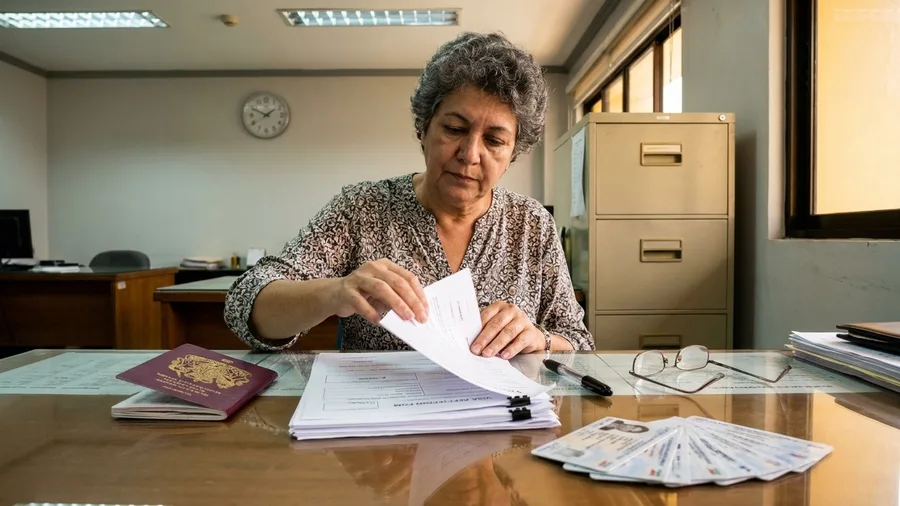
Your visa isn't a footnote to the move – it's the piece that decides whether the move is permanent at all. Get it wrong, or treat it as an afterthought, and the whole retirement is really just a long visit.
The two routes most long-stay retirees research in the Philippines are the Special Resident Retiree's Visa and long-term tourist extensions, and they are very different animals. The SRRV is a retirement visa with age, deposit and income requirements set by the Philippine Retirement Authority. Tourist extensions are granted by the Bureau of Immigration in increments, with fees each time.
Both sets of rules change, so check the official sites directly rather than trusting a forum post from 2019 – including anything you read here. Then put the cost in the monthly budget, not in a vague someday fund. Annual fees, renewal trips, required deposits that sit locked up and can't pay your rent – all of it is a line item.
The mistake that wrecks people is treating a tourist stamp as a permanent plan. Overstays get found, and the fix is expensive and unpleasant. So here's your next action: if you can't name the visa you're on and the date it expires, you don't have a plan yet. Write both down today.
Plan for the Day You Can't Live Alone

Start with what Medicare actually covers outside the U.S., because the answer is narrower than most people assume – and it's the number that decides whether aging here is affordable or not.
Then price the alternatives. Private Philippine health insurance often has age caps and medical questionnaires, so ask whether they'll even accept you in your seventies. Get quotes for long-term care and in-home caregivers. Get a real number for returning to the U.S. for treatment, including flights and temporary housing.
Name the person who makes decisions if you're incapacitated, and make sure they can get on a plane quickly. A medical power of attorney and a will that work across two countries are worth the lawyer's fee. Do all of this before the crisis, when you're still sharp enough to read the paperwork.
The emergency fund and the documents live in the same folder, and everyone who needs them knows where it is. So do it this month, while it's hypothetical. Because it won't stay hypothetical forever, and the people you love will be grateful you did it.
🧭 A two-country plan you can build this month
Run both budgets
Price a full month in the target country and a full month back home, using real listings for rent, car and insurance.
Pin down the visa
Confirm the exact long-stay route, its current age, deposit and income rules, and the annual cost of keeping it.
Check health cover
Ask what Medicare pays abroad, whether local insurers accept you, and what long-term care would cost in both places.
Build the return fund
Set aside a return flight plus three months of U.S. living costs in an account you can reach from overseas.
Test the social side
Spend a month doing ordinary life in the target town – a club, a class, a weekly dinner – before you commit to staying.
Set a review date
Pick a date each year to rerun the numbers and ask whether the plan still works at your current age and health.
Frequently Asked Questions
Can I live comfortably in the Philippines on $2,200 a month?
In many places, yes – that covers rent, groceries, utilities, local transport, a night out and some savings, especially outside Metro Manila. The catch is that the figure works because your costs are local, so test the budget with real listings in the specific city you're considering rather than a national average.
What visa do I need to retire in the Philippines?
Most long-stay retirees look at the Special Resident Retiree's Visa or repeated tourist extensions. Each has its own age, deposit, income and renewal rules, and those rules change, so confirm the current requirements with the Philippine Retirement Authority and the Bureau of Immigration before you budget a single peso for it.
Does Medicare cover me abroad?
Generally no, with narrow exceptions, so do not assume your U.S. coverage travels with you. Price private local insurance early, because older applicants often face age limits and medical screening, and keep a plan for returning to the U.S. for major treatment if that is what you'd choose.
Can I move back to the U.S. after ten years abroad?
You can return as a citizen, but rebuilding the practical side costs money and time. Expect rental screening to be hard on a thin credit file, a car and insurance to be bought from zero, and deposits to come due before your first paycheck. Keep a return fund so the option stays real.
Will my credit score survive years overseas?
It can fade, because accounts close and activity stops. Keep at least one card open and used in a small, automatic way, and check your report annually from abroad. That one habit makes a future landlord or lender conversation much easier.
How much money should I keep in the U.S. if I retire abroad?
A practical floor is a return flight plus three months of U.S. living costs, held somewhere you can access from overseas. That buffer is what separates a permanent move you chose from one you can no longer reverse.
Which Country Still Works When You're 80?
Here's the question I'd put to anyone planning a permanent move abroad: not which place is cheaper this year, but which one still works when you're older, slower and less able to pick up and start again. It's why retirees keep landing on Uruguay, a country most people skip past when they run the usual list.
So run the two-country budget with real numbers, confirm your visa and your health cover in writing, and keep a return path alive with money you can actually reach. Then decide – and decide on purpose, with a date attached, instead of letting nine years make the choice for you.
I made my stand in the Philippines. You get to make yours, and you get to make it while you can still see straight.

Hello there! I’m Jesse Joe, the author and editor behind SolganGenius. I’m thrilled you’ve stopped by, and I can’t wait to share with you the essence of what this platform is all about.
I’m a writer, social media enthusiast, and a firm believer in the power of words. I’ve always been fascinated by how a simple phrase or slogan can capture an emotion, convey a message, and even change perspectives. Learn More