
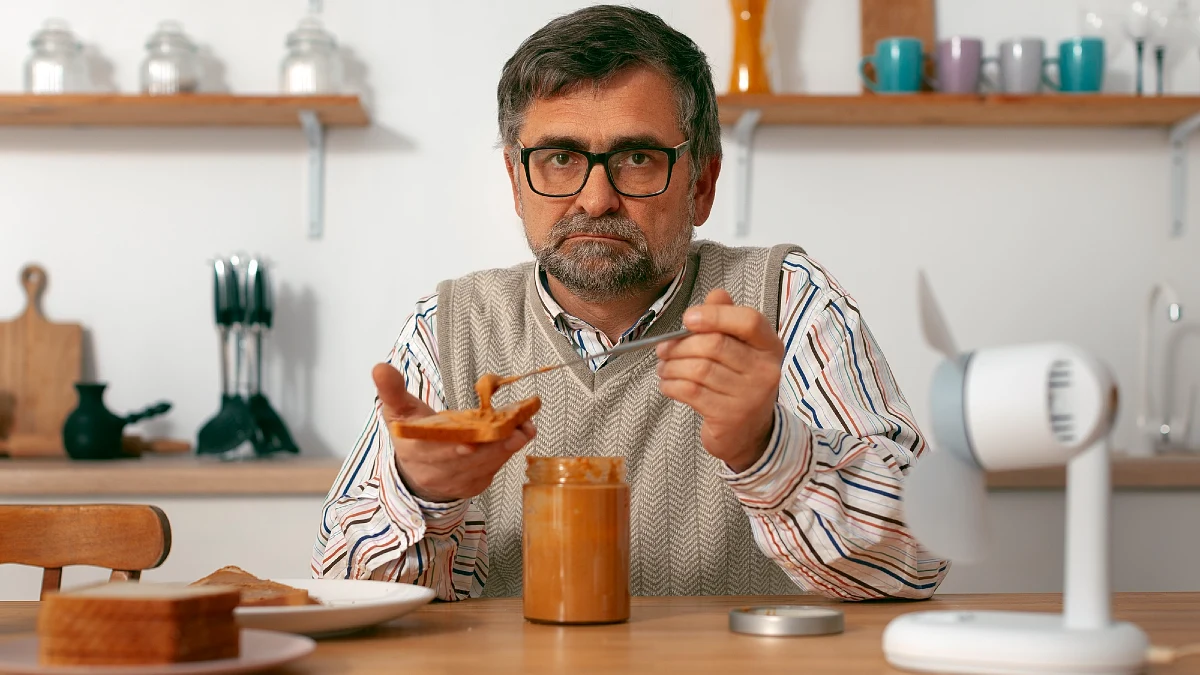
At 66, Robert expected retirement to change his life. He did not expect to lose the person with whom he had planned to spend it.
After his wife died, grief was only part of the problem. The house was silent. Meals felt pointless. Bills had unfamiliar names on them. Friends cared, but eventually returned to their own routines. Robert had to figure out starting over after losing a spouse while still missing the life he wanted back.
What he learned was surprisingly practical. Starting over was less about one brave decision and more about rebuilding ordinary life, one piece at a time.
1. Grief Does Not Follow the Schedule Other People Expect

One of Robert’s first lessons was that grief did not move in a straight line.
There were days when he could talk about his wife and smile. Then a song in a grocery store or an old coffee mug could leave him struggling for the rest of the afternoon.
That did not mean he was moving backward.
The National Institute on Aging explains that people may experience sadness, anger, guilt, confusion, and other emotions after a loved one dies. It also stresses that people grieve differently. There is no single correct way to respond to a spouse’s death.
Robert slowly stopped judging every difficult day.
He also stopped treating better days as proof that grief was over. Feeling good on Tuesday did not create an obligation to feel good on Wednesday.
That distinction matters when you are starting over after losing a spouse.
Progress may look much smaller than people expect. It can mean making dinner instead of skipping it. It can mean answering a friend’s call. It can mean getting through an anniversary that you had been dreading.
Some days, progress is simply getting through the day without demanding that it feel meaningful.
2. The Quiet House Can Become One of the Hardest Adjustments

Robert expected to miss conversations with his wife.
He did not expect to miss the sound of another person opening a cabinet.
The empty side of the bed was difficult, but so were smaller things. Nobody asked what he wanted for dinner. Nobody walked into the room while he watched television. Nobody commented on the weather from the kitchen.
Research suggests that this reaction is common.
A 2025 systematic review examined 26 longitudinal studies of widowhood. Researchers found that loneliness often peaked soon after a spouse’s death. The studies also suggested that widowers can experience greater loneliness and social isolation than widows, although individual experiences varied greatly.
That helped Robert recognize an important difference.
Being alone was a fact. Feeling lonely was an experience.
He could not immediately change the first one. He could influence the second.
So he began giving empty parts of the day some structure.
Morning meant coffee and a walk. Wednesday meant lunch with a friend. Sunday afternoon became his grocery day. He kept the radio on while making dinner because silence felt heavier in the evening.
None of those things replaced his wife.
They simply made the house easier to live in.
| Difficult Time | What Robert Added | Why It Helped |
|---|---|---|
| Early morning | Coffee and a short walk | Gave the day a starting point |
| Dinner | One planned meal | Reduced skipped meals |
| Evenings | Phone call, book, or television | Reduced long empty stretches |
| Weekends | One activity outside home | Created something to expect |
| Sunday | Grocery shopping and weekly planning | Restored basic structure |
3. Learning Everyday Skills Gave Him Back His Independence

Marriage often creates an invisible division of labor.
One person remembers birthdays. One handles insurance. One cooks more often. One schedules repairs. One knows which detergent to buy without thinking about it.
Robert discovered how much his wife had quietly managed.
At first, even basic tasks made him feel incompetent.
He did not know how long certain foods stayed fresh. He struggled to remember family birthdays. He had never used several settings on the washing machine. There were household accounts he barely knew existed.
His mistake was thinking he should already know everything.
Eventually, he treated each problem as a skill instead of a personal failure.
He learned three simple dinners well enough to make them without instructions. He put recurring payments and appointments on one calendar. He created a list of trusted plumbers, electricians, doctors, and family contacts.
Competence returned surprisingly fast once embarrassment stopped getting in the way.
A useful starting routine can be very simple.
| Task | Simple System |
| Meals | Plan three easy dinners before shopping |
| Bills | Review accounts once each week |
| Medication | Use one consistent daily routine |
| Cleaning | Assign small tasks to certain days |
| Appointments | Keep everything on one calendar |
| Home repairs | Maintain a list of trusted contacts |
You do not need to become excellent at every job your spouse once handled.
You only need a reliable way to get it done.
4. Money Needs Attention Before Major Decisions Do

Grief can create an urge to change everything.
Robert considered selling his house partly because walking through it hurt. He also wanted to simplify his accounts as quickly as possible.
He eventually realized that there were two separate problems.
Some financial matters needed prompt attention. Major lifestyle decisions usually did not need to happen immediately.
Social Security is one important example.
According to the Social Security Administration, eligible surviving spouses can generally claim survivor benefits beginning at age 60, or age 50 in certain disability cases. Survivor payments may range from 71.5 percent to 100 percent of the deceased spouse’s benefit depending on when benefits begin. Survivor full retirement age falls between 66 and 67.
The rules matter because claiming at a different age can change the monthly amount.
SSA also reported that about 3.52 million nondisabled widow and widower beneficiaries were receiving benefits in December 2025. Among beneficiaries age 66, the average monthly widow or widower benefit was about $1,833.
That average is not what every surviving spouse will receive. Individual benefits depend on each person’s record and circumstances.
Robert’s financial checklist became much broader than Social Security.
He needed to review:
- Bank and investment accounts
- Pension information
- Social Security
- Life insurance
- Health coverage
- Property ownership
- Credit cards
- Automatic payments
- Beneficiary designations
- Tax records
- Estate documents
- Household expenses
The bigger lesson was restraint.
A newly widowed person may have to make urgent administrative decisions. That does not mean every investment, house, car, or lifestyle decision has to be made during the same emotional period.
When a decision can safely wait, waiting can be valuable.
5. Friendship Has to Become Something He Does on Purpose

Robert had plenty of people who cared about him.
That did not automatically give him a social life.
When his wife was alive, many friendships happened through the couple. Dinner invitations were for both of them. Weekend plans came naturally. His wife maintained several friendships that connected Robert to other people.
Widowhood changed those patterns.
Some friends did not know whether he wanted to be invited to events that were mostly couples. Others worried that calling too often might bother him.
The result could easily have become isolation even though nobody intended it.
The National Institute on Aging warns that social isolation and loneliness can affect the physical, mental, cognitive, and emotional health of older adults.
Robert learned to stop waiting for every invitation.
He began asking an old friend to lunch. He attended a community event alone. He said yes when his neighbor invited him for coffee, even when staying home seemed easier.
This mattered because older widowers may face particular social challenges. Research involving older men has found that some have restricted personal networks after widowhood, which can increase the risk of loneliness and isolation.
Building connections did not require becoming extremely social.
Robert’s rule became simpler.
Have one reason to leave the house and one person to speak with regularly.
From there, the social part of life could grow naturally.
6. Taking Care of the Body Is Part of Starting Over

Grief lives in daily routines as much as it lives in thoughts.
Robert sometimes stayed awake too late. He ate crackers instead of dinner because cooking for one seemed unnecessary. Exercise disappeared because there was nowhere he felt he needed to go.
Individually, those choices seemed small.
Together, they made difficult days harder.
So he stopped trying to create the perfect health routine. He focused on basics.
He ate at regular times. He walked most days. He kept medical appointments on the calendar. He put medication where it was difficult to forget.
He also became more willing to tell his doctor when sleep or grief was becoming difficult to manage.
This does not mean ordinary grief should be treated as an illness.
The National Institute on Aging notes that grief is a normal response to loss and that everyone experiences it differently. It also suggests that support from loved ones, support groups, or professionals can help some people cope.
There is no prize for handling everything alone.
If grief is making it difficult to eat, sleep, manage medication, leave the house, or complete basic daily tasks for an extended period, bringing that up with a health professional can be a practical next step.
7. The Home Does Not Have to Become a Museum
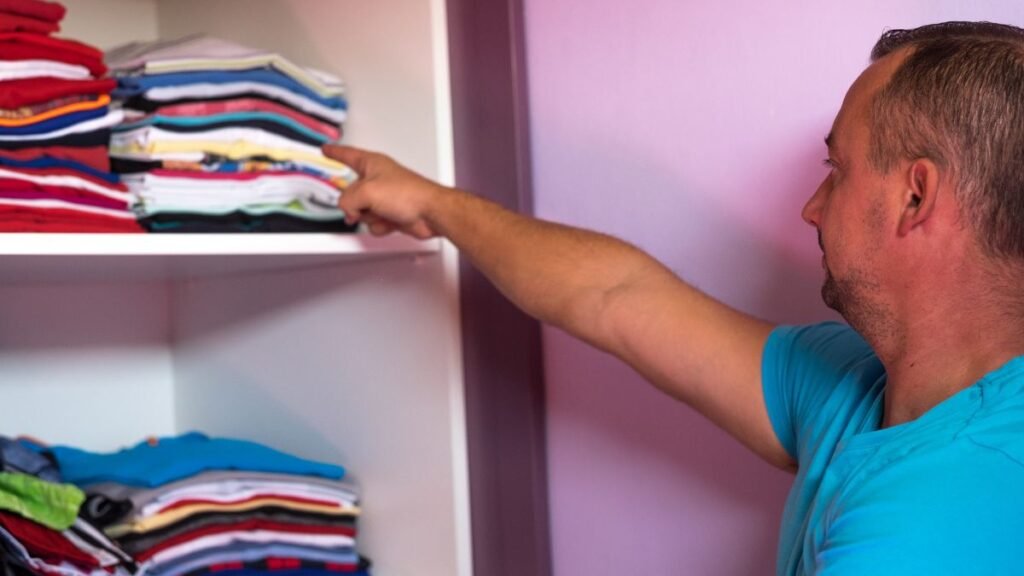
For months, Robert left many of his wife’s things exactly where they had been.
Her coat remained in the closet.
Her favorite mug stayed in its usual place.
Moving anything felt strangely serious, as if changing the house meant accepting something he still did not want to accept.
Eventually he realized that there were two bad extremes.
One was clearing everything away before he was ready.
The other was believing that nothing could ever change.
Neither felt right.
Robert started with objects that had little emotional meaning. Expired items disappeared first. Then duplicate kitchen tools. Later, he dealt with clothing and more personal possessions.
Important objects stayed.
A few photographs remained in the rooms where he naturally saw them. Some sentimental items went to family members who valued them. Others were stored until he felt ready to decide.
The house slowly became a place where memory and present life could exist together.
That is an important lesson about life after losing a spouse.
You are allowed to keep things.
You are also allowed to move the chair, repaint the room, replace the mattress, use the empty closet, or turn a spare area into a place for something you enjoy.
Changing a room does not erase a marriage.
Your home still has to serve the person living there.
8. Saying Yes to Something New Is Not a Betrayal

The first time Robert genuinely enjoyed himself after his wife’s death, he felt guilty afterward.
That surprised him.
For a few hours, he had laughed with friends and almost forgotten how sad he had been. When he came home, that brief happiness felt wrong.
Eventually, he recognized the trap.
If sadness proved love, then feeling better could seem like loving his wife less.
But those things were never opposites.
He started permitting himself small new experiences.
He tried a restaurant his wife had never visited. He took a short trip with his brother. He returned to an old hobby. He accepted invitations without asking whether his former life would have included them.
Some widowers eventually consider dating.
Others have no interest in it.
Neither choice proves anything about how deeply someone loved a spouse.
There is no universal date when a widower is supposed to seek another relationship. There is also no requirement that he ever does.
Starting over can mean romance.
It can also mean friendship, travel, grandchildren, volunteering, faith, hobbies, family, work, or simply becoming comfortable with one’s own company.
The important change is allowing a future to exist.
9. A New Identity Takes Longer Than a New Routine

Robert could learn to cook faster than he could answer one question.
Who was he now?
For decades he had been someone’s husband.
Their plans were shared. Their friends overlapped. Their house reflected two people. Even simple language reinforced the partnership.
“We should go.”
“We need to call.”
“We always spend Christmas there.”
After losing his wife, Robert was not simply missing another person. He was also losing part of the structure he had used to describe himself.
That is one reason practical routines alone cannot solve everything.
Eventually, he began adding other identities back into his life.
He was a father.
A grandfather.
A brother.
A friend.
A retired professional with knowledge younger people still wanted.
A neighbor who could help someone repair a fence.
A man who enjoyed fishing more than he remembered.
None of those identities replaced “husband.”
They made his sense of self larger.
This became one of the most important parts of rebuilding life after widowhood. Robert did not need to invent a completely different man.
He needed to rediscover parts of himself that marriage, work, caregiving, and routine had pushed into the background.
10. Starting Over Means Making Room for Grief and Joy

For a long time, Robert thought starting over would happen on a particular day.
Perhaps he would wake up and feel ready.
That day never arrived.
Instead, dozens of ordinary things changed first.
He learned what to buy at the grocery store. He found someone to call on Saturday afternoons. He handled paperwork that once intimidated him. He changed one room. He took a trip. He laughed without immediately feeling guilty.
His grief did not disappear.
His life simply became bigger than his grief again.
That distinction changed everything.
Starting over did not require closing a door on his wife. It required opening a few doors that remained in front of him.
A Simple 30 Day Starting Over Plan
| Time | Focus | One Useful Action |
| Week 1 | Daily stability | Set regular meal and sleep times |
| Week 2 | Practical control | Review bills, accounts, and appointments |
| Week 3 | Connection | Make two social plans |
| Week 4 | Future | Choose one activity to try next month |
| Day 30 | Review | Keep what helped and drop what did not |
This plan is intentionally small.
A grieving person does not need a dramatic reinvention. He needs enough structure to make tomorrow easier than it would otherwise be.
Starting Over After Losing a Spouse Does Not Mean Leaving Them Behind
At 66, Robert learned that there was no clean line separating his old life from his new one.
His wife remained part of his memories, family, habits, photographs, stories, and choices. Starting over did not require him to pretend those decades had ended without leaving a mark.
What changed was his willingness to live alongside the loss.
For anyone starting over after losing a spouse, the first step does not have to be brave or dramatic. Cook one proper meal. Call one person. Review one account. Take one walk. Make one plan for next week.
A new life is rarely built all at once.
Most of the time, it begins with an ordinary Tuesday that is slightly better organized than the Tuesday before.
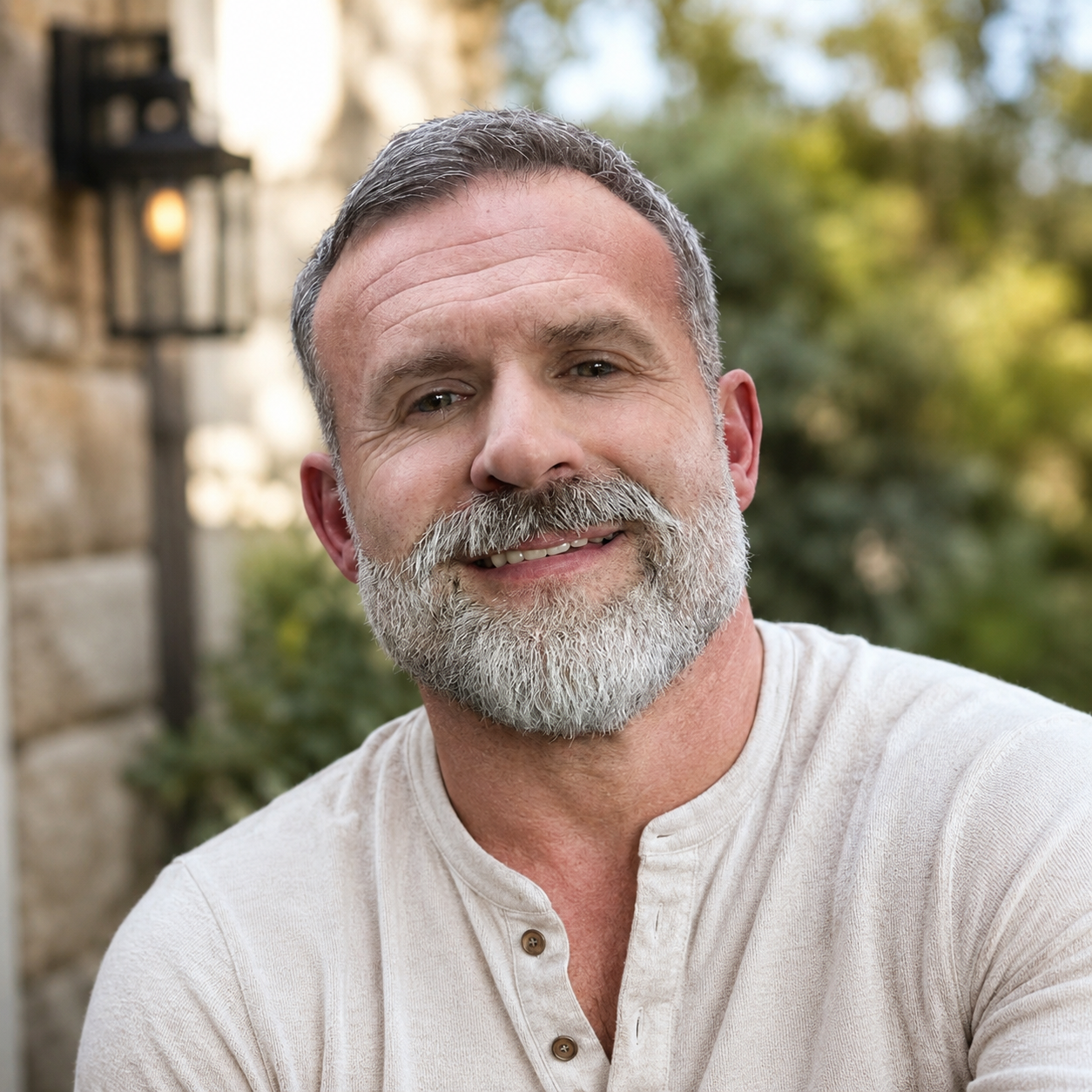
I’m Austin Becker, an advocate for living life with intention and resilience. I write for men who are actively navigating life’s major transitions, tackling the realities of reinvention and finding renewed purpose with grit and honesty. I believe that personal growth doesn’t have a deadline it’s about continuously gearing up for the chapters that matter most.
Through my work, I aim to strip away the clichés of modern manhood, offering practical, no-nonsense insights on health, mindset, and legacy for those who want to move forward with strength and clarity.