

Your retirement budget can look perfect on a screen and still fail in real life.
The usual spreadsheet includes housing, food, health insurance, gas, and entertainment. The totals fit the expected Social Security checks and retirement withdrawals. That should mean the plan works.
Daniel reviewed 52 publicly shared retirement budget examples and planning case studies. He found the same basic problem again and again.
People were careful with monthly bills, but they often buried large or irregular costs inside a tiny miscellaneous category.
What Daniel Checked Across 52 Retirement Budgets

Daniel sorted each budget into four groups.
The first group contained normal monthly bills. These included groceries, electricity, phone service, and insurance premiums.
The second group contained annual bills. Property taxes, vehicle registration, memberships, and holiday gifts belonged here.
The third group contained replacement costs. Cars, roofs, appliances, heating systems, and furniture were common examples.
The last group contained uncertain future costs. These included major medical bills, family support, home care, and assisted living.
The first group usually received the most attention. The other three caused most of the trouble.
That pattern matches the reason official spending surveys collect more than simple monthly bills. The BLS Consumer Expenditure Survey covers a wide range of income and spending categories, while its public data files contain protected responses from individual consumer units.
EBRI also surveyed 3,661 people ages 62 to 75 about spending during retirement. That larger study offers a broader national check, while Daniel’s 52 budget review works as an editorial look at the mistakes people describe in their own plans.
The headline says these ten items sink everyone. They do not hit every household at the same level. The danger comes from leaving several of them out at once.
1. Why Housing Costs Stay After the Mortgage Ends

Paying off a mortgage is a major win. It does not make the house free.
Property tax continues. Home insurance continues. Utilities continue. Association fees may continue. Lawn care, pest control, snow removal, security, and basic upkeep may also remain.
The BLS table for older consumer units found that 78 percent were homeowners. About 54 percent owned without a mortgage, yet housing was still the largest spending category. Average housing spending was $21,825 per year.
That amount included an average of $2,814 for property taxes and $4,395 for utilities, fuels, and public services. These are population means, so your own numbers may be much higher or lower.
The budget fix: Stop using one broad housing number.
Create separate lines for:
- Property tax
- Home insurance
- Utilities
- Association fees
- Routine yard and household care
- Major repairs and replacements
Use the latest annual bill for property tax and insurance. Divide each amount by 12. Do the same with any yearly association or service bills.
This creates a more honest monthly cost. It also shows which bill is rising instead of hiding the increase inside housing.
Renters need the same care. Rent can increase, and retirement may last for decades. A renter should test the budget at several rent levels rather than assuming the current payment will remain fixed.
2. What Medicare Still Leaves You to Pay

Medicare is valuable, but it is not free health care.
The standard Medicare Part B premium is $202.90 per month in 2026. The annual Part B deductible is $283. Original Medicare generally leaves the patient responsible for 20 percent of the approved cost for many covered services after the deductible.
Those numbers do not include every other health expense.
You may also pay for:
- A Part D drug plan
- A Medicare supplement
- A Medicare Advantage premium
- Copayments and coinsurance
- Dental treatment
- Hearing care
- Vision care
- Medicine
- Medical equipment
- Services outside your plan’s network
The 2026 Part D annual spending threshold is $2,100 for covered prescription drugs. That protection is helpful, but premiums and many other health costs still remain.
Fidelity estimated that a person retiring at age 65 in 2025 could need $172,500 for health and medical expenses over retirement. Its estimate assumed Medicare coverage and excluded long term care.
EBRI’s 2026 work also showed how wide the range can be. A couple with average Medigap premiums may need $267,000 to have a 50 percent chance of covering retirement medical costs, or $405,000 for a 90 percent chance. These estimates also exclude long term care.
The budget fix: Replace one medical line with at least three.
- Insurance premiums: Part B, drug coverage, supplements, or other plan premiums.
- Normal health spending: Copayments, medicine, dental cleanings, glasses, and hearing care.
- Health reserve: Larger bills that do not occur every month.
Do not copy your working years’ medical spending without checking what your employer currently pays. That support may disappear when you retire.
3. Why a Paid Off Car Still Needs a Monthly Budget

A car payment ending feels like a permanent drop in spending.
It usually is not.
The car will still need insurance, fuel, repairs, tires, registration, and maintenance. It will also need to be replaced one day.
Older consumer units in the BLS table spent an average of $9,317 per year on transportation. That included $3,449 for vehicle purchases, $1,466 for vehicle insurance, and $816 for maintenance and repairs.
These averages do not tell you what your next car will cost. They do show why a zero dollar vehicle replacement line is risky.
The budget fix: Create a replacement reserve while the current car is still running.
Use this simple method:
- Estimate when the car may need replacement.
- Price the type of vehicle you would realistically buy.
- Subtract the amount you expect from selling or trading the current car.
- Divide the remaining cost by the number of months before replacement.
For example, a future net cost of $24,000 spread across 96 months requires a $250 monthly reserve.
That money is not wasted if the car lasts longer. It gives you cash for repairs or lets you delay the next loan.
Couples should also decide whether retirement will still require two cars. Moving to one vehicle can save money, but it may reduce freedom if public transportation is poor.
4. How Taxes Create a Surprise Retirement Bill

A retirement account balance is not the same as spendable cash.
Money withdrawn from a traditional IRA or workplace retirement plan is generally taxable as income. Required minimum distributions usually begin in the year the account owner reaches age 73.
Social Security may also be taxable. The IRS looks at half of your Social Security benefits plus other income, including tax exempt interest, when deciding whether part of the benefit is taxable.
Taxes can cause another surprise through Medicare.
In 2026, Medicare generally uses income reported on the 2024 tax return to set income related premiums. The standard Part B premium is $202.90 per month, but it can rise as high as $689.90 for people in the top income range.
A large retirement account withdrawal may therefore affect both the tax bill and a later Medicare premium.
The budget fix: Build the plan from gross income.
If you need $5,000 each month for spending, do not assume a $5,000 withdrawal will cover it. Part of that withdrawal may belong to federal or state taxes.
Add separate budget lines for:
- Federal income tax
- State income tax, when applicable
- Estimated tax payments
- Possible Medicare income adjustments
The IRS Tax Withholding Estimator can help with an early estimate. A tax professional can also review withdrawals, required distributions, charitable giving, and possible Roth conversions.
The right plan is not always the one with the lowest tax this year. It is the one that manages taxes across many years.
5. How to Fund Repairs Before the Roof Starts Leaking
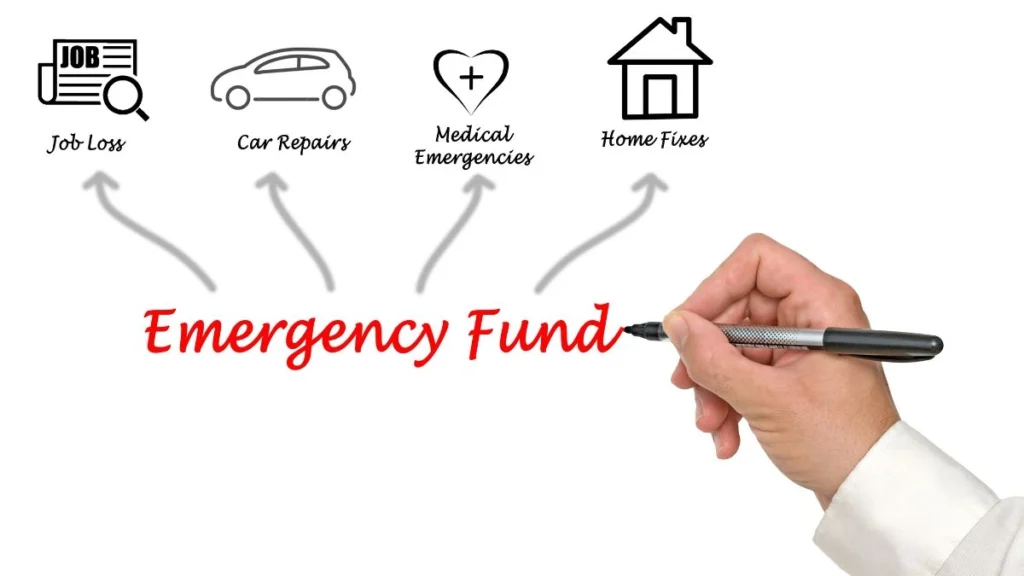
Home repairs are difficult because they do not arrive on schedule.
You may spend very little for two years. Then the roof, water heater, and refrigerator can demand money within the same season.
The BLS older household table reported an average of $3,503 for maintenance, repairs, insurance, and other owned home costs. Household furnishings and equipment added another $2,069.
Your house may need less. An older house with aging systems may need far more.
Accessibility can add another layer. A safer bathroom, easier door handles, better lighting, railings, grab bars, and smoother flooring may help you stay at home longer.
The budget fix: Make a home asset list.
Write down the age and likely replacement period for:
- Roof
- Heating and cooling system
- Water heater
- Refrigerator
- Washer and dryer
- Flooring
- Windows
- Exterior paint
- Driveway
- Plumbing and electrical systems
Get local prices for the largest items. Online national averages can be misleading because labor and material costs vary by area.
Then create a monthly home replacement reserve. Keep it separate from routine maintenance so a plumbing visit does not consume money meant for the roof.
6. How Family Help Becomes a Permanent Expense

Helping family can be one of the best uses of retirement money.
It can also become an open expense with no limit.
The request may begin with a grandchild’s school cost, an adult child’s rent, a relative’s medical bill, or regular gifts. Each payment feels temporary. Together, they can become a permanent monthly transfer.
BLS reported average cash contributions of $3,145 per year for older consumer units. This broad category includes gifts, support, and charitable giving. It does not mean every older household gave that amount to relatives.
The budget fix: Decide what generosity can safely cost before the request arrives.
Create separate yearly amounts for:
- Family support
- Gifts and holidays
- Charitable giving
- Grandchildren
- Emergency help
A clear amount does not make you uncaring. It protects you from becoming financially dependent on the same relatives later.
It also helps to decide which requests count as gifts and which count as loans. A loan should have written terms. When repayment is doubtful, treating the money as a gift creates a more honest budget.
Never count expected repayment as money needed for basic living costs.
7. Why Travel and Dining Need Real Trip Numbers
“Travel and fun” is too vague for a useful retirement budget.
One trip contains airfare, fuel, lodging, meals, local transportation, tickets, tips, insurance, and pet care. A few restaurant meals each week can add another steady cost.
Older consumer units in the BLS table averaged $2,715 for food away from home. Other lodging averaged $1,354, while entertainment averaged $2,963.
Those are national population means. A retired couple planning cruises or long international visits may spend far more.
The budget fix: Price the life you actually plan to live.
List each expected trip for the next year. Give it a full cost. Add short visits, family events, weekend breaks, and holiday travel.
Then build a separate dining estimate based on frequency.
For example:
- Weekly restaurant meal
- Monthly dinner with friends
- Coffee or lunch after activities
- Holiday and birthday meals
Travel often changes through retirement. Some households spend more in the first active years and less later. Medical or family travel may then replace vacation travel.
That means one fixed travel amount may not fit every decade. Build an active retirement budget and a later retirement budget instead.
8. Why Pets Need Their Own Health Care Fund

Pet food is easy to predict. Veterinary care is not.
A retirement pet budget may also include medicine, grooming, dental care, boarding, training, litter, insurance, and emergency treatment.
BLS reported average pet spending of $762 for older consumer units. That number includes households that did not own a pet, so it should not be treated as the average cost for an actual pet owner.
The budget fix: Use your own pet records.
Review the last full year of spending. Separate it into:
- Food and supplies
- Normal veterinary care
- Medicine
- Grooming
- Boarding or pet sitting
- Emergency reserve
A younger animal may be cheap today and more expensive later. A senior pet may already need regular medicine or testing.
Pet insurance may help with some large bills, but policies have premiums, limits, exclusions, and deductibles. Read the terms before counting on full payment.
The emotional side matters too. Decide how much emergency treatment the budget could support before a crisis forces a rushed choice.
9. How Small Monthly Charges Drain the Budget

Small automatic charges rarely destroy a retirement plan by themselves.
The problem is the number of them.
A household may pay for mobile service, internet, television, streaming, cloud storage, software, home security, fitness apps, news, clubs, roadside help, and delivery memberships.
BLS reported average annual spending of $1,205 for telephone services among older consumer units. Audio and visual equipment and services added $1,023.
Some of these services are useful. A phone, security system, medical alert service, or video subscription can support safety and social connection.
The budget fix: Audit without cutting blindly.
Print three months of credit card and bank statements. Circle every repeating charge.
Mark each service as:
- Essential
- Used often
- Rarely used
- Duplicate
- Unknown
Cancel the unknown and duplicate charges first. Then compare the cost of bundles with separate plans.
Repeat the review once a year. Companies change prices, and free trials often become permanent charges.
Keep a small technology replacement line as well. Phones, computers, routers, and televisions eventually need repair or replacement.
10. Why Long Term Care Cannot Sit Under Miscellaneous

Long term care is too large to hide under “medical” or “other.”
It includes help with bathing, dressing, eating, medication, movement, and other daily needs. Care may happen at home, in an assisted living community, or in a nursing home.
Medicare covers limited skilled nursing care under specific rules. In 2026, covered skilled nursing facility care can still require $217 per day for days 21 through 100. The patient pays all costs after day 100.
That is different from ongoing personal care.
CareScout’s 2025 survey found these national median costs:
- Nonmedical home care at 44 hours per week: $80,080 per year
- Assisted living: $74,400 per year
- Shared nursing home room: $114,975 per year
- Private nursing home room: $129,575 per year
CareScout collected more than 25,000 provider rates. Actual costs vary by location, hours, care level, and provider availability.
This line item is frightening because many households cannot save enough to pay several years of care in cash. Leaving it blank does not solve that problem.
The budget fix: Choose a funding strategy.
Possible sources may include:
- Personal savings
- Home equity
- Long term care insurance
- A life insurance policy with care benefits
- Family caregiving
- Medicaid after meeting eligibility rules
- A mix of paid and unpaid care
Each choice has limits. Family care may reduce cash costs but can affect a caregiver’s work, health, and income. Insurance may be costly or unavailable. Home equity depends on the property and local market.
Start by checking local costs through the CareScout tool. Then discuss where care would happen, who might provide it, and which assets could be used.
A written plan is more useful than a hopeful zero.

I’m Austin Becker, an advocate for living life with intention and resilience. I write for men who are actively navigating life’s major transitions, tackling the realities of reinvention and finding renewed purpose with grit and honesty. I believe that personal growth doesn’t have a deadline it’s about continuously gearing up for the chapters that matter most.
Through my work, I aim to strip away the clichés of modern manhood, offering practical, no-nonsense insights on health, mindset, and legacy for those who want to move forward with strength and clarity.