
Retirement can feel like one long Saturday. At first, that sounds wonderful. Then you wake up and realize you have no idea what to do with the next twelve hours.
Work once gave your week a clear shape. It provided goals, conversations, deadlines, and reasons to leave the house. When that structure disappears, even people who looked forward to retirement can feel bored or unsettled.
The answer is not to fill every hour. It is to create a healthy mix of movement, rest, friendship, curiosity, and purpose.
15 Fun Things to Do When You Retire at Home

Home based retirement activities can be relaxing without feeling dull. They also work well when the weather is poor, travel is difficult, or you want to protect your budget.
The goal is to turn home into a place where interesting things happen.
1. Create a Weekly Theme Day

Give one day of the week a simple theme. You might have Movie Monday, Try Something Tuesday, or Family Friday.
A theme removes the pressure to invent a new plan every morning. Keep it flexible so it feels fun rather than like another work schedule.
2. Start a Personal Reading Challenge

Choose a goal that fits your pace. You could read one book each month, explore a new author, or work through ten classic novels.
Your public library may offer free digital books and audiobooks through Libby. The app lets library members borrow available ebooks, magazines, and audiobooks from their library’s collection.
3. Cook One Family Recipe Each Week

Bring back meals you remember from childhood or learn dishes connected to your family history.
Write down the recipe as you work. Add notes about the person who made it, when it was served, and what made it special.
Over time, you will create a family cookbook that carries more meaning than a folder of printed recipes.
4. Organize Your Family Photos
Start with one box or one digital folder. Remove duplicates, add names, and place the pictures in rough date order.
Do not try to finish every photo in one weekend. Work for thirty minutes at a time.
You can later turn the best pictures into a printed album, wall gallery, or slideshow for a family gathering.
5. Grow a Small Herb Garden
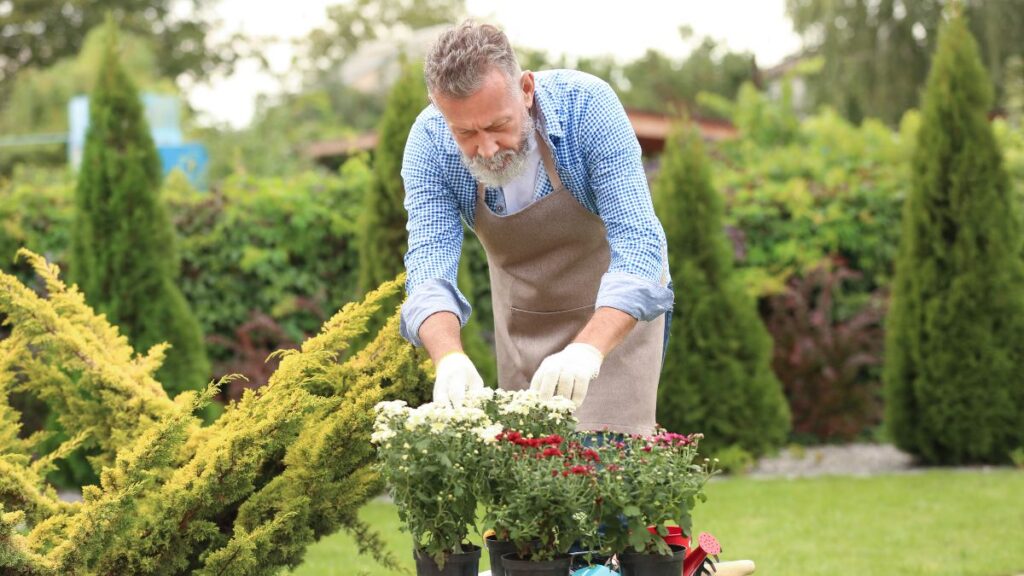
You do not need a large yard. Basil, mint, parsley, and chives can grow in pots near a bright window or on a balcony.
Begin with two herbs you already use. Growing ten plants that you never cook with can turn a pleasant hobby into extra work.
6. Host an Afternoon Movie Club
Invite a few friends to watch an older film, documentary, comedy, or foreign movie.
Take turns choosing the film. Serve coffee, popcorn, or a simple lunch.
An afternoon event often feels easier than an evening gathering, especially for people who prefer not to drive after dark.
7. Keep a Puzzle Table Ready

Set aside a small table for a jigsaw puzzle. Add a few pieces whenever you walk past it.
Choose a design that makes you want to stop and look. Landscapes, old maps, famous art, and family photo puzzles can hold your attention longer than a random image.
8. Refresh One Corner of Your Home
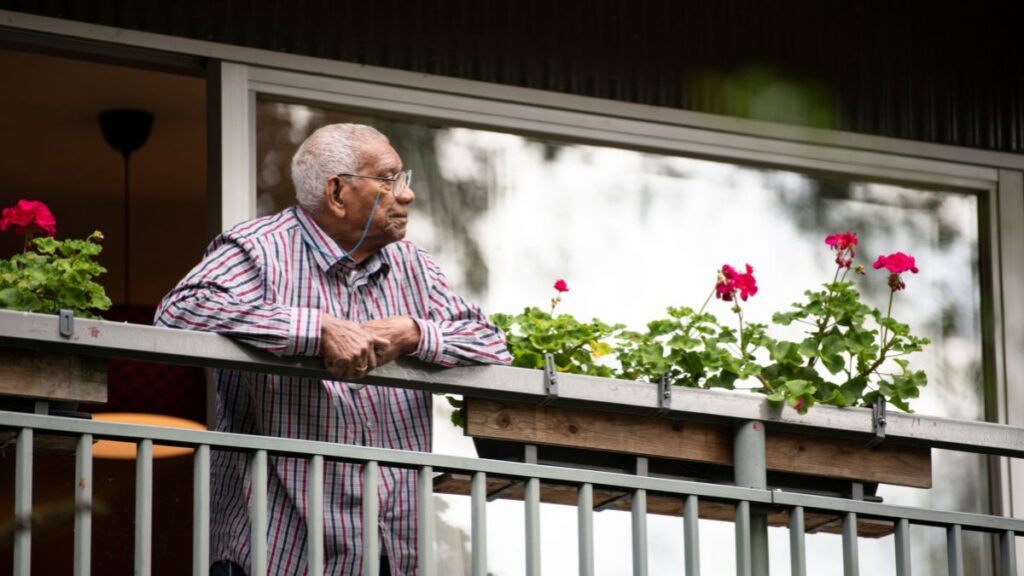
Choose a reading chair, entry table, balcony, or unused corner. Make it useful for the life you have now.
You might improve the lighting, add a comfortable chair, remove clutter, or create storage for a new hobby.
Keep the first project small. A full home renovation can become expensive and tiring very quickly.
9. Write Short Stories From Your Life
You do not have to write a full memoir. Start with one memory at a time.
Write about your first job, a favorite teacher, a difficult move, a family holiday, or the day you met someone important.
Focus on details that younger relatives may never have heard. Ten short stories can preserve more family history than a list of dates.
10. Watch Birds From Your Window
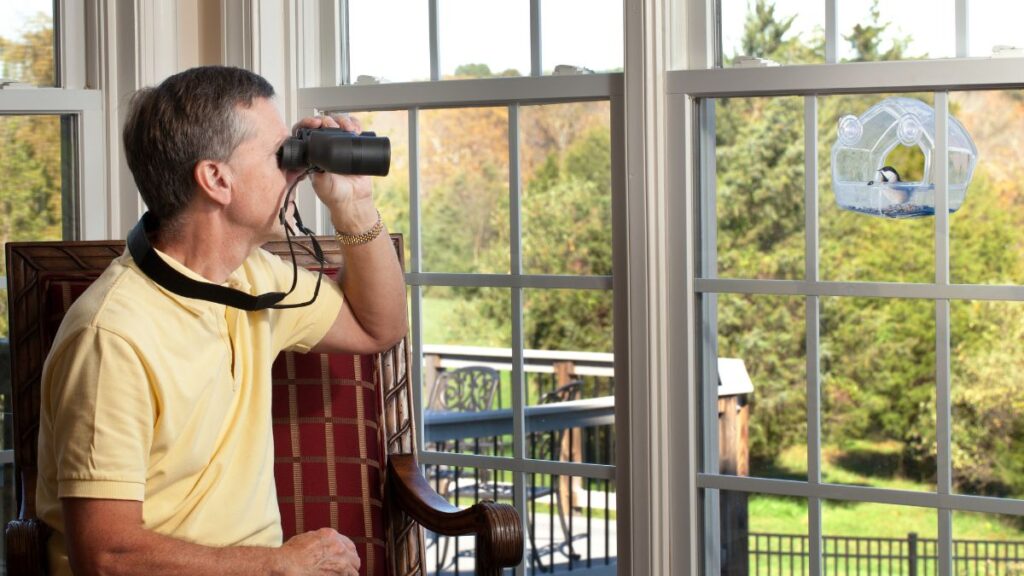
Place a chair near a window and keep a small notebook nearby. Record the birds you see, their colors, and when they appear.
Cornell Lab’s Merlin Bird ID app can help identify birds by sound or appearance. Treat the result as a helpful guide, since conditions and background noise can affect identification.
11. Build Playlists for Different Moods
Create playlists for cooking, cleaning, relaxing, walking, or hosting friends.
You can also make a playlist for each decade of your life. Ask family members to add songs they remember hearing in your home.
Music can turn an ordinary afternoon into something you look forward to.
12. Try a Monthly Craft Project

Choose one clear project rather than buying a room full of supplies.
You could make greeting cards, paint flowerpots, crochet a scarf, arrange dried flowers, or create a seasonal wreath.
Borrow tools when possible. This lets you test the hobby before spending much money.
13. Bring Back Board Game Night
Invite family, neighbors, or friends for cards, dominoes, word games, or a familiar board game.
Choose games that can be learned quickly. A two hour explanation can drain the energy from the room before anyone starts playing.
Rotate hosts so one person does not carry all the work.
14. Make Gifts Instead of Buying Them

Homemade gifts can give your creative time a useful goal.
Consider a knitted scarf, framed family recipe, painted flowerpot, homemade jam, photo album, or recorded collection of family stories.
Start early and make only a few. Turning every holiday into a production line can remove the pleasure.
15. Create a Retirement Fun Jar
Write simple activities on small pieces of paper. Place them in a jar and choose one whenever the day feels empty.
Include ideas such as:
- Call an old friend
- Bake something new
- Visit a local park
- Watch a classic comedy
- Clear one drawer
- Take photographs around the neighborhood
Keep most ideas easy and affordable. The jar works best when you can act on the suggestion that day.
15 Ways to Stay Active Without Making Exercise Feel Like Work

Movement does not need to happen in a gym. Walking through a market, tending a garden, dancing, swimming, and playing with a dog can all make your day more active.
The National Institute on Aging notes that older adults can benefit from aerobic activity, muscle strengthening, and balance work. Household tasks and enjoyable daily activities can count as movement.
The CDC also describes physical activity as an important part of healthy aging. It reports that only one in four American adults fully meets both aerobic and strength activity guidelines.
Speak with your health professional before beginning a demanding activity if you have chest pain, serious joint trouble, breathing problems, dizziness, or a recent injury.
16. Walk a Different Route Each Week
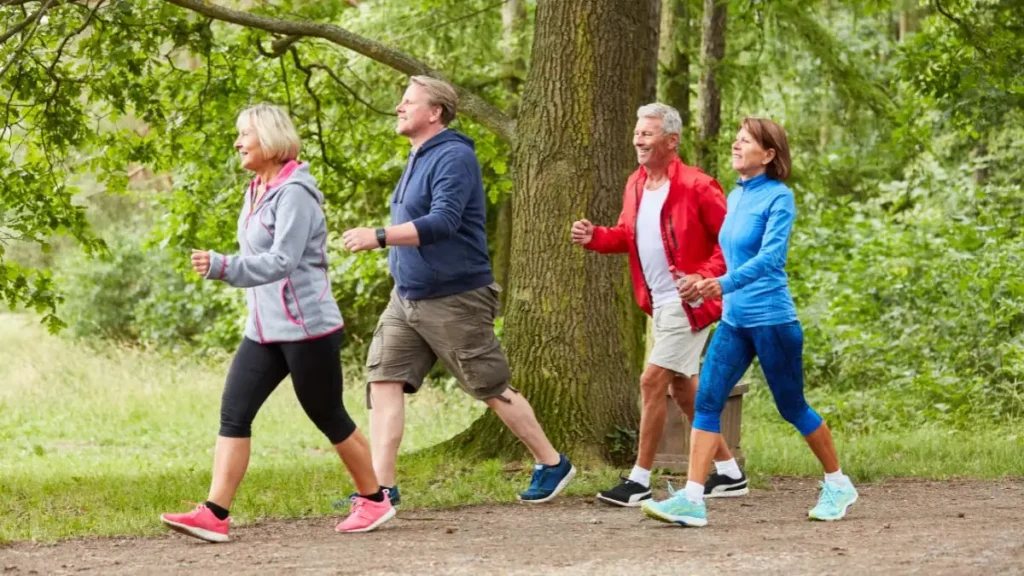
A new route makes walking feel more like exploring.
Try a nearby park, shopping street, public garden, school track, or quiet neighborhood. Invite someone along when you want company.
Choose a flat and familiar route first if balance or endurance is a concern.
17. Dance in Your Living Room
Choose three songs and move until they finish. There is no class fee, travel time, or audience.
You can follow a beginner dance video or move in any way that feels comfortable.
Hold a stable chair when needed. Clear rugs, cords, and small furniture from the area before you begin.
18. Join a Water Exercise Class
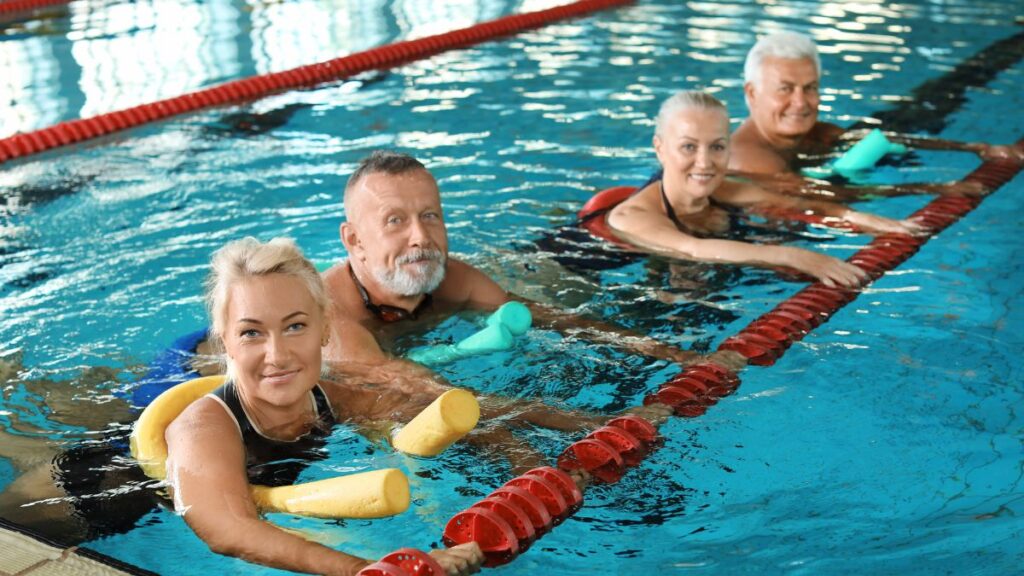
Water supports the body while still providing resistance. Many community pools offer gentle classes for older adults.
Visit the pool before paying for a course. Check the water temperature, changing area, steps, handrails, and noise level.
A class can be useful for both movement and regular social contact.
19. Turn Gardening Into Your Outdoor Routine
Watering, planting, pruning, and carrying small tools can keep you moving without making the day feel like a workout.
Use raised beds or tall containers if kneeling is uncomfortable. Keep heavy supplies close to where you use them.
Work during cooler hours and stop before fatigue affects your balance.
20. Try Beginner Pickleball

Pickleball can offer movement, skill practice, and conversation in one activity.
Look for a beginner session rather than joining an experienced group. Learn the basic rules and practice short games first.
The quick direction changes may not suit everyone. Walking tennis, table tennis, or shuffleboard can be gentler choices.
21. Practice Tai Chi
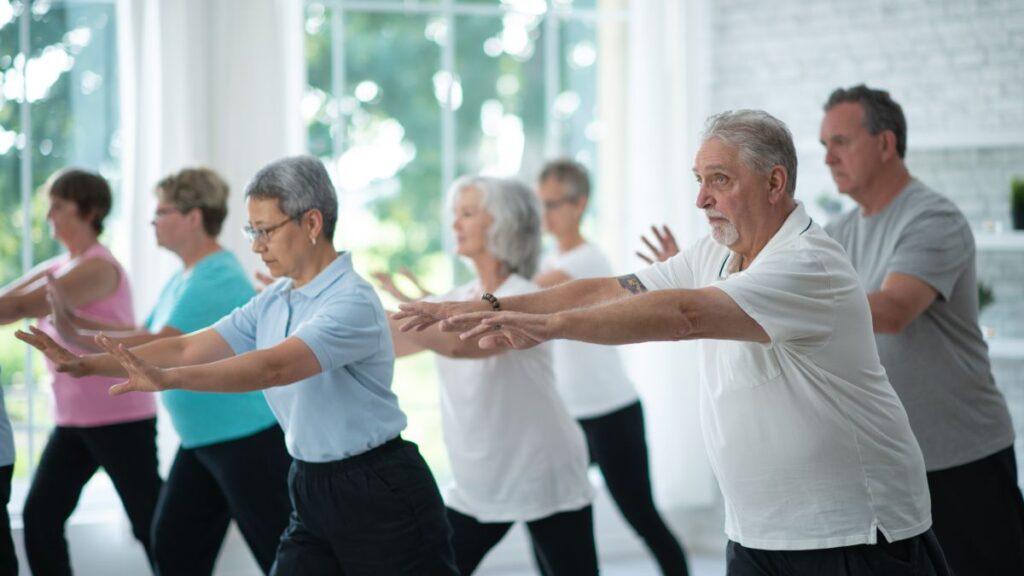
Tai chi uses slow and controlled movements. It can fit into a small room, community class, or outdoor group.
A trained instructor can show you how to adjust movements for your ability. Avoid copying difficult poses that strain your knees.
Ten calm minutes may feel more inviting than a long exercise session.
22. Ride a Bicycle or Electric Assist Bicycle
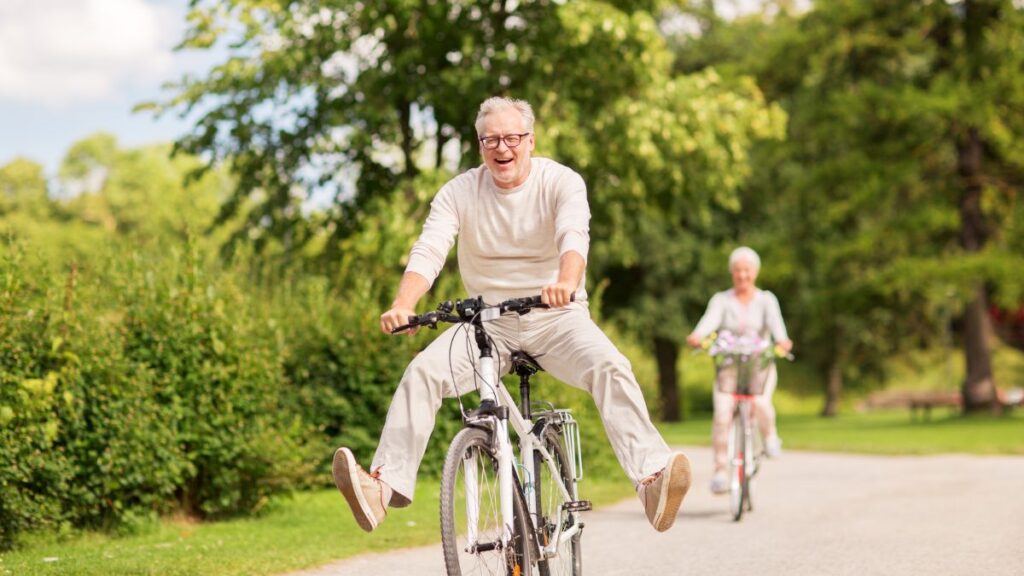
Cycling can help you explore more ground than walking while keeping the outing playful.
Practice in a quiet area before riding near traffic. Wear a helmet and choose routes with safe crossings.
An electric assist bicycle can make hills easier, but it is heavier than a standard bicycle. Test the weight before buying one.
23. Go Bowling With Friends
Bowling provides light movement, friendly competition, and a reason to meet regularly.
Use a lighter ball if your wrist or shoulder feels strained. Many bowling centers have ramps or other supports for players who need them.
Focus on the conversation rather than the score.
24. Visit a Driving Range

You do not have to play a full round of golf. A small bucket of balls can provide movement and skill practice without taking half the day.
Take a lesson if your back, shoulder, or grip feels uncomfortable. A coach can help you use a safer motion.
Stop when your form becomes tired or rushed.
25. Volunteer at a Local Event
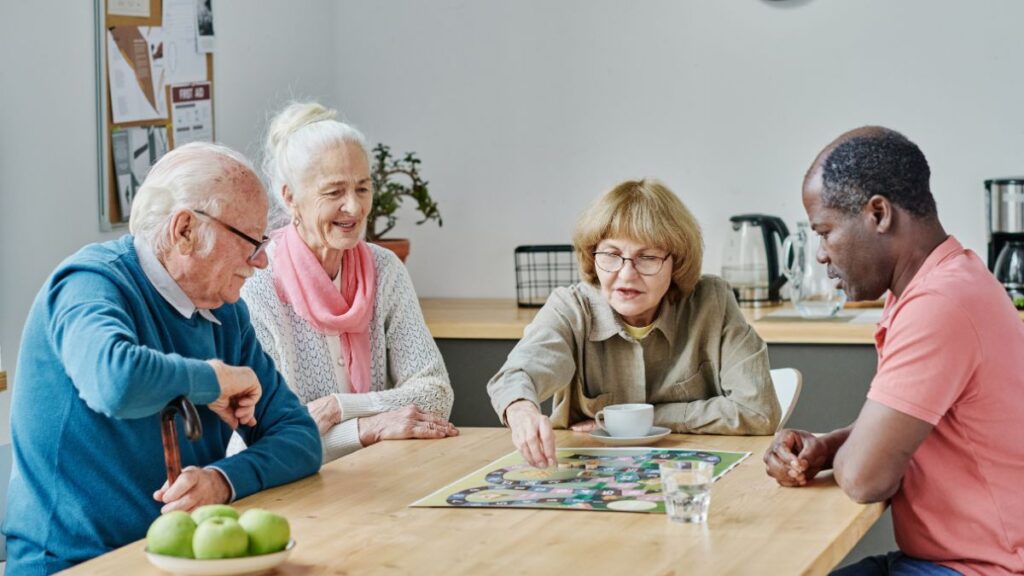
Charity walks, school games, festivals, and community races often need people to direct visitors, hand out supplies, or help with registration.
Choose a role that matches your stamina. Ask if seating, shade, water, and breaks will be available.
You will move, meet people, and contribute at the same time.
26. Take Nature Photography Walks
A camera gives your walk a purpose.
Choose one subject for the day, such as doors, trees, birds, clouds, or flowers. You can use a phone rather than buying new equipment.
Pause often and stay aware of uneven ground while looking at the screen.
27. Walk a Dog

Your own dog can add regular structure to the day. You could also help a neighbor who works long hours.
Another choice is volunteering with an animal shelter that needs dog walkers.
Ask about the dog’s size, behavior, and leash habits before agreeing. A strong or excitable dog may create a fall risk.
28. Swim at a Comfortable Pace
Swimming can make exercise feel calm and private. You can swim slow laps, walk through shallow water, or use a kickboard.
Choose a pool with safe entry steps and staff nearby.
Start with a short session. Water can hide how tired you are until you climb out.
29. Build a Simple Strength Routine

Use a stable chair, light resistance band, or small hand weights.
A basic routine might include sitting and standing from a chair, wall push movements, heel raises, and band rows.
Good form matters more than heavy weight. A qualified instructor or physical therapist can help adapt movements to your needs.
30. Make Errands More Active
Park a little farther from the entrance when the area is safe. Walk through every aisle of the store or carry one light bag at a time.
You could also walk to the mailbox, use stairs when comfortable, or stand during phone calls.
Small choices add movement without requiring a separate workout appointment.
15 Ways to Learn, Create, and Try Something New
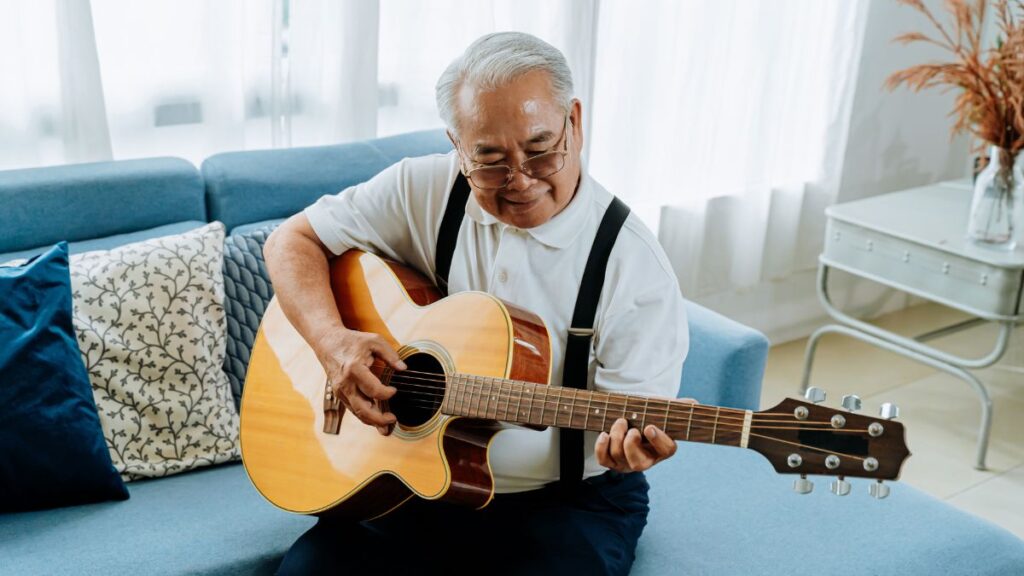
Learning after retirement does not require grades, exams, or career goals. You can study something simply because it interests you.
Osher Lifelong Learning Institute programs are designed for adults who want educational, cultural, and social activities.
George Mason University’s OLLI currently offers adults age 50 and older more than 500 classes and events each year, both in person and online. Programs vary by location.
31. Learn to Play an Instrument
Choose an instrument that fits your home, hands, and budget.
A ukulele, keyboard, harmonica, or hand drum may feel less demanding than a large instrument. Rent or borrow one before buying.
Practice for ten minutes at the same time each day. Regular short sessions are easier to maintain than rare long ones.
32. Study a New Language

Pick a language connected to a place, person, book, or culture you care about.
Combine an app or workbook with real conversation. Libraries, cultural groups, and community colleges may offer language clubs.
Aim to learn useful phrases first. Ordering food or greeting someone can feel more rewarding than memorizing a long grammar chart.
33. Take a Community College Class
Look for classes in history, technology, cooking, photography, writing, or personal finance.
Ask whether older residents can audit courses or receive reduced tuition. Rules vary by school and location.
Choose one class for your first term. Several weekly courses can make retirement feel crowded again.
34. Join a Lifelong Learning Program

Search for an Osher institute, senior learning center, library lecture series, or university program near you.
These programs can provide classes without the pressure of earning a degree.
Select a topic outside your old career. Retirement is a chance to be a beginner again.
35. Complete an Online Course
Online courses can be useful when travel is difficult or the subject is not taught nearby.
Choose a course with a clear finish point. A short course is easier to complete than a large open library of videos.
Schedule a regular study hour so the course does not disappear beneath daily chores.
36. Take a Beginner Painting Class

You do not need natural talent to enjoy mixing color and making marks.
A guided class can help you begin without buying every tool in the art store. Ask which supplies are truly required.
Keep your first paintings. Seeing improvement can become part of the pleasure.
37. Try Pottery or Clay Work
Pottery provides a physical and creative experience. You can build small pieces by hand before using a wheel.
Take a single workshop to see how your hands and joints respond.
Remember that studio fees, firing costs, and materials can add up. Ask for the full cost before joining a longer course.
38. Learn Better Photography

Begin with the camera you already own.
Practice light, framing, distance, and timing before buying lenses or other equipment. Give yourself a weekly assignment, such as portraits, shadows, or street scenes.
Print your favorite photograph each month instead of leaving every image on your phone.
39. Repair or Refinish Something Old
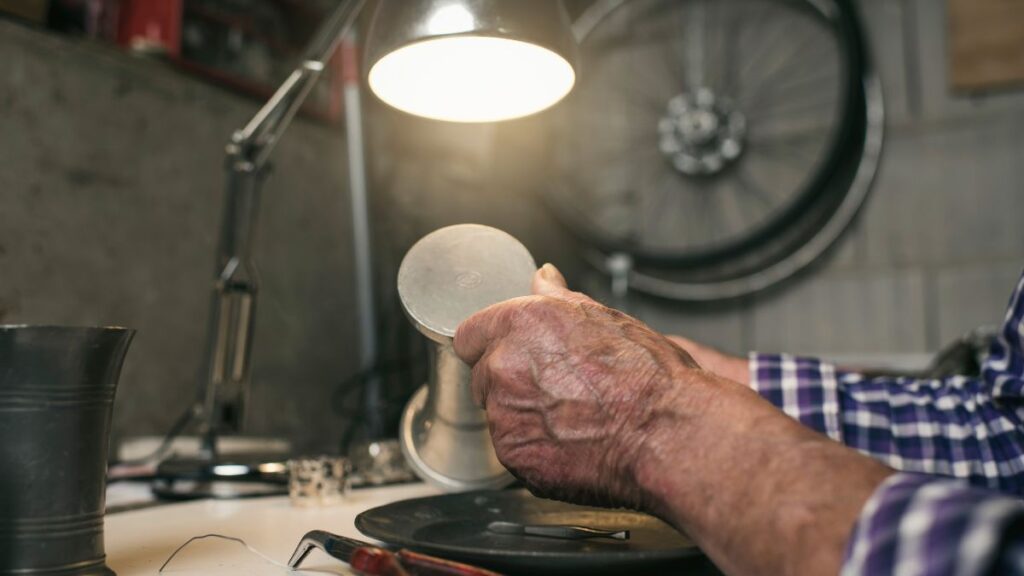
Start with a small stool, picture frame, lamp, or wooden box.
Learn how the item was made before taking it apart. Wear proper eye and breathing protection when sanding or using strong products.
The goal is to learn, not to turn your garage into a crowded furniture warehouse.
40. Master One Signature Dessert
Choose a cake, pie, bread, cookie, or pudding you would enjoy serving.
Make it several times and change only one thing during each attempt. This helps you learn what improves the result.
Invite friends to taste the final version. A new skill becomes more enjoyable when it creates a reason to gather.
41. Research Your Family History

Begin with living relatives before searching records.
Ask about names, places, jobs, schools, and family stories. Record interviews with permission.
Keep copies of documents in more than one location. Label each file while you still remember what it shows.
42. Write a Memoir in Small Pieces
A memoir does not need to cover your entire life.
Create chapters around homes, jobs, people, lessons, or turning points. Write one or two pages for each memory.
You can keep it private, print copies for family, or read selected stories at a gathering.
43. Start a Family Newsletter

Create a simple monthly email or printed page.
Include birthdays, family news, old photos, recipes, and a short memory. Ask younger relatives to contribute updates.
Keep private details private. Get permission before sharing photographs or personal news outside the family.
44. Learn Useful Technology Skills

Choose a skill that solves a real problem.
You might learn video calling, digital photo storage, password safety, online banking alerts, or how to spot common scams.
Ask your library, senior center, or community college about beginner classes. Take written notes in your own words.
45. Teach Something You Already Know
Your old work and life experience may be valuable to someone else.
Teach a workshop, create a short video, help a neighbor, or lead a small group. Possible topics include cooking, repairs, budgeting, sewing, gardening, and public speaking.
Start with one lesson. Teaching a full course may require more preparation than expected.
15 Ways to Make Retirement More Social and Meaningful
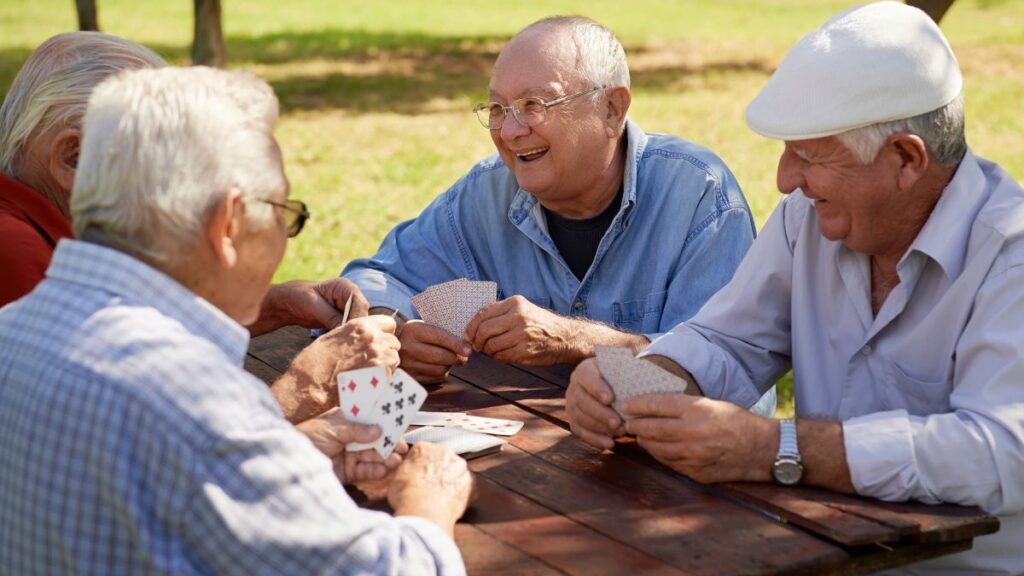
Leaving work may also mean losing casual daily conversations. You no longer see the same people in hallways, meetings, or lunchrooms.
That change can be easy to miss until several quiet weeks have passed. Boldin encourages retirees to create places to go, people to see, and reasons to maintain a schedule.
46. Create a Weekly Coffee Group
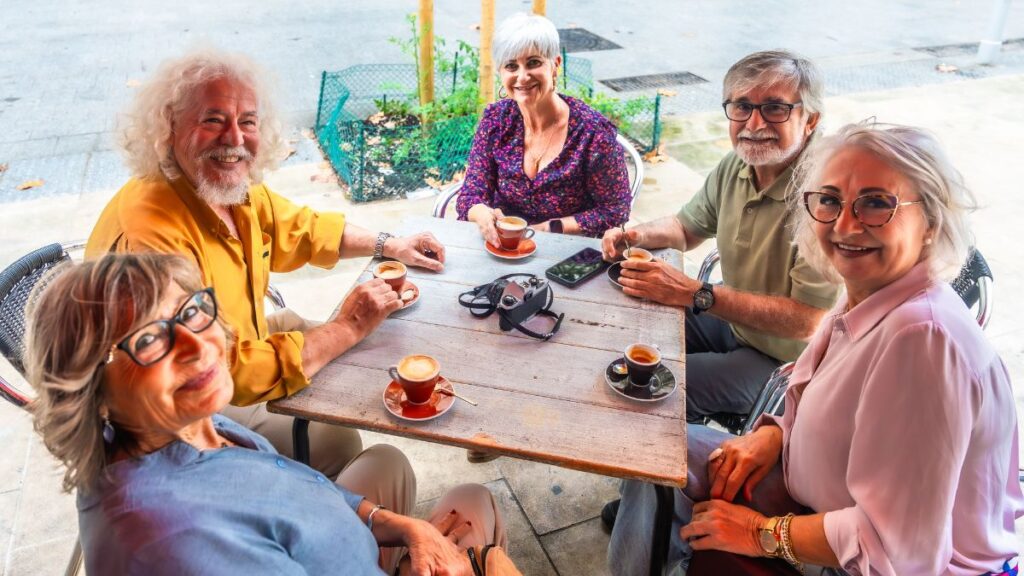
Invite two or three people to meet at the same place and time each week.
A repeating plan is easier than sending new invitations every few days. Keep the gathering simple so nobody feels pressure to host.
People can attend when free without needing a formal excuse when they cannot.
47. Contact One Old Friend Each Month
Start with someone you genuinely miss.
Send a short message instead of waiting until you have time for a long letter. Mention a shared memory and ask how life has been.
Some friendships will return quickly. Others may have changed. Give the person room to respond in their own time.
48. Host a Rotating Dinner
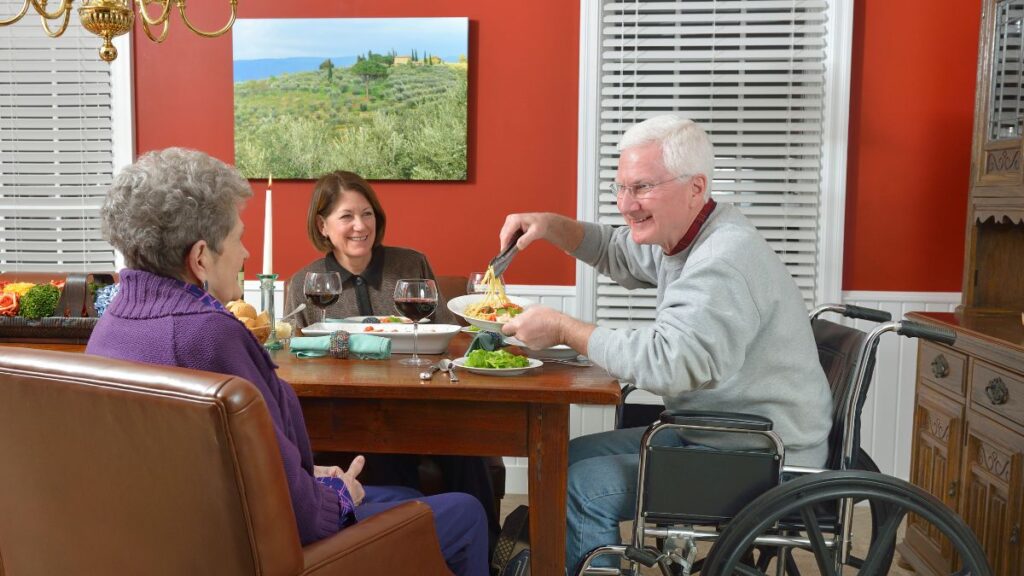
Each person takes a turn providing the main dish. Everyone else brings something small.
Set a budget so the dinner does not become a competition.
A soup night, breakfast dinner, or sandwich night can be just as enjoyable as a formal meal.
49. Volunteer for a Local Organization
Food banks, libraries, museums, schools, parks, hospitals, and animal shelters often need help.
Ask about the real time commitment before agreeing. A weekly role may feel very different from helping once a month.
VolunteerMatch allows people to search for opportunities related to their location and interests, including virtual roles.
50. Mentor Someone Entering Your Former Field

Offer practical help that you wish someone had given you.
You might review a resume, discuss workplace choices, explain common mistakes, or help someone prepare for an interview.
Let the younger person make their own decisions. Mentoring works best as guidance rather than control.
51. Tutor a Student

Help with reading, mathematics, language practice, music, or a subject you know well.
Schools, libraries, and community groups may have formal tutoring programs.
Training can help you support the student without simply giving answers.
52. Start a Neighbor Help Exchange
Create a small group where neighbors trade simple help.
One person may change a light bulb. Another may water plants, collect mail, provide a ride, or explain a phone setting.
Keep requests reasonable. The system should support everyone rather than placing all tasks on the most helpful person.
53. Foster an Animal

Fostering can provide companionship without the full commitment of permanent adoption.
Ask the rescue group who pays for food and medical care. Learn what happens if the animal does not fit your home.
Consider your travel plans, allergies, mobility, and other pets before agreeing.
54. Join a Faith or Cultural Group
A local group can provide regular gatherings, shared traditions, service projects, and support.
Attend several events before taking on a leadership role.
You are allowed to participate quietly while you decide how involved you want to become.
55. Join a Club Based on One Interest

Look for clubs connected to books, gardening, walking, crafts, cars, history, cooking, or photography.
Choose a group that actually meets. A large online group may provide less real contact than six people who gather monthly.
Attend twice before deciding it is not for you. The first meeting often feels awkward for everyone.
56. Create a Tradition With Your Grandchildren

Choose something simple enough to repeat.
You could cook breakfast together, visit a museum each season, plant flowers, record family stories, or hold a monthly game afternoon.
Follow the parents’ schedule and rules. The goal is a warm tradition, not another obligation.
57. Record Oral History Interviews
Ask older relatives, neighbors, or community members to share their memories.
Prepare open questions about childhood, work, local changes, traditions, and major events.
Get clear permission before recording or sharing the conversation. Store the files safely and label them with the date and speaker’s name.
58. Work in a Community Garden
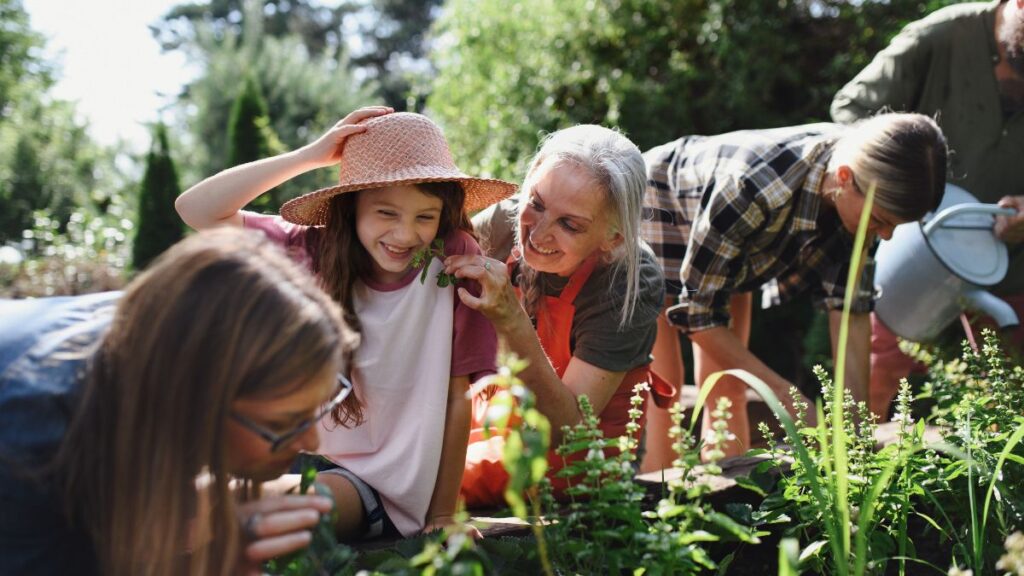
A shared garden can provide fresh air, movement, learning, and regular contact with other people.
Ask about plot fees, water access, tools, and work requirements.
Choose a small plot first. A large garden can demand daily attention during hot weather.
59. Support a Cause Through a Small Project

You do not need to organize a major campaign.
Collect books for a school, prepare care packages, raise funds through a walk, or help a group improve its website.
Choose one task with a clear finish point. This protects your time while still producing a useful result.
60. Take a Part Time Role You Actually Enjoy
Paid work can provide structure, social contact, and extra income.
Consider a museum shop, garden center, library, golf course, school, theater, or small local business.
Ask about standing time, lifting, weekend work, and schedule control. A fun setting can still have tiring job demands.
15 Meaningful and Adventurous Things to Try

Adventure does not have to mean climbing a mountain or buying an RV.
It can mean seeing a familiar area with fresh eyes, trying a new activity with proper instruction, or visiting a place you kept postponing during your working years.
Boldin and Life After Work Zone both suggest mixing larger retirement dreams with nearby trips, outdoor activities, new skills, and smaller experiences.
61. Visit a Nearby Town You Have Never Explored
Choose a place within an hour or two of home.
Visit its main street, museum, public garden, market, or local restaurant. Ask a resident what visitors usually miss.
A small day trip can provide novelty without the cost and effort of a long vacation.
62. Take a Train Trip
A train lets you enjoy the view without focusing on traffic.
Start with a day route before booking a long trip. Check luggage limits, station access, sleeping options, and meal arrangements.
Bring medicine, water, chargers, and a light layer where you can reach them easily.
63. Use a National Park Senior Pass
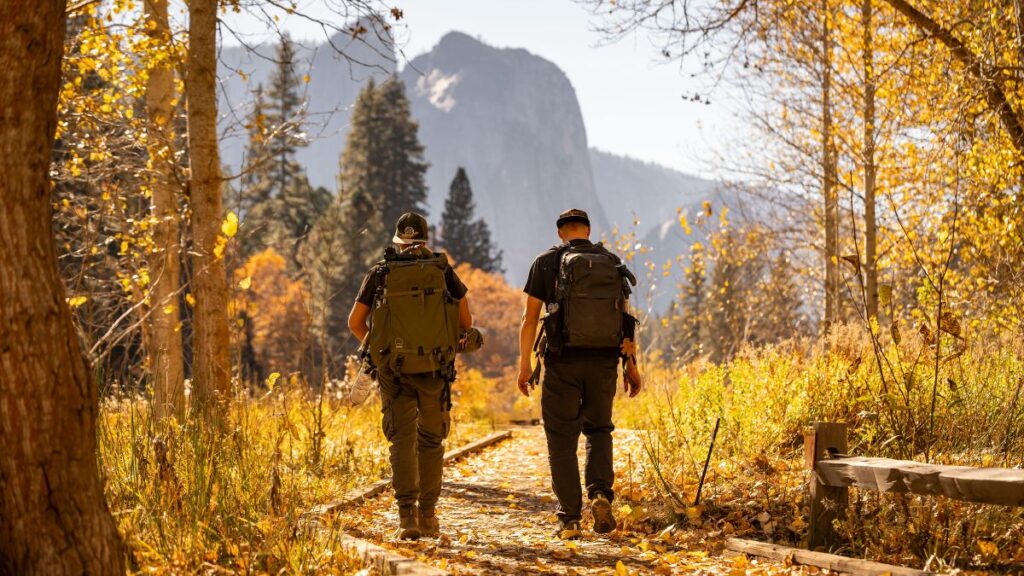
National parks, monuments, historic sites, and federal recreation areas can support years of affordable outings.
As of 2026, eligible United States citizens and permanent residents age 62 and older can buy an annual Senior Pass for $20 or a lifetime Senior Pass for $80. Some locations still require separate reservations or added fees, so check each park before leaving home.
64. Plan a Road Trip Around One Theme
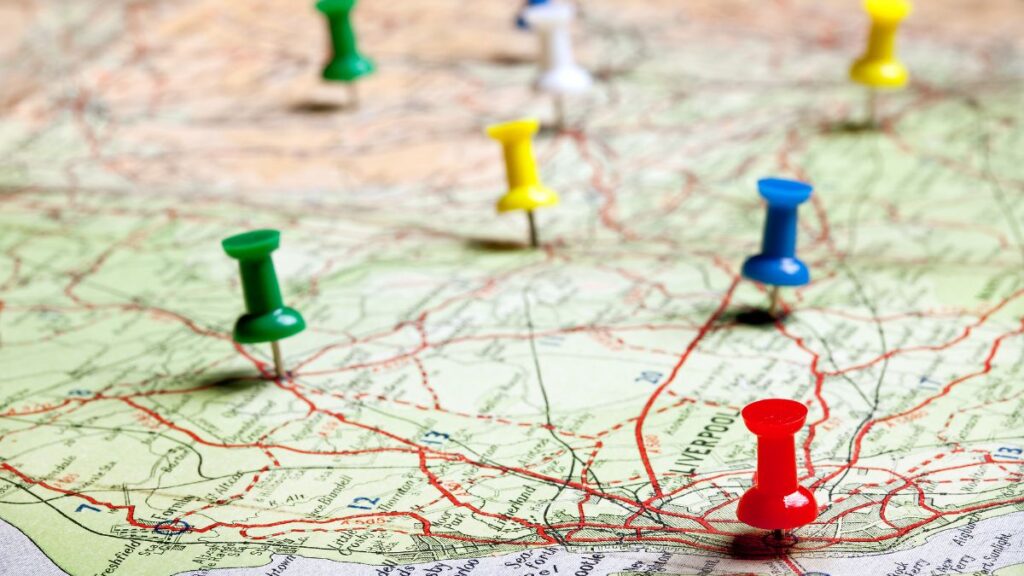
A theme gives the trip a clear purpose.
You might visit covered bridges, historic diners, gardens, lighthouses, music sites, national monuments, or small museums.
Limit the driving hours each day. Leave space for rest and unexpected stops.
65. Try House Sitting
House sitting may provide lower cost accommodation in return for caring for a home or pet.
Read every responsibility before agreeing. Ask about animals, stairs, transport, internet, emergencies, and nearby services.
Begin with a short stay close to home before considering another country.
66. Book an Educational Travel Program
Educational travel can combine lectures, local guides, cultural visits, and group meals.
Road Scholar offers educational trips aimed mainly at older adult learners, with programs that combine travel and structured learning. Activity levels and requirements differ, so read the physical demands carefully.
67. Spend a Night in a Cabin
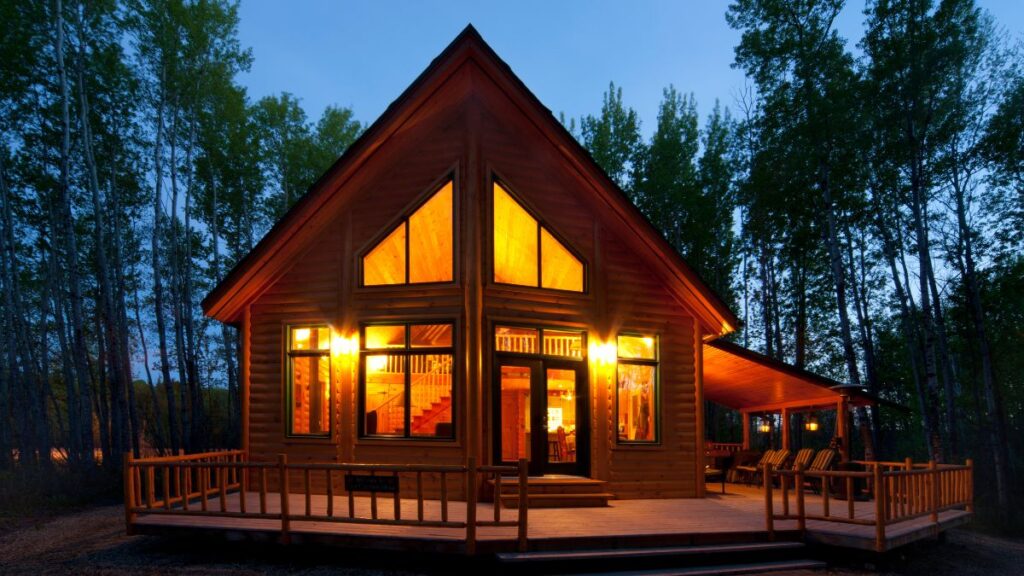
A cabin can provide a taste of outdoor life without buying camping gear.
Choose one with the level of comfort you need. Some have full kitchens and bathrooms. Others provide little more than beds and shelter.
Check the walking distance from parking and the availability of phone service.
68. Take a Beginner Kayaking Lesson
A guided lesson can teach basic paddling, entering the boat, wearing a life jacket, and responding if the kayak tips.
Choose calm water and tell the instructor about mobility concerns.
Kayaking may not suit every back, shoulder, or balance condition. A guided boat tour can offer a gentler water experience.
69. Take a Hot Air Balloon Ride

A balloon flight can provide a memorable view and a clear sense of occasion.
Ask how passengers enter the basket and how long they must stand. Landings can be firm, and flights depend on weather.
This experience can be costly, so compare operators, safety records, and cancellation terms.
70. Learn to Sail or Ride a Horse
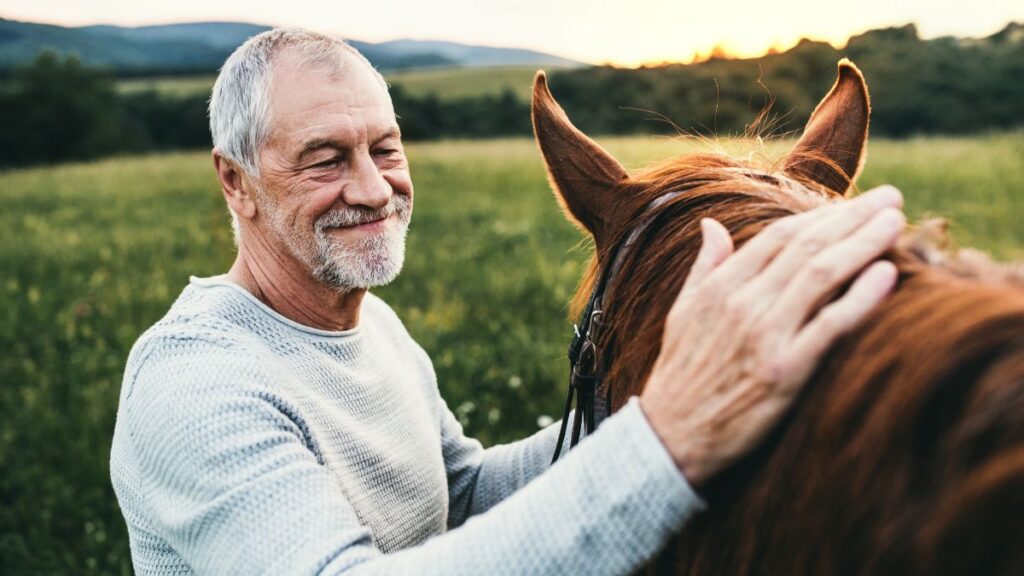
Choose one activity you once thought was out of reach.
Book a beginner lesson rather than a long package. Explain your experience level and physical limits before arriving.
Good instruction matters. The first goal is to learn safely, not to prove anything.
71. Attend a Festival in Another City
Build a short trip around music, food, art, books, flowers, film, or local history.
Reserve seating or accommodation early when the event is popular.
Study the venue map before you go. Large festivals may involve long walks, crowds, and limited shade.
72. Watch the Sunrise From Somewhere New
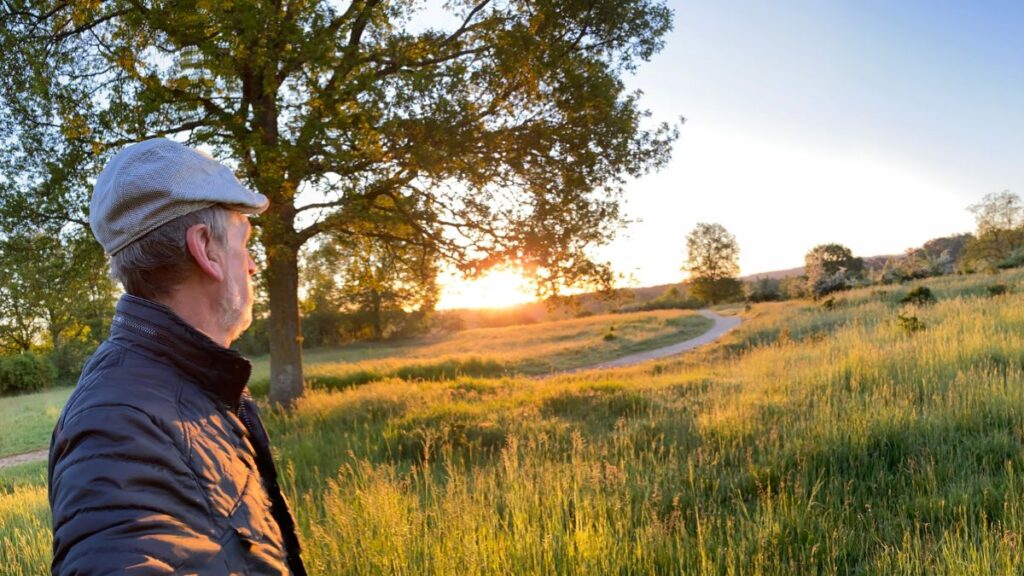
Choose a beach, hill, lake, park, rooftop, or scenic overlook.
Prepare your clothes, chair, drink, and route the night before. Bring another person if the location is dark or isolated.
The experience costs little, yet it can make an ordinary week feel special.
73. Join a Volunteer Trip

Some organizations combine travel with conservation, building, education, or community support.
Research who designed the project and how local people benefit. Avoid programs that place untrained visitors in skilled roles.
Ask what the fee covers and what physical work is required.
74. Live Somewhere Else for One Month
Renting a small place for several weeks can feel different from taking a rushed vacation.
Choose a walkable area with groceries, medical care, transport, and activities nearby.
Test the idea close to home first. A month in another region may reveal whether seasonal living truly suits you.
75. Plan One New Experience for Every Month

Create a twelve month retirement calendar.
Mix easy ideas with larger plans. One month might include a cooking class. Another might include a train trip, museum, concert, garden visit, or volunteer event.
Do not schedule all twelve at once if that creates pressure. Plan the next three months and adjust as you learn what you enjoy.
How to Choose Your First Three Retirement Activities
A list of 75 ideas can create another problem. Too many choices may leave you doing nothing.
Use this simple method.
Choose One Easy Activity
Pick something you can begin this week without buying expensive equipment.
Examples include walking a new route, starting a book, calling a friend, or organizing ten photographs.
Choose One Social Activity
Add one plan that puts you near other people.
This might be a class, coffee group, volunteer shift, game night, or community garden.
Place it on the calendar. Plans with a date are more likely to happen than plans stored in your head.
Choose One Activity That Feels New
Select an idea that creates mild excitement or nervousness.
You could try pottery, train travel, dancing, birdwatching, or teaching a class.
Test it once before buying supplies or committing to a long membership.
After one month, ask three questions:
- Did I look forward to this?
- Did it fit my energy and budget?
- Would I choose to do it again?
Keep the activities that earn an honest yes.
Final Thoughts
The best fun things to do when you retire are not always the largest or most expensive.
A good week might include a walk, lunch with a friend, a library book, a small home project, and one afternoon with no plans at all. Retirement does not need to look busy to feel worthwhile.

I’m Austin Becker, an advocate for living life with intention and resilience. I write for men who are actively navigating life’s major transitions, tackling the realities of reinvention and finding renewed purpose with grit and honesty. I believe that personal growth doesn’t have a deadline it’s about continuously gearing up for the chapters that matter most.
Through my work, I aim to strip away the clichés of modern manhood, offering practical, no-nonsense insights on health, mindset, and legacy for those who want to move forward with strength and clarity.