

Finding a cheap house is easy. Finding a cheap retirement is much harder.
A city may offer homes for less than $250,000. But that bargain can fade once you add property taxes, insurance, repairs, medical travel, heating bills, and the cost of owning two cars.
This is why many lists of cheap places to retire can be misleading. They often compare home prices, state taxes, or grocery costs. They do not always show what you may spend after moving into an older home, driving to medical visits, or paying for help later in life.
The best place is rarely the absolute cheapest city. It is the city where your biggest costs stay steady and the services you need are close enough to use.
Why a Cheap Home Does Not Guarantee a Cheap Retirement

Housing matters because it is usually one of the largest parts of your budget. But a low purchase price does not tell you what the home will cost to own.
A $220,000 house with an old roof, a damp basement, high heating bills, and rising property taxes may cost more than a $280,000 home that needs little work.
Health care creates another gap. Medicare is not free. The standard Medicare Part B premium is $202.90 per month in 2026. The annual Part B deductible is $283. Higher income households may pay more.
That is before you add a Part D drug plan, Medicare supplement coverage, dental work, hearing aids, glasses, copays, and services Medicare does not cover.
Long term care can change the math even faster. CareScout reported a national median assisted living cost of $6,200 per month for 2025. That equals $74,400 per year. Local costs can be higher or lower, but no retirement location makes this risk disappear.
You should also consider how much daily life depends on driving. A cheap rural home may sit far from doctors, grocery stores, airports, and family. The lower mortgage can be replaced by fuel, car repairs, insurance, and long medical trips.
A useful retirement location lowers your total cost. It does not simply lower your home price.
The 7 Hidden Costs You Must Subtract First

Before comparing cities, add these expenses to your estimate.
1. Property Taxes and Local Charges
Do not estimate property taxes from the home price alone.
Search the county property database and review bills for homes you might buy. Look for school taxes, city taxes, trash fees, sewer charges, and special assessments.
A state with no income tax may still have high property taxes. A city with moderate taxes may also offer senior exemptions or tax freezes.
2. Homeowners Insurance
Insurance can erase part of a housing bargain.
Wind, hail, flooding, tornadoes, ice, fire, and old plumbing can all affect your rate. Two homes on opposite sides of the same city may receive very different quotes.
Ask for an insurance estimate before making an offer. Also check whether flood insurance would be needed. Standard homeowners policies usually do not cover flooding.
3. Heating and Cooling
A mild looking annual climate can hide a costly season.
Cold cities may require more heating, snow removal, and roof care. Hot cities may bring long air conditioning seasons and higher electric bills.
The size, insulation, windows, furnace, and cooling system matter more than the city average. Request 12 months of utility bills from the seller when possible.
4. Health Care Access
A hospital in town does not mean every specialist is nearby.
Check the distance to cardiology, cancer treatment, eye care, physical therapy, and any specialist you already use. Also confirm that your Medicare plan works with those providers.
A small city can remain affordable when it has a strong regional medical system. It becomes less appealing when every major appointment requires a two hour drive.
5. Transportation
Low density cities often require a car for almost every task.
Include:
- Car payments or replacement savings
- Fuel
- Repairs
- Registration
- Insurance
- Parking
- Rides after you stop driving
A bus route near your home may be worth more than an extra bedroom.
6. Home Repairs and Age Related Changes
Many low cost cities have older housing.
Older homes can be charming, but you may need money for a roof, electrical panel, sewer line, windows, foundation work, or heating equipment.
You may also need safer flooring, better lighting, wider doors, a first floor bedroom, or a walk in shower.
7. Family Travel and Future Care
Moving far from family can create a new travel budget.
Add flights, hotels, pet care, airport parking, and holiday travel. You should also ask who could help after surgery or during an illness.
Cheap housing loses some value when every family visit costs hundreds of dollars.
6 Cheap Places to Retire That Hold Up Better
These cities are not perfect. Each one has a different mix of benefits and tradeoffs.
The strongest choice depends on your income, health, climate needs, family location, and willingness to drive.
1. Pittsburgh, Pennsylvania: Strong Medical Access at a Lower Home Price
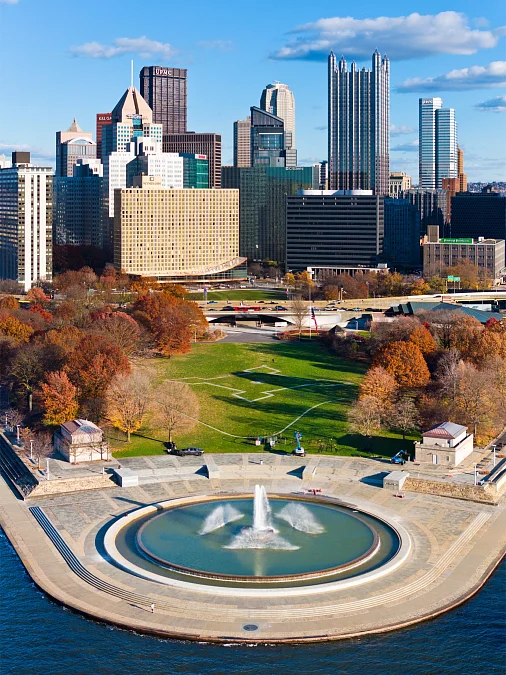
Pittsburgh stands out because it combines relatively modest housing prices with the services of a major city.
Zillow placed the average Pittsburgh home value at about $246,117 in June 2026. Values were slightly lower than a year earlier. That is unusual for a city with major hospitals, universities, cultural venues, and professional sports.
Pennsylvania also gives many retirees a useful tax break. The state does not tax Social Security benefits. Common retirement payments received after meeting retirement requirements are also generally excluded from Pennsylvania personal income tax.
Why Pittsburgh can work
- Access to large hospital networks
- Many established neighborhoods
- Homes priced below those in many larger eastern cities
- Museums, libraries, universities, and parks
- Favorable state treatment of common retirement income
Hidden costs to subtract
Pittsburgh has many older homes. A low purchase price may come with outdated wiring, aging sewer lines, damp basements, steep steps, or an old heating system.
The hills can also matter as you age. A house that seems charming at 62 may feel less practical at 78.
Winters add heating, snow, and road care costs. Some neighborhoods are easier to use without a car than others, so the exact location matters.
Best for
Pittsburgh is a strong choice for retirees who want urban services, respected medical care, and a lower home price without moving to a small rural town.
Think twice when
You want warm winters, flat streets, or a newer single story home with little maintenance.
2. Fort Wayne, Indiana: Affordable Homes With Manageable Property Taxes
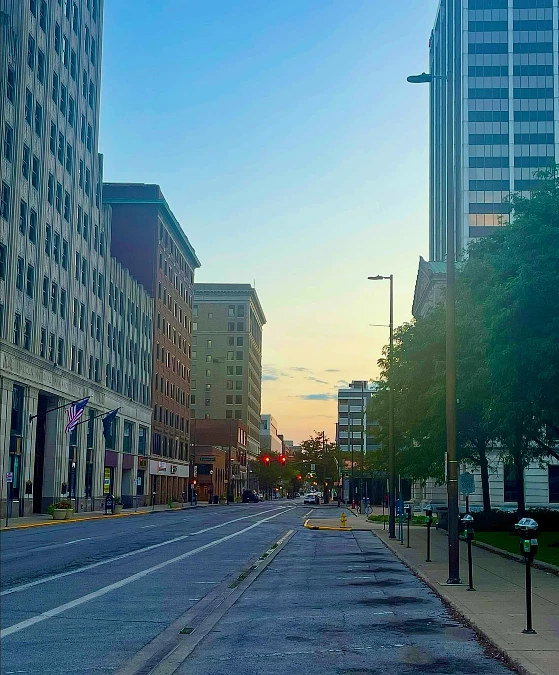
Fort Wayne offers the daily services of a regional city without the prices found in many major metro areas.
The average home value was about $250,668 in June 2026, according to Zillow.
Indiana had a flat state income tax rate of 2.95 percent in 2026, plus county income taxes. Social Security income is exempt, but many other forms of retirement income can be taxed. The state also limits property taxes on an owner occupied home through its property tax cap system.
Why Fort Wayne can work
- Moderate home prices
- Lower property tax burden than in many northern states
- Regional hospitals and medical offices
- Manageable traffic
- Basic shopping and daily services close to most neighborhoods
Hidden costs to subtract
Indiana taxes more retirement income than Pennsylvania. County income tax can also change your result.
Most households will still need a car. Public transportation exists, but it may not cover every neighborhood or medical trip you need.
Cold winters can mean heating costs, ice, snow removal, and more wear on roofs and driveways.
Best for
Fort Wayne can suit retirees who want a quiet regional city, plan to own a car, and value low home prices more than warm weather.
Think twice when
Most of your income will come from taxable pensions or retirement account withdrawals. Run a state and county tax estimate before moving.
3. Springfield, Missouri: Low Daily Costs With a Car Dependent Lifestyle
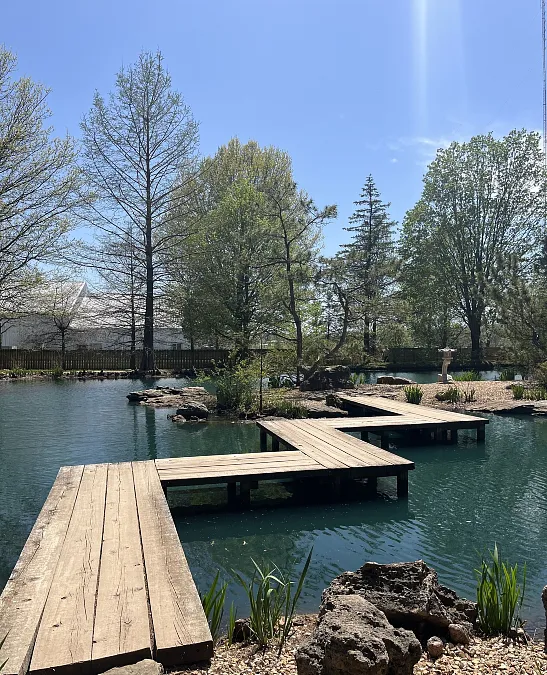
Missouri remained among the more affordable states in early 2026. State data based on C2ER figures placed Missouri’s cost of living index at 88.6 for the first quarter, with 100 representing the national benchmark.
Springfield’s average home value was about $248,023 in June 2026.
The city also serves as a regional center for shopping, health care, and education. That can make it more practical than a smaller Missouri town.
Why Springfield can work
- Homes near the lower end of this list
- Statewide living costs below the national level
- Regional medical services
- Many stores and restaurants
- Easy access to outdoor areas in southwest Missouri
Hidden costs to subtract
Springfield is spread out. A car is useful for most daily tasks.
Severe storms, hail, wind, and tornado exposure can affect insurance rates and roof costs. Get actual quotes for the address you are considering.
Missouri’s tax rules have changed over time, so you should check current treatment of your exact income before moving.
Hot summers and cold winter periods also mean you will use both air conditioning and heat.
Best for
Springfield works best for retirees who drive, want a lower cost regional center, and prefer a slower pace than a large city.
Think twice when
You want strong public transportation, a highly walkable lifestyle, or easy access to a major international airport.
4. Roanoke, Virginia: Mountain Living With Regional Services
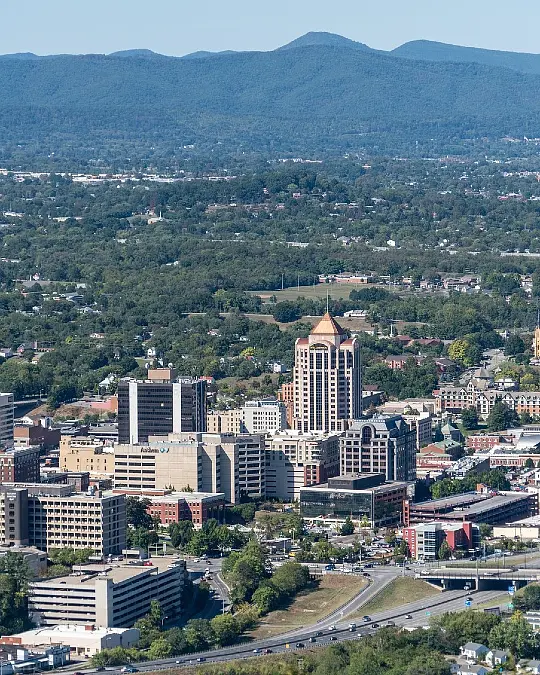
Roanoke offers Blue Ridge scenery, a regional medical center, and housing below many parts of Virginia.
The average Roanoke home value was about $285,213 in June 2026. That is higher than Pittsburgh, Springfield, and Fort Wayne, but still modest compared with Northern Virginia and many coastal markets.
Roanoke also provides access to trails, parks, cultural events, and a compact downtown.
Why Roanoke can work
- Regional health care services
- Mountain setting
- Moderate home values
- Four distinct seasons
- More city services than many small Appalachian towns
Hidden costs to subtract
Some neighborhoods sit on hills or have homes with steps. That may create access problems later.
Mountain roads, winter weather, and limited direct flights can increase transportation time. Family travel may cost more when relatives live far away.
Virginia taxes some retirement income, although age based deductions may help eligible residents. Check the current rules against your age and income.
Best for
Roanoke can fit active retirees who enjoy nature but still want a hospital, shopping, and city services nearby.
Think twice when
You need frequent direct flights, flat streets, or a large network of highly specialized medical centers.
5. Green Bay, Wisconsin: A Smaller City With Solid Daily Services

Green Bay offers the basic services of a small city with access to health care, shopping, cultural events, and outdoor recreation.
Housing can remain more approachable than in many popular retirement markets. The city also has less tourist pressure than many warm weather retirement spots.
Why Green Bay can work
- Smaller city pace
- Regional health care
- Access to parks and water
- Less traffic than larger metro areas
- Established neighborhoods with basic services nearby
Hidden costs to subtract
Winter is the main budget issue.
You may pay for heating, snow removal, winter tires, roof care, and higher maintenance on cars and driveways. Older homes may also need insulation, windows, or heating upgrades.
Wisconsin taxes some forms of retirement income. Property taxes can also be higher than the home price alone suggests.
Best for
Green Bay may work for retirees who like cold weather, already have family in the Upper Midwest, and want a calm city with practical services.
Think twice when
Cold weather affects your health, mobility, or mood. A cheap home is not a bargain when you spend several months feeling trapped indoors.
6. Huntsville, Alabama: More Amenities, but Rising Housing and Weather Costs
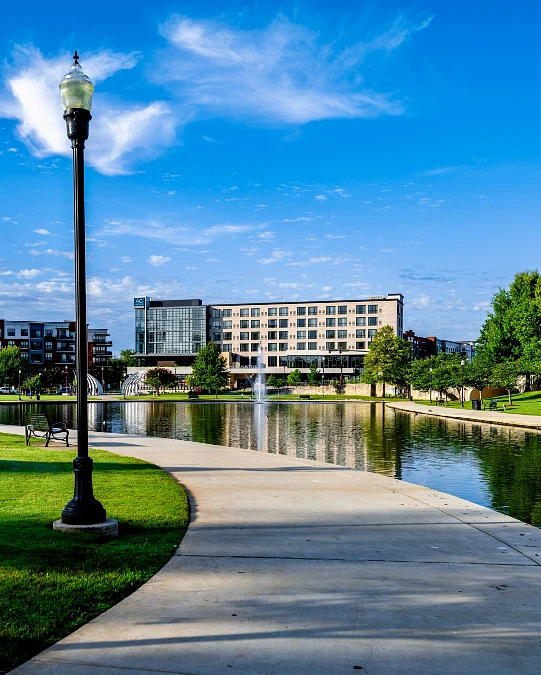
Huntsville has attracted people through job growth, medical services, cultural amenities, and relatively moderate southern housing costs.
Alabama can also be appealing to retirees because Social Security benefits are not taxed by the state, and some pension income may receive favorable treatment.
Why Huntsville can work
- Warmer winters than the Midwest
- Regional hospitals
- Growing supply of restaurants and services
- Access to outdoor recreation
- A larger economic base than many small retirement towns
Hidden costs to subtract
Huntsville is no longer an undiscovered bargain. Housing demand has increased, and the cheapest listings may sit far from the services you use.
Tornadoes, wind, hail, humidity, pests, and long cooling seasons can raise insurance and maintenance costs.
Most residents also need a car. A home far outside the center may save money at purchase but add years of driving costs.
Best for
Huntsville can suit retirees who want a warmer climate, regional services, and a growing city without paying the price of a major coastal market.
Think twice when
Your budget depends on finding yesterday’s Huntsville prices. Compare current listings and insurance quotes rather than relying on older articles.
Which Affordable Retirement City Fits Your Budget?
| City | Main financial strength | Hidden cost to watch | Best fit |
|---|---|---|---|
| Pittsburgh | Lower home values plus favorable retirement income taxes | Older homes, hills, heating | Retirees who want major city services |
| Fort Wayne | Moderate homes and property tax limits | County income tax and driving | Car owners seeking a calm regional city |
| Springfield | Low state living costs and lower housing | Storm insurance and car use | Budget focused retirees who prefer a slower pace |
| Roanoke | Medical services with mountain access | Hills, travel, and some state taxes | Active retirees who enjoy nature |
| Green Bay | Practical small city services | Heating, snow, and property taxes | Retirees comfortable with long winters |
| Huntsville | Warm climate and growing amenities | Rising home prices, storms, and cooling | Retirees who want a growing southern city |
There is no single winner.
Pittsburgh offers one of the strongest mixes of housing, health care, and retirement tax treatment. Fort Wayne and Springfield may work better when your main goal is keeping the home purchase near $250,000.
Roanoke offers a balance of nature and services. Green Bay works when winter is a feature rather than a problem. Huntsville offers warmer weather, but you must watch housing and insurance costs closely.
Use This 30 Day Test Before You Move
A weekend visit is useful for sightseeing. It is not enough for a retirement decision.
Rent a home or apartment for about one month. Stay in the part of town where you could truly afford to live.
Then complete these tests.
1. Shop Like a Resident
Buy groceries at your likely store. Visit a pharmacy, hardware store, and restaurant.
Record what you spend instead of relying on online averages.
2. Drive to Medical Care
Map the route to your preferred hospital and specialists.
Make the drive during busy hours. Check parking fees, road conditions, and whether another person could reach the office without driving.
3. Request Insurance Quotes
Ask for homeowners, auto, flood, and umbrella insurance estimates.
Use a real address. Citywide averages are not precise enough.
4. Read Actual Property Tax Bills
Search the county assessor database.
Review at least five similar homes. Check whether the current owner receives an exemption that you may not receive.
5. Test Transportation
Ride the bus if you expect to use it. Price rideshare trips to doctors, grocery stores, and the airport.
Think about how the city would work after you stop driving.
6. Visit at Different Times
Walk or drive through the neighborhood in the morning, evening, and on a weekend.
Listen for traffic, trains, aircraft, dogs, nightlife, and industrial noise.
7. Price Family Travel
Check the cost of flights or road trips to see children, grandchildren, and close friends.
Multiply that cost by the number of visits you expect each year.
8. Inspect the Housing Stock
Look beyond fresh paint and new flooring.
Ask about:
- Roof age
- Sewer line condition
- Electrical service
- Heating and cooling systems
- Foundation repairs
- Flood history
- Steps and bathroom access
- Monthly utility bills
A professional inspection is still needed before buying. Your first goal is to learn which problems are common in the local housing stock.

I’m Austin Becker, an advocate for living life with intention and resilience. I write for men who are actively navigating life’s major transitions, tackling the realities of reinvention and finding renewed purpose with grit and honesty. I believe that personal growth doesn’t have a deadline it’s about continuously gearing up for the chapters that matter most.
Through my work, I aim to strip away the clichés of modern manhood, offering practical, no-nonsense insights on health, mindset, and legacy for those who want to move forward with strength and clarity.