

You are getting close to 65, and retirement is starting to feel real. Maybe work feels more tiring than it used to. Maybe you have watched coworkers retire and wondered why you are still setting an alarm every morning.
But there is one problem. Being old enough to retire and being ready to retire are two very different things. Your retirement account balance alone cannot answer the question.
Before you retire at 65, you need to know what happens when the paycheck disappears, Medicare begins, investment withdrawals start, and every ordinary bill has to be covered without your salary.
1. Can Your Retirement Income Actually Cover Your Spending?

Start with the number that matters most. How much will an ordinary month of your retirement actually cost?
Do not begin with your salary. Your current income tells you what comes in while you are working. It does not tell you what retirement will cost.
Pull out several months of bank and credit card statements. Write down what you actually spend on housing, groceries, insurance, utilities, transportation, health care, subscriptions, entertainment, gifts, travel, and everything else.
Then include expenses that do not arrive every month.
| Expense | Monthly or Regular | Easy to Forget |
|---|---|---|
| Mortgage or rent | Yes | No |
| Groceries | Yes | No |
| Property tax | Sometimes | Yes |
| Home repairs | No | Yes |
| Car replacement | No | Yes |
| Travel | No | Yes |
| Dental work | No | Yes |
| Family gifts | No | Yes |
A household that normally spends $4,000 a month might assume it needs $48,000 a year. But a $6,000 roof repair, $3,000 vacation, $1,500 dental bill, and several insurance premiums can quickly change that number.
Now compare those expenses with money you can reasonably expect from Social Security, pensions, retirement accounts, savings, or other income.
The question is not simply, “Do I have enough saved?”
It is “Can my available income support the life I actually plan to live?”
That is a much more useful question before you retire at 65.
2. Have You Compared Social Security at 65, 67, and 70?
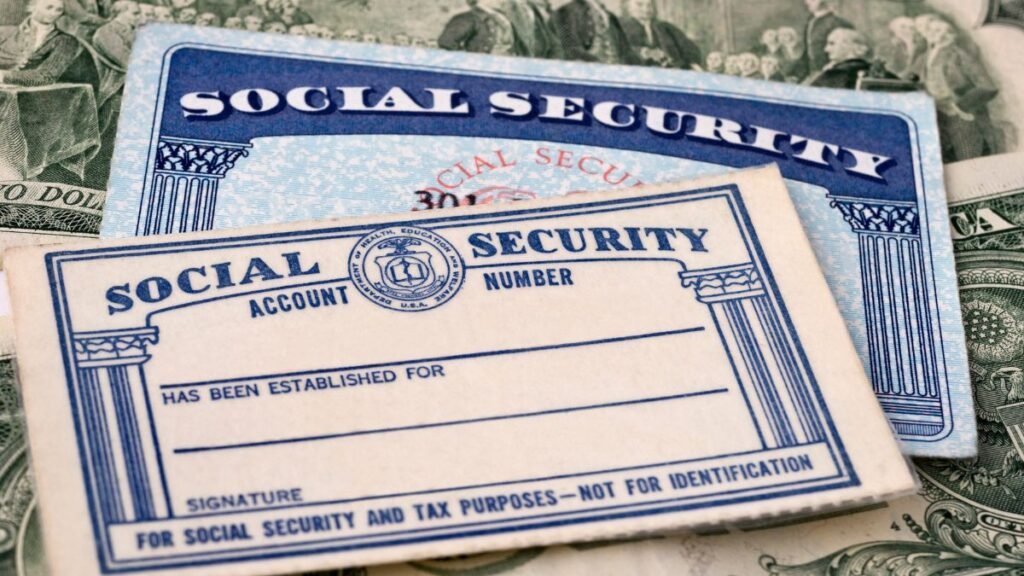
Age 65 still sounds like the official Social Security retirement age. For many people approaching retirement today, it is not.
For people born in 1960 or later, the Social Security Administration sets full retirement age at 67.
That means retiring from your job at 65 and claiming Social Security at 65 are two separate decisions.
Social Security says retirement benefits can begin as early as 62. Claiming before full retirement age can permanently reduce your monthly amount. Someone born in 1960 or later who claims at 62 can receive as much as 30 percent less than the full retirement age benefit.
Waiting can move the number in the other direction.
For someone born in 1960 or later, the Social Security Administration shows an example in which a benefit worth 100 percent at age 67 reaches about 124 percent at age 70. Increases stop at 70.
| Claiming Age | Approximate Benefit for Person Born 1960 or Later |
| 62 | As much as 30% below full benefit |
| 65 | Reduced benefit |
| 67 | 100% of full retirement benefit |
| 68 | About 108% |
| 69 | About 116% |
| 70 | About 124% |
These figures do not mean everyone should wait until 70. Someone with health problems, limited savings, or an immediate need for income may have good reasons to claim sooner.
But you should see your actual numbers before deciding.
Log in to your my Social Security account and compare estimates at several claiming ages. If you are married, also think about what each decision could mean for the surviving spouse.
Retirement at 65 does not require Social Security at 65.
3. Do You Know Exactly What Health Care Will Cost?

One reason age 65 became tied so closely to retirement is Medicare. But becoming eligible for Medicare does not make health care free.
Medicare says your Initial Enrollment Period generally lasts seven months. It begins three months before the month you turn 65, includes your birthday month, and continues for three months afterward.
Missing enrollment can cause problems for some people, including delayed coverage or late enrollment penalties. Different rules can apply when you still have qualifying employer coverage, so do not simply assume you can ignore Medicare because you are working.
Then there is the cost.
For 2026, CMS lists the standard Medicare Part B premium at $202.90 per month. Higher income beneficiaries can pay more.
Medicare also has deductibles and other out of pocket costs.
Your retirement health budget may need room for:
- Medicare premiums
- Prescription drug coverage
- Supplemental coverage
- Copayments and deductibles
- Dental care
- Vision care
- Hearing care
- Prescription costs
- Services Medicare does not fully cover
CMS says the 2026 Medicare Part A inpatient hospital deductible is $1,736 per benefit period. That alone shows why “I will have Medicare” is not a complete health care plan.
Before retiring, use Medicare Plan Compare and price the actual coverage available to you.
Health insurance through work may have hidden costs, but it may also have hidden value. Know what you are giving up before your final day.
4. What Happens If the Market Falls Right After You Retire?

Working through a market decline can feel unpleasant. Retiring into one can be much more serious.
While you are working, you may still be adding money to your retirement accounts. Once you retire, the direction of cash flow often reverses. Instead of contributing, you may begin withdrawing.
That makes the timing of poor returns more important.
Consider two retirees who each start with the same portfolio. One experiences strong markets during the first few years. The other sees a major decline while also withdrawing money for living expenses.
The second retiree may have to sell more investments while prices are down. Those shares are then gone when markets recover.
You do not need to predict the next crash. Nobody can reliably do that.
You need a plan for what you would do if one happened.
That may include keeping some near term spending money in cash or conservative assets while leaving longer term money invested for growth.
Ask yourself:
- How much would I need to withdraw during my first two years?
- Where would that money come from?
- Could I temporarily reduce travel or other flexible spending?
- Would a 20 percent portfolio decline make me panic?
- Would my plan still work if poor returns arrived early?
If the answer to the last question is no, retirement may still be possible. But your withdrawal plan needs more work first.
5. Will You Enter Retirement With Debt?
Retiring debt free sounds attractive, but debt requires a little more thought than “pay everything off.”
Start with expensive debt.
Credit card balances and other high interest loans can consume money that would otherwise pay for groceries, travel, health care, or housing. Carrying those payments into retirement can put pressure on a fixed budget.
A mortgage is different.
If you have a low mortgage rate and paying it off would drain most of your cash reserves, using a huge lump sum before retirement may create another problem. You could end up with plenty of home equity but very little liquid money.
Look at the payment rather than the label.
| Debt | Question to Ask |
| Credit card | Can this be cleared before retirement? |
| Auto loan | How much longer will payments last? |
| Mortgage | Does the payment fit my retirement income? |
| Personal loan | What interest rate am I paying? |
| Family debt | Is repayment realistically expected? |
Add all required debt payments together.
Then compare that amount with your predictable retirement income.
If Social Security and a pension provide $4,000 per month but $1,800 disappears into debt before you buy food or pay utilities, your retirement may feel much tighter than the account balance suggests.
6. Have You Planned for Taxes After Your Paycheck Stops?

Some people expect retirement to mean the end of large tax bills.
It can lower taxes for some households, but retirement does not make taxes disappear.
Money withdrawn from many traditional retirement accounts can create taxable income. Social Security benefits can also be taxable depending on your income and filing situation.
That means two retirees with the same amount saved can have very different amounts available to spend.
Consider a simple example.
One retiree has nearly all of the household’s retirement savings in traditional retirement accounts. Another has money spread across traditional accounts, Roth accounts, cash, and a taxable brokerage account.
The second retiree may have more choices about where spending money comes from in a particular year.
This becomes important when you are trying to manage taxable income.
Taxes can also interact with Medicare. CMS uses income thresholds to determine whether certain beneficiaries pay higher Medicare Part B premiums. For 2026, the standard $202.90 Part B premium applies up to specified income thresholds, with higher amounts above them.
Do not make large retirement account moves simply to lower taxes without checking the rules.
Instead, consider making a yearly withdrawal plan with a qualified tax professional or financial planner who understands retirement income.
The goal is simple. Know how much of every retirement dollar you can actually spend.
7. Can You Afford the House You Plan to Keep?
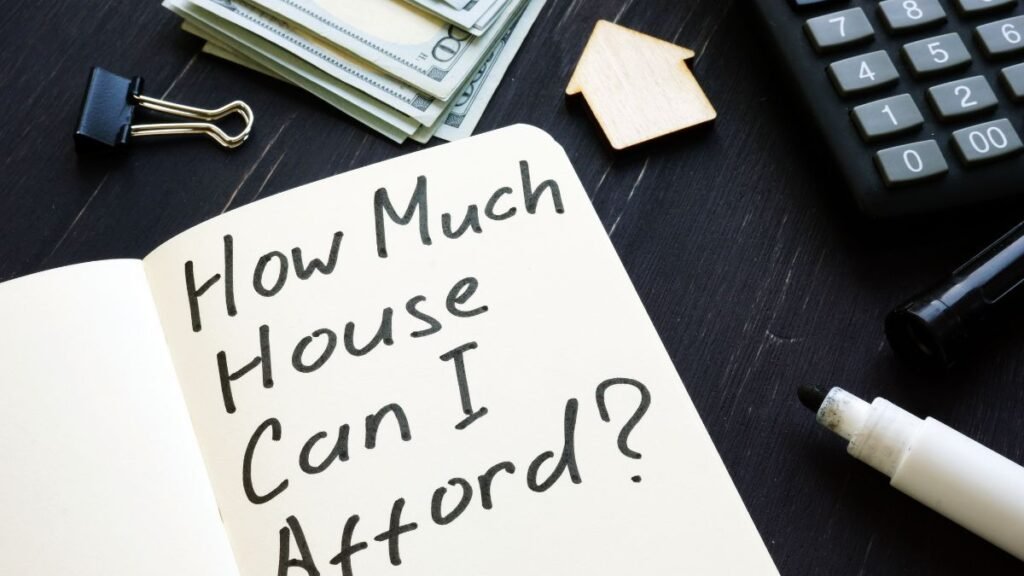
A paid off house can make retirement much easier.
But a paid off house is not a free house.
You may still have property taxes, insurance, utilities, repairs, maintenance, lawn care, furniture replacement, and major systems such as the roof, furnace, or air conditioner.
A house that felt comfortable while you were earning a salary can become expensive when most of your income comes from Social Security and investments.
There is also a practical question.
Will you still want to maintain this property at 75 or 85?
You do not have to downsize simply because you retired. Staying close to friends, family, doctors, and familiar places can have real value.
But run the numbers.
Suppose you own your home outright but spend $700 per month on taxes, insurance, utilities, routine upkeep, and other housing costs. That is $8,400 per year before a major repair.
If the roof then needs $15,000 of work, your housing budget suddenly looks very different.
Before you retire at 65, estimate what the house costs now and what it could cost later.
Then decide if you still want to pay for it.
8. Could Your Retirement Plan Survive a Major Surprise?
Most retirement plans look fine when every year behaves normally.
Life rarely does.
The car may need replacing. An adult child may need help. The roof may leak. Dental work may become expensive. You might need to travel across the country for a family emergency.
Those costs become more important once your paycheck is gone.
This is why retirement reserves matter.
Your emergency money does not have to sit in the same account you used while working. What matters is having some liquid money that can be accessed without being forced to sell long term investments at a bad time.
Try a simple retirement stress test.
| Surprise | Example Cost | Could You Pay Without Debt? |
| Major home repair | $12,000 | Yes or No |
| Replacement vehicle | $30,000 | Yes or No |
| Dental work | $5,000 | Yes or No |
| Family emergency | $4,000 | Yes or No |
| Market decline | 20% portfolio drop | Yes or No |
The figures above are examples rather than national averages. Replace them with costs that make sense for your home, car, family, and lifestyle.
Then ask a harder question.
What if two surprises happen in the same year?
You do not need enough cash to cover every disaster anyone could think of. You do need enough flexibility that one large bill does not destroy the retirement plan.
9. Does Your Spouse Have the Same Retirement Plan?
Two people can agree that it is time to retire and still picture completely different lives afterward.
One spouse may picture traveling for several months each year. The other may want to stay near the grandchildren.
One may expect to spend freely after decades of saving. The other may become even more careful once the paycheck stops.
Neither person is necessarily wrong.
The problem starts when nobody talks about it.
Before retirement, discuss the questions that can create tension later:
- How much can we comfortably spend each month?
- How often do we want to travel?
- Do either of us want part time work?
- Will we stay in this house?
- How much financial help will we give adult children?
- When will each of us claim Social Security?
- What happens financially after one spouse dies?
- How much time do we expect to spend together?
The final question sounds less financial, but it matters.
Retirement can turn a couple that saw each other for a few hours each evening into a couple that shares the same space almost all day.
You need individual routines as well as shared plans.
Money conversations before retirement can prevent much harder conversations afterward.
10. What Will You Actually Do on a Normal Tuesday?

This may be the most overlooked retirement question.
People spend years calculating how to leave work. Far fewer think carefully about what replaces it.
Retirement can remove stress, commuting, deadlines, difficult bosses, and meetings you never wanted to attend.
It also removes structure.
Work may currently decide when you wake up, where you go, who you talk to, what problems you solve, and when you feel useful.
A two week vacation cannot tell you what 25 years of retirement will feel like.
So forget the dream vacation for a moment.
Think about an ordinary Tuesday in February.
Where will you go after breakfast?
Who will you talk to?
What will get you out of the house?
What will keep you physically active?
What will make the day feel useful?
Your answers might include gardening, exercise, caring for grandchildren, volunteering, woodworking, travel, church, classes, consulting, part time employment, clubs, fishing, or simply spending more time with friends.
None of those choices is better than another.
What matters is having choices.
If your entire retirement plan is “finally stop working,” consider testing retirement before making it permanent. Take a longer vacation if possible. Work fewer hours. Spend several weeks living closer to the schedule you expect to have after retirement.
You may discover that you are more than ready.
You may also discover that you do not hate work itself. You hate your current schedule.
That is valuable information before you resign.
A Quick Retirement Readiness Scorecard
Before setting your final retirement date, see how many of these statements you can answer with a confident yes.
| Question | Ready |
| I know my realistic yearly spending | Yes or Not Yet |
| I compared several Social Security claiming ages | Yes or Not Yet |
| I know what Medicare and health care may cost | Yes or Not Yet |
| My plan can handle an early market decline | Yes or Not Yet |
| My debt fits comfortably within retirement income | Yes or Not Yet |
| I have considered retirement taxes | Yes or Not Yet |
| I know what my home costs to keep | Yes or Not Yet |
| I have money for unexpected expenses | Yes or Not Yet |
| My spouse and I agree on the basic plan | Yes or Not Yet |
| I know what daily retirement life will look like | Yes or Not Yet |
A “Not Yet” does not mean you cannot retire.
It identifies what needs attention before you make a decision that may be difficult to reverse.Before You Retire at 65, Ask Yourself These 10 Questions

I’m Austin Becker, an advocate for living life with intention and resilience. I write for men who are actively navigating life’s major transitions, tackling the realities of reinvention and finding renewed purpose with grit and honesty. I believe that personal growth doesn’t have a deadline it’s about continuously gearing up for the chapters that matter most.
Through my work, I aim to strip away the clichés of modern manhood, offering practical, no-nonsense insights on health, mindset, and legacy for those who want to move forward with strength and clarity.