

You can reach 65 with money in the bank and still wonder why retirement does not feel the way you expected. You can also have a very ordinary life, drive an older car, live in a small home, and wake up feeling deeply grateful for what you still have.
That is because happiness after 65 is rarely about having the most stuff. For many people, it comes from feeling safe, useful, connected, physically capable, and free enough to make everyday choices.
The 7 things below are not a medical test for happiness, and you do not need all seven to have a good life. They are better viewed as signs that some important parts of later life are working in your favor.
1. You Have a Safe Place Where You Truly Feel at Home
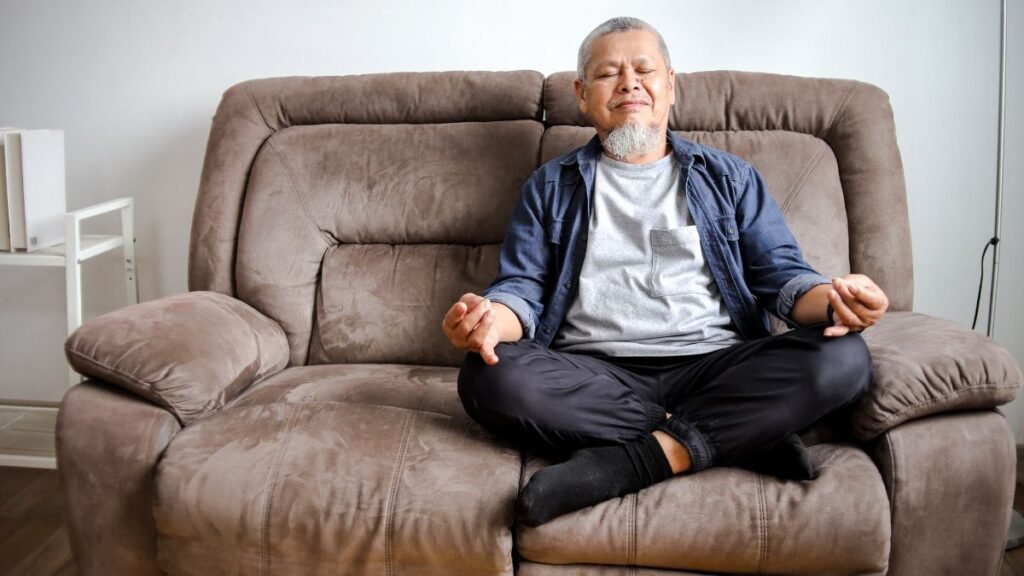
There is something powerful about closing your front door and knowing you belong on the other side of it. After 65, stable housing can provide privacy, routine, security, and a sense that part of your life is firmly under your control.
For some people, that means a house or condo with their name on the deed. For others, it means a dependable rental, senior apartment, small cottage, or shared home where they feel secure.
Owning a home is not required for a happy retirement. A person with a manageable rent and a good landlord may feel far safer than someone who owns a large house they can no longer afford, maintain, or move around safely.
The real advantage is stability. You want a home that fits your budget and lets you handle normal daily life without constant stress.
The Administration for Community Living has long focused on helping older Americans remain independent in their homes and communities for as long as practical. Its programs also recognize that independence often depends on transportation, home support, nutrition, and community services rather than housing alone.
Your Home Should Work With Your Age
The house that worked perfectly at 55 may become harder to use at 75. Stairs, slippery bathrooms, dim halls, difficult door handles, and heavy yard work can slowly turn a comfortable property into a burden.
That does not automatically mean you need to move. Small changes can make daily life much easier.
| Home problem | Simple improvement | Why it helps |
|---|---|---|
| Dark hallways | Add brighter lighting | Makes obstacles easier to see |
| Slippery bathroom | Improve traction and add secure supports | Makes bathing easier and safer |
| Difficult stairs | Add strong rails and good lighting | Gives you more support |
| Low soft chairs | Choose firmer seating with arms | Makes standing easier |
| Heavy maintenance | Pay for selected tasks if affordable | Protects energy and independence |
If you already have a place where you feel safe and settled, appreciate it. A peaceful home may not impress anybody on social media, but it can make every ordinary day easier.
2. Your Legs Still Take You Where You Want to Go

Being able to stand up, walk across a parking lot, visit a neighbor, shop for groceries, or climb a few steps can seem completely ordinary. Yet those simple movements are closely tied to how independently you can live.
Strong legs give you options. They allow you to keep participating in your own life instead of slowly organizing everything around what your body cannot do.
Current CDC guidance for adults 65 and older recommends a combination of aerobic activity, muscle strengthening, and balance work each week. The general target includes at least 150 minutes of moderate activity each week and muscle strengthening on at least two days.
That does not mean every 75 year old should suddenly start doing hard workouts. Your activity needs to fit your health, balance, medications, medical conditions, and current ability.
Walking Helps, but Do Not Forget Strength
A daily walk is a useful habit because it keeps you moving and gets you out of the chair. But walking is only one part of maintaining physical function.
Simple strengthening movements can matter too. Depending on your ability, this might include controlled chair stands, heel raises, gentle resistance exercises, or exercises recommended by a physical therapist.
Balance matters for the same reason. The National Institute on Aging notes that staying physically active is important for health and can help reduce fall risk rather than avoiding movement simply because you fear falling.
The goal is not to move like you did at 30. The goal is to keep enough ability to live the kind of daily life you value.
| If you can currently… | A useful goal may be… |
| Walk comfortably | Keep walking regularly |
| Stand from a chair | Maintain leg strength |
| Use stairs | Protect strength and balance |
| Walk only short distances | Build activity gradually if medically appropriate |
| Need mobility support | Use it confidently and keep moving safely |
If normal activity suddenly becomes much harder, speak with a health professional rather than simply blaming age. New weakness, dizziness, chest discomfort, repeated falls, or unusual shortness of breath deserve proper medical attention.
3. You Have at Least One Person You Can Really Call

You do not need 500 contacts on your phone. You need someone whose number you can press without spending ten minutes wondering whether you are bothering them.
Maybe it is a childhood friend, former coworker, neighbor, sibling, cousin, spouse, or someone you met after retirement. What matters is that the relationship feels real rather than ceremonial.
The National Institute on Aging distinguishes between living alone and being lonely. You can live alone and feel socially connected, while another person can live in a busy household and still feel painfully lonely.
That difference matters. Happiness is not determined by the number of people physically around you.
One Strong Friendship Can Change an Ordinary Week
Research reviewed by the National Institute on Aging links loneliness and social isolation with higher risks for problems including heart disease, depression, and cognitive decline. NIA therefore encourages older adults to maintain regular contact with friends, relatives, neighbors, and community groups.
You do not have to become extremely social. Regular connection could mean one weekly coffee, a Saturday phone call, a walking partner, a class, a faith group, or lunch with a neighbor.
Friendships also need maintenance after retirement. When work disappears, many of the automatic conversations that once happened every day disappear with it.
If you have one genuine friend, protect that relationship. Call first sometimes, remember what is happening in their life, and make plans before another three months quietly disappear.
If you do not have that person right now, do not assume the opportunity has passed. The National Institute on Aging recommends activities, classes, volunteering, hobbies, and community participation as ways to create meaningful social contact.
4. You Have Family Relationships That Still Feel Mutual
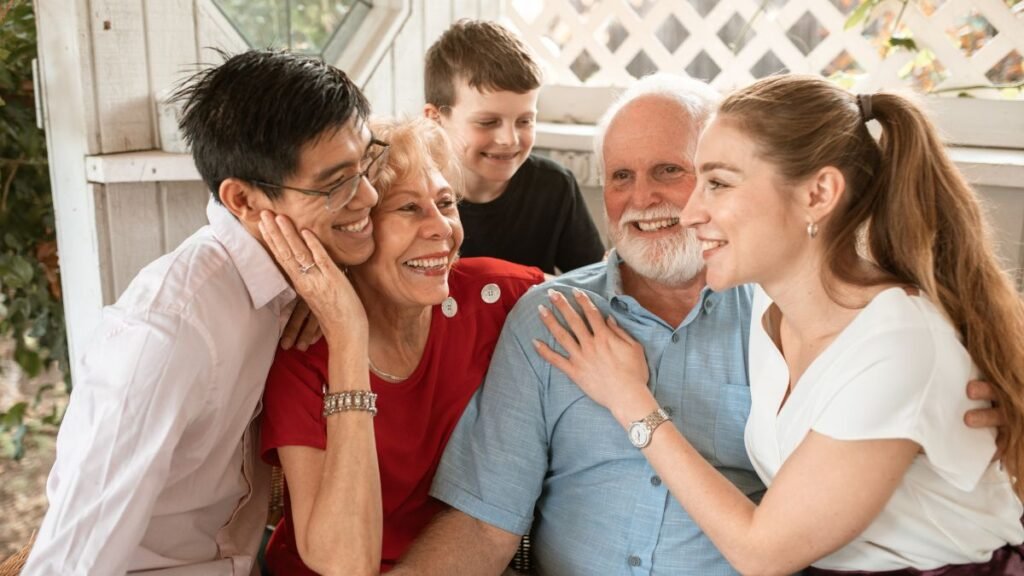
For some older parents, one of the hardest parts of aging is realizing that their children’s lives have become extremely full. Careers, spouses, grandchildren, bills, homes, health problems, and daily responsibilities can consume their attention.
A child calling less often does not automatically mean love disappeared. But regular, genuine contact can still become one of the sweetest parts of later life.
The best relationships usually feel mutual. You want your children or relatives to care about your life, but they also need room to talk about theirs.
That means a healthy phone call cannot always begin with, “Why haven’t you called me?” Sometimes a warmer opening is simply asking how they are doing and listening to the answer.
Connection Does Not Have to Mean Daily Contact
One family may speak every morning. Another may have one long call each Sunday and feel just as close.
Frequency matters less than whether both people feel respected and wanted. A five minute call filled with warmth can mean more than an hour spent arguing out of obligation.
The National Institute on Aging recommends scheduling regular contact with family, friends, and neighbors through visits, calls, messages, email, or video chat when possible. Staying connected can help protect emotional and physical well being.
And if you do not have children, this point still applies. Siblings, nieces, nephews, friends, neighbors, former colleagues, and community members can become a strong chosen family.
Do not measure the value of your retirement by whether adult children call every day. Look instead for relationships where affection, respect, interest, and effort still move in both directions.
5. You Have Enough Money to Make Normal Choices Without Fear

Financial security after 65 does not have to mean millions in investments. It can mean knowing the electric bill will be paid, groceries will be bought, housing is covered, and an ordinary unexpected expense will not immediately become a crisis.
That kind of security changes daily life. Money stops dominating every small decision and starts doing what it is supposed to do, which is support the life you need.
Social Security remains an important part of retirement income for millions of Americans. The Social Security Administration estimated the average monthly retirement benefit at $2,071 in January 2026, although actual benefits vary widely according to earnings and claiming history.
Social Security benefits also received a 2.8 percent cost of living adjustment for 2026. The adjustment applied to Social Security and Supplemental Security Income benefits for about 75 million people.
Financial Peace Is About Margin, Not Showing Off
Two retirees with the same income can feel completely different about money. One may have low housing costs and few debts, while the other may be supporting relatives, carrying loans, or paying high medical and housing expenses.
That is why comparing bank balances rarely tells the full story. What matters is the relationship between the money coming in and the demands going out.
| Sign of financial breathing room | Why it matters |
| Essential bills are consistently paid | Reduces everyday stress |
| Food costs fit the budget | Protects basic security |
| Housing remains manageable | Helps preserve independence |
| Some cash is available for surprises | Reduces panic when something breaks |
| Spending decisions remain yours | Preserves choice and dignity |
If money feels tight, start with the numbers rather than shame. Review housing, insurance, subscriptions, debt, transportation, taxes, benefit eligibility, and recurring expenses one line at a time.
The Administration for Community Living’s Eldercare Locator can also connect older adults with local programs and services. Available help varies by community, so checking what exists locally may reveal support you did not know about.
6. You Still Have a Reason to Get Up Tomorrow Morning

Retirement solves one problem and sometimes creates another. You finally stop going to work every morning, but you may also lose the schedule, responsibility, people, and sense of progress that work quietly provided.
That is why a satisfying retirement needs something beyond rest. You need at least one part of life that gives tomorrow a reason to exist beyond simply repeating today.
Purpose does not have to sound impressive. Caring for a garden can provide purpose, and so can walking a dog, helping grandchildren, cooking for someone, restoring furniture, volunteering, attending a faith community, reading history, learning a language, or helping a neighbor.
The National Institute on Aging reports that meaningful and enjoyable activities can support well being as people age. It encourages older adults to participate in hobbies, learning, volunteering, social activities, and other pursuits they value.
Research involving older adults has also found that a stronger sense of purpose is associated with healthier behaviors and positive health outcomes. That does not prove that purpose prevents every illness, but it does give another reason to keep meaningful goals in your life.
Your Purpose Can Change With Your Body
The activity that gave you purpose at 65 may become difficult at 78. That does not mean meaningful life is finished.
A person who once spent weekends building furniture might begin teaching woodworking skills. Someone who can no longer volunteer for a full afternoon might make calls from home or help for one hour.
Purpose works best when it can bend without disappearing. You are looking for a reason to participate in life, not another job that exhausts you.
Ask yourself what would make tomorrow slightly more interesting than today. Your answer may tell you more about your retirement than the size of your television or the model year of your car.
7. You Still Control the Small Decisions in Your Own Life

One of the most overlooked forms of wealth after 65 is choice. You decide when to get up, what to eat, what to wear, who comes into your home, how your afternoon is spent, and what happens to your money.
Those decisions seem small until someone else has to make them for you. Personal control can affect whether retirement feels like freedom or simply another stage managed by other people.
Independence does not mean doing absolutely everything without assistance. In fact, refusing every form of help can sometimes reduce independence faster.
A cleaner twice a month might allow someone to remain safely at home. Grocery delivery, transportation help, hearing aids, mobility devices, meal programs, or help with yard work can also preserve energy for the activities that matter more.
The Administration for Community Living supports services designed to help older adults remain involved in their communities. Depending on location, these can include transportation, personal care assistance, information services, help with chores, and other supports.
Accept the Help That Protects Your Freedom
There is a big difference between receiving help and losing control. The goal is to accept useful support while keeping as many important decisions in your own hands as your health allows.
That is also why planning matters before a crisis. Talk with people you trust about your housing preferences, transportation, finances, health care wishes, and the kind of assistance you would accept if your needs changed.
The happiest older adults are not necessarily the people who never need anyone. They are often people who still have a voice in how help enters their lives.
What Your Seven Answers Actually Tell You
Now count how many of these seven things are already part of your life. Do it with gratitude rather than turning it into another test you have to pass.
If you have all seven, you have several forms of security that deserve appreciation. That does not guarantee perfect health or constant happiness, but it gives you a strong foundation for daily life.
If you have three, four, or five, look closely at what is working. Protect those areas while choosing one weak spot that could realistically improve.
If you have only one or two, the list should not make you feel defeated. Several of these areas can change even late in life.
Here is a simple place to begin:
- No stable home: Learn about senior housing or local aging services before a housing emergency occurs.
- Mobility is slipping: Ask a health professional what form of movement is appropriate for you.
- No close friend: Contact one person you already like instead of waiting for someone to contact you.
- Family feels distant: Start one warm conversation without leading with guilt.
- Money feels frightening: Write down every recurring expense and identify the biggest pressure first.
- Days feel empty: Put one meaningful activity on next week’s calendar.
- Independence is shrinking: Identify one form of help that could actually protect your freedom.
The population age 65 and older continues to grow in the United States. Census Bureau estimates put that population at 61.2 million in 2024, which makes questions about connection, independence, purpose, and healthy aging increasingly important.
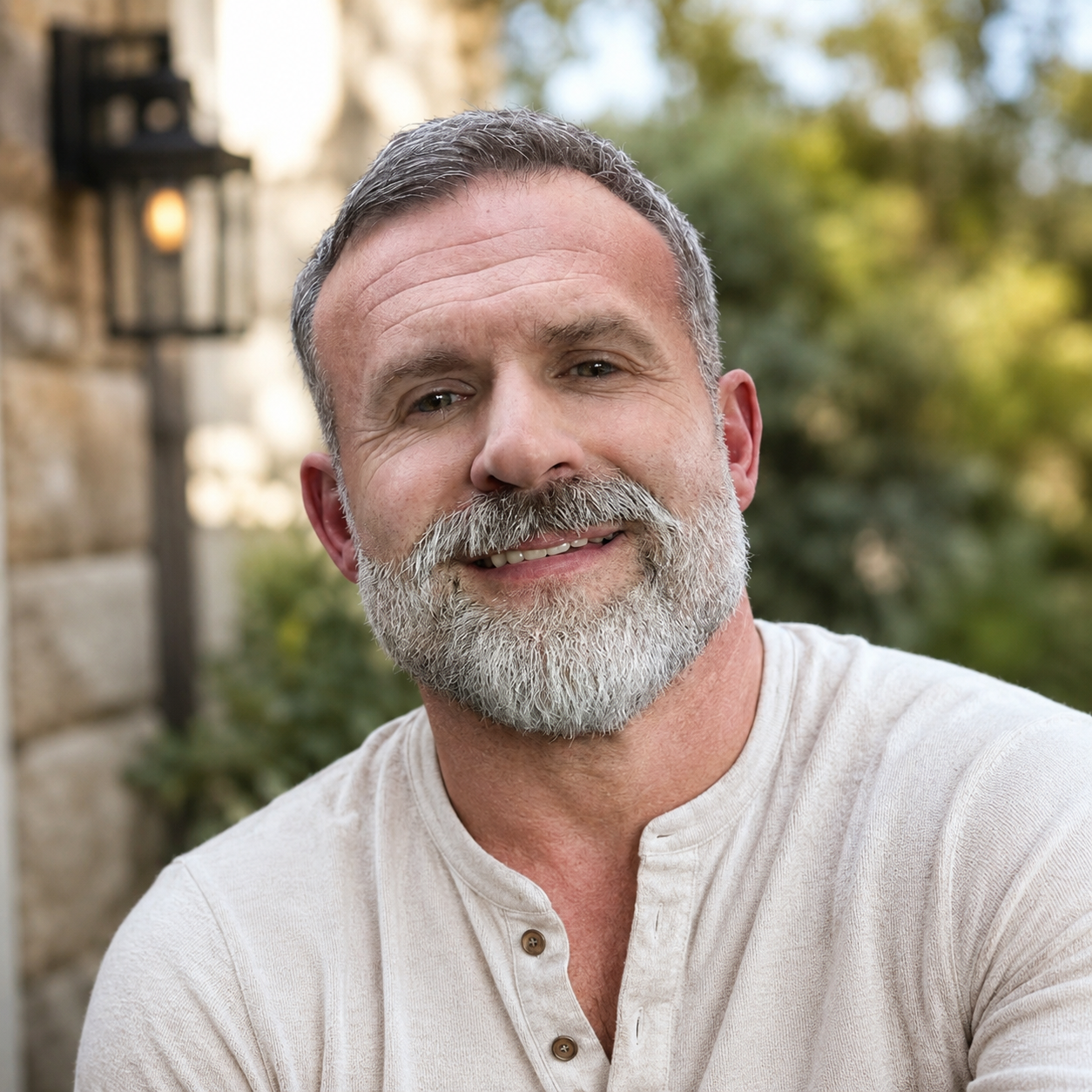
I’m Austin Becker, an advocate for living life with intention and resilience. I write for men who are actively navigating life’s major transitions, tackling the realities of reinvention and finding renewed purpose with grit and honesty. I believe that personal growth doesn’t have a deadline it’s about continuously gearing up for the chapters that matter most.
Through my work, I aim to strip away the clichés of modern manhood, offering practical, no-nonsense insights on health, mindset, and legacy for those who want to move forward with strength and clarity.