
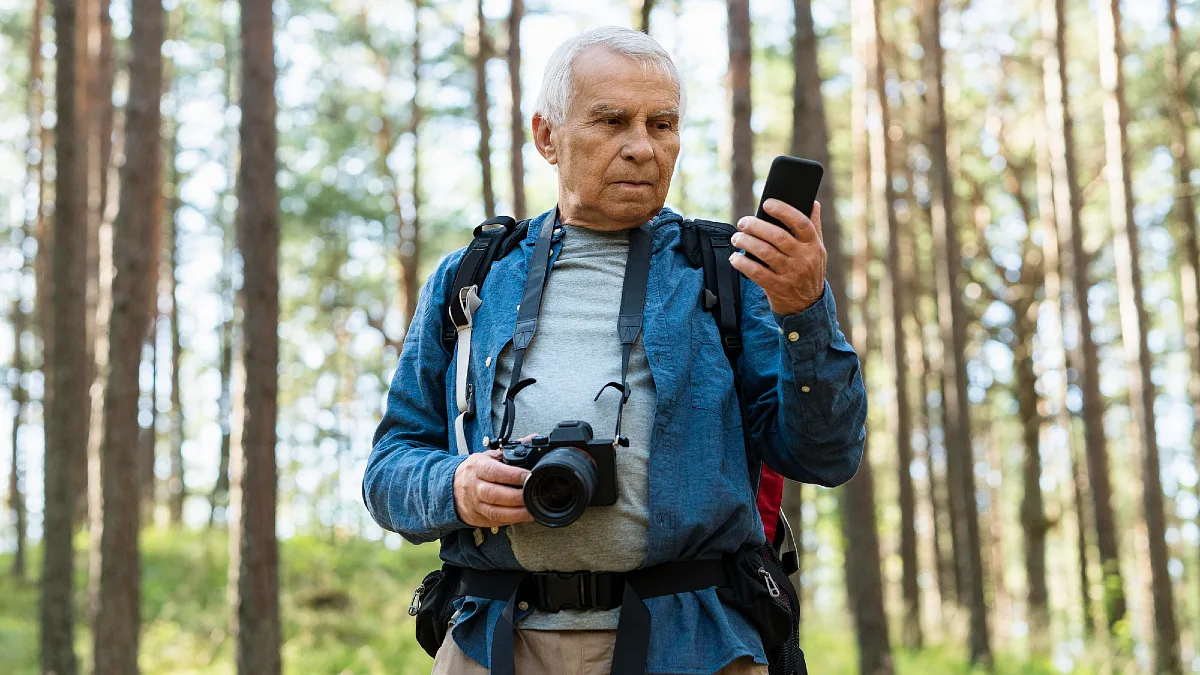
Retirement is supposed to give you more time and less stress. Yet plenty of people discover an odd problem once the first few months of freedom wear off. They have nowhere they must be, fewer people expecting them, and surprisingly little reason to get moving before lunch.
The result can feel like low energy, even when your calendar looks almost empty. Work once provided walking, conversations, decisions, deadlines, and a reason to get dressed at a certain hour. Remove all of that at once and a quiet life can become a very inactive one.
That is why some of the most useful retirement activities are surprisingly ordinary. You do not need expensive vacations, golf memberships, or a packed social calendar.
Why Retirement Can Leave You More Tired Than Expected
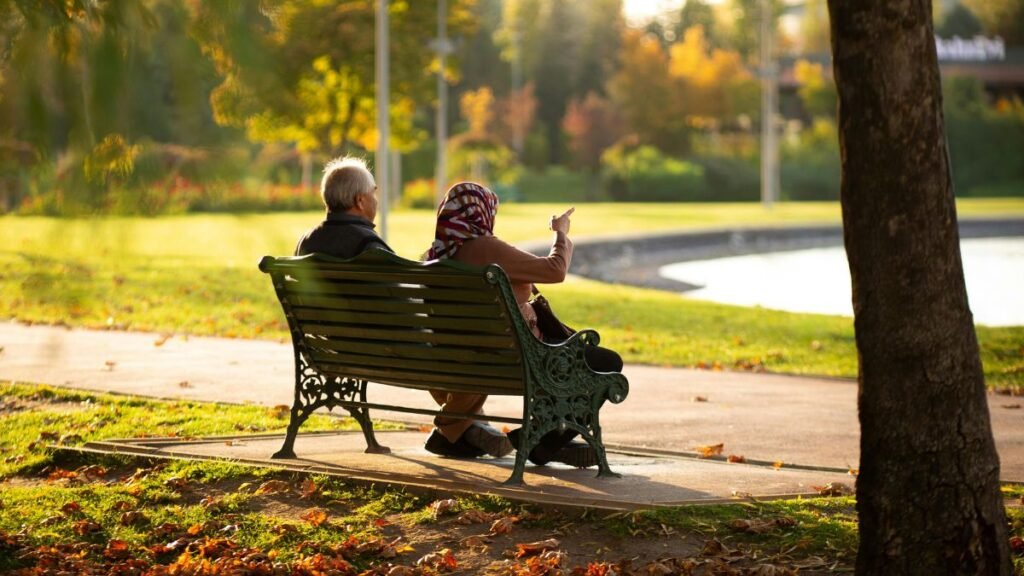
Retirement can remove much more than a paycheck. It can also remove dozens of small activities that used to happen without you thinking about them.
You walked from the parking lot. You talked with coworkers. You solved problems. You went to lunch. You watched the clock. You had places to be and people waiting for you.
Once that structure disappears, you can spend far more time sitting without noticing the change.
The National Institute on Aging lists retirement among the major life changes that can increase a person’s risk of social isolation. NIA also notes that loneliness and social isolation are linked with poorer physical and mental health outcomes.
Movement matters too. The CDC’s current guidance for adults 65 and older recommends at least 150 minutes of moderate aerobic activity each week, along with muscle strengthening activity on two days and activities that improve balance. People who cannot reach those targets should remain as active as their health and abilities allow.
That does not mean retirement should become another job.
It means your week may feel better when it contains several small anchors. A morning walk, Tuesday library visit, Thursday volunteer shift, or Sunday breakfast can provide structure without taking away your freedom.
Here are 11 places to start.
1. Turn a Daily Walk Into a Standing Appointment
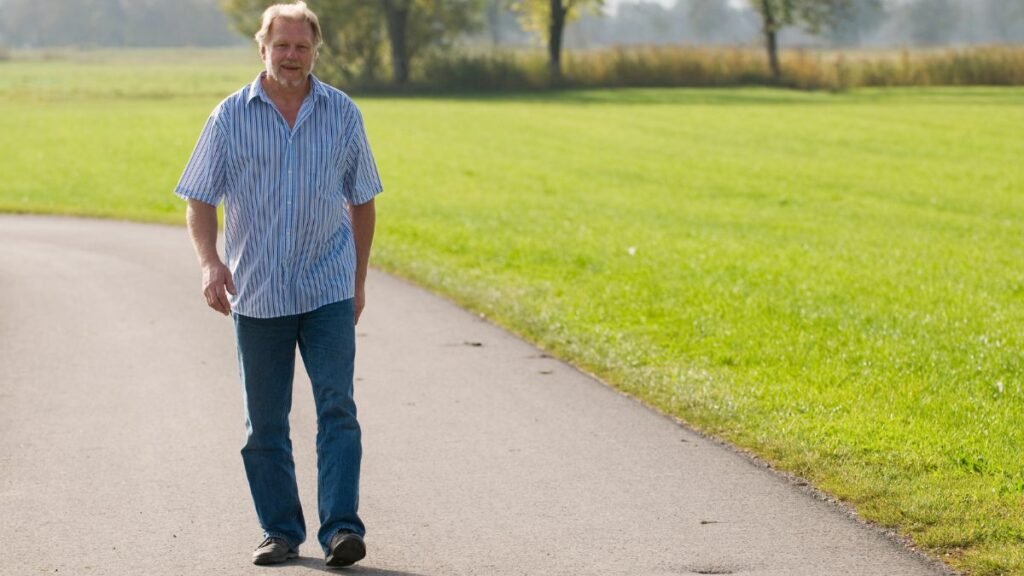
Walking is one of the simplest ways to put movement back into a day. The trick is to stop treating it as something you will do when you happen to feel motivated.
Give it a time.
You might walk after breakfast, before lunch, or after dinner. A fixed place in your routine removes the daily decision about when to go.
If you normally walk alone, invite a neighbor or friend once or twice a week. That turns one simple activity into both movement and social time.
The CDC uses brisk walking as an example of moderate intensity aerobic activity for older adults. It also makes clear that people should choose activity that fits their abilities and health conditions.
You do not have to begin with a long route. Ten comfortable minutes around your street is more useful than planning a five mile hike that never happens.
The goal is repetition.
When tomorrow’s walk is already part of the schedule, the day starts gaining shape.
2. Grow Something You Can Check Every Morning
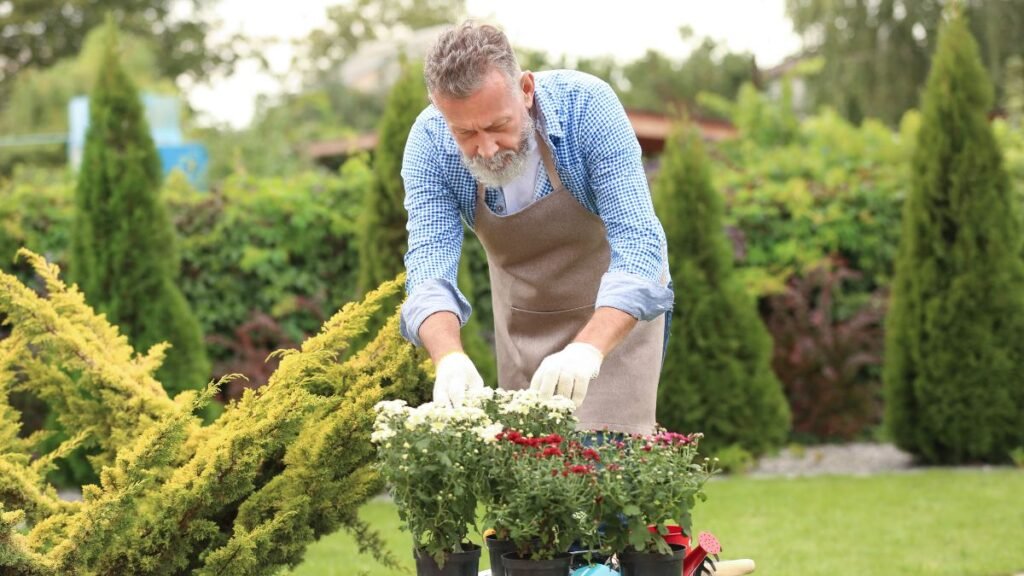
You do not need a large yard to become a gardener.
A pot of basil on a patio counts. So do tomatoes in containers, flowers beside the front door, or three herbs growing near a sunny window.
Gardening works well in retirement because plants create tiny responsibilities. You check the soil. You notice a new leaf. You trim something. You water when needed.
Those small jobs give you a reason to stand up and do something instead of staying in the chair.
The CDC includes gardening among activities that can involve more than one type of physical activity. Depending on what you are doing, gardening can require movement, strength, bending, and balance.
Keep the project small at first. A huge vegetable garden can quickly turn a pleasant hobby into hard work.
Start with something you actually want to see grow.
That little bit of anticipation is part of the benefit.
3. Make the Library Your Weekly Destination

A library card might be one of the best retirement memberships available because it can cost you nothing.
Books are only the beginning. Many public libraries offer talks, reading groups, classes, community events, computer help, craft groups, and quiet places to spend time around other people.
Choose one day each week as your library day.
You might browse for a new mystery, read newspapers, attend a talk, or simply sit somewhere other than your living room. The purpose is partly what you do there and partly having somewhere to go.
NIA says meaningful activities and hobbies can support well being as people age. Its healthy aging guidance also points to reading, learning, and community activities as useful ways to stay engaged.
Check your local library calendar before assuming nothing is happening.
You may find far more free activities than you expected.
4. Volunteer for One Job Someone Actually Needs Done

Retirement gives you something work rarely did: control over which problems you want to help solve.
That makes volunteering very different from simply filling spare time.
A school may need reading help. A food program may need someone packing boxes. A library may need event support. An animal organization may need help with basic tasks.
Pick something concrete.
NIA reports that social engagement, including volunteering and visiting with neighbors, has been associated with better cognitive health in older adults. NIA also recommends volunteering as one possible way to strengthen social connections.
The important word is possible. Volunteering is not medicine, and more volunteer hours do not automatically mean better health.
Choose an amount that leaves you feeling useful rather than exhausted.
One dependable responsibility can be enough to make Tuesday feel different from Wednesday again.
5. Use Community Exercise Instead of an Expensive Gym
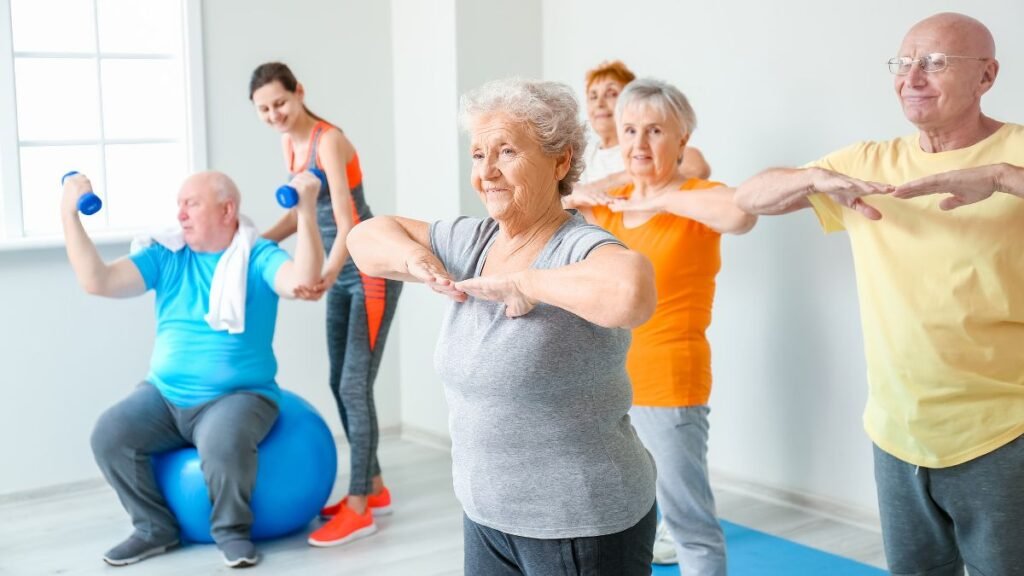
You do not need rows of machines and a monthly contract to stay active.
Look first at your local recreation center, senior center, park, community hall, or walking club. Some areas offer low cost or free exercise sessions designed for older adults.
The best program is one you will attend.
For one person, that may be a walking group. Someone else may prefer gentle strength work, water exercise, tai chi, or a balance class.
The CDC says people 65 and older benefit from a combination of aerobic exercise, muscle strengthening work, and balance activity. Some activities, including tai chi and certain forms of gardening and yoga, can work on more than one area.
Do not use another person’s fitness level as your starting point.
If you have a health condition, pain, balance problems, or a long period of inactivity, choose activity that fits your situation and discuss major changes with your health care professional when appropriate.
Consistency matters more than looking athletic.
6. Start a Cheap Weekly Meal Tradition
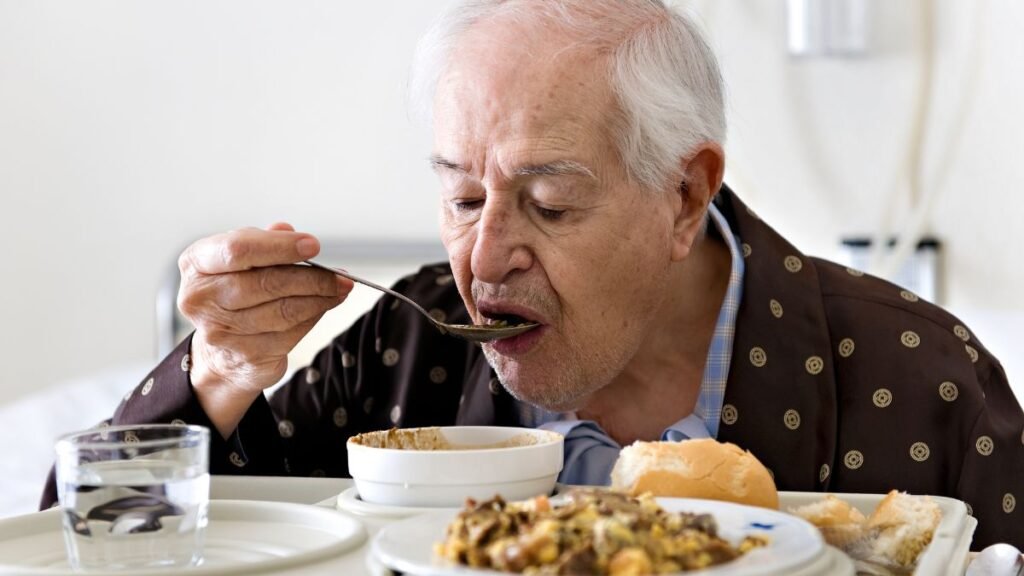
Socializing can become surprisingly difficult after retirement because casual contact no longer happens automatically.
You may genuinely want to see people and still go two weeks without making plans.
A recurring meal solves the scheduling problem.
Try Tuesday morning coffee with two friends. Have soup night twice a month. Meet for a simple breakfast. Rotate houses so nobody becomes the permanent host.
The food does not need to be impressive.
NIA says staying socially connected may help protect mental and physical well being, while social isolation and loneliness are associated with several health risks.
A 2025 NIA summary also reported that a large analysis of more than 600,000 people found loneliness was associated with a 31 percent higher risk of dementia. That finding shows an association rather than proving that loneliness itself directly causes dementia.
You do not need dozens of friends to respond to that research.
Start by making one relationship more regular.
7. Learn a Skill That Makes You a Beginner Again

One strange part of retirement is that you can become extremely good at your daily routine.
That sounds pleasant until every day begins to look the same.
Learning something unfamiliar puts a little uncertainty back into life. Try phone photography, sketching, bread making, basic piano, a new language, bird identification, or a style of cooking you have never tried.
You can often begin with library materials, community classes, or free educational resources.
NIA notes that older adults remain capable of learning new things and improving skills. It also cites research involving activities such as quilting and digital photography, while warning that evidence for lasting cognitive benefits from particular hobbies is still not definitive.
That distinction matters.
Do not learn Spanish because someone promises it will prevent dementia. Learn Spanish because having chapter three to finish gives Wednesday afternoon a purpose.
Curiosity is enough of a reason.
8. Put Music Back Into the Week
Music is easy to consume in the background. It becomes much more engaging when you actually do something with it.
Sing with a community group. Practice an instrument you stopped playing years ago. Learn a few songs. Dance in your living room. Attend free concerts in parks, libraries, schools, or community spaces.
NIA has studied creative activities including music, dance, theater, and visual arts as possible supports for healthy aging. Research in this area has shown promising links with areas such as well being, social interaction, memory, and stress, although more research is still needed.
You also do not need to be good at music for it to earn a place in your week.
Nobody is grading retirement.
Choose music that makes you want to move, sing, practice, or meet other people. Those actions matter more than producing a perfect performance.
9. Take Your Phone Camera on a Purposeful Walk
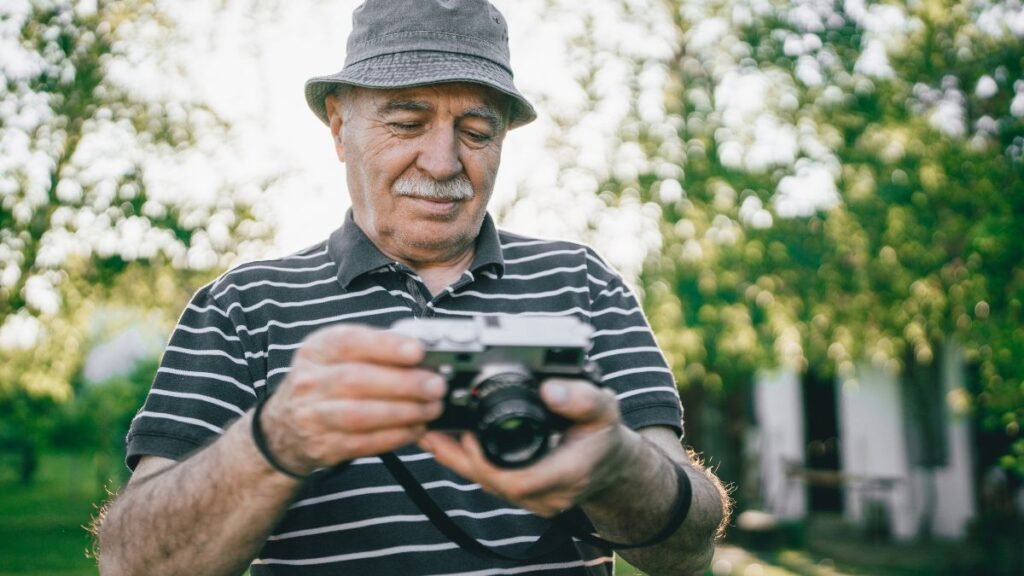
Walking becomes easier to repeat when there is something to look for.
Choose a subject before you leave home. Photograph front doors, birds, old buildings, flowers, trees, clouds, neighborhood gardens, or signs of the changing season.
Now the walk has a mission.
Instead of thinking about completing a certain distance, you start looking more carefully at the place around you. You may walk farther simply because you want to see what is around the next corner.
Photography also gives you a small project to continue at home. Pick your favorite pictures. Organize them by month. Send one to a friend.
NIA has cited photography among mentally engaging activities studied in older adults, although it cautions against assuming that one hobby produces guaranteed long term cognitive benefits.
That is fine.
The immediate payoff is simpler: you moved, paid attention, and created something.
10. Create a Regular Help Day
Many jobs give people a powerful feeling that can disappear after retirement: somebody needed you today.
You can rebuild that feeling without returning to work.
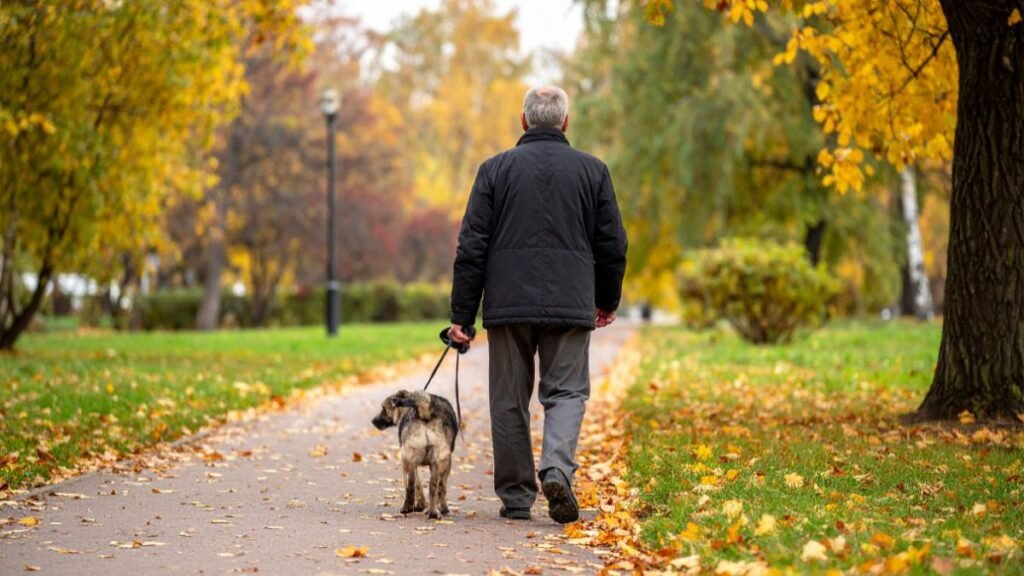
Choose one small way to be useful. Help a grandchild with homework. Walk a neighbor’s dog. Drive a friend to an appointment. Help someone learn a computer skill. Cook one meal for a family member having a difficult week.
You could also do the same thing through a formal volunteer group.
NIA notes that meaningful and productive activities with other people can provide a sense of purpose and may help support well being. Volunteering and helping others can also create opportunities for connection.
There is one important limit.
Being useful should not mean becoming available to everyone all the time.
Protect your time. Retirement should still belong to you.
11. Protect One Evening for Rest Instead of More Stimulation

More activity is useful when your days have become empty. But filling every free hour creates a different problem.
Energy also requires recovery.
Older adults generally still need about seven to nine hours of sleep each night, according to NIA. Getting adequate sleep helps with alertness, memory, attention, decision making, and daytime function.
Try protecting a quiet evening routine.
Lower the lights. Finish large meals earlier. Put away work or household projects. Give yourself a regular bedtime window rather than falling asleep in front of the television and waking up later.
NIA also recommends keeping a consistent sleep schedule, avoiding late afternoon or evening naps, limiting screens in the bedroom, and avoiding caffeine, alcohol, and large meals late in the day.
And do not assume persistent exhaustion is simply part of getting older.
NIA advises talking with a doctor if you are regularly very sleepy or having ongoing trouble getting enough sleep.
Which Retirement Activities Give You the Most for Your Money?
Most of these ideas cost little because their real value comes from what they make you do, rather than what you buy.
| Activity | Main benefit | Typical cost |
|---|---|---|
| Daily walk | Movement and routine | Free |
| Container gardening | Purpose and light activity | Low |
| Library visit | Learning and community | Usually free |
| Volunteering | Purpose and connection | Usually free |
| Community exercise | Movement and social contact | Free to low |
| Weekly meal tradition | Regular connection | Low |
| Learning a skill | Curiosity and challenge | Free to low |
| Music | Creativity and enjoyment | Free to low |
| Photo walk | Movement and attention | Free with a phone |
| Help day | Purpose and connection | Usually free |
| Quiet evening routine | Rest and recovery | Free |
You can probably see the pattern.
The strongest choices do more than one job. A walking group gives you exercise, routine, and conversation. Gardening creates movement and responsibility. Volunteering combines purpose with social contact.
That is useful when you do not want retirement to become another full schedule.
I’m Austin Becker, an advocate for living life with intention and resilience. I write for men who are actively navigating life’s major transitions, tackling the realities of reinvention and finding renewed purpose with grit and honesty. I believe that personal growth doesn’t have a deadline it’s about continuously gearing up for the chapters that matter most.
Through my work, I aim to strip away the clichés of modern manhood, offering practical, no-nonsense insights on health, mindset, and legacy for those who want to move forward with strength and clarity.