
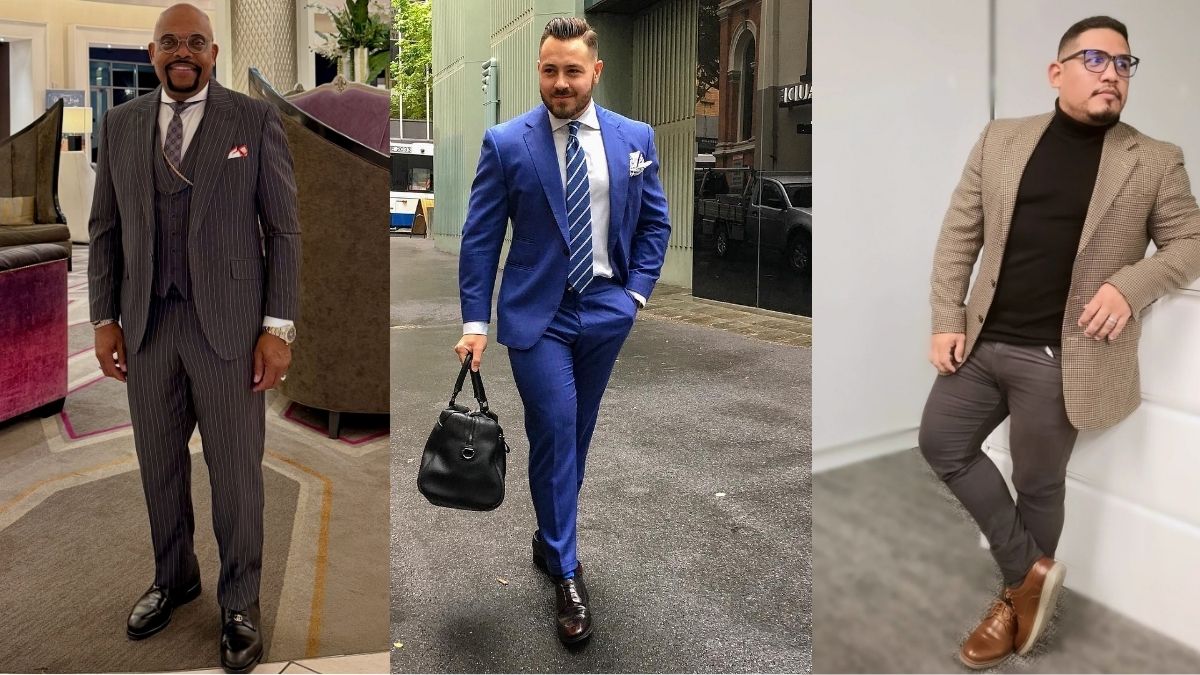
The shirt fits across the shoulders. Button it up and suddenly the chest pulls, the fabric gaps between buttons, and the whole thing looks like you borrowed it from someone built completely differently than you are.
Most style advice for bigger men stops at “wear darker colors” and “avoid tight fits.” Neither of those answers actually solves anything. Darker colors don’t fix a shoulder seam that’s two inches off. Looser fits just trade one problem for three more.
What actually helps is understanding the specific mechanics behind why clothes fit the way they do on a larger chest and then using that knowledge to make different decisions at the store, the tailor, and the closet. That’s what this covers. No generic tips. No advice built for a body type that isn’t yours. Just the specific things that change how clothes look and feel when your chest is the starting point.
Your Chest Is Not the Problem — Your Shoulder Line Is
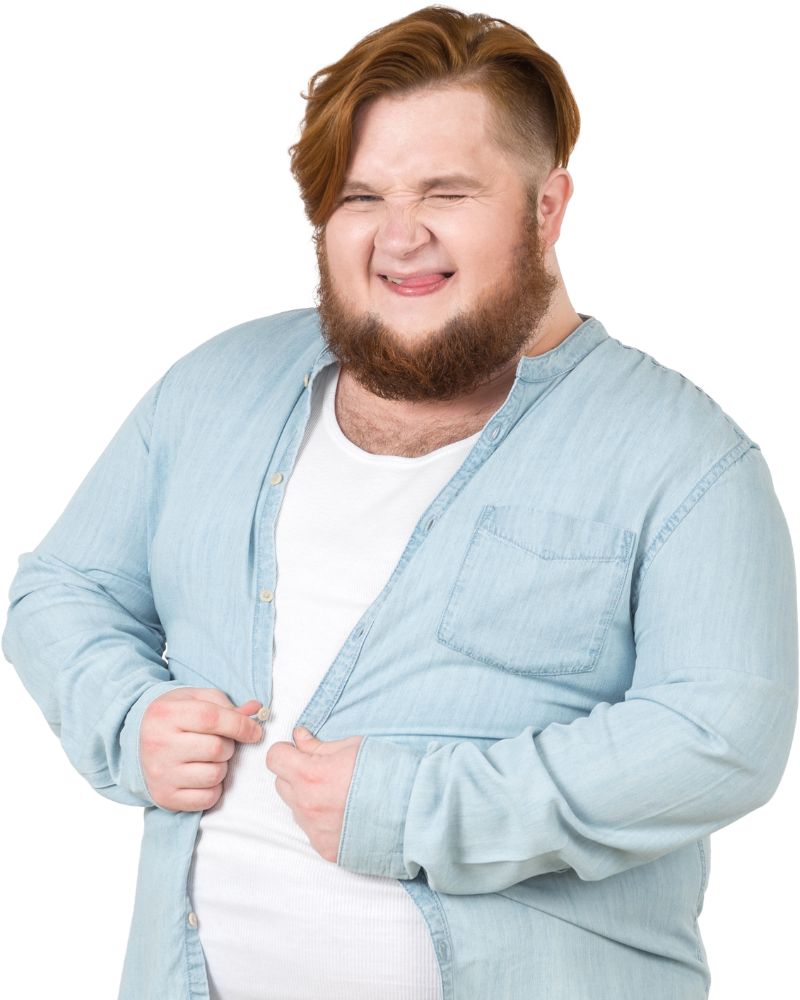
Most men blame their chest. The real culprit is sitting two inches above it.
When a shirt’s shoulder seam slides past your actual shoulder point dropping down your arm instead of sitting right at the edge it pulls the fabric sideways across your chest.
That sideways tension creates a stretched, rounded look that adds visual bulk where you don’t want it. The chest doesn’t look big because it’s big. It looks big because the fabric is fighting the wrong anchor point.
Why the shoulder seam matters more than chest size:
- A seam that drops even one inch past your shoulder point drags the entire front panel outward
- This creates a horizontal ledge of fabric across your chest the exact shape that reads as “too big” in a mirror
- No amount of going up or down a size fixes a misaligned seam
- A correctly placed seam sits right at the bony edge of your shoulder not on top of it, not past it
The good news: this is a fit problem, not a body problem. A tailor can move a shoulder seam in a single session for a modest cost. Off the rack, the fix starts before you even try something on by knowing which measurement to check first and which to ignore.
That number isn’t your chest size.
Why “Go Bigger” Is the Worst Advice for a Large Chest
Buying a larger size doesn’t hide your chest. It just adds more fabric everywhere else and that extra fabric is exactly what makes you look bigger overall.
When you size up to get room across the chest, the shoulders drop, the sleeves grow, and the body of the shirt balloons out around your midsection. Now instead of one problem area, you have four. The chest still pulls. Everything else just hangs.
What actually happens when you size up:
- Shoulder seams slide down your arm, creating the ledge effect covered above
- Extra fabric bunches at the sides and back, adding width that wasn’t there before
- Sleeve length grows past your wrist, throwing off your whole proportion
- The waist area sags and puffs out, making your midsection look larger than it is
Sizing up is a comfort decision disguised as a style decision. There’s a difference between a shirt that fits your chest and a shirt that fits your body and most men have been choosing the first one at the expense of the second.
The right approach is the opposite:
- Size to your chest measurement first that’s the number that drives the fit
- Accept that other areas may need adjustment
- A small alteration at the waist costs far less than you think
Fit beats size. Every time.
The One Measurement That Actually Determines Your Fit
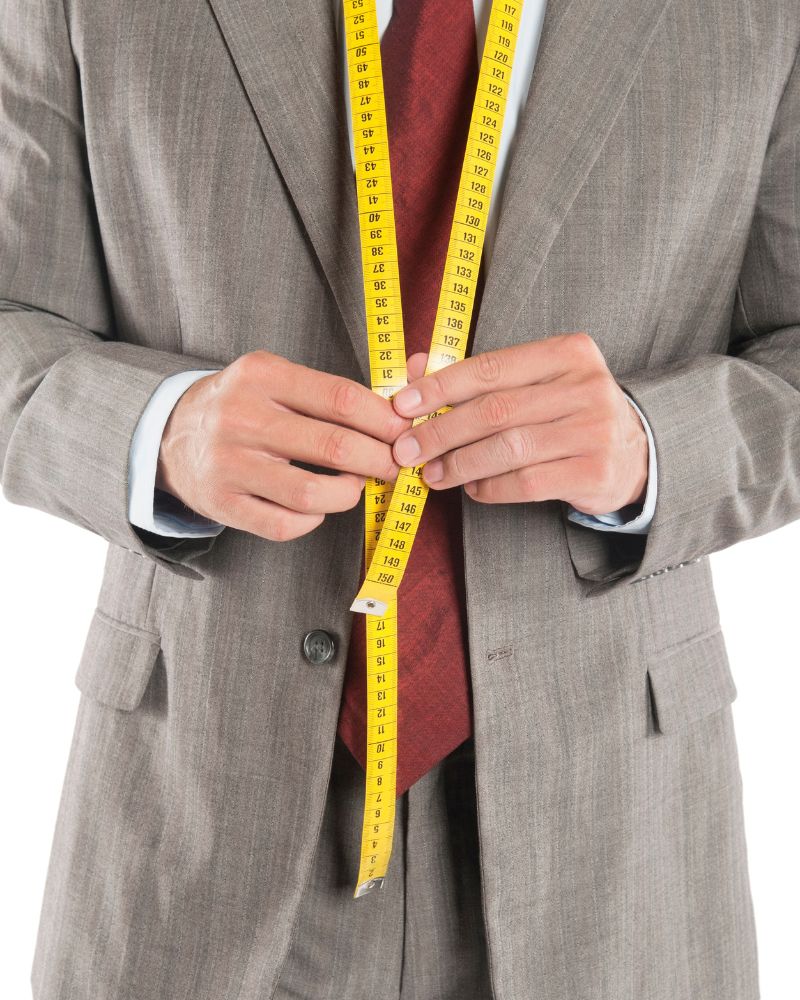
Ignore the tag size. The number that actually matters is your chest circumference measured at the fullest point, with the tape snug but not tight.
Everything else in a shirt can be altered. Waist, sleeves, length a tailor can adjust all of it in under an hour. The chest panel is the one thing that cannot be added to after the fact. That’s why it has to be right before anything else.
How to take the measurement correctly:
- Stand straight, arms relaxed at your sides not flexed, not crossed
- Wrap a soft tape measure around the widest part of your chest, just under your armpits
- Keep the tape level across your back don’t let it dip or angle down
- Read the number on a normal exhale, not sucked in
- Add one to two inches to that number for comfortable wearing ease
How to use that number when shopping:
- Match it to the chest measurement on the brand’s size chart not the general size label
- When two sizes are close, go with the larger one across the chest
- Ignore the neck, sleeve, and waist columns for now those get fixed later
That single number will tell you more about how a shirt will fit than any size label ever has. Most men have never measured themselves. The ones who do stop guessing and start getting dressed with a lot less frustration.
Shirt Structures That Work With a Large Chest, and the Ones That Fight It
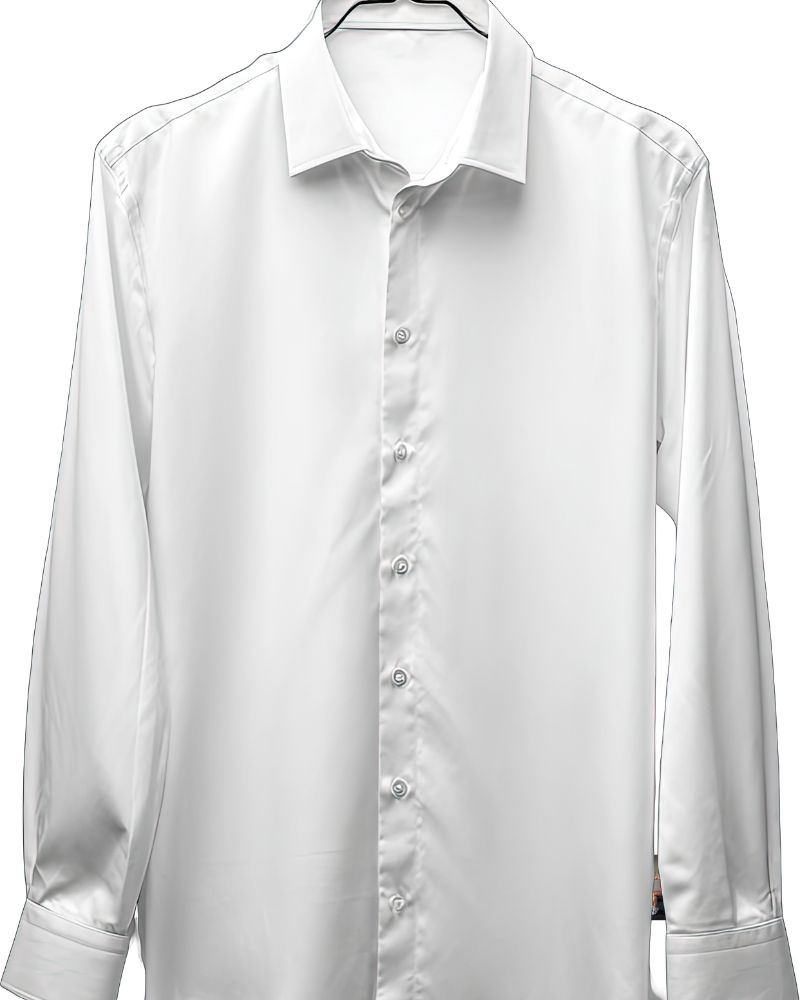
Two shirts can be the same size and fit completely differently because the details built into the fabric determine whether your chest looks contained or crowded.
The placket is the strip of fabric running down the front where the buttons sit. A wider placket creates a strong vertical line down the center of your chest, which draws the eye up and down instead of across. Narrow plackets or worse, hidden button plackets remove that line entirely and leave a wide, unbroken stretch of fabric that makes the chest look broader.
Shirt details that work for a large chest:
- Wide placket (at least one inch) with evenly spaced buttons more buttons means less gap and less pulling between them
- Spread collar or open collar opens the neckline and creates a V-shape that visually lengthens the chest area downward
- No chest pocket a patch pocket sits right on the fullest point of your chest and adds a square of visual bulk exactly where you don’t need it
- Darker, solid fabric across the chest panel some shirts use color blocking that naturally de-emphasizes the chest
Shirt details that fight a large chest:
- Patch chest pockets centered over the fullest point
- Widely spaced buttons that allow the placket to pull and gap under tension
- Crew neck or high round collars that cut across the chest horizontally
- Busy patterns like large checks or horizontal stripes across the chest panel
Collar shape alone can change how your entire upper body reads. A spread or open collar pulls attention upward toward your face and creates a downward V that breaks the chest into a longer, leaner shape rather than one wide block.
The Vertical Line Trick — and Why Most Men Get It Backwards

Vertical stripes don’t slim your chest. They divide it and that’s actually the point, but almost nobody explains it that way.
A large chest reads as one wide block of fabric. Anything that cuts through that block vertically breaks it into smaller sections, which makes the whole area look less dominant. The stripe itself isn’t doing the slimming. What it’s doing is interrupting the width so your eye never travels all the way across in one unbroken sweep.
Here’s where most men go wrong: they hear “wear vertical stripes” and reach for bold, widely spaced stripes that run the full width of the shirt. Wide stripes with big gaps between them don’t divide the chest they decorate it. The lines need to be thin and close enough together to create genuine visual interruption.
Vertical elements that actually work:
- Thin pinstripes or narrow pencil stripes the closer together, the more effective the division
- The shirt placket itself a wide, visible placket is the most reliable vertical line you already own
- An open collar forming a deep V draws the eye down the center instead of across the chest
- A zip or button-down running to mid-chest on a casual top
Vertical elements that backfire:
- Bold, widely spaced stripes too much blank fabric between lines defeats the purpose
- Stripes that run only across the chest panel and stop creates a horizontal band effect
- Vertical patterns paired with a high round collar that cuts the line short
One strong vertical line down the center of your chest does more work than a shirt covered in stripes. Start with the placket. Build from there.
Jackets, Blazers, and the Hidden Chest Anchor Most Men Ignore
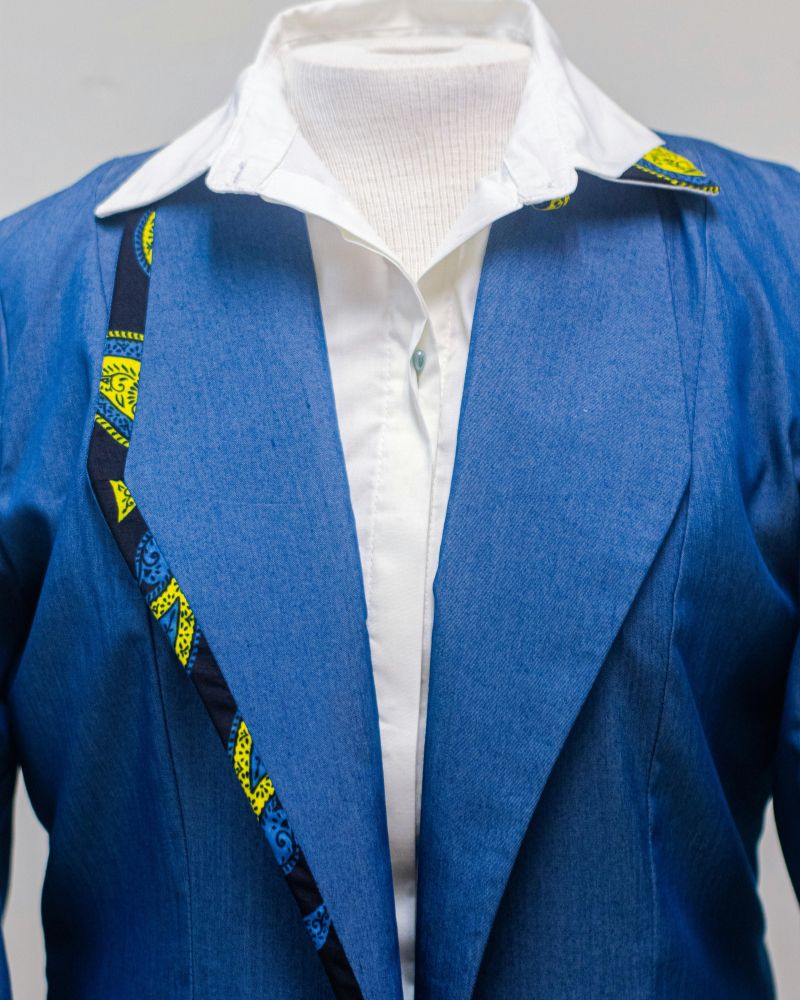
Buttoning a jacket too high is one of the most common mistakes large-chested men make and it’s also one of the easiest to fix without spending a dollar.
When the top button sits above your natural waist, it divides your torso right across the widest point of your chest. That cut-off shortens the torso visually and pushes the chest forward, making it the first and only thing someone sees when you walk into a room.
Lower the button point meaning choose jackets where the top button sits at or just below your natural waist and the chest becomes part of a longer, more balanced line instead of the focal point.
Jacket details that work for a large chest:
- Single-breasted styles with one or two buttons double-breasted adds layers of fabric directly across the chest
- Top button sitting at or slightly below the natural waist, not above it
- Wider lapels a lapel that’s too narrow looks pinched against a broad chest and makes it appear larger by contrast
- Structured shoulders that sit cleanly at the shoulder point, not drooping past it
Jacket details that fight a large chest:
- High button stance that bisects the chest horizontally
- Narrow, thin lapels that have no visual weight to balance the chest
- Double-breasted fronts that stack fabric across the widest area
- Unstructured “relaxed” blazers that collapse and bunch across the chest panel
Lapel width is the detail most guides never mention. Think of it as a counterweight a wider lapel gives the eye something to land on at shoulder level, which pulls attention upward and away from the chest itself. Width up top balances width in the middle.
What to Do When Nothing Off the Rack Fits Both Your Chest and Your Waist
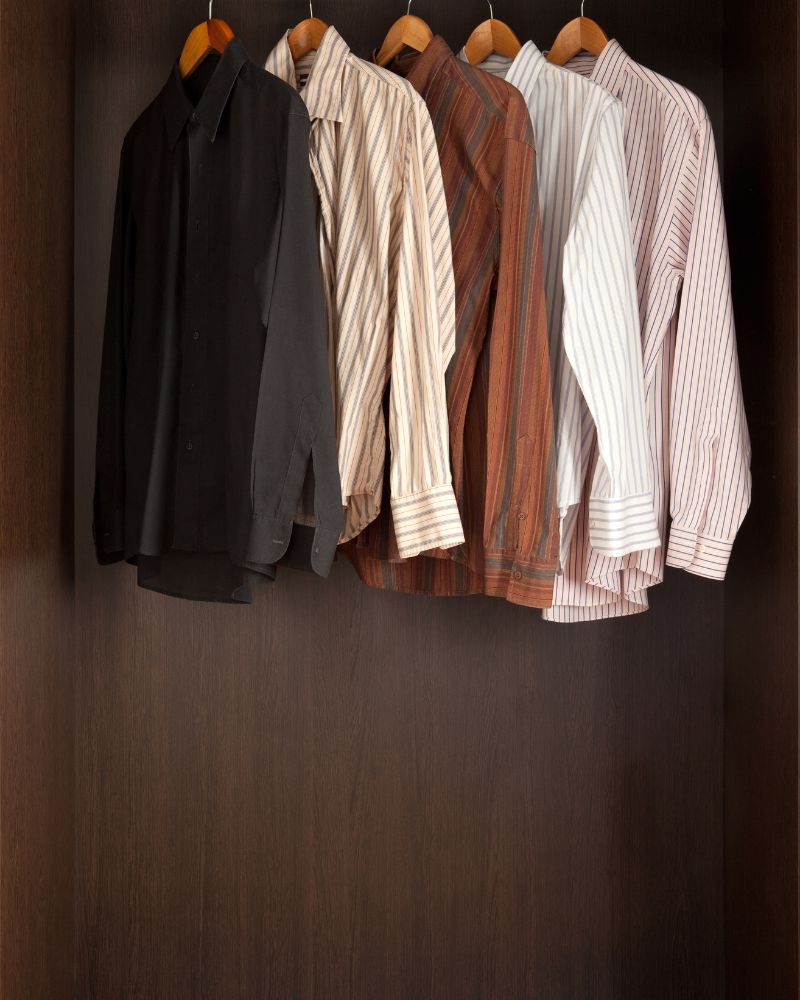
This is not a you problem. Standard shirt sizing assumes a relatively fixed ratio between chest and waist and for men with a larger chest and a smaller or average waist, that ratio simply doesn’t exist in most off-the-rack clothing.
You have three practical paths forward. None of them require a large budget or a complete wardrobe overhaul.
Path 1: Buy to the chest, alter the waist
- Select your size based on chest measurement alone, as covered earlier
- Take the shirt to a tailor and ask for a “side seam take-in” at the waist
- This single alteration typically costs less than a fast-food meal for two and transforms how the shirt sits on your body
- Most tailors can turn this around in a few days
Path 2: Look for brands with athletic or chest-forward sizing
- Some menswear brands design specifically for men with a larger chest-to-waist drop
- Search for terms like “athletic fit,” “muscular fit,” or “big and tall athletic” when browsing
- These cuts build in a wider chest panel and a more tapered waist without requiring alterations
Path 3: Use stretch-panel shirts as a bridge
- Shirts with stretch fabric panels across the chest give you room without adding bulk
- Look for shirts with at least 2–4% elastane or spandex in the fabric content
- Stretch doesn’t mean casual many dress shirts now use stretch fabric that looks completely polished
Standard sizing was built for an average body that most men don’t actually have. Working around it isn’t a workaround. It’s just how dressing well actually works.

Hello there! I’m Jesse Joe, the author and editor behind SolganGenius. I’m thrilled you’ve stopped by, and I can’t wait to share with you the essence of what this platform is all about.
I’m a writer, social media enthusiast, and a firm believer in the power of words. I’ve always been fascinated by how a simple phrase or slogan can capture an emotion, convey a message, and even change perspectives. Learn More