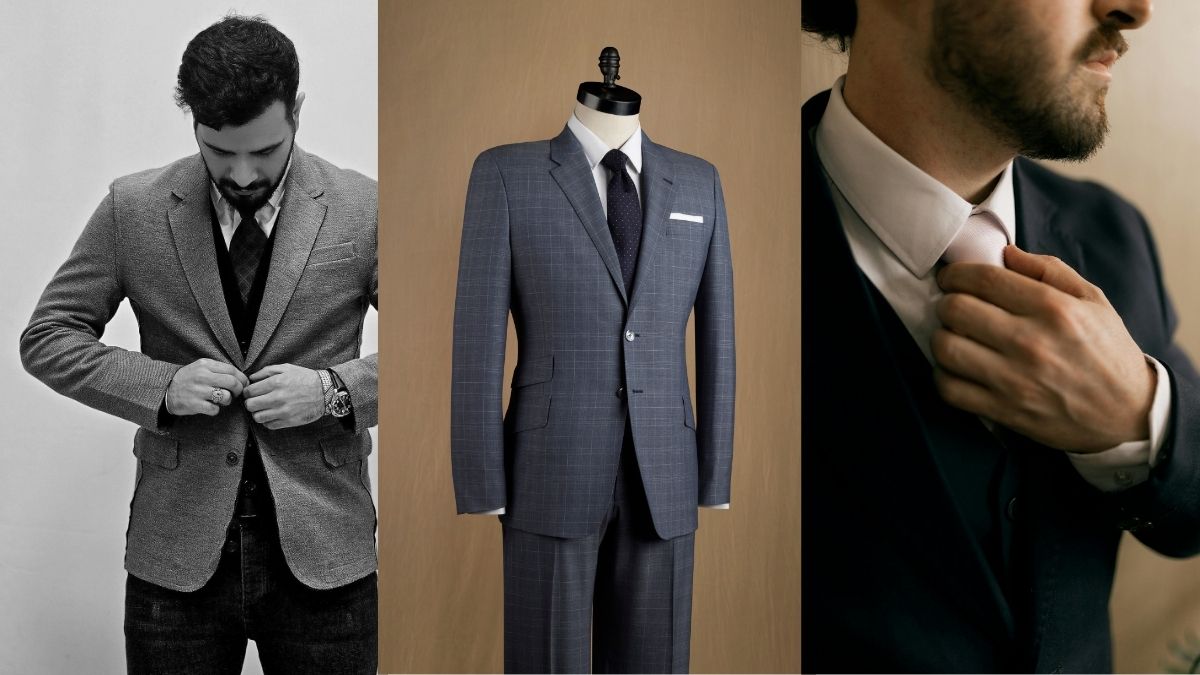
Someone asks you to be his best man and the first thing that flashes through your mind isn’t the speech. It’s the suit. More specifically, it’s the thought of standing in front of everyone, in photos that last forever, wondering if anything you own or can find will actually look right on your body.
Most style advice for bigger men comes down to one word: hide. Dark colors. Loose cuts. Don’t draw attention. That works at a Tuesday dinner. It doesn’t work when you’re front and center at your best friend’s wedding.
This guide skips that advice entirely. What follows covers fit, silhouette, proportion, and the specific details that make the difference between a suit that technically closes and one that actually looks good built around your body, for the most visible role you’ll play all day.
Plus-Size Best Man Style Guide: How to Look Your Best
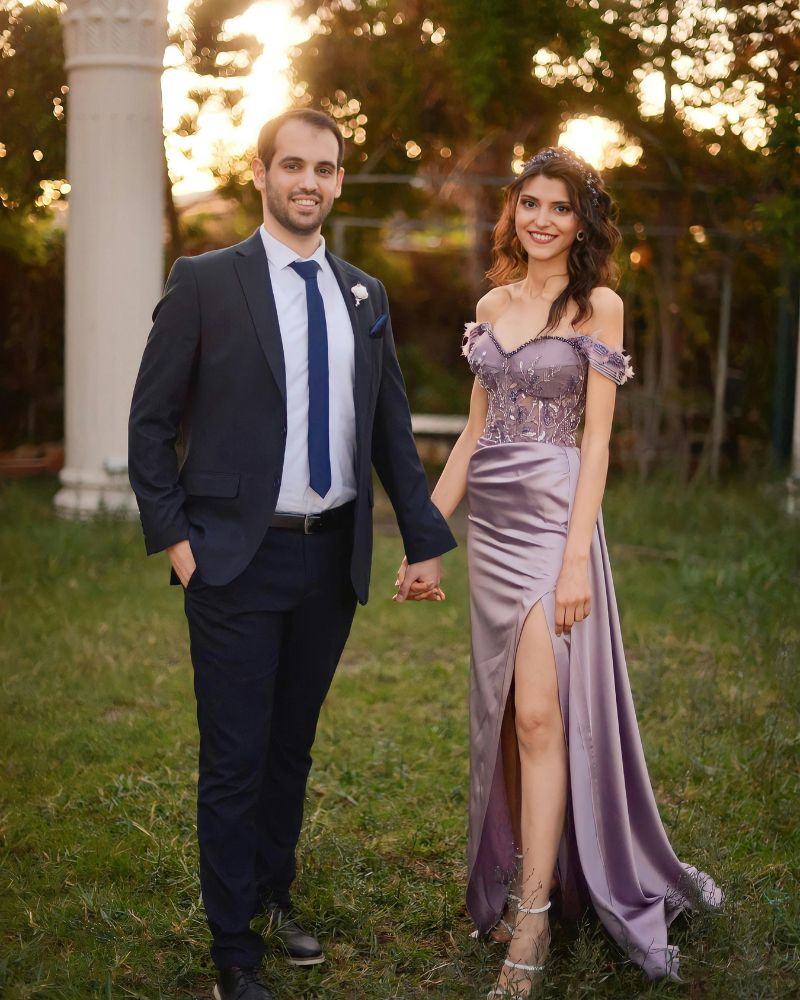
Every wedding guest gets to sit down and disappear. You don’t.
Standing at the altar, walking back down the aisle, giving a speech in front of a full room these aren’t moments where you fade into the background, and the camera will make sure of it. Candid shots, reaction photos, group portraits your friend will look at these images for decades, and you will be in most of them.
So the objective shifts completely.
Most style advice aimed at bigger men circles around one idea: minimize yourself. Darker colors, looser cuts, nothing that draws the eye. That approach works when blending into a crowd is the goal. This day asks the opposite of you.
Here’s what the best man role actually demands from what you wear:
- Visibility that looks intentional You will be seen regardless. Your clothes need to look like a deliberate choice was made, not like you grabbed whatever buttoned.
- Comfort across a full day Ceremony, portraits, cocktail hour, reception, speeches, dancing. Eight-plus hours in clothes that move with you, not against you.
- Cohesion with the wedding party Looking like you belong in the group photos matters, even if your build differs from the other groomsmen.
- Presence before you speak When you stand up for the toast, the room has already formed an impression before a single word leaves your mouth.
Dressing well that day isn’t about looking smaller. It’s about showing up fully for your friend, and for yourself.
The Four Measurements of Chest, Neck, Seat and Trouser rise That Actually Determine Fit for Plus Size Men
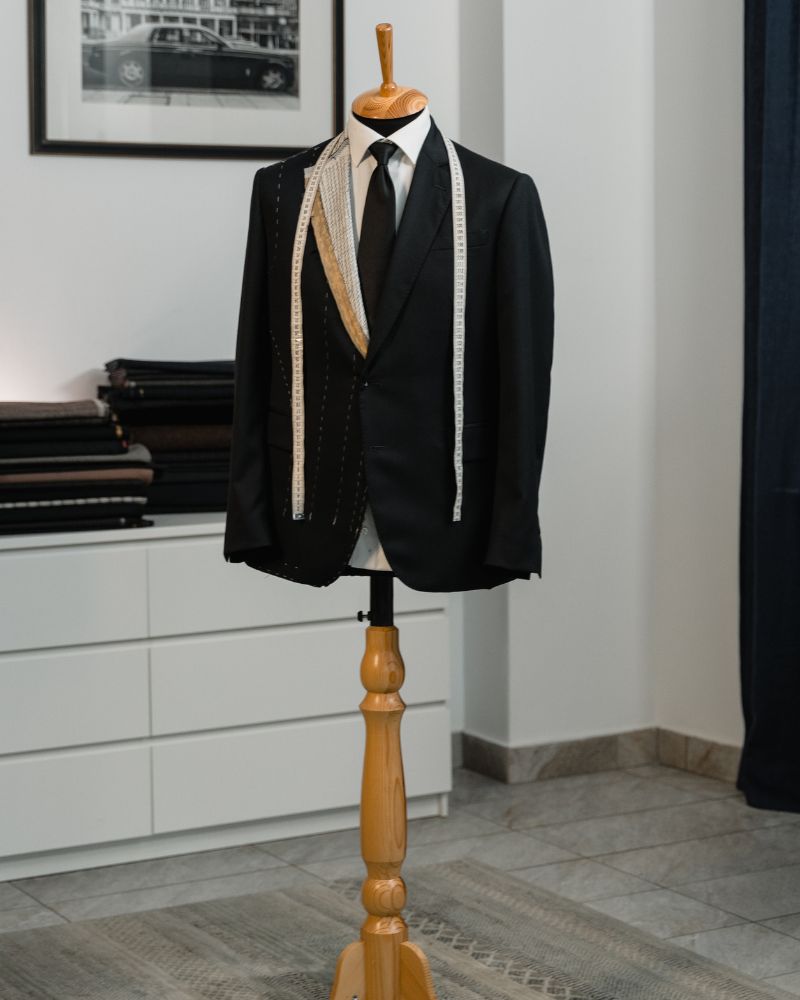
Knowing your chest size gets you a jacket that closes. That’s all it does.
For plus size men, four measurements determine whether a suit looks fitted or just covered and three of them are ones most men have never asked a tailor to take.
Here are the four numbers you need before you shop for anything:
- Neck circumference Measured around the base of your neck with one finger of slack. This determines your shirt collar size, and a collar that’s too tight creates visible pulling that no tie can hide.
- Chest at the fullest point Not where you hold your breath. Take it across the widest part of your chest, arms relaxed at your sides, tape snug but not tight.
- Seat measurement The fullest part of your hips and backside, measured straight around. Trousers sized only by waist on a plus size frame will gap at the back or pull across the seat.
- Trouser rise Running from your crotch seam to your waistband, this number controls whether trousers sit at your natural waist or dig into your stomach. Almost never measured in off-the-rack shopping, but it matters more than waist size alone.
Get these taken by an actual tailor, not yourself. Write them down. Bring them to every store you visit.
A suit can be altered. Wrong measurements mean you’re altering the wrong starting point.
Which Suit Silhouette and Jacket Cut Work for Broader, Heavier Builds
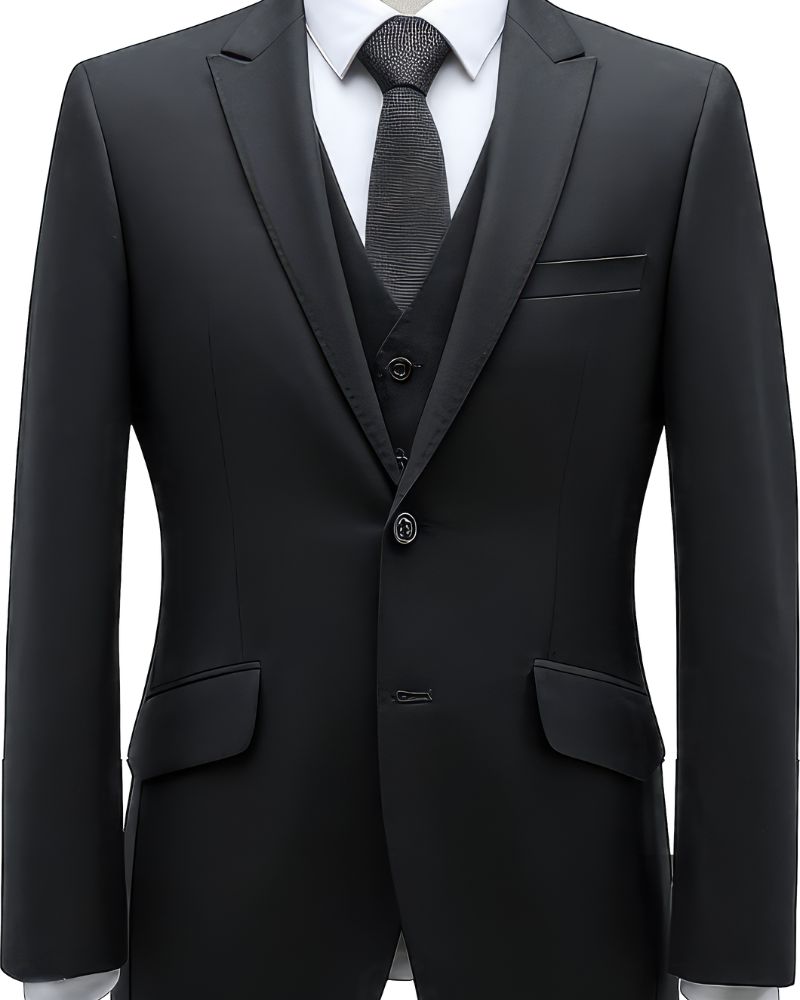
Slim-cut suits make bigger men look larger. Not smaller. The fabric pulls across the chest, the jacket strains at the button, and the whole silhouette reads as “too small” rather than “well dressed.” Avoid them entirely.
What actually works on a broader, heavier frame is structure and proportion a jacket that creates clean lines instead of fighting your body just to close.
What to look for in each part of the jacket:
- Structured shoulders A lightly padded, structured shoulder creates a firm line across the top of the jacket and visually broadens your frame in the right direction. Unstructured or soft-shoulder jackets collapse against bigger arms and lose their shape by midday.
- Jacket length Your hem should fall where your fingers rest naturally at your sides. Too short and the jacket cuts your torso in half; too long and it shortens your legs in photos.
- Button stance Two-button jackets with a higher button stance elongate the torso and keep the closure sitting at the right point on your midsection. Three-button jackets sit too high and add width where you don’t need it.
- Lapel width Medium-width lapels, roughly 3 to 3.5 inches, keep proportion with a broader chest. Narrow lapels disappear against a bigger frame and make the whole jacket look off-scale.
Classic fit or modern fit are your two strongest options. Regular fit can work with alterations. Neither slim fit nor athletic cut is built for this body type no amount of tailoring fixes a silhouette that starts wrong.
Why the Waistcoat Does More Structural Work Than the Jacket Alone
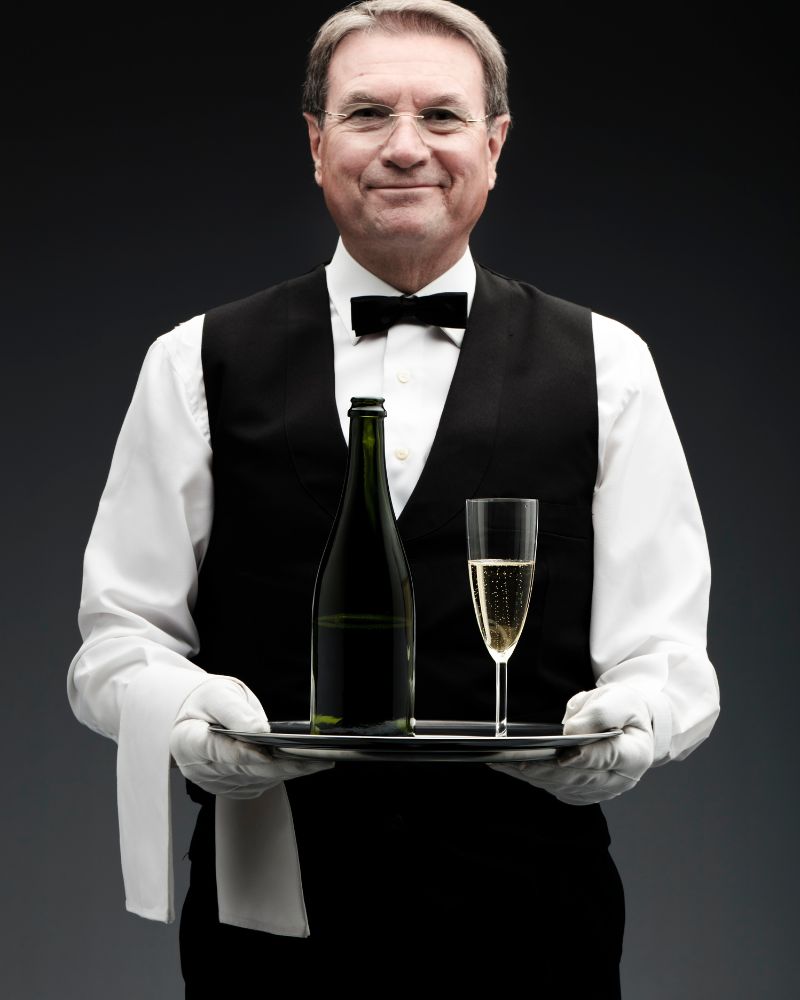
When a plus size man sits, stands, or moves, the shirt between his jacket and trousers becomes visible a horizontal band of light fabric right across the midsection. In photos, that gap is the first thing the eye finds. A waistcoat eliminates it completely.
That’s not a minor detail. It’s the difference between looking polished and looking like the suit didn’t quite come together.
Here’s what a properly fitted waistcoat actually does for a bigger frame:
- Creates a vertical line through the torso The buttons run straight down the center of your body, pulling the eye up and down rather than across. This is what gives bigger men a cleaner silhouette in photographs.
- Fills the jacket gap No shirt visible when you move, reach forward, or sit through the ceremony. Everything stays covered and structured all day.
- Adds shape the jacket can’t Properly fitted, it pulls the outline of your upper body inward slightly at the sides, giving definition that a jacket alone doesn’t provide.
Fit is everything here. Too loose and the waistcoat billows away from your body, defeating the purpose entirely. Go too tight and it pulls at the buttons, creating horizontal creases across the stomach.
Back panels should sit flat. Sides should skim without gripping. Bottom should cover your trouser waistband by at least an inch.
One more thing cameras pick up that mirrors often don’t: a waistcoat in a matching fabric to your suit reads as one unbroken line from collar to trouser. That’s the look worth building toward.
Shirt Collar Style and Tie Width That Balance a Larger Neck and Chest
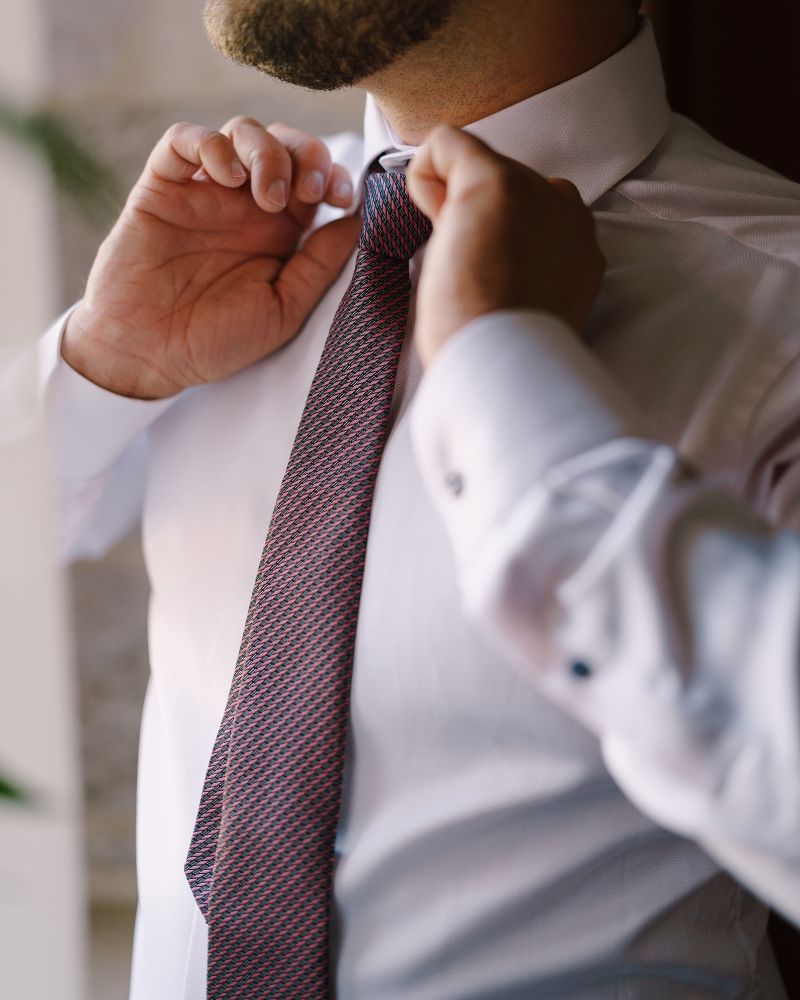
Nothing in a suit affects how your face reads in photos more than collar shape and tie width. Most men pick whatever comes with the shirt. On a bigger frame, that’s a mistake visible in every shot from the neck up.
A collar that spreads too wide wider than roughly 4 inches between the points pushes outward toward the shoulders and makes a thicker neck look shorter. Too narrow and it pinches against a broad chest, looking out of scale with everything around it.
Two collar styles work:
- Semi-spread collar The safest choice for most plus size men. Points sit at a moderate angle, framing the face without spreading too far or closing too tight. Works with most tie knots and reads proportionally in every photo.
- Spread collar Best on men with a longer neck, as it fills horizontal space and balances a wider face. Pair it with a Four-in-Hand or Half Windsor knot not a Full Windsor, which overfills the collar opening on a heavier neck.
Tie width follows the same rule. Match it to your lapel width roughly 3 to 3.5 inches for a plus size frame. Narrow ties, anything under 2.5 inches, disappear against a broad chest and read as an oversight rather than a deliberate style decision.
Length matters too. Your tip should land at the trouser waistband shorter reads as ill-fitting; longer looks sloppy in any full-length photo.
Avoid button-down collars entirely. They’re too casual for a wedding party, regardless of the dress code.
Trouser Rise, Pleat, and Break What Actually Works Below the Waist
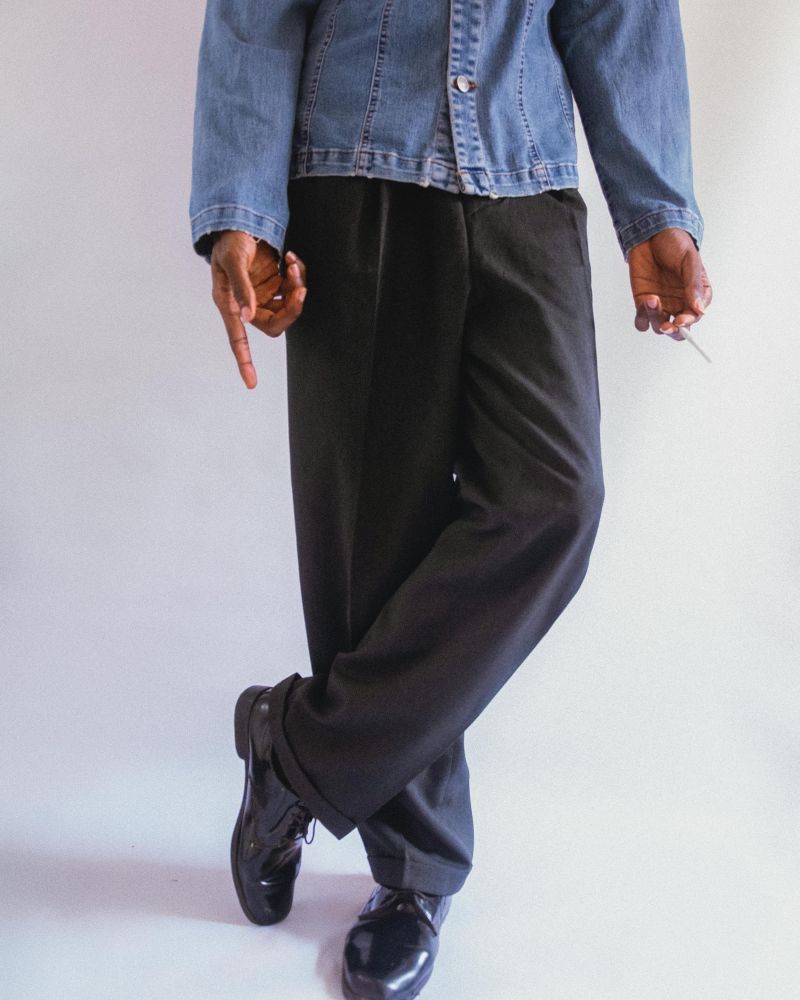
Flat front trousers are marketed as the modern, cleaner option. Avoid them. Without extra fabric at the front, the trouser pulls tight across the stomach, creating tension lines that show up in photos and get worse every time you sit down.
A single forward pleat fixes this. That extra fold at the waistband opens as you move, giving the midsection room to breathe without the trousers looking baggy when you stand still.
What to get right from waist to hem:
- Rise mid to high, not low Low-rise trousers sit below the widest part of your midsection, pushing everything upward and over the waistband. Mid-to-high rise sits at or above your natural waist, distributing the fit evenly and keeping the shirt tucked cleanly all day.
- Pleat single forward pleat only One pleat, facing forward toward the fly. Not two pleats, not a reverse pleat. Single forward pleats add just enough room at the front without adding bulk at the sides.
- Break slight to none Trouser hem landing just at or slightly above the top of your shoe. Full breaks pool at the ankle and visually shorten the leg in every full-length photo.
- Waistband suspenders over belts Belts on a rounder waist create a horizontal line and slide down through the day. Suspenders hold trousers at the correct rise all day, remove that visual break, and look sharp under a waistcoat or jacket.
Choose suspenders and skip the belt entirely. Wearing both together is a visible style mistake that no amount of tailoring fixes.
Shoes and Accessories That Complete the Proportion Without Adding Bulk
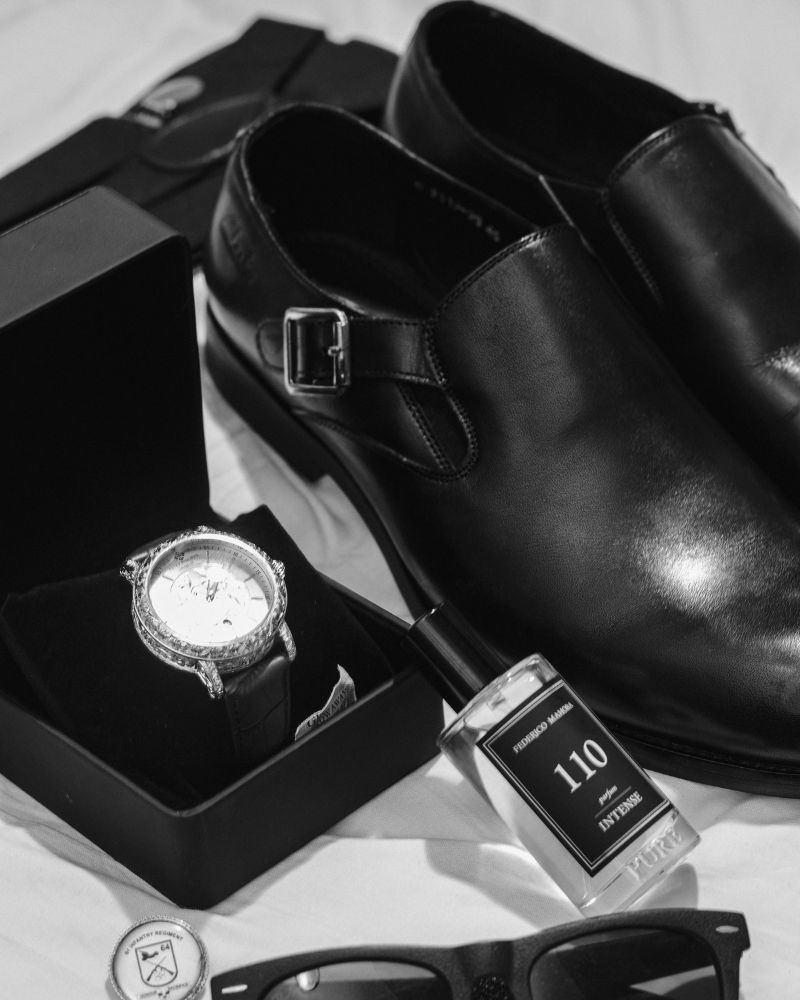
Square-toed shoes shorten the leg. That’s the opposite of what a bigger frame needs in full-length photos. The shoe silhouette sits at the very bottom of every portrait, and a wide, blunt toe adds visual weight right where you least want it.
Three shoe shapes work well:
- Cap toe Oxford Clean, formal, slightly elongated toe. Most versatile dress shoe for weddings and the one that photographs cleanest against a trouser hem.
- Plain toe Oxford or Derby Slightly less formal than a cap toe but still appropriate for most wedding settings. A Derby works especially well if you have a wider foot, since open lacing allows more room across the top without looking stretched or strained.
- Monk strap One or two buckles, no laces. Adds a visual detail that draws the eye downward and extends the leg line. Works best with a slight or no trouser break.
Avoid square-toed shoes, chunky loafers, and anything with a heavy rubber sole. All three add bulk at the ankle and read as too casual once the photos come back.
On accessories, keep it clean:
- Pocket square White linen, flat fold or simple puff. Skip novelty folds. Simple reads as deliberate in photos, not lazy.
- Tie bar Worn between the third and fourth shirt buttons, no wider than three-quarters of your tie. Gives the outfit structure without adding visual clutter.
- Belt If skipping suspenders, match leather color to your shoes exactly. Width no more than 1.25 inches for a formal setting.
How to Coordinate With the Wedding Party When the Groom’s Chosen Style Doesn’t Fit Your Body
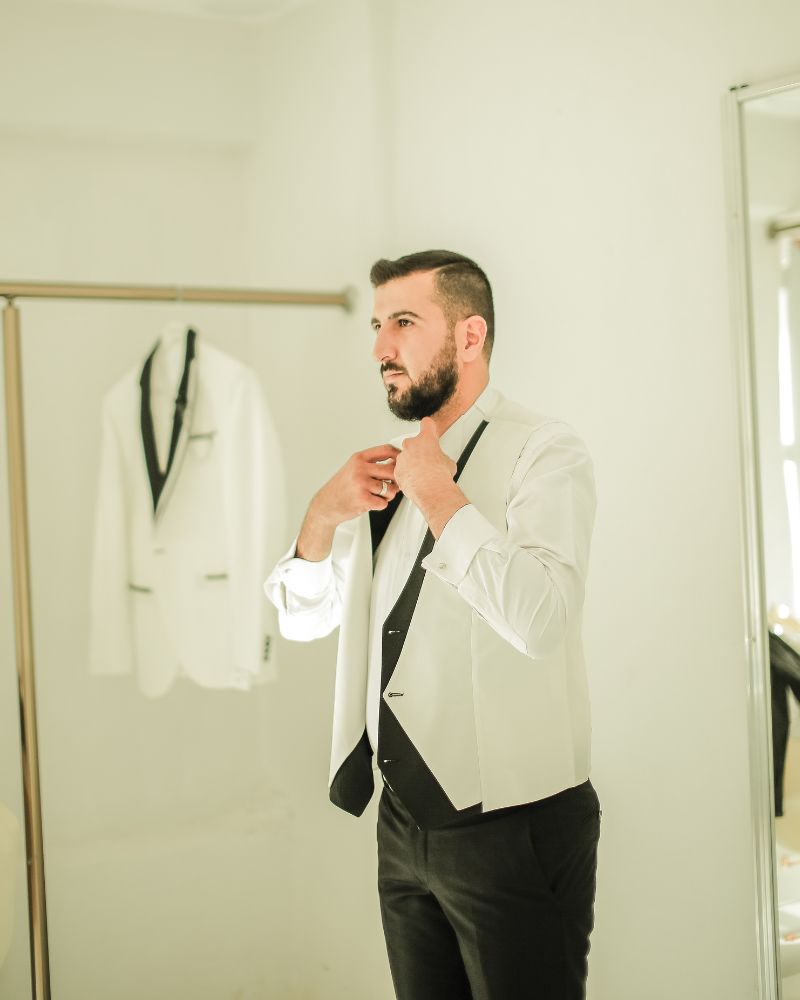
No professional wedding stylist puts every person in the party in the same suit cut cohesion comes from matching color, fabric, and accessories, not silhouette. Your groom may not know this, and it’s the most important style conversation you’ll have before the wedding, because rental deadlines move faster than most people expect.
Have it early.
Exactly what to match and what to adapt:
- Match these Suit color or shade, fabric type, tie color and pattern, pocket square color, and shoe formality. These are the details the camera reads as “same wedding party.”
- Adapt this The cut. You wear classic or modern fit; they wear slim or athletic. Different silhouette, same visual story. Nobody in the reception hall will notice, and the photos won’t show it either.
- Accessories lock it together If everyone wears the same tie and pocket square, silhouette differences disappear completely in group shots. Shared accessories are the fastest way to look cohesive regardless of body type.
When talking to your groom, one line covers it:
“I want to match everything color, fabric, tie, all of it. I just need a different cut for the fit to work on me. It’ll look completely cohesive in photos.”
Most grooms care about one thing: their wedding party looking put-together. They don’t care which cut achieves that. Those two goals work entirely in your favor.
Where to Shop, What to Ask the Tailor, and the 10-Week Timeline
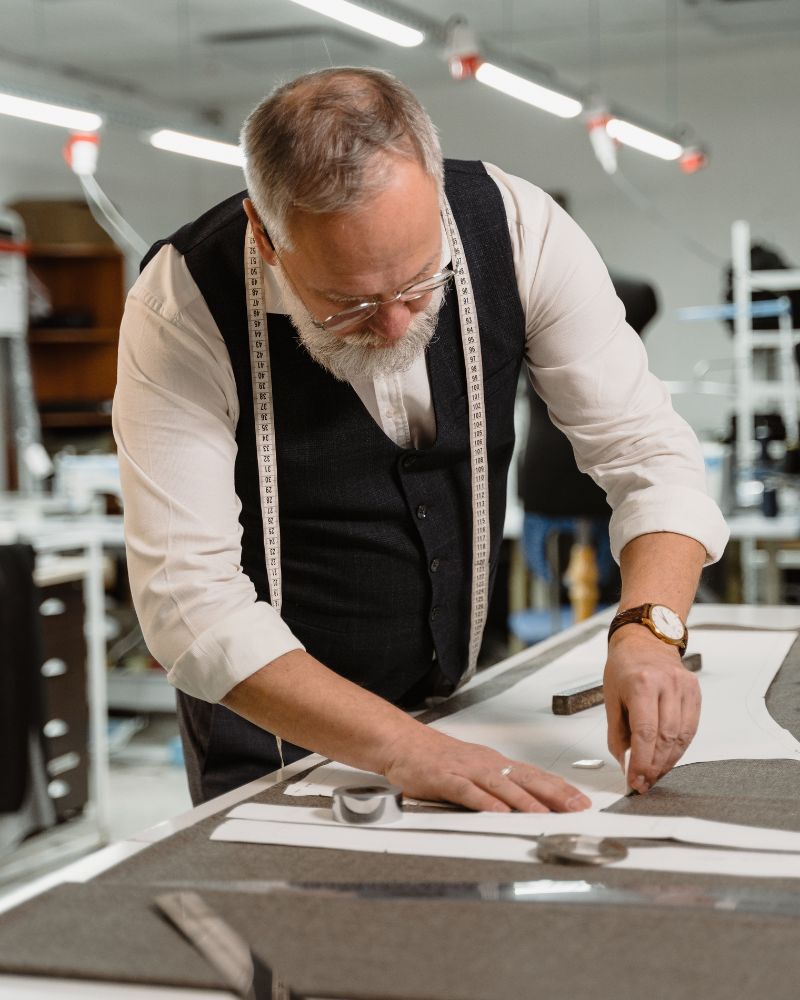
Most alterations take two to three weeks. Add shopping time, a fitting, and a second round of adjustments, and ten weeks is the minimum that gives you a tailored result without rushing anything.
Where to shop:
- Destination XL (DXL) Specializes in big and tall men. Carries suits, dress shirts, and accessories built for larger frames.
- Men’s Wearhouse Big and tall section with in-store tailoring. Good option if the wedding party is coordinating rentals.
- JoS. A. Bank Stocks big and tall suits with frequent sales. Worth visiting in person.
- ASOS Strong extended sizing online. Better for shirts and accessories than structured suits.
Four non-negotiable alterations:
- Jacket sides suppressed for waist shape
- Trouser seat and thigh adjusted
- Sleeve length shortened to correct break point
- Trouser hem set to your exact break length
Saying “does this fit okay?” to a tailor gets you a yes or no. Bring your four measurements instead, point to each part of the suit, and tell the tailor specifically what needs to change and in which direction.
Your 10-week timeline:
| Timeframe | Action |
|---|---|
| Weeks 10–12 | Get measured. Have groom conversation. Start shopping. |
| Weeks 8–9 | Purchase suit. Book tailor appointment. |
| Weeks 6–7 | First fitting. Leave suit for alterations. |
| Weeks 4–5 | Pick up suit. Try on with full outfit and shoes. |
| Weeks 2–3 | Second fitting if needed. Lock in all accessories. |
| Week 1 | Steam or press everything. Final fit check. |
Your next action isn’t shopping. Get measured first today if possible.

Hello there! I’m Jesse Joe, the author and editor behind SolganGenius. I’m thrilled you’ve stopped by, and I can’t wait to share with you the essence of what this platform is all about.
I’m a writer, social media enthusiast, and a firm believer in the power of words. I’ve always been fascinated by how a simple phrase or slogan can capture an emotion, convey a message, and even change perspectives. Learn More