

Most men’s hair care advice was written for someone else. Thin guys with fine hair, or guys with unlimited time and a bathroom shelf full of products they actually know how to use. The result is routines that feel like homework and somehow still don’t work.
Your hair doesn’t need more effort. It needs the right system one built around how your body actually works, not a generic template copied from a men’s magazine.
This routine takes less than 10 minutes on wash days and under 3 on every other day. No complicated steps. No expensive products. No styling that looks like you tried too hard.
What it does require is doing the right things in the right order, starting with the part most men skip entirely which has nothing to do with shampoo.
Your Haircut Is Doing 70% of the Work Or It Isn’t
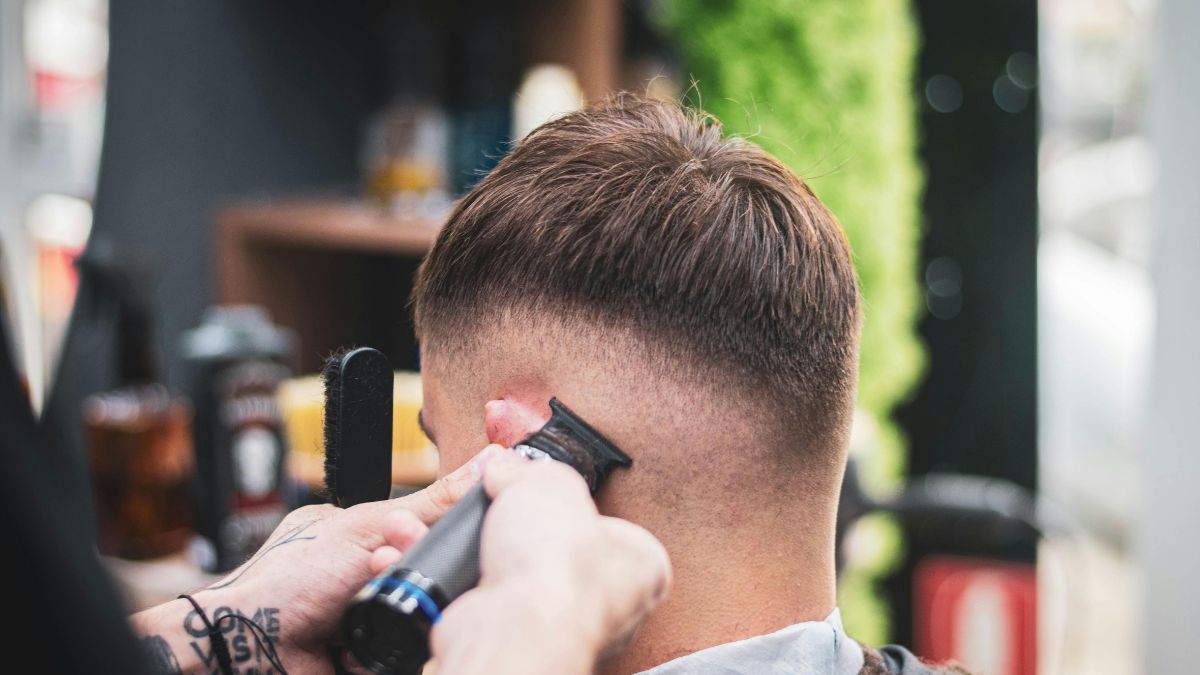
Most men try to fix with product what should have been fixed with scissors. If your cut is wrong for your face shape, your hair texture, or the way your hair actually grows, no shampoo or styling product will save it.
A good cut does several things automatically:
- Removes bulk in the right places thick or coarse hair needs thinning at the sides, not just a length trim
- Works with your growth pattern cowlicks, crown swirls, and natural part lines stop fighting you when the cut respects them
- Holds its shape between visits a well-executed cut looks intentional even at week five, not just week one
The shape your barber creates is the foundation everything else builds on. When that foundation is solid, your 10-minute routine just maintains it. When it isn’t, you’re spending time and product trying to wrestle your hair into something it was never cut to do.
Two things worth telling your barber directly:
- How much time you actually spend on your hair be honest; a cut that requires 20 minutes of blow-drying is a cut that won’t get maintained
- Where your hair goes flat or puffs out by midday that’s information a good barber can cut around
Go every four to six weeks. Waiting longer doesn’t save money it just means spending more weeks with hair that’s working against you.
Why Plus Size Men Deal With Greasier, Flatter Hair (And What’s Actually Causing It)

Sweat is not the enemy buildup is. When sweat mixes with the natural oils your scalp already produces, it sits at the root and weighs hair down fast, especially if you run warm or stay active through the day.
There are a few specific reasons this hits harder for plus size men:
- Higher body heat a larger body generates and retains more heat, which means your scalp sweats more even during low-activity moments like sitting at a desk or riding in a car
- Collar and neckline friction shirt collars, especially tighter ones, trap heat and rub against the hairline constantly, which speeds up oil transfer to the lower sections of your hair
- Scalp oil production adjusts to temperature the warmer your scalp stays, the more sebum it produces as a natural response, leaving roots looking flat and greasy faster than the shampoo bottle’s schedule accounts for
None of this means something is wrong with your hair. Your scalp is responding exactly the way it’s supposed to just at a higher rate than generic hair care advice was written for.
Standard shampoo labels say wash every two to three days. That schedule was not built around your body. Washing based on how your scalp actually behaves not a printed label is what makes the rest of this routine work.
The Only 3 Products You Actually Need on the Shelf

Three products. That’s the whole shelf. Anything beyond that is either solving a problem you don’t have yet or doubling up on something one product already does.
What to get and why each one earns its spot:
- A clarifying or scalp-focused shampoo this cleans the scalp, not just the hair shaft; look for words like “clarifying,” “scalp care,” or “deep clean” on the label, and avoid anything that says “moisturizing” as the lead benefit, which can leave residue on already-oily roots
- A lightweight conditioner apply it mid-length to ends only, never the roots; this keeps hair from going dry and brittle without adding the weight that collapses flat hair even further
- One styling product with light to medium hold a matte cream, light pomade, or texture paste works for most hair types; the goal is shape and control, not crunch or shine
Skip the 2-in-1. Shampoo and conditioner do opposite jobs one strips, one coats and combining them means doing both poorly at the same time.
Expensive doesn’t mean better here. Drugstore options work well when you pick the right type for your scalp. What kills most men’s routines isn’t cheap product it’s using the wrong product category entirely, like reaching for a heavy wax on fine hair or skipping conditioner because it “seems unnecessary.”
Buy one of each. Use them consistently for two weeks before deciding if something needs to change.
The Under-10-Minute Morning Routine, Step by Step

On wash days, the whole routine runs about 8 minutes. Non-wash days drop to under 3. Here’s exactly what to do:
On wash days:
- Wet hair thoroughly cold or lukewarm water, not hot; hot water strips oil too aggressively and leaves the scalp overcompensating with more oil by midday
- Shampoo the scalp only use a quarter-sized amount, work it into the roots with your fingertips (not nails), and let the rinse water clean the ends as it runs down
- Condition the ends apply from mid-length down, leave it in for 60 to 90 seconds while you do something else in the shower, then rinse
- Towel dry gently pat, don’t rub; rubbing roughes up the hair and adds frizz before you’ve even started styling
- Apply your styling product to damp hair a pea to dime-sized amount worked through with your fingers; damp hair distributes product evenly, dry hair clumps it
Done. Five steps.
On non-wash days:
Dampen your hands, run them through your hair to reset any flat spots, apply a small amount of your styling product, and shape with your fingers. Sixty seconds. No shower required.
The biggest time-waster in most men’s routines is re-doing steps because product was applied to fully dry hair or in the wrong order. Sequence matters more than speed.
How Often to Wash Based on Your Hair Type — Not the Bottle Instructions
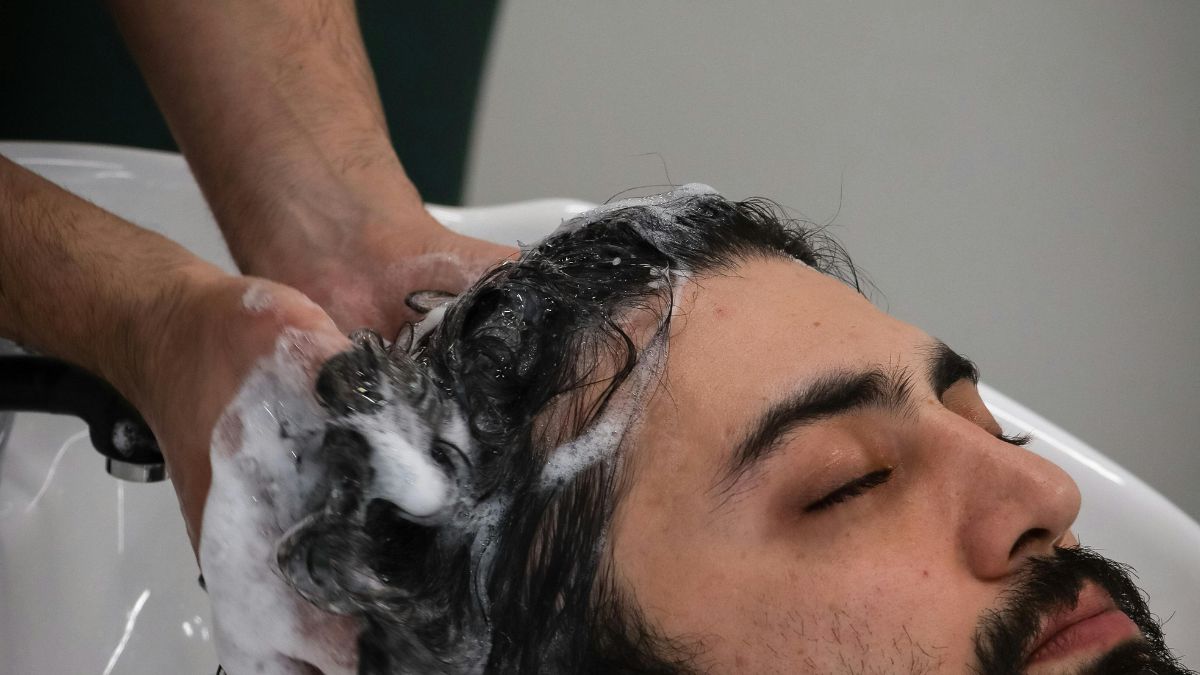
Shampoo bottles are written for an average person who doesn’t exist. Your wash frequency should come from two things: your hair type and how much you sweat not a label designed to apply to everyone and therefore optimized for no one.
Use this as your starting point:
- Fine or straight hair, active lifestyle wash every day or every other day; fine hair shows oil faster and has less texture to hide buildup, and sweat accelerates that significantly
- Wavy or medium-thickness hair every two days works for most, bumped to daily during hot months or high-activity weeks
- Thick, coarse, or curly hair two to three times per week is usually enough; curly and coarse hair is naturally drier, and over-washing strips the moisture it needs to hold shape and reduce frizz
- Locs or tightly coiled hair once a week is common, but scalp feel is the real signal; if it itches or smells before that, wash sooner
The most reliable indicator isn’t a schedule at all. Run your fingers along your scalp near the crown if it feels tacky, looks flat at the roots, or has any odor, that’s your cue regardless of what day it is.
Adjust by season too. Summer heat and humidity change your scalp’s oil production faster than any other variable, so a routine that worked in January may need a frequency bump by July.
The Scalp Is the Skin You’re Ignoring (And It Shows in Your Hair)
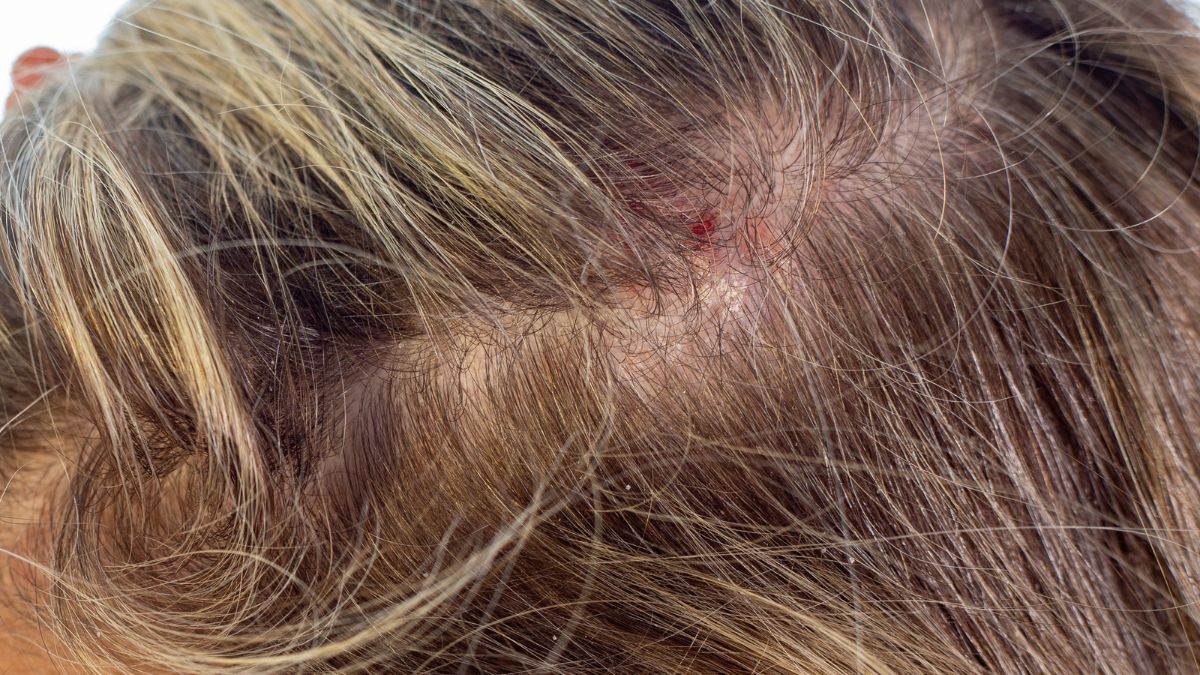
Every hair strand grows out of the scalp. If that skin is clogged, irritated, or dry, the hair it produces shows it dull, flat, slow-growing, or thin at the roots before any product gets a chance to help.
Most men treat their scalp like it’s separate from their skincare. It isn’t. Neglected scalp skin leads to:
- Buildup at the roots dead skin cells, dried sweat, and product residue block follicles and make hair look greasy even right after washing
- Flaking often mistaken for dandruff, but frequently just dry scalp skin that never gets exfoliated or properly moisturized
- Reduced volume buildup weighs down the root, which is why some men’s hair lies completely flat even when it’s clean and freshly styled
- Slower growth and weaker strands a congested follicle produces weaker hair over time, which shows up as thinning before it shows up as actual hair loss
60-second fix you can run during every wash: after applying shampoo, press your fingertips firmly against your scalp and move the skin itself in small circles don’t just slide fingers through hair. Work from the front hairline back toward the crown, then down the sides. This increases blood flow to the follicles and helps shampoo actually reach the skin instead of just coating the hair above it.
Regular scalp massage also improves how well your styling products absorb and hold throughout the day.
What “Styled” Actually Looks Like for Low-Maintenance Guys

Styled doesn’t mean stiff. It doesn’t mean shiny, sculpted, or sprayed into place. For most low-maintenance guys, styled just means your hair looks like you meant it to look that way and that’s a much lower bar than you’ve probably been imagining.
Three looks that hit that mark without effort:
- The natural texture finish apply a small amount of matte cream to damp hair, scrunch or finger-comb it in the direction your hair naturally falls, and leave it; works for wavy, curly, and medium-thickness hair and looks intentional without looking done
- The clean taper look if your barber keeps the sides tight and faded, you barely need product at all; a light pass of texture paste on top to separate and lift is enough to look put-together in under 60 seconds
- The pushed-back style damp hair, a small amount of light pomade, fingers raking straight back from the forehead; suits rounder face shapes well because it adds vertical height rather than width
Avoid heavy wax or high-shine gel as your default. Both read as overdone on most natural hair textures and actually make fine or flat hair look thinner by plastering it against the scalp.
Finger styling beats combs for most of these looks. Combs create lines and hard parts that demand precision fingers create texture and movement that forgive imprecision entirely. Pick the finish that matches your cut, not the one that looks most impressive on someone else.
The One Weekly Reset That Keeps the Routine From Falling Apart

Daily routines stop working when buildup wins. Product residue, sweat, hard water minerals, and dead skin cells accumulate on the scalp across the week, and your regular shampoo — used daily or every other day isn’t strong enough to fully clear them. One weekly reset fixes that.
Pick one wash day per week to swap your regular shampoo for a clarifying shampoo or use a scalp scrub before shampooing. That’s the entire reset. Here’s what each option does:
- Clarifying shampoo a stronger formula that removes mineral deposits, product buildup, and excess oil that regular shampoo leaves behind; use it once a week maximum, as more frequent use can dry the scalp out
- Scalp scrub a physical exfoliant applied before shampooing that loosens dead skin and buildup at the root level; particularly useful if you experience flaking or if your hair feels heavy and flat by mid-week despite washing regularly
- Apple cider vinegar rinse a DIY option that rebalances scalp pH and removes mild buildup; dilute it significantly with water before applying, leave for a minute, then rinse and follow with your normal conditioner
Without this step, buildup gradually reduces how well your shampoo lathers, how long your styling product holds, and how clean your hair actually looks after washing.
Sunday works well for most men. Reset day becomes the anchor that keeps every other day running cleanly.

Hello there! I’m Jesse Joe, the author and editor behind SolganGenius. I’m thrilled you’ve stopped by, and I can’t wait to share with you the essence of what this platform is all about.
I’m a writer, social media enthusiast, and a firm believer in the power of words. I’ve always been fascinated by how a simple phrase or slogan can capture an emotion, convey a message, and even change perspectives. Learn More