

Finding the best city to retire sounds simple until the moving truck has been unloaded three or four times. Martin Ellis kept choosing places that looked great on paper. One had sunshine. Another had low taxes. Another had mountain views. Yet daily life kept exposing problems that vacation visits never showed.
Each move also cost money, energy, and time. More important, Martin began to see that retirement lasts far longer than a vacation.
His sixth move finally changed the pattern. Lancaster, Pennsylvania, was not the flashiest choice. But it gave him something the others had missed: a comfortable ordinary life.
Editorial note: Martin is a composite character used to tell the story. His experience represents common retirement relocation issues. All city facts and public data in this article come from real sources.
Why Martin’s First Retirement Move Looked Better on Vacation

Martin made the mistake many new retirees make. He searched for the place that felt most exciting rather than the place that would make ordinary life easiest.
A week somewhere warm can feel wonderful. There is no alarm clock, lawn to mow, doctor appointment, grocery run, or electric bill sitting on the kitchen counter.
Permanent life asks different questions.
Can you comfortably leave the house in July? How far is your doctor? Can you buy groceries without spending half an hour in traffic? What happens when driving at night becomes harder?
Those questions slowly became more important to Martin than pools, golf courses, mountain views, or famous restaurants.
He also discovered that cheap and affordable are not always the same thing.
A house can cost less while transportation costs more. A state can have favorable income tax rules while property costs, insurance, utilities, or homeowners association fees eat up the difference.
Retirement rankings can still help. They provide a starting point. But Martin stopped treating them like instructions.
Instead, each unsuccessful move gave him another item for his personal retirement checklist.
6 Moves Taught Martin What a Retirement Ranking Cannot
Martin’s six locations were very different. That was useful because each exposed a different weakness in the way he had been choosing retirement destinations.
| Move | What Attracted Martin | What He Learned |
|---|---|---|
| Arizona | Warm winters and sunshine | Summer weather matters too |
| Florida | No broad state individual income tax | Insurance and housing costs still count |
| North Carolina | Mountain scenery and slower pace | Beautiful surroundings do not replace easy daily access |
| Idaho | Outdoor lifestyle and quieter communities | Housing markets can change faster than retirement plans |
| Tennessee | Tax appeal and lower cost areas | The exact neighborhood can matter as much as the state |
| Lancaster, Pennsylvania | Balance of services, cost, health care and daily activity | Retirement works better when ordinary life is easy |
These are lessons rather than a ranking of the states themselves. Arizona, Florida, North Carolina, Idaho, and Tennessee can all work very well for the right retiree.
They simply taught Martin to stop searching for one dramatic advantage.
Arizona Taught Him to Test the Worst Season

Martin had focused on beautiful winter days. Eventually, he realized that picking a retirement destination by its best season made little sense.
The smarter question became simple.
What will life feel like during the season he likes least?
That might mean extreme heat in one place, snow in another, or months of rain somewhere else.
A retiree who expects to walk daily needs to think about how many months outdoor activity will actually feel comfortable.
Florida Taught Him That Taxes Are Only One Line of the Budget
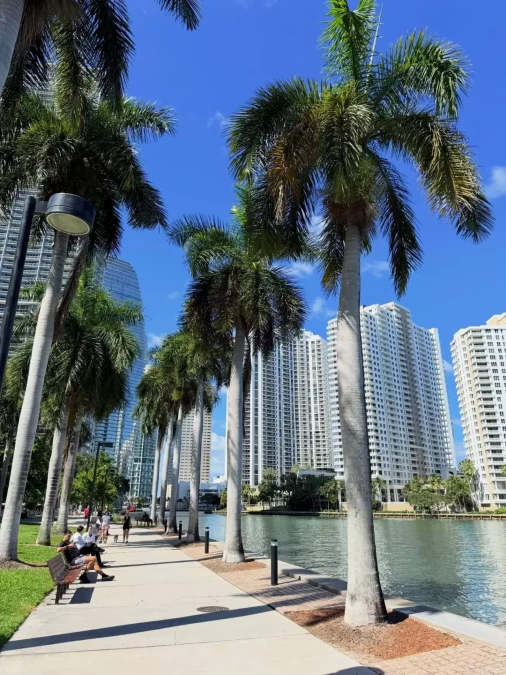
Florida’s lack of a broad individual state income tax gets plenty of attention from retirees. Yet taxes are only part of the retirement budget.
Housing, insurance, transportation, medical care, homeowners association fees, maintenance, and utilities can matter just as much.
Martin stopped asking, “Which state has the lowest tax?”
He started asking, “Where will the total cost of my normal life make sense?”
That small change greatly improved his search.
North Carolina Taught Him That Scenery Is Not a Routine
Martin loved the thought of mountain views.
But he eventually noticed something important. A view is something you admire. A community is something you use.
Retirement created many empty weekday hours that employment used to fill. He needed grocery stores, parks, libraries, cafes, medical care, community events, and simple places where seeing familiar faces became possible.
The lesson was not that scenery lacked value. It was that scenery could not do every job.
Idaho Taught Him to Stop Trusting Old Housing Assumptions
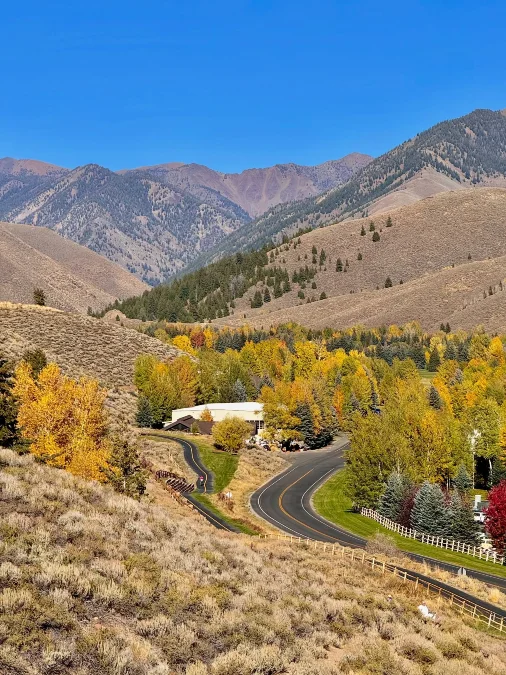
A city remembered as affordable may not remain affordable.
Martin learned to check housing numbers again before every move, even when friends insisted they knew what a place cost.
Retirement planning may stretch across 20 or 30 years. Housing conditions can change far faster.
That meant current purchase prices, rents, taxes, insurance, and maintenance deserved fresh research.
Tennessee Taught Him That Neighborhood Beats State

A state can look wonderful on a retirement spreadsheet while the wrong neighborhood makes daily life difficult.
Martin began measuring distances from specific homes rather than looking at citywide averages.
How many minutes to the grocery store?
How far to primary care?
Could he walk somewhere for coffee?
Was crossing the main road comfortable?
Could he reach basic services after giving up driving someday?
Those details became his new definition of location.
Why Lancaster Finally Felt Livable Instead of Exciting

Lancaster did not win Martin over with a dramatic resort lifestyle.
That became part of its appeal.
The U.S. Census Bureau estimated 58,366 people lived in Lancaster city on July 1, 2025. That gives Lancaster enough people to support a real downtown without giving it the scale of a major metropolitan center.
Martin could picture an ordinary week there.
There were parks, markets, restaurants, cultural spaces, medical services, and places to walk. The City of Lancaster lists public spaces across several parts of the city, including Buchanan Park, Long’s Park, Musser Park, Reservoir Park, Binns Park, and others.
The city’s planning documents describe Lancaster as compact and walkable, although they also acknowledge gaps in the trail and bicycle network. That qualification mattered. Martin no longer wanted sales language. He wanted the good parts and the limitations.
Lancaster felt less like a retirement destination and more like somewhere a person could simply live.
That was exactly what he had been missing.
Lancaster’s Housing Costs Left More Room in the Retirement Budget

Martin had also changed the way he looked at housing.
He was no longer trying to buy the largest house his retirement savings could support. He wanted a home that left room for everything else.
Census data covering 2020 through 2024 puts Lancaster city’s median value of owner occupied housing units at $219,500. The same Census data reports median monthly owner costs of $1,510 for owners with a mortgage and $660 for owners without one.
Those numbers are useful benchmarks, but they are not August 2026 home asking prices. Anyone considering a move should check current listings before making a budget.
That distinction matters.
A retiree should look at the full housing bill:
- Purchase price or monthly rent
- Property tax
- Home insurance
- Utilities
- Maintenance
- Homeowners association charges
- Transportation from that particular address
- Future accessibility upgrades
Martin also adopted another rule after moving so many times.
Rent before buying when possible.
Several months in a neighborhood can reveal more than a week of house hunting ever will.
Pennsylvania’s Retirement Tax Rules Changed the Math

Lancaster offered another advantage Martin had previously overlooked.
Pennsylvania’s tax treatment can be favorable for many retirees.
The Pennsylvania Department of Revenue states that Social Security payments and qualifying retirement income, including eligible retirement plan distributions received under the state’s rules, are not taxable as Pennsylvania compensation. The department also notes that the details can differ for certain withdrawals and plans.
Pennsylvania’s 2026 to 2027 Tax Expenditure Analysis also identifies qualifying retirement income as exempt from the state’s personal income tax.
That does not mean retirement in Pennsylvania is tax free.
Property taxes remain important. Other income may receive different treatment. Federal taxes still apply under federal rules.
But Martin finally learned to compare the tax treatment of his actual income sources rather than picking states from a generic tax ranking.
| Retirement Money | Pennsylvania Treatment in General |
| Social Security | Not taxed as Pennsylvania compensation |
| Qualifying pension benefits | Generally exempt after meeting applicable retirement rules |
| Qualifying IRA distributions | Can be exempt when Pennsylvania retirement requirements are met |
| Early retirement withdrawals | Different rules may apply |
| Investment income | May still be subject to Pennsylvania tax |
| Federal income tax | Separate federal rules still apply |
A tax professional can help before a major relocation because individual situations vary.
Health Care Became More Important Than Warm Winters

At 62, Martin thought about golf courses and weather.
Several years later, doctors moved much higher on the list.
This may be one of the biggest weaknesses in retirement relocation planning. People choose a city while they are healthy and assume medical access will remain a minor detail.
But a retirement location may need to work at age 75 or 85 too.
Lancaster has a major medical anchor in Penn Medicine Lancaster General Hospital. That gave Martin more confidence than living far from a substantial hospital system.
He also began checking four things before considering any new address:
- Distance to a hospital
- Distance to primary care
- Access to specialists
- Access to pharmacies
Then came the question many retirees forget.
Does the preferred Medicare plan actually work there?
A hospital being nearby does not guarantee that every doctor or facility participates in a person’s Medicare Advantage network.
That deserves checking before signing a lease or buying a house.
Martin’s priority had changed completely. A short trip to medical care now mattered more than another month of warm winter weather.
Martin Could Finally Leave the Car Parked Sometimes
Giving up a car completely was never Martin’s main goal.
Having the choice to use it less was.
Lancaster’s compact design helped.
The city’s planning documents describe a walkable urban layout and discuss existing pedestrian facilities, walking paths, trails, sidewalks, and plans for better bicycle and pedestrian connections. They also acknowledge that gaps remain.
Public transportation provides another option.
Red Rose Transit operates fixed route bus service, while Red Rose Access provides countywide shared ride and paratransit service. Published agency information describes 18 fixed routes serving the area.
That does not mean every Lancaster County resident can comfortably live without a car.
Neighborhood choice makes a major difference.
A house surrounded by rural roads creates a very different retirement from an apartment or row home near downtown services.
That distinction became part of Martin’s housing search.
He stopped asking, “Is Lancaster walkable?”
He asked, “Can someone comfortably walk from this address to the places they will actually use?”
That is a much better question in almost any city.
The Biggest Surprise Was Having Ordinary Places to Go

One Lancaster feature captured what Martin had been missing during earlier moves.
It was not a resort.
It was a market.
Lancaster Central Market has operated since 1730. The organization says it is the country’s oldest publicly owned farmers market and is home to dozens of locally owned businesses.
That kind of place matters differently when someone is retired.
Buying vegetables can become part of the day instead of an errand squeezed between work and dinner.
The same applies to parks.
Lancaster maintains public parks throughout the city, giving residents places for walking, sitting, meeting people, exercising, or simply leaving the house without spending money.
Martin had previously chosen retirement destinations by asking what he could do on special weekends.
Lancaster made him ask a better question.
What can he do at 10:30 on a random Tuesday morning?
That turned out to matter much more.
A good retirement city needs ordinary places.
Coffee shops. Grocery stores. Libraries. Markets. Parks. Medical offices. Restaurants. Sidewalks. Community events.
None sounds impressive on a relocation brochure.
Together, they create a life.
Why Lancaster Beat the Five Cities That Looked Better on Paper
No single Lancaster feature convinced Martin to stay.
The combination did.
| What Martin Needed | Why Lancaster Worked for Him | What Still Needed Checking |
| Manageable housing | Census housing values offered a useful affordability benchmark | Current prices vary by neighborhood |
| Retirement tax treatment | Pennsylvania exempts many qualifying retirement distributions | Property and investment taxes still matter |
| Medical access | Major hospital care is available in the city | Individual Medicare networks vary |
| Walkable daily life | Compact central neighborhoods offer many nearby destinations | Outlying areas can require driving |
| Transportation backup | Bus and shared ride services are available | Routes vary by address |
| Things to do | Markets, parks, arts and downtown services | Personal interests still matter |
| Moderate city scale | About 58,000 city residents | Some retirees may prefer a larger metro |
That table also explains why Lancaster cannot automatically be called the best retirement destination for everyone.
Someone who hates winter may prefer Florida or Arizona.
Someone whose children live in California may find Pennsylvania inconvenient.
Someone who wants an oceanfront condo will obviously look elsewhere.
Martin was no longer searching for a city that won every category.
He wanted one where the weaknesses did not ruin the strengths.
Lancaster came closest.

I’m Austin Becker, an advocate for living life with intention and resilience. I write for men who are actively navigating life’s major transitions, tackling the realities of reinvention and finding renewed purpose with grit and honesty. I believe that personal growth doesn’t have a deadline it’s about continuously gearing up for the chapters that matter most.
Through my work, I aim to strip away the clichés of modern manhood, offering practical, no-nonsense insights on health, mindset, and legacy for those who want to move forward with strength and clarity.