

Retirement can feel like the answer to a problem you have been dealing with for forty years. The alarm clock stops controlling your morning, the commute disappears, and nobody is sending you messages late in the afternoon asking for one more thing.
Then something unexpected happens. Work disappears, but many of the useful things work quietly provided disappear with it too. Your schedule changes, some friendships fade, your body may move less, and spending money can suddenly feel different.
That does not mean retirement was a mistake. Research has found positive changes around retirement as well, including improvements in sleep and mental well being for many people.
1. Your Days Can Lose Their Shape Faster Than You Expect
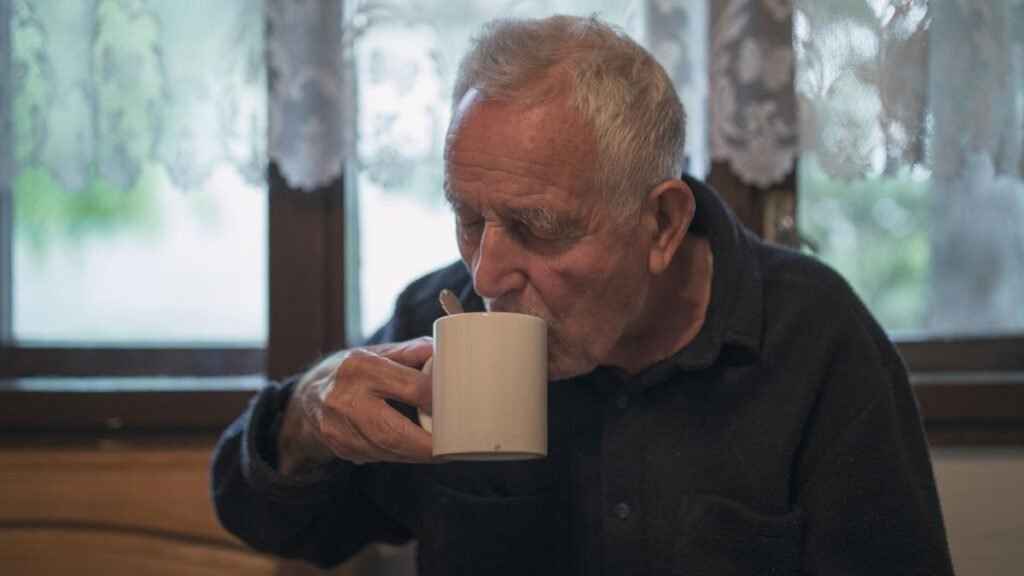
The first few weeks of retirement can feel wonderful because nobody is telling you where to be. You can drink coffee slowly, shop when stores are quiet, sleep later, and stop watching the clock every twenty minutes.
After a while, though, complete freedom can start creating its own problem. Nothing tells you when one part of the day should end and another should begin, so Monday can start feeling almost identical to Thursday.
Work used to organize far more than your working hours. It influenced when you woke up, ate breakfast, drove somewhere, took breaks, went to bed, and looked forward to the weekend.
Research published in Sleep found that retirement was associated with later bedtimes, later wake times, and somewhat longer sleep. That can be a welcome change, but losing every daily anchor may make days feel loose and repetitive.
You do not need to turn retirement into another rigid schedule. A few dependable anchors are usually enough to give the week some shape while still leaving plenty of freedom.
| What Work Used to Provide | What Can Replace It in Retirement |
|---|---|
| A fixed morning start | A regular wake and breakfast routine |
| Lunch breaks | A planned walk or meal |
| Weekly meetings | Clubs, classes, or social plans |
| Friday anticipation | A weekly outing or tradition |
| Deadlines | Personal project goals |
Try creating three or four anchors instead of planning every hour. You might exercise in the morning, leave the house before lunch, schedule social plans on certain days, and keep a regular evening routine.
The goal is not to make retirement feel like employment again. It is to stop every day from blending into the next.
2. You May Miss Feeling Needed More Than You Miss the Job

Most people who complain about work are not secretly hoping to return to staff meetings and performance reviews. What they often miss after retirement is the feeling that their experience mattered to somebody.
A team once depended on you, a customer needed your help, or coworkers came to you because you knew how to solve certain problems. Retirement can remove that feedback almost overnight.
Your job title may also have become part of how you described yourself. When someone asked what you did, you had an immediate answer, and retirement can make that simple question feel surprisingly complicated.
That is why purpose after retirement matters. You do not need another job, but you may need something that reminds you that your skills, time, and experience still have value.
Useful options can include:
- mentoring someone younger
- volunteering in your community
- helping with a local organization
- teaching a skill you know well
- working on a serious personal project
- helping family without becoming permanently available
- joining a group where people depend on your contribution
Research involving retired adults has linked regular volunteering with greater social and cognitive activity. Volunteering is not required, but it shows why having meaningful responsibilities can help retirement feel fuller.
The important point is to separate usefulness from employment. Your job ended, but your value did not end with it.
3. Your Social Circle Can Shrink Without Anyone Actually Leaving
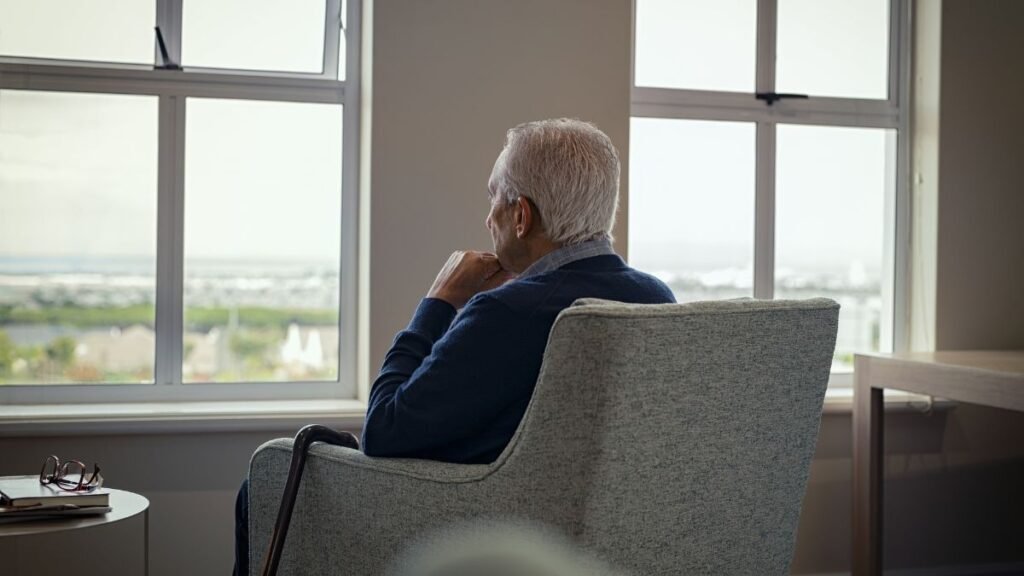
People often expect to stay close with coworkers after retirement. Sometimes that happens, but many work friendships were built around being in the same place five days a week.
You talked while getting coffee, asked about someone’s weekend, complained about a broken printer, or shared lunch without planning it. Retirement removes the setting where those small conversations happened.
That matters because casual contact still counts as social contact. Family relationships are important, but a spouse, adult child, or grandchild cannot replace every type of friendship you once had.
The National Institute on Aging notes that social isolation and loneliness can become more common as people age, especially when mobility, health, hearing, vision, or social networks change. It also distinguishes between being alone and actually feeling lonely, which are not the same thing.
Retirement friendships often need more planning than workplace friendships did. Saying, “We should meet sometime,” rarely works as well as putting a recurring event on the calendar.
| Weak Social Plan | Stronger Retirement Alternative |
| “We should have coffee sometime” | Coffee every second Tuesday |
| “I need to get out more” | Weekly walking group |
| “I’ll call someone when I feel lonely” | Two scheduled calls each week |
| “Maybe I’ll join something” | One class, club, or volunteer shift |
| “I’ll keep in touch with coworkers” | Monthly lunch with former colleagues |
A small number of regular connections can be more useful than dozens of people you rarely see. Repetition is what allows friendships to remain part of everyday life.
Work once gave you that repetition automatically. In retirement, you usually have to create it yourself.
4. Being Home Together Can Change Your Marriage

For years, many couples say they cannot wait until retirement gives them more time together. Then retirement arrives and they discover that spending nearly every hour together can require some adjustment.
A couple who once shared mornings, evenings, and weekends may suddenly share breakfast, lunch, errands, afternoons, dinner, television, and almost every small household decision. Even a strong relationship can feel different under that amount of contact.
Research involving retired couples has found that changes in life satisfaction around retirement can be closely linked between partners. One person’s expectations and habits can affect how the other experiences retirement as well.
The problem often begins when both people assume they want the same retirement. One spouse may picture travel, while the other wants gardening, quiet mornings, and more time at home.
Talk openly about practical details before frustration builds. Discuss how much time you expect to spend together, which hobbies will remain separate, how household jobs will be divided, and how much travel feels comfortable.
You may also want to discuss money, family visits, and personal space. These topics can seem small until retirement turns them into daily issues.
Separate interests are healthy. You do not need to become one retired person living through two bodies, and having time apart can make shared time more enjoyable.
5. Spending Money Can Feel Wrong Even When You Saved Enough
Retirement requires a financial change that can feel completely unnatural. You spent decades learning to earn money, save it, invest it, and watch your account balances grow.
Then retirement asks you to do the opposite. You may need to withdraw some of that money and actually use it, which can make even reasonable spending feel dangerous.
A $4,000 trip might have seemed manageable while a paycheck arrived every two weeks. The same trip can feel frightening when part of the money is coming from investments.
Current income figures help explain why retirees need a clear spending system. Social Security estimated the average retired worker benefit at about $2,071 per month in January 2026 after the 2.8 percent cost of living adjustment.
At the same time, the standard Medicare Part B premium is $202.90 per month in 2026. That is before other health costs, housing expenses, food, transportation, and everything else a household needs.
A simple spending framework can reduce the fear.
| Spending Type | Examples | Best Way to Handle It |
| Essential | Housing, food, utilities, insurance | Fund these first |
| Flexible | Restaurants, hobbies, gifts, clothing | Adjust when needed |
| Optional | Large trips, upgrades, luxury purchases | Plan from available surplus |
| Irregular | Repairs, dental work, car replacement | Keep a reserve |
This approach gives you a better question than, “Am I spending too much?” You can instead ask, “Is this expense already supported by my retirement plan?”
That difference matters because fear alone is not a financial strategy. A clear spending plan can help you enjoy money without ignoring long term risks.
6. Your Body No Longer Gets Movement From the Workday
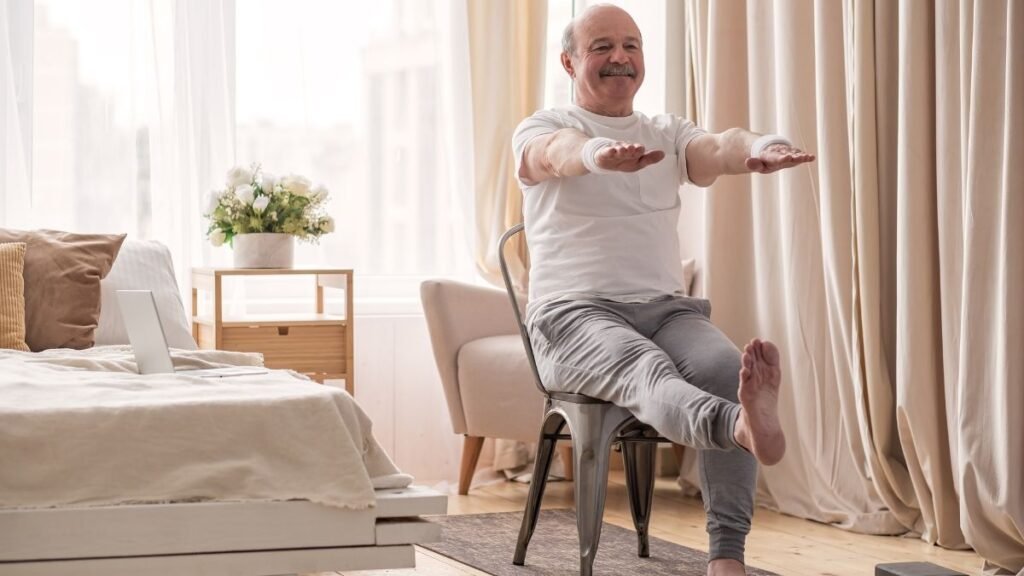
Retirement gives you more time to exercise, but it can also quietly make you less active. A surprising amount of movement used to happen because work required it.
You walked from the parking lot, climbed stairs, stood during conversations, carried things, moved between rooms, and sometimes walked to lunch. None of that felt like exercise, but it still added movement to the day.
After retirement, everything you need may be within a few rooms. The coffee maker is close, the sofa is comfortable, and the car may be only a few steps from the door.
Research looking at time use after retirement has found that some former work hours shift into sleep, household tasks, screen time, and other quiet activities. The same research found more favorable mental health patterns when work time was replaced by physical activity.
The CDC recommends that adults age 65 and older aim for at least 150 minutes of moderate aerobic activity each week, plus muscle strengthening activity on at least two days and activities that improve balance.
That does not mean you need to spend your retirement inside a gym. Walking, swimming, gardening, dancing, cycling, resistance exercises, and appropriate group fitness classes can all add useful movement.
Try treating activity like any other retirement commitment. Put it somewhere in your normal week before the sofa becomes the easiest default.
People with health conditions, pain, mobility limits, or other medical concerns should choose activities appropriate for their abilities. Major changes in exercise may also be worth discussing with a health professional.
7. Free Time Can Quietly Turn Into Screen Time

Having nothing urgent to do feels luxurious at first. You can watch a movie at noon, read the news for an hour, scroll through videos, or watch another episode because tomorrow morning is completely open.
The problem begins when leisure stops feeling chosen. It becomes the automatic response whenever nothing else is planned.
There is nothing wrong with television, reading, gaming, or spending time online. Retirement should include rest, and nobody needs to fill every hour with productive activity.
Still, there is a real difference between resting because you chose to rest and sitting because nothing else came to mind. That difference becomes more important when one quiet afternoon turns into most afternoons.
Keep a short list of activities that are easy to start. A simple list removes the need to invent something every time boredom appears.
You might:
- walk to a coffee shop
- spend twenty minutes in the yard
- call a friend
- cook something new
- visit the library
- practice an instrument
- organize old photographs
- repair something small
- read outside the house
- attend a local class
You do not need a grand passion that defines your retirement. You simply need enough options that every empty hour does not automatically become screen time.
8. Other People May Start Treating Your Time as Free

Retirement changes how other people see your schedule. An adult child needs someone home for a delivery, a relative needs a ride, or somebody asks you to watch the grandchildren because you are “not working anymore.”
Each request may seem small. The trouble begins when several small favors combine into a schedule that no longer feels like your own.
Helping people can be one of the best parts of retirement. You finally have more flexibility to support family and friends when they truly need you.
But there is an important difference between having free time and having available time. If you never make that distinction, other people can slowly start designing your retirement for you.
One afternoon with grandchildren may be wonderful, while three fixed days every week may feel like an unpaid job. Driving someone to an important appointment may feel meaningful, while becoming the automatic driver for every errand may create resentment.
Use clear limits before you need them.
| Request | Helpful Boundary |
| Regular childcare | Choose specific days or hours |
| Family errands | Help with important needs, not every task |
| Last minute favors | Keep some days unavailable |
| Household help | Agree on what you are willing to do |
| Repeated requests | Share responsibilities with others |
Boundaries do not mean becoming selfish or less generous. They make your help more sustainable and protect the life you spent decades working to reach.
Your retirement years are still part of your life. Being retired does not give everyone else the first claim on your calendar.
9. Retirement Gives You More Time to Notice Aging

Work is distracting because it gives your brain hundreds of small things to think about. There are deadlines, messages, customers, meetings, problems, and decisions waiting for attention.
Retirement removes much of that noise. For some people, the quiet makes aging more noticeable.
Your knees may feel different, friends may start having health problems, or someone you once worked with may die. You may begin thinking about how many healthy years remain instead of how many working years remain.
That awareness is normal, but it can sometimes turn into too much caution. People may delay travel, avoid spending money, or turn down new experiences because they worry about what could happen later.
Eventually, a person can become so focused on protecting the future that very little life is happening in the present. That is a hard way to spend retirement.
The answer is not to pretend aging does not exist. Health, mobility, finances, and future care needs are real issues that deserve planning.
But health should support your life rather than becoming your entire life. The National Institute on Aging emphasizes the value of social connection, while the CDC recommends regular aerobic, strength, and balance activity for older adults based on their abilities.
Give yourself reasons to think forward.
Plan lunch next week, a trip several months from now, or a project that will take a year. Buy tickets to something you want to attend, learn a skill slowly, or plant something you will get to watch grow.
A future worth looking forward to can change the way retirement feels. Your calendar should contain more than medical appointments and bills.
Retirement Works Better When You Replace What Work Used to Give You
The biggest retirement problems often come from things nobody thought of as workplace benefits. A job gave you structure, repeated social contact, problems to solve, reasons to move, deadlines, and evidence that somebody needed your skills.
You probably do not want the stress, commute, office politics, or alarm clock back. What you may need are healthier replacements for the useful pieces that disappeared along with them.
That is the real work of adjusting to retirement. You are not trying to recreate employment, because the whole point was to gain more control over your life.
Start with the one problem that feels most familiar right now. Maybe your days need more shape, your social life needs attention, your body needs more movement, or you simply need something exciting on the calendar.
Fix that piece first, then build from there. Retirement solved the work problem, but a satisfying retirement still needs structure, connection, purpose, movement, and something worth looking forward to.
I’m Austin Becker, an advocate for living life with intention and resilience. I write for men who are actively navigating life’s major transitions, tackling the realities of reinvention and finding renewed purpose with grit and honesty. I believe that personal growth doesn’t have a deadline it’s about continuously gearing up for the chapters that matter most.
Through my work, I aim to strip away the clichés of modern manhood, offering practical, no-nonsense insights on health, mindset, and legacy for those who want to move forward with strength and clarity.