
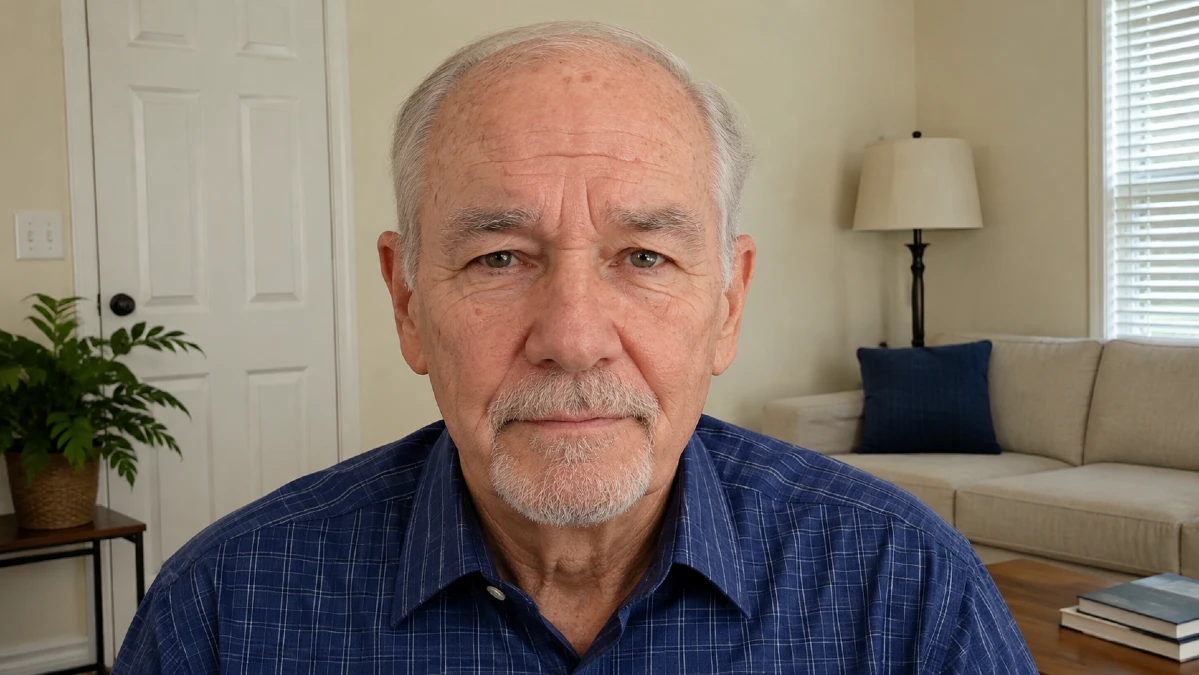
Robert is 77 years old, and he has reached an age where certain truths are much harder to ignore. He does not share these thoughts because he wants sympathy, and he is not trying to make aging sound hopeless.
Robert still enjoys retirement, values his marriage, stays active, and feels grateful for many parts of his life. But he also believes people deserve a more realistic picture of what getting older can actually feel like.
At 77, the biggest changes are not always visible in a mirror. Time feels different, health carries more weight, friendships become more fragile, and independence no longer feels permanent.
1. Robert Realized His Remaining Time Is Limited

When Robert was younger, ten years felt like a huge stretch of time. At 77, ten years feels much shorter because he knows how quickly a decade can pass.
He does not assume that a life expectancy table can predict when he will die. Population averages may help with planning, but they are not personal expiration dates.
What has changed is Robert’s awareness of time. A trip overseas now feels more meaningful because he sometimes wonders whether it could be his last long international trip.
A visit with his brother can carry more weight for the same reason. Robert may go many more times, but he also knows there are no guarantees.
That uncertainty has changed the way he experiences ordinary events. He no longer wants to postpone everything enjoyable until some perfect future date.
He sees more value in making the call, taking the trip, accepting the invitation, and spending time with people while everyone is still able to do it. The harsh reality is that time becomes more limited with age, but the positive side is that Robert finally appreciates it more.
| Earlier in Life | At 77 |
|---|---|
| There will be another vacation | This trip deserves attention |
| He can call later | Calling today feels wiser |
| There is plenty of time | Time feels valuable |
| Work comes first | People often come first |
2. Health Became More Important Than Money

Robert has learned that health can become one of the biggest concerns in everyday life. A blood test is no longer something he completely forgets about after leaving the clinic.
If an online patient portal marks one result as outside the normal range, he may start wondering what it means before he has even spoken with his doctor. Those moments can create more worry at 77 than they did decades earlier.
Sleep can also change with age. Robert sometimes wakes very early and finds it hard to fall asleep again, and that can affect how he feels during the day.
Then there are eyesight, hearing, heart health, balance, joints, and mobility. Small physical changes can feel more important because Robert knows they may affect his ability to stay independent.
He has noticed that two people can both be 77 and have completely different lives. One person may still travel, exercise, and live independently, while another may be dealing with serious heart trouble, painful joints, limited mobility, or a major illness.
That difference has taught Robert something important. Money still matters in retirement, but good health affects almost everything money is supposed to help a person enjoy.
A large retirement account means much less if someone no longer feels well enough to travel, drive, walk comfortably, or spend time outside the home. For Robert, health has gradually moved ahead of status, possessions, and many financial goals.
3. One Fall Could Change Robert’s Independence
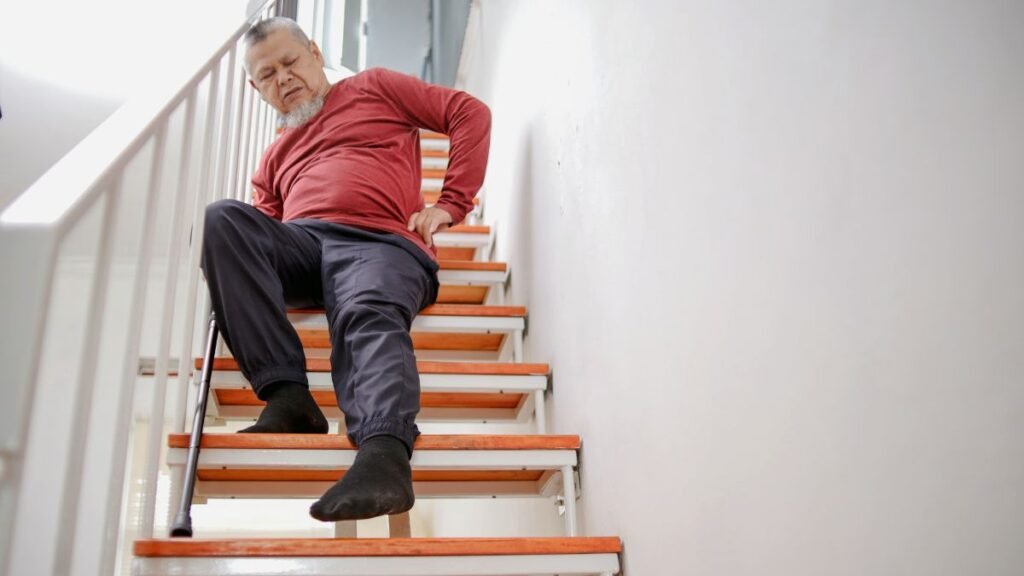
Robert used to climb tall ladders without thinking much about the danger. He does not do that anymore because the risk feels completely different at 77.
He gave away his tall ladder after deciding there was no good reason to prove he could still handle certain jobs himself. A repair is not worth losing months of mobility.
Robert also avoids walking outside in slippery conditions when he thinks there is a real chance of falling. Friends may tease him for being careful, but he sees the issue differently now.
A serious fall at 77 could affect far more than a bruised knee. It could affect driving, travel, exercise, stairs, confidence, and the ability to remain independent at home.
That does not mean Robert wants to become afraid of movement. Staying active still matters because strength and balance help protect independence.
The goal is to remove unnecessary risk while continuing to use the body. Robert has learned that protecting independence sometimes means admitting that certain things are no longer worth doing exactly the way they were done at 50.
There is no prize for taking a needless risk just to prove age has changed nothing. Robert would rather protect the freedom he still has.
4. Memory Slips Became Harder to Laugh Off
Robert has been going to the same gym regularly for years. There is a man there named Max, and Robert had known his name for a long time.
One day, Robert became convinced the man’s name was Norm. He knew something was wrong, but he could not pull the correct name from his memory.
It took about two days before Max finally came back to him. That small event frightened Robert more than he expected.
A younger person might laugh about forgetting a name. At 77, the same mistake can immediately bring up a much darker question about whether something more serious could be happening.
Occasional forgetfulness can happen with normal aging, while dementia causes more serious problems that interfere with daily life. Robert knows that difference, but it does not completely remove the worry when a strange memory lapse happens.
That is why he now uses more practical support. Checklists help, phone reminders help, and his wife also reminds him of things while he does the same for her.
Robert sees that teamwork as sensible rather than embarrassing. He also believes memory changes that begin interfering with normal tasks should be discussed with a health professional instead of being dismissed automatically as normal aging.
5. Robert Started Watching Friends and Neighbors Disappear
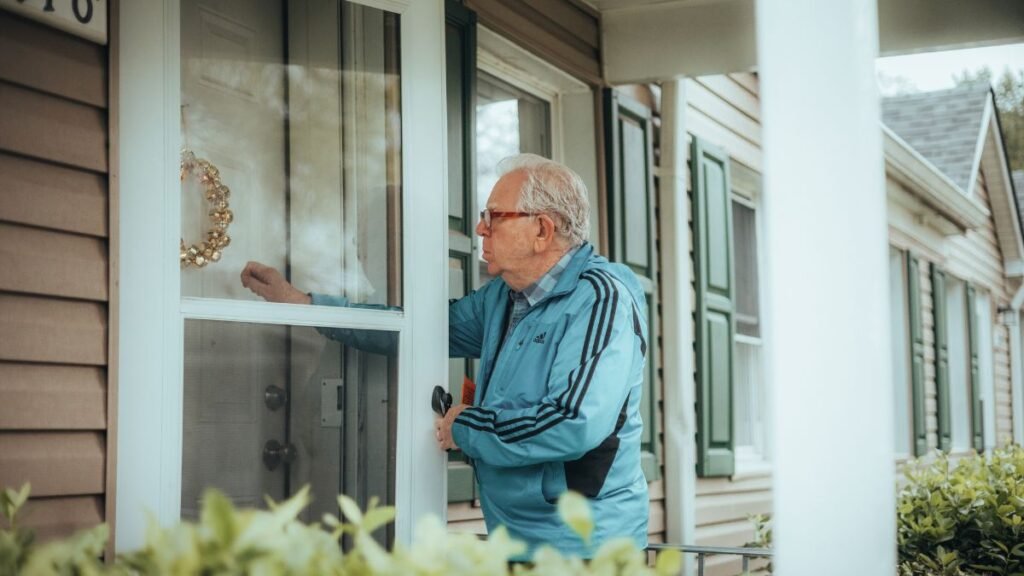
One of the hardest changes Robert has faced is watching familiar people die. He lives in a retirement community where he and his wife once had neighbors over for meals and conversation.
Over the years, some of those neighbors died. People Robert once expected to keep seeing were suddenly no longer part of the ordinary rhythm of the neighborhood.
That changes the emotional landscape of a place. Empty homes and missing faces can make mortality feel much more personal.
A death at 77 also feels different because the person who died may have been close to Robert’s own age. It becomes harder to think of death as something that happens only to much older people.
The danger after enough losses is becoming emotionally guarded. Robert does not think that is the right response because it can make the remaining years lonelier.
Instead, he sees more reason to stay close to the people who are still here. A phone call matters more, dinner together matters more, and visiting family feels more important than it once did.
Losing people has made Robert more aware that relationships need attention while there is still time to enjoy them. That lesson is painful, but it has also made him more present.
6. His Marriage Became Even More Precious

Robert and his wife have been married for more than five decades. After that much time together, a spouse becomes part of nearly every routine and memory.
They remember homes they lived in, trips they took, family events, difficult years, funny moments, old friends, and countless ordinary days. Those shared memories become part of the relationship itself.
Robert has seen enough widows and widowers around him to know that one spouse will probably be left behind. That thought scares him more now than it did when they were younger.
In some ways, losing his wife feels more frightening to Robert than thinking about his own death. It is hard for him to picture life after more than 50 years of sharing it with the same person.
That fear has also created more appreciation. Robert and his wife spend time remembering the past, talking about experiences they shared, and enjoying ordinary time together while they still can.
Robert has also worked to rebuild relationships with family members after years of naturally moving in different directions. Age has made one thing clearer to him.
Pride is a poor reason to lose valuable years with someone he loves. Relationships have become more important precisely because Robert knows they are not permanent.
7. Possessions Started Feeling More Like Responsibility

Robert does not feel the same urge to buy things that he once did. He buys fewer clothes, gadgets are less exciting, and adding one more object to a collection no longer automatically feels rewarding.
Instead, a different question has started appearing. Robert now thinks more often about what will eventually happen to the things he already owns.
He has collections that once felt mainly enjoyable. Now he also considers whether they should someday be sold, donated, given to family, or passed to an organization that would value them.
That change does not mean Robert wants an empty house. He still enjoys the things he owns and does not believe everyone should suddenly get rid of everything.
What has changed is the idea that more possessions automatically create a better life. At 77, objects can also become responsibilities that require storage, cleaning, maintenance, insurance, organization, or decisions after death.
Robert increasingly values experiences, relationships, and ease over accumulation. For him, simplifying is less about throwing everything away and more about making sure possessions serve his life instead of controlling it.
8. End of Life Decisions Could No Longer Be Avoided

There are conversations Robert would rather not have. End of life planning is one of them, but he believes avoiding those conversations only shifts the burden onto someone else.
By 77, Robert thinks it is important to know where major documents are and whether they still reflect what a person wants. That may include a will, medical wishes, financial information, and the person who should speak if someone becomes unable to make decisions.
Robert has talked with family members about some of these issues. Those conversations can feel uncomfortable at first, but they can also remove uncertainty later.
Important questions can include who should make medical decisions, where documents are stored, what treatment preferences exist, and what kind of funeral or memorial someone would want.
The exact legal paperwork depends on where a person lives. Robert knows that local legal and medical guidance matters, especially when formal documents are involved.
He does not see this preparation as giving up. He sees it as taking responsibility while he is still able to make his wishes clear.
If his family ever faces a difficult medical situation, clear instructions could remove some of the confusion and guilt that often come with making decisions for someone else.
9. Robert Has to Work at Not Becoming the Grumpy Old Man
Living for 77 years gives Robert a lot of stories. It also creates a temptation to relate almost every conversation back to something he has already experienced.
A younger person may start talking about a problem, and Robert can immediately remember a similar situation from decades ago. He may want to jump in and explain what happened to him.
Sometimes that is useful, but sometimes it becomes unwanted advice. Robert has learned that experience is more helpful when it is shared at the right time.
He has also noticed that older people can repeat stories without realizing it. He has friends who tell the same story more than once, and he occasionally wonders whether he does the same thing.
There is another trap too because complaining can become easy. Technology changes, social habits change, younger generations do things differently, and health problems can create frustration.
Robert tries to catch himself before every irritation turns into another complaint. He is also learning that being older does not automatically mean being right.
There are arguments he could enter, but he increasingly asks whether winning would improve anything. Most of the time, he decides protecting his peace is more valuable than proving a point.
10. Status and Competition Lost Much of Their Power

Career status once seemed more important to Robert than it does now. When people are younger, it is easy to care deeply about promotions, income, houses, cars, titles, and how successful they appear.
At 77, much of that fades because those things do not solve the problems that matter most. A former job title does not make a doctor’s appointment easier, and a bigger house does not guarantee a happier marriage.
Robert also sees expensive possessions differently. A nicer car or larger home can be enjoyable, but they no longer feel like proof that a life has been successful.
The things that still matter tend to be simpler. Robert values his wife, family, health, friendships, independence, and ordinary days that feel peaceful.
He also appreciates gratitude more than he did earlier in life. If someone reaches 77 with a safe home, enough food, meaningful relationships, some independence, and enough health to enjoy the day, Robert sees plenty to be thankful for.
Retirement does not need to become another competition. There will always be someone with more money, a larger house, or a more expensive vacation.
Robert is increasingly happy to let them win that contest. Contentment now feels more valuable than comparison.
11. Robert’s Body Needs More Recovery Than His Mind Expects
Robert’s mind remembers being younger very clearly. His body, however, does not always respond the way it did decades ago.
A busy day can now take more energy, and several demanding days in a row may require more recovery. Travel can still be enjoyable, but Robert often sees the value of planning more space around it.
Sleep is another part of the change. He occasionally wakes very early and cannot get back to sleep, which can leave him feeling less energetic later.
Robert has learned that fighting every change makes aging more frustrating. There is a difference between adapting and quitting.
He can still exercise, see friends, work on personal projects, travel, and stay active while accepting that his body may need a slower rhythm. That balance helps him keep doing what he enjoys.
Instead of packing every day with activities, Robert prefers to leave some breathing room. He would rather enjoy three things comfortably than schedule seven and spend the entire week exhausted.
Pacing has become part of staying active rather than a sign that he has stopped living. Robert sees it as a practical adjustment that protects his energy.
12. Hearing Problems Can Quietly Push Robert Out of Conversations

Robert notices background noise more than he used to. A quiet conversation may be easy enough to follow, but restaurants and crowded rooms can be much harder.
Several people talk at once, music is playing, and someone across the table says something while part of the sentence disappears into the noise. That experience can become tiring very quickly.
It can also lead older adults to pretend they heard something when they did not. Over time, that can make social situations feel frustrating instead of enjoyable.
Robert does not see hearing help as something to be ashamed of. If he reaches a point where a hearing aid would help him stay connected, he believes using one would make far more sense than pretending there is no problem.
The alternative can be worse because a person who struggles to hear may start avoiding restaurants, meetings, family gatherings, and social events. That can slowly create isolation.
For Robert, the important question is not whether using hearing support makes someone look old. At 77, age is already part of life.
The better question is whether a solution helps a person keep participating in conversations. Staying connected matters more than pretending nothing has changed.
13. Loneliness Can Appear Without Anyone Planning for It

Robert has learned that loneliness rarely arrives as one dramatic event. It can build slowly as ordinary parts of a social life disappear.
A person retires and loses everyday contact with coworkers. A friend moves away, another becomes sick, and someone else dies.
Driving after dark may become less comfortable, and certain social events can start feeling harder to attend. Before long, a once busy social life can shrink.
Robert does enjoy being alone sometimes, so quiet time itself is not the problem. The concern begins when being alone is no longer a choice.
| What Can Shrink Social Contact | What Can Help |
| Retirement ends work contact | Join a regular group |
| Friends move away | Schedule calls |
| Friends die | Stay open to new friendships |
| Night driving feels harder | Meet during daylight |
| Hearing becomes difficult | Get hearing checked |
| Family lives far away | Use regular video calls |
Robert believes friendships after retirement sometimes require more effort than they did earlier in life. Work and school once placed people together automatically, but retirement may not.
That means connection has to become more intentional. Robert sees regular calls, shared activities, family visits, and new friendships as important parts of staying emotionally healthy.
14. Money Has to Last Through More Uncertainty
Robert’s relationship with money has changed because earning more is no longer as simple as it once was. A younger person who needs extra income might change jobs, work longer hours, or build a new business.
At 77, those choices may be less realistic or less appealing. That makes unexpected costs feel heavier because replacing the money may be more difficult.
The roof still needs repairing, cars still break, and medical needs can increase. A spouse may eventually need more help, and home maintenance does not stop because someone retired.
Retirement finances vary greatly, so Robert knows his experience cannot describe everyone. Some retirees have large savings and pensions, while others depend mostly on Social Security and have little room for surprise expenses.
Still, the principle is similar. The less spare money someone has, the more important every financial decision becomes.
This is another reason Robert is less interested in buying unnecessary things. Possessions often come with extra costs because they need repair, storage, insurance, maintenance, or replacement.
Robert increasingly sees simplicity as a financial tool as well as a lifestyle choice. Fewer unnecessary expenses can create more breathing room when something unexpected happens.
15. Robert No Longer Takes Independence for Granted

For most of adult life, independence can feel permanent. Robert once assumed he would drive himself where he wanted, manage his own home, make his own decisions, travel, shop, and handle everyday tasks without much thought.
At 77, he knows those abilities can change. Vision can affect driving, strength can affect household work, and a serious fall can affect mobility.
Memory problems can affect finances and appointments. Illness can also turn a spouse into a caregiver much faster than anyone expects.
That reality makes Robert protective of his independence. At the same time, he has realized that independence does not always mean doing everything alone.
Sometimes accepting help is what protects independence. If someone else climbs the ladder, Robert avoids a needless injury, and if his phone reminds him about an appointment, that helps him remain organized.
If he eventually needs help with another task, accepting that support may allow him to keep doing many other things on his own. Robert sees that as adaptation rather than failure.
| Instead of Proving He Can Still Do This | Robert Can Protect Independence By |
| Climbing a dangerous ladder | Asking for help |
| Ignoring hearing trouble | Getting hearing checked |
| Walking through dark rooms | Improving lighting |
| Trusting memory for everything | Using reminders |
| Hiding a health problem | Addressing it early |
| Refusing all assistance | Accepting useful support |
Robert no longer believes independence means doing absolutely everything alone. To him, independence means keeping control over as much of his life as possible for as long as possible.
The Harsh Truth Is Only Half the Story
These are some of the harsh realities of being 77 that Robert has come to recognize. Time feels shorter, health becomes more important, friends disappear, and independence no longer feels guaranteed.
Decisions that once seemed far away can suddenly become practical matters that need attention. Yet Robert also sees another side of aging because he cares less about impressing strangers and more about relationships, peace, gratitude, and ordinary days.
At 77, Robert knows he cannot control how much time remains. What he can control is how much attention he gives to the life, people, and opportunities that are still here.
I’m Austin Becker, an advocate for living life with intention and resilience. I write for men who are actively navigating life’s major transitions, tackling the realities of reinvention and finding renewed purpose with grit and honesty. I believe that personal growth doesn’t have a deadline it’s about continuously gearing up for the chapters that matter most.
Through my work, I aim to strip away the clichés of modern manhood, offering practical, no-nonsense insights on health, mindset, and legacy for those who want to move forward with strength and clarity.