

William once met a 76 year old man named Ray in a hardware store parking lot. Ray had a large mustard stain right in the middle of his shirt, the kind most people would notice immediately.
William glanced at it and quickly looked away. Ray caught the look, glanced down at his own shirt, and said something William never forgot: “Nobody’s watching.”
That simple sentence stayed with William because it explained something many people do for decades without realizing it.
1. Keeping Up With Other People’s Lifestyle

For decades, comparison can feel normal. A neighbor remodels the kitchen, and suddenly a perfectly good kitchen starts looking old.
Someone buys a new SUV or books an expensive vacation. Another couple moves into a larger house, and that familiar thought appears: Are we falling behind?
Retirement can make that question feel much less important. William has noticed that many older adults eventually realize somebody else’s spending says almost nothing about their financial security.
You cannot see their mortgage, debt, retirement savings, medical bills, or private worries. Their goals may also have nothing to do with yours.
AARP has reported that spending more time with family and friends is one of the major retirement goals for many middle class Americans. That is a very different goal from having the fanciest kitchen on the street.
The better question becomes simple: Does this make my own life better? That question can save a lot of money and a lot of unnecessary stress.
2. Owning More Stuff Than They Actually Use

William has seen the same pattern again and again. People spend the first half of adult life collecting things and the second half wondering what to do with them.
There is the formal dining set, the tools from projects finished years ago, and the boxes that have moved through several houses without being opened once. Eventually, possessions start asking something from you.
They need space and cleaning. Some need repairs, insurance, maintenance, or storage, and then comes another surprise: adult children may not want the furniture, dishes, collectibles, or decorations their parents assumed would be passed down.
That does not mean those things were bad purchases. Many served their purpose well, but the problem comes when people keep storing items only because they once cost a lot.
| Keep It | Use It Now | Let It Go |
|---|---|---|
| You use it often | You have been saving it | Nobody wants or uses it |
| It makes daily life easier | It gives you real pleasure | It creates storage problems |
| It has deep personal meaning | It was meant for special occasions | You keep it from guilt |
| Replacing it would be difficult | You already own the better version | You forgot you owned it |
William believes one of the easiest lessons here is also one of the best: use the good dishes. If something has been waiting 30 years for a special dinner, an ordinary Tuesday is special enough.
3. Impressing People With Their Career
Work can become much more than a paycheck. It gives people a title, a schedule, responsibility, status, and a place in the social order.
After decades of working, some people barely know how to describe themselves without mentioning their job. Then retirement asks a difficult question: Who are you when nobody needs your title anymore?
AARP has discussed the emotional shift that can come with retirement, including changes in identity and purpose. Financial planning matters, but emotional preparation matters too.
Some retirees miss being needed, while others miss the respect attached to their position. Many are surprised by how quickly the old title starts to feel distant.
William has noticed that the people who adjust well often build identities around more than work. They become the person who gardens, reads, travels, cooks, volunteers, walks every morning, watches grandchildren, repairs old furniture, or spends two hours talking with a friend.
A career can matter deeply, but it does not have to explain the entire person. Retirement often makes that easier to see.
4. Chasing Every Possible Dollar

Money still matters after retirement. In many cases, careful money decisions matter even more because regular employment income may be gone.
But there is a difference between being financially careful and chasing every possible dollar. William has seen people spend large amounts of time trying to squeeze tiny gains from every decision.
They drive farther to save a few cents or constantly move money between accounts. They turn small savings opportunities into major projects.
The bigger version happens before retirement. Someone plans to leave work this year, then decides to stay one more year because a bonus appears or the market feels uncertain.
Sometimes that is the right choice. People may need more savings, employer health coverage, or a larger Social Security benefit, and the Social Security Administration confirms that delaying retirement benefits can increase monthly payments until age 70.
William thinks the important question is bigger than money. What is another year buying, and what is it costing?
More income is valuable, but time is valuable too. Many retirees finally stop treating every extra dollar as if it automatically deserves another piece of their life.
5. Winning Every Argument
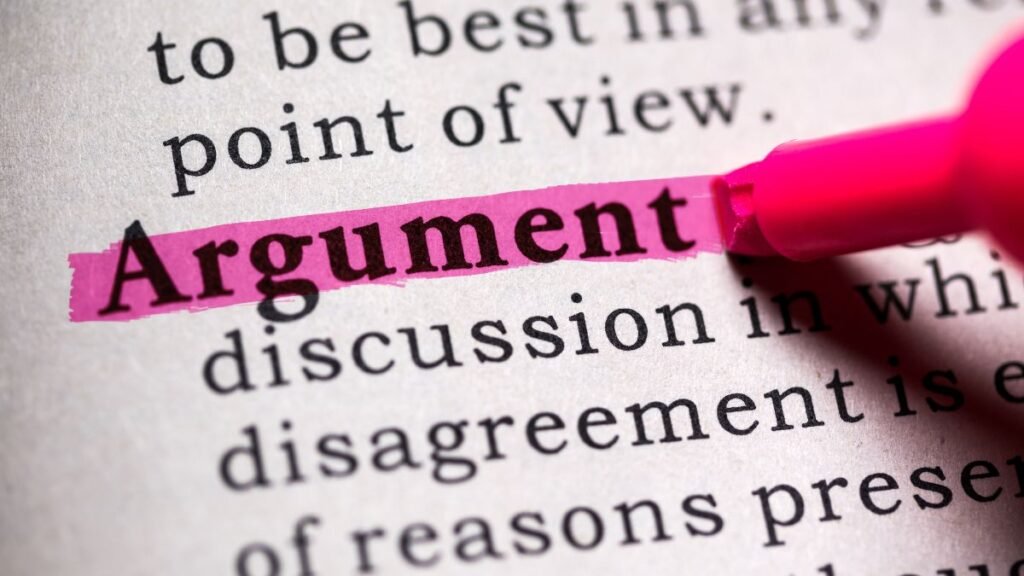
William thinks one of the easiest ways to protect peace is to stop joining arguments that do not matter. Someone posts something ridiculous online, and your fingers start moving before you have decided whether the conversation deserves any of your day.
Then an hour disappears. Nobody changes their mind, nobody learns anything, and everyone leaves annoyed.
Retirement can make that trade look expensive. Family arguments can work the same way because you can spend dinner proving that your brother is wrong, or you can enjoy dessert while your brother continues being wrong.
This does not mean retirees stop speaking up. Some disagreements matter and deserve honest discussion, but the change is usually about selection.
Every argument asks for payment in time and attention. Many retirees simply get better at checking the price before buying it.
6. Following Every New Trend
Trends work by convincing people that something they liked yesterday has suddenly become embarrassing. The shoes are outdated, the kitchen is outdated, the phone is outdated, and the sofa is outdated.
Nothing may actually be wrong with any of them. Other people just bought newer versions.
William thinks retirees often become harder to impress with trends because they have already watched styles disappear and return several times. Furniture gets mocked and later becomes vintage, while old shoes return as the next fashionable thing.
After enough years, usefulness starts beating novelty. If the phone works, it stays, and if the chair is comfortable, it stays.
Retirees may still enjoy buying new things, but newness alone stops being a strong reason to spend money. That can be a very expensive lesson to learn late, but a very useful one once it finally sticks.
7. Letting Other People Control Their Calendar

For most working adults, part of the calendar belongs to somebody else. There are meetings, deadlines, commuting times, appointments, work calls, and responsibilities that cannot easily be moved.
Then retirement can completely change the shape of a Tuesday. U.S. Bureau of Labor Statistics time use data show that adults age 65 and older spend considerably more time on leisure activities than many working age adults.
That does not mean retirees spend all day doing nothing. Leisure can include reading, socializing, recreation, television, hobbies, and other personal activities.
The bigger change is that people often gain more control over when those things happen. William thinks that is the real luxury.
A retiree may still wake up at 6:00 in the morning, but the difference is that nobody told him he had to. That sense of choice can matter more than simply doing less.
8. Being Busy Just to Feel Important

People often use busyness as proof that life is going well. Ask someone how they are doing and the answer may be, “Busy,” and everybody nods as if being overloaded is automatically a good sign.
Retirement can expose how deeply productivity becomes tied to identity. Some new retirees struggle with empty days, so they organize the garage, start unnecessary projects, and turn one errand into four trips.
William has seen how that usually changes with time. Eventually, someone sits outside for an hour and discovers nothing bad happens.
They read until lunch, take a long walk, or meet a friend without watching the clock. That is when a useful lesson appears: activity and meaning are not the same thing.
A full calendar can contain a good life, and an almost empty calendar can too. The question is whether the things filling the day are actually worth the hours.
9. Pleasing Everybody
There is a big difference between being kind and needing everybody’s approval. Kindness is something a person chooses to give, while approval seeking requires constant editing of yourself so nobody feels disappointed.
That can become exhausting. William has watched people agree to dinners they do not want, responsibilities they resent, trips they cannot afford, and favors they do not have time for because saying no feels uncomfortable.
Retirement often makes this habit easier to see. Time feels more valuable when fewer people control it.
Many retirees become more comfortable saying things like “That date doesn’t work for me,” or “Thanks for asking, but I’m going to pass.” These are normal boundaries, not acts of cruelty.
A respectful no can be much kinder than an angry yes. That realization can return hours of time and a surprising amount of peace.
10. Worrying About Things They Cannot Control

A person can build an entire unpaid job around worrying. Markets, elections, weather, interest rates, adult children, neighbors, and news headlines can fill every open space in the day.
Retirement can give people more free time, but free time can also create more room for worry if they are not careful. William thinks financial markets are a perfect example.
Checking investments several times a day may create activity without improving the plan. A better approach is having a financial structure that fits spending needs, risk level, and long term goals.
The same principle works outside money. It helps to separate problems into things you can act on and things you simply cannot control.
| You Can Act On This | You Cannot Control This |
| Your spending | Tomorrow’s market |
| Your daily habits | Other people’s opinions |
| Calling your children | Whether they call first |
| Voting | Every political outcome |
| Making weekend plans | Saturday’s weather |
| Choosing what news you consume | What gets reported |
William likes this division because it keeps attention attached to action. You can care about something without carrying it every hour of the day.
11. Looking Successful to Strangers

For much of adult life, purchases can become public signals. The car says something, the address says something, and clothes, vacations, watches, renovations, and restaurants can all become part of the image someone presents.
Retirement can weaken the need for that image. William has seen people start choosing the easier car instead of the impressive car, while a smaller house may suddenly feel better than maintaining rooms nobody uses.
Comfort begins beating status, and convenience begins beating appearance. Financial breathing room can feel much better than owning something mainly because strangers might think it looks expensive.
This change is often quiet. It may look like someone keeping the same paid off car for five more years because it still works.
Nobody applauds, and that is part of the freedom. The purchase no longer needs an audience to justify it.
12. Explaining Every Personal Decision
People spend a surprising amount of time defending normal choices. They explain why they are moving, why they are staying, why they travel, why they do not travel, and why they sold the large house.
Retirement often leads to a much shorter answer: Because that works for us. William thinks that answer becomes especially useful when children, siblings, friends, and neighbors all have different ideas about what retirement should look like.
One couple wants to travel constantly, while another wants to stay close to grandchildren. Someone else wants a quiet house, a garden, a dog, and almost nothing scheduled.
AARP’s retirement resources often focus on relationships, purpose, relocation, resilience, and legacy because retirement is about far more than money. Those priorities will look different for everybody.
Advice can be helpful, but approval is optional. Many retirees become much more comfortable letting personal decisions remain personal.
13. Saving Every Good Thing for Someday

William has always found it strange how many homes contain things that are apparently too good to use. The formal glasses, nice plates, expensive sweater, special bottle, and untouched candles can sit for years waiting for the right day.
People can spend decades preparing for a better day while ordinary life keeps happening right in front of them. Retirement can make “someday” feel less convincing.
That does not mean spending recklessly. Savings and planning still matter, but the lesson is about enjoying what you already own.
Wear the jacket, use the dishes, take the trip you can comfortably afford, and invite friends over even if the house is not perfect. Ordinary life does not need permission to be enjoyed.
The day does not need to become extraordinary before it counts. Many retirees finally realize that the special occasion they were waiting for was simply being alive and together.
14. Carrying Old Regrets Forever

Everybody reaches later life with choices they would make differently. There may be a job someone should have left sooner, a friendship that faded, a trip that never happened, or words that should have been said differently.
Age does not erase those memories, but it can change their weight. Research highlighted by the American Psychological Association in 2026 found that older adults reported fewer recent regrets and felt those regrets less intensely than younger adults.
That does not mean regret disappears with age. It suggests that people may become better at placing regret where it belongs.
William thinks there are two useful types of regret. Some regrets still contain a task, such as calling someone, apologizing, booking a visit, or changing a habit.
Other regrets contain no remaining action. The event is over, the lesson has already been learned, and continuing to punish yourself does not improve anything.
Carrying the mistake forever can become a second mistake. Many retirees stop caring about winning against the past and start using the time they still have.
What Retirees Often Care About More Instead
Giving something up creates room for something else. William believes this is the most important part of the story because retirees do not simply stop caring.
Many become more selective about what deserves their attention. Relationships often move higher on the list, along with comfort, health, meaningful routines, independence, hobbies, family, and peace.
AARP research continues to show that social connection matters greatly in later life. At the same time, loneliness can still affect older adults, especially after major life changes such as retirement, bereavement, or relocation.
That means caring less about approval should never be confused with withdrawing from people. The goal is not isolation, but spending more energy on relationships and activities that actually matter.
| Less Energy Spent On | More Energy Available For |
| Comparison | Relationships |
| Status purchases | Financial security |
| Workplace identity | Personal interests |
| Pointless arguments | Peace |
| Constant productivity | Rest and hobbies |
| Other people’s approval | Personal choices |
| Saving everything for later | Enjoying ordinary days |
William sees this as one of retirement’s most useful shifts. People stop asking whether the audience approves and start asking whether the life itself feels right.

I’m Austin Becker, an advocate for living life with intention and resilience. I write for men who are actively navigating life’s major transitions, tackling the realities of reinvention and finding renewed purpose with grit and honesty. I believe that personal growth doesn’t have a deadline it’s about continuously gearing up for the chapters that matter most.
Through my work, I aim to strip away the clichés of modern manhood, offering practical, no-nonsense insights on health, mindset, and legacy for those who want to move forward with strength and clarity.