
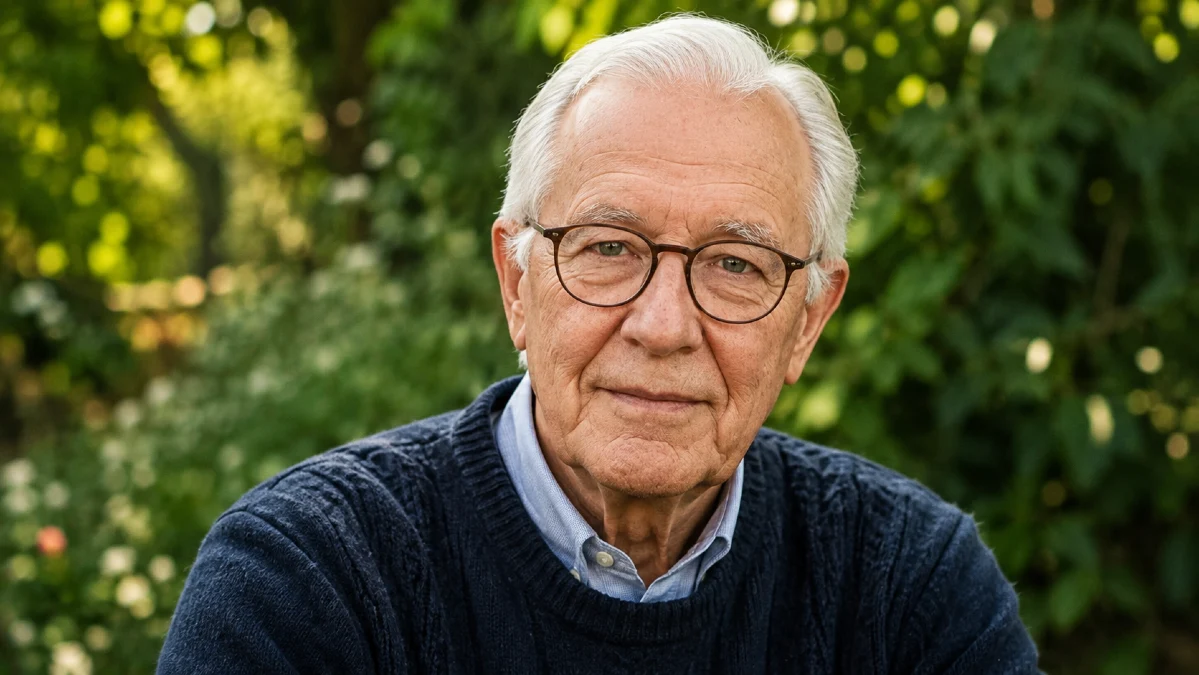
Dating after 70 can sound like the cure for an empty house. When children, neighbors, and friends keep asking why someone is still single, even a peaceful life can start feeling like a problem that needs fixing.
That is what happened to Peter. He had rebuilt his life after losing his wife, yet outside pressure convinced him to date again at 73.
Five years later, he does not regret caring about another person, but he deeply regrets ignoring what the relationship was costing him. His story raises a harder question: What if companionship adds less to life than the peace it takes away?
Why Peter Tried Dating After 70 Even Though Life Felt Peaceful

Peter was 68 when his wife, Ella, died after a long battle with cancer. The first year afterward was painfully quiet, and ordinary parts of the house seemed tied to memories of the life they had shared.
He did not suddenly become happy with being alone. Instead, he slowly built a life that felt steady enough to live in again.
Peter had worked as an engineer, so routine came naturally to him. He started waking early, making black coffee, sitting on his porch, and spending long mornings in the woodworking shop he had built in his garage.
He repaired things around his house and finally read books that had spent decades waiting on shelves. Little by little, silence stopped feeling like an empty space that needed to be filled.
That distinction matters because living alone and feeling lonely are not the same thing. The National Institute on Aging says loneliness involves feeling distressed about a lack of connection, while social isolation concerns having too little social contact. A person can therefore spend plenty of time alone without necessarily feeling lonely.
By 72, Peter liked his life. Then people around him started questioning it.
His daughter worried that he was isolating himself. His neighbor suggested meeting her friend Sylvia, a retired nurse who was energetic, sociable, and interested in dating.
Peter eventually agreed.
The first dates were genuinely enjoyable. Sylvia laughed easily, wanted to hear about his woodworking, and treated Peter like a man rather than simply someone’s father, grandfather, or widower.
That attention mattered more than Peter expected. Soon there were restaurants, theater nights, better clothes, and a feeling that a part of his old identity had returned.
Dating itself was not the mistake. The mistake was assuming that because the relationship felt exciting, it automatically belonged in the life Peter had worked so hard to rebuild.
| What Peter Had Before Dating | What Initially Attracted Him |
|---|---|
| Quiet mornings | Companionship |
| Control of his schedule | New experiences |
| Predictable spending | Restaurants and outings |
| Long woodworking sessions | Feeling noticed again |
| Peaceful afternoons | Social excitement |
1. Dating After 70 Made His Time Feel Less Like His Own

Before Sylvia, Peter barely thought about his phone. It usually sat on the kitchen counter while he worked, read, or went outside.
Sylvia communicated differently. She liked morning messages, updates during the day, photos, calls, and quick replies.
There was nothing wrong with wanting frequent contact. The trouble was that Peter never wanted that amount of contact, yet he kept trying to match it.
Soon his phone followed him into the workshop. A buzz during an hour of woodworking became enough to break his focus because he knew another message might require an answer.
If Peter waited too long, Sylvia sometimes worried that something had happened. Peter started answering quickly because preventing another worried call seemed easier than explaining why he wanted several hours alone.
That is how a small difference became a daily source of tension.
Communication compatibility matters just as much as romantic chemistry. One person may see regular messages as affection while another experiences the same behavior as pressure.
For someone dating after 70, that question is worth settling early. How often does each person expect to communicate, and is silence for several hours acceptable?
Peter never had that conversation at the beginning. Instead, he adapted until a habit he disliked became part of the relationship.
The lesson is simple. A relationship should make room for someone’s existing life rather than quietly taking ownership of every empty hour.
2. Their Energy Levels Never Really Matched

The next problem had nothing to do with love. Peter and Sylvia simply wanted very different days.
Sylvia liked restaurants, dinners with friends, weekend trips, theater nights, and full calendars. Peter could enjoy those things too, but he needed quiet days between them.
His favorite afternoon involved a book, coffee, perhaps a short nap, and nowhere he had to be. Those hours helped him feel rested enough to enjoy the next day.
Sylvia saw time differently. She felt that being older made every remaining year more valuable, so she wanted to use as much of it as possible.
Neither person was wrong.
The problem began when Peter started treating Sylvia’s pace as the correct one and his own need for rest as something embarrassing.
He agreed to plans when he wanted to stay home. Then he would return tired, irritated, and frustrated with himself for saying yes.
Compatibility after 70 includes energy compatibility. Someone who loves a full social calendar may struggle with a partner who prefers long stretches at home, even when both people genuinely care about each other.
That does not mean people need identical hobbies. It means they need enough freedom to live at different speeds without making either person feel guilty.
Peter eventually realized he was spending energy to maintain the relationship rather than receiving energy from it. For him, that was a major warning sign.
| Compatibility Question | Peter’s Preference | Sylvia’s Preference |
| Weekday afternoons | Quiet time at home | Activities and outings |
| Weekends | Flexible plans | Frequent social plans |
| Travel | Occasional | Frequent |
| Communication | Limited contact | Regular contact |
| Rest | Important | Less important |
| Home time | Highly valued | Often felt too quiet |
3. Dating Started Costing More Than Peter Expected

Romance can also change a retirement budget surprisingly fast.
Peter had spent decades saving. By his 70s, he knew what came in each month, what went out, and how much he felt comfortable spending.
Then his lifestyle changed.
There were dinners, tickets, gifts, fuel, weekend stays, and trips. No single expense seemed alarming, but the total kept growing.
One month Peter checked his accounts and realized he was withdrawing more than he liked. For the first time in years, spending made him anxious.
This is where dating after 70 can be different from dating at 30.
A younger worker may have decades of future earnings ahead. Many retirees are working with savings and income that must support them for an unknown number of years.
The Consumer Financial Protection Bureau makes a similar point when discussing financial losses among older adults. Losing significant savings can be especially damaging when someone has limited opportunity to earn that money again.
That does not mean older adults should avoid spending money on romance. It means money should become part of the conversation before resentment becomes part of the relationship.
A couple can ask several simple questions:
• How often can both people comfortably eat out?
• Does each person pay for personal travel costs?
• What happens when one partner wants a trip the other cannot comfortably afford?
• Will finances remain completely separate?
• What spending amount requires a conversation?
Marriage deserves even more care.
Current Social Security rules contain specific provisions for widows, widowers, divorced spouses, and people who remarry.
For example, the Social Security Administration says remarriage after age 60 generally does not prevent someone from receiving survivor benefits based on a deceased spouse’s record, while other benefit situations can follow different rules.
Peter and Sylvia never reached marriage. But the money problem helped him see something bigger.
He was agreeing to a lifestyle he could afford financially for a while, yet did not want emotionally for years.
4. Two Established Lives Were Harder to Combine Than Expected
Dating after 70 also means bringing decades of habits into the room.
Peter already had his coffee routine, bedtime, favorite chair, workshop hours, grocery schedule, financial habits, friendships, and preferred level of noise.
Sylvia had her own version of all those things.
Young couples often build adult routines together. Peter and Sylvia had spent decades building theirs separately.
That made small differences feel surprisingly large.
One person wanted the television on while eating. The other preferred silence. One wanted Sunday filled with plans, while the other saw Sunday as a recovery day.
These were hardly dramatic relationship problems. That was exactly why they were so difficult to solve.
There was no villain and no single argument that could be fixed. There were simply hundreds of small moments requiring one person to adjust.
Peter slowly began feeling like a visitor inside his own schedule.
Couples in later life do not have to combine everything. Separate homes, separate accounts, separate hobbies, and independent routines can be reasonable choices when both partners want them.
A relationship does not need to copy a traditional marriage to count as a meaningful relationship. The structure should serve the two people living inside it.
5. Peter Started Saying Yes When He Wanted to Say No

Peter’s biggest regret was not Sylvia’s behavior. It was how often he stopped saying what he actually wanted.
When he was tired, he said yes to dinner.
When he wanted a quiet weekend, he agreed to another outing.
When his phone interrupted him, he answered instead of explaining that workshop time mattered to him.
None of those decisions seemed important in the moment. Together, they slowly changed his life.
Peter was trying to prevent conflict, yet his strategy created a different kind of conflict inside himself.
The clearest sign came when he started dreading plans he had voluntarily accepted.
A healthy compromise can feel inconvenient sometimes. That is normal in any relationship. Constantly ignoring personal needs because saying no feels dangerous, selfish, or exhausting is something different.
Before changing a peaceful routine for a relationship, Peter now believes older adults should ask several questions.
- Can this person hear no without treating it as rejection? A loving relationship still needs room for separate choices.
- Can both people spend time apart comfortably? Independence should not automatically create suspicion or anxiety.
- Can one person rest while the other makes plans? Different energy levels do not have to become a conflict.
- Can money limits be discussed without embarrassment? A realistic retirement budget deserves respect.
- Does the relationship still leave room for old friendships and hobbies? Romance should add connection rather than replace every other connection.
Peter could have asked those questions much earlier. Instead, he kept adjusting because everyone seemed so pleased that he had found someone.
And here’s why that matters. Other people’s relief is a terrible reason to remain in a relationship.
6. Being in a Relationship Did Not Automatically Make Life Less Lonely

Peter eventually discovered something he had misunderstood for years.
Being single describes a relationship status. Loneliness describes a feeling.
They can overlap, but they are not interchangeable.
That difference matters because loneliness is a serious issue in later life. The National Institute on Aging reports that loneliness and social isolation are associated with problems including depression, heart disease, and cognitive decline. In 2025, NIA also highlighted a large analysis that linked loneliness with a higher risk of dementia.
That evidence supports social connection. It does not mean every older adult needs a romantic partner.
The Administration for Community Living runs Commit to Connect specifically to help reduce social isolation by strengthening many forms of connection. Family, friends, neighbors, community groups, volunteering, hobbies, faith communities, and local programs can all form part of a person’s social life.
Peter already had several of those connections.
He saw his daughter. He knew his neighbors. He had conversations in town. He had woodworking, reading, and familiar routines that gave his days meaning.
His problem was not that he had zero connection. His family had looked at the absence of romance and assumed it meant the absence of a life.
Research on older social networks also suggests that more relationships are not automatically better. An American Psychological Association report on research into older adults found that older people often have smaller social networks while maintaining meaningful close relationships.
For Peter, quality mattered more than quantity.
A crowded dinner table could leave him drained. A quiet conversation with his daughter could leave him feeling connected for days.
That distinction changed how he thought about dating.
| What Someone Feels | What May Help |
| Genuine loneliness | More regular social contact |
| Missing romance | Dating or romantic companionship |
| Boredom | New hobbies, classes, or activities |
| Too much isolation | Community groups and regular visits |
| Pressure from family | Clear personal boundaries |
| Peaceful solitude | It may need no fixing |
7. Ending the Relationship Gave Peter a Surprising Answer

Peter finally ended the relationship after realizing his house no longer felt like a place where he could fully relax.
The breakup hurt. Sylvia had brought warmth, laughter, and memorable experiences into his life, and Peter did not suddenly decide those years had been meaningless.
Yet another feeling appeared almost immediately.
Relief.
His phone went back onto the kitchen counter. His afternoons became quiet again, and the workshop once more belonged to long periods of uninterrupted concentration.
Most surprising was the silence.
After Ella died, silence had felt heavy because it represented absence. After Sylvia left, silence felt different because Peter had chosen it.
That difference changed everything.
Peter is now 78 and has chosen not to date again. That decision works for Peter, but it is not a rule for people over 70.
Many older adults want romance and enjoy dating. An AARP survey found considerable openness to dating among older single adults, although many were not actively dating at the time surveyed.
The research also found that people had different goals and concerns, which is exactly why one person’s choice cannot become a rule for everyone else.
Online dating remains an option as well. AARP’s 2026 review of senior dating services shows that platforms continue to serve older users looking for friendship, companionship, and serious relationships.
Safety deserves attention, however.
Federal Trade Commission data published in December 2025 showed that total reported fraud losses among people age 60 and older rose from about $600 million in 2020 to $2.4 billion in 2024. Very large losses were often connected to investment scams, romance scams, and impersonation scams.
That statistic should not make older adults afraid of every date. It is a reminder to protect financial information, avoid sending money to people met online, and slow down when someone begins connecting romance with financial requests.
Peter’s relationship was not a scam. His regret came from something much quieter.
He had let the idea of being a couple become more important than whether being a couple actually improved his life.

I’m Austin Becker, an advocate for living life with intention and resilience. I write for men who are actively navigating life’s major transitions, tackling the realities of reinvention and finding renewed purpose with grit and honesty. I believe that personal growth doesn’t have a deadline it’s about continuously gearing up for the chapters that matter most.
Through my work, I aim to strip away the clichés of modern manhood, offering practical, no-nonsense insights on health, mindset, and legacy for those who want to move forward with strength and clarity.