
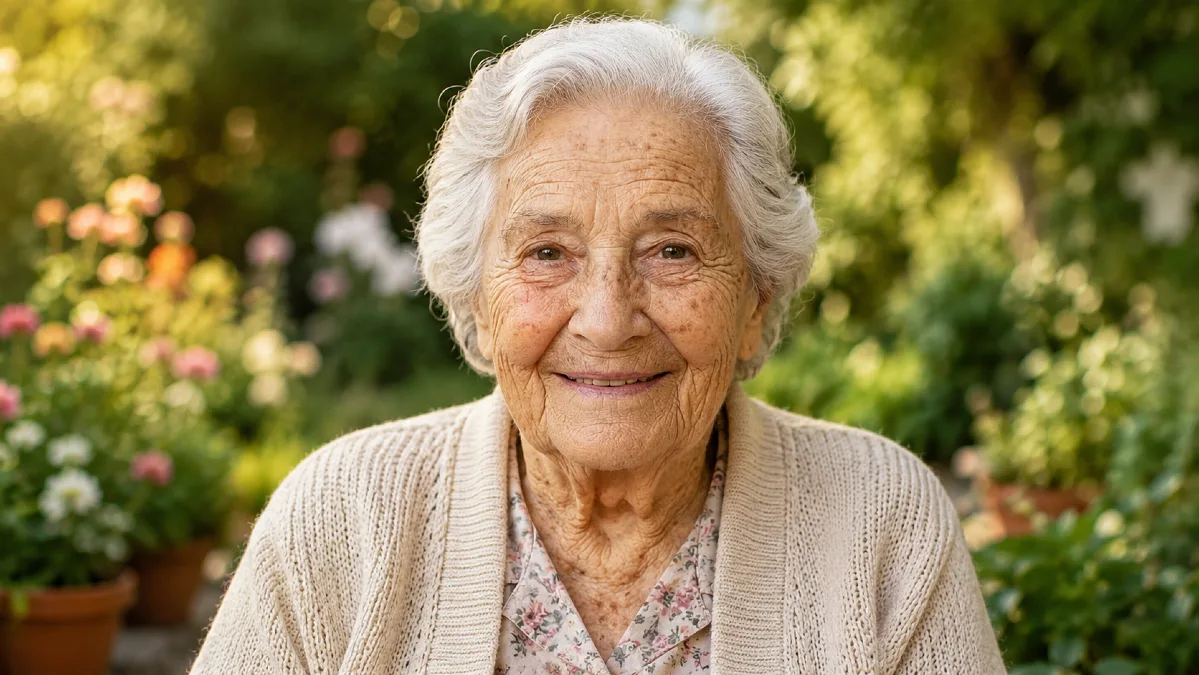
Getting older can bring an uncomfortable thought: What if too much life is being spent on things that do not deserve it?
People lose years to stress, grudges, endless sitting, poor sleep, and plans they keep pushing into some perfect future. The problem is that time rarely announces when it is running short.
Opel June’s story offers another way to look at aging. At 94, she believes some of her best choices involved what she stopped doing. Her experience cannot prove what caused her long life, but many of her lessons line up with established healthy aging advice.
Health note: No set of habits can guarantee a longer life. Genetics, medical conditions, income, environment, health care, chance, and many other factors matter. Anyone with medical conditions or major diet, sleep, or activity concerns should discuss changes with a health professional.
1. Stop Eating Heavy Meals Right Before Bed

For years, Opel would eat dinner and then keep snacking while watching television. Crackers might become ice cream, and one small snack could quietly turn into another meal.
She eventually created a rule for herself. Dinner came early, and food stopped afterward. She felt better with that routine, but her personal 6 p.m. cutoff should not be treated as a medical rule that everyone needs to follow.
NIH backed research suggests that meal timing may influence metabolism, and research continues to study how late eating interacts with body clocks and metabolic health. That does not prove that eating after sunset shortens life or that one dinner time works for every person.
A more useful lesson is simple. Try to avoid turning the final hours of every night into another eating period, especially if large meals leave you uncomfortable or disturb your sleep.
For many people, that could mean:
- Eating dinner at a fairly consistent time
- Avoiding a very large meal immediately before lying down
- Choosing water instead of automatic television snacks
- Paying attention to whether certain foods worsen reflux or sleep
Older adults with diabetes, medication schedules, poor appetite, unintended weight loss, or other medical needs may require a different eating schedule. Opel’s routine worked for Opel, but the goal is to build a schedule that works safely for your own body.
2. Stop Treating Every Argument Like It Must Be Won

Opel remembers a stage of life when she felt responsible for correcting everybody. If someone said something wrong, she wanted to prove the point, finish the debate, and make sure the other person knew she was right.
The problem was that the argument often ended long before the stress did. She might still be thinking about the conversation hours later while the other person had already moved on.
Managing stress is part of healthy aging. The National Institute on Aging includes emotional well being among the areas that can affect how people age, along with physical activity, sleep, nutrition, and social connection.
That does not mean every disagreement should be avoided. Some conversations matter, especially when safety, money, health, or important boundaries are involved.
The better question is: Does this argument deserve another hour of your life?
If somebody is committed to misunderstanding you, repeating the same point twelve more times may accomplish very little. Ending the conversation can be a decision about where to spend your energy rather than an admission of defeat.
Opel eventually stopped treating peace like something that had to be earned after winning. She began protecting it before the argument got that far.
3. Stop Sitting for Hours Without Getting Up

Opel has never built her life around a gym. Her movement comes from ordinary things such as walking, gardening, standing, doing household tasks, and finding reasons to get out of a chair.
That simple habit has solid evidence behind it. The CDC reports that physical activity can help people function and sleep better, while the National Institute on Aging notes benefits for physical, emotional, and cognitive health.
Movement also matters because independence depends on being able to do ordinary tasks. Getting out of a chair, carrying groceries, walking through a store, and climbing steps can matter more to daily life than looking athletic.
Everyday Movement Counts
| Instead of | Try |
| Sitting through several television shows | Stand or walk during breaks |
| Calling someone from the couch | Walk around the house while talking |
| Driving every tiny distance | Walk when it is safe and realistic |
| Letting small chores pile up | Use them as short movement breaks |
| Staying seated all afternoon | Get up regularly for a few minutes |
Someone who has been inactive for years should not suddenly copy another person’s routine. Pain, balance problems, heart conditions, lung disease, arthritis, and medications can change what is safe.
The useful message from Opel’s story is not that everyone needs intense exercise. The body usually benefits from having regular reasons to move.
4. Stop Carrying Old Grudges Everywhere

One of Opel’s hardest lessons involved her sister. The relationship had been damaged badly enough that Opel carried anger for years.
Eventually, she realized something uncomfortable. The person she was angry with was not carrying the grudge every hour. Opel was.
Stress can affect emotional and physical well being, which is why healthy aging guidance includes ways to manage stress and maintain supportive relationships.
But forgiveness needs a careful definition. It does not require letting an unsafe person back into your home, lending money again, accepting abuse, or pretending a betrayal never happened.
Sometimes releasing a grudge means reconciliation. Sometimes it means creating a firm boundary and deciding that the event will no longer control each new day.
Opel chose to reconnect with her sister. Another person might choose permanent distance, and that can still be a healthy decision when the relationship is harmful.
The point is to stop giving yesterday unlimited access to today.
5. Stop Filling the Hour Before Bed With Stress

Opel once watched upsetting television late into the evening. Then she turned the television off and expected her mind to become peaceful the moment her head touched the pillow.
It rarely worked that way. So she changed the final part of her evening and replaced constant upsetting input with quieter activities.
Sleep matters throughout adulthood. CDC guidance emphasizes getting enough quality sleep as part of healthy aging, while the National Institute on Aging also includes sleep among the behaviors connected with maintaining health as people get older.
The problem is not that watching the news is automatically unhealthy. The problem starts when upsetting content leaves you tense, alert, or scrolling long after you wanted to sleep.
A quieter final hour might include:
- Reading something enjoyable
- Listening to calm music
- Talking with someone you love
- Preparing clothing or breakfast for tomorrow
- Stretching gently if it feels comfortable
- Sitting outside for a few minutes
- Keeping the phone away from the bed
Opel prefers reading, prayer, and quiet time. Someone else may prefer music or a warm shower.
Persistent insomnia, loud snoring, breathing pauses during sleep, severe daytime sleepiness, or sudden sleep changes deserve medical attention rather than another home remedy.
6. Stop Saying Yes When You Really Need to Say No

Opel spent years being the person everybody could call. Family needed help, she went. An organization needed another volunteer, she agreed. Someone wanted hours of her time, she found the hours.
Eventually, generosity started feeling like exhaustion.
Helping other people can add purpose and connection to life. Social relationships are an important part of healthy aging, so the answer is not to become unavailable to everyone.
The better skill is knowing the difference between kindness and constant self sacrifice.
A respectful no can sound simple:
- “That will not work for me today.”
- “I cannot take that on right now.”
- “I can help for an hour, but I cannot stay all day.”
- “I need to think before I commit.”
People who have spent decades pleasing everyone may feel guilty the first few times. That feeling does not automatically mean the boundary is wrong.
Opel’s lesson was to stop spending all of tomorrow’s energy today. You can care deeply about other people without giving every person unlimited access to your time.
7. Stop Waiting for the Perfect Time to Live

This may be the part of Opel’s story that hurts the most. She remembers trips, visits, and experiences that were discussed for years but never happened.
There was always a future date that seemed more convenient. Then illness, death, money, or life changed the plan.
That does not mean everyone should empty a retirement account and book a flight tomorrow. Acting on life does not require becoming reckless.
It can mean making the smaller version of the plan possible now.
If Paris is too expensive, spend a day somewhere close that you have always wanted to see. If a long vacation is physically difficult, plan a short visit. If a friendship has gone quiet, call before another year passes.
Research summarized by the National Institute on Aging suggests that hobbies and social or leisure activities may support well being in older adults. Staying mentally, socially, and physically engaged is also part of the agency’s broader healthy aging guidance.
There will rarely be a month when health, family, weather, money, and schedules are all perfect at once. If something matters, look for a safe version that fits the life you have now.
Opel’s rule became very simple. Stop saving every good thing for someday.
8. Stop Treating Tobacco Like a Harmless Old Habit

Some habits deserve stronger language because their risks are well established. Tobacco is one of them.
The CDC lists quitting smoking among the major steps people can take to reduce their risk of chronic disease. Healthy aging does not make tobacco harmless simply because someone has used it for decades.
A person who has smoked for many years may think, “What difference would stopping make now?” That question is worth discussing with a medical professional rather than assuming it is too late.
Quitting can also be difficult. Nicotine dependence is real, and needing medication, counseling, or other support is not a sign of weak character.
This lesson is different from Opel’s personal habits because it is supported by strong public health guidance. If tobacco is still part of your day, getting professional help to quit may be far more important than copying someone else’s meal schedule or bedtime ritual.
Do not waste energy feeling ashamed about the years behind you. Put that energy into the next decision.
9. Stop Slowly Disappearing From Other People

Getting older can quietly shrink a person’s social circle. Retirement removes coworkers. Friends move away. Partners die. Hearing or mobility problems can make gatherings harder.
Some people enjoy plenty of time alone, and solitude itself is not a disease. The concern is unwanted loneliness or social isolation.
The National Institute on Aging reports that loneliness and social isolation have been associated with higher risks for problems that include heart disease, depression, and cognitive decline.
That makes connection more than a way to fill an afternoon.
Connection can start surprisingly small:
- Call one person instead of waiting for them to call
- Eat with someone once a week
- Join a community or faith group
- Take a class built around a real interest
- Walk with a neighbor
- Volunteer for a role that feels manageable
- Ask family members to schedule regular calls
Technology can help when distance or mobility makes visits difficult, but it does not have to replace face to face contact when that is available.
If isolation is being caused by grief, depression, hearing problems, vision loss, anxiety, or physical limitations, solving the deeper problem may require professional help. The goal is not to become constantly social. It is to make sure disappearing from other people was actually your choice.
What These 9 Changes Really Ask You to Protect
Opel’s lessons look different on the surface, but most protect one of four things: the body, the mind, time, or relationships.
| What You Protect | Habits That Help Protect It |
| Your body | Move regularly, avoid tobacco, rethink heavy late meals |
| Your mind | Reduce needless conflict and create a calmer bedtime |
| Your time | Set boundaries and stop waiting for perfect conditions |
| Your relationships | Release old resentment and stay connected |
| Your future health | Keep appropriate medical care and preventive visits on the calendar |
Regular medical visits remain important even when someone feels well because preventive visits can help identify health concerns, review risk, and keep appropriate vaccinations and screenings current.
The 9 Things Opel Believes Are Worth Leaving Behind
| Stop Doing This | Replace It With | Why It Matters |
|---|---|---|
| Heavy late night eating | An earlier, comfortable dinner routine | May support better meal timing and sleep |
| Constant arguing | Choosing which conflicts matter | Protects time and emotional energy |
| Sitting for hours | Frequent everyday movement | Supports mobility and function |
| Carrying grudges | Boundaries and emotional release | May reduce ongoing stress |
| Stressful bedtime habits | A calmer final hour | Supports better sleep |
| Saying yes to everything | Respectful boundaries | Protects energy and time |
| Waiting to enjoy life | Meaningful action now | Builds purpose and connection |
| Using tobacco | Getting help to quit | Reduces major health risks |
| Pulling away from everyone | Regular social contact | Supports emotional and cognitive health |
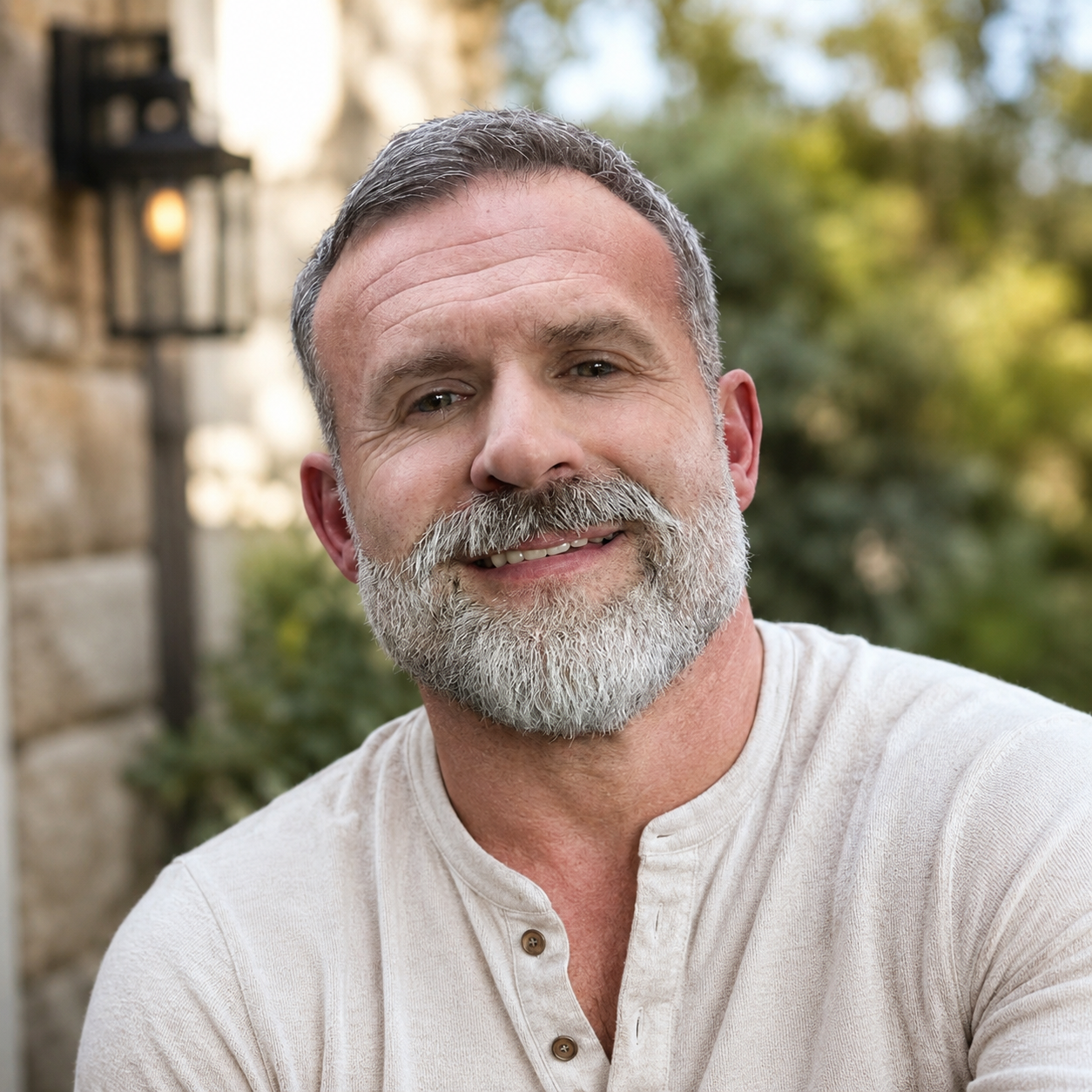
I’m Austin Becker, an advocate for living life with intention and resilience. I write for men who are actively navigating life’s major transitions, tackling the realities of reinvention and finding renewed purpose with grit and honesty. I believe that personal growth doesn’t have a deadline it’s about continuously gearing up for the chapters that matter most.
Through my work, I aim to strip away the clichés of modern manhood, offering practical, no-nonsense insights on health, mindset, and legacy for those who want to move forward with strength and clarity.