
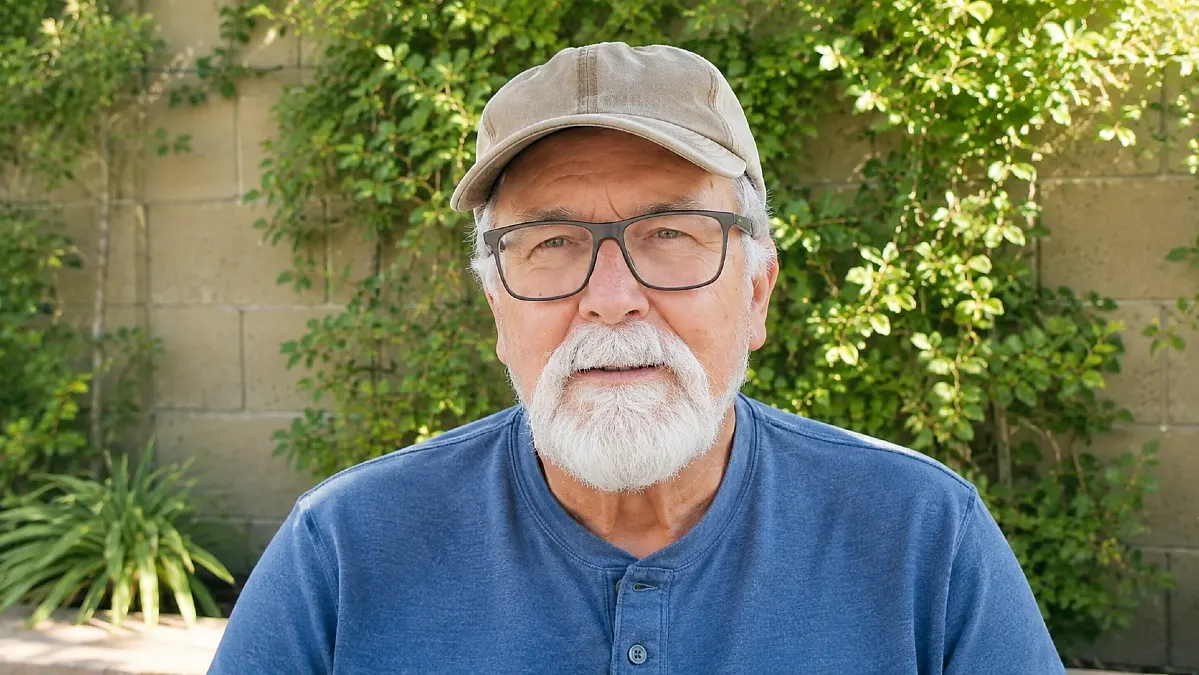
Retirement sounded peaceful when Mike was still working, yet the idea felt very different when his final workday actually arrived. At 62, he worried about money, boredom, empty days, and whether leaving a 39 year career would turn out to be a mistake.
Those worries can become much louder when retirement is close because no spreadsheet can show what Tuesday morning will feel like when there is nowhere to report.
At 71, Mike has almost nine years of experience behind him, and retiring at 62 looks very different from the uncertain future he pictured.
1. The Fear Mike Felt at 62 Slowly Disappeared

Mike had prepared for retirement before he left his job. He had ideas about traveling, enjoying more freedom, and finally controlling his own schedule, but none of those plans could tell him what retirement would actually feel like.
That uncertainty created a small amount of fear. It was not the kind of fear that stopped him from retiring, but it was enough to make him wonder whether he was stepping into something he might later regret.
AARP has discussed the emotional side of retirement and the way leaving a career can affect routine, identity, relationships, and purpose. Financial preparation matters, but knowing that the numbers work does not automatically remove every emotional question.
Mike eventually learned that some retirement confidence can only come after retirement begins. At 62, he could make plans and predictions, while at 71 he can look back at years of real experience.
The biggest difference is that retirement no longer feels unfamiliar to him. He knows what his normal days look like, what he enjoys, what he does not need, and which fears never became the problems he expected.
| What Mike Felt at 62 | What Mike Feels at 71 |
|---|---|
| Unsure whether retirement would suit him | Comfortable with retired life |
| Worried about the unknown | Familiar with his daily rhythm |
| Thought he needed a detailed plan | Comfortable changing plans |
| Wondered whether boredom would arrive | Enjoys quiet and open time |
| Still thought in terms of work schedules | Feels ownership of his time |
For someone approaching retirement, that difference matters. Feeling uncertain before leaving work does not automatically mean the decision is wrong, because some questions simply cannot be answered until retired life becomes real.
2. Money Felt Much Scarier Before Retirement

Mike’s most practical concern was money. His retirement plan could look acceptable on paper, yet he still wondered whether those numbers would hold up after paychecks stopped arriving.
He asked himself the questions many future retirees ask. Would there be enough each month, could an unexpected expense cause trouble, and what would happen if retirement lasted much longer than expected?
Age 62 adds another issue because it is currently the earliest age at which many eligible workers can begin receiving Social Security retirement benefits. The Social Security Administration also makes clear that retiring from a job and claiming Social Security are separate decisions.
Waiting beyond age 62 can increase a person’s monthly Social Security retirement benefit, with delayed increases continuing until age 70. That makes the claiming decision worth examining separately instead of assuming benefits must begin as soon as work ends.
Mike does not present his experience as financial advice. He simply says the financial disaster he feared at 62 never arrived, although his spending and saving habits did change after he stopped working.
His finances became tighter than they had been while he was earning a regular salary. At the same time, he discovered that having enough for his needs mattered more to him than maintaining the exact lifestyle he had during his working years.
What Mike’s Experience Shows and What It Does Not
| Mike’s Experience | What Readers Should Not Assume |
| His retirement finances remained stable | Everyone can safely retire at 62 |
| His spending changed after retirement | Retirement planning is optional |
| He learned to live comfortably with less income | Every household has the same expenses |
| His worst financial fears did not happen | Emergencies cannot happen |
| Financial anxiety decreased with experience | His choices will work for everyone |
The U.S. Department of Labor recommends calculating retirement needs, examining savings, and preparing for future costs before leaving work. Housing, medical care, insurance, taxes, food, transportation, and unexpected expenses still need room in the plan.
Mike’s story can be reassuring, but it cannot replace personal calculations. His lesson is that good preparation may eventually turn financial fear into confidence, even if some nervousness remains on the day retirement begins.
3. The Freedom Mike Expected Turned Out to Be Real

One memory from Mike’s final workday is still especially clear. After 39 years at the same workplace, he walked through the security doors with his wife and knew he would never have to return for another shift.
The building had tight security and heavy doors, so leaving felt unusually final. As those doors closed behind him and he stepped outside, retirement stopped being an idea and became something he could actually feel.
There would be no Monday morning return. There would also be no rush hour commute, supervisor schedule, required meeting, or company deadline waiting for him.
At first, that amount of freedom was unfamiliar because most of his adult life had been built around someone else’s timetable. Work decided when he woke up, when he traveled, where he needed to be, and what needed to happen next.
Almost nine years later, freedom means something simpler to Mike. He likes knowing that even when he has something unpleasant to do, he usually gets to decide when it gets done.
That control over time has become one of the strongest reasons he values retirement. The freedom he hoped for at 62 did arrive, but appreciating it fully took longer than he expected.
4. Retirement Did Not Need the Packed Schedule Mike Expected
Before retiring, Mike wondered what he would do all day. The sudden removal of work made it easy to picture long hours with nothing useful or interesting to fill them.
His first instinct was similar to what many new retirees experience. He thought he might need hobbies, projects, travel, and other activities to prevent boredom from taking over.
The reality became much calmer. His days filled naturally with normal life, yet he stopped expecting every hour to contain a productive task.
Federal time use data helps show how much daily life changes later in adulthood. The Bureau of Labor Statistics reported that adults age 65 and older spent an average of 7.11 hours a day on leisure and sports activities in 2025, compared with 5.21 hours among adults ages 55 to 64.
That category includes much more than formal hobbies. Television, reading, relaxing, social activities, exercise, and other leisure activities can all be part of how older adults spend those hours.
Mike gradually learned that a quiet afternoon does not represent a failure to use retirement properly. Empty space can stay empty, and he now enjoys having days that move without a strict agenda.
How Mike’s Daily Life Changed
| During His Working Years | At 71 |
| Days revolved around work | Days revolve around personal needs |
| Deadlines controlled the schedule | Most deadlines are self chosen |
| Commuting consumed time | More time stays at home |
| Meetings broke up the day | Long quiet periods are normal |
| Productivity was expected | Rest needs no explanation |
| Free time had to fit around work | Work no longer controls free time |
That shift can be difficult for someone who has measured a good day by how much was accomplished. Retirement asks a different question, because a peaceful day can still be a worthwhile day.
5. Mike Stopped Believing Retirement Needed Lots of Hobbies

Retirement advice often makes hobbies sound like another requirement. New retirees may hear that they should immediately take up gardening, golf, woodworking, volunteering, traveling, classes, or several social clubs.
Mike discovered that he did not need such a long list. He does not describe himself as someone with many formal hobbies, although making videos has naturally become an activity he enjoys.
That distinction helped him stop treating free time as a problem. An interest can grow naturally without becoming another obligation that fills the calendar.
At the same time, quiet retirement should not become complete isolation. The National Institute on Aging warns that loneliness and social isolation can affect physical, mental, emotional, and cognitive health as people grow older.
Mike still has family connection in his life. Quiet days can change quickly when grandchildren visit, and he values those energetic days just as much as the peaceful ones.
There is an important difference between choosing solitude because it feels restorative and withdrawing from people because meaningful relationships have disappeared. Retirement does not require constant social activity, but it still helps to protect the relationships that matter.
6. Leaving Work Revealed Stress Mike Had Stopped Noticing
One of Mike’s biggest discoveries did not happen during his first month of retirement. It appeared slowly as more distance grew between his current life and the decades he spent working.
While employed, meetings, deadlines, commuting, time pressure, and management demands felt normal. They were so familiar that he did not always notice how much stress they added to an ordinary day.
Retirement changed the comparison. Once those pressures disappeared, Mike could finally see how different a peaceful morning felt.
There was no supervisor waiting for a task to be completed. There was also no rush hour traffic, no Monday meeting, and no work problem following him into the evening.
That does not mean employment makes everyone miserable. Many people enjoy working, continue working after traditional retirement age, or return to a job because they value the income, routine, social contact, or sense of purpose.
AARP reported in February 2026 that some retirees had returned to work, with financial reasons playing a major role for many of them. Retirement experiences therefore vary greatly depending on money, health, family circumstances, and personal preferences.
Mike’s point is much narrower. Distance allowed him to recognize pressures that had once felt too ordinary to notice.
The contrast made retirement feel more valuable as the years passed. Instead of missing work more over time, Mike says he appreciates retired life more because he remembers exactly what controlling his own schedule replaced.
7. Retirement at 71 Looks Different From the Plan Mike Made at 62
Mike entered retirement with plans. Some became real, including travel and the simple pleasure of having more freedom, while other ideas became less important as the years passed.
That change did not make him feel that retirement had failed. It taught him that planning a retirement and actually living one are very different activities.
At 62, he tried to picture what would make retirement fulfilling before he had experienced it. At 71, he can choose based on what he has learned about himself during almost nine years without a job.
Travel is one example. AARP’s 2026 travel research found that nearly two thirds of surveyed travelers age 50 and older expected to travel during the year, which shows that travel remains an important retirement goal for many older adults.
Still, retirement satisfaction does not require constant vacations. Mike discovered that everyday freedom can matter as much as an exciting trip.
He likes quiet mornings, time with family, making videos, and deciding for himself what happens next. Those pleasures are less dramatic than some retirement dreams, yet they fit the life he wants now.
The lesson is useful because people change after retirement. Health, energy, finances, relationships, interests, and priorities may all look different at 71 than they did at 62.
A retirement plan should therefore provide direction without becoming a contract. Changing the plan can be a sign that a retiree has learned what actually makes life satisfying.
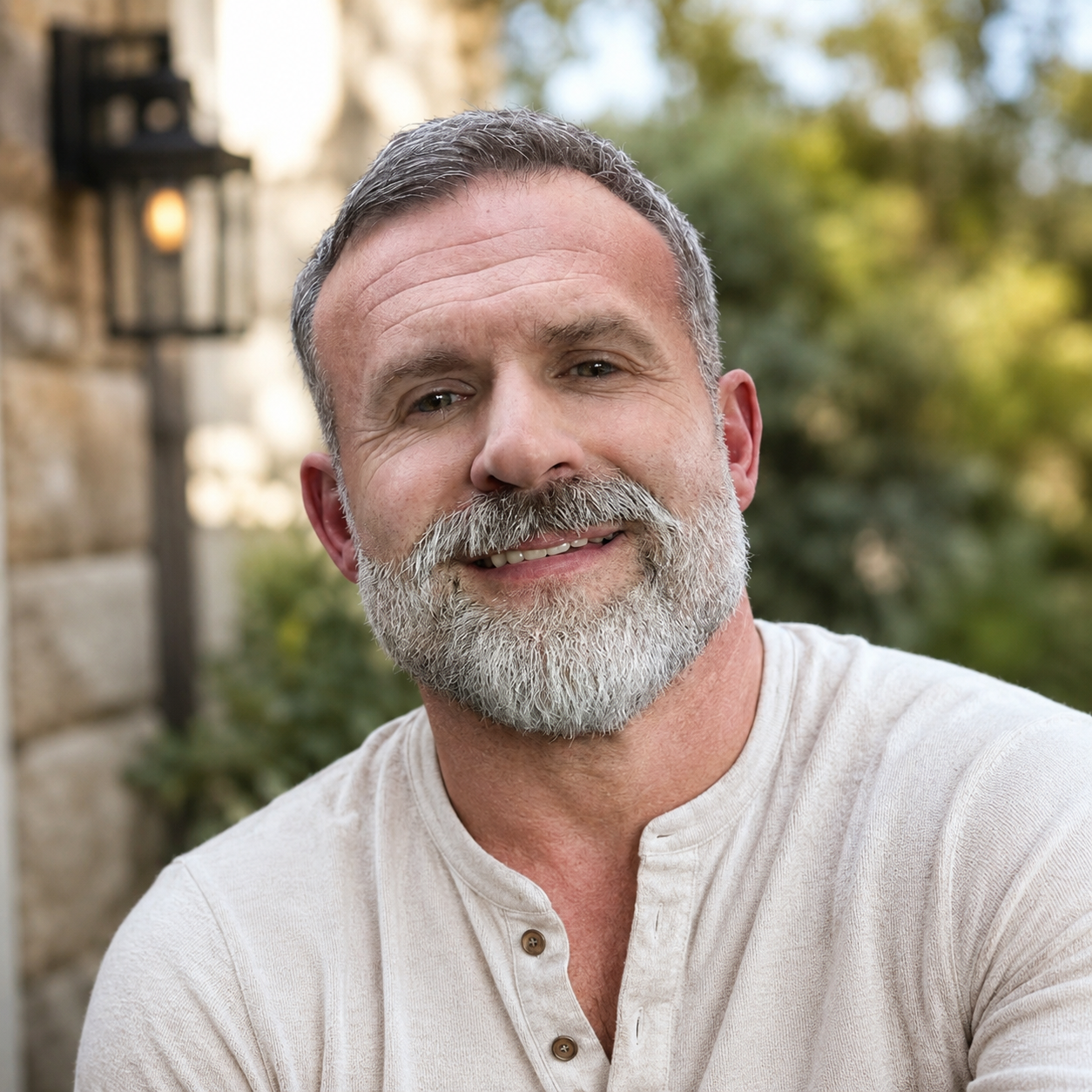
I’m Austin Becker, an advocate for living life with intention and resilience. I write for men who are actively navigating life’s major transitions, tackling the realities of reinvention and finding renewed purpose with grit and honesty. I believe that personal growth doesn’t have a deadline it’s about continuously gearing up for the chapters that matter most.
Through my work, I aim to strip away the clichés of modern manhood, offering practical, no-nonsense insights on health, mindset, and legacy for those who want to move forward with strength and clarity.