
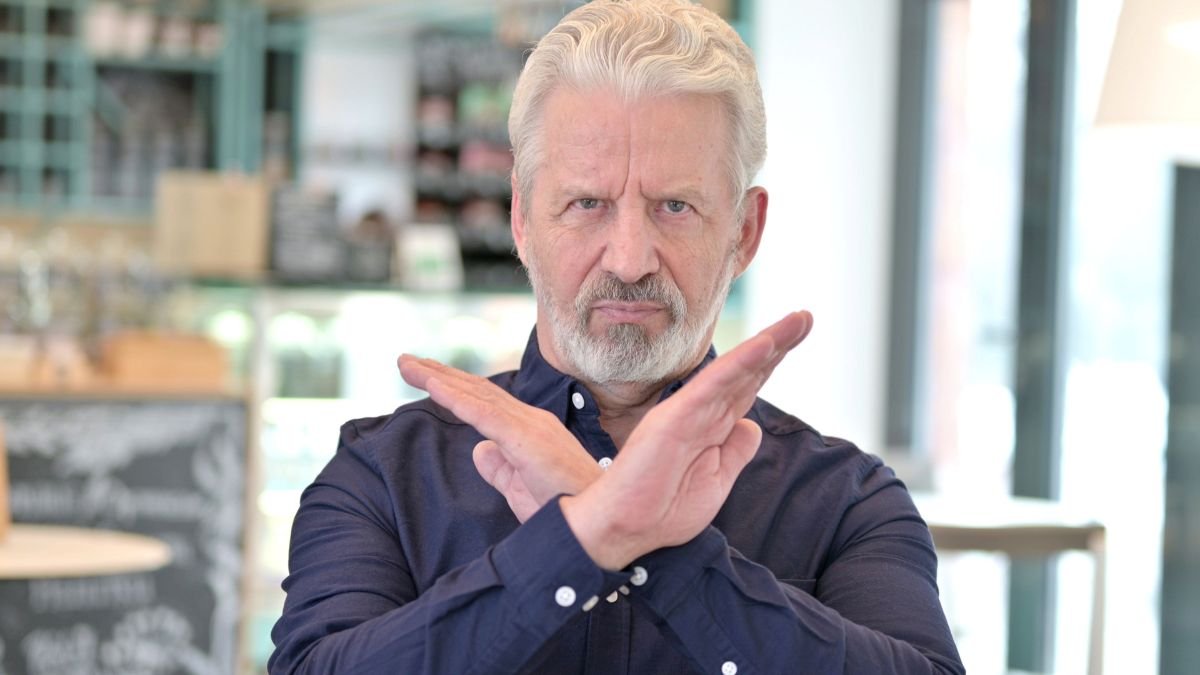
Retirement can produce one of the strangest social changes of adult life. On Friday, you are the manager, nurse, mechanic, teacher, accountant, engineer, or person everyone calls when something needs fixing.
Some changes feel wonderful. Others can leave you wondering, “Why is everyone suddenly treating me differently?”
You are probably noticing something real. Retirement changes your schedule, but it can also change the social role people have connected with you for decades.
AARP notes that the change in identity after retirement can feel as significant as the change in income. Research published in 2025 also describes retirement as a major transition involving changes in routine, identity, finances, and social connections.
1. Coworkers Stop Calling Much Faster Than You Expected

You may leave work with hugs, cards, promises to meet for lunch, and a phone full of messages. Then Monday comes. Your old coworkers go back to meetings, emails, deadlines, and office problems while your phone gets strangely quiet.
That can hurt more than many retirees expect. You may have spent eight hours a day with some of these people for years.
Research on older adults’ social networks has found that retirement can reduce contact with people outside the family. Work creates repeated contact without anyone having to plan it. Once the workplace disappears, maintaining those friendships requires deliberate effort.
The silence does not automatically mean those friendships were fake. Some were simply built around a routine that no longer exists.
If there are two or three coworkers you truly value, contact them yourself. Suggest lunch on a specific day instead of saying, “We should get together sometime.”
That small difference matters.
| What Happens | What It May Actually Mean | What You Can Do |
|---|---|---|
| Coworkers text less | Daily contact disappeared | Initiate occasional plans |
| Invitations slow down | You are outside the work routine | Stay connected with close friends |
| Work news stops reaching you | Your old role has changed | Build interests outside work |
| One friendship survives | The bond existed beyond the job | Put effort into keeping it |
2. People Suddenly Assume Your Schedule Is Empty

Retire on Tuesday and someone may need a ride by Thursday.
Adult children may ask you to pick up the grandchildren. Friends may want help with errands. Neighbors may notice that your car is in the driveway and ask whether you can receive a package.
The requests are usually innocent. The problem begins when everyone quietly decides that retirement means permanent availability.
AARP encourages new retirees to think deliberately about how they will spend their first month rather than leaving the transition completely unstructured.
You do not need a packed calendar. You do need ownership of your time.
Try creating several fixed parts of your week. Maybe Tuesday morning is for exercise, Thursday is lunch with friends, and Friday is reserved for a hobby or project.
Then you can help people because you choose to, not because your time has somehow become public property.
3. Your Adult Children May Suddenly Start Seeing You as Older

Something odd sometimes happens after a parent retires.
Yesterday, Dad was running a department with 40 employees. Today, his daughter is asking whether he is sure he should drive three hours alone.
Retirement can act as a social marker of age even when very little about your health or ability has changed.
The World Health Organization defines ageism as stereotypes, prejudice, or discrimination based on age. WHO also warns that older people are often assumed to be frail, dependent, or a burden even though those assumptions do not describe the enormous differences between individuals.
Your children’s concern may come from love. Still, concern can slowly become control if nobody notices the change.
You can respond without turning every comment into an argument.
“I appreciate you checking. I can handle it.”
That simple sentence reminds everyone that retirement did not cancel your adulthood.
4. Friends Who Still Work May Stop Inviting You to Everything
Your closest friends may still love seeing you, yet the rhythm of your friendship can change.
They wake up for work. You no longer do. They worry about Monday meetings while you might be planning a Wednesday morning round of golf, gardening session, or coffee with another retired friend.
Retirement research consistently treats changing social connections as part of the transition. Work creates schedules and social groups. Once your schedule changes, keeping friendships often requires more planning.
Do not automatically read fewer invitations as rejection.
Your friends may assume you have built an entirely new life. They may also feel awkward complaining about work to someone who has escaped it.
Make the first move occasionally.
Instead of waiting for someone to say, “We need to catch up,” offer something concrete: dinner next Friday, coffee Saturday morning, or a monthly lunch.
Relationships often survive retirement when somebody gives them a new routine.
5. Some People Become Very Interested in Your Money

Retirement has a strange way of making private financial decisions feel like public conversation.
People may ask whether you have a pension. Someone may ask how much Social Security you receive. Family members may begin talking about your house, savings, investments, or even inheritance plans.
You do not owe anybody a financial statement.
Money matters after retirement, of course. The Social Security Administration explains that retirement benefits can generally begin between ages 62 and 70, with monthly benefits increasing when claiming is delayed within that range.
Financial pressure can also remain real long after someone leaves work. In February 2026, AARP reported that 7 percent of retirees in its survey had returned to work during the previous six months. Among those returning, making money was the most common reason.
So when someone starts examining your retirement finances, remember that your situation may look very different from theirs.
A simple answer works.
“We planned carefully, and we’re comfortable with our decision.”
Then change the subject.
6. Your Spouse Starts Seeing Much More of You
For decades, marriage may have included long stretches when each person was somewhere else.
Then retirement arrives and suddenly you are both standing in the kitchen at 10:17 on Tuesday morning.
More time together can be lovely. It can also expose habits that were easy to ignore when work kept you apart for much of the day.
Research following retired couples has examined how partners can support growth during retirement. The research points to the value of encouraging each other to pursue activities, interests, and opportunities rather than making retirement completely dependent on the couple doing everything together.
That means you do not need to become attached at the hip.
You may want breakfast together but separate afternoon plans. One person might enjoy volunteering while the other prefers woodworking, golf, gardening, reading, or exercise.
A healthy retirement can contain shared time and separate time.
Your spouse married a person, not a permanent activity partner.
7. People Start Offering Help Before You Ask for It

Someone grabs the heavy box before you reach it.
Your children insist on carrying every suitcase. A younger relative starts explaining technology you already know how to use.
Sometimes that is simple kindness. Sometimes retirement has caused people to make new assumptions about what you can handle.
WHO’s definition of ageism includes stereotypes about ability based simply on someone’s age. Those beliefs can affect everyday interactions long before obvious discrimination appears.
You do not need to reject every offer of help to prove a point.
Take help when it actually helps.
But when somebody treats you as less capable than you are, correct the assumption calmly. Saying, “I’ve got it, thanks,” is often enough.
The goal is not to prove that you never need anybody.
The goal is to remain the person who decides when you do.
8. Your Professional Opinion May Suddenly Carry Less Weight
One of the hardest retirement surprises can happen during a conversation about your old profession.
You spent 35 years learning something. Yet six months after retirement, someone talks about your field as though your knowledge disappeared when your employee badge stopped working.
AARP’s retirement transition guidance highlights how strongly professional identity can become connected to personal identity. Leaving work changes the title attached to you even though it does not erase decades of knowledge.
The frustrating part is that you cannot force everybody to value your past expertise.
You can decide how much their opinion matters.
Some retirees mentor younger workers. Others volunteer, consult, teach, serve on boards, or simply use their skills to help friends and community groups.
You are also allowed to leave that expertise behind if you are tired of talking about work.
Retirement removes your position. It does not remove your experience.
9. Family Members May Turn You Into the Default Helper
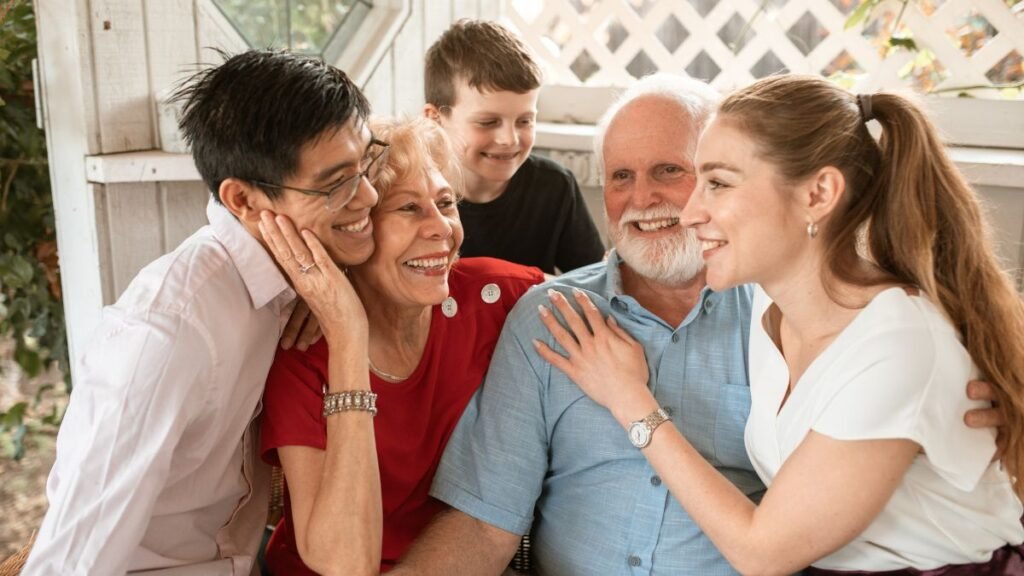
Retirement can quietly create a new family job.
Need somebody to meet the repairman? Call Dad.
Need someone to watch the children? Call Mom.
Need help with paperwork, a medical appointment, airport transportation, shopping, or a home project? The retired person seems like the obvious choice.
Helping people you love can make retirement meaningful. The problem starts when occasional help becomes an unpaid job that you never agreed to take.
WHO’s July 2026 mental health guidance notes that some older adults themselves carry significant caregiving responsibilities, including caring for spouses with chronic health problems.
Your energy and time still have limits.
Try separating things you enjoy doing from things everyone expects you to do.
| Family Request | Healthy Response |
| Occasional school pickup | Help when it fits your plans |
| Regular child care | Agree on specific days |
| Frequent errands | Decide which requests are reasonable |
| Last minute favors | Say no when necessary |
| Long term caregiving | Discuss responsibilities with the whole family |
Boundaries do not make you selfish.
They prevent generosity from turning into resentment.
10. Conversations Suddenly Become Much More About Your Age
Before retirement, people might have asked about your work.
After retirement, they may start asking about your knees.
Suddenly conversations include Medicare, doctors, hearing, medications, slowing down, downsizing, and whether you are “taking it easy.”
Some of that is normal conversation among people reaching a similar stage of life. The problem appears when age becomes the only interesting thing anyone can see about you.
WHO notes that society often assumes older adults are frail or dependent. Those stereotypes can shape the opportunities and treatment older people receive.
You are allowed to redirect the conversation.
Talk about the course you are taking. Tell them about the garden you are building. Discuss a trip, book, sport, project, volunteer role, new skill, or terrible movie you watched last night.
Retirement is something you did.
It does not have to become your entire personality.
11. Casual Work Friends Can Disappear Completely

Some work friendships survive for decades after retirement.
Others vanish almost immediately.
That realization can sting because the friendship felt genuine while you were working. In many cases, it probably was. The relationship simply depended on lunch breaks, nearby desks, shared problems, and five conversations a day.
When those conditions disappear, weak ties can disappear with them.
That makes building social contact outside work especially important. The National Institute on Aging recommends staying connected with family, friends, neighbors, community groups, and activities as people grow older.
AARP’s 2025 loneliness survey found that loneliness remains a meaningful issue among older adults, including retirees.
Do not wait until isolation becomes painful before rebuilding your social calendar.
Join something.
Volunteer somewhere.
Call somebody.
Become a regular at a place where the same people show up each week.
Work used to create human contact automatically. Retirement asks you to create more of it yourself.
12. New People Start Liking You for Completely Different Reasons
One of the better surprises often comes after the old work identity begins fading.
Someone you meet at a community garden has no idea what your old job title was. The person beside you at a volunteer event does not care how large your office was.
They know you because you make them laugh.
Or because you grow beautiful tomatoes.
Or because you know every old song on the radio.
AARP highlighted this effect in a 2026 story about volunteering after retirement, describing how participation can create friendship, connection, purpose, and community.
Research published in 2025 also found an important relationship between social participation and mental well being among retired older adults.
That can feel surprisingly freeing.
Career relationships often contain rank, money, status, performance, or responsibility.
New retirement friendships can begin with one simple question:
Do we enjoy spending time together?
That is a refreshing way to meet people.
13. The Biggest Change Is How You Allow People to Treat You

Eventually, retirement reveals something bigger than changing schedules.
It shows you which parts of your identity belonged to your job and which parts belong completely to you.
AARP has repeatedly highlighted purpose, relationships, resilience, identity, and new goals as major parts of retirement adjustment.
You may discover that some people respected your title more than your personality.
Others may become closer because you finally have time for them.
Your children may need reminders that you are still capable of making your own choices. Your spouse may need space. Friends may need new routines. Family members may need boundaries.
You also get to decide who you become next.
Maybe you mentor.
Maybe you volunteer.
Maybe you travel.
Maybe you become the grandparent who never misses a school concert.
Maybe you finally learn something you were too busy to learn at 40.
Maybe you spend Thursday morning drinking coffee on the porch because nobody owns Thursday morning anymore.
There is no requirement to replace one impressive title with another.
The important part is keeping ownership of your life.
What Changed After Retirement and What You Can Do About It
| Change You Notice | Why It Can Happen | Best First Response |
| Coworkers disappear | Work routine ended | Keep only meaningful connections |
| Family assumes you are free | Your schedule looks flexible | Set clear availability |
| Children become protective | Retirement signals aging to them | Keep making your own decisions |
| Working friends drift | Your routines no longer match | Create regular plans |
| People ask about money | Retirement makes finances visible | Protect private information |
| Spouse wants more shared time | Daily routines changed | Keep shared and personal interests |
| People offer unwanted help | Age assumptions appear | Correct them calmly |
| Professional status fades | Job title disappeared | Build identity beyond work |
| Family asks for constant favors | You seem available | Set limits early |
| People focus on age | Retirement becomes a label | Redirect the conversation |
| Social circle gets smaller | Automatic work contact ended | Create regular social contact |
| New friendships appear | New interests create new groups | Follow activities you enjoy |
| Your identity feels different | A major role has ended | Decide what matters now |
I’m Austin Becker, an advocate for living life with intention and resilience. I write for men who are actively navigating life’s major transitions, tackling the realities of reinvention and finding renewed purpose with grit and honesty. I believe that personal growth doesn’t have a deadline it’s about continuously gearing up for the chapters that matter most.
Through my work, I aim to strip away the clichés of modern manhood, offering practical, no-nonsense insights on health, mindset, and legacy for those who want to move forward with strength and clarity.