

Jack thought retirement would solve everything.
No alarm. No commute. No meetings that could have been emails. He pictured slow mornings, long lunches, and enough time to do all the things work had pushed aside.
For a few months, it felt good.
Then the days began to blur. Monday felt like Thursday. His former coworkers stopped calling as often. Small purchases made him nervous, even though his retirement plan said he could afford them.
After 14 months, Jack returned to work.
1. Retirement Freedom Can Turn Into Empty Time

Jack had spent years wishing for an empty calendar.
Once he got one, he learned that empty time and free time are not the same thing.
Free time feels good when it provides relief from work. Empty time feels different. It has no clear start, finish, or purpose.
At first, Jack stayed busy with home projects. He cleared the garage, fixed a cabinet, and sorted old paperwork. By the fourth month, most of the urgent projects were finished.
He still had plenty of time, but fewer reasons to use it.
Work had once divided his day into clear parts. He woke up at a set time, completed tasks, ate lunch, spoke with coworkers, and came home. Retirement removed that structure overnight.
AARP notes that boredom and lack of purpose are common problems for newly retired adults. The freedom people expect can become uncomfortable when they have no plan for their days.
Jack should have built a weekly plan before leaving work.
A useful retirement week may include:
- Two mornings for exercise
- One day for family or friends
- One regular volunteer shift
- One class or group activity
- Time for errands and home care
- Open time that is truly optional
A calendar does not ruin retirement freedom. It gives that freedom a shape.
2. Losing a Job Can Feel Like Losing an Identity

Jack had answered the same question for almost 40 years.
“What do you do?”
His job gave him an easy answer. It also gave him status, knowledge, and a place within a team.
After retiring, he struggled to explain who he was without mentioning what he used to do.
That change sounds small until it happens to you.
A career can become part of your identity. It shapes your clothes, schedule, friendships, skills, and confidence. Retirement may remove all of that in a single day.
AARP has reported that retirement is an identity shift as well as a financial change. People who strongly connect their sense of self to work may find the transition harder.
Jack did not miss every part of his job. He did miss being the person others trusted to solve a problem.
That difference mattered.
Before retiring, ask yourself three questions:
- Which parts of your identity come from work?
- Where else could you use the same skills?
- How will you describe your new role?
You may become a mentor, volunteer, teacher, caregiver, board member, artist, or community organizer.
The title matters less than having a role that still feels real.
3. Your Work Friends May Disappear Faster Than Expected
Jack believed his work friendships would continue after retirement.
Some did. Most became occasional texts and holiday messages.
Nobody had done anything wrong.
His former coworkers were still dealing with meetings, family duties, deadlines, and commutes. Jack was free for lunch on Tuesday. They were not.
Work creates social contact without requiring much planning. People talk before meetings, eat together, solve problems, and share small details about their lives.
Once the shared workplace disappears, those moments disappear too.
Retirement is one of the life changes that can raise the risk of social isolation. The National Institute on Aging says isolation and loneliness can affect physical, mental, cognitive, and emotional health.
Jack waited for people to call him. That was his mistake.
A stronger plan would have included regular contact:
- A weekly breakfast with a friend
- A class at a community center
- A walking group
- A volunteer shift
- A part time job with customer contact
- A club based on a real interest
Friendship in retirement often needs more effort than friendship at work.
That effort is worth making.
4. Retirement Can Expose Problems at Home

Jack and his wife loved each other. They did not love being together every hour of every day.
Before retirement, each person had separate routines. Jack went to work. His wife had her own plans, friends, errands, and quiet time.
Then Jack was suddenly home.
He commented on how she loaded the dishwasher. He asked what the plan was for lunch. He followed her through errands because he had nowhere else to be.
Neither person had expected this change.
Many couples talk about retirement money but never discuss retirement space. One person may expect travel and shared hobbies. The other may expect calm days and more time alone.
Both plans can be reasonable. They still conflict.
Jack and his wife improved matters by creating separate routines. Jack joined a weekday walking group. His wife protected two afternoons for her own activities. They planned one day each week together.
Retirement should bring you closer to your partner, but closeness does not require constant contact.
Discuss these points before leaving work:
- How much time will you spend together?
- Which activities will remain separate?
- Who will handle each household task?
- How much travel does each person want?
- How will you handle large purchases?
A shared retirement works better when both people have room to remain themselves.
5. Hobbies Cannot Carry Every Hour of the Week

Jack planned to golf, read, garden, and cook.
Those were good hobbies. They were not a complete retirement plan.
Golf depended on weather and other players. Gardening slowed during winter. Reading for six hours a day made him restless. Cooking every meal began to feel like another household duty.
A hobby can fill part of a day. It may not provide enough challenge, contact, movement, and meaning to support an entire week.
The National Institute on Aging says enjoyable and social activities are linked with several parts of healthy aging, including positive emotions, resilience, and a sense of purpose.
The key is variety.
A balanced retirement schedule may contain four types of activity:
- Movement: walking, swimming, gardening, or strength work
- Connection: friends, clubs, family, or group classes
- Challenge: learning a language, taking a course, or building something
- Contribution: mentoring, volunteering, caregiving, or paid work
Jack had planned for entertainment. He had not planned for contribution.
That gap became harder to ignore each month.
Before retiring, test your hobbies during a long vacation. Pay attention to which activities still feel rewarding after the first week.
6. Spending Money Feels Different Without a Paycheck

Jack had a retirement budget. The numbers worked.
His emotions did not follow the spreadsheet.
While working, his account received new money every two weeks. After retirement, most spending seemed to reduce a balance that took decades to build.
A $120 dinner felt harmless while he was employed. In retirement, the same dinner felt like a threat to his future.
This fear can cause people to spend far less than their plan allows.
Employee Benefit Research Institute research has found that retirees have many reasons for protecting their assets. These include preparing for later costs, leaving money to family, and simply feeling better when balances remain high.
Jack checked his investment accounts too often. A weak market week could change his mood, even though he did not need to sell those investments.
He finally separated his money into clear purposes:
- Regular monthly bills
- Repairs and medical surprises
- Travel and enjoyable spending
- Long term investments
That gave each dollar a job.
A retirement budget should tell you what you are allowed to spend, not simply what you must avoid spending.
7. Small Costs Can Feel Bigger Than They Really Are
Jack began judging every purchase.
Did he really need the better coffee? Could the old lawn mower last another year? Was the hotel close enough to justify the extra $60?
Careful spending is useful. Constant fear is exhausting.
The real problem was not the cost of coffee or a hotel. It was the lack of fresh income. Every choice felt permanent because Jack did not know exactly what the next 20 years might cost.
Research from the Employee Benefit Research Institute shows that retirement spending does not follow one simple pattern. Some households spend more during their early years of retirement, while others quickly reduce spending. Health, income, housing, and guaranteed income all affect the result.
Jack needed rules, not daily worry.
He created a monthly amount for guilt free spending. He could use it for meals, hobbies, small trips, or gifts without reviewing the entire retirement plan.
Larger expenses still required thought. Small pleasures no longer required a debate.
A budget should reduce stress. When it makes every purchase feel dangerous, the system needs work.
8. Being Needed Matters More Than Many People Admit

Jack missed being useful.
His old team had asked for his advice. Clients trusted his judgment. New workers came to him with questions.
In retirement, nobody needed a report by Friday. Nobody called because a project was stuck. His skills were still there, but they had no clear place to go.
Being needed is not the same as being busy.
Busy means filling time. Being needed means your actions matter to another person.
Purpose may come from paid work, but it does not have to. Volunteering, mentoring, caring for family, and supporting a community group can also provide contribution.
The National Institute on Aging notes that helping others through volunteer work can reduce loneliness and create a sense of mission. AARP also points to meaning and purpose as major parts of a healthy retirement.
Jack began helping a local nonprofit with its budget. He worked a few hours each week.
That small role changed his mood. People expected him. His knowledge had value again.
Retirement planning should ask more than, “How will you stay busy?”
Ask, “Who will benefit from your time?”
9. Returning to Work May Be Harder Than Expected
When Jack decided to return, he assumed finding work would be easy.
He had decades of experience. He knew his field. He had managed large projects.
Employers did not respond as quickly as he expected.
Some wanted newer software skills. Others seemed concerned that he would leave after a few months. A few roles paid much less than his former position.
AARP reports that older workers often stay unemployed longer after losing a job than younger workers. Its surveys also show that many older adults expect age to make job hunting harder.
Jack changed his approach.
Instead of applying for senior full time jobs, he contacted former clients and coworkers. One connection introduced him to a small company that needed help with a six month project.
His experience became an advantage once he reached the right person.
Older job seekers may get better results through:
- Former coworkers and clients
- Professional groups
- Trade associations
- Consulting work
- Contract roles
- Local businesses
- Nonprofit organizations
- Seasonal positions
Your old title may not return. That does not mean your experience has lost its value.
10. A Full Time Job Can Recreate the Life You Escaped

Jack received an offer for a full time management role.
The salary was strong. So were the warning signs.
The job required long days, frequent travel, and constant access by phone. It looked almost identical to the career he had been happy to leave.
Returning to work should solve a retirement problem. It should not rebuild every old work problem.
Jack turned down the management role and accepted a project position for three days each week.
The lower income was enough to reduce his money worries. The schedule restored routine and social contact. He still had time for exercise, family, and travel.
AARP describes phased retirement as one way to move from a demanding career into a more flexible life. Reduced hours can protect purpose and income while giving people more control over their time.
Before accepting a job, Jack wrote down his limits:
- No regular weekend work
- No more than three office days
- No overnight travel
- No management of a large team
- At least four weeks free each year
The best unretirement job may be smaller than your old career.
That can be the point.
11. New Earnings Can Affect Benefits and Taxes
Returning to work can change more than your schedule.
It may affect Social Security payments, taxes, health coverage, and future Medicare costs.
In 2026, a person who is below full retirement age for the entire year can earn up to $24,480 before the Social Security earnings test begins withholding benefits. For someone reaching full retirement age during 2026, the higher limit is $65,160 for earnings before the month full retirement age is reached.
Beginning with the month a person reaches full retirement age, the earnings limit no longer applies. Social Security also explains that benefits withheld under the earnings test are later reflected in a benefit adjustment.
Health insurance needs equal care.
Medicare says some people who are still working may be able to delay certain Medicare enrollment without a late penalty when they have qualifying employer coverage. The rules depend on the employer, the size of the workplace, and the type of insurance.
Retiree insurance works differently. Medicare usually pays first when a person has both Medicare and retiree coverage from a former employer.
Jack spoke with a tax professional and the company’s benefits office before accepting his role.
That step helped him avoid a costly guess.
Before returning to work, check:
- Your full retirement age
- Your expected annual earnings
- Your Social Security status
- Your Medicare enrollment
- Employer health coverage rules
- The possible tax impact
Do not rely on a coworker’s experience. The answer can change based on age, income, employer size, and coverage type.
12. Unretirement Is Not the Same as Failure
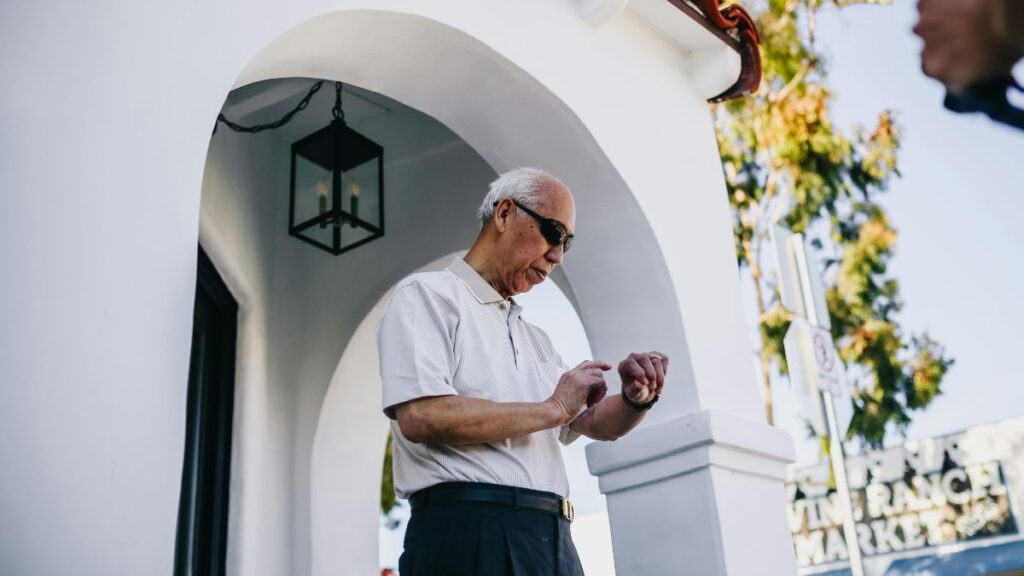
Jack felt embarrassed when he first told friends he was going back to work.
He worried they would think he had run out of money or made a foolish decision.
A few people did ask uncomfortable questions.
Then Jack noticed how many others were considering the same move.
AARP’s 2026 findings showed that 7 percent of retirees had recently returned to the labor force. The Bureau of Labor Statistics reported that 19.1 percent of Americans age 65 and older were working or looking for work in 2025.
Retirement is no longer one fixed event for every person.
Some people stop work completely. Some reduce their hours. Others leave, return, change fields, consult, or work during certain seasons.
Jack’s unretirement was a correction, not a defeat.
His first retirement plan had focused on replacing income. His new plan also replaced structure, contact, challenge, and purpose.
The right question was never, “Can Jack stay retired forever?”
It was, “What mix of work and freedom gives Jack a good life?”
What Jack Would Do Before Retiring Again
Jack still plans to leave paid work again.
Next time, he will prepare for more than money.
He will test his future routine for several months. He will keep regular social plans. He will choose a volunteer role before his last workday. He will set a clear amount for enjoyable spending.
He will also consider reducing his hours before stopping completely.
Anyone preparing to retire can use the same checklist:
- Build a sample retirement week.
- Test your hobbies during long breaks.
- Create friendships outside work.
- Discuss daily routines with your partner.
- Decide where your skills will still be useful.
- Review Social Security and Medicare rules.
- Give yourself permission to change the plan.
Retirement is a major life change. It does not have to be a permanent promise.
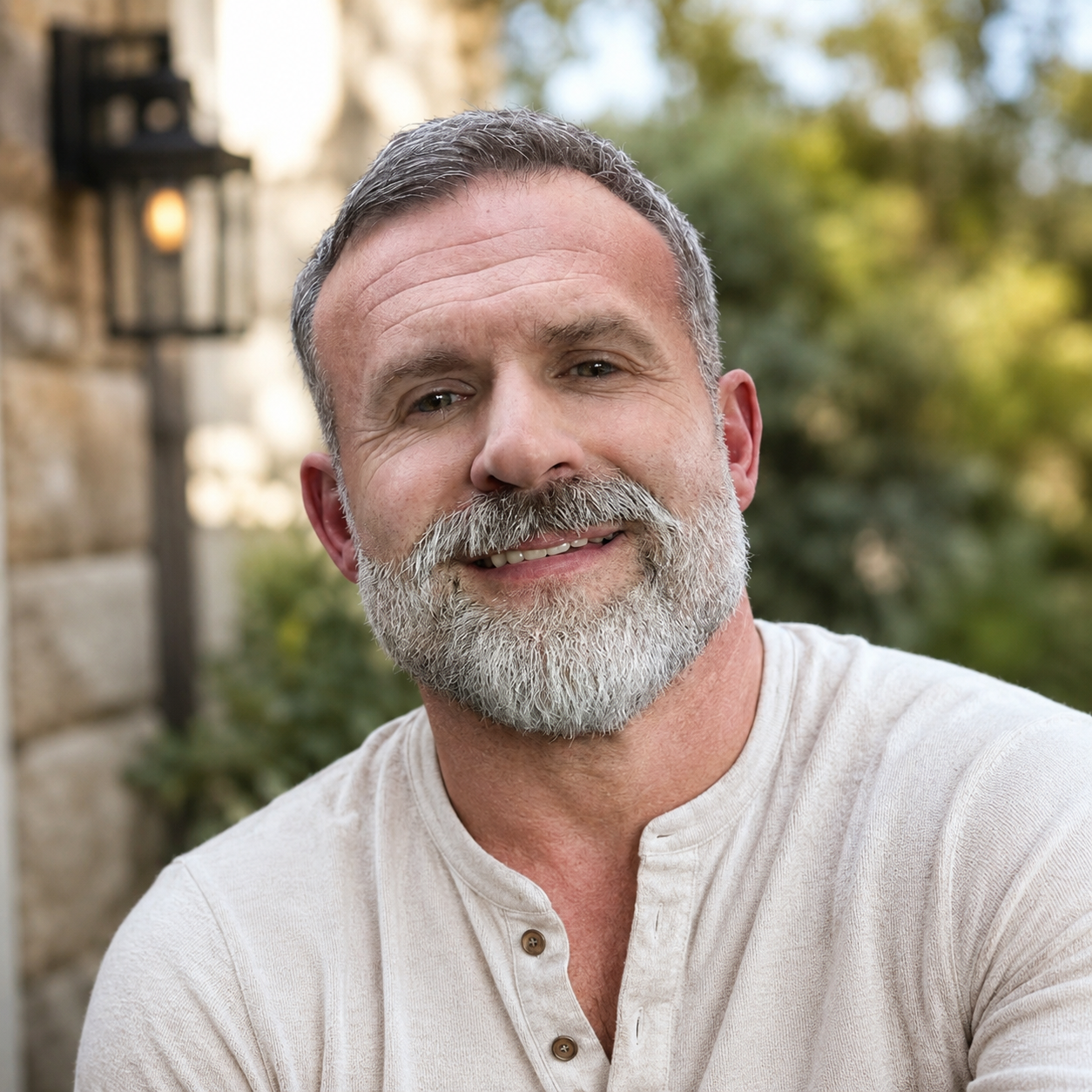
I’m Austin Becker, an advocate for living life with intention and resilience. I write for men who are actively navigating life’s major transitions, tackling the realities of reinvention and finding renewed purpose with grit and honesty. I believe that personal growth doesn’t have a deadline it’s about continuously gearing up for the chapters that matter most.
Through my work, I aim to strip away the clichés of modern manhood, offering practical, no-nonsense insights on health, mindset, and legacy for those who want to move forward with strength and clarity.